Giant


On a residential stretch of Logan Square, Giant runs a short, frequently changing menu of American bistro cooking that rewards closer reading than the format implies. Familiar formats, crab salad, pasta, ribs, arrive with enough technical precision and structural ingenuity to position the room well above its modest $$ price point.
Pearl is the En Primeur Club membership app — saves, bookings, and concierge access live there. Same editors, same standards.
- Address
- 3209 W Armitage Ave, Chicago, IL 60647
- Phone
- (773) 252-0997
- Website
- giantrestaurant.com
- Directions
- Get directions
 Saves & bookings on Pearl
The Logan Square Bistro That Earns Its Reputation Through Menu Architecture
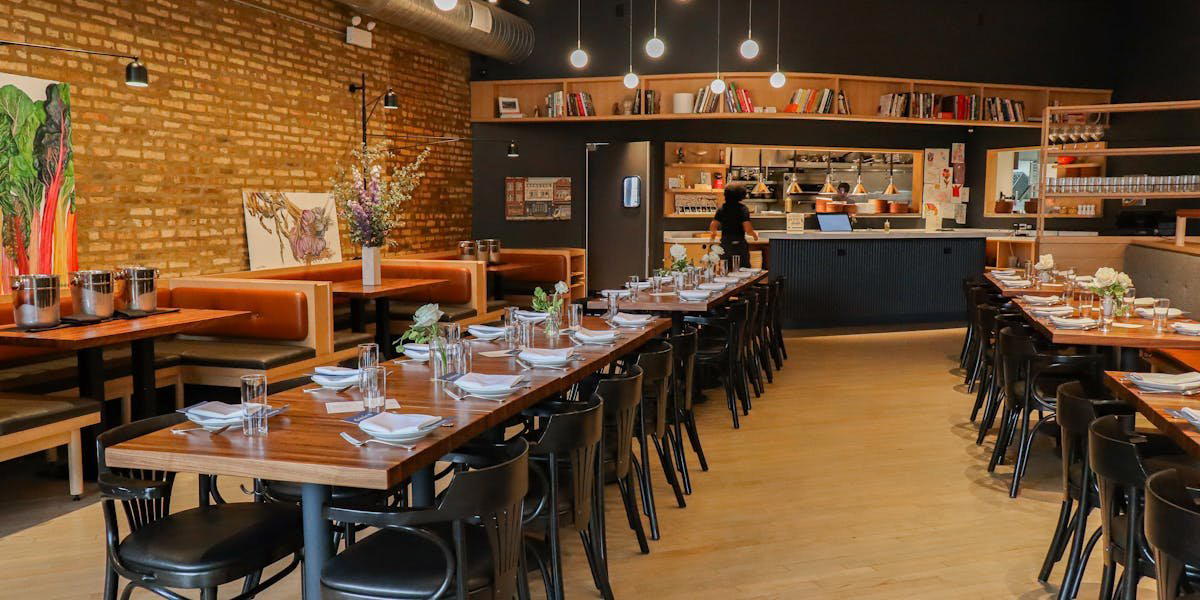
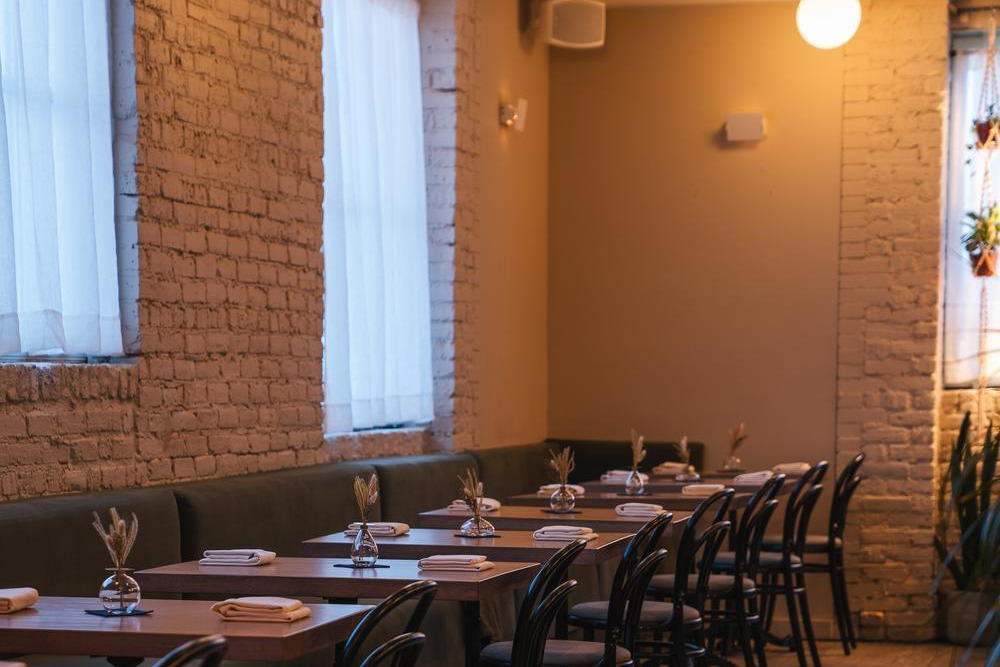
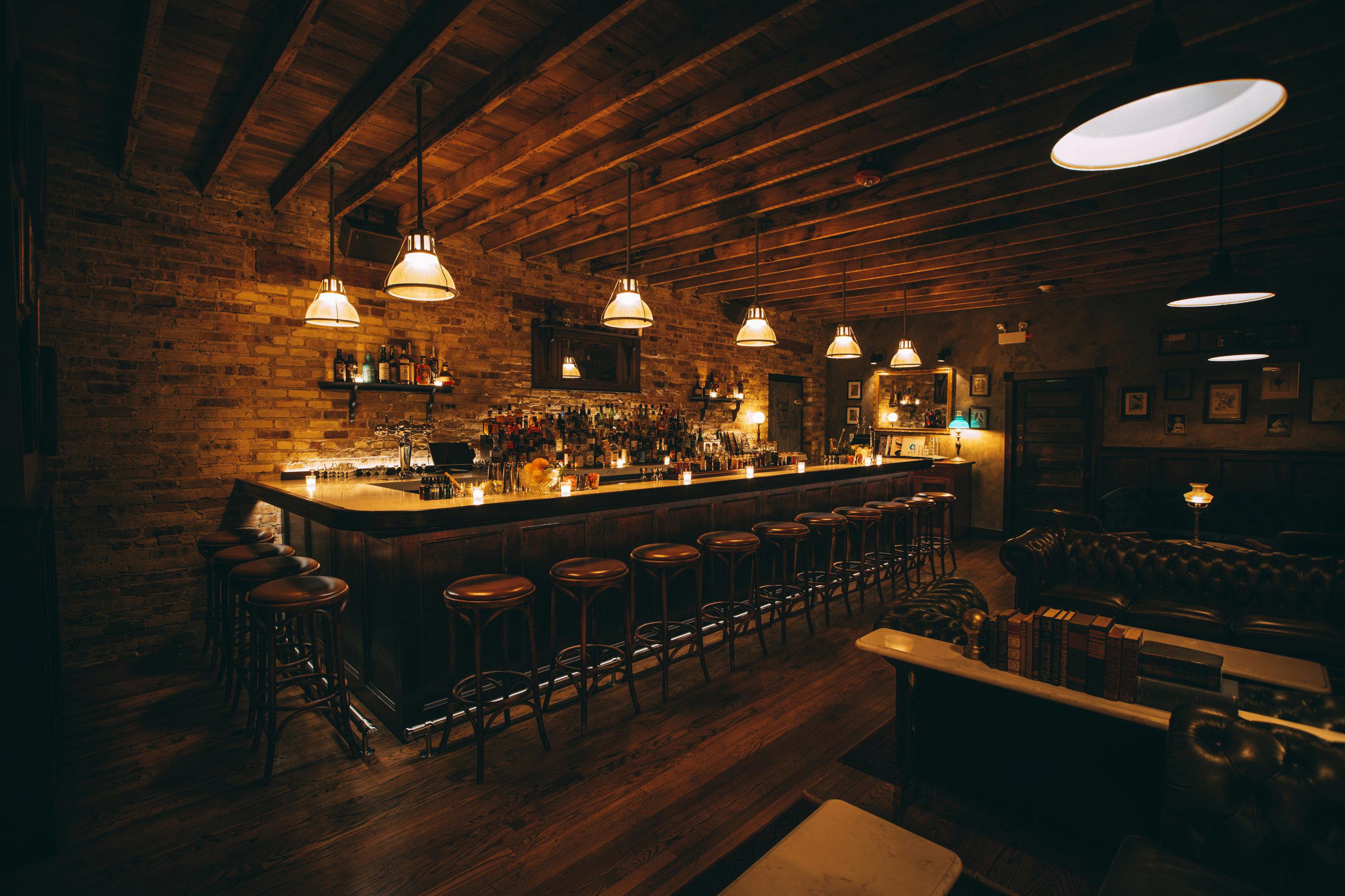
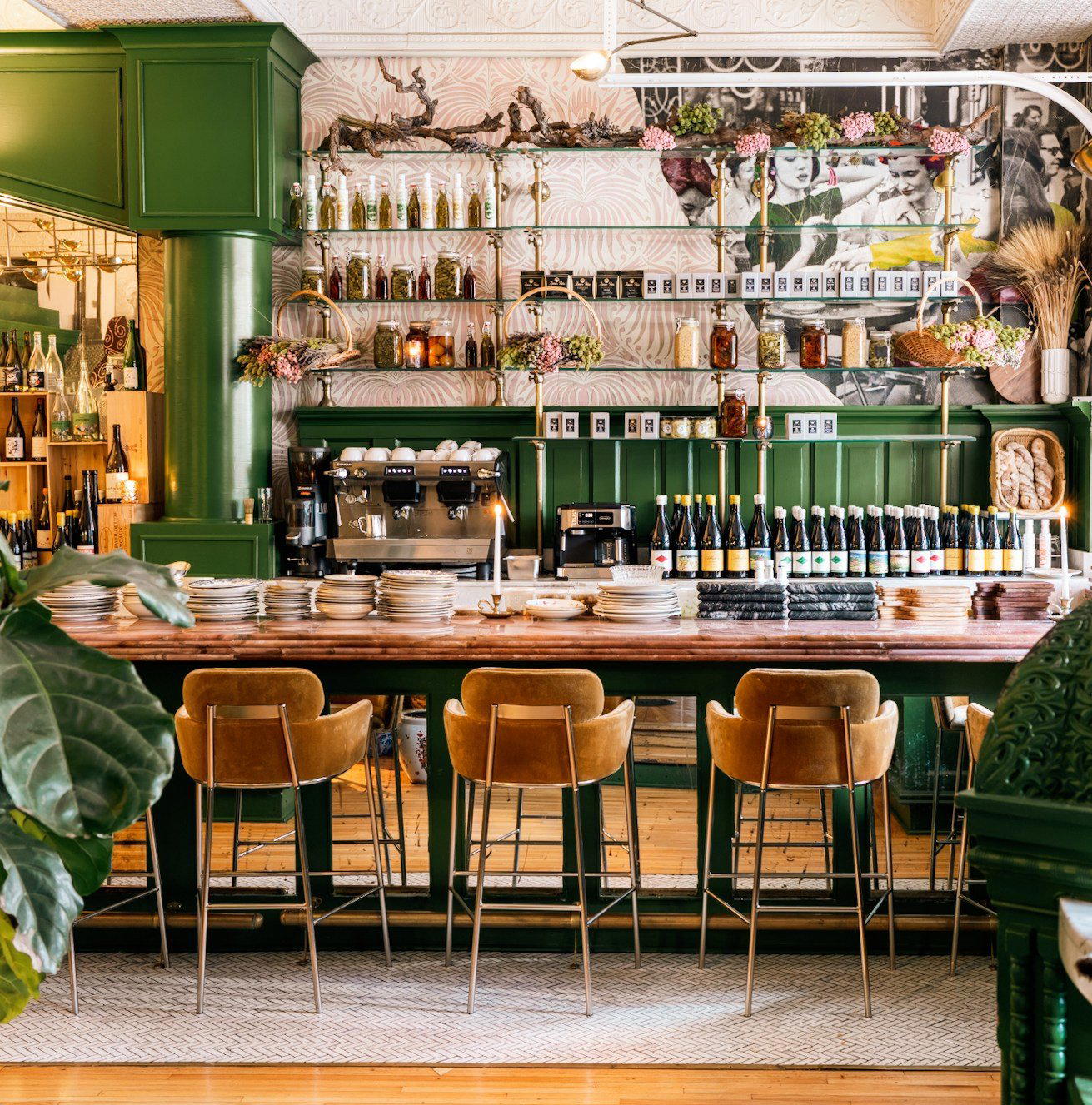
Giant is a restaurant in Chicago's Logan Square neighborhood, serving Modern American Small Plates. It is priced at about $60 per person. Giant sits along that stretch without announcing itself. The room is small and spare in the modern-rustic register that Chicago neighbourhood restaurants adopted in the 2010s, and the chef's counter at the back of the space is the only design flourish that signals something more deliberate is happening. What distinguishes the experience is not atmosphere but menu construction: the way a short list of recognisable dishes has been built to carry more structural weight than its casual framing suggests.
How the Menu Works
The American bistro format, and Chicago has many examples across price tiers, from the $$$$ rooms at Smyth and Oriole down to neighbourhood standbys, typically resolves in one of two directions. Either it leans into technique and signals its ambition through elaborately composed dishes, or it leans into comfort and signals value through familiar portion sizes and accessible pricing. Giant is doing something structurally different: the menu reads as comfort, but builds like a chef's tasting. The listed dishes, onion rings, crab salad, baby back ribs, have the grammar of a neighbourhood bar menu. The execution does not.
The Jonah crab salad is a useful demonstration of this approach. Crab salad is a dish that most American bistros treat as a vehicle for quality ingredient sourcing and light seasoning; the interest is supposed to come from the crab itself. Here, the dish is composed with soft waffle-cut potato fritters and freshly made cocktail sauce, additions that introduce textural contrast and structural complexity without distancing the dish from its recognisable form. The fritter provides crunch without heaviness; the house cocktail sauce anchors the dish in the American seafood tradition while signalling that the kitchen is controlling every component rather than relying on a commercial condiment. This is menu architecture: building outward from familiar forms without abandoning them.
Pasta course, listed as "pici with chew," is equally instructive. Pici is a Tuscan hand-rolled pasta with a rough, thick texture that holds sauce differently from extruded formats. The name telegraphs that the kitchen takes the physical quality of the noodle seriously, cooking to a conservative al dente rather than softening the pasta into submission. The sauce construction combines smoky bacon, chopped jalapeños, and breadcrumbs: a combination that borrows from carbonara logic (fat, texture, salinity) but routes it through an American ingredient vocabulary. The dish sits at the intersection of Italian pasta tradition and Chicago cooking sensibility without forcing a conceptual statement about that position. It simply works as a plate of food.
This is the governing logic of the menu: familiar formats used as structural containers for technically precise cooking. The approach keeps the price point accessible, Giant runs at $$ in a city where comparable technical ambition at Kasama or Ever operates at $$$$, while allowing the kitchen to exercise genuine craft. It also makes the menu resistant to easy classification, which may explain why critical recognition has been more measured than the execution warrants.
Where Giant Sits in the Chicago Dining Picture
Chicago's dining scene has spent the past decade consolidating around two poles. At one end, the progressive fine dining rooms, Alinea, Smyth, Oriole, Ever, operate at Michelin level with tasting menu formats and price points to match. At the other, neighbourhood restaurants serve the city's residential spread with accessible, often excellent cooking that functions as daily infrastructure rather than destination dining. Giant occupies an uncomfortable middle position: the format and price signal neighbourhood casual, but the execution and critical attention place it in a different category.
At the $$ price point, that level of sustained approval across a large review base typically reflects either consistent crowd-pleasing cooking or something more considered. The menu has drawn praise for being simple but finessed, with clever and creative touches that suit its format. That framing positions Giant less against the neighbourhood bistro tier and more against what American bistro cooking can achieve when the kitchen is paying close attention.
For comparison with the American bistro format at different scales and price points, Hatchet Hall in Los Angeles and Bacchanalia in Atlanta represent different regional approaches to the same genre question: how much technique and intentionality can a New American format absorb before it stops functioning as a bistro? Giant's answer is: more than most. At a different scale entirely, the progressive American rooms, Lazy Bear in San Francisco, Single Thread in Healdsburg, The French Laundry in Napa, Le Bernardin in New York, Emeril's in New Orleans, Providence in Los Angeles, share a commitment to structural intentionality that Giant mirrors at a fraction of the price and formality.
Planning Your Visit
Giant opens at 5pm daily, running until 10pm Sunday through Thursday and 11pm on Friday and Saturday. The address is 3209 W Armitage Ave in Logan Square. The chef's counter at the back of the room is worth requesting if you want proximity to the kitchen. Booking ahead is advisable, particularly for Friday and Saturday service.
Awards and Standing
Comparable venues nearby, for context on price, style, and recognition.
| Venue | Cuisine | Price | Awards | Notes |
|---|---|---|---|---|
| GiantThis venue — the venue you are viewing | Modern American Small Plates | $$$ | Bib Gourmand | Not listed |
| Lardon | Charcuterie & Salumi Deli | $$ | Bib Gourmand | Logan Square |
| Union | New American Gastropub | $$$ | Bib Gourmand | Logan Square |
| S.K.Y. | Contemporary American with Global Influences | $$$$ | Michelin Plate | Lincoln Park |
| Astor Club: Chef's Table | Modern American Fine Dining Tasting Menu | $$$$ | Michelin Plate | Gold Coast |
| Nettare | Seasonal Midwest & Great Lakes American | $$$ | Not listed | West Town |
Recognition history
Dated appearances from independent guides and award organizations, with the underlying list record or original source where available.
Star Wine List
Star Wine List
Michelin Bib Gourmand
Michelin
Michelin Bib Gourmand
Michelin

At a Glance
- Cozy
- Modern
- Rustic
- Trendy
- Lively
- Date Night
- Group Dining
- Special Occasion
- Chefs Counter
- Open Kitchen
- Craft Cocktails
Current opening hours
- Monday
- 5–10 PM
- Tuesday
- 5–10 PM
- Wednesday
- 5–10 PM
- Thursday
- 5–10 PM
- Friday
- 5–11 PM
- Saturday
- 5–11 PM
- Sunday
- 5–10 PM
Hours can change for holidays and private events. Last verified .
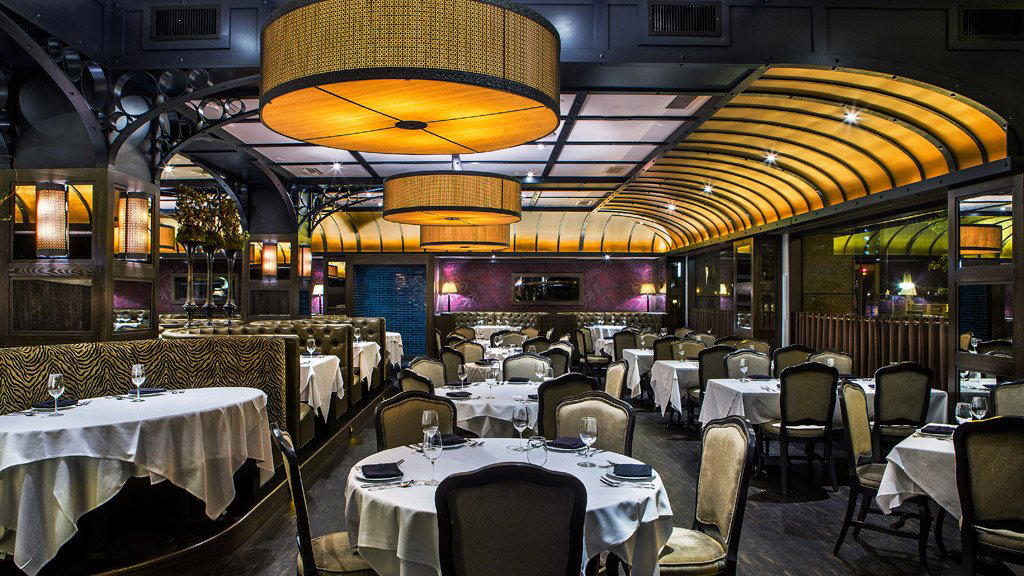
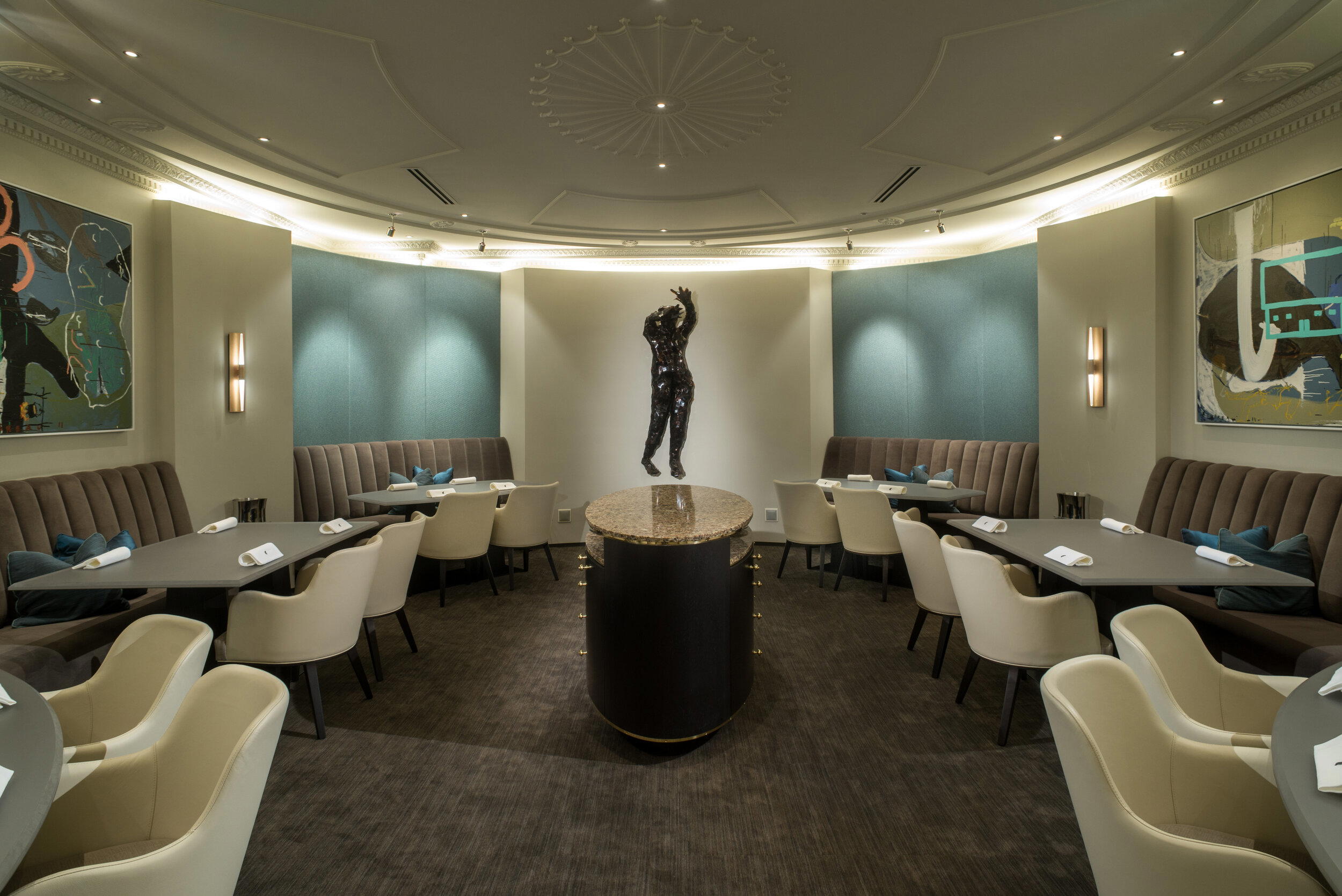
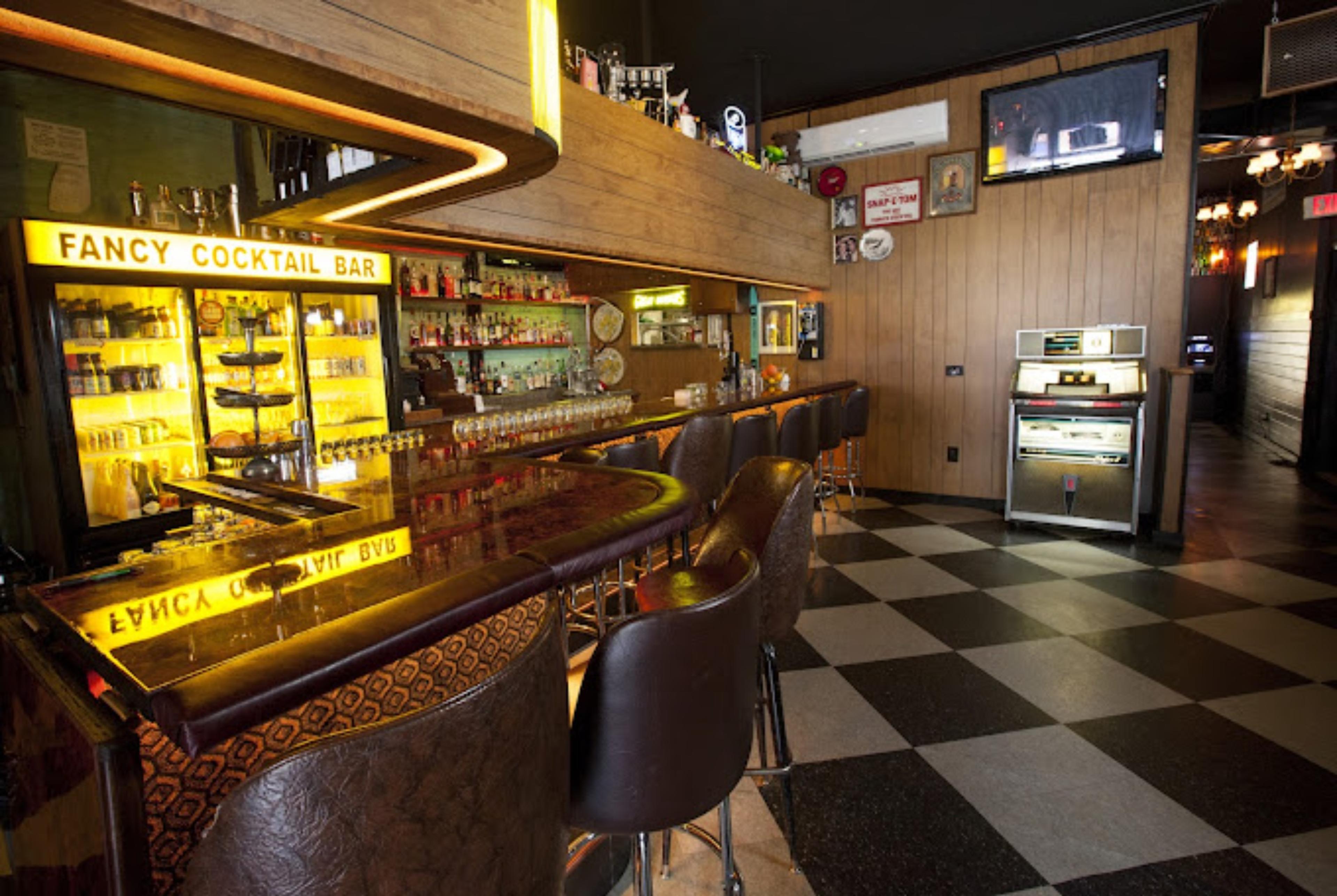
Cozy modern-rustic space with warm lighting, high energy, and packed tables creating a lively neighborhood vibe.