Geist
Our verdict
Geist sits on Jefferson Street in Nashville's historically rich North Nashville corridor, a neighbourhood that has shaped the city's cultural identity long before the Lower Broadway boom. The address alone signals an editorial choice about where serious dining in Nashville is heading, placing it in conversation with the city's more adventurous progressive restaurants rather than its established dining districts.

Pearl is the En Primeur Club membership app — saves, bookings, and concierge access live there. Same editors, same standards.
- Address
- 311 Jefferson St, Nashville, TN 37208
- Phone
- (615) 920-5440
- Hours
- Mon–Thu 5–9 PMFri 5–10 PMSat 10 AM–2 PM, 5–10 PMSun 10 AM–2 PM, 5–9 PM
- Website
- geistnashville.com
- Directions
- Get directions
- Booking
- Book on OpenTable
The menu
What to order
- House Bread
- Pork Chop
- Brunch Cinnamon Roll
Jefferson Street and the Geography of Nashville's Dining Frontier
Nashville's dining conversation has long been anchored in neighbourhoods like 12South, the Gulch, and East Nashville, where foot traffic and visibility made restaurant economics more legible. Jefferson Street operates on different logic. The corridor running through North Nashville carries one of the city's most layered cultural histories, having served as a hub for Black-owned businesses and live music venues from the mid-twentieth century onward. A restaurant choosing 311 Jefferson St as its address is not just picking a zip code — it is making a statement about where the city's creative energy is moving, and what kind of diner it expects to find there.
That positioning places Geist in a specific tier of Nashville restaurant: properties that earn their clientele through reputation and word-of-mouth rather than proximity to honky-tonks or hotel dining clusters. In other American cities, this pattern is familiar. Lazy Bear in San Francisco built its identity in the Mission before the neighbourhood became a dining destination. Smyth in Chicago occupies the West Loop's edge rather than its commercial core. The geographic choice is itself editorial — it filters the room before the first course arrives.
What the Jefferson Street Address Says About the Room
North Nashville's renovation wave has been slower and less uniform than the rapid development that reshaped Germantown or the Nations. That unevenness produces a particular kind of atmosphere for a restaurant operating in it: the surroundings are neither polished nor performatively rough, which tends to strip away the layer of scenography that props up weaker dining rooms elsewhere. A restaurant on Jefferson Street either earns its room through the quality of what it serves, or it does not survive the location.
This dynamic is not unique to Nashville. Across American cities, restaurants that have chosen to operate in transitional or historically significant neighbourhoods rather than established dining districts have tended to develop stronger culinary identities, partly because the location offers no ambient credibility to borrow from. Locust in Nashville operates on a similar principle, a focused, technique-driven program that does not rely on neighbourhood prestige as a selling point. Bastion, at the $$$$ tier, has made its format and quality the argument for the drive.
Nashville's Progressive Dining Tier: Where Geist Sits
The city's fine-casual and progressive restaurant cohort has expanded considerably over the past decade, with properties like The Catbird Seat establishing a counter-format tasting menu model that drew national attention and demonstrated Nashville could sustain serious dining ambitions beyond its barbecue and hot chicken identity. That proof of concept opened space for a broader range of operators to attempt more ambitious programs.
Within that tier, the restaurants worth tracking are the ones that have chosen specificity over accessibility: tight menus, considered sourcing, formats that require the diner to meet them halfway. Peninsula works in Southern American traditions with a refined lens. The broader national conversation about this kind of dining includes reference points from Blue Hill at Stone Barns in Tarrytown to Single Thread Farm in Healdsburg, restaurants that use sourcing and seasonality as the primary editorial argument, with technique as the expression rather than the headline.
Geist's presence on Jefferson Street suggests an affinity with this direction, though the specifics of its program require firsthand confirmation of details not yet widely documented in the public record. What the address and neighbourhood context make clear is that this is not a restaurant built around casual drop-in dining or tourist traffic.
The Broader Pattern: Neighbourhood-First Restaurants in Southern Cities
Southern cities have a particular relationship with neighbourhood identity in restaurant culture. New Orleans has long produced significant dining in areas that visitors do not automatically reach, Emeril's helped shift dining energy in the Warehouse District before it became a gallery and hotel corridor. Nashville is at an earlier stage of that process in several of its neighbourhoods, which means restaurants opening now in places like North Nashville are making long-term bets on where the city's dining geography will settle.
The risk in that bet is real. Foot traffic does not materialize immediately, and the diner who travels specifically for a meal requires stronger conviction than one who is already in the neighbourhood for other reasons. The reward, for restaurants that execute well enough to generate that conviction, is a room that skews toward people who have already decided to care about what they are eating. Compared to tourist-adjacent dining in Nashville's more visible corridors, the honky-tonk strip, the areas around Bridgestone Arena, the Jefferson Street diner arrives with different expectations and, typically, more patience for the kind of format that requires attention.
For context on how other cities' serious restaurants have handled the neighbourhood-versus-visibility tension, the progression at venues like Providence in Los Angeles or Addison in San Diego, both of which occupy locations that reward the diner willing to seek them out rather than stumble upon them, offers a useful frame. Even at the highest end, as with The Inn at Little Washington or Atomix in New York City, the question of where a restaurant chooses to locate itself carries meaning about what it intends to be. Le Bernardin in New York City and The French Laundry in Napa both made location central to their identity from the outset, in ways that shaped their clientele and their culinary programs over decades. Even internationally, Atelier Moessmer Norbert Niederkofler in Brunico demonstrates how a deliberate, non-obvious location can become inseparable from the dining proposition itself.
Geist is earlier in that trajectory, which makes it worth watching rather than simply filing under Nashville's established dining landmarks. For a fuller view of where it sits within the city's restaurant scene, our full Nashville restaurants guide maps the current state of the dining conversation across neighbourhoods and price tiers.
Know Before You Go
- Address: 311 Jefferson St, Nashville, TN 37208
- Neighbourhood: North Nashville / Jefferson Street corridor
- Getting There: Jefferson Street is accessible by car from downtown Nashville; street and lot parking available in the corridor
- Also nearby: 12 South Taproom and Grill for a different Nashville dining register
Frequently asked questions
at Geist?
Specific menu details for Geist are not yet comprehensively documented in published sources, which means ordering recommendations should come from the restaurant directly or from recent diner accounts. What the venue's positioning within Nashville's progressive dining tier suggests is a program that rewards attention to the menu as written rather than requests for modification. Restaurants in this bracket, comparable in spirit to Locust or The Catbird Seat, typically build menus around a coherent point of view, the leading approach is to follow the format as intended.
Is Geist reservation-only?
Given its Jefferson Street location, away from the walk-in tourist traffic of Nashville's central corridors, and its positioning alongside Nashville's more considered dining options, contacting the venue in advance is advisable regardless of formal policy. In this price tier and format category across Nashville and comparable American cities, booking ahead is standard practice.
How does Geist fit into North Nashville's cultural history, and does that context shape the dining experience?
Jefferson Street carries significant cultural weight in Nashville as a historic center of African American commerce, music, and community life, particularly through the mid-twentieth century era when venues along the street hosted nationally significant performers. A restaurant opening at 311 Jefferson St is operating within that layered context whether or not it explicitly references it. For diners approaching Nashville's restaurant scene with an interest in neighbourhood character alongside culinary ambition, North Nashville represents a part of the city with a depth of history that the newer dining districts in Germantown or the Gulch have not had time to accumulate. That context does not replace the need for a strong kitchen, but it adds a layer of meaning to the address that diners attentive to place will find relevant.
Accolades, Compared
Comparable venues nearby, for context on price, style, and recognition.
| Venue | Cuisine | Price | Notes |
|---|---|---|---|
| GeistThis venue — the venue you are viewing | Modern American with International Influences | $30–50 | Not listed |
| Noshville Delicatessen | New York-Style Deli | $10–20 | Midtown |
| The Pharmacy Burger Parlor - BNA Airport | Nashville Burgers & Beer Garden | $20–30 | Una |
| Emmy Squared Pizza - Gulch | Detroit-Style Pizza | $20–30 | Music Row |
| Liberty Common | Modern Southern Brasserie | $30–50 | Downtown |
| Pinewood | Modern American with Southern influences | Not listed | Downtown |
Continue exploring
More in Nashville
Restaurants in Nashville
Browse all →
Bars in Nashville
Browse all →
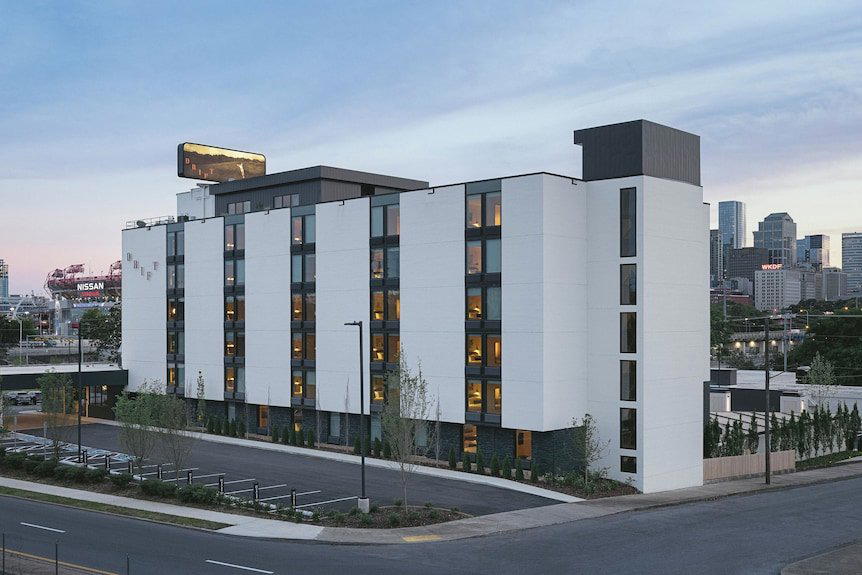
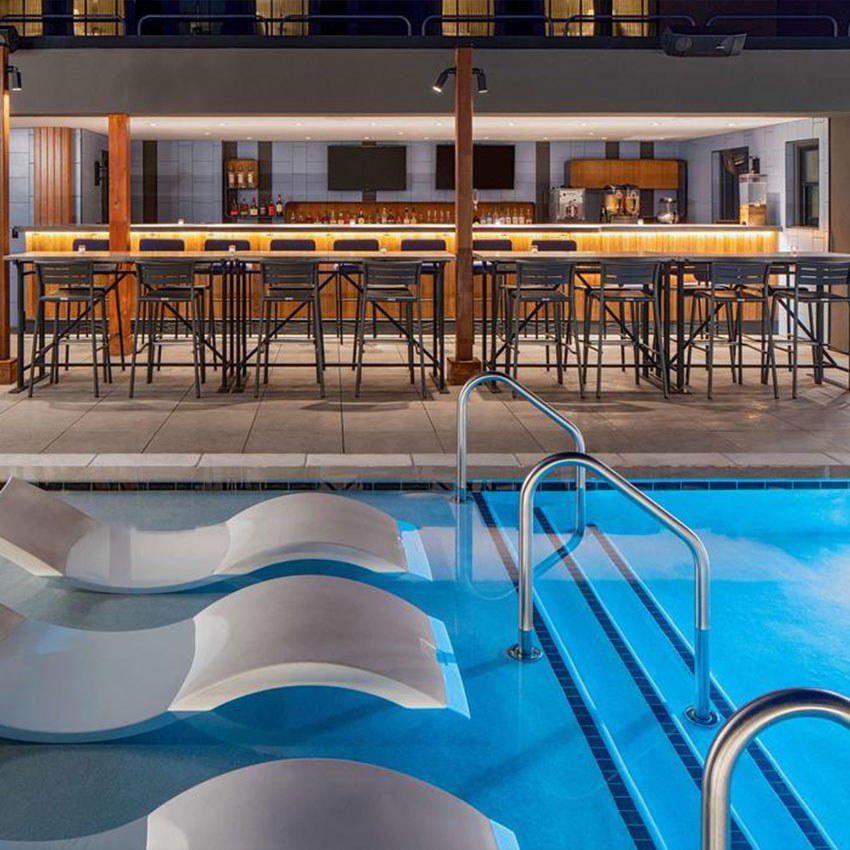
Hotels in Nashville
Browse all →
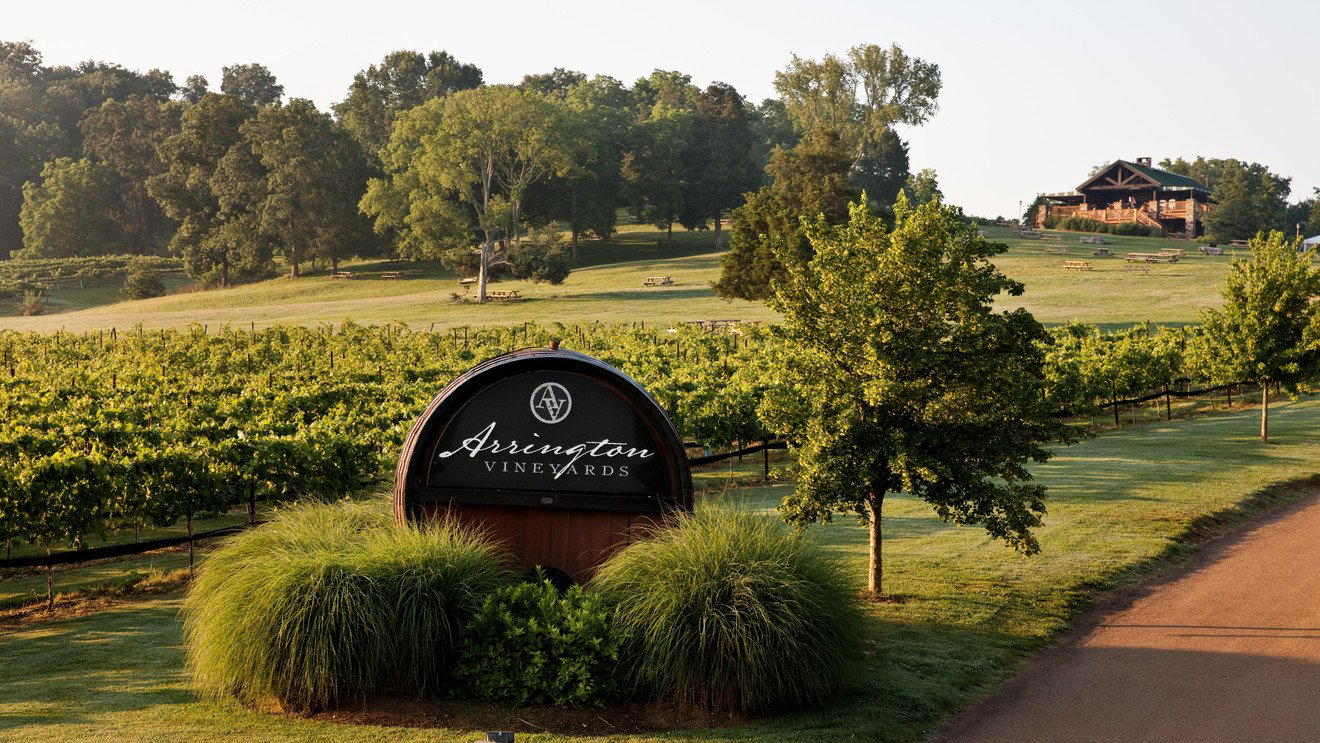
Wineries in Nashville
Browse all →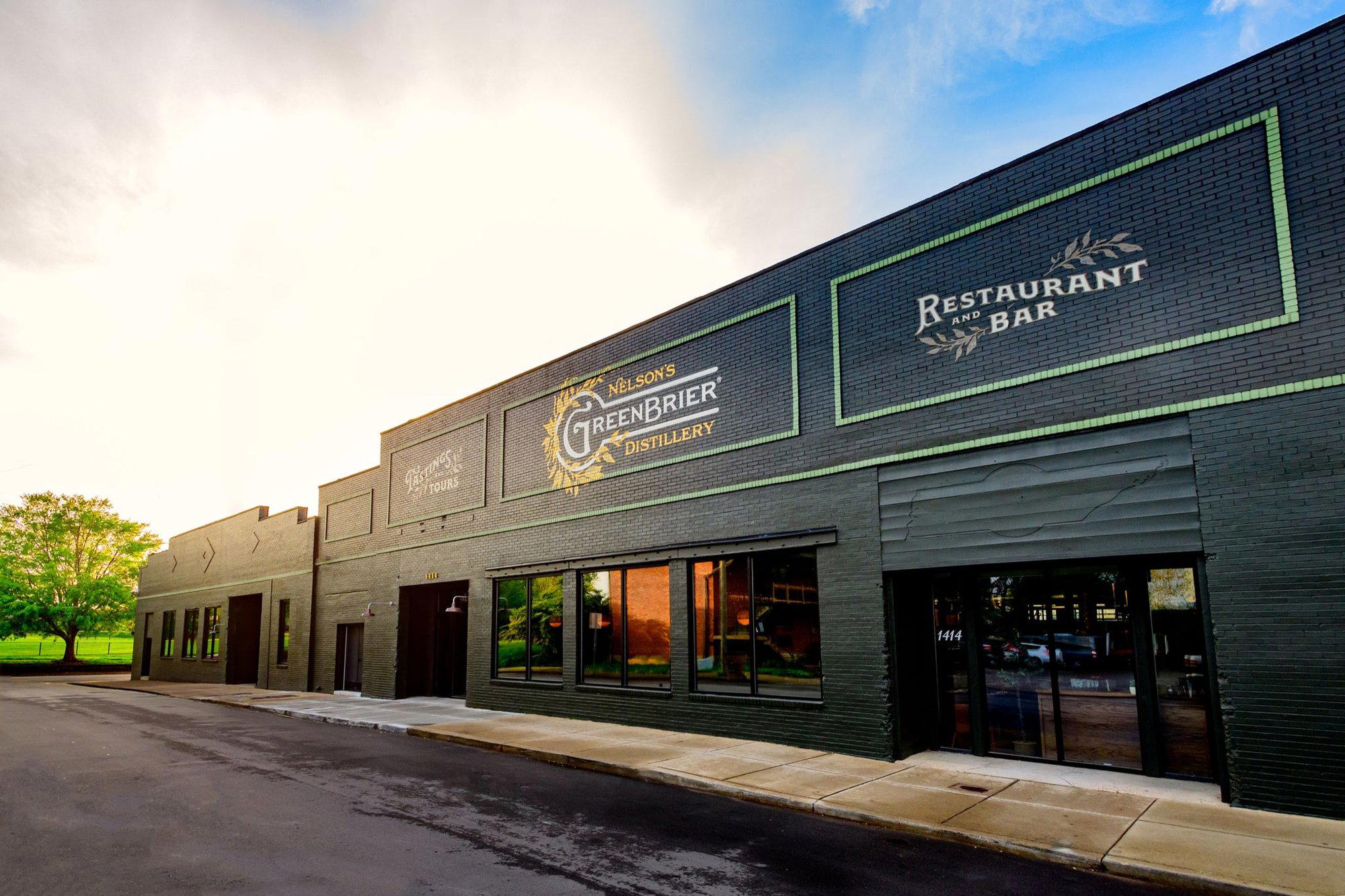
Details
- Modern
- Cozy
- Elegant
- Trendy
- Intimate
- Date Night
- Special Occasion
- Brunch
- Historic Building
- Open Kitchen
- Courtyard
- Craft Cocktails
- Local Sourcing
- A La Carte
- Small Plates
- Craft Cocktails
- Champagne
- Vegetarian Friendly
Current opening hours
- Monday
- 5–9 PM
- Tuesday
- 5–9 PM
- Wednesday
- 5–9 PM
- Thursday
- 5–9 PM
- Friday
- 5–10 PM
- Saturday
- 10 AM–2 PM, 5–10 PM
- Sunday
- 10 AM–2 PM, 5–9 PM
Hours can change for holidays and private events. Last verified .
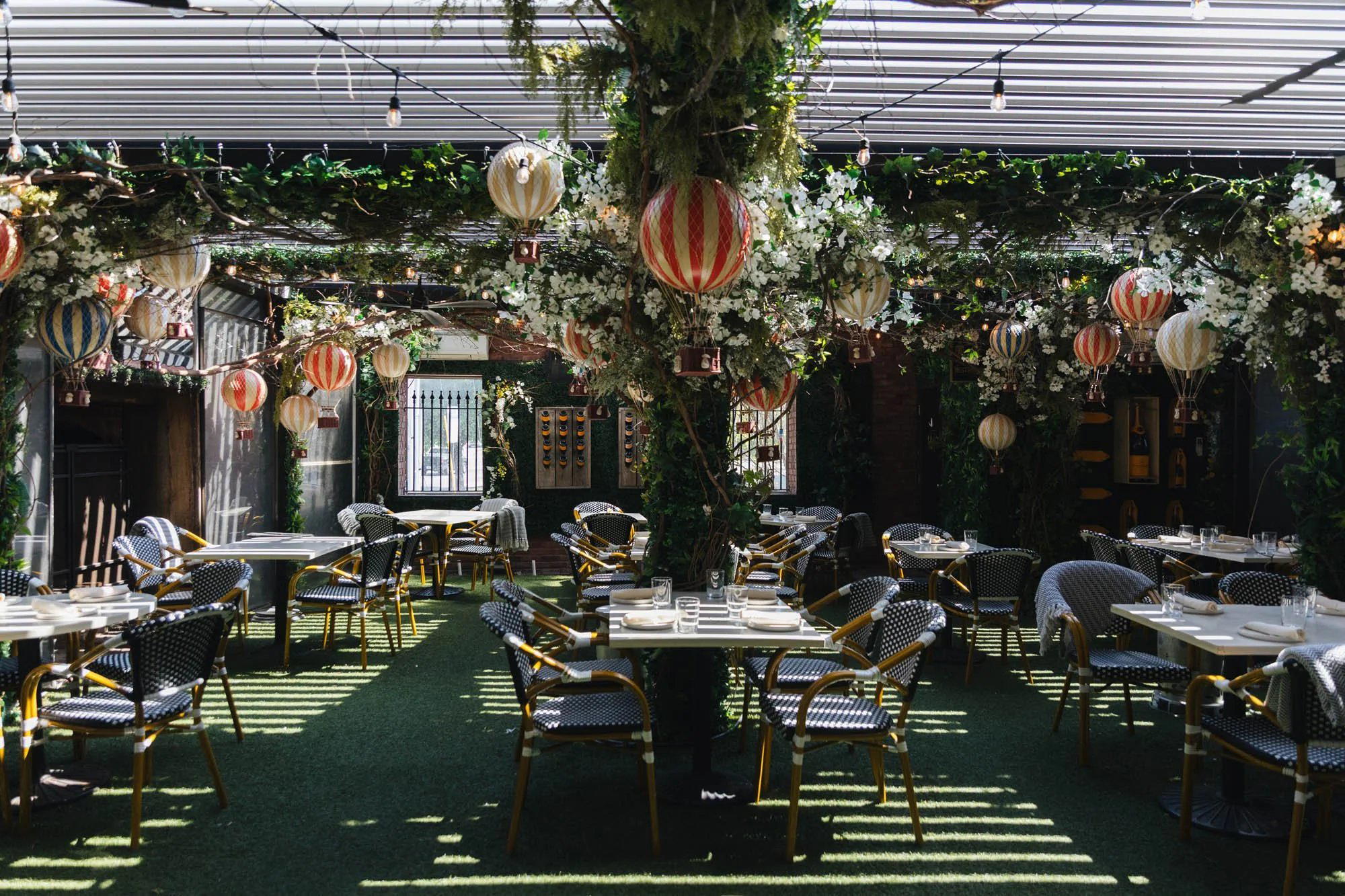
Dimly lit, inviting, and hipster atmosphere with sophisticated yet unfussy charm akin to dining at a fond friend's home.