Our verdict
Korean BBQ and hotpot has found a firm foothold in Pekanbaru, where GC Korean BBQ & Hotpot draws locals and visitors to the Kota Tinggi area for the communal grill-and-broth format that has reshaped casual dining across Indonesian cities. The dual-format setup — raw proteins over charcoal alongside simmering tabletop broths — positions it squarely in a dining tradition built on shared plates and ingredient transparency.

Pearl is the En Primeur Club membership app — saves, bookings, and concierge access live there. Same editors, same standards.
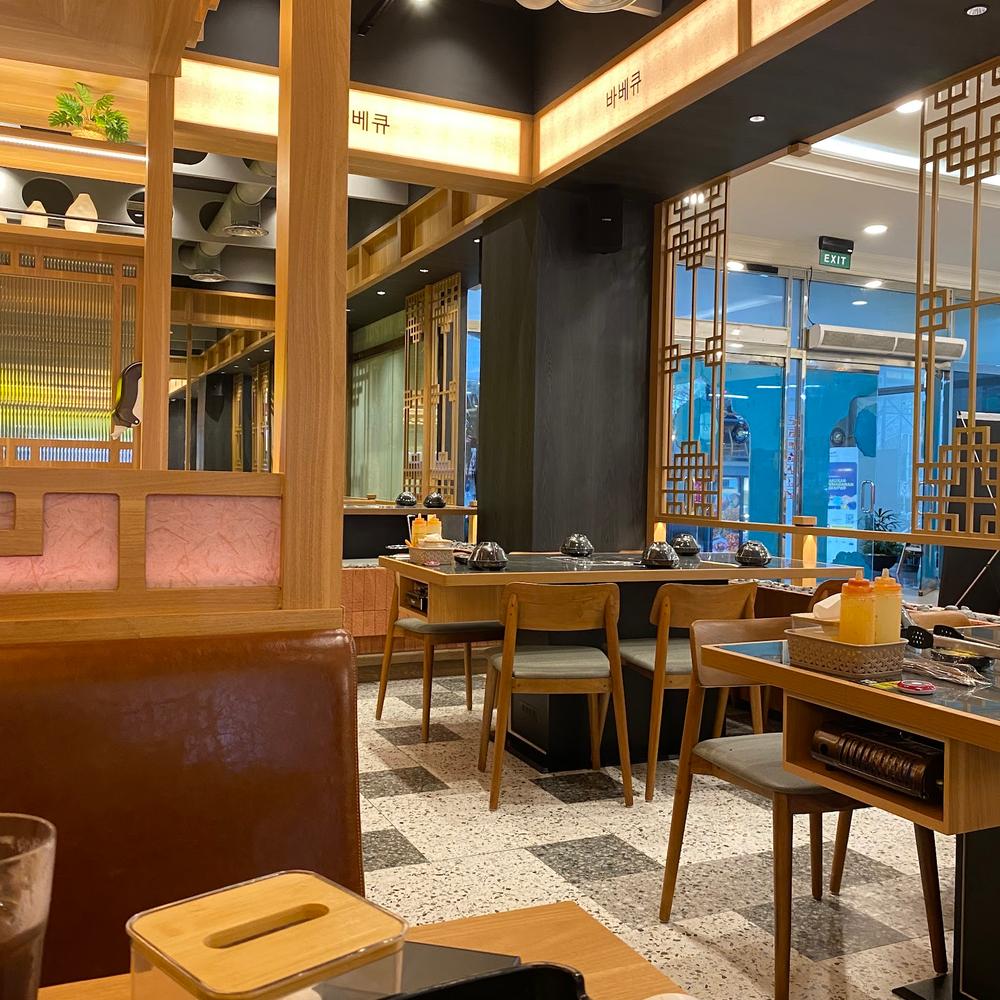
Korean Communal Dining in Sumatra's Commercial Capital
Pekanbaru does not often appear in Indonesian fine-dining conversations, which tend to orbit Bali and Jakarta. But the city's food culture has its own coherence: a Malay-Minang backbone, a well-established Chinese-Indonesian merchant tradition, and, more recently, a wave of Korean-format restaurants that have landed with notable staying power across the Riau capital. GC Korean BBQ & Hotpot, located in the Kota Tinggi district, sits within that wave — a format import that has been adopted and, by most accounts, genuinely absorbed into how Pekanbaru residents eat out. For a broader look at where this venue fits among the city's dining options, see our full Pekanbaru City restaurants guide.
The Format and What It Demands of Ingredients
Korean BBQ and hotpot, at its functional core, is an ingredient-transparency format. Unlike plated cuisine where kitchen technique can compensate for mediocre sourcing, the tabletop grill and the simmering broth are merciless editors: proteins cook in front of the diner, broths reduce and concentrate, and there is nowhere for substandard produce to hide. This is why sourcing decisions define the experience more directly in this format than in most others.
Across Indonesian cities where Korean BBQ has taken hold — from south Jakarta to Medan, the format has pushed operators toward more deliberate procurement choices. Beef cuts for grilling require freshness and appropriate marbling; pork belly depends on fat-to-lean ratios that affect caramelisation at the grill surface; hotpot broths, whether anchovy-based, bone-based, or spiced with gochugaru, are only as good as the stock construction behind them. The Korean dining format, in this sense, functions as an audit of supply-chain discipline in a way that more forgiving cuisines do not. For comparison, Indonesian restaurants that have built their reputations on ingredient sourcing and provenance, including Locavore NXT in Ubud and Moksa in Bali, operate on a similar premise: the quality of what arrives at the table is inseparable from where it was grown or raised.
Pekanbaru's Position in Indonesia's Korean Food Expansion
The Korean restaurant format spread through Indonesia's tier-two cities later than it reached Jakarta or Bali, but its arrival has been durable rather than trend-driven. In Pekanbaru specifically, the Korean BBQ format aligns well with existing local eating habits: communal meals, shared protein plates, and high-heat cooking methods are not foreign concepts to a population accustomed to Minang-style shared spreads and Chinese-Indonesian grilled meats. The adoption curve was shorter here than in cities with more Westernised dining cultures.
GC Korean BBQ & Hotpot occupies the Kota Tinggi area of Pekanbaru Kota, a central urban district with reasonable foot traffic. The dual-format offer, tabletop grilling alongside hotpot, gives it flexibility across group sizes and occasions, from family dinners to the kind of extended weeknight meals that remain the dominant social format in Sumatran cities. Restaurants in Indonesia that have successfully positioned themselves around communal eating formats, including Kahyangan in Gondangdia and CARANO Masakan Padang in Bekasi, demonstrate that the shared-table format continues to anchor Indonesian restaurant culture at multiple price tiers.
The Dual-Format Offer: Grill and Broth Together
The combination of Korean BBQ and hotpot under one roof serves a practical function that single-format Korean restaurants cannot. Grilling suits smaller portions and quicker throughput; hotpot accommodates longer meals and larger groups who want to anchor the table around a simmering pot for an extended period. The two formats also draw on different flavour logics: grilling emphasises char, fat rendering, and the smoky character of meat over direct heat, while hotpot builds cumulative depth as the broth absorbs proteins, vegetables, and aromatics across successive additions.
In South Korea itself, the combination format has long been common in casual restaurant contexts, and its Indonesian iterations, which tend to adapt broth spicing to local palates, incorporating levels of chilli heat familiar to Indonesian diners, have generally landed well. The Indonesian adaptation is not a dilution of the original; it reflects the same ingredient intelligence that defines Korean cooking, applied to a local context. For contrast, premium Indonesian restaurants that have built their identity around locally sourced and place-specific ingredients, such as Rumari in Jimbaran and Cuca Restaurant in Badung, show how ingredient provenance can become a defining editorial statement even within adapted formats.
Planning Your Visit
GC Korean BBQ & Hotpot is located in the Kota Tinggi area of Pekanbaru Kota, in central Pekanbaru. As with most casual Korean BBQ formats in Indonesian cities, the venue suits groups of three or more who can make full use of the shared grill or hotpot setup. For solo diners or couples, the hotpot format typically offers more flexibility in portion sizing. The Kota Tinggi district is accessible from most central Pekanbaru neighbourhoods by ride-hailing services, which remain the most practical transport option within the city.
Those travelling through Sumatra with an interest in how Indonesian cities are building their own restaurant identities beyond the Bali-Jakarta axis will find Pekanbaru a useful case study. Venues like Agreya Coffee Bogor in Bogor and bebek goreng harissa in Sidoarjo illustrate how provincial Indonesian cities are developing distinct food cultures, often drawing on both local culinary tradition and well-executed format imports. For those whose travels take them further, to Bali's sourcing-driven restaurants like Sarong Bali in Canggu or Cafe Organic Canggu, or to the higher tiers of Indonesian fine dining represented by August in Jakarta, the contrast with Pekanbaru's more casual Korean-format scene is instructive about how unevenly, and how interestingly, Indonesia's restaurant culture is developing across its cities. For reference points further afield, Le Bernardin in New York City and Lazy Bear in San Francisco represent the kind of sourcing rigour that, at different price tiers and in very different contexts, shares the same foundational logic: what arrives at the table is only as good as what was sourced to build it.
Frequently asked questions
Would GC Korean BBQ & Hotpot be comfortable with kids?
The communal table-grill format at Korean BBQ restaurants is generally well-suited to groups that include children, provided the adults manage the open flame at the table. The Kota Tinggi location in central Pekanbaru is a commercial district rather than a late-night strip, which keeps the general crowd mix family-facing. That said, specific seating arrangements or high-chair availability are not documented, so it is worth confirming directly before arriving with very young children.
What is the atmosphere like at GC Korean BBQ & Hotpot?
Korean BBQ and hotpot venues in Indonesia's secondary cities tend toward casual, smoke-scented dining rooms where the table itself is the event — grills firing, broth bubbling, and shared plates moving around the group. GC operates in Pekanbaru's Kota Tinggi area, a commercial pocket of the city that draws working crowds and local families rather than tourists. The format naturally produces noise and conviviality; this is not a quiet dinner venue.
Is GC Korean BBQ & Hotpot one of the few places in Pekanbaru offering both Korean BBQ and hotpot in a single sitting?
The combined grill-and-broth format is less common in Pekanbaru than in Jakarta, where Korean restaurant density supports more format specialisation. GC's dual offer in the Kota Tinggi district of Pekanbaru Kota positions it to serve groups with split preferences — those who want to grill and those who want hotpot — without requiring two separate venues. Whether it is the only such combined-format Korean restaurant in Pekanbaru is not documented, but the format itself remains a minority offer in the city's Korean dining scene.
What do regulars order at GC Korean BBQ & Hotpot?
The dual-format offer — grill and hotpot in the same sitting — is the practical draw for repeat visitors, since most single-format Korean restaurants in Pekanbaru require choosing one or the other. Korean BBQ regulars across Indonesia typically anchor their orders around marinated beef cuts and pork belly for the grill, with spicier broth bases for the hotpot side.
What part of town is GC Korean BBQ & Hotpot in?
GC Korean BBQ & Hotpot is located at îKota Tinggi, Pekanbaru Kota, Pekanbaru City, Riau, Indonesia, Pekanbaru City.
Do they take walk-ins at GC Korean BBQ & Hotpot?
No reservation contact or booking system is publicly listed for GC Korean BBQ & Hotpot, which in the context of casual Korean BBQ formats in Indonesian tier-two cities typically means walk-ins are the default arrangement. Peak times — weekend evenings in particular — can push wait times at popular grill houses in Pekanbaru. Arriving before the main dinner rush is the practical way to secure a table without advance coordination.
Comparison Snapshot
Comparable venues nearby, for context on price, style, and recognition.
| Venue | Cuisine | Price | Notes |
|---|---|---|---|
| GC Korean BBQ & HotpotThis venue — the venue you are viewing | Korean BBQ & Hotpot | Not listed | Not listed |
| Okinawa Sushi Pekanbaru | Authentic Japanese Sushi | Not listed | Jl. Soekarno Hatta |
| Hai Di Lao | Chinese Hot Pot | $20–30 | Central Jakarta |
| Gindaco | Japanese Takoyaki & Okonomiyaki | $1–10 | Menteng |
| Super Grain | Healthy Grain Bowls | $10–20 | Menteng |
| İstanbul kebab | Turkish Kebab | $1–10 | Gili Indah |
Continue exploring
More in Pekanbaru
Restaurants in Pekanbaru
All restaurants in Pekanbaru →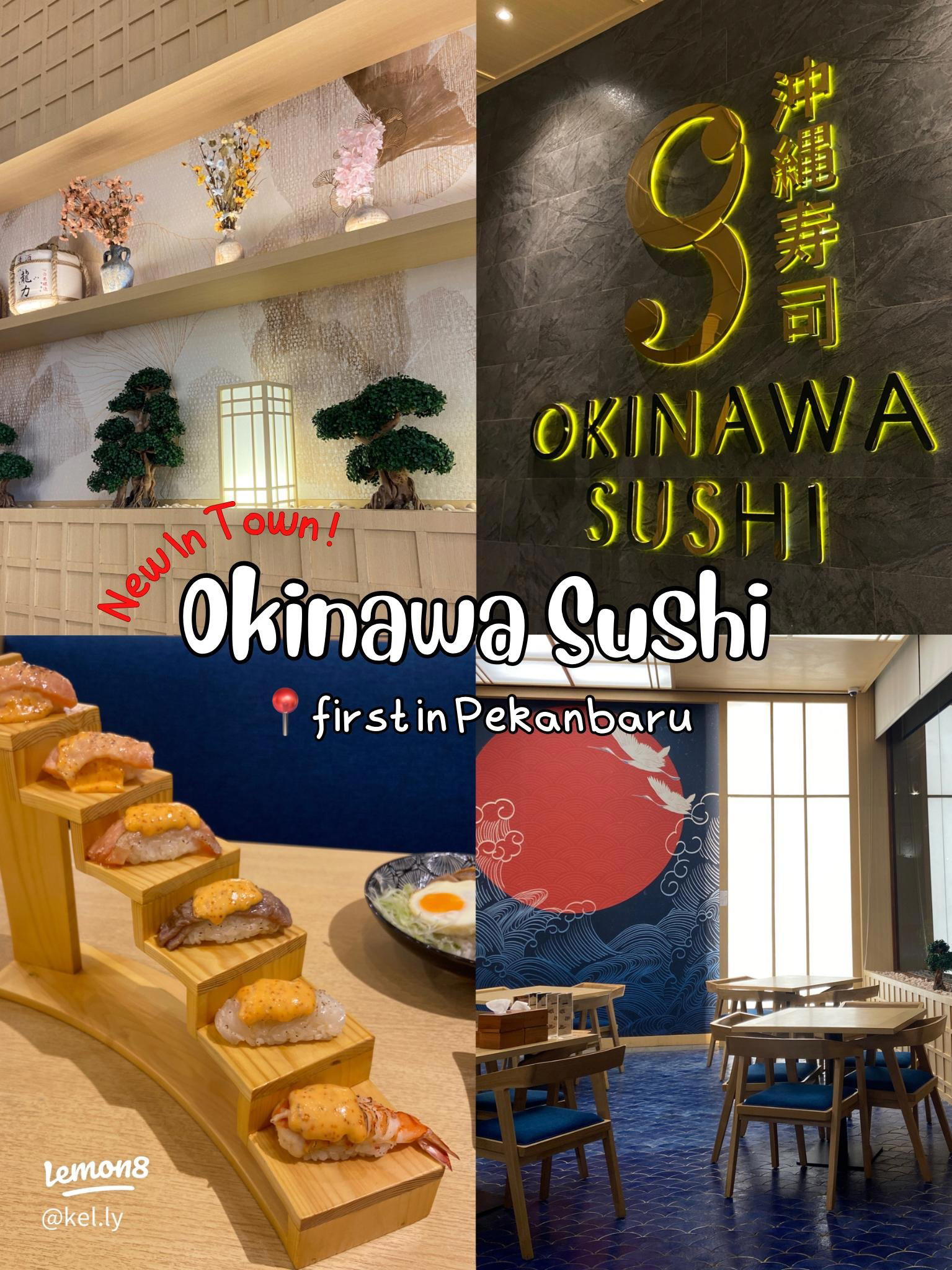
Details
- Lively
- Group Dining
- Casual Hangout
- A La Carte
- Set Menu
Current opening hours
- Monday
- 10 AM–10 PM
- Tuesday
- 10 AM–10 PM
- Wednesday
- 10 AM–10 PM
- Thursday
- 10 AM–10 PM
- Friday
- 10 AM–10 PM
- Saturday
- 10 AM–10 PM
- Sunday
- 10 AM–10 PM
Hours can change for holidays and private events. Last verified .