Gayang
Gayang NYC brings a Filipino-Thai kitchen to New York City, threading the fermented, sour, and charred flavours of Southeast Asian cooking into a dining room format that sits outside the city's mainstream Asian fine-dining tier. The menu draws on traditions spanning Manila and the Thai northeast, making it a rare address for diners tracking the city's expanding Southeast Asian presence.
Pearl is the En Primeur Club membership app — saves, bookings, and concierge access live there. Same editors, same standards.
- Address
- 85-32 Grand Ave, Elmhurst, NY 11373
- Phone
- (929) 637-8396
- Directions
- Get directions
 Saves & bookings on Pearl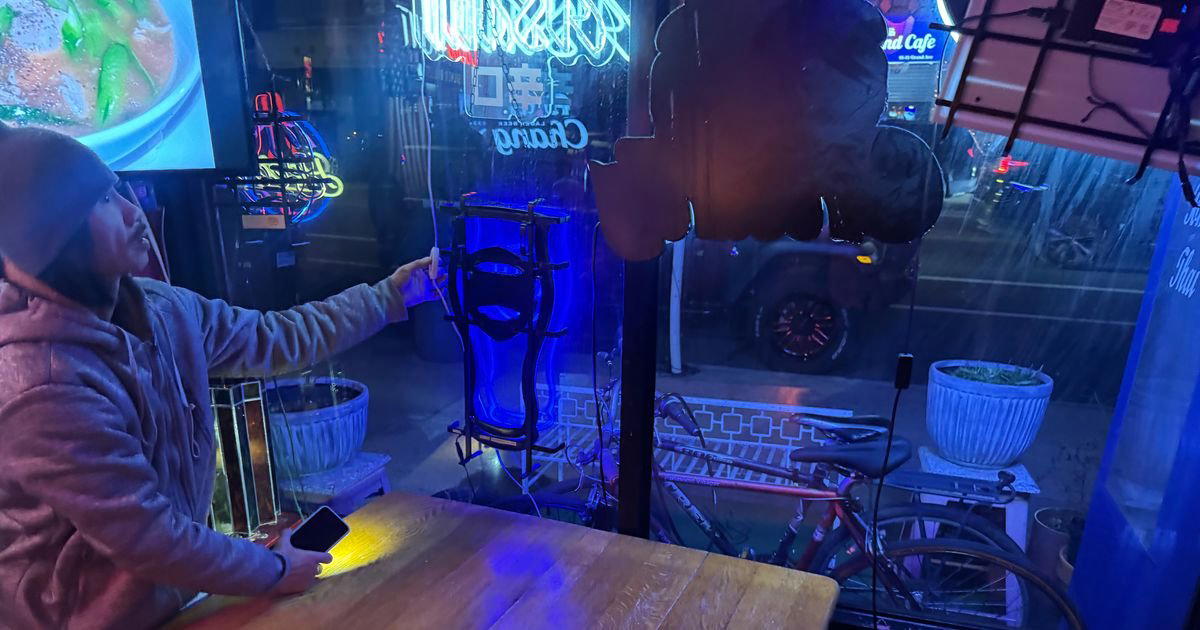
Where Southeast Asia's Boldest Flavours Find a New York Address
New York's Asian dining scene has long organised itself around a handful of well-funded national cuisines: Japanese omakase counters charging four figures a seat, Korean tasting menus, and Chinese restaurants navigating between regional authenticity and upscale ambition. The Southeast Asian tier has moved more slowly into the city's premium conversation, which makes the appearance of a Filipino-Thai kitchen like Gayang a signal worth tracking. Not because it fills a gap as a marketing exercise, but because the culinary traditions it draws from, Philippine fermentation culture, the grilled and pounded dishes of Thailand's northeast, have rarely been given the kind of focused, sit-down format that lets them register at full volume in a city like this.
Approaching a restaurant that spans two distinct national cuisines, the immediate editorial question is whether the combination represents a coherent culinary logic or a menu assembled for novelty. Filipino and Thai cooking share certain structural instincts: an appetite for sourness, a reliance on fermented condiments, and grilling traditions that prioritise char over refinement. The northeastern Thai kitchen, known as Isaan, goes further still, treating funk and heat as primary flavours rather than supporting notes. Larb arrives with toasted rice powder and a volume of fresh herbs that makes most Western herb garnishes look cautious. Som tum is built on unripe papaya but the real architecture is in the fish sauce, the lime, the palm sugar calibration, and the small dried shrimp that carry the dish's fermented backbone. When a kitchen is working with that tradition seriously, the sourness is never shy and the heat is structural rather than decorative.
The Isaan Thread and What It Demands of a Kitchen
Thailand's northeastern region has spent decades producing food that the Bangkok fine-dining establishment treated as rustic and the international food press treated as street-level curiosity. That framing has started to shift. Isaan flavour logic, aggressive, fermented, aromatic, relying on fresh herbs and grilled proteins in combination with pounded preparations, now appears on ambitious menus across Southeast Asia and, increasingly, in cities with serious Thai populations or chefs who trained there. The disciplines involved are not simple: making a larb that reads as a dish rather than a salad requires understanding the textural role of the toasted rice, the balance of offal to muscle meat if offal is used, and the herb quantities that stop the preparation from tasting merely green.
Gayang's mixed Filipino-Thai menu places it in an unusual peer position within New York. It is not competing directly with the city's Thai restaurants, which cluster at neighbourhood price points and rarely frame their menus around Isaan specificity. It is also not in the same tier as the omakase counters or tasting-menu rooms that dominate the city's premium reservation calendar, venues like Masa, Atomix, or Le Bernardin, which operate in the city's highest price bracket with fixed formats and deep institutional recognition. Gayang sits in the middle ground that New York's Southeast Asian dining has historically occupied: technically ambitious, culturally specific, but without the awards infrastructure that accelerates visibility for, say, a contemporary Korean tasting menu.
Filipino Cooking and the Fermentation Common Ground
The Filipino side of the menu brings its own fermented grammar. Bagoong, the shrimp paste that anchors many Philippine preparations, carries a salinity and depth comparable to the fish sauces of the Thai northeast. Vinegar, in its many regional Philippine forms, performs a souring function that parallels the lime-forward acidity of Isaan cooking. Adobo, whether chicken, pork, or a combined version, is fundamentally a preservation technique that produces a braise of extraordinary savoury depth. These are not delicate flavours, and a kitchen that respects both traditions should not be producing delicate food. The editorial question at Gayang, as with any restaurant bridging two distinct national cuisines, is whether the Filipino and Thai preparations remain legible as themselves or blur into a general Southeast Asian register that satisfies neither.
The city's trajectory for Filipino dining has been particularly interesting to follow. Manila-trained chefs have opened in New York before, occasionally to strong critical attention, but the cuisine has not accumulated the institutional recognition that Korean or Japanese cooking has built over the same period. Comparable situations exist elsewhere in the United States: kitchens in San Francisco, Los Angeles, and New Orleans have worked to place regional Asian cuisines into premium formats, including spots like Lazy Bear in San Francisco and Emeril's in New Orleans, which show how American cities can build premium recognition around kitchens operating outside classical European frames. The question for Gayang is whether it builds that recognition or remains a specialist address known primarily to the Filipino and Thai dining communities.
New York's Southeast Asian Dining Tier
New York's dining hierarchy rewards venues with clear genre identities, fixed tasting formats, and critical documentation over time. The city's most-discussed restaurants, Eleven Madison Park, Per Se, operate in a European fine-dining register that still sets the institutional benchmark. The restaurants that have broken into the premium tier from outside that register, like Atomix with its modern Korean format, have done so through a combination of tasting-menu discipline, specific ingredient sourcing, and sustained critical attention. Southeast Asian kitchens face the additional challenge that the flavour profiles they work with, fermented, funky, aggressively sour, can register as less refined to palates trained on French technique, even when the underlying craft is considerable.
For context on how other cities have approached this, Alinea in Chicago, Single Thread Farm in Healdsburg, and The French Laundry in Napa represent the format discipline end of the American fine-dining spectrum. Providence in Los Angeles shows how regional cuisine specificity can attract sustained Michelin recognition. The European model, from Alain Ducasse at Louis XV in Monte Carlo to Alléno Paris au Pavillon Ledoyen, demonstrates the longevity possible when a kitchen commits to a coherent identity at the highest level. The path for Gayang is less mapped, which is the more interesting position to be in.
Planning Your Visit
Gayang is at 85-32 Grand Ave, Elmhurst, NY 11373. It is walk-in friendly, with dinner service Wednesday through Sunday from 7 PM to 3 AM. The restaurant's mixed Filipino-Thai format means it is worth approaching with an appetite for bold, fermented, and acidic flavours rather than expecting the restrained progression of a European tasting menu. New York's broader dining programme is documented in our full New York City restaurants guide; for where to stay, drink, and explore beyond the table, see our New York City hotels guide, our bars guide, our wineries guide, and our experiences guide.
Accolades, Compared
Comparable venues nearby, for context on price, style, and recognition.
| Venue | Cuisine | Price | Notes |
|---|---|---|---|
| GayangThis venue — the venue you are viewing | Filipino-Thai Fusion | $ | Not listed |
| wagamama, murray hill, new york | Modern Asian Fusion with Japanese Ramen & Noodles | $$ | Murray Hill-Kips Bay |
| WARUDE | Japanese-Mexican Fusion Bowls and Tacos | $$ | Bedford-Stuyvesant (West) |
| Tamales Lupita | Mexican tamales shop | $ | .null |
| Mike's Coffee and Deli | Classic American Deli | $ | Midtown South-Flatiron-Union Square |
| Moody Tongue Pizza | Tokyo-Neapolitan Pizza | $$$ | East Village |
Continue exploring
More in New York City
Restaurants in New York City
Browse all →
Bars in New York City
Browse all →

Hotels in New York City
Browse all →






At a Glance
- Late Night
- Casual Hangout
Current opening hours
- Monday
- Closed
- Tuesday
- Closed
- Wednesday
- 7 PM–3 AM
- Thursday
- 7 PM–3 AM
- Friday
- 7 PM–3 AM
- Saturday
- 7 PM–3 AM
- Sunday
- 7 PM–3 AM
Hours can change for holidays and private events. Last verified .
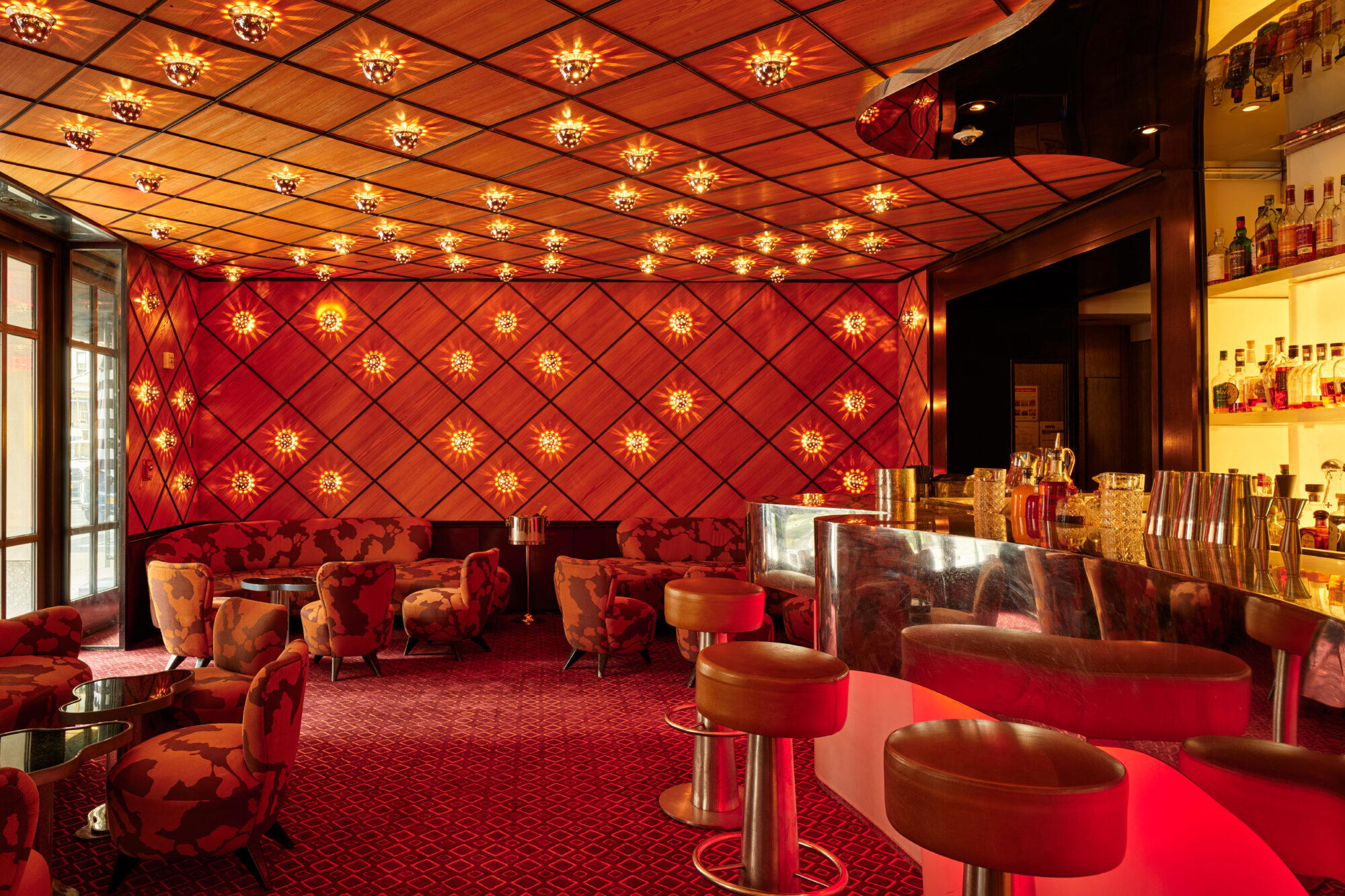
Energetic late-night atmosphere with karaoke.