BALOCI

A Georgian townhouse on Highfield Road, Edgbaston, BALOCI brings an Indo-Persian menu to Birmingham's established fine-dining corridor. The cooking draws on Afghan, Turkish, and Balochistan traditions alongside Western technique, earning consecutive Michelin Plate recognition in 2024 and 2025. The tasting menu offers the fullest survey of the kitchen's range; the Sultani lamb chops are the à la carte anchor.
Pearl is the En Primeur Club membership app — saves, bookings, and concierge access live there. Same editors, same standards.
- Address
- 18 Highfield Rd, Edgbaston, Birmingham B15 3DU, United Kingdom
- Phone
- +44 121 725 2350
- Website
- baloci.co.uk
- Directions
- Get directions
 Saves & bookings on Pearl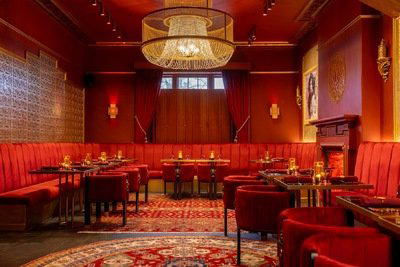
A Townhouse Dressed for the Occasion
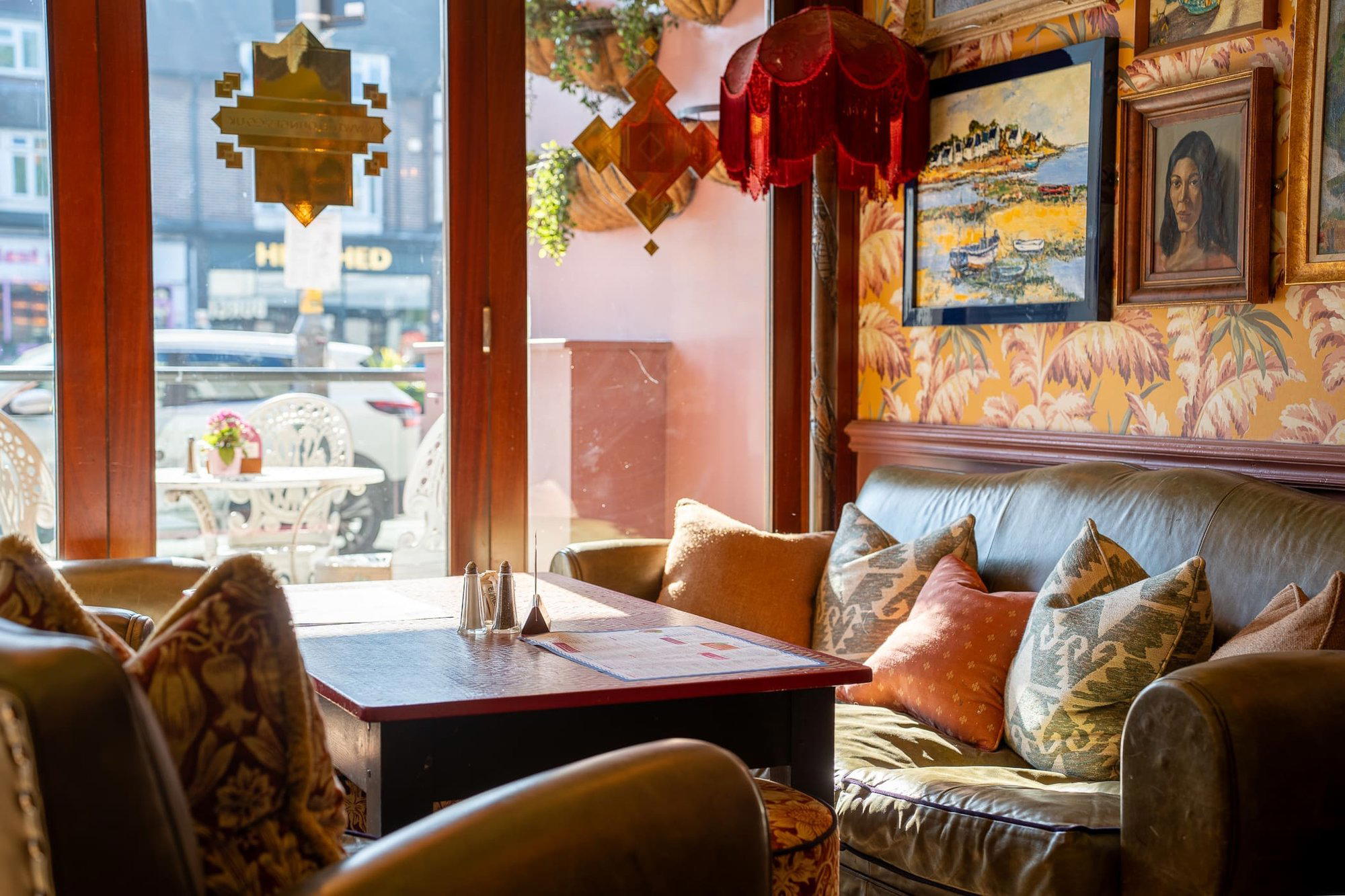
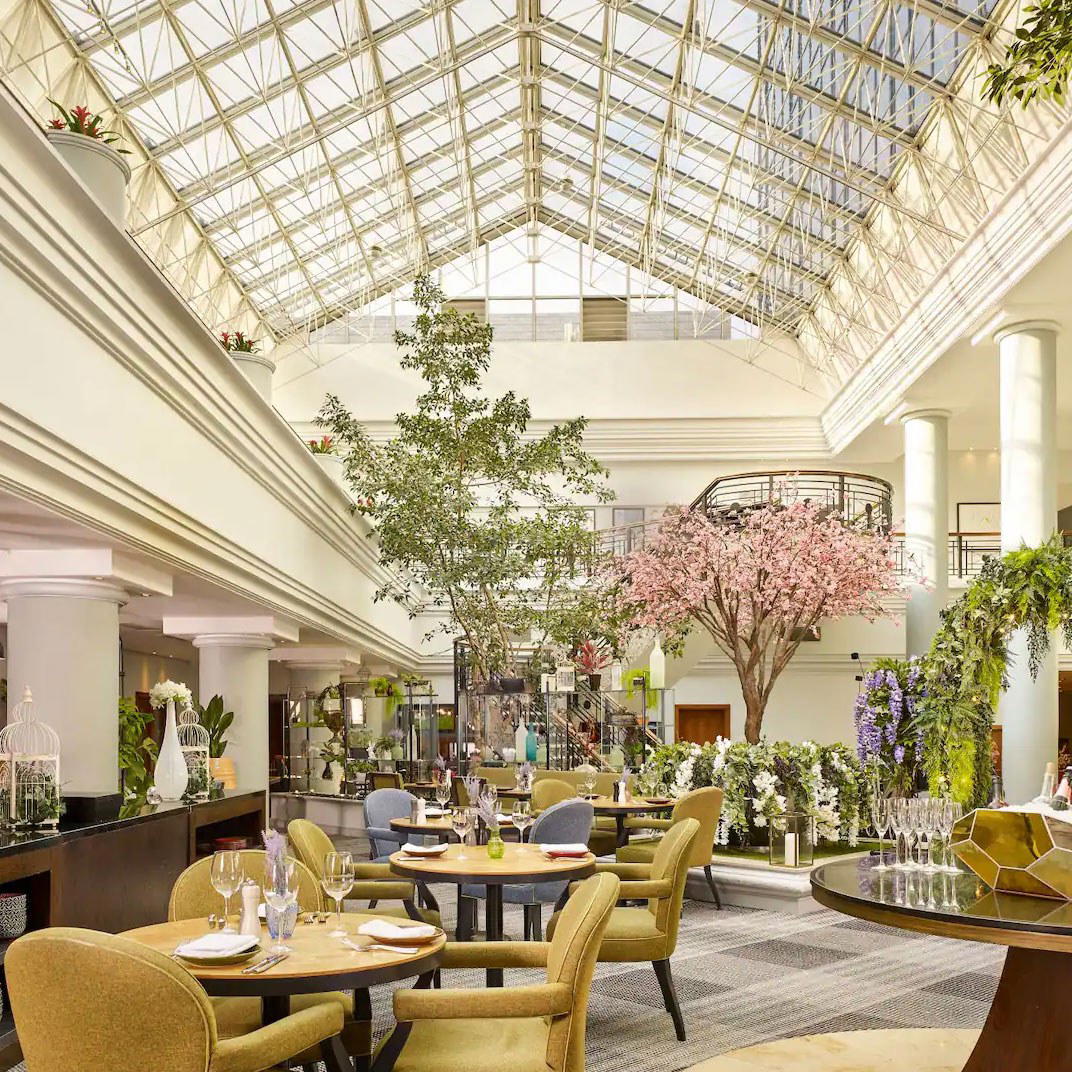
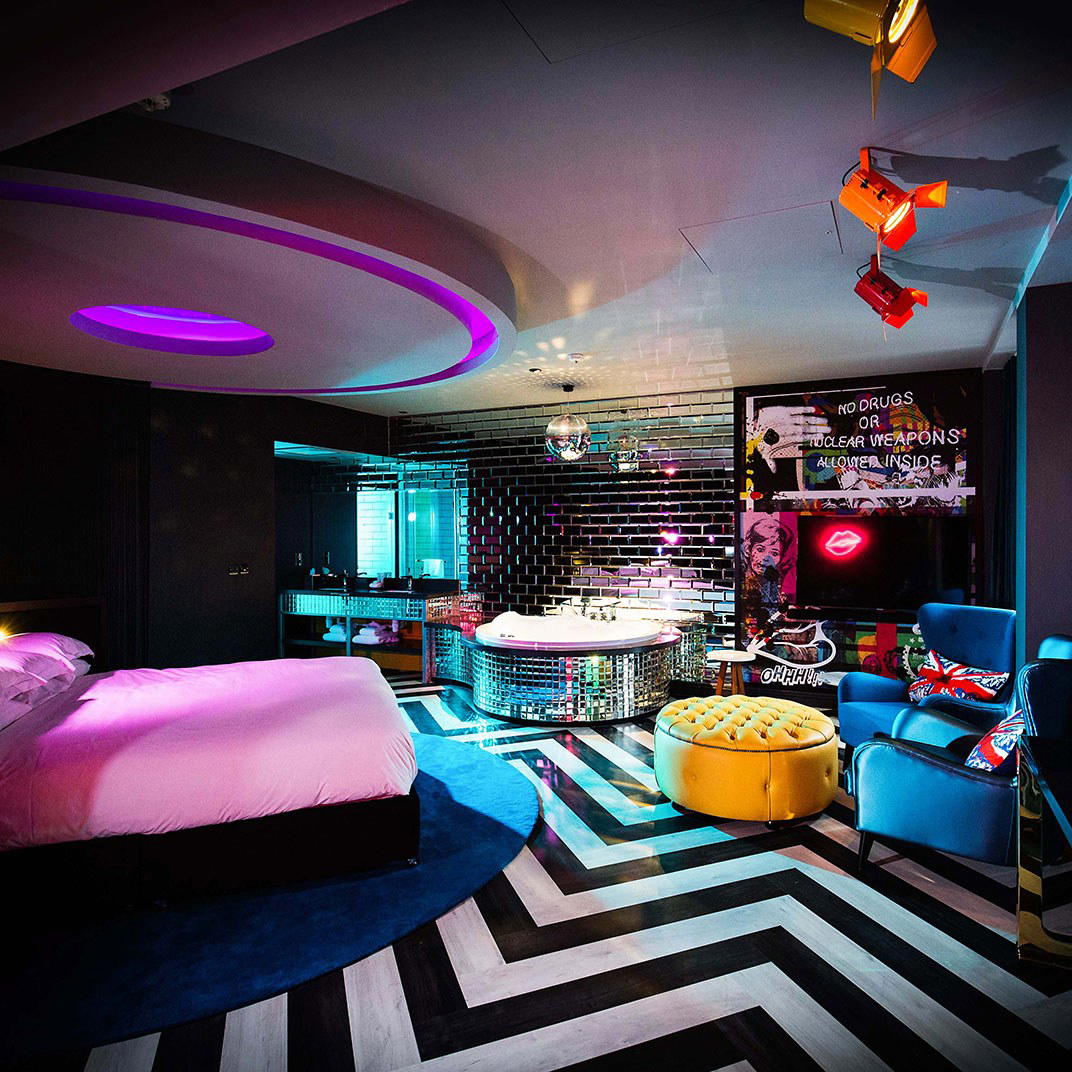
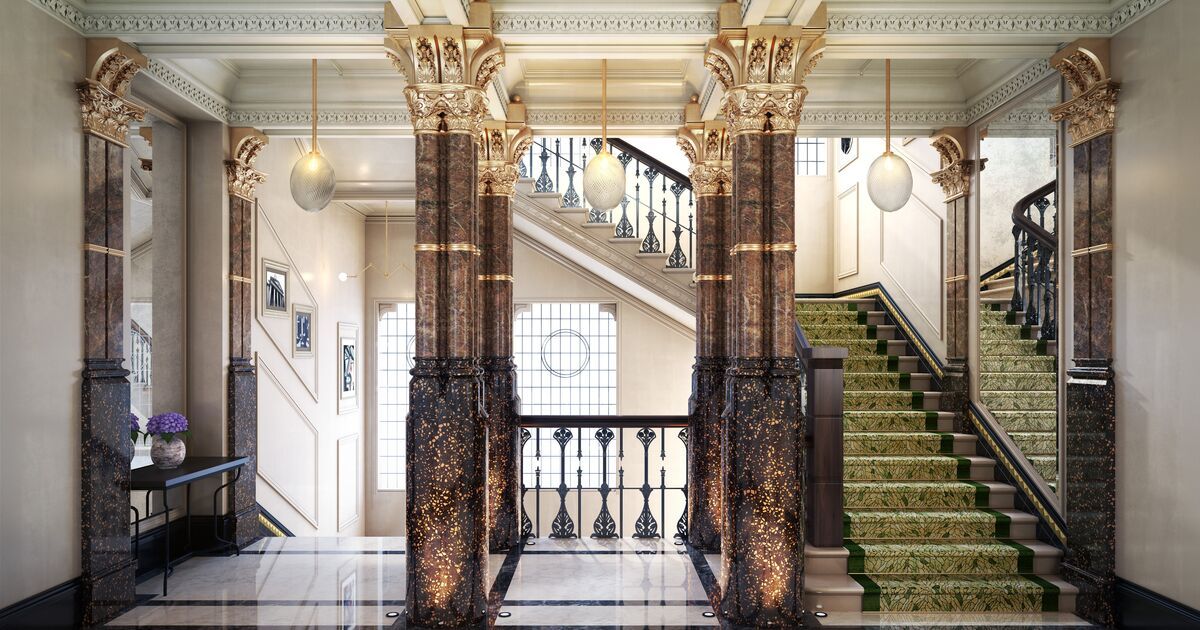
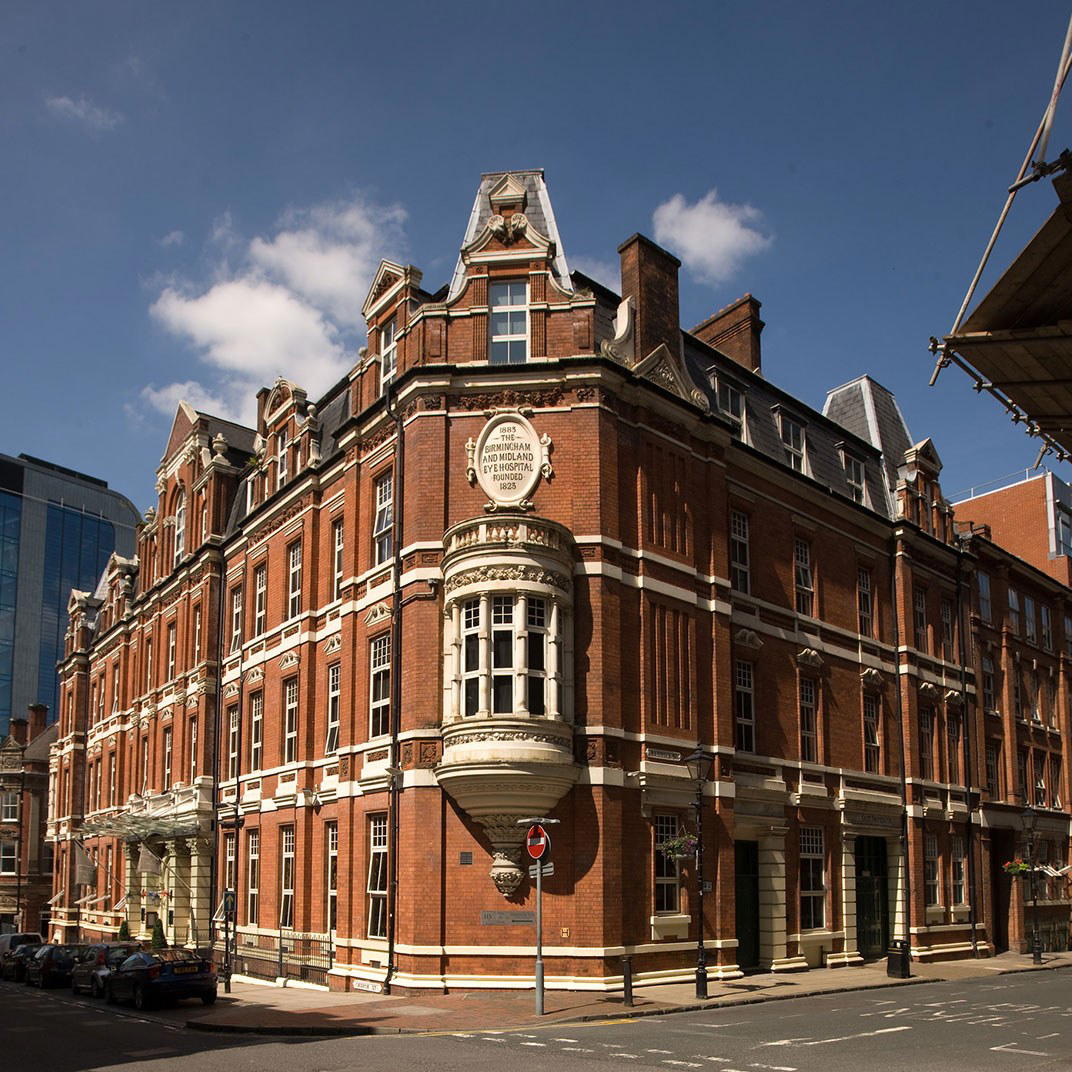
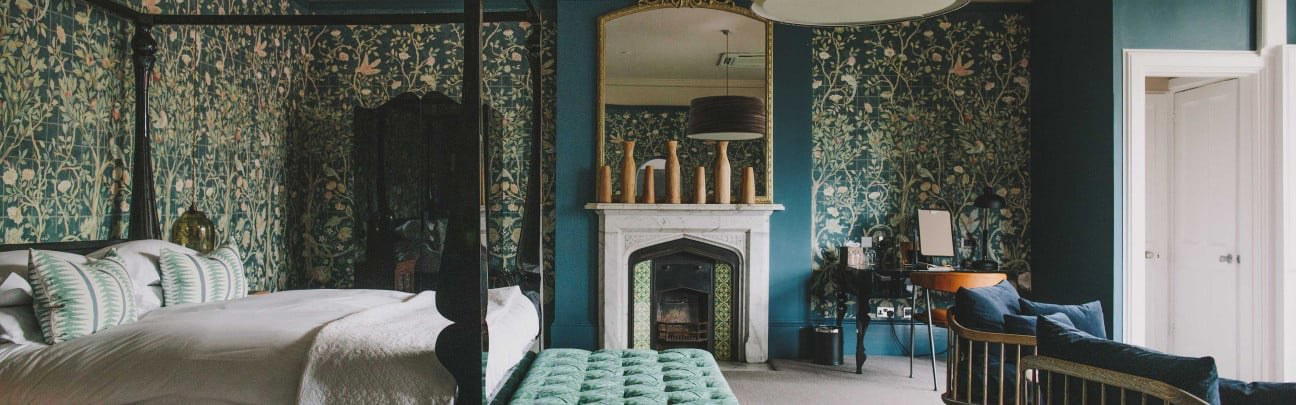
Edgbaston's Highfield Road has long been one of Birmingham's quieter addresses for serious dining, a residential stretch where Georgian architecture and considered cooking share the same postcode. BALOCI occupies one of those townhouses, though the building's restrained exterior gives little warning of what lies inside. The interior leans hard into contrast: plush furnishings, shiny gilt accents, and a decorative confidence that treats the Georgian shell as a canvas rather than a constraint. It is the kind of room that announces its own ambitions before the menu arrives.
This aesthetic register, bold and ornamental against a period frame, has become a recognisable signature for a particular tier of British-Asian dining. It signals that the kitchen is not interested in minimalism or Scandi understatement; it is interested in richness, layering, and a certain theatricality that extends from the décor to the plate. BALOCI sits comfortably in that tradition.
The Menu as Map: Indo-Persian Cooking and Its Coordinates
The term 'Indo-Persian' is doing real work on BALOCI's menu, and it is worth unpacking what that actually means in practice. Persian culinary tradition runs through Afghanistan, into Central Asia, and connects laterally to the spice routes of the Indian subcontinent. The Balochistan region, which straddles present-day Pakistan and Iran, sits at the intersection of those influences, producing a cooking style defined by long-cooked meats, aromatic rather than fiery spicing, and a use of dried fruits and nuts that distinguishes it sharply from the hotter, more acidic profiles of South Indian or Bengali cooking.
BALOCI's menu is structured to make those coordinates legible. Turkish grilling traditions appear alongside Afghan slow-cook techniques and what the kitchen describes as Western influences, a framing that suggests the brigade is comfortable moving between technique sets rather than treating fusion as a concession. In Birmingham's current dining environment, that kind of multi-register fluency is increasingly a marker of serious intent. The city already hosts Opheem, which holds two Michelin Stars for its precise, modernist Indian cooking, and a cluster of notable houses including Adam's and Simpsons across multiple cuisines. BALOCI's Michelin Plate recognition in both 2024 and 2025 places it in a tier below those starred addresses but firmly within the same conversation: a restaurant the Guide considers worth knowing about.
The Michelin Plate is not a star, but it is a considered signal. The Guide awards it to restaurants where inspectors find good cooking, and its consecutive appearance for BALOCI across two years indicates consistency rather than a single strong performance. For diners assessing the Edgbaston dining corridor alongside Bayonet or 670 Grams, the Plate designation is a useful orientation point.
Tasting Menu vs. À la Carte: Two Different Arguments
BALOCI offers both a tasting menu and an à la carte format, and the choice between them is effectively a choice about how much of the kitchen's range you want to survey. The tasting menu is the more expansive argument: it sequences through the Afghan, Turkish, Persian, and Balochistan registers in a way that builds a cumulative picture of the cooking's breadth. For a first visit, or for anyone specifically drawn by the Indo-Persian premise, the tasting menu is the more informative route.
The à la carte, by contrast, asks diners to make sharper editorial decisions. The Michelin Guide's own notes single out the Sultani lamb chops as the reference point: described as melting in texture and enhanced by subtle spicing, they represent the Balochi slow-cook tradition in its most direct form. The 'Sultani' designation itself is rooted in the idea of a dish fit for a sultan's table, a tradition of generous, ceremonially prepared meat that runs through Persian and Mughal cooking alike. On an à la carte menu that spans multiple culinary registers, the lamb chops function as an anchor, the dish that most directly articulates what makes this particular kitchen's approach distinct from the broader category of modern Indian dining in the UK.
The price point sits at ££££ on a four-tier scale. That gap reflects both the Plate-versus-star distinction and the positioning choice the restaurant has made: serious cooking with an accessible entry point relative to its Michelin-recognised peers. For diners who find the tasting-menu commitments of starred addresses prohibitive, BALOCI offers a meaningful alternative.
Edgbaston in Context
Birmingham's fine-dining geography has shifted in recent years, with Edgbaston and the city centre both producing restaurants that have attracted national recognition. The Highfield Road address puts BALOCI in a neighbourhood associated with considered, destination-driven dining rather than casual footfall, and the townhouse format reinforces that positioning. Restaurants in this bracket across the UK, from Gidleigh Park in Chagford to Moor Hall in Aughton, have long used converted or historic buildings to signal a certain deliberateness about the dining experience. BALOCI follows that logic but applies it to a cuisine tradition that has rarely occupied Georgian townhouses.
That combination, historically resonant architecture refitted for Indo-Persian cooking, is worth noting as a broader trend. In London, high-end South Asian and Middle Eastern restaurants have increasingly moved into formats previously associated with European fine dining. Birmingham's version of that shift is still taking shape, and BALOCI is one of the addresses defining what it looks like. For comparison, Aamara in Dubai and Gasthaus zum Kreuz - Bijou in Dallenwil show how the Asian-and-Western category reads in different international contexts, each finding its own accommodation between culinary tradition and setting.
Internationally, the UK's fine-dining circuit continues to be anchored by addresses like CORE by Clare Smyth, The Fat Duck in Bray, L'Enclume in Cartmel, and Hand and Flowers in Marlow. BALOCI operates in a different register from those addresses, but the fact that Birmingham now hosts multiple Michelin-recognised restaurants across contrasting cuisine traditions is the relevant context for understanding what the city's dining scene has become.
Planning a Visit
BALOCI is located at 18 Highfield Road, Edgbaston, B15 3DU, a short distance from Birmingham city centre and accessible by both car and public transport. The £££ pricing positions it as a special-occasion address without the full commitment of a four-tier spend; the tasting menu is the way to cover one ground on a single visit, while the à la carte suits those with a specific target in mind.6 from 214 ratings. Booking in advance is advisable given the address's recognition level. For broader planning across the city, EP Club's full Birmingham restaurants guide, hotels guide, bars guide, wineries guide, and experiences guide cover the full range of options across the city.
Comparable Options
Comparable venues nearby, for context on price, style, and recognition.
| Venue | Cuisine | Price | Notes |
|---|---|---|---|
| BALOCIThis venue — the venue you are viewing | Indo-Persian Silk Route Fine Dining | $$$$ | Not listed |
| Folium | Modern British Fine Dining | $$$$ | Jewellery Quarter |
| Satori | Modern Japanese Fine Dining | $$$$ | Moseley |
| Asha's | Indian | $$$ | Birmingham |
| Albatross Death Cult | Modern Japanese Omakase Seafood | $$$$ | Jewellery Quarter |
| Plates by Purnell's | Spanish Tapas | $$$ | city centre |
Recognition history
Dated appearances from independent guides and award organizations, with the underlying list record or original source where available.
Michelin Plate
Michelin
Michelin Plate
Michelin
Michelin Plate
Michelin
Continue exploring
More in Birmingham
Restaurants in Birmingham
Browse all →
Bars in Birmingham
Browse all →
At a Glance
- Ornate
- Elegant
- Sophisticated
- Intimate
- Trendy
- Date Night
- Special Occasion
- Celebration
- Private Dining
- Open Kitchen
- Craft Cocktails
Ornate red and gold décor with plush furnishings, gilt accents, and Persian calligraphy creating a luxurious, refined, and secluded atmosphere.