GARDEN h

Michelin Bib Gourmand
Our verdict
A Hakkanese restaurant in Yonghe District, New Taipei, where the dining room looks onto a century-old camellia tree through floor-to-ceiling windows. The menu draws on Hakka and Jiangzhe traditions, with braised pork belly over dry pickled mustard greens as the centrepiece dish. Creative plating and considered flavour pairings place it a step above the neighbourhood's casual dining norm.

Pearl is the En Primeur Club membership app, where members save venues, book tables and use the concierge.
The menu
What to order
- Braised pork belly with dry pickled mustard greens
- Signature tofu
- Hakka stir-fry
A Century-Old Tree and a Dining Room Built Around It
In Yonghe District, New Taipei, the restaurant that gets people talking is not the one with the loudest sign or the longest queue. GARDEN h sits on Zhiguang Street, and its most immediate architectural decision is a wall of floor-to-ceiling windows that frames a century-old camellia tree growing in the yard. The tree predates the restaurant by generations. It is not a prop or a design feature so much as the reason the room exists at all. Diners sit inside and face outward, and the rhythm of the meal is shaped, quietly, by whatever light falls through the glass.
This kind of setting is less common in New Taipei's dining scene than in certain rural townships or resort contexts. For reference, properties like Volando Urai Spring Spa & Resort in Wulai District integrate natural surroundings into the hospitality proposition, but they do so at a different scale and price point. GARDEN h achieves a version of that dialogue between interior and garden in an urban district where most restaurants turn inward. It is a meaningful distinction for a neighbourhood meal.
The Hakka Table in a Jiangzhe Frame
Taiwan's Hakka culinary tradition rarely gets the editorial attention directed at, say, the fine-dining tasting menu circuit represented by places like JL Studio in Taichung or logy in Taipei. Hakka cooking is a cuisine of preservation and economy: fermented and pickled ingredients, slow-braised proteins, dishes built around extending flavour across time rather than maximising luxury through ingredient cost. GARDEN h works primarily within that tradition while incorporating Jiangzhe influences, which tend toward lighter sauces and more delicate preparation. The combination is not an identity crisis; it is a natural overlap between two Chinese regional traditions that share an emphasis on careful technique over spectacle.
The approach at GARDEN h is to take those traditional frameworks and apply a layer of creative interpretation to the plating and composition, without erasing the source material. Braised pork belly with dry pickled mustard greens is the dish most cited by regulars. The pork is tender through slow cooking, and the mustard greens carry the fermented sharpness that defines the Hakka pantry. Alongside it, pickled cucumber serves the function that acidity performs in most serious food: it cuts the fat and resets the palate between bites. Braised napa cabbage with pork-stuffed tofu represents the Jiangzhe side of the menu, quieter in flavour than the pork belly but coherent within the same philosophy of patient cooking.
Comparable efforts to reframe southern Chinese regional food within a more considered dining environment can be found at Chi Yuan and Amajia elsewhere in New Taipei, though each approaches the question from a different angle. For the Hakka-specific tradition, GARDEN h occupies relatively clear territory in the district.
Planning a Visit: What You Need to Know Before You Go
The editorial angle on booking GARDEN h matters here, because the restaurant does not appear to maintain an English-language digital presence. That places GARDEN h in a category of New Taipei restaurants where arrival in person, or a booking made through a Mandarin-speaking contact, is the most reliable path to a table. This is not unusual for independently operated restaurants in Yonghe District, where word-of-mouth referral networks and local knowledge carry more weight than international travel platforms.
The address is 22 Zhiguang Street, Yonghe District, New Taipei. Yonghe is directly south of Taipei's Da'an District, accessible by MRT via Yongning Station on the Zhonghe-Xinlu Line, or by taxi from central Taipei in under twenty minutes depending on traffic. The area is a dense residential and commercial district rather than a tourist zone, so the surrounding street context is functional rather than scenic. The restaurant itself provides the atmosphere; the neighbourhood does not need to.
For visitors building a New Taipei itinerary around food, pairing GARDEN h with a walk through Yonghe's street-level snack culture makes structural sense. Yonghe's soy milk tradition is well-documented, and a number of casual operators across the district offer the kind of Taiwanese street food that functions as useful context for understanding what GARDEN h is doing at a slightly more composed level. If you are extending the visit across New Taipei more broadly, the full New Taipei restaurants guide covers the range from casual to formal, and the New Taipei experiences guide maps cultural programming worth scheduling around a meal. For accommodation, the New Taipei hotels guide and New Taipei bars guide round out the logistics.
Taiwan's wider restaurant ecosystem provides useful calibration. GEN in Kaohsiung, Zhu Xin Ju in Tainan, and Akame in Wutai Township each represent different expressions of regional Taiwanese cuisine operating at a formal or semi-formal level. GARDEN h sits in a different register from all three: less overtly destination-driven, more embedded in its neighbourhood, and more specific in its Hakka-Jiangzhe focus. That specificity is what gives it weight. For contrast on a different scale entirely, restaurants like Le Bernardin in New York City or Emeril's in New Orleans illustrate how regional culinary identity can be professionalised into a globally legible format; GARDEN h has not gone in that direction, and does not appear to want to.
New Taipei's snack culture, represented at the lighter end by places like A Gan Yi Taro Balls, A-ba's Taro Ball, and BAK KUT PAN, operates in a completely different register from GARDEN h, but they share the same city-wide commitment to specificity over generalism. The New Taipei wineries guide is also worth consulting for those extending the itinerary beyond the city itself.
The Considered Case for Booking
GARDEN h does not make itself easy to find for visitors without local language access or a local contact. The lack of a documented booking channel means that casual tourists who prefer the convenience of an app-based reservation will likely end up elsewhere. That self-selection is probably not accidental. The restaurant is, in the plainest terms, a Hakka-leaning dining room with a distinctive garden view, careful cooking, and a local clientele that sustains it without needing international recognition. For a visitor willing to move through the practical friction, the reward is a meal that reads as genuinely rooted rather than curated for an outside audience.
Frequently asked questions
Is GARDEN h award-winning?
GARDEN h has received recognition including: Thanks to floor-to-ceiling windows, diners can sit back and appreciate the beauty of a century-old camellia tree in the yard. The menu is mostly Hakkanese, with some Jiangzhe dishes, jazzed up by creative touches and elegant plating. The si….
How do I find GARDEN h?
GARDEN h is located at 22 Zhiguang Street, Yonghe District, New Taipei.
What do people recommend at GARDEN h?
The braised pork belly with dry pickled mustard greens draws consistent attention, with pickled cucumber served alongside to cut through the richness. The braised napa cabbage with pork-stuffed tofu is also frequently cited. Both dishes represent the restaurant's Hakkanese core, with creative plating that sets them apart from more plainly executed versions of the same traditions elsewhere in New Taipei.
How hard is it to get a table at GARDEN h?
GARDEN h at 22 Zhiguang Street, Yonghe District does not maintain an English-language digital presence, and no public booking channel has been documented. For visitors without Mandarin language access or a local contact, securing a reservation in advance is the practical challenge. Arriving without a booking is possible but carries risk, particularly if the century-old camellia courtyard view is part of your reason for going.
What's the signature at GARDEN h?
The braised pork belly with dry pickled mustard greens is the dish most closely associated with the kitchen. It represents the Hakka tradition of long-braised pork balanced against preserved vegetables, here executed with enough refinement in texture and plating to distinguish it from home-style renditions. The floor-to-ceiling windows framing the century-old camellia tree in the yard function as the room's signature in their own right.
Can GARDEN h handle vegetarian requests?
The menu at GARDEN h is documented as primarily Hakkanese with Jiangzhe influences, and the named dishes centre on pork. No vegetarian menu or dedicated plant-based options are recorded in available information about the restaurant. Diners with dietary requirements would be best served contacting the venue directly before visiting, ideally through a Mandarin-speaking intermediary given the absence of an English-language booking channel.
Budget Reality Check
Comparable venues nearby, for context on price, style, and recognition.
| Venue | Cuisine | Price | Awards | Notes |
|---|---|---|---|---|
| GARDEN hThis venue (the venue you are viewing) | Hakka with Jiangzhe influences | Not listed | Michelin Bib Gourmand | Not listed |
| San Chieh Mei Nung Chia Le | Taiwanese Bib Gourmand | $10–20 | Michelin Bib Gourmand | Wanli District, Taiwanese Bib Gourmand |
| Tsai Chia Beef Noodles | Taiwanese Beef Noodles | $1–10 | Michelin Bib Gourmand | Zhonghe District, Taiwanese Beef Noodles |
| San Fen Su Chi | Jiangzhe Cuisine | Not listed | Michelin Plate | Yonghe District, Jiangzhe Cuisine |
| Shang Hao | Traditional Taiwanese Chicken Rice | $1–10 | Michelin Bib Gourmand | Zhonghe District, Traditional Taiwanese Chicken Rice |
| Wonderful Baba Bak Kut Teh King Of King | Fujian-Style Bak Kut Teh | $10–20 | Michelin Plate | Banqiao District, Fujian-Style Bak Kut Teh |
Recognition history
Dated appearances from independent guides and award organizations, with the underlying list record or original source where available.
Michelin Bib Gourmand
Michelin
Continue exploring
More in New Taipei
Restaurants in New Taipei
All restaurants in New Taipei →
Bars in New Taipei
Browse all →
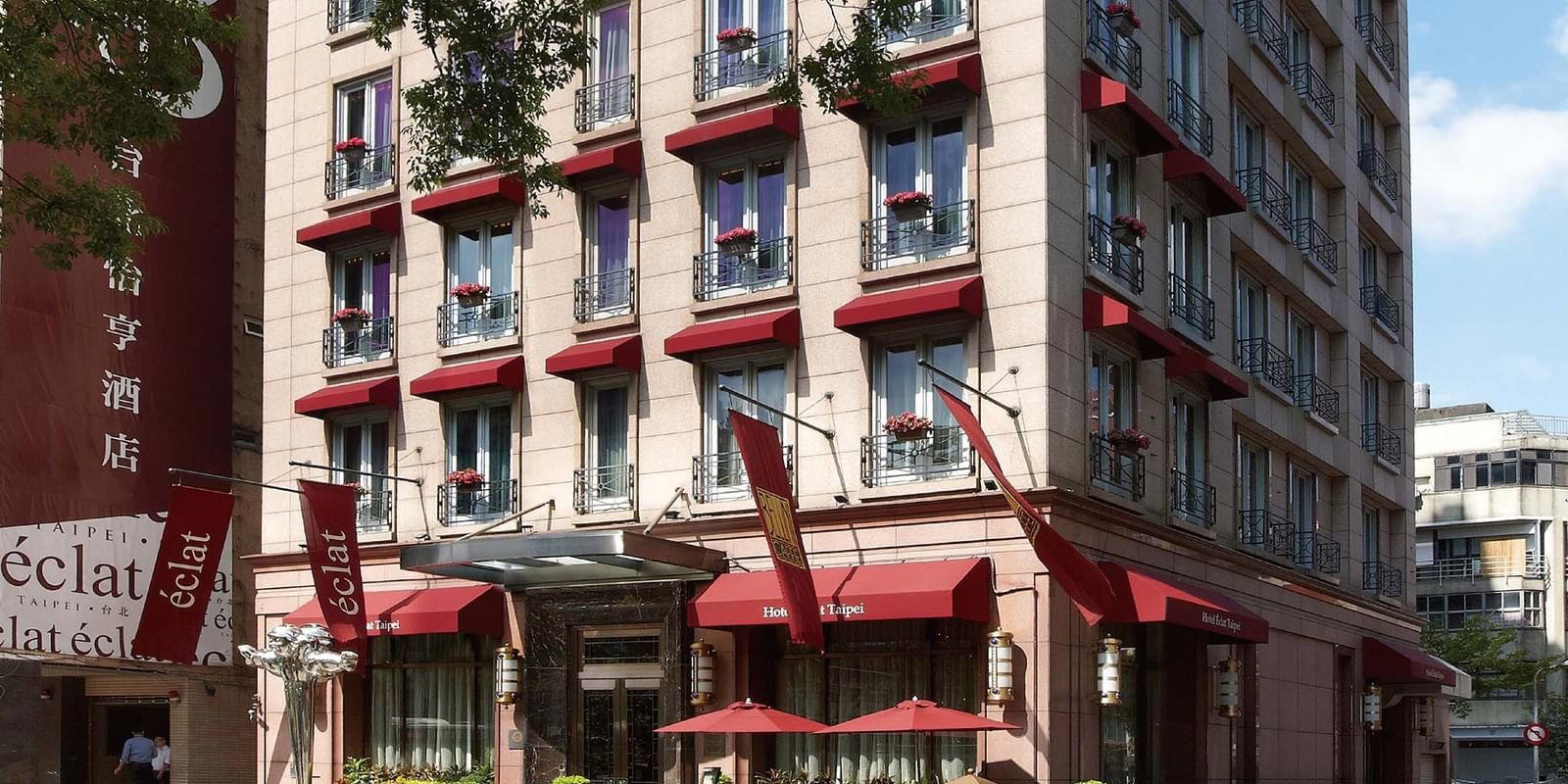
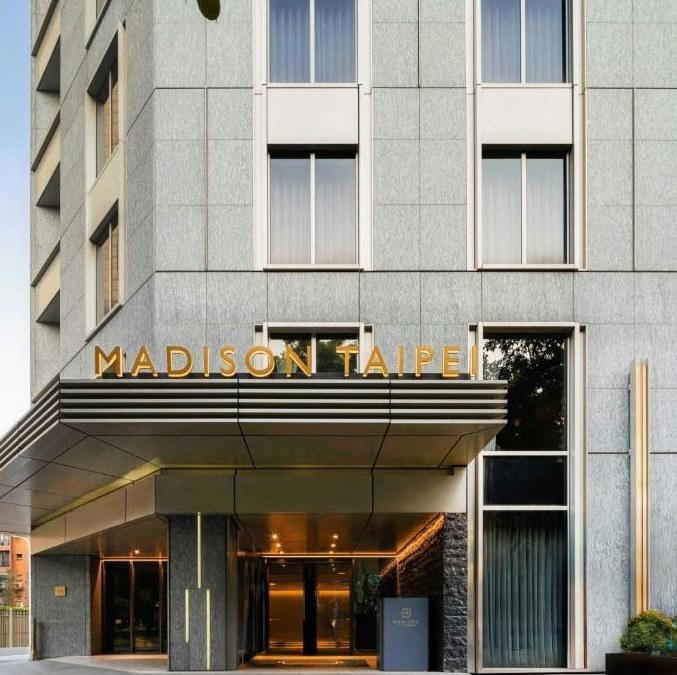
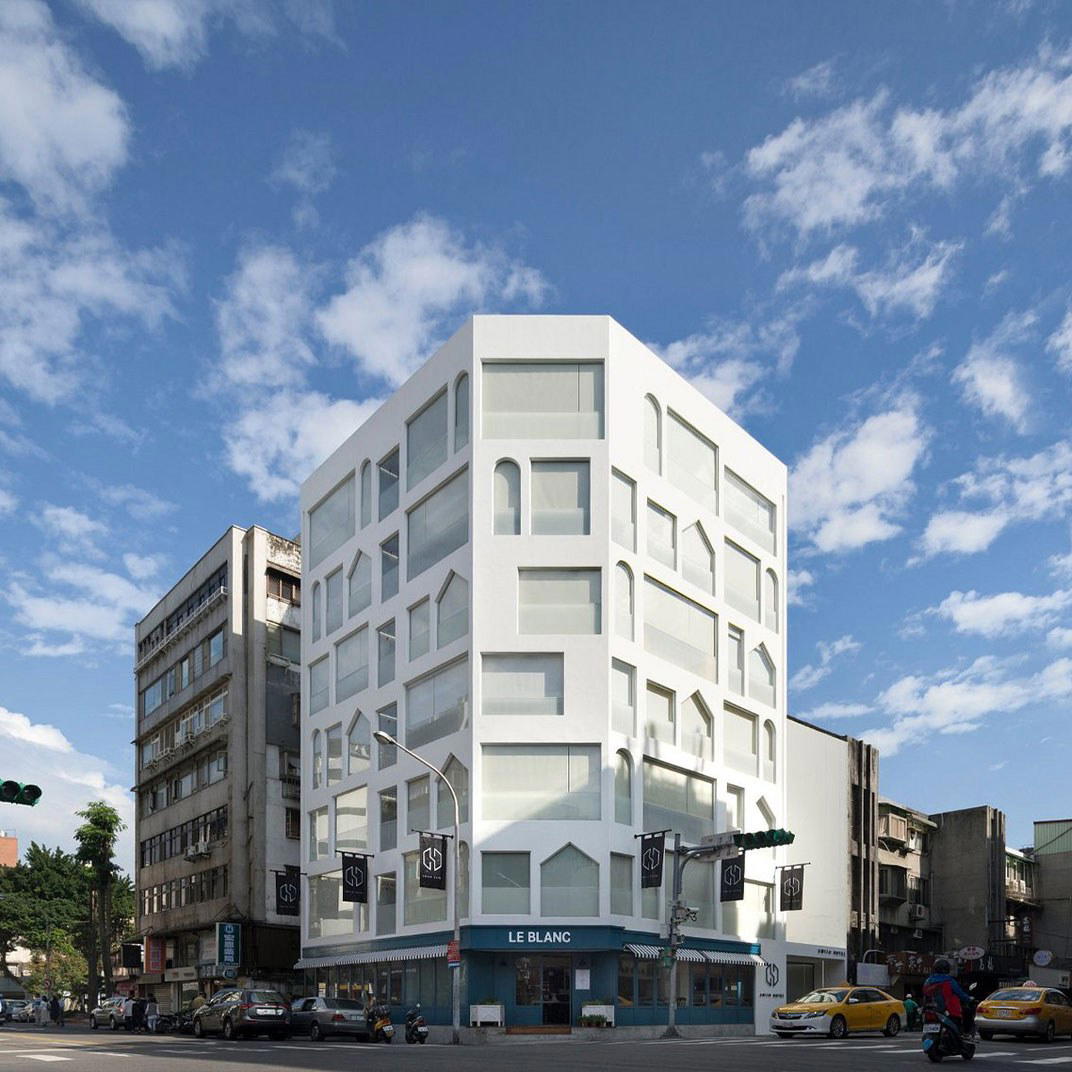
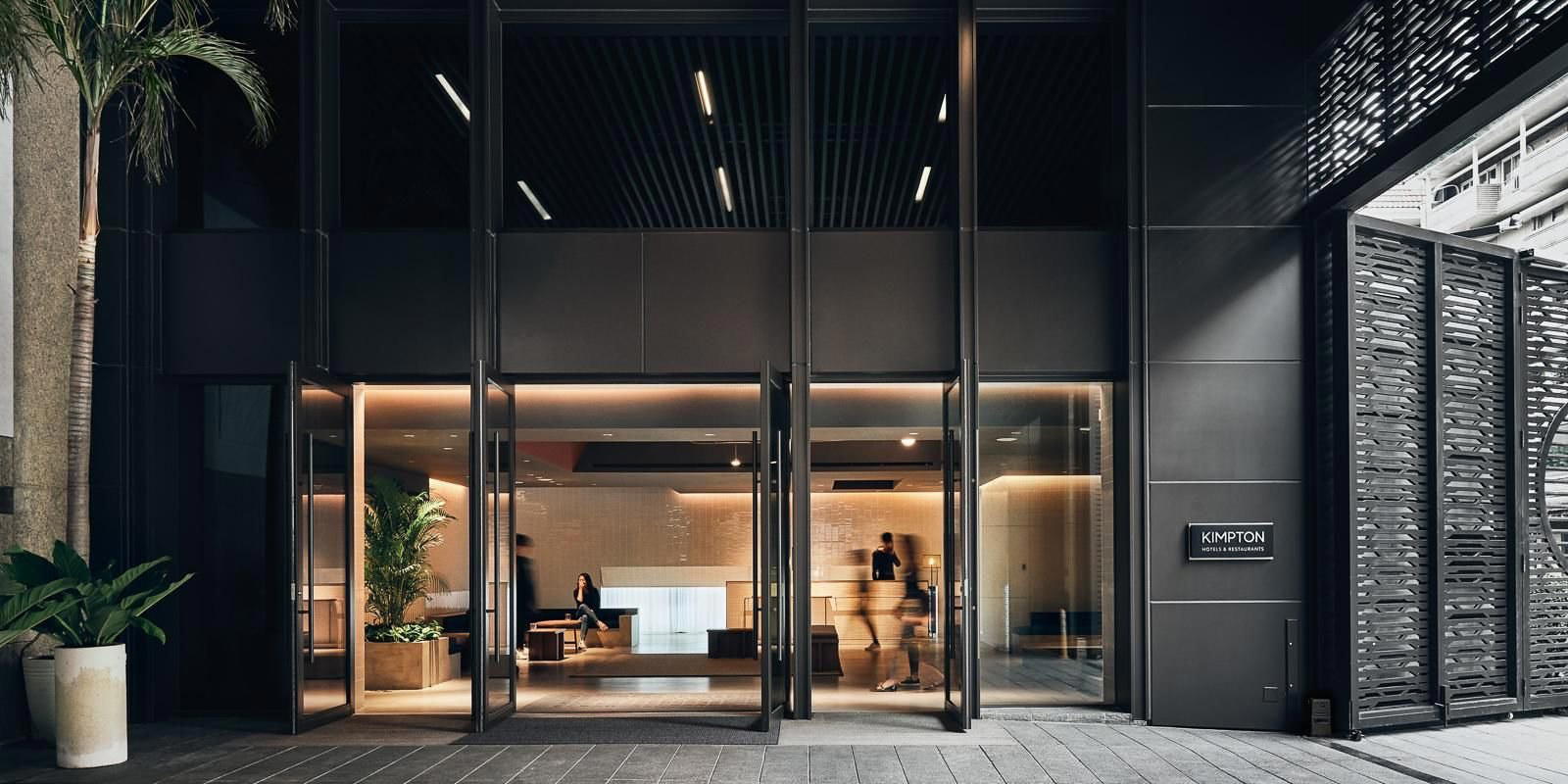
Hotels in New Taipei
All hotels in New Taipei →
Wineries in New Taipei
Browse all →
Details
- Cozy
- Elegant
- Family
- Casual Hangout
- Garden
- Garden
- A La Carte
Current opening hours
- Monday
- 11:30 AM–2 PM, 5:30–8:30 PM
- Tuesday
- 11:30 AM–2 PM, 5:30–8:30 PM
- Wednesday
- 11:30 AM–2 PM, 5:30–8:30 PM
- Thursday
- 11:30 AM–2 PM, 5:30–8:30 PM
- Friday
- 11:30 AM–2 PM, 5:30–8:30 PM
- Saturday
- 11:30 AM–3 PM, 5:30–8:30 PM
- Sunday
- 11:30 AM–3 PM, 5:30–8:30 PM
Hours can change for holidays and private events. Hours as of .
Mediterranean-style interior with floor-to-ceiling windows overlooking a century-old camellia tree in the yard.