San Chieh Mei Nung Chia Le

Michelin Bib Gourmand
Our verdict
A converted family courtyard house in the mountains of Wanli District, San Chieh Mei Nung Chia Le is run by three sisters who grow much of the produce served in their fixed set menus. The cooking covers the canon of Taiwanese home cuisine, with the sautéed vegetables with mashed taro drawing particular attention. Getting there requires a car or taxi, which makes the meal feel all the more deliberate.

Pearl is the En Primeur Club membership app, where members save venues, book tables and use the concierge.
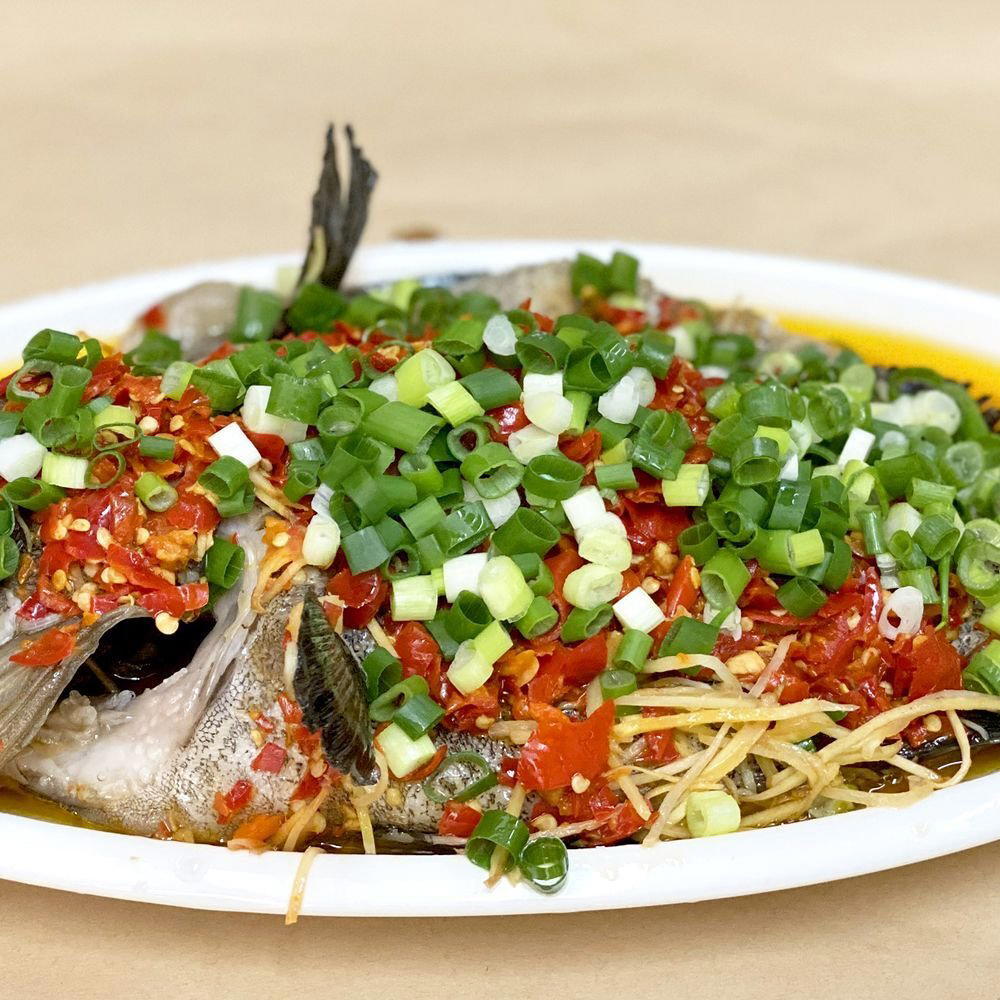
A Mountain Courtyard and the Shape of a Taiwanese Set Meal
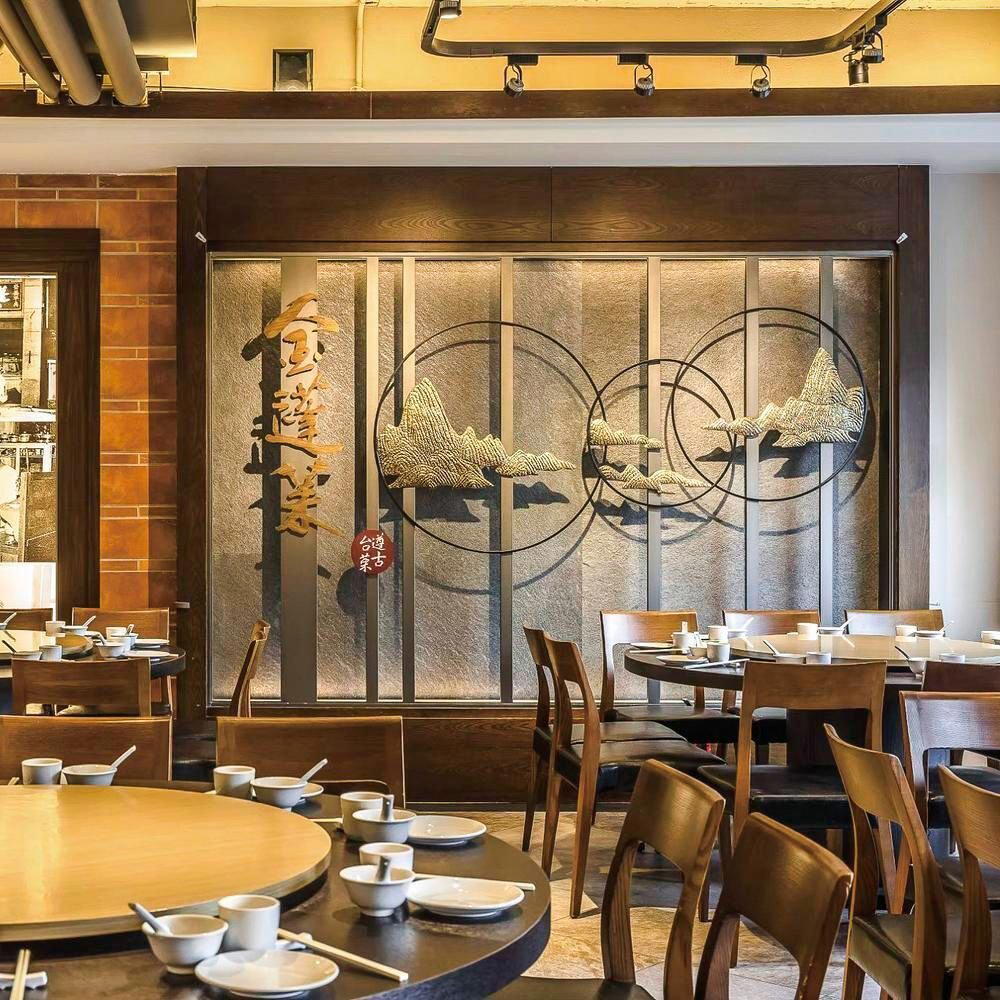
The road into Wanli District climbs gradually away from the coastal sprawl of greater New Taipei, and by the time you reach 23 Daping Road, the city feels genuinely distant. San Chieh Mei Nung Chia Le occupies a restored courtyard house, the kind of low-slung, tile-roofed structure that once defined rural Taiwanese domestic life before it was replaced by concrete and glass. Arriving here is already an act of orientation: you are not eating in a restaurant that has borrowed farmhouse aesthetics, but in a farmhouse that has become a restaurant. The distinction matters, because it shapes everything from how the meal is paced to what ends up on the table.
Taiwan’s mountain-district dining tradition has developed along lines quite separate from the urban restaurant scene in Taipei or the Michelin-tracked fine dining at places like logy in Taipei or JL Studio in Taichung. Out here, the operating logic is closer to what the Japanese call satoyama cooking: produce-led, seasonal, and tied to the land immediately surrounding the building. San Chieh Mei fits squarely into that tradition. The three sisters who run the restaurant also farm the land that supplies it, which means the gap between field and table is measured in minutes rather than supply-chain days.
The Structure of the Meal
The set menu format is the right vessel for this kind of cooking. Comprising four to six dishes plus soup, the format mirrors the rhythm of a Taiwanese family meal, where dishes arrive not as a tasting sequence engineered for dramatic progression, but as a gathering of preparations that belong together. There is no single course designed to dazzle at the expense of the others. The meal is cumulative rather than climactic, which rewards a slower pace and conversation over a table rather than focused solo contemplation.
The dishes draw from the canon of Taiwanese home cooking, the kind of repertoire that predates restaurant culture and was refined in domestic kitchens across the island’s agricultural interior. Within that framework, the sautéed vegetables with mashed taro has been specifically noted as a stand-out preparation. Taro holds a particular position in Taiwanese ingredient culture: it is starchy and grounding, absorbs seasoning without losing its own character, and appears in forms ranging from street-level snacks at spots like A Gan Yi Taro Balls and A-ba’s Taro Ball through to the kind of composed preparations that appear at more formal tables. Here, paired with sautéed seasonal vegetables from the property’s own farm, it functions as a grounding element within a menu that otherwise moves through lighter, more varied preparations.
For a different register of set-menu dining in the wider New Taipei area, Chi Yuan and Amajia both offer structured meal formats worth comparing. And if you are tracing Taiwanese cooking across the island, the work being done at Akame in Wutai Township and Zhu Xin Ju in Tainan represents the range of what regional specificity can mean at different price points and in different contexts.
The Dining Ritual in Practice
Eating at San Chieh Mei is a ritual in the older sense of that word: a set of actions performed in a particular place, at a particular pace, that produce a particular quality of attention. The retro farmhouse setting is not decorative nostalgia but an accurate reflection of what the building is and where the food comes from. The sisters’ reportedly warm, direct service style reinforces this: you are not being waited on so much as hosted, which shifts the register of the meal considerably.
This matters because the etiquette of a meal like this differs from the formal progression expected at, say, Le Bernardin in New York City or the choreographed sequence at a tasting-menu counter. Here the expectation is engagement with the food and with each other, not with performance. The pacing is unhurried. Dishes are shared. The soup ties the meal together at the end rather than punctuating it at the beginning. Arriving with that frame already in mind produces a better meal than arriving with urban fine-dining expectations and recalibrating partway through.
The remoteness of the location reinforces this orientation. San Chieh Mei is accessible only by car or taxi, a logistical reality that pre-selects its guests somewhat. People who make the trip from central New Taipei or Taipei proper have already committed to an afternoon or evening that is structured around this meal, not around a broader itinerary. That commitment is part of what the experience asks of you, and it pays back accordingly.
Planning the Visit
The address, 23 Daping Road in Wanli District, sits in the mountains north of New Taipei, and getting there without a car means arranging a taxi from one of the nearer urban centres. Plan for travel time in both directions, particularly if you are combining this visit with other destinations in the area. There is no public transit link that reaches this location conveniently. For accommodation context, our full New Taipei hotels guide covers options across the district, and the mountain and coastal zones around Wanli have a small number of resort-adjacent properties worth considering if you want to extend the trip. The spa and resort format at Volando Urai Spring Spa and Resort in Wulai District represents one model for combining a meal-focused day with overnight accommodation in a similar geographic register.
Given the set-menu format and farm-based supply, showing up without a reservation is not a sound strategy. Build this visit into your itinerary with a confirmed booking, not as a spontaneous detour.
For further context on the New Taipei dining scene, our full New Taipei restaurants guide maps the range from street-level staples like BAK KUT PAN through to the more structured options across the city’s districts. Those planning a wider Taiwan trip should also consult our guides to GEN in Kaohsiung and the broader New Taipei bars, wineries, and experiences guides for fuller trip architecture.
Frequently asked questions
Is San Chieh Mei Nung Chia Le Michelin-listed?
San Chieh Mei Nung Chia Le has received recognition including: Three sisters restored the family courtyard house, turning it into a restaurant with a retro farmhouse feel. The bubbly, friendly siblings serve dishes made using produce grown on their own farm. Comprising four to six dishes and soup, the ….
What part of town is San Chieh Mei Nung Chia Le in?
San Chieh Mei Nung Chia Le is located at 23 Daping Road, Wanli District, New Taipei.
What should I eat at San Chieh Mei Nung Chia Le?
The set menu runs four to six dishes plus soup, covering the core repertoire of Taiwanese home cooking. The sautéed vegetables with mashed taro is the dish that draws the most attention, and with good reason, it uses produce grown on the family's own farm. Order the full set rather than picking and choosing; the meal is designed to be eaten in sequence.
How far ahead should I plan for San Chieh Mei Nung Chia Le?
The restaurant sits in the mountains of Wanli District at 23 Daping Road, and reaching it requires a car or pre-arranged taxi, that logistical step alone demands planning. Given the set menu format and family-run operation, contacting ahead to confirm availability and arrange arrival is advisable, particularly on weekends when demand for countryside dining near New Taipei increases.
What makes San Chieh Mei Nung Chia Le worth seeking out?
Three sisters converted their family courtyard house into a restaurant and grow much of the produce served on-site, the farm-to-table chain here is literal, not a marketing claim. The retro farmhouse setting in the Wanli mountains gives the meal a context that New Taipei city restaurants cannot replicate. The set menu format means the cooking is consistent and purposeful rather than scatter-shot.
Is San Chieh Mei Nung Chia Le allergy-friendly?
The kitchen works from a fixed set menu built around Taiwanese farmhouse cooking, which typically features vegetables, pork, and soy-based preparations. Because the menu format is set rather than à la carte, substitutions may be limited, the farm's own produce drives what appears on the table each day. check the venue's official channels before visiting if you have specific dietary requirements.
Can you get to San Chieh Mei Nung Chia Le without a car from central New Taipei?
The restaurant at 23 Daping Road in Wanli District is only accessible by car or taxi, there is no convenient public transport link to this part of the mountains. From central New Taipei or Taipei, a taxi is the practical option; factor in return transport as well, since passing cabs are scarce in this area. Building the journey into a half-day excursion north of the city is the most straightforward approach.
Cuisine and Awards Snapshot
Comparable venues nearby, for context on price, style, and recognition.
| Venue | Cuisine | Price | Awards | Notes |
|---|---|---|---|---|
| San Chieh Mei Nung Chia LeThis venue (the venue you are viewing) | Taiwanese Bib Gourmand | $10–20 | Michelin Bib Gourmand | Not listed |
| GARDEN h | Hakka with Jiangzhe influences | Not listed | Michelin Bib Gourmand | Yonghe |
| Superman | Taiwanese Small Eats | Not listed | Michelin Bib Gourmand | Xindian District |
| Dian Xiao Er (Datong North Road) | Taiwanese Braised Pork Rice | Not listed | Michelin Bib Gourmand | Sanchong |
| Yonghe Chia Hsiang Soy Milk | Traditional Taiwanese Breakfast & Dim Sum | $1–10 | Michelin Bib Gourmand | Yonghe District |
| Le Yeh | Home-style Taiwanese | Not listed | Michelin Plate | Pinglin District |
Recognition history
Dated appearances from independent guides and award organizations, with the underlying list record or original source where available.
Michelin Bib Gourmand
Michelin