Gaar

Michelin Plate
Our verdict
Gaar holds back-to-back Michelin Plates (2024 and 2025) for its farm-to-table cooking in the quiet Limburg village of Meerssen. The kitchen works at the mid-price tier, drawing on regional produce to build a menu grounded in seasonal sourcing rather than technique for its own sake. The consistency here speaks for itself.

Pearl is the En Primeur Club membership app — saves, bookings, and concierge access live there. Same editors, same standards.
- Address
- Klinkenberg 173, 6231 BC Meerssen, Netherlands
- Phone
- +31 43 870 0126
- Hours
- Mon–Wed ClosedThu–Sat 5:30–11:30 PMSun 12:30–2:30 PM, 6–11:30 PM
- Website
- restaurantgaar.nl
- Directions
- Get directions
- Booking
- Book on the venue's website
The menu
What to order
- Limburg pork terrine
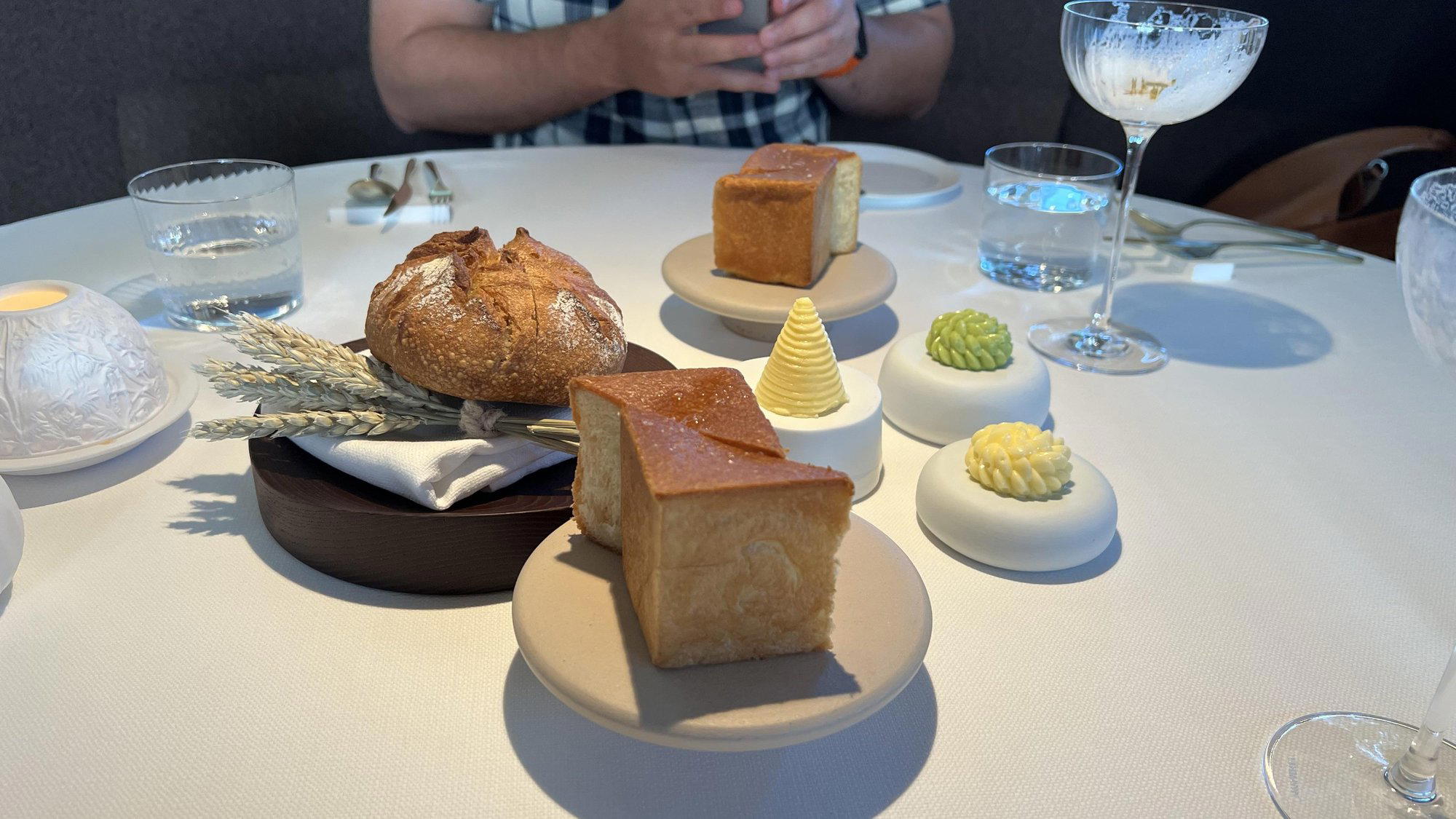
- Crispy tortilla with Eastern marinated tuna
Farming Country on a Plate
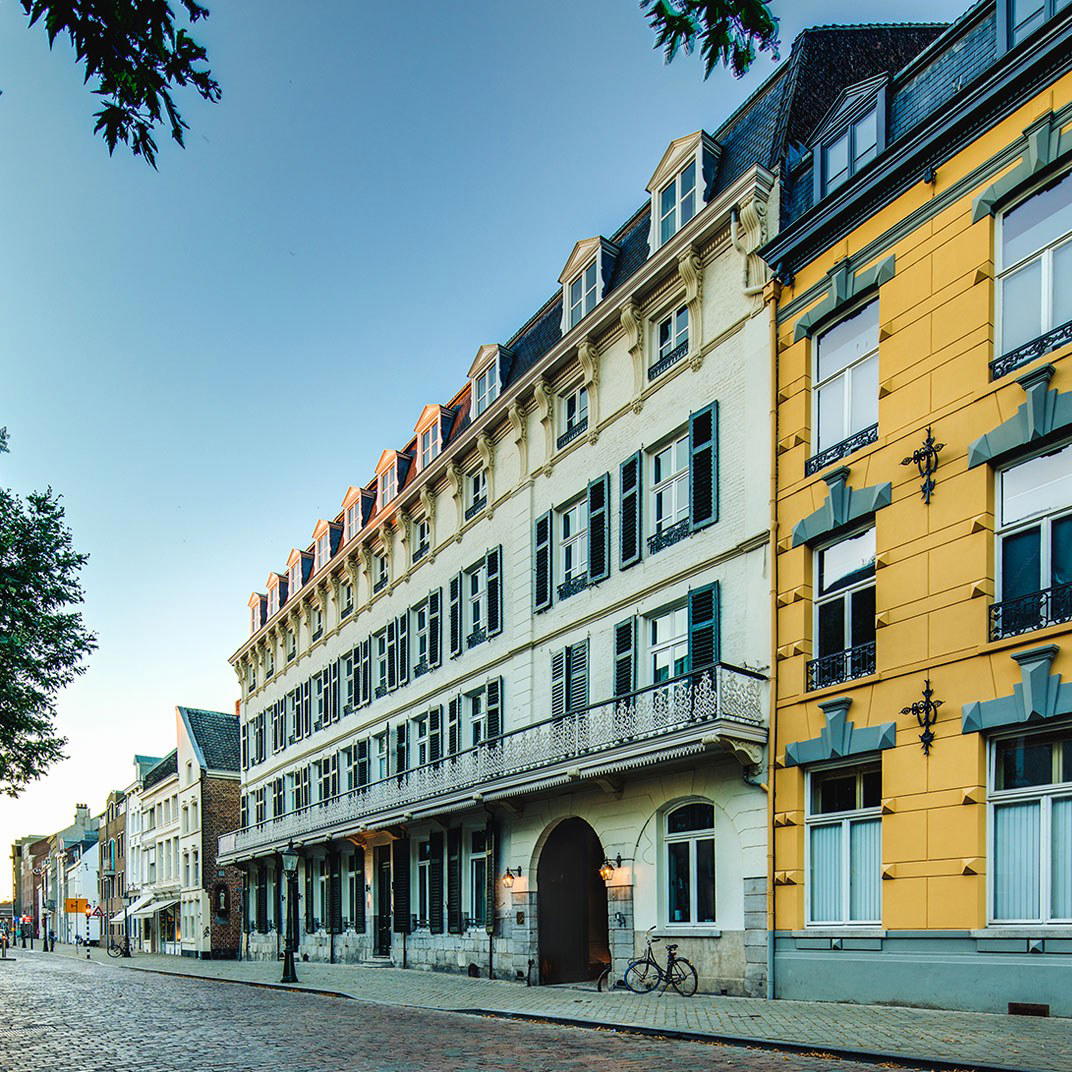
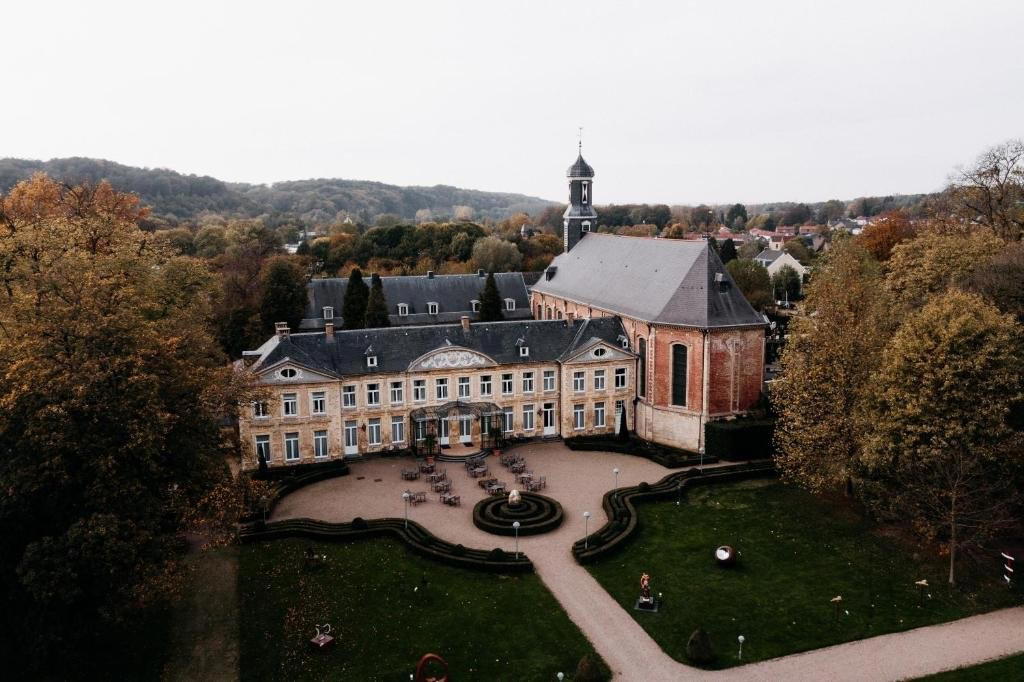
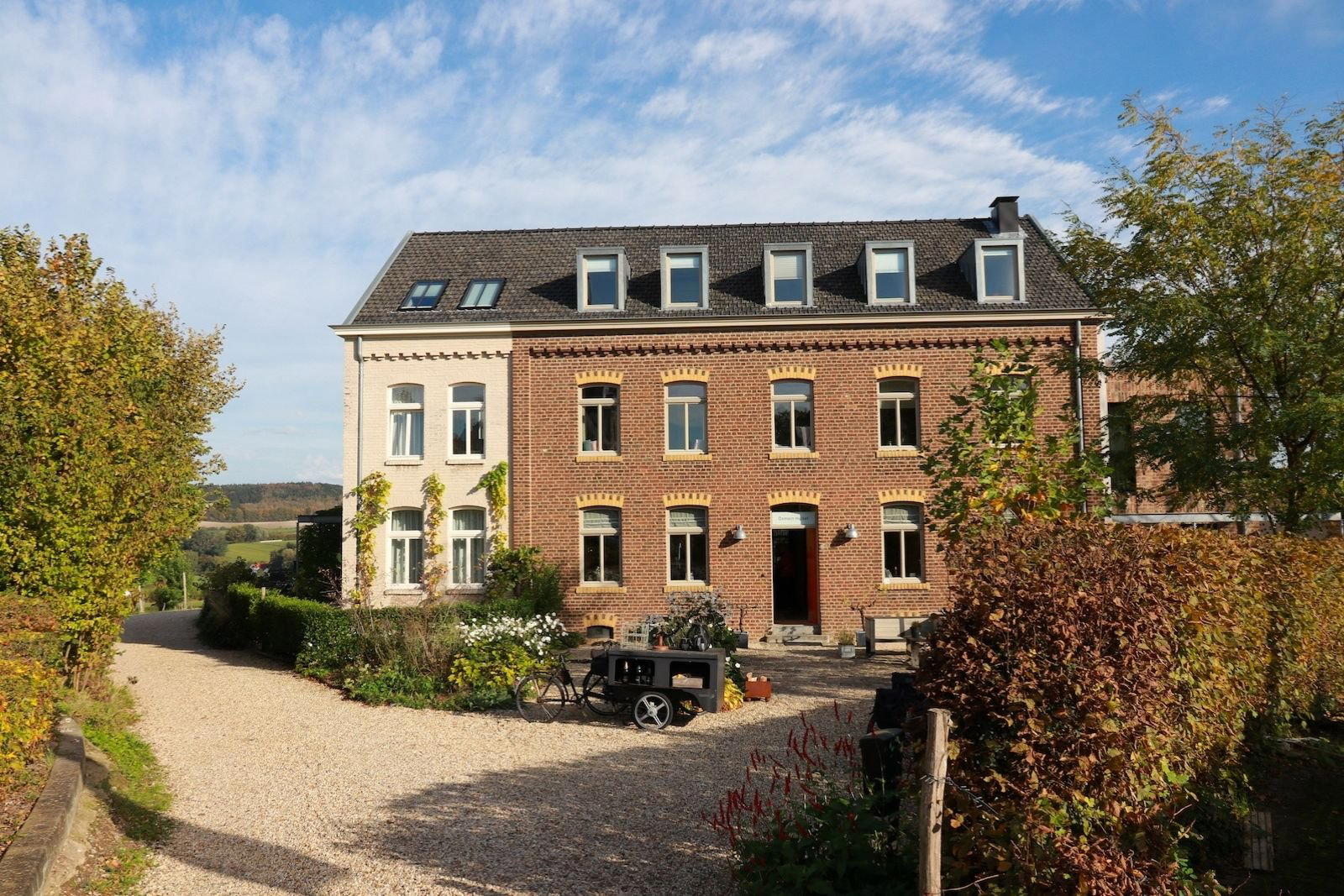
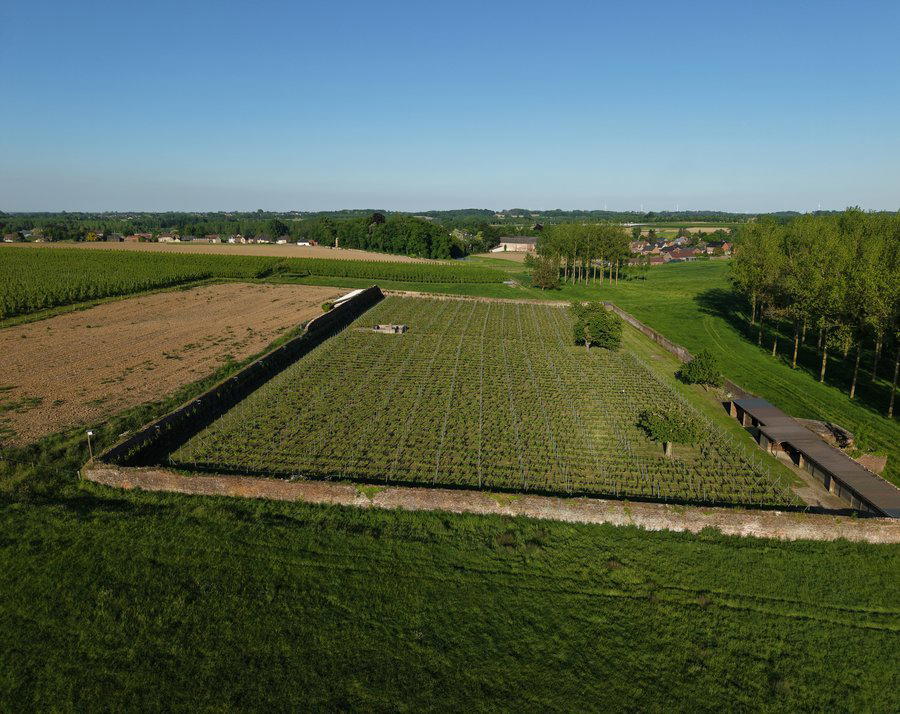
South Limburg sits in one of the Netherlands' most agricultural corners, a range of rolling chalk hills, heritage orchards, and small-scale farms that have supplied local kitchens for generations. Meerssen itself is a compact municipality east of Maastricht, the kind of place where the distance between field and fork is measured in kilometres rather than supply-chain logic. Gaar, at Klinkenberg 173, operates squarely inside that tradition. The address alone places it away from the main drag, in a part of the village where the surrounding countryside remains a visible, working presence rather than a postcard backdrop.
The farm-to-table category in the Netherlands has split between two modes: urban restaurants that position provenance as a marketing layer, and rural kitchens where short supply chains are simply the default because geography allows nothing else. Gaar belongs to the second group. What that means in practice is that the sourcing decisions are structural rather than decorative, shaping the menu's rhythm according to what the region actually produces at any given moment in the year. For a comparable approach at a higher price tier, kitchens like De Nieuwe Winkel in Nijmegen have drawn two Michelin stars on an organic and plant-forward model. Gaar operates at the accessible end of the same continuum, making the argument for regional cooking without the tasting-menu price point that now defines the upper bracket.
What the Michelin Plate Signals
Back-to-back Michelin Plates in 2024 and 2025 position Gaar inside a recognisable tier of Dutch dining: kitchens that satisfy Michelin's quality threshold without yet carrying a star. The Plate designation marks cooking that uses good ingredients and prepares them with care, which in the Netherlands is a competitive field. Peer-set comparisons are instructive here. The country's starred restaurants cluster at the €€€€ bracket, places like De Librije in Zwolle at three stars, 't Nonnetje in Harderwijk at two, or Aan de Poel in Amstelveen. Gaar prices at €€, which means it addresses a different reader: someone who wants Michelin-acknowledged cooking without the full tasting-menu commitment that the top tier requires.
At that volume of feedback, a high score stops being a statistical fluke and starts reflecting something systematic about the kitchen's reliability. For a Plate-level restaurant in a village of Meerssen's size, maintaining that score across a broad cross-section of guests suggests the cooking translates well beyond specialist audiences.
Within Limburg's farm-to-table tier, the nearest regional comparator worth knowing is Brut172 in Reijmerstok, a short drive south into the hills. Both kitchens operate from a similar premise of seasonal, regionally grounded cooking, which makes the pair a reasonable itinerary anchor for anyone spending time in this part of the province.
The Sourcing Logic
Farm-to-table as a category only carries weight when the sourcing architecture is specific. In South Limburg, the agricultural base is varied: the chalk soils of the Heuvelland region support asparagus cultivation (the province is one of the Netherlands' most serious asparagus-producing areas), soft fruit, and a range of market garden crops. Older orchards contribute heritage apple and pear varieties. Local farms have also maintained livestock traditions that distinguish Limburg from the dairy-intensive north. A kitchen in Meerssen drawing on this supply base has genuine regional specificity to work with, not simply the generic seasonal-produce narrative that passes for farm-to-table in contexts with weaker agricultural infrastructure.
That regional specificity is one reason why the farm-to-table model in this part of the Netherlands has a different character than, say, a comparable claim made by a city restaurant in Amsterdam or Rotterdam. Distance collapses. Seasonal windows are real rather than rhetorical. The menu at a kitchen like Gaar shifts not because the chef wants to signal seasonality but because the supply genuinely changes. For readers interested in how the same sourcing philosophy operates at a higher price tier, De Lindehof in Nuenen and De Treeswijkhoeve in Waalre both sit in the Dutch south and carry starred recognition for cooking that takes regional produce seriously.
Planning a Visit
Gaar sits at Klinkenberg 173 in Meerssen, a village that functions as a practical base for exploring the wider Maastricht area. Maastricht itself, roughly five kilometres to the southwest, is the region's main travel hub with direct rail connections to Amsterdam, Brussels, and Cologne. For visitors spending longer in the area, our full Meerssen hotels guide covers accommodation options across price tiers, and our Meerssen bars guide covers the village's drinking options for before or after dinner. Those wanting to extend into wider Limburg recommendations should check our Meerssen wineries guide and our experiences guide for the area.
The €€ pricing tier places Gaar in the range accessible to most visitors without advance financial planning. South Limburg is seasonal country, and the kitchen's sourcing model means timing a visit to spring (asparagus season) or early autumn (harvest period) brings the menu into alignment with the region's most productive windows. For a broader read on what Meerssen's restaurant scene offers at this and adjacent price points, see our full Meerssen restaurants guide.
Readers building a Dutch farm-to-table itinerary will find useful reference points in kitchens like 't Arsenaal in Deventer and Auberge de Veste in Hertogenbosch, both of which operate in the same cuisine category and offer regional comparisons. At the upper end, Ciel Bleu in Amsterdam, De Bokkedoorns in Overveen, and De Groene Lantaarn in Staphorst show where the country's regional-produce philosophy operates when starred ambition enters the picture. De Lindenhof in Giethoorn rounds out the map for visitors tracking the farm-to-table thread across the Netherlands' varied geographies.
Frequently asked questions
What's the pricing like at Gaar?
Pricing at Gaar is listed as €€.
Fast Comparison
| Venue | Cuisine | Awards |
|---|---|---|
| GaarThis venue — the venue you are viewing | Modern French with International Influences | Michelin Plate |
| De Librije | Modern Cuisine | Michelin 3 Star |
| Aan de Poel | Creative | Michelin 2 Star |
| De Lindehof | Contemporary Dutch, Creative | Michelin 2 Star |
| Fred | Creative French | Michelin 2 Star |
| De Nieuwe Winkel | Organic | Michelin 2 Star |
Recognition history
Dated appearances from independent guides and award organizations, with the underlying list record or original source where available.
Michelin Plate
Michelin
Full recognition history (2 entries)
Michelin Plate
Michelin
Continue exploring
More in Meerssen
Restaurants in Meerssen
Browse all →
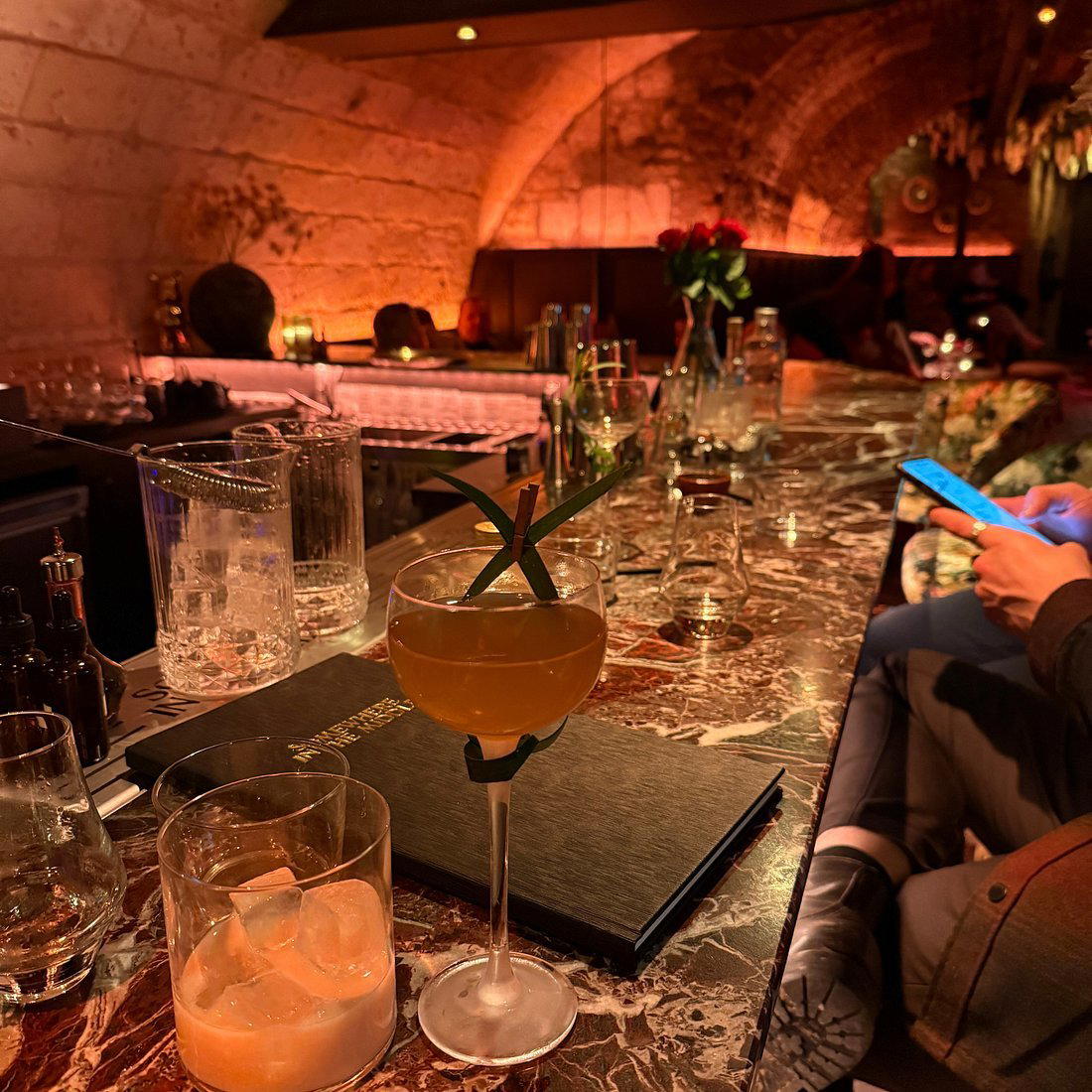
Bars in Meerssen
Browse all →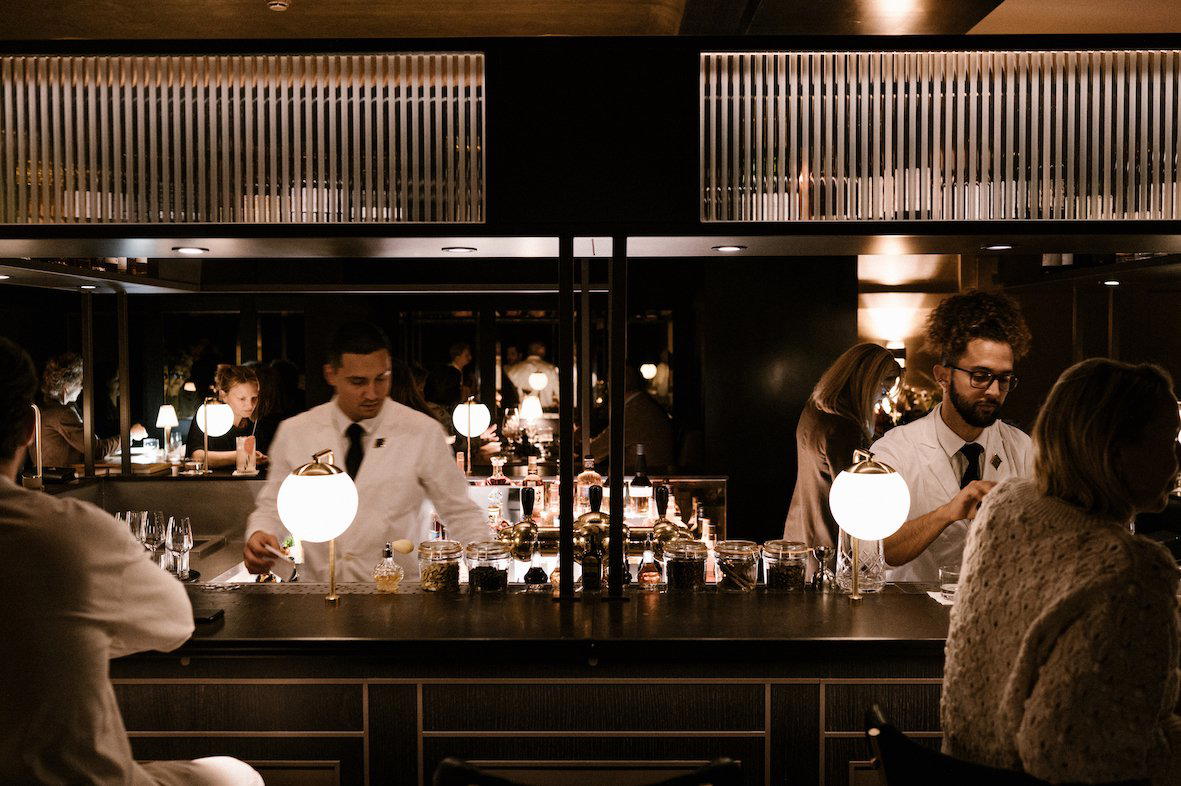
Hotels in Meerssen
Browse all →

Gaar
The wine
- Wine program
- Curated wine list
- Extensive wine list
- Sommelier-led
Details
- Cozy
- Elegant
- Intimate
- Sophisticated
- Date Night
- Special Occasion
- Business Dinner
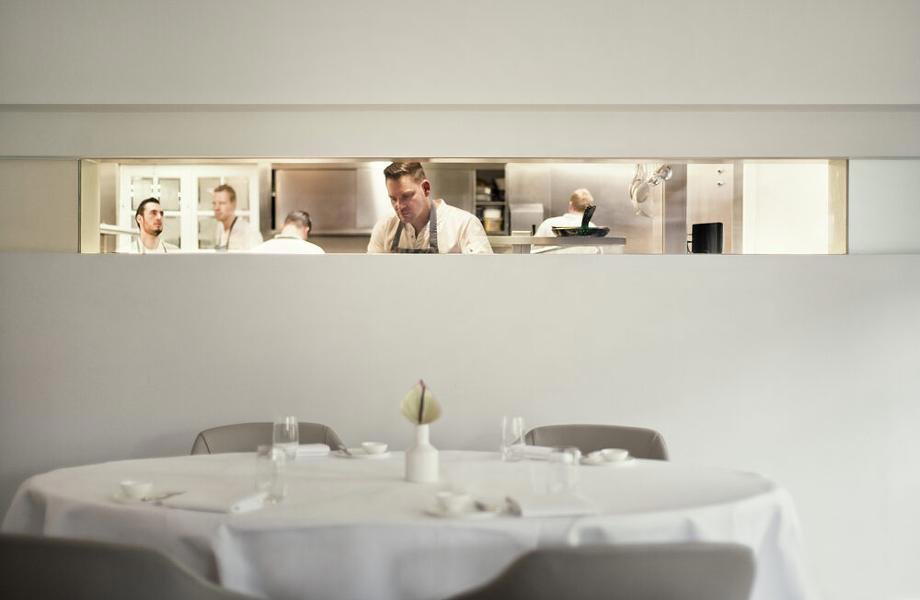
- Open Kitchen
- Extensive Wine List
- Sommelier Led
- Local Sourcing
- A La Carte
- Wine Pairings
- Vegetarian Friendly
- Vegan Options
- Gluten Free Options
Current opening hours
- Monday
- Closed
- Tuesday
- Closed
- Wednesday
- Closed
- Thursday
- 5:30–11:30 PM
- Friday
- 5:30–11:30 PM
- Saturday
- 5:30–11:30 PM
- Sunday
- 12:30–2:30 PM, 6–11:30 PM
Hours can change for holidays and private events. Last verified .
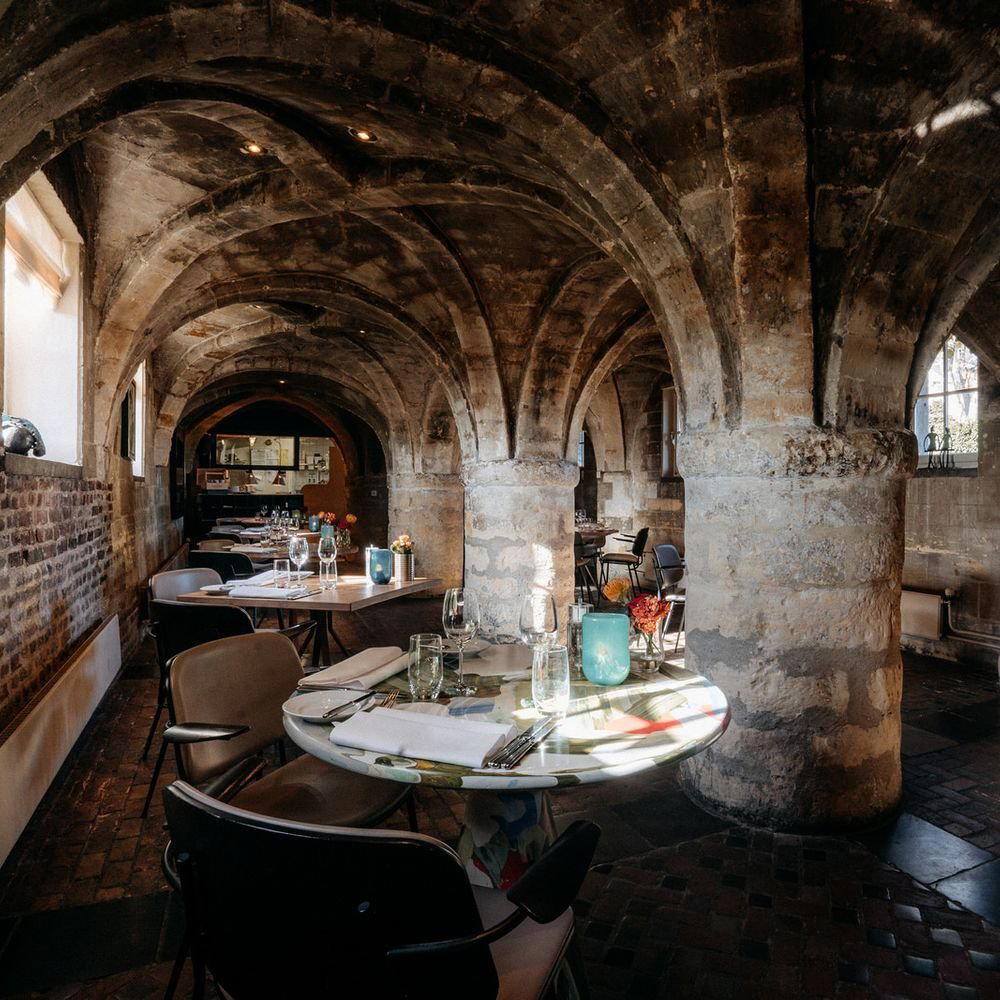
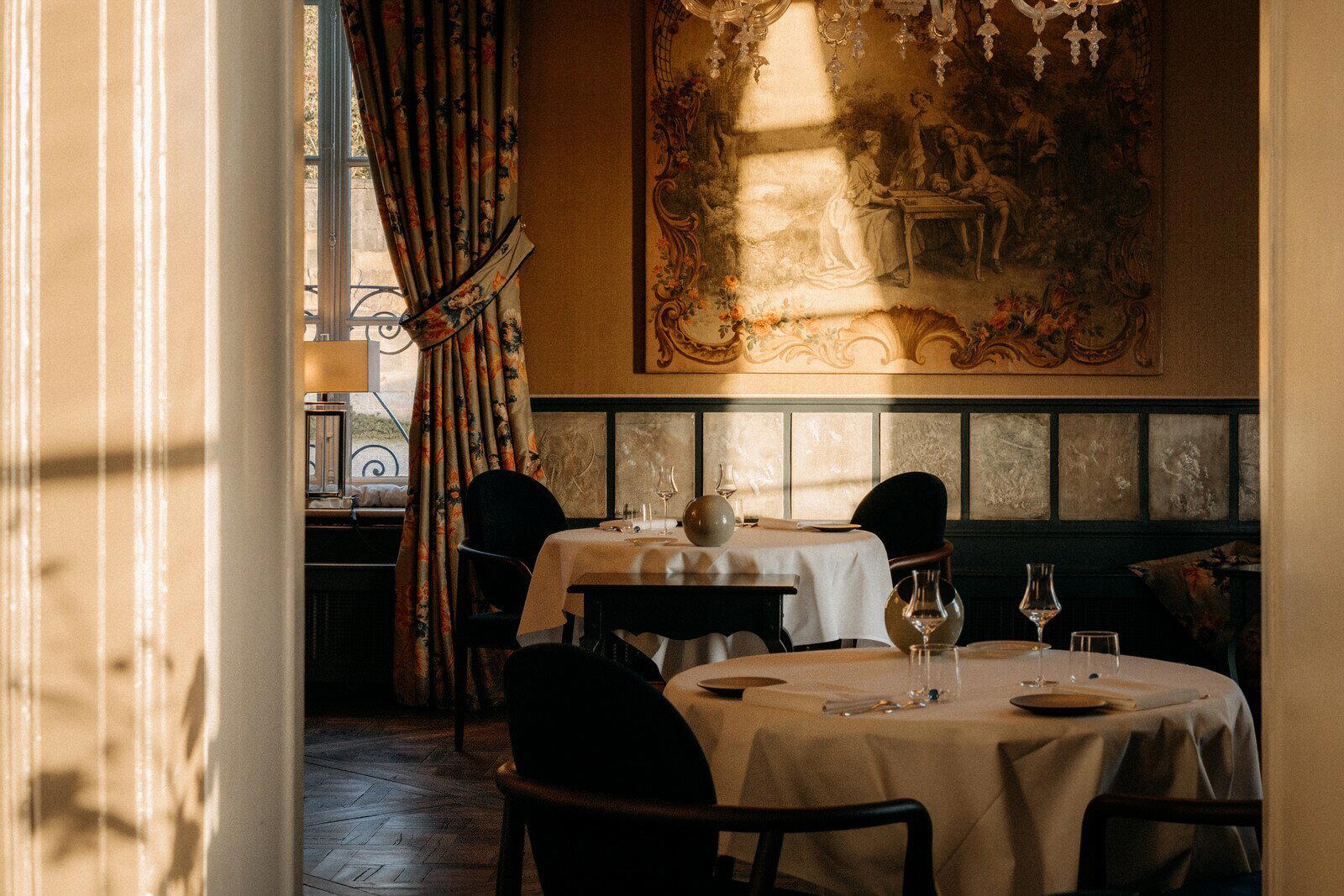
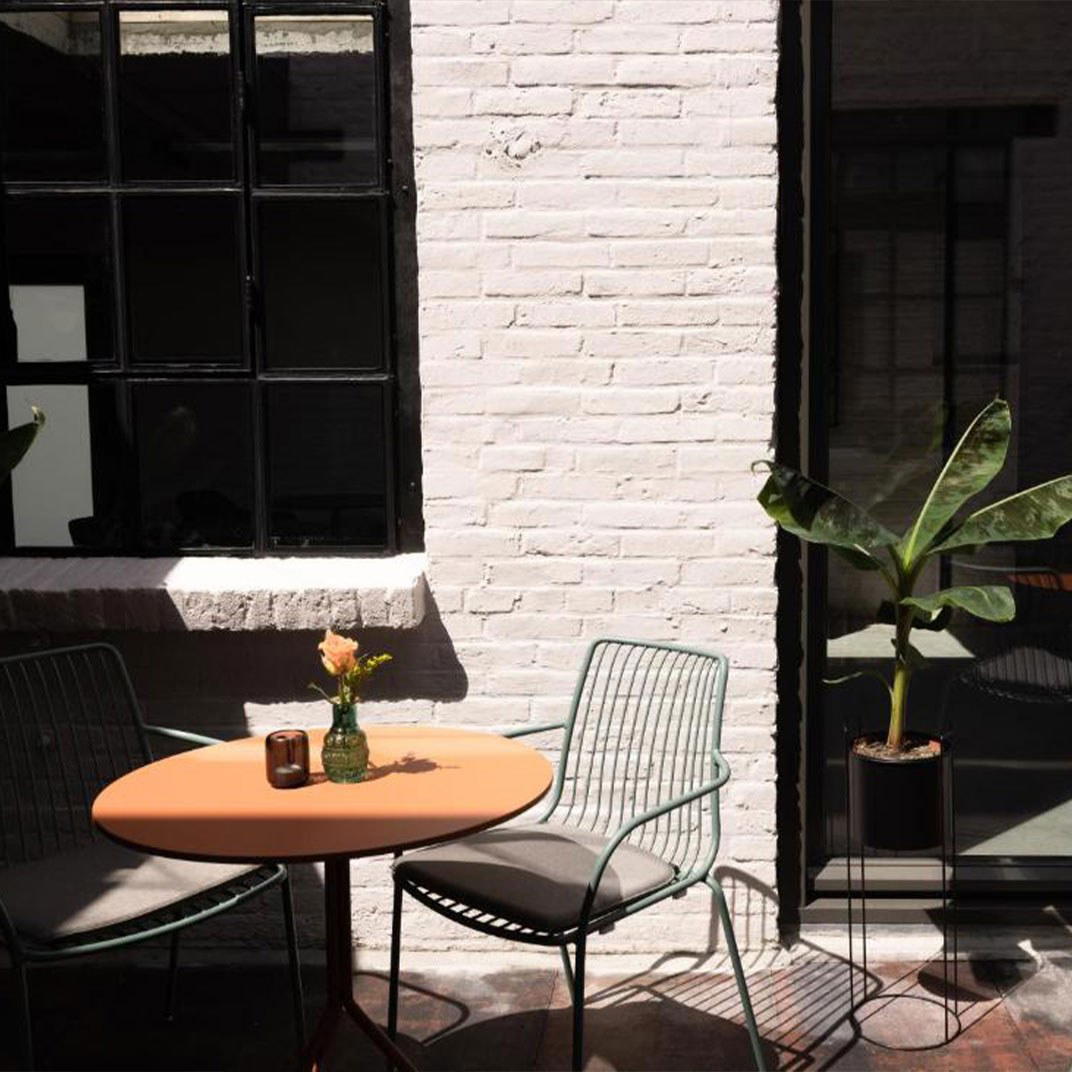
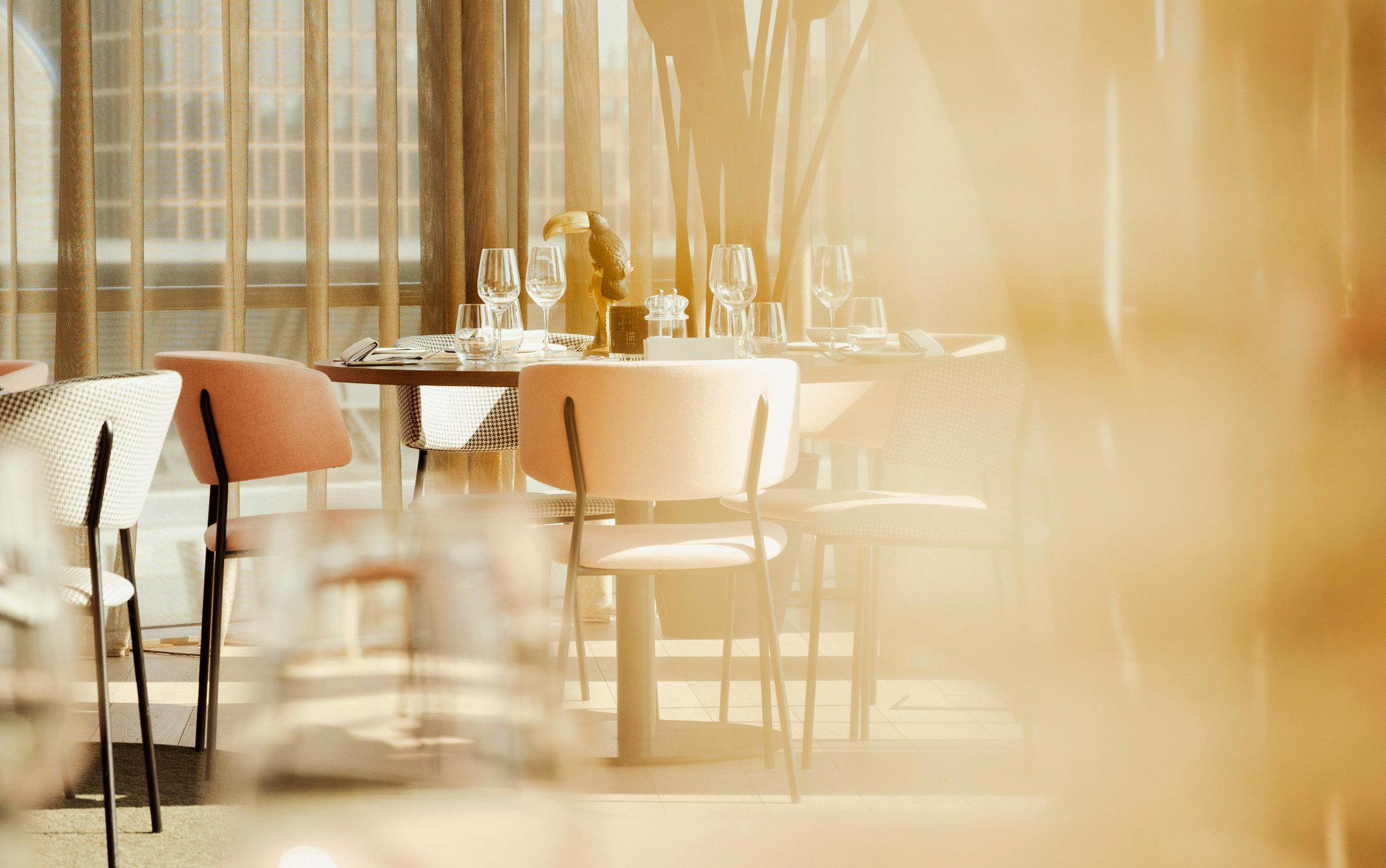
Cozy and convivial atmosphere with warm wooden interior, pops of turquoise decor, and a casual yet stylish bistro feel.