On Rue Croix Baragnon in central Toulouse, Gaïa represents the quieter, more considered end of the city's fine dining spectrum. The kitchen and front-of-house operate as a tightly integrated unit, producing food that reads as southern French without defaulting to the obvious clichés. It sits a tier below the city's most decorated addresses, which keeps the room calmer and the booking window shorter than at nearby rivals.
 Discover on Pearl
Pearl is the En Primeur Club membership app — saves, bookings, and concierge access live there. Same editors, same standards.
- Address
- 24 Rue Croix Baragnon, 31000 Toulouse, France
- Phone
- +33980807858
- Website
- gaia-toulouse.com
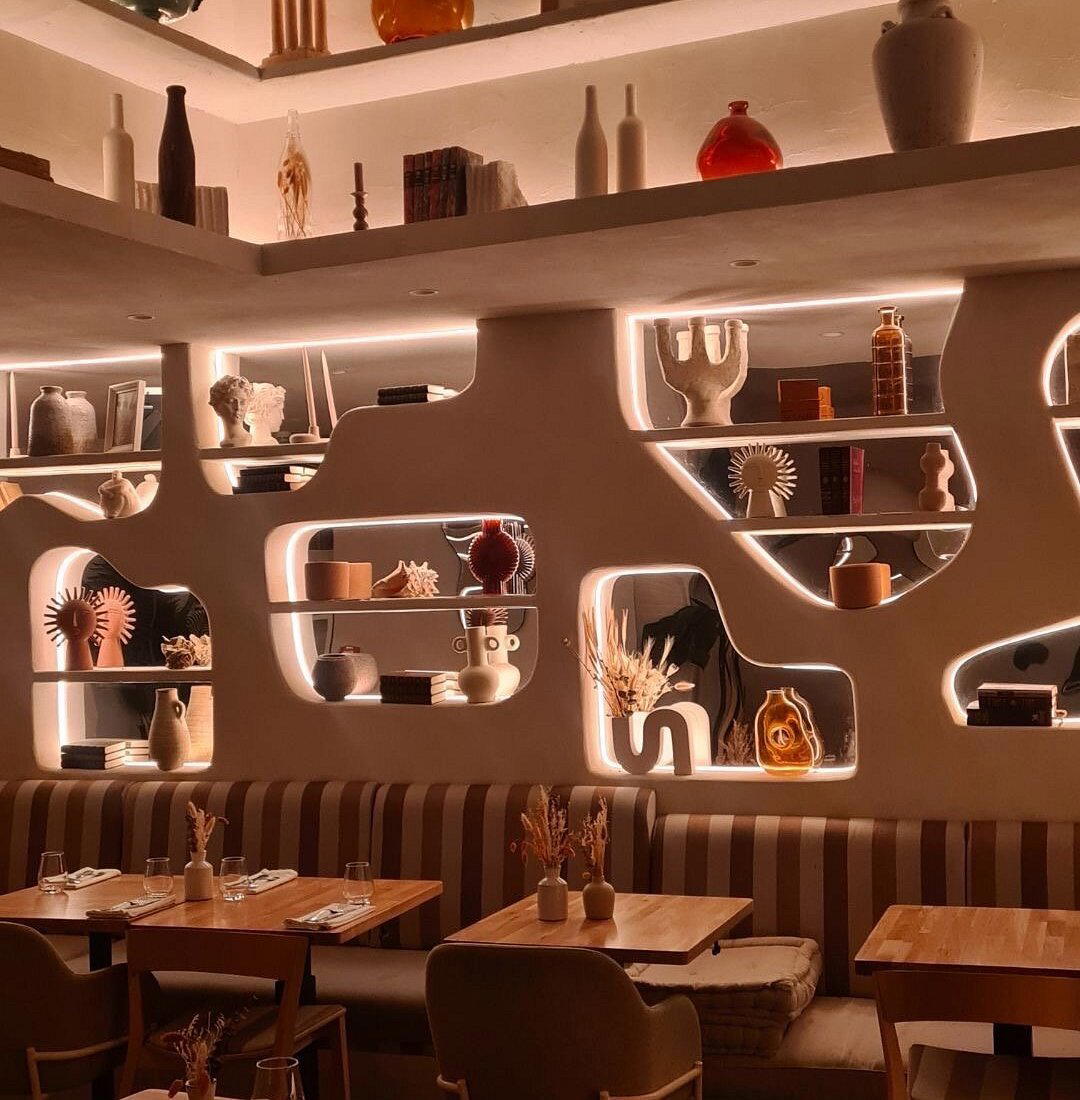
A Street That Earns Attention
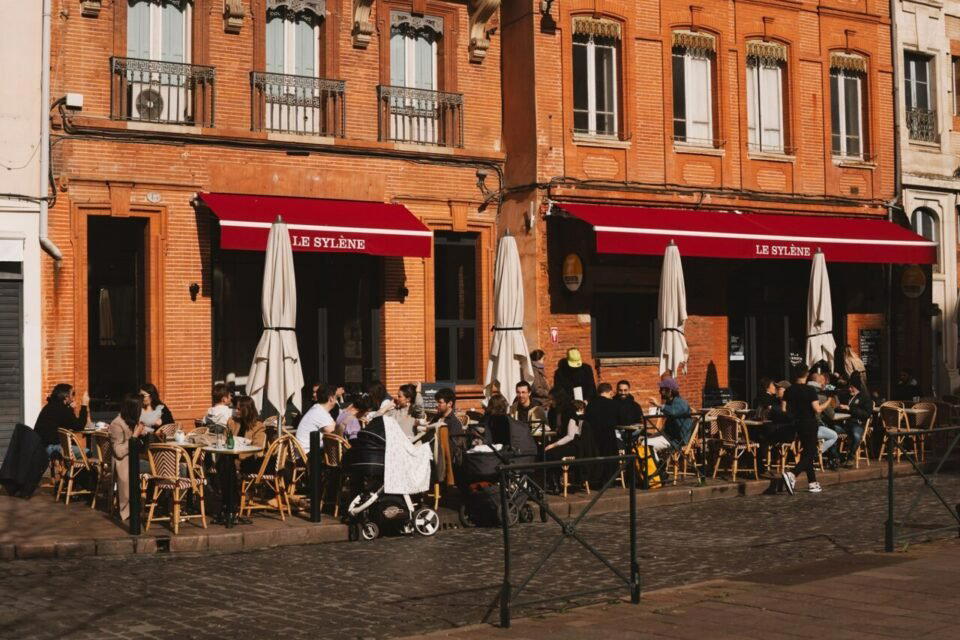
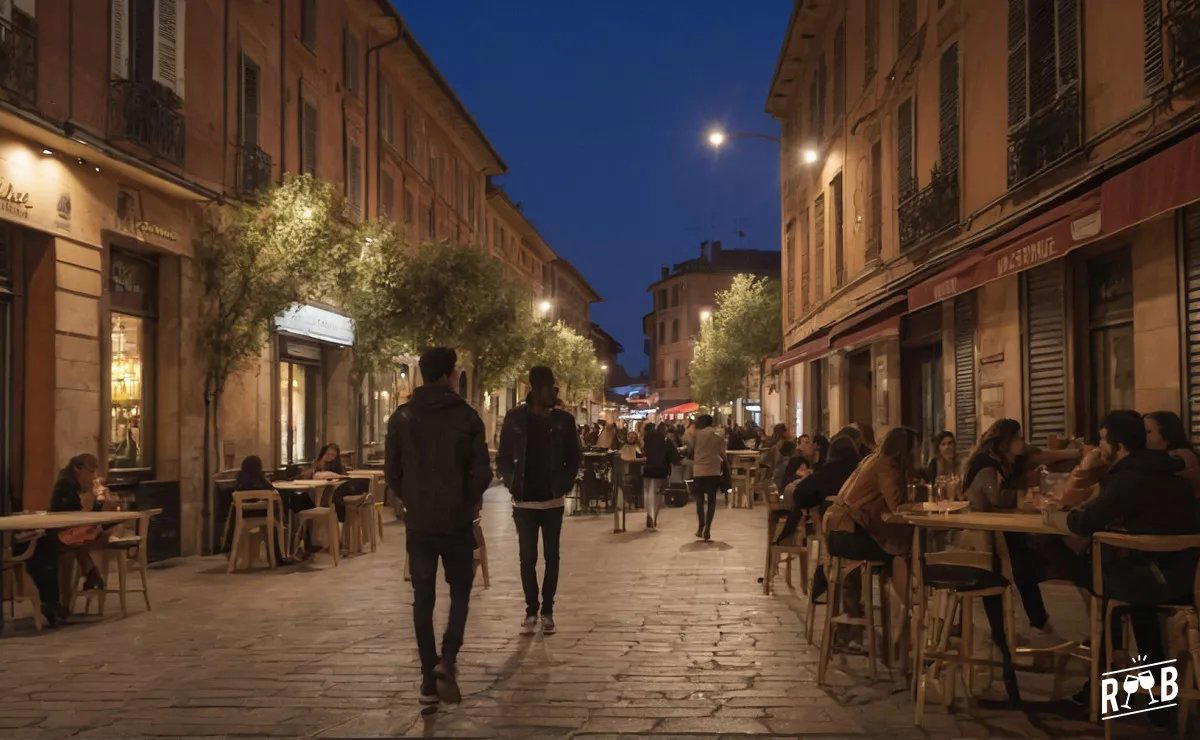
Rue Croix Baragnon cuts through the older residential fabric south of Place du Capitole, a stretch of Toulouse that tends to reward those who slow down rather than those following the obvious tourist circuit. The buildings here are narrow-fronted and typically rose-brick, and the street has developed a quiet density of serious independent businesses that owes more to neighbourhood habit than to any particular wave of gentrification. Gaïa sits at number 24, and the address alone signals something about its positioning: this is not a restaurant built around visibility or foot traffic, but around repeat custom from people who already know where they are going.
That orientation toward the committed rather than the casual diner shapes the room's character. Fine dining in Toulouse has traditionally sorted itself into two recognisable camps: the formally credentialled and internationally cited (addresses like Michel Sarran or Py-r, which carry Michelin weight and price accordingly), and a second tier of serious but less decorated kitchens that tend to offer the more balanced evening. Gaïa is a Mediterranean tapas restaurant at 24 Rue Croix Baragnon in central Toulouse, with a Google rating of 4.5 from 3,730 reviews and an approximate price of $50 per person.
Where the Room Meets the Kitchen
The editorial angle that matters most at Gaïa is not a single chef's CV but the coordination between kitchen output and the front-of-house reading of the room. In French fine dining more broadly, the separation between cooking skill and service intelligence has historically been treated as a prestige indicator: the more rigidly choreographed the dining room, the higher the implied category. A counter-movement has been underway for some years, particularly in mid-sized French cities, where the dominant aspiration has shifted from formality as spectacle to formality as precision. The kitchen at Gaïa operates within that second model. The food emerges from a team rather than from a single named protagonist, and the floor's job is to translate that collaborative production into an experience that reads coherently for the guest.
This kind of integration is harder to achieve than it appears. The sommelier's work, for instance, only lands if it is calibrated to the actual tempo of a given table, not to a fixed pairing script. Front-of-house teams at addresses like Acte 2 Yannick Delpech or SEPT have leaned into this flexibility as a point of distinction. At Gaïa, the floor and kitchen working in alignment is part of what positions it within Toulouse's serious independent dining cohort.
For context, properties such as Troisgros - Le Bois sans Feuilles in Ouches or Alléno Paris au Pavillon Ledoyen represent the ceiling of formal French coordination. Regional addresses operating below that ceiling, and doing so deliberately, form a more interesting peer group for most diners outside the collector circuit.
The Southern French Kitchen and What It Asks Of a Restaurant
Toulouse sits at a culinary crossroads that its restaurants handle with varying degrees of honesty. The city is in southwest France, which brings Gascon tradition, duck-fat cooking, rich confits, and proximity to Pyrenean produce into the frame. But it is also a university city with a significant population of younger, internationally mobile residents, which creates demand for cooking that is lighter, more technique-forward, and less anchored to the cassoulet tradition than the region's culinary identity might suggest.
The gap between these two appetites is where many Toulouse restaurants find their operating position. Farm-to-table addresses at lower price points, such as L'alouette, focus the sourcing argument and keep the format accessible. A step up, addresses like Agapes occupy the modern cuisine middle ground. Gaïa sits within this continuum, drawing on Mediterranean tapas and southern French produce without making the region's culinary folklore the entire point of the menu. That is a reasonable editorial position for a city whose dining culture continues to develop in range and ambition.
Regionally, the broader southwest France restaurant scene has produced serious talent that now reaches well beyond Toulouse itself. Bras in Laguiole remains the most cited reference for what the Aveyron's produce can do in the hands of a kitchen with genuine depth of conviction. Closer to the coast, Mirazur in Menton represents a Mediterranean inflection of the same sourcing seriousness. These addresses set the comparative standard for what produce-led cooking in the south of France can achieve when the kitchen has both resources and focus.
Planning Your Visit
Gaïa is at 24 Rue Croix Baragnon, a short walk from the centre of Toulouse and accessible on foot from the Place du Capitole within ten to fifteen minutes. The restaurant is recommended for reservations and keeps daily hours from 12 PM to 12 AM. The street has reasonable public transport links and is within easy reach of the main Toulouse-Matabiau station for visitors arriving by train. Toulouse is served directly from Paris on a 4.5-hour TGV journey, which makes a serious dinner here a plausible day-trip proposition for diners based in the capital, though an overnight stay gives more room to explore the city's wider dining options and its considerable architectural character.
For a fuller orientation to where Gaïa sits within Toulouse's restaurant hierarchy, the guide maps the city's dining options by neighbourhood and format. Comparable French regional fine dining worth benchmarking against includes Flocons de Sel in Megève, Auberge de l'Ill in Illhaeusern, Assiette Champenoise in Reims, Au Crocodile in Strasbourg, Paul Bocuse - L'Auberge du Pont de Collonges, and AM par Alexandre Mazzia in Marseille. For international reference points at the highest tier of collaborative kitchen-and-floor execution, Le Bernardin in New York City and Atomix in New York City represent what sustained team coherence produces at scale.
Booking and Cost Snapshot
Comparable venues nearby, for context on price, style, and recognition.
| Venue | Price | Awards | Notes |
|---|---|---|---|
| GaïaThis venue — the venue you are viewing | $$$ | , | |
| Les Impulsifs | $$$ | , | Capitole / Arnaud Bernard / Carmes, Modern Bistronomic French |
| Brasserie & Brunch des Consuls | $$ | , | Capitole / Arnaud Bernard / Carmes, French Brasserie & Brunch |
| Le Rocher | $$$ | , | Les Chalets / Bayard / Belfort / Saint-Aubin / Dupuy, Traditional French Bistro |
| Les Copains D'abord | $$ | , | Bonhoure / Guilheméry / Château de l'Hers / Limayrac / Côte Pavée, Traditional Southwestern French Bistro |
| La Verrière | $$$ | , | Capitole / Arnaud Bernard / Carmes, French Bistronomic Tasting Menu |
Continue exploring
More in Toulouse
Restaurants in Toulouse
Browse all →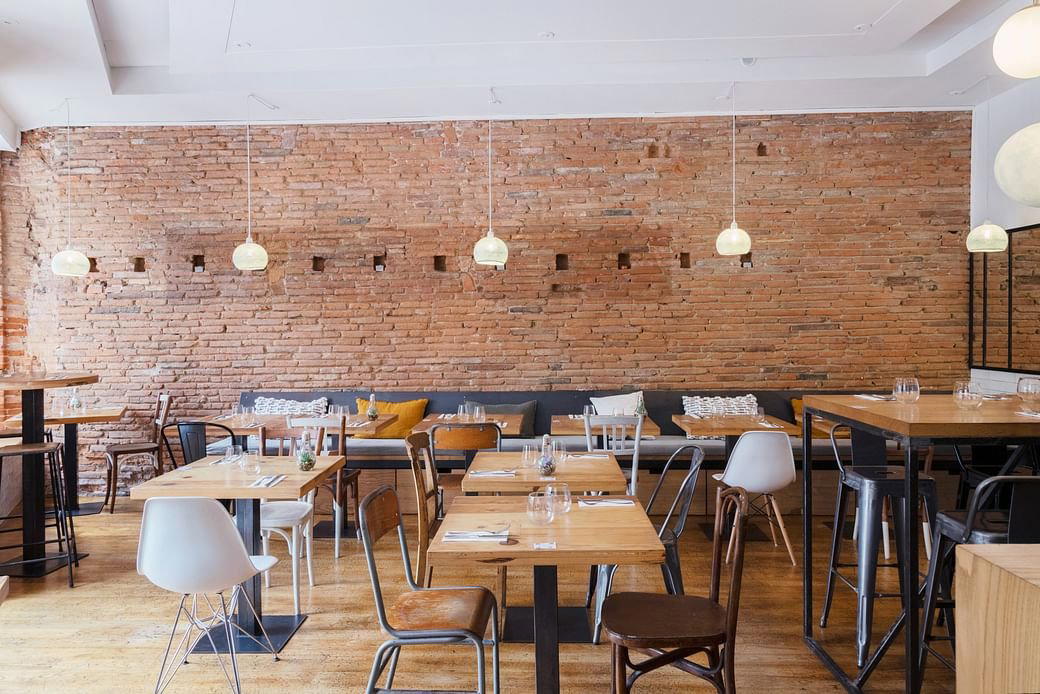

At a Glance
- Trendy
- Modern
- Cozy
- Elegant
- Date Night
- Special Occasion
- Casual Hangout
- Courtyard
- Terrace
- Historic Building
- Extensive Wine List
- Local Sourcing
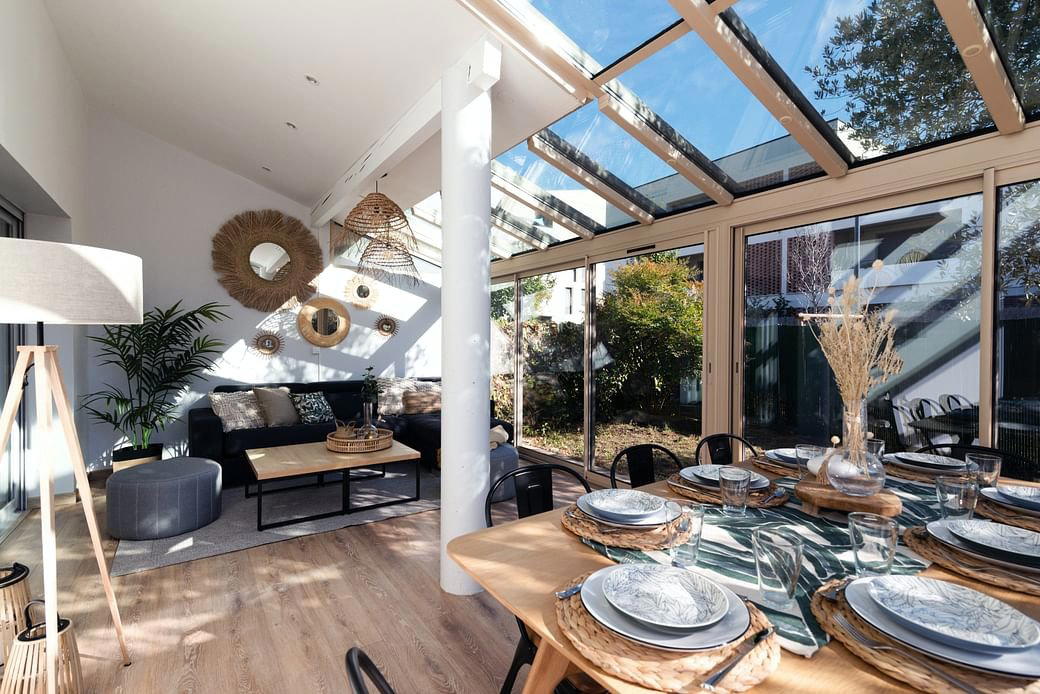
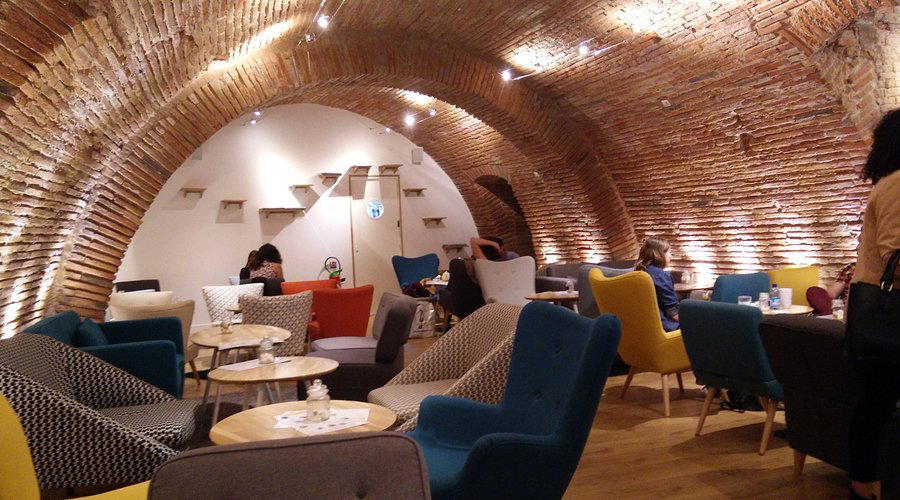
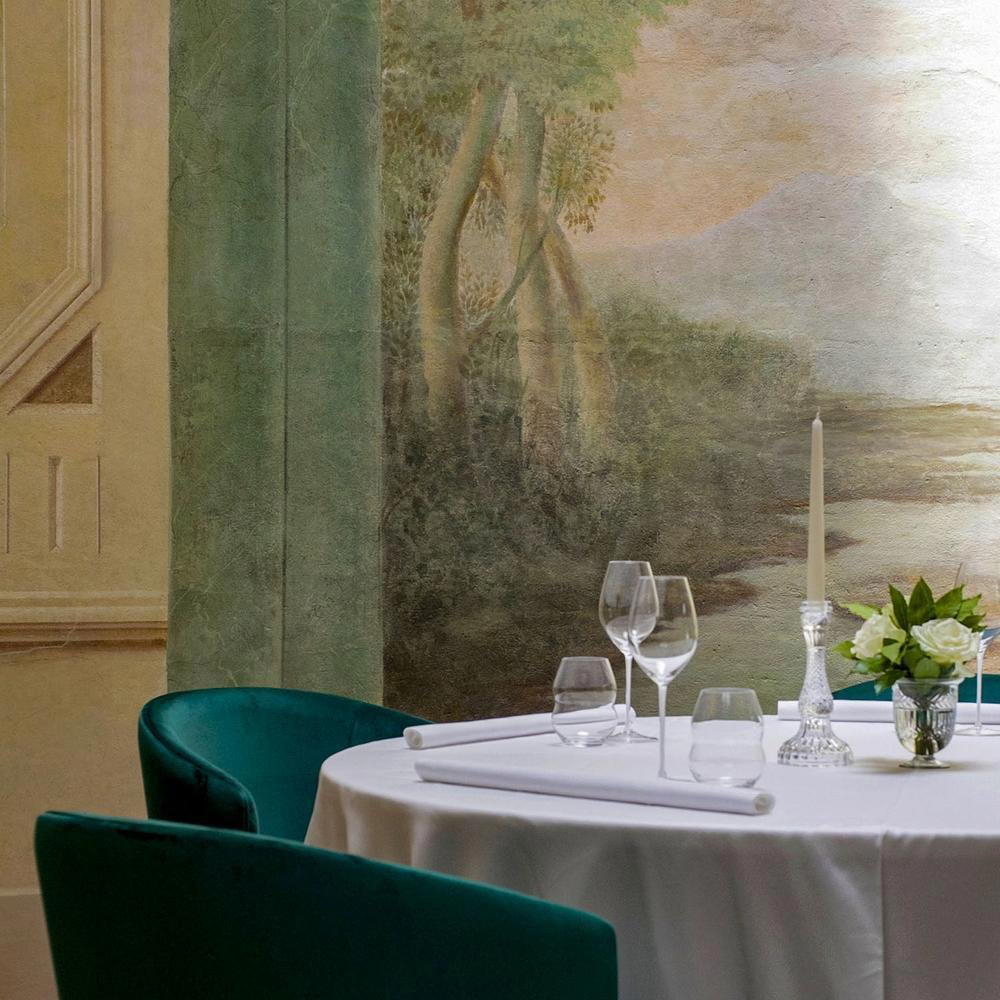
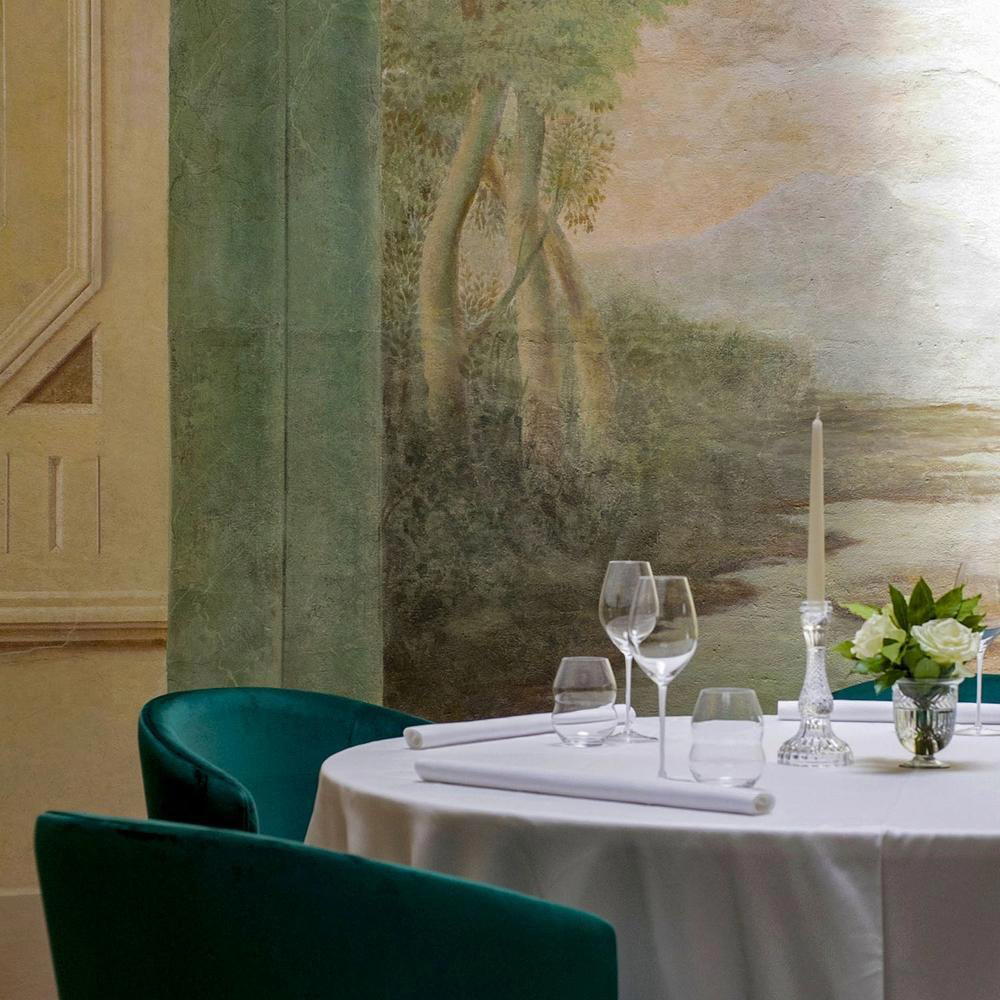
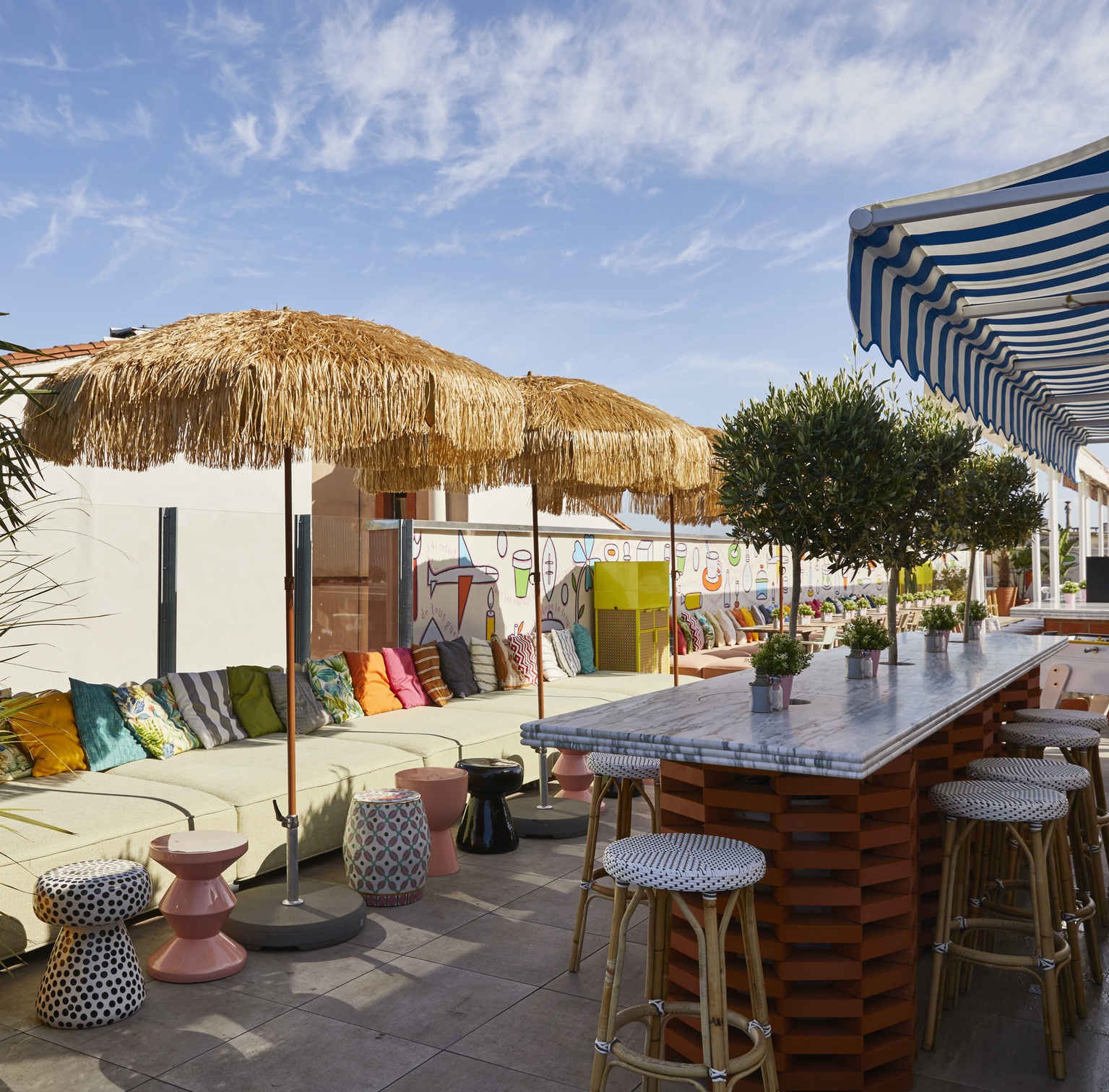
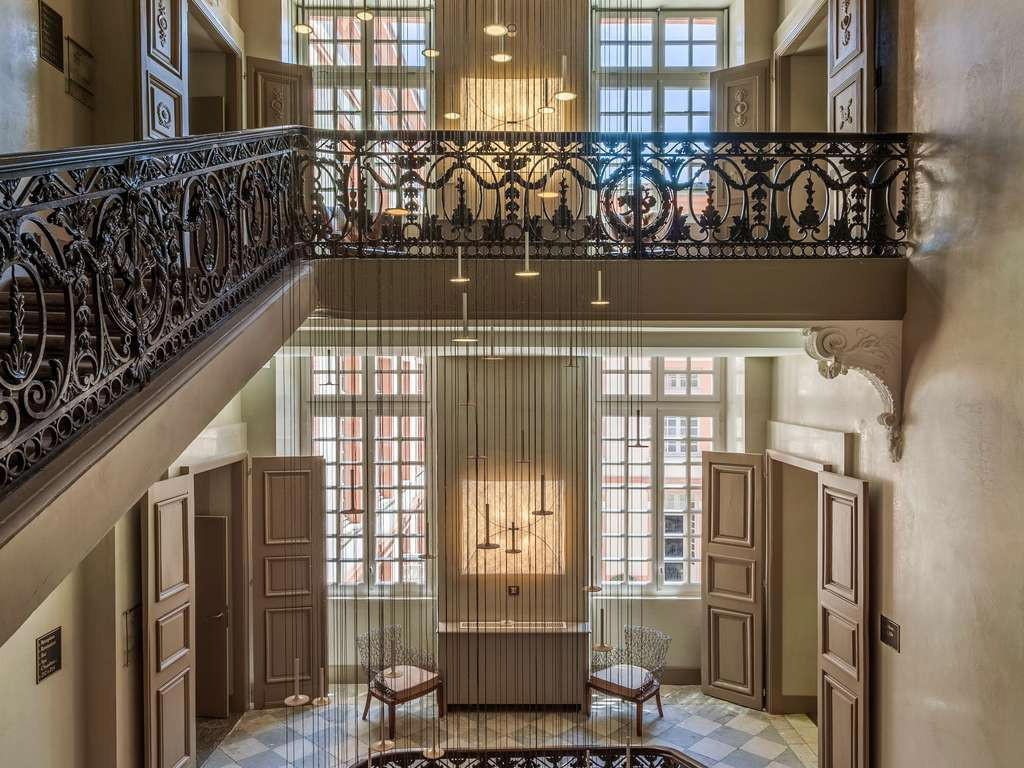
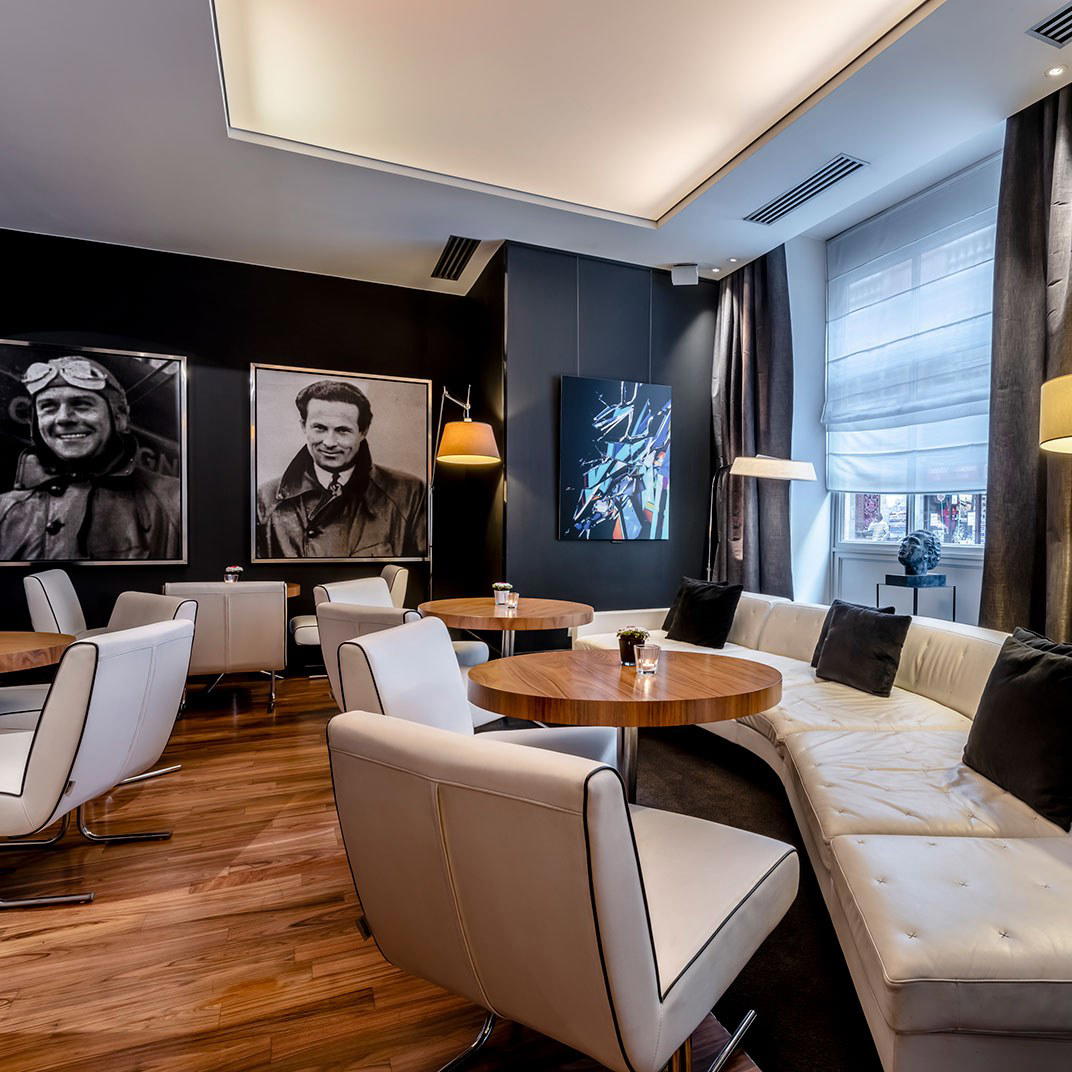
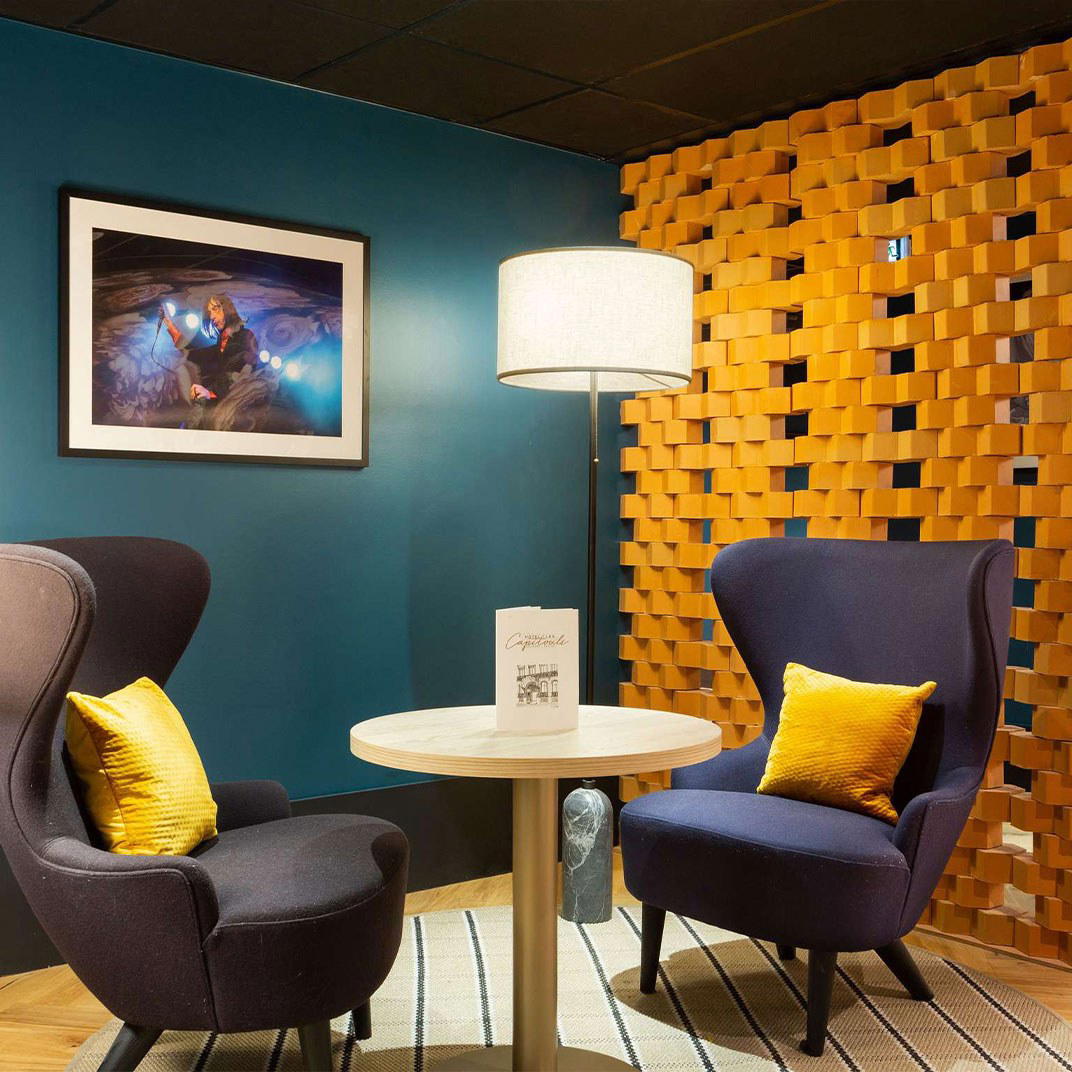
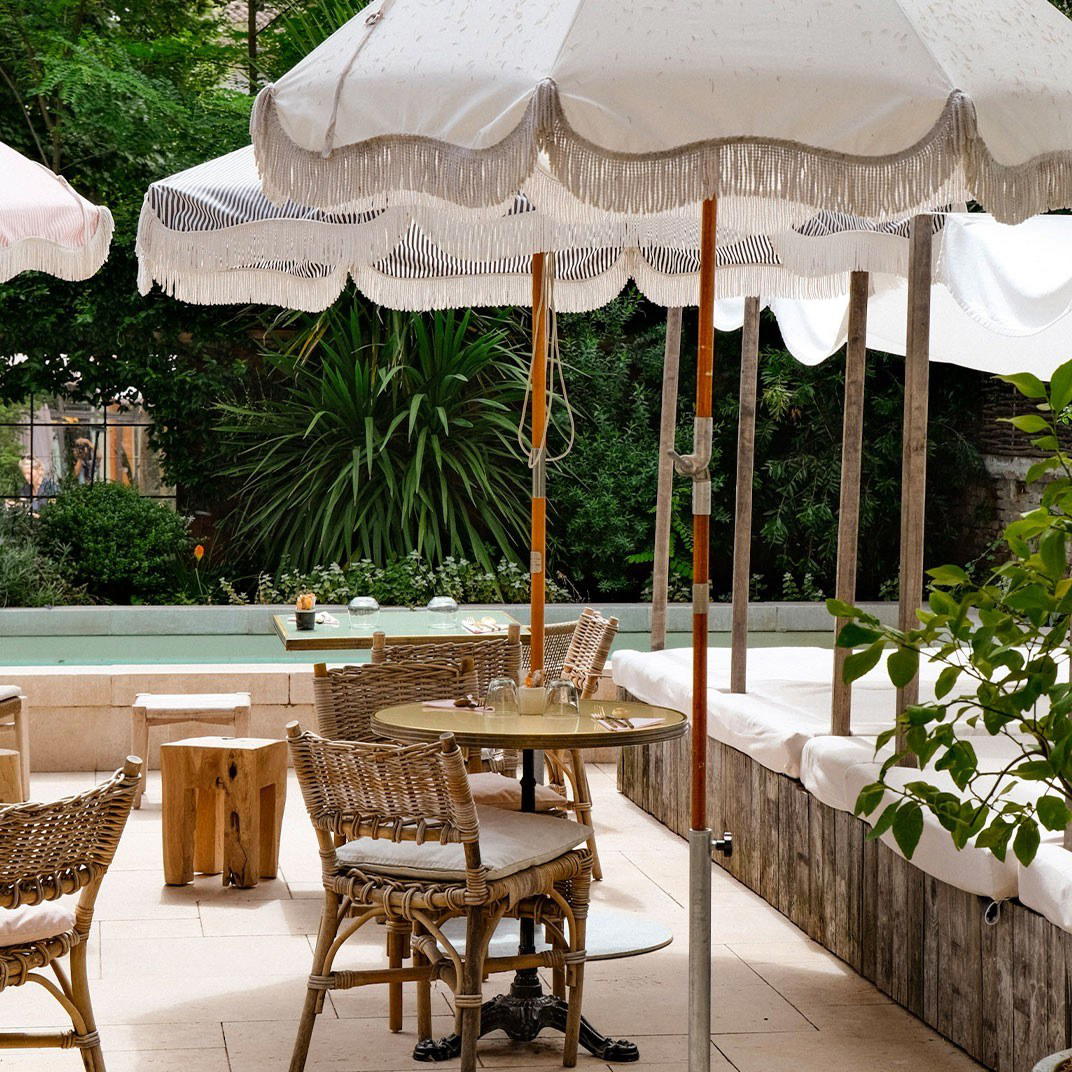
Warm wood and rough stone create a cozy, refined Mediterranean atmosphere in a chic courtyard townhouse, festive on weekends with a trendy, intimate vibe.