Fuumi

Michelin Plate
Our verdict
A Michelin Plate-recognised Japanese restaurant on Fontainebleau's central Rue de France, Fuumi occupies a clear niche in a town better known for its château and French bistros than for precision Asian cooking. At the €€ price point and It represents the kind of quietly serious dining that rarely surfaces in provincial French towns of this scale.

Pearl is the En Primeur Club membership app, where members save venues, book tables and use the concierge.
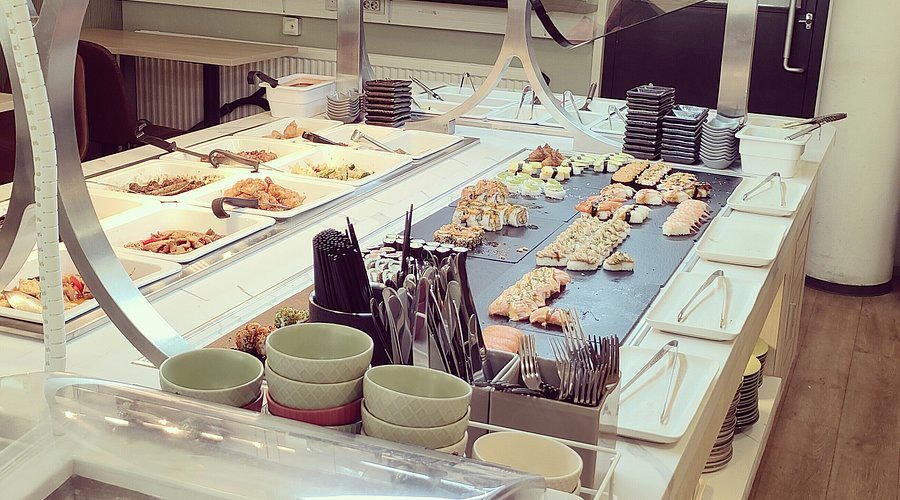
Japanese Precision in a Provincial French Setting
Rue de France runs through the commercial heart of Fontainebleau, a town whose dining identity has long been shaped by its proximity to the royal château and the weekend Parisian visitor who expects good brasserie food and little else. Against that backdrop, a Japanese restaurant holding consecutive Michelin Plate recognitions (2024 and 2025) reads as genuinely out of step with its surroundings, and that contrast is part of what makes Fuumi worth attention. The physical approach along the street gives little away: Fontainebleau's centre retains a composed, mid-scale formality that suits a restaurant without theatrical signage or a destination-kitchen street presence. You arrive at 39 Rue de France expecting a meal, not a performance.
This restraint aligns, whether consciously or not, with one of Japanese cuisine's governing aesthetics. In the kaiseki tradition, the environment should recede so that the food and its sequence can register properly. France has absorbed Japanese culinary influence in complex ways over the past four decades, most visibly in the three-star Paris rooms where Japanese chefs trained in French kitchens brought discipline and minimalism back into haute cuisine. Fuumi operates at a different register, but within the same broad current: Japanese cooking practised seriously, in French territory, for a clientele that didn't necessarily go looking for it.
Where Fuumi Sits in the Regional Picture
Fontainebleau's wider dining offer is covered in our full Fontainebleau restaurants guide, and the contrast with Fuumi's position is instructive. The town's most ambitious French table, L'Axel (Modern Cuisine), works in contemporary French territory. Fuumi moves in an entirely different direction, which means the two restaurants are not competing for the same reader decision. For anyone building a longer stay in the area, the choice is additive rather than either/or, and Fontainebleau's hotel stock, bars, and broader experiences are mapped in the hotels guide, bars guide, and experiences guide.
On the national French dining map, Michelin Plate recognition sits below star level but signals that the inspectorate has assessed the kitchen as producing food of genuine quality. France's starred Japanese restaurants, including Kei in Paris at three stars, have demonstrated that Japanese culinary technique can reach the best of the Michelin hierarchy within the French system. Fuumi's Plate, held across two consecutive years, positions it modestly but credibly within that broader story. For comparison of what the very leading of French regional dining looks like, the EP Club covers destinations including Mirazur in Menton, Flocons de Sel in Megève, Troisgros - Le Bois sans Feuilles in Ouches, and Bras in Laguiole.
The Kaiseki Register and What It Means Here
Kaiseki, in its classical form, is a multi-course meal structured around seasonal ingredients, presented in a sequence where temperature, texture, and visual composition are as deliberate as flavour. The discipline emerged from the tea ceremony tradition in Kyoto and codified over centuries into one of Japan's most demanding culinary formats. In contemporary Japanese restaurants outside Japan, the full kaiseki structure is rarely replicated exactly, the ingredient availability, the room format, and the clientele all shape what a kitchen can and should do. What tends to survive the translation is the underlying philosophy: restraint over excess, sequence over simultaneity, the ingredient stated clearly rather than obscured.
The contrast with the maximalism of French classic cuisine, the reductions, the richness, the sauce-centred architecture, is where Japanese restaurants in France tend to find their clearest differentiation. For readers interested in how Japanese culinary philosophy plays out at restaurant level in Japan itself, the EP Club covers Myojaku in Tokyo and Azabu Kadowaki in Tokyo, both of which operate in the full domestic context of that tradition.
The Reader's Decision and Practical Framing
Fuumi's price range at €€ places it in accessible mid-range territory for Fontainebleau, which matters for how a visitor should frame the decision. This is not a special-occasion-only room requiring significant advance planning against a three-star competitor. It is a Michelin-recognised Japanese restaurant in a provincial town 77 kilometres south of Paris, sitting at a price point that removes financial friction from the choice.
Fontainebleau draws visitors primarily for the château and the forest, and the town's dining scene functions mainly around that visitor pattern. Fuumi's presence on Rue de France means it is walkable from the château and the central hotel district. For those planning a full day around the Fontainebleau estate, the restaurant sits at a natural endpoint.
For wider context on France's most ambitious dining, the EP Club also covers Alléno Paris au Pavillon Ledoyen, Assiette Champenoise in Reims, Au Crocodile in Strasbourg, Paul Bocuse - L'Auberge du Pont de Collonges, AM par Alexandre Mazzia in Marseille, and Auberge de l'Ill in Illhaeusern. The Fontainebleau wineries guide covers regional wine options for those building a more complete itinerary around the area.
Frequently asked questions
Is Fuumi expensive?
Pricing at Fuumi is listed as €€.
Comparable Spots, Quickly
| Venue | Cuisine | Price | Awards | Notes |
|---|---|---|---|---|
| FuumiThis venue (the venue you are viewing) | Authentic Japanese Teppanyaki | $30–50 | Michelin Plate | Not listed |
| Alléno Paris au Pavillon Ledoyen | Modern French Fine Dining | $150–200 | 3 Michelin Stars · World's 50 Best #79 | Creative |
| Kei | Contemporary French, Modern Cuisine | Not listed | Michelin 3 Star | Not listed |
| L'Ambroisie | Classic French Haute Cuisine | $300–500 | 2 Michelin Stars · World's 50 Best #23 | French, Classic Cuisine |
| Le Cinq - Four Seasons Hôtel George V | Modern French Fine Dining | $300–500 | 3 Michelin Stars · World's 50 Best #24 | French, Modern Cuisine |
| Plénitude | Modern French Sauce-Led Fine Dining | $300–500 | 3 Michelin Stars · World's 50 Best #14 | Contemporary French |
Recognition history
Dated appearances from independent guides and award organizations, with the underlying list record or original source where available.
Michelin Plate
Michelin
Full recognition history (3 entries)
Michelin Plate
Michelin
Michelin Plate
Michelin
Continue exploring
More in Fontainebleau
Restaurants in Fontainebleau
All restaurants in Fontainebleau →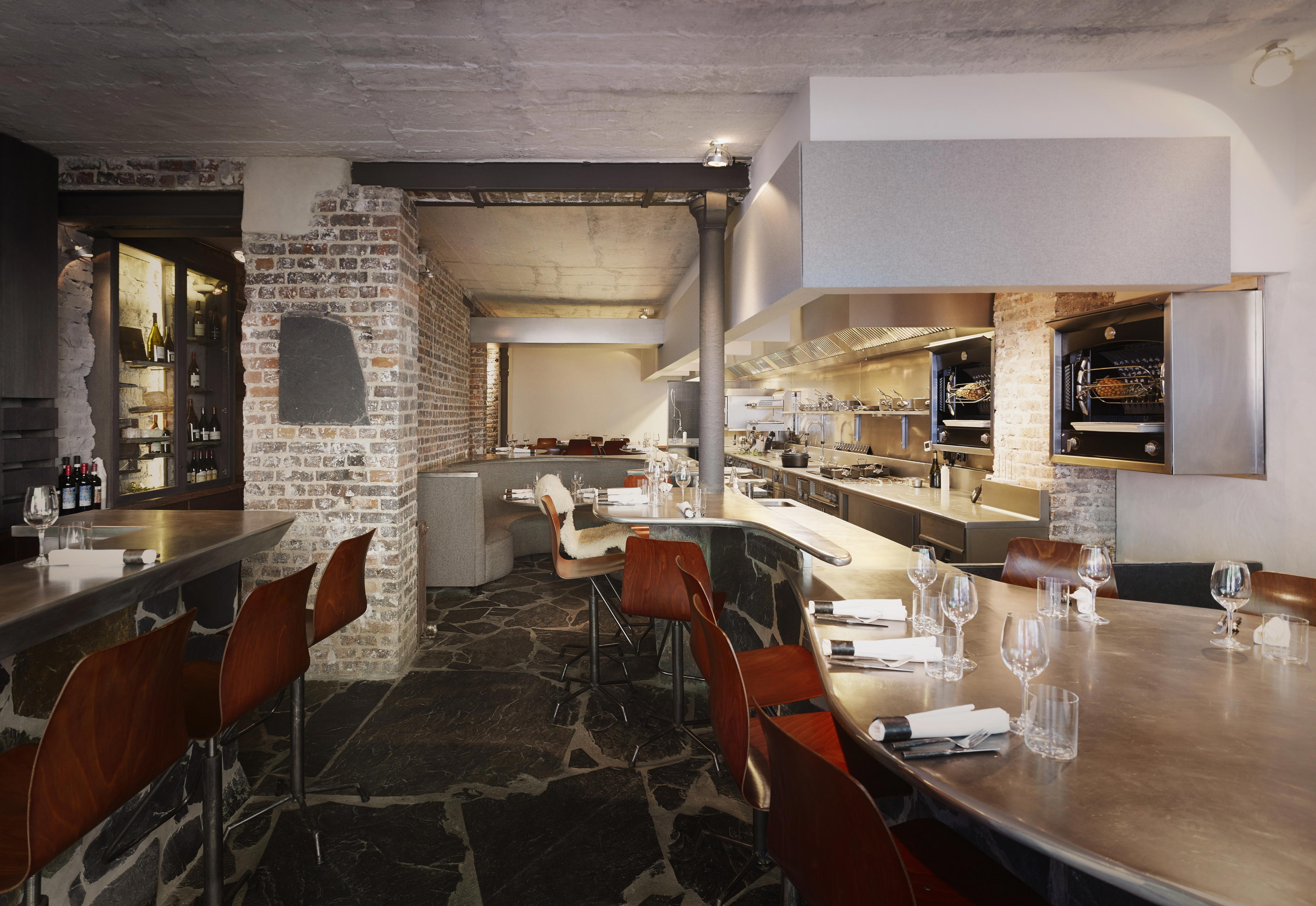
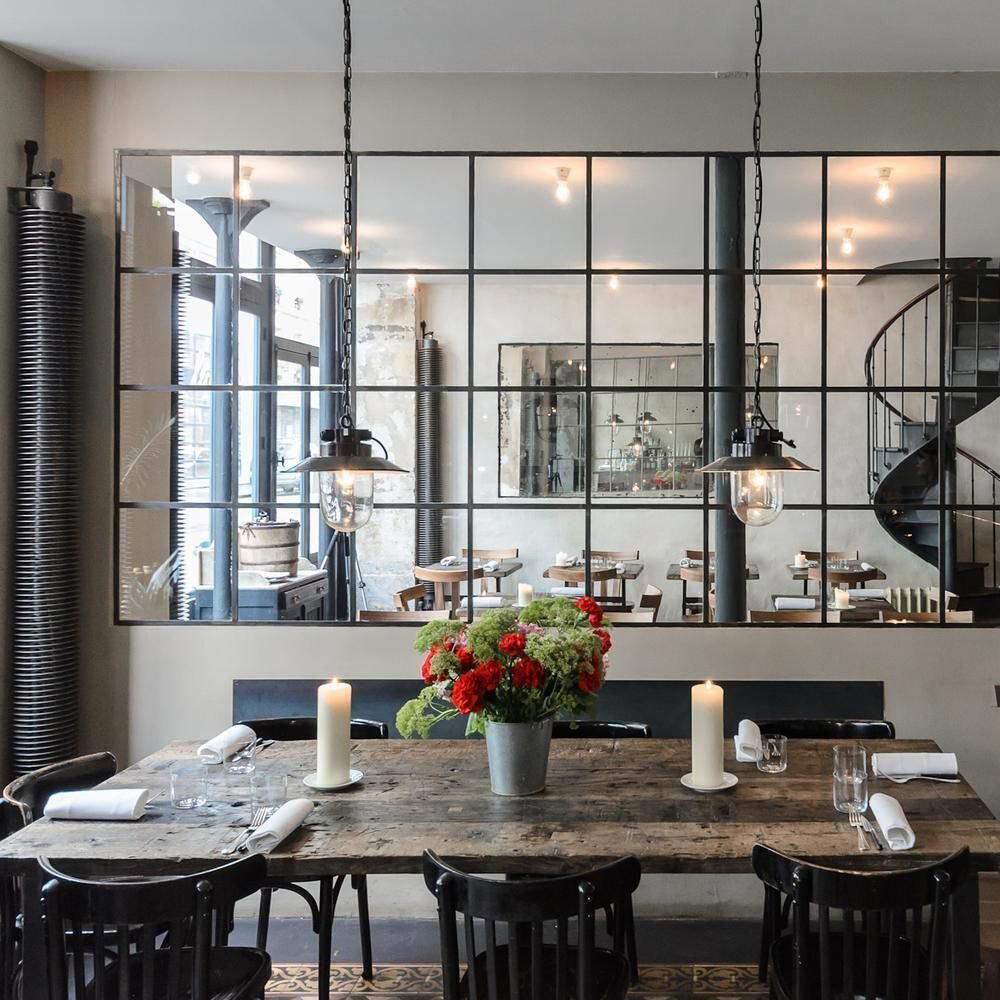
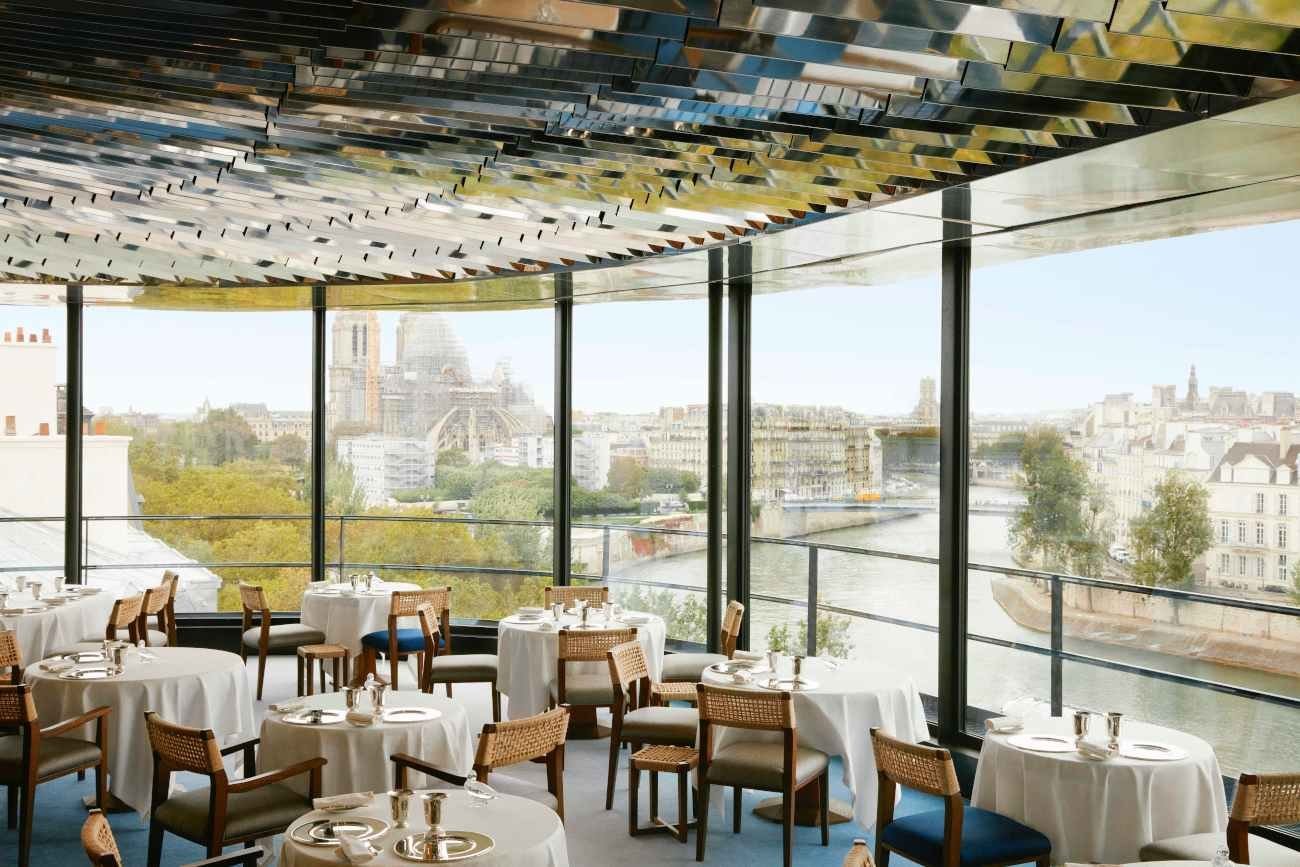
Bars in Fontainebleau
Browse all →
Hotels in Fontainebleau
All hotels in Fontainebleau →
Wineries in Fontainebleau
Browse all →


Details
- Lively
- Cozy
- Modern
- Date Night
- Family
- Casual Hangout
- Open Kitchen
- A La Carte
- Small Plates
- Vegetarian Friendly
Current opening hours
- Monday
- Closed
- Tuesday
- 12–2 PM, 7–10 PM
- Wednesday
- 12–2 PM, 7–10 PM
- Thursday
- 12–2 PM, 7–10 PM
- Friday
- 12–2 PM, 7–10 PM
- Saturday
- 12–2 PM, 7–10 PM
- Sunday
- Closed
Hours can change for holidays and private events. Last verified .
Convivial, buzzy setting with counter seating for viewing the teppanyaki culinary performance; discreet Japanese-themed decoration and tables spaced for privacy.