
Fuse Hosomi Shoten belongs to Osaka’s serious everyday ramen tier: counter-led, low-friction, and recognised by Tabelog Ramen OSAKA “Tabelog 100” in 2023, 2024, and 2025. Its value lies less in spectacle than in the city’s compact noodle culture, where ramen and tsukemen shops compete on repeatable technique, quick turnover, and a tight menu that fits solo diners as naturally as families.
Pearl is the En Primeur Club membership app — saves, bookings, and concierge access live there. Same editors, same standards.
- Address
- 8-2 Ajiroshinmachi, Higashiosaka, Osaka 577-0057, Japan
- Website
- x.com
 Saves & bookings on Pearl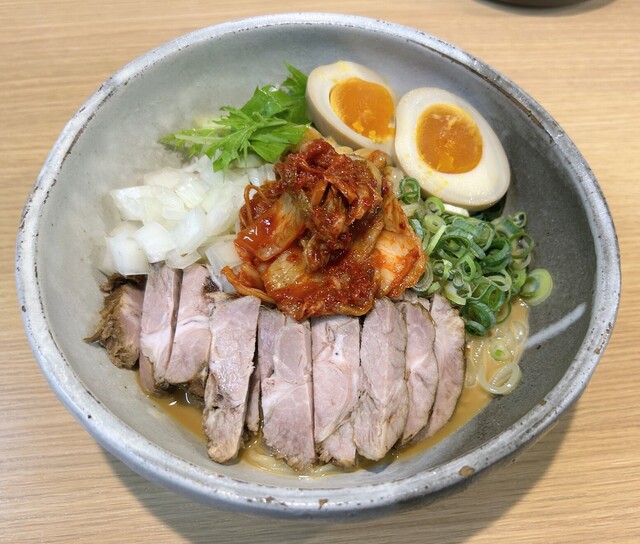
Approaching a neighbourhood ramen shop in Higashiosaka differs from crossing Osaka for a hotel dining room or chef’s counter. The cues are modest: a short queue, turning counter seats, stock and wheat in the air, and diners alone, in pairs, or with children. Fuse Hosomi Shoten belongs to that grammar: Osaka noodle tradition, not ceremony, where speed, price discipline, consistency, and ambition all count.
That matters in an increasingly segmented Osaka ramen scene. Central districts draw visitors chasing late-night bowls and social-media shorthand; outer neighbourhoods reward those who know strong ramen culture often sits away from obvious dining corridors. Higashiosaka frames this shop as local, station-adjacent, and grounded in repeat custom rather than destination theatre. Its selection for Tabelog Ramen OSAKA “Tabelog 100” in 2023, 2024, and 2025 places it among recognised Osaka ramen specialists: above casual convenience, still recognisably everyday.
Osaka ramen without the theatre of fine dining
Osaka ramen often sits between informal access and the precision expected from specialist counters. Fuse Hosomi Shoten works in that middle zone. The category spans ramen and tsukemen, a real technical distinction: ramen resolves broth, noodles, seasoning, and fat in one bowl; tsukemen separates noodles from dipping soup, shifting attention to texture, concentration, and pacing. Carrying both means competing across two registers rather than presenting one house identity.
The menu covers familiar ramen idioms: miso, shio, chuka soba, chicken tonkotsu, spicy miso, and tsukemen. These labels map Osaka’s appetite for choice within a compact counter format, letting families, solo lunches, and ramen-focused repeat customers use the same room differently. The risk is dilution; the advantage is democratic range without becoming a generalist diner.
Sustainability in Japanese casual dining rarely arrives as manifesto. It is more often embedded in compact seating, limited waste from focused production, short service cycles, and repeatable components rather than sprawling procurement. Ramen shops are not automatically low-impact, but strong small counters express efficiency physically. Seventeen seats, counter seating, no private rooms, and no private-use format point to turnover and concentration rather than excess. That restraint belongs in the environmental conversation, even when unbranded.
There is also an ethical sourcing dimension to how serious ramen is judged in Japan, though venue-specific sourcing should not be inferred without named suppliers. What can be said is that the category has pushed diners to scrutinise broth clarity, noodle quality, seasoning balance, and the relationship between portion and price. In Osaka, a ramen-specific list measures shops against peers that win loyalty through small-scale craft, not luxury.
A neighbourhood counter in a city of specialist appetites
Osaka’s strength is not only famous dishes, but dense practical specialist formats. Ramen, udon, bakeries, pork buns, pizza, and Italian counters can coexist in one eating day without a formal itinerary. Read a Higashiosaka ramen stop alongside the wider city grid: 52CHO-ME BAKERY for bread culture, 551 Horai (551蓬莱) for Osaka’s mass-loved pork bun economy, 99 Pizza Napoletana Gourmet for imported craft-food seriousness, and a canto (Italian) for a more composed register. They are not equivalent; they show a city rewarding movement between formats rather than one style standing for the whole.
Within Osaka’s noodle set, Fuse Hosomi Shoten’s price band keeps it accessible, closer in spirit to value-led peers such as Junai Udon Nadeshiko and Chotakasui Jun Teuchi Men Nishimura than to higher casual-bracket ramen shops such as Totomen En or Menya Fukuhara. Osaka’s noodle culture does not always align cost with seriousness: lower price often means a tighter, traditional everyday economy, not a lesser claim.
The award context needs similar restraint. Tabelog’s Hyakumeiten lists are not Michelin-style star systems, and display order is not an official ranking. Still, three consecutive selections are meaningful in a broad, unforgiving ramen market. For visitors, it narrows the field; for residents, it confirms a shop beyond simple neighbourhood convenience.
The room’s family-friendly and solo-friendly positioning also tells an Osaka story. Serious food need not be hushed, expensive, or reservation-led. Counter seating handles office lunches, quick dinners, and focused noodle eating without changing costume. Children being welcome places the shop in ordinary neighbourhood life rather than the collector’s circuit of hard-to-access dining rooms.
How to place it in an Osaka food day
Strongest use case is not a grand detour built around one bowl. It is a planned noodle stop folded into a broader Higashiosaka or east-side Osaka day, especially for travellers who understand that the city’s food culture extends beyond Namba, Umeda, and Tenma. Fuse Hosomi Shoten suits diners who value category credibility, low ceremony, and a tight ramen-tsukemen format over room design or beverage ambition.
That makes it a useful counterweight to Osaka’s higher-touch dining. A trip of polished restaurants, cocktail bars, and hotel stays can become too smooth; a neighbourhood ramen counter restores the city’s working tempo. For broader planning, Our full Osaka restaurants guide gives the dining frame, while Our full Osaka hotels guide, Our full Osaka bars guide, Our full Osaka wineries guide, and Our full Osaka experiences guide place it within the rest of the city.
Readers mapping Japanese casual dining beyond Osaka can compare how specialist formats travel: -Grilled beef Sukiyaki- KAMAKURA TANUKIAN 鎌倉 たぬき庵 in Kamakura shows a more structured beef tradition, 鮪と炭火焼き うお炭 秋葉原店 in Tokyo another urban casual register.know in Kumamoto and (Shoku) Vietnam in Kawasaki regional range, while [Curry Senmon Ten] Maruyama Kyoju. in Sapporo and [ki:] in Kyoto show how compact specialists define a meal without becoming formal. Further afield, Jōdo Saké Bar in Los Angeles and Onigiri Time in Pasadena show Japanese formats reinterpreted outside Japan, often with different relationships to price, sourcing, and cultural context.
The restaurant reads contemporary Osaka well because it does not ask to be inflated. The appeal is the disciplined small-shop model: recognised by a ramen-specific list, priced for everyday use, and arranged around a counter that keeps attention on noodles rather than ceremony. In a city where serious eating often happens in plain rooms, that is enough.
For a lighter stop in the same city universe.cafe points to Osaka’s softer daytime register, a useful contrast to the compressed energy of a ramen counter.
Quick Comparison
Comparable venues side-by-side for orientation.
| Venue | Cuisine | Price | Notes |
|---|---|---|---|
| Fuse Hosomi Shoten | Ramen & Tsukemen Shop | $ | Fuse |
| Chiikawa Bakery | Chiikawa-themed Japanese bakery café | $ | Umeda |
| Gokuju Bimen umami | Ramen shop | $ | Higashi-Osaka |
| Curry Ya Madras | Japanese Curry | $ | Naniwa |
| Tonpito Torino Koryu Masu | Japanese Ramen | $ | Miyakojima |
| Menya Jikon Daitou honten | Ramen & Tsukemen | $ | Daito |
Recognition history
Dated appearances from independent guides and award organizations, with the underlying list record or original source where available.
Tabelog 100 #27 · No. 27
Tabelog · Tabelog 100 - Ramen - OSAKA - 2025
Continue exploring
More in Osaka
Restaurants in Osaka
Browse all →




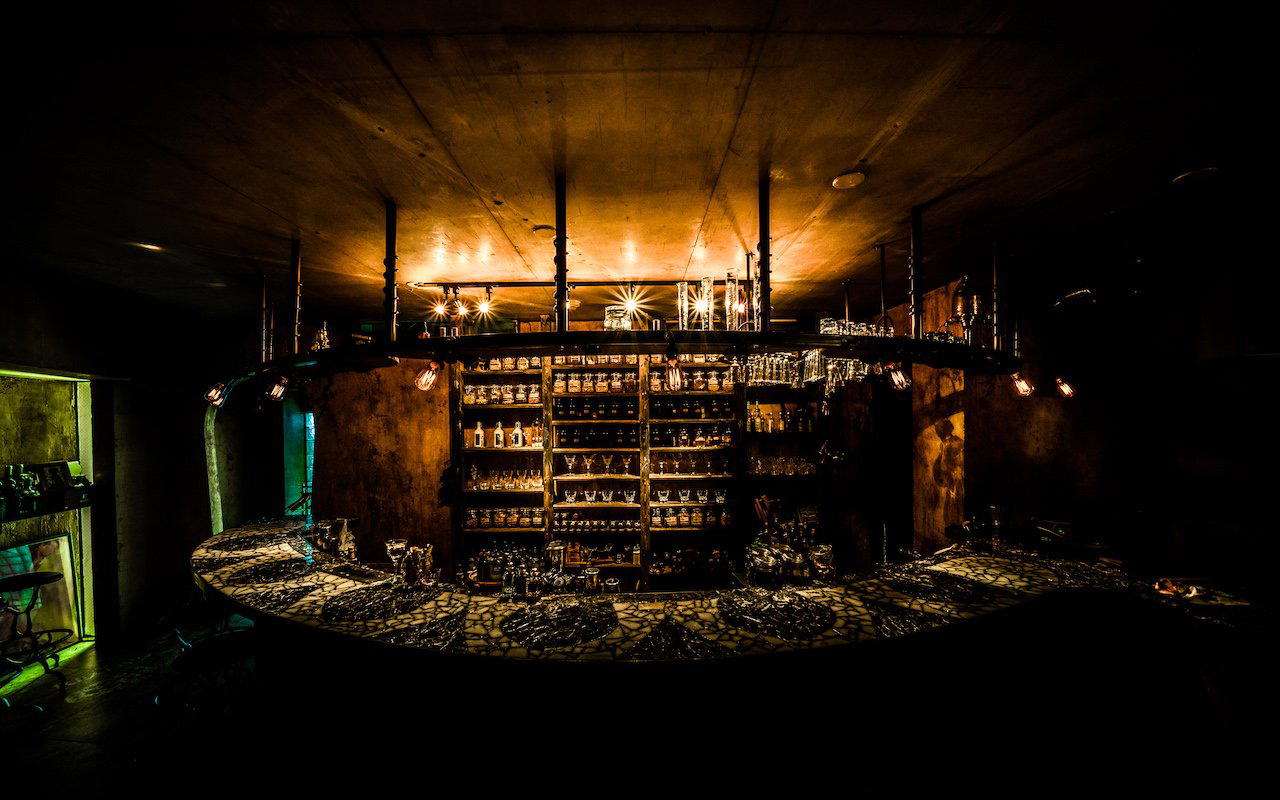
Bars in Osaka
Browse all →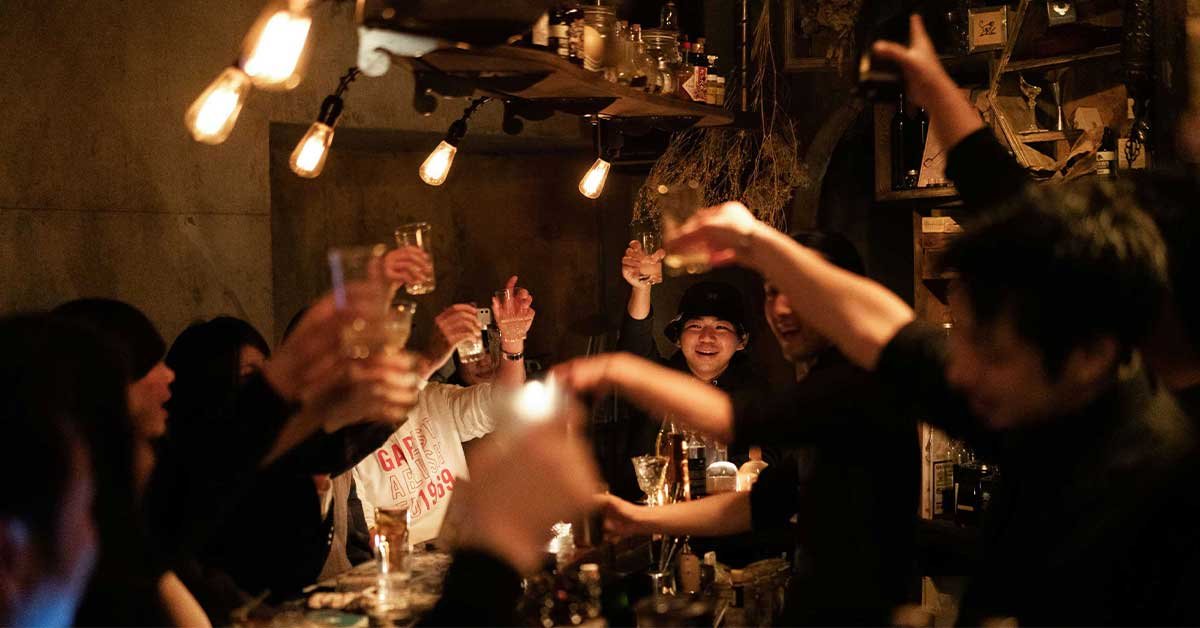
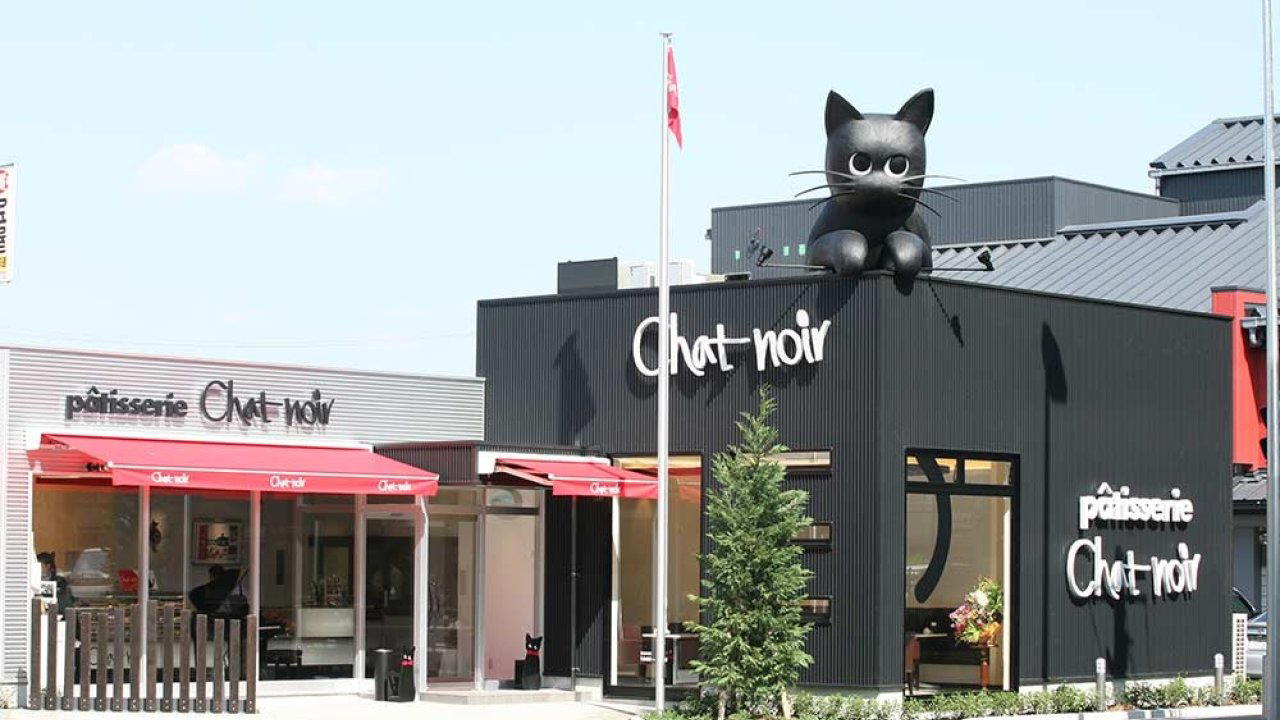

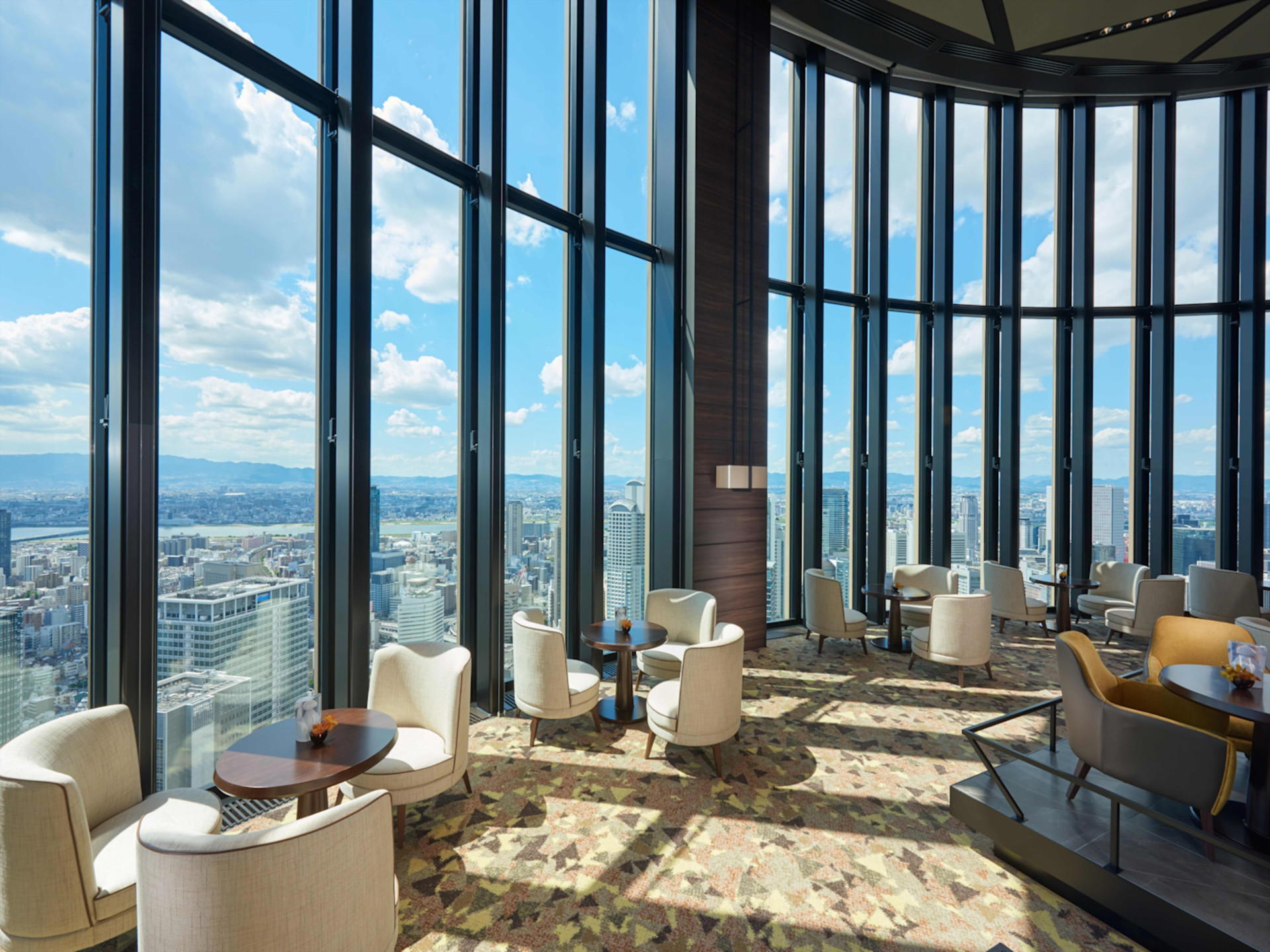
Hotels in Osaka
Browse all →



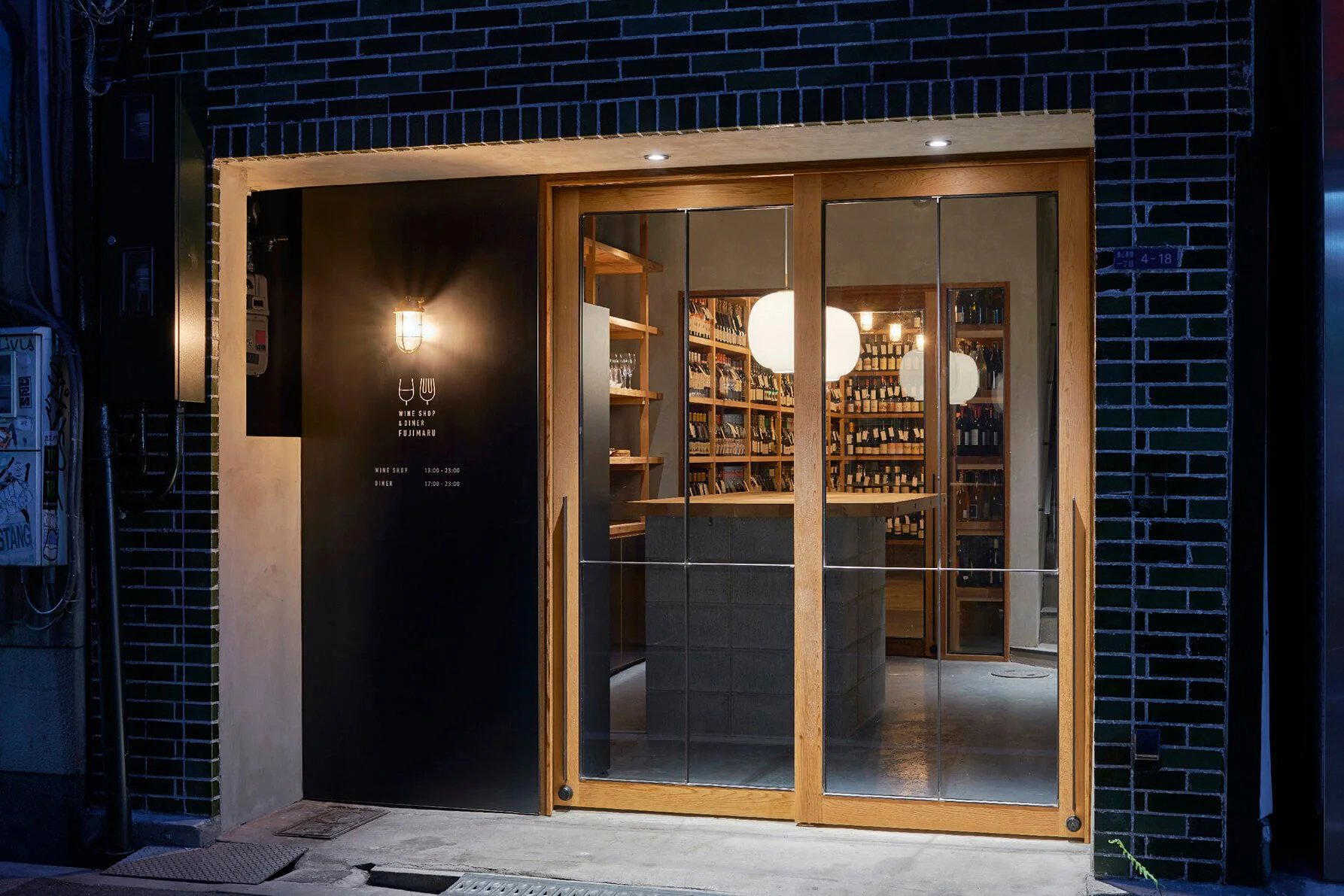
Wineries in Osaka
Browse all →
At a Glance
- Lively
- Cozy
- Solo
- Casual Hangout
- After Work
- Standalone
Current opening hours
- Monday
- Closed
- Tuesday
- Closed
- Wednesday
- 11 AM–3 PM, 6–9 PM
- Thursday
- 11 AM–3 PM, 6–9 PM
- Friday
- 11 AM–3 PM, 6–9 PM
- Saturday
- 11 AM–3 PM, 6–9 PM
- Sunday
- 11 AM–3 PM
Hours can change for holidays and private events. Last verified .
Casual, compact ramen-ya with an unassuming exterior and a bustling, energetic atmosphere typical of popular local noodle shops; guests come for quick, focused meals rather than long stays.