Robert Sinskey Vineyards
Robert Sinskey Vineyards sits on the Silverado Trail, operating within Napa's smaller cohort of estate wineries that prioritize organic farming and food-wine integration over volume. The property places itself against a peer set defined by agricultural intention and restrained winemaking, rather than the Cabernet-heavy prestige tier that dominates the valley's reputation.
 Discover on Pearl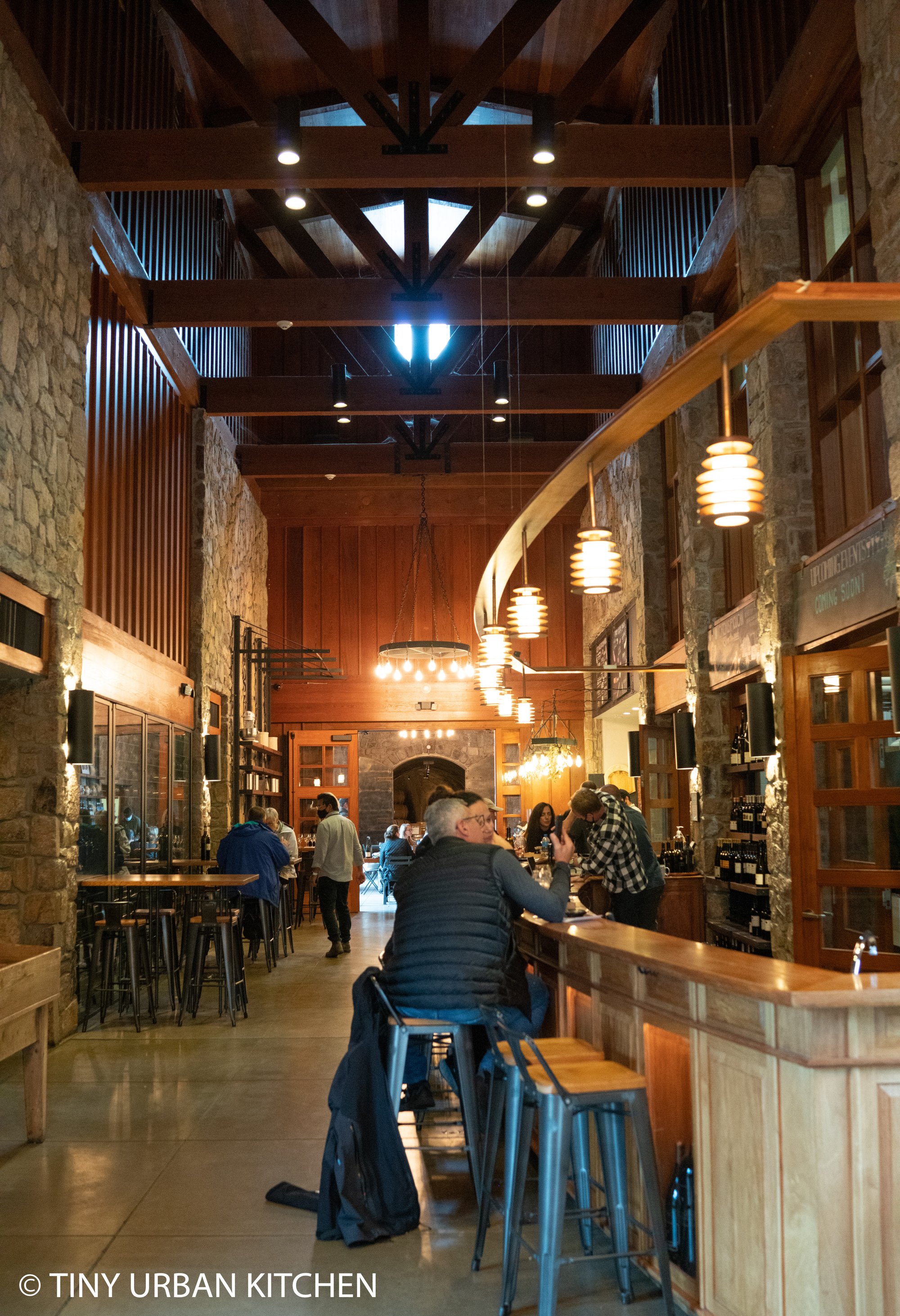
The Silverado Trail and the Case for Agricultural Seriousness
Napa's Silverado Trail runs parallel to Highway 29 but occupies a different register in the valley's hierarchy. Where the main corridor concentrates the high-traffic tasting rooms and the names that dominate allocations, the Trail tends to attract properties with more specific ambitions. Robert Sinskey Vineyards, at 6320 Silverado Trail, sits within that quieter current: a certified biodynamic estate that has spent decades positioning itself against a peer set defined less by Cabernet spectacle and more by the intersection of farming philosophy and culinary sensibility. That positioning is not incidental. It reflects a broader shift within American wine culture, one in which a smaller cohort of producers has moved toward the kind of agricultural seriousness more associated with Burgundy or the Loire than with the valley's trophy-wine tradition.
Across Napa, the dominant identity remains Cabernet Sauvignon, and the prestige tier — properties like Caymus Vineyards — is priced and allocated accordingly. Robert Sinskey operates in a different register, with a focus on Pinot Noir, Pinot Gris, Pinot Blanc, and Merlot that signals Burgundian and Alsatian reference points rather than Napa's standard power-red identity. For visitors approaching the valley through its full range rather than its headline variety, that distinction matters considerably.
The shortlist, unlocked.
Hard-to-book tables, cellar releases, and concierge-planned trips.
Get Exclusive Access →Biodynamic Farming as Context, Not Marketing
The certified biodynamic status at Robert Sinskey is worth understanding in structural terms, not just as a label. Biodynamic certification through Demeter requires a farm to operate as a self-sustaining ecosystem, with specific protocols around soil health, composting, and the exclusion of synthetic inputs. In California wine country, the number of estates holding that certification remains small relative to the total producer count. Among Napa properties of comparable scale, it places Robert Sinskey in a narrow peer group that includes Frog's Leap Winery, another Napa producer with a long organic and biodynamic commitment. Both sit outside the valley's conventional prestige framework and appeal to a visitor who weighs agricultural method alongside wine quality.
The broader American wine scene has seen growing consumer attention to farming transparency, driven partly by the influence of properties like Blue Hill at Stone Barns in Tarrytown, where the sourcing of ingredients and the health of the land underpinning them have become central to the hospitality proposition. Robert Sinskey operates on a comparable logic: the farm is the argument. Understanding the wines requires some understanding of how the vineyards are maintained, and the estate's tasting experience is structured to make that connection legible.
Food-Wine Integration as a Defining Position
One of the more specific claims Robert Sinskey makes within the Napa context is its explicit food-wine pairing orientation. The estate has long centered its hospitality programming around food, offering tastings accompanied by dishes designed to work with the wines rather than simply showcase them in isolation. This places it alongside a small set of Napa properties , and adjacent to the dining culture that has made the valley a serious food destination , rather than in the standard pour-and-explain format that defines most tasting room visits.
That food sensibility connects Robert Sinskey to Napa's broader dining conversation, which runs from the tasting menu discipline of The French Laundry down through the more accessible registers occupied by properties like Brasswood Bar + Kitchen and Boon Fly Café. Robert Sinskey does not compete in that dining tier directly, but it operates with a comparable seriousness about the relationship between what is grown and what ends up on the table. For the visitor constructing a Napa itinerary around both wine and food, it fits naturally into a day that might include a meal at Single Thread Farm in Healdsburg or a stop at Ashes & Diamonds Winery, another Napa producer with a strong design and hospitality sensibility that differentiates it from the conventional tasting-room format.
Where Robert Sinskey Sits in the Valley's Competitive Set
Napa's premium identity has fractured considerably over the past decade. The leading of the market remains dominated by Cabernet-focused allocation-only houses, but a visible secondary tier has developed around estates that compete on specificity rather than scale: distinctive varietals, certified farming, culinary programming, or design-led hospitality. Robert Sinskey belongs to this secondary tier and competes against a peer set that includes biodynamic producers, Pinot-focused estates, and wineries that have invested in experience design beyond the standard barrel-hall tour.
The cultural comparison that illuminates this most clearly is the farm-to-table movement in American restaurants, which produced a similar split between volume-oriented operators and smaller producers making an argument through sourcing and intention. Restaurants like Providence in Los Angeles or Addison in San Diego have built reputations on sourcing specificity and ingredient-led cooking. Robert Sinskey makes an analogous argument through its vineyards: the wine is downstream of the farming, and the farming is something you can observe and understand. That is a different value proposition than the label-prestige model, and it attracts a correspondingly different visitor.
For context on how food-focused farming translates into hospitality at the highest level internationally, the approach has parallels with estates like Atelier Moessmer Norbert Niederkofler in Brunico, where the relationship between regional agriculture and what appears on the table is treated as the central subject. Robert Sinskey operates at a different scale and in a different format, but the underlying logic , that place and farming method should be legible in the finished product , is shared.
Planning a Visit
The estate sits on the Silverado Trail in the southern section of Napa Valley, accessible by car from downtown Napa in under fifteen minutes. Visitors planning a day around biodynamic and organic producers would naturally pair it with a stop at Frog's Leap, whose Rutherford vineyards lie further north along a similar corridor. Tasting appointments are the standard format for serious Napa estates at this tier, and Robert Sinskey follows that convention; booking ahead is advisable, particularly during the peak harvest and spring shoulder seasons when Silverado Trail properties see the heaviest traffic from visitors who have moved off the main Highway 29 route.
Those building a fuller Napa itinerary should consult our full Napa County restaurants guide for the broader dining and wine context. The valley's most considered visitor experiences tend to combine a property like Robert Sinskey with a meal at one of Napa's serious restaurants, treating the tasting and the dining as two parts of a single argument about California's agricultural capacity. The American wine regions that have made that argument most effectively , from Sonoma to the Santa Rita Hills , tend to share the characteristic that their leading properties take farming as seriously as winemaking. On the Silverado Trail, Robert Sinskey makes that case with a consistency that has defined its identity for the better part of three decades.
The shortlist, unlocked.
Hard-to-book tables, cellar releases, and concierge-planned trips.
Get Exclusive Access →Frequently Asked Questions
Price and Positioning
Comparable options at a glance, pulled from our tracked venues.
| Venue | Price | Awards | Notes |
|---|---|---|---|
| Robert Sinskey Vineyards | This venue | ||
| Caymus Vineyards | |||
| Ashes & Diamonds Winery | |||
| Brasswood Bar + Kitchen | |||
| Frog's Leap Winery | |||
| Kenzo Estate |
Need a table?
Our members enjoy priority alerts and concierge-led booking support for the world's most difficult tables.
Get Exclusive AccessThe shortlist, unlocked.
Hard-to-book tables, cellar releases, and concierge-planned trips.
Get Exclusive Access →