Four Seasons
On Reservoir Avenue in Providence's South Side, Four Seasons occupies a neighborhood dining address that reflects the city's unpretentious approach to good food. Providence has built a serious restaurant culture largely outside the national spotlight, and venues like this one benefit from a local dining public that prioritizes substance over spectacle. Details on cuisine, pricing, and reservations are best confirmed directly with the venue.
 Discover on Pearl
Pearl is the En Primeur Club membership app — saves, bookings, and concierge access live there. Same editors, same standards.
- Address
- 361 Reservoir Ave, Providence, RI 02907
- Phone
- +14014615651
- Website
- 4seasonsrestaurantri.com
Providence's South Side and the Quiet Confidence of Neighborhood Dining
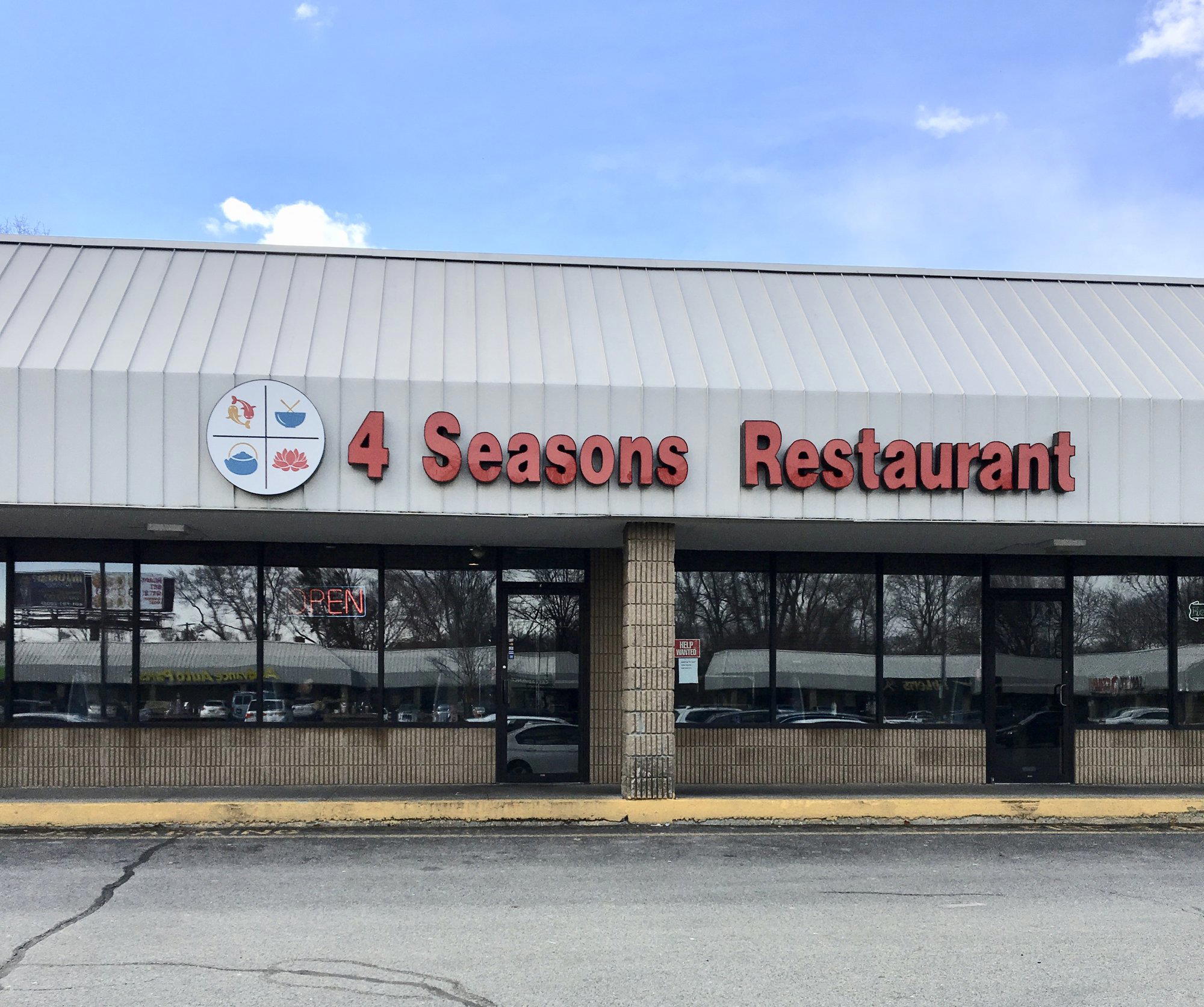
Reservoir Avenue runs through one of Providence's less-photographed corridors, a stretch where the city's dining culture operates at street level rather than for the benefit of travel coverage. This is not the Federal Hill parade of red-sauce institutions, nor the Wickenden Street wine-bar circuit that draws the Brown University crowd on weekends. The South Side has a different character: working-class roots, a layered immigrant history, and a dining public that tends to judge a room by what arrives at the table rather than who designed the banquettes. Four Seasons sits at 361 Reservoir Ave within that context, an address that already tells you something about its register.
Providence as a dining city has consistently outperformed its size. For a metro area of under 200,000, it has produced a restaurant culture that draws genuine national attention, from the wood-fired Italian that Al Forno Restaurant made synonymous with the city decades ago, to the Korean-inflected New England seafood that Gift Horse represents today. The city's culinary identity is plural and specific rather than defined by a single tradition, and its neighborhood restaurants carry much of that specificity.
The Cultural Register of South Side Dining
To understand a venue on Reservoir Avenue, it helps to understand what that part of the city has historically offered its residents. Providence's South Side has absorbed successive waves of immigration, each leaving a distinct mark on the neighborhood's food culture. Cape Verdean, Guatemalan, Dominican, and Liberian communities have all put down roots here, and the dining that has emerged from these overlapping influences tends toward directness: seasoning that reflects genuine tradition, portions calibrated for people who work with their hands, and prices that reflect the neighborhood's economic reality rather than a downtown premium.
This is a different model from the destination-dining circuit that stretches from Le Bernardin in New York City to The French Laundry in Napa, or from the farm-to-table formalism of Blue Hill at Stone Barns in Tarrytown to the tasting-menu precision of Smyth in Chicago. Neighborhood restaurants in working-class urban corridors operate on a different set of signals: repeat custom rather than destination traffic, word-of-mouth rather than award cycles, and consistency over the course of years rather than the choreography of a single evening.
The finest of them develop a loyal following that is, in its own way, a more demanding audience than a table of first-time visitors at a Michelin-flagged counter. Regulars notice when something changes. They have comparison points built up over months of visits. The pressure to be good on any given Tuesday is, arguably, greater than the pressure to be good on a Saturday when every table is occupied by someone with a reservation made six weeks in advance.
Providence in the Wider American Dining Conversation
Rhode Island's dining culture has found different national comparisons depending on the decade. The Providence that produced Al Forno and a generation of Italian-American tables, including Anthony's Authentic Italian Cuisine and Bacaro, was being discussed alongside New York and Boston in the 1990s. The Providence that now supports the sushi-steak format of 10 Prime Steak and Sushi alongside creative seafood is a city that has added registers without abandoning its older ones.
Nationally, the conversation about American fine dining has increasingly shifted toward place-specific cooking: the hyperlocal sourcing model of Single Thread Farm in Healdsburg, the ingredient-led formalism of Addison in San Diego, the seasonal depth at Lazy Bear in San Francisco. Providence's neighborhood restaurants don't compete in that register, but they reflect a related instinct: that food should come from somewhere specific and mean something to the people eating it. The South Side delivers that in a more vernacular key.
Restaurants on the outer ring of Providence's dining map, away from the downtown hotel district and the College Hill institutions, often represent the city's food culture in its least-performed form. There is no front-of-house theater here, no tasting-menu architecture, no beverage-pairing program with a designated sommelier. What there is, at its finest, is cooking with a defined point of view and a community that has decided it belongs to them.
Planning a Visit to Four Seasons Providence
The venue's address at 361 Reservoir Ave places it in a part of Providence that is most practically reached by car or rideshare rather than on foot from downtown. The South Side sits south of the city center, and the Reservoir Avenue corridor does not have the pedestrian concentration of Federal Hill or Thayer Street. The venue is open daily, with hours running from 10:30 AM to 9:30 PM Monday through Saturday and to 9 PM on Sunday, and it is walk-in friendly. The dress code is casual. Providence's neighborhood restaurants at this scale typically operate with small teams, and advance notice on dietary needs is both practical and courteous.
For visitors building a broader Providence itinerary, the city's dining range is worth mapping before arrival. The Federal Hill corridor, the waterfront, and the East Side each have distinct characters, and the South Side adds a neighborhood register that the more-visited parts of town don't replicate.
Further afield, the comparative context for ambitious American dining runs from Emeril's in New Orleans and The Inn at Little Washington to international reference points like Atelier Moessmer Norbert Niederkofler in Brunico and the Korean tasting-counter precision of Atomix in New York City. Providence operates in a different tier, but the city's commitment to cooking that reflects its actual community rather than a national audience demographic is its own kind of credential. The seafood influence of Providence in Los Angeles, which shares the city's name if not its zip code, speaks to how the New England coastal tradition travels and transforms across the country.
- Cambodian-style chicken wings
- Nim Chow
- Pad Thai noodles
- Pho
- Fish Tum Yum Soup
- Lemongrass chicken
Fast Comparison
Comparable venues nearby, for context on price, style, and recognition.
| Venue | Cuisine | Price | Awards | Notes |
|---|---|---|---|---|
| Four SeasonsThis venue — the venue you are viewing | Pan-Asian: Cambodian, Chinese, Thai & Vietnamese | $$ | , | |
| The District | Wood-Fired Pizza & American | $$ | , | Jewelry District |
| Xaco Taco | New Mexican Street Tacos | $$ | , | Upper South Providence |
| Birch | Dining | , | , | Providence |
| Camille's | Classic Italian Fine Dining | $$$ | , | Federal Hill |
| Capri Seafood | Seafood Boil | $$ | , | Federal Hill |
Continue exploring
More in Providence
Restaurants in Providence
Browse all →
Bars in Providence
Browse all →

At a Glance
- Casual
- Hidden Gem
- Cozy
- Family
- Casual Hangout
- Group Dining
- Solo
- Standalone
- Beer Program
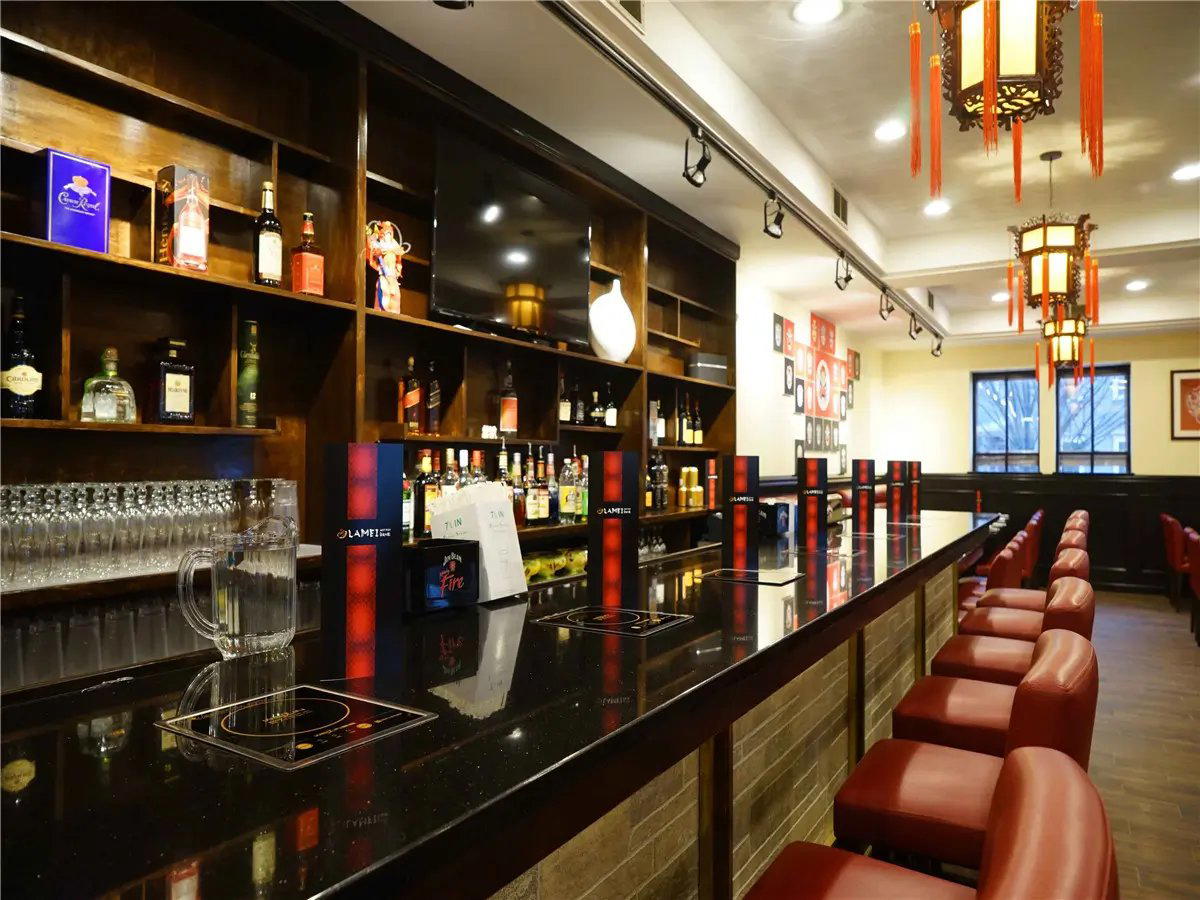
Basic, unpretentious interior in a retail plaza setting; casual and family-oriented with friendly, attentive staff who remember regular customers.
- Cambodian-style chicken wings
- Nim Chow
- Pad Thai noodles
- Pho
- Fish Tum Yum Soup
- Lemongrass chicken