Our verdict
Fortuna's Row occupies a Riverfront address in Calgary's evolving dining corridor, positioning itself within the city's broader push toward menus that draw on Alberta's larder through techniques refined far from the prairies. The address alone signals intent: close to the Bow, close to the action, and firmly in the tier of restaurants where the cooking is expected to do the talking.

Pearl is the En Primeur Club membership app — saves, bookings, and concierge access live there. Same editors, same standards.
- Address
- 421 Riverfront Ave SE, Calgary, AB T2G 0C2, Canada
- Phone
- (403) 243-0069
- Hours
- Mon ClosedTue–Thu 5–10 PMFri 5 PM–12 AMSat 11 AM–2 PM, 5 PM–12 AMSun 10 AM–2 PM, 5–10 PM
- Website
- fortunasrow.com
- Directions
- Get directions
- Booking
- Book on the venue's website
The menu
What to order
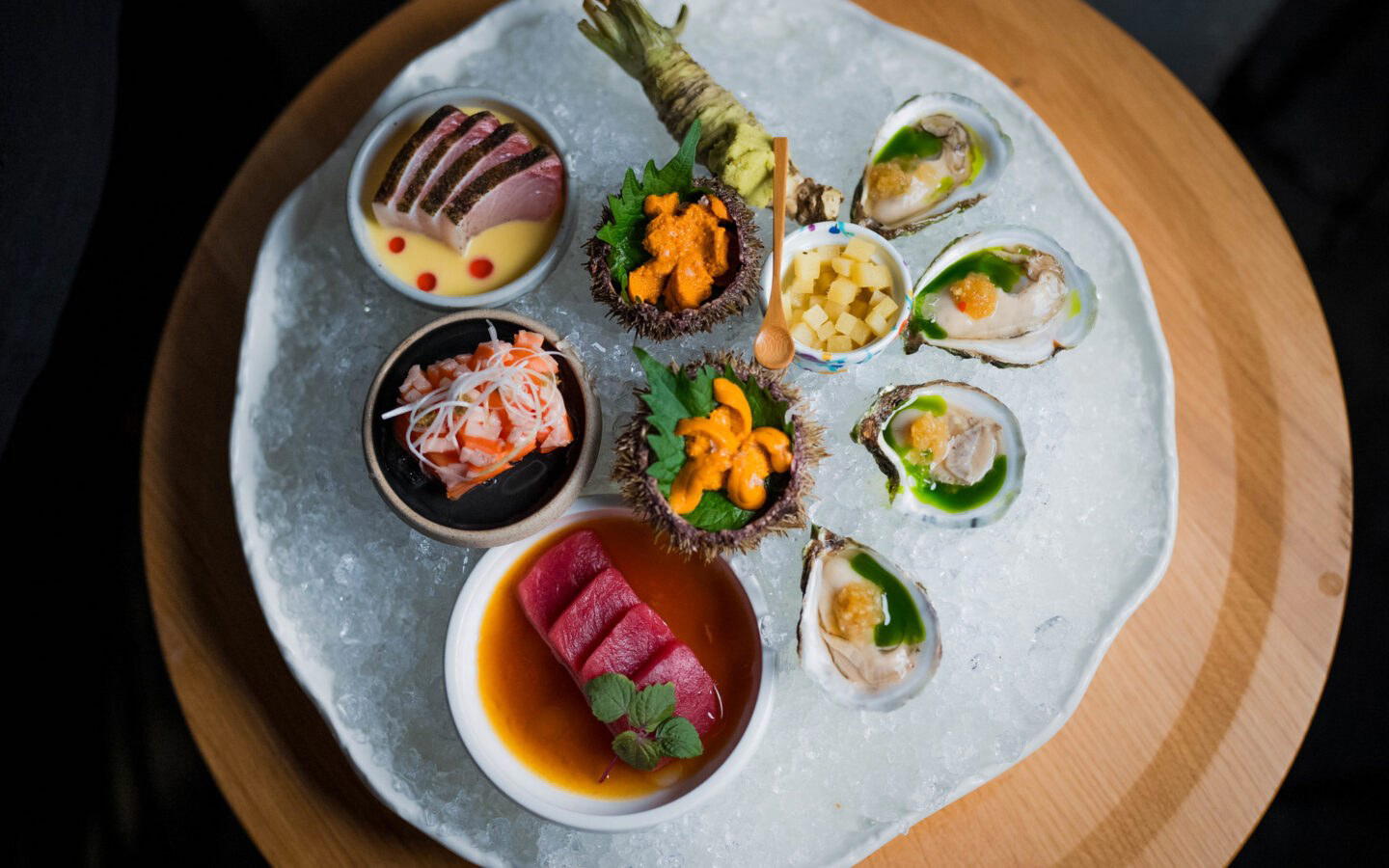
- Ceviche Mixto
- Oyster Tostada
- Pato
- Chancho
- Scallop Ceviche
Where the Bow River Sets the Table
Calgary's Riverfront corridor has been shifting its culinary identity for the better part of a decade. What was once a stretch defined by hotel dining rooms and event-catering formats has progressively attracted operators more interested in the province's larder than in its banquet tradition. Fortuna's Row, at 421 Riverfront Ave SE, occupies a position inside that shift: a Bow-adjacent address that carries with it both the symbolic weight of the river as Alberta's oldest food corridor and the practical reality of a neighbourhood still finding its permanent dining character.
That tension, between a location with strong spatial logic and a dining scene still consolidating around it, is worth understanding before you book. Calgary's premium restaurant geography is not as legible as Toronto's King Street West cluster or Vancouver's Gastown concentration. Instead, it distributes across several corridors, each with a different personality. Riverfront sits in a transitional zone, which means Fortuna's Row earns its audience through the quality of what's on the plate rather than the pull of a fully formed neighbourhood reputation.
The Alberta Pantry Through an International Lens
The most instructive frame for understanding where Fortuna's Row sits in the Calgary dining conversation is the editorial angle that now defines the city's better independent tables: local ingredients processed through techniques that arrived from somewhere else entirely. It is an approach that has reshaped Canadian restaurant culture at every scale, from Tanière³ in Quebec City, where hyper-regional terroir meets elaborate classical precision, to AnnaLena in Vancouver, where the Pacific Northwest's produce meets a menu sensibility trained in kitchens with very different reference points.
Alberta sits on one of the most compelling ingredient stories in the country. The province's beef supply chain is well-documented, but the broader larder extends to heritage grains from the foothills, wild game from the north, brassicas and root vegetables that develop particular character in short prairie growing seasons, and freshwater fish from rivers that most urban diners rarely consider. The interesting culinary question, and the one that restaurants like Fortuna's Row implicitly answer, is which imported techniques best reveal rather than obscure those products. The answer differs depending on whether a kitchen's training runs through French classical, Japanese precision, Nordic minimalism, or something assembled from all three.
The River Café, on Prince's Island, has held the local-ingredients mandate for longer than most, with a Tuscan-influenced approach that has anchored its identity since the 1990s. Fortuna's Row's Riverfront address places it in a different physical context from all three, and its positioning in the neighbourhood suggests a more formal ambition than the casual-creative tier that Pigeonhole and Ten Foot Henry occupy.
For comparative reference at the national level, the local-ingredients-through-global-technique model has produced some of Canada's most discussed tables. Alo in Toronto applies French tasting-menu discipline to Canadian produce at a price point that signals serious intent. Restaurant Pearl Morissette in Lincoln anchors its menu in a working farm's output and frames it through a kitchen with obvious European training. Eigensinn Farm in Singhampton takes that logic to an extreme, operating as both producer and restaurant in a format that removes the supply chain entirely. What connects them is the editorial premise: that Canadian geography is ingredient-rich enough to drive a serious menu, and that technique is the tool for unlocking rather than replacing what the land provides.
Calgary's Dining Scene: What Surrounds It
Understanding Fortuna's Row requires understanding the Calgary table more broadly. The city's restaurant culture has accelerated in sophistication since roughly 2015, driven partly by oil-sector wealth creating demand for serious hospitality and partly by a generation of chefs who trained outside the province and returned with different expectations. The result is a dining scene that now sustains multiple tiers: casual-creative, serious mid-market, and a smaller premium layer where tasting menus and destination dining aspirations coexist with a still-developing critical culture.
Within walking distance or a short drive from the Riverfront address, the dining options range considerably. Alloy has long held a position among Calgary's more technically ambitious rooms. Annabelle's Kitchen Downtown represents the kind of neighbourhood-anchored cooking that fills the mid-market tier. Alforno Eau Claire and Aloha Modern Kitchen offer distinct genre alternatives nearby. For special-occasion dining in a heritage setting, A Certain Flair Catering at Lougheed House operates in a category of its own. The full picture of where Fortuna's Row fits relative to all of them is mapped in our full Calgary restaurants guide.
Beyond Calgary, the local-ingredients-through-imported-technique model has found expression in less expected Canadian addresses. Narval in Rimouski applies serious technique to Gulf of St. Lawrence seafood in a city most Canadian diners have never visited. Fogo Island Inn Dining Room in Newfoundland takes the concept as far offshore as it goes in this country. Even Busters Barbeque in Kenora and The Pine in Creemore reflect the broader Canadian tendency to let local supply chains shape the menu's identity. The international reference points for this approach, the kind of technical discipline that Le Bernardin in New York City brought to seafood or Lazy Bear in San Francisco brought to fire-driven American produce cooking, demonstrate that the technique-plus-terroir model is not a Canadian invention, but Canadian kitchens have made it their own particular obsession. Jérôme Ferrer - Europea in Montreal represents one end of how classical European training can be applied to Canadian raw materials at the highest formal level.
Know Before You Go
- Address: 421 Riverfront Ave SE, Calgary, AB T2G 0C2
- Neighbourhood: Riverfront corridor, close to the Bow River and downtown core
- Getting there: Accessible from downtown Calgary on foot or by short taxi/rideshare; street and parking garage options nearby
- Ideal for: Diners interested in Alberta-sourced cooking and the Riverfront dining corridor's evolving character
Frequently asked questions
Where is Fortuna's Row in Calgary?
Fortuna's Row is located at 421 Riverfront Ave SE, Calgary, AB T2G 0C2, Canada.
What's the standout thing about Fortuna's Row?
Its position on Calgary's Riverfront corridor is the clearest frame: the address at 421 Riverfront Ave SE places it within a stretch that has moved well beyond hotel dining into a more considered restaurant scene. The editorial identity the kitchen has built around Alberta sourcing within an international context gives it a distinct point of view relative to peers in the city.
Category Peers
| Venue | Cuisine | Price | Awards |
|---|---|---|---|
| Fortuna's RowThis venue — the venue you are viewing | Contemporary Latin American | $50–100 | Not listed |
| Pigeonhole | Modern Canadian Small Plates | $50–100 | Not listed |
| Ten Foot Henry | Modern Vegetable-Forward Fusion | $50–100 | Not listed |
| The River Café | Seasonal Canadian Fine Dining | $50–100 | La Liste Top Restaurants · Wine Spectator Best of Award of Excellence |
| EIGHT | Modern Canadian Tasting Menu | $300–500 | World's 50 Best #2 · Canada's 100 Best Restaurants #9 |
| Pizza Culture | Authentic Neapolitan Pizza | $20–30 | 50 Top Pizza World #80 |
Continue exploring
More in Calgary
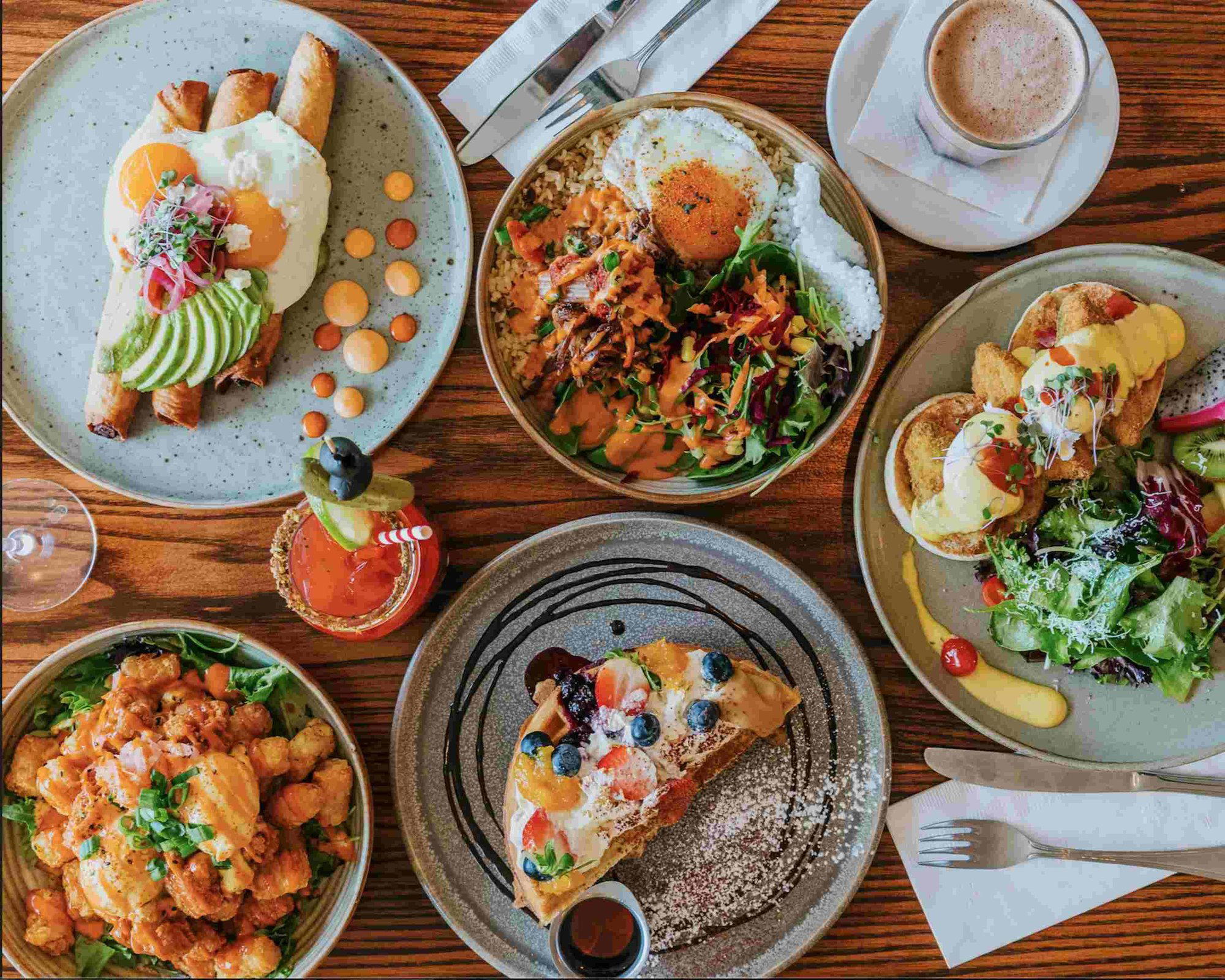
Restaurants in Calgary
Browse all →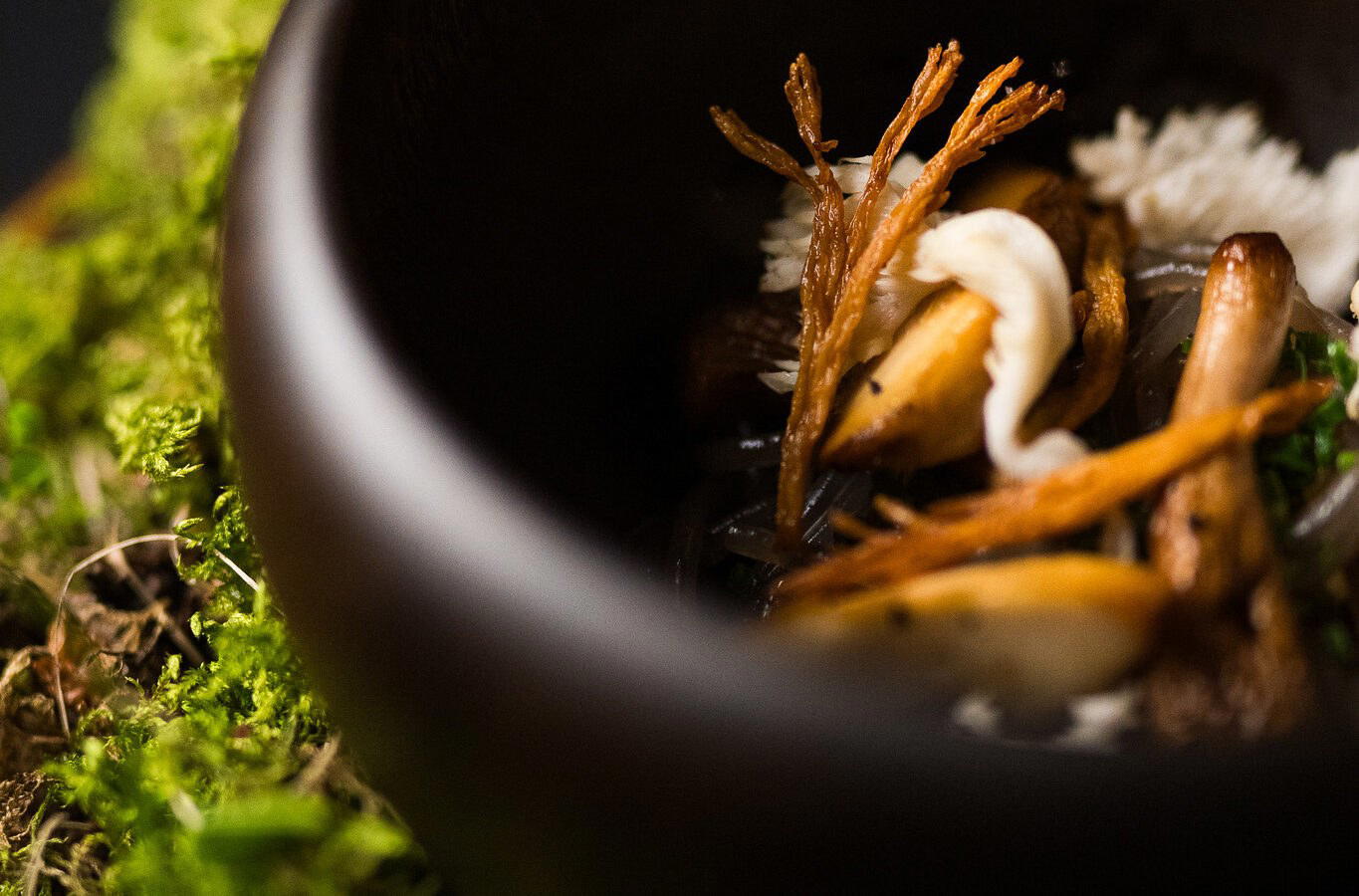
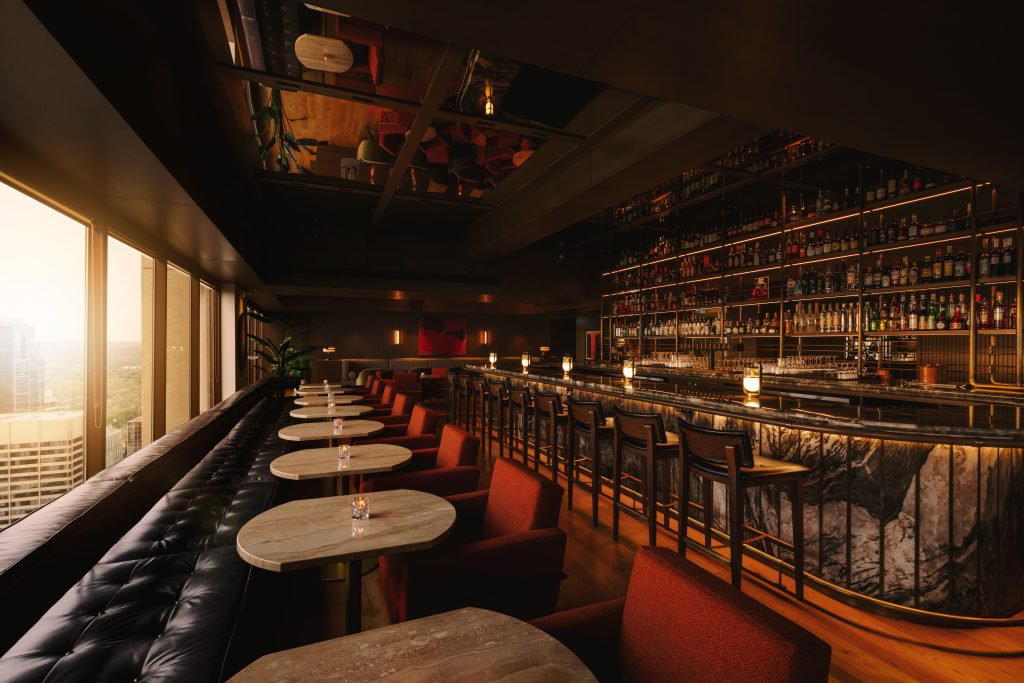
Bars in Calgary
Browse all →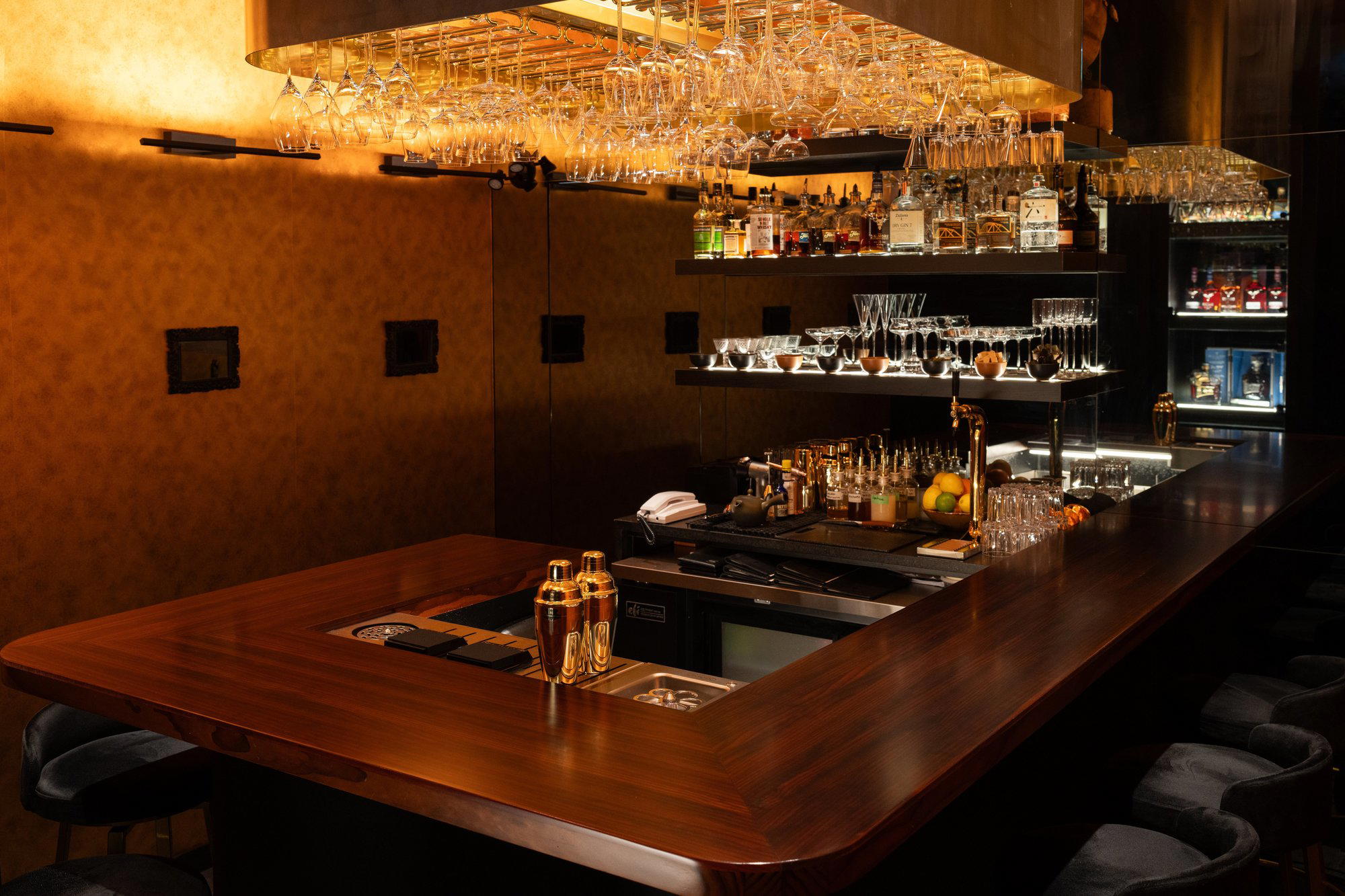
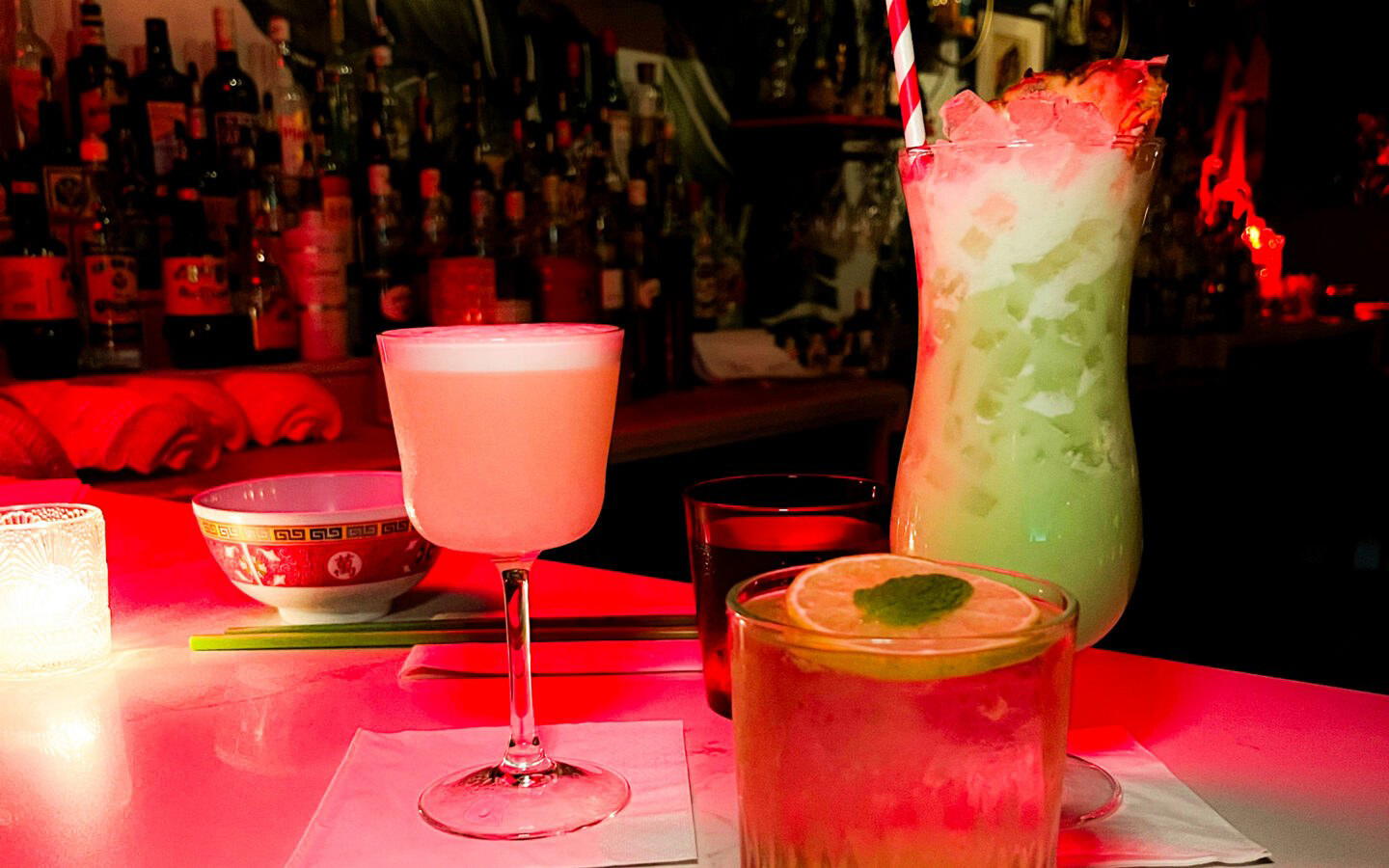
Hotels in Calgary
Browse all →


Wineries in Calgary
Browse all →
Fortuna's Row
The wine
- Wine program
- Curated wine list
- Extensive wine list
- Craft cocktails
- Beer program
Details
- Modern
- Lively
- Elegant
- Energetic
- Sophisticated
- Group Dining
- Celebration
- Special Occasion
- Date Night
- Open Kitchen
- Private Dining
- Design Destination
- Standalone
- Craft Cocktails
- Beer Program
- Extensive Wine List
- Waterfront
- Family Style
- Set Menu
- A La Carte
- Cocktails
- Agave Spirits
- Wine
- Beer
- Vegetarian Friendly
- Vegan Options
- Gluten Free Options
- Allergy Accommodating
Current opening hours
- Monday
- Closed
- Tuesday
- 5–10 PM
- Wednesday
- 5–10 PM
- Thursday
- 5–10 PM
- Friday
- 5 PM–12 AM
- Saturday
- 11 AM–2 PM, 5 PM–12 AM
- Sunday
- 10 AM–2 PM, 5–10 PM
Hours can change for holidays and private events. Last verified .
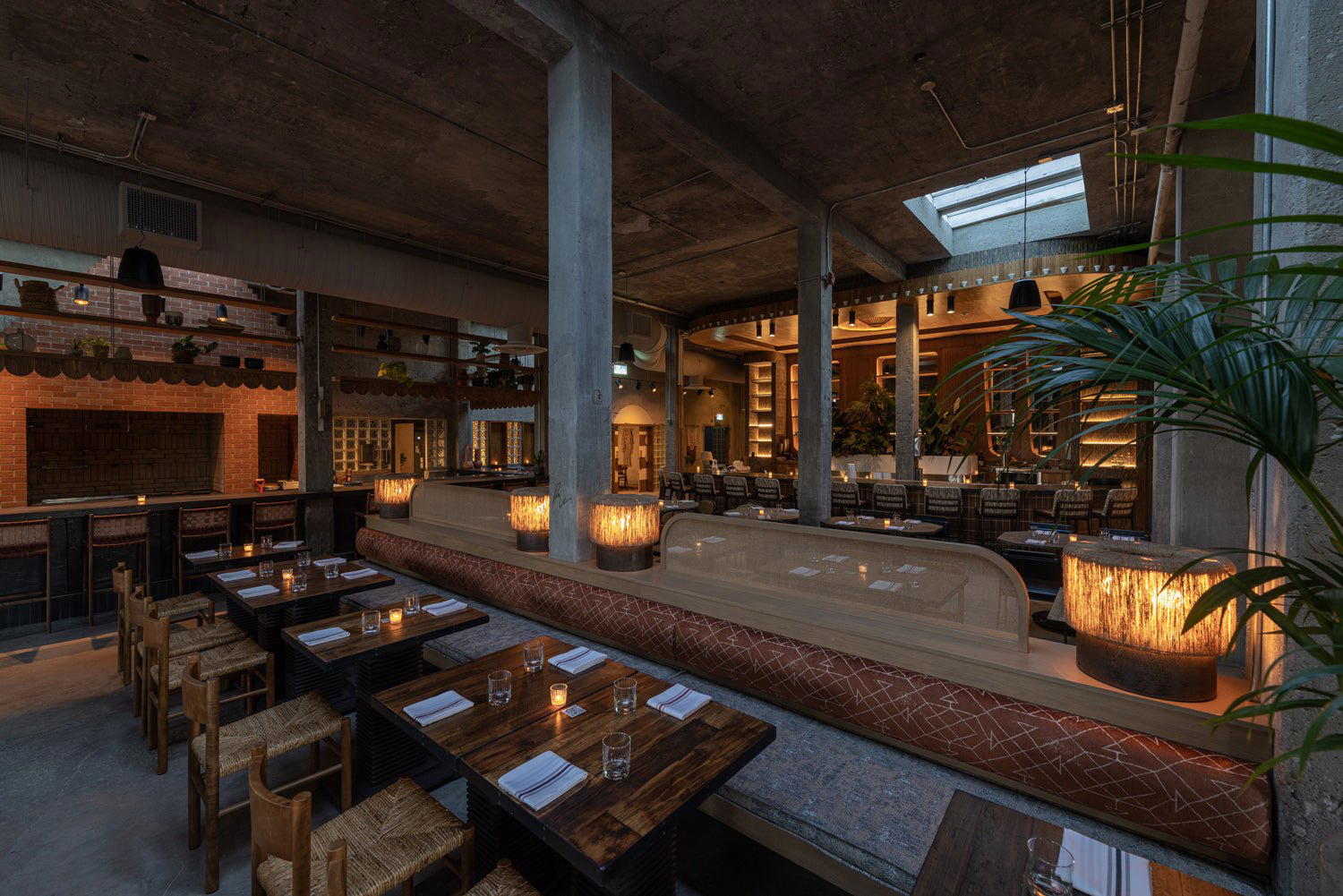
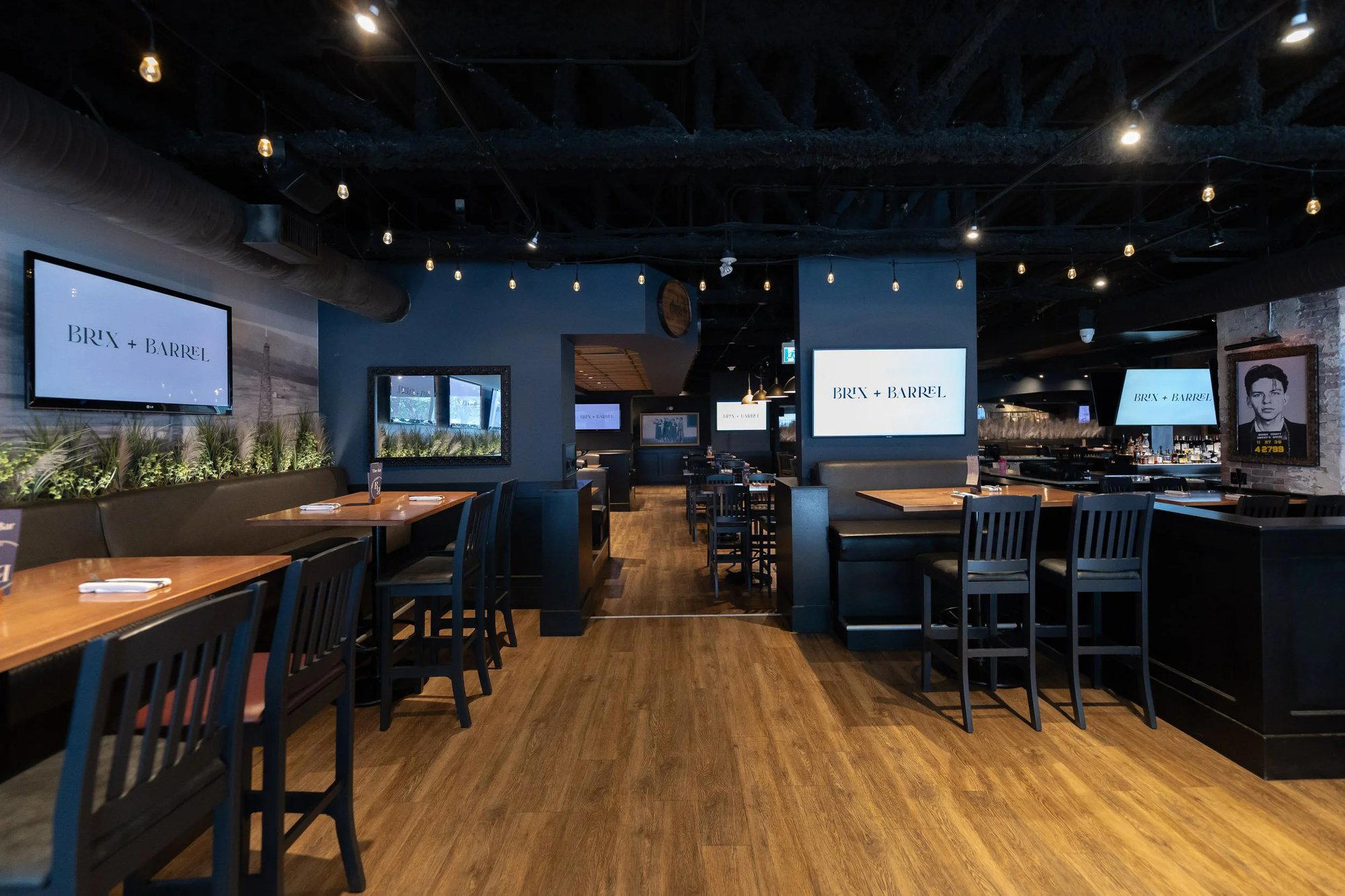
Airy and beach-inspired with rich wood finishes, lush live plants, and soaring concrete warehouse architecture that transports guests to Central and South America.