Forte dei Marmi
Our verdict
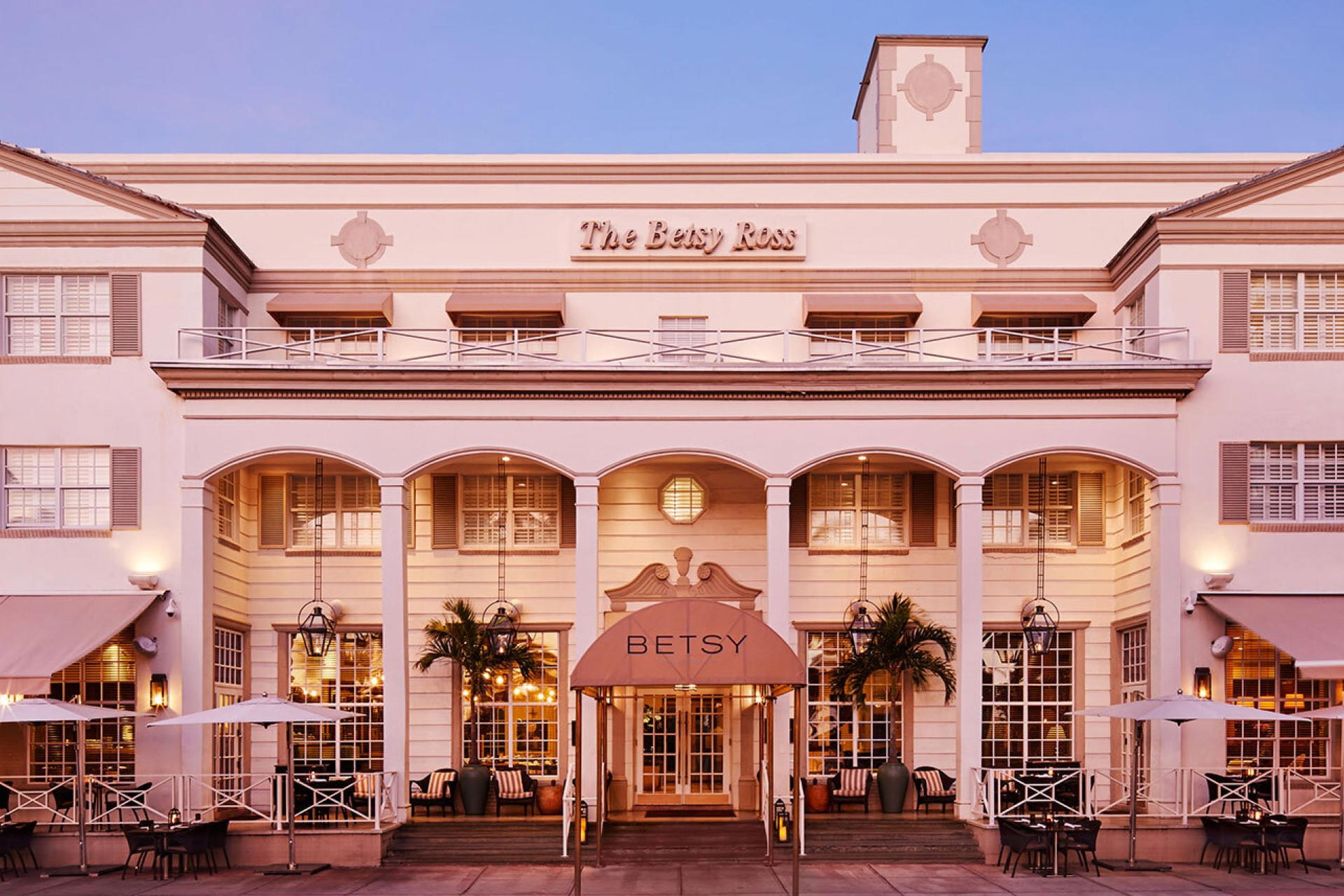
Forte dei Marmi occupies a prominent address at 150 Ocean Dr in Miami Beach, placing it squarely within the Ocean Drive corridor where Italian dining has long competed for attention against the spectacle of the strip itself. The restaurant draws its name from the storied Tuscan beach town favored by Italian aristocracy and artists, a reference point that signals a particular register of coastal Italian cooking in one of America's most competitive dining cities.

Pearl is the En Primeur Club membership app, where members save venues, book tables and use the concierge.
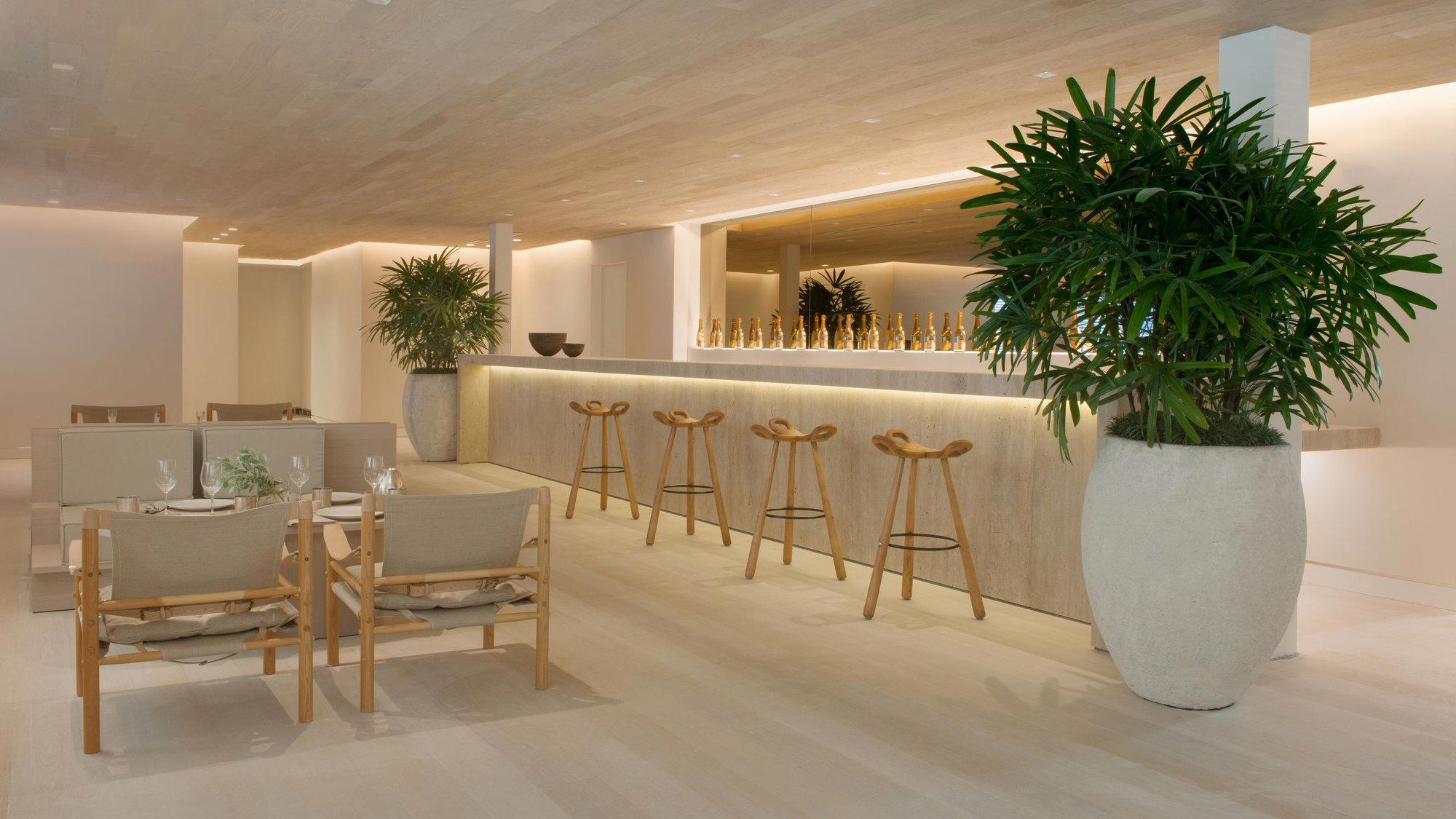
The menu
What to order
- Linguine with Zucchini and Parmesan
- Truffle Cacio e Pepe
- Mediterranean Branzino
Ocean Drive's Italian Register
Ocean Drive in Miami Beach is a street that has historically worked against its own restaurants. The neon, the pedestrian traffic, and the sheer visual noise of the South Beach promenade tend to commodify everything along it, pulling dining rooms toward the tourist-facing middle. The Italian restaurants that survive in this environment at a credible level do so by committing to a specific register and holding it, regardless of the foot traffic outside. Forte dei Marmi, addressed at 150 Ocean Dr, makes that commitment through its name alone: Forte dei Marmi is the Versilian coastal town in Tuscany that has functioned for more than a century as the summer retreat of Italian industrialists, designers, and old-money families. Invoking it on Ocean Drive is a positioning statement about which version of Italian dining the restaurant intends to occupy.
That reference point matters more than it might initially appear. Italian cooking in Miami Beach tends to bifurcate between red-sauce casual and high-end modern Italian, with comparatively little in the middle ground that stakes a claim to a specific regional tradition. A restaurant that anchors itself to the Versilia coast, and to the particular kind of restrained, seafood-forward Tuscan cooking associated with that stretch of the Ligurian Sea, is making a narrower and more legible editorial claim than most of its competitors on the strip. For the reader who has eaten at the beach clubs of Forte dei Marmi itself, the reference is immediately decipherable. For those who have not, the surrounding context of Ocean Drive's Italian dining scene makes it worth decoding.
What the Menu Architecture Reveals
The most telling thing about how any Italian restaurant positions itself is not what it serves but what it chooses to organize around. Italian menus are structural documents. A menu built around antipasti variety and shared formats signals one kind of experience. A menu where the primi section does the heaviest lifting, where pasta constructions are the editorial center of gravity, signals another. A menu that leads with crudo, raw preparations, and seafood in multiple formats before arriving at grilled proteins signals a coastal Tuscan lineage that is quite distinct from, say, the Roman or Neapolitan traditions more common in American Italian dining.
Forte dei Marmi's name implies the latter structure: a menu where the sea is the organizing principle, where simplicity of technique is not a limitation but a discipline, and where the quality of primary ingredients carries more weight than the complexity of preparation. This is the Versilian model, and it reads differently on a plate than the more architecturally elaborate Italian formats you encounter at a place like Le Bernardin in New York City, where French technique structures a similarly seafood-focused menu, or the farm-to-table Italian idiom visible at Blue Hill at Stone Barns in Tarrytown. The Versilian approach is less mediated: the fish should taste like the fish.
In Miami Beach, where the surrounding dining options range from the Caribbean-inflected plates at Alma Cubana to the classic American diner format at 11th Street Diner, a restaurant committed to this particular coastal Italian discipline occupies a relatively distinct position in the neighborhood's composition. The French Riviera-adjacent bistro tone of A La Folie and the seafood orientation of A Fish Called Avalon represent adjacent but meaningfully different traditions on the same strip.
The Ocean Drive Dining Context
To understand where Forte dei Marmi sits in the competitive geography of Miami Beach dining, it helps to understand the pressure that Ocean Drive applies to every restaurant that operates there. The street is not primarily a dining destination in the way that Wynwood or the Design District have become. It is a promenade, a performance space, and a hospitality corridor built around the Art Deco hotel stock that runs from 5th to 15th Street. The restaurants embedded in this strip compete simultaneously for tourist spend, local credibility, and the approval of the significant Italian and Italian-American residential and visitor population that Miami has accumulated over decades.
That last constituency matters. Miami's Italian dining scene is more demanding than it is often given credit for. A restaurant that positions itself at the Versilian register is not just making a conceptual claim; it is inviting comparison with what that reference means to people who have actually spent summers in Forte dei Marmi, eaten at Da Valentino or Lorenzo, and know what grilled branzino with Ligurian olive oil is supposed to taste like. That is a more exacting audience than the average Ocean Drive passerby. Nearby, a'Riva represents another expression of Italian dining in the Miami Beach waterfront context, and the two restaurants together sketch the range of what serious Italian cooking looks like in this part of the city.
For a broader sense of how this restaurant fits within the full dining ecology of the neighborhood, the full Miami Beach restaurants guide maps the range from casual to formal, from local institutions to newer arrivals.
Placing Forte dei Marmi in the American Italian Fine Dining Conversation
The ambition signaled by a Versilia reference becomes clearer when you map it against the broader American fine Italian dining conversation. The restaurants that have most credibly staked positions in European regional Italian traditions at the upper end of the American market tend to be found in New York, Chicago, and San Francisco, not on Ocean Drive. That geography is part of what makes a restaurant making this claim in Miami Beach worth examining. The operational discipline required to hold a Versilian register in a tourist-heavy environment is significant, and the restaurants that manage it tend to do so through sourcing consistency and menu restraint rather than through the kind of theatrical ambition visible at places like Smyth in Chicago or Atomix in New York City, where the menu architecture itself is the primary communication to the diner.
The comparison with The French Laundry in Napa, Addison in San Diego, or Providence in Los Angeles is useful not because Forte dei Marmi is in that tier but because it clarifies what a European-regional-positioning restaurant is choosing not to be: it is not an omakase-style progression, not a chef's-vision tasting format, not a farm-program-driven experience of the kind you encounter at Single Thread Farm in Healdsburg or Lazy Bear in San Francisco. It is, if the positioning holds, a restaurant about a specific coastal Italian tradition executed consistently at a specific address.
How does Forte dei Marmi fit into the broader Italian dining tradition in Miami Beach?
Forte dei Marmi occupies a specific regional niche: the Versilia coastal Italian tradition, which is distinct from the Roman, Neapolitan, or generic northern Italian formats that dominate most American Italian dining rooms. In Miami Beach, where the Italian dining scene ranges from casual trattorias to upscale modern Italian, a restaurant anchored to this specific Tuscan coastal identity addresses a diner who is looking for regional specificity rather than broadly recognizable Italian. The Ocean Drive address means the restaurant operates in a high-visibility, high-competition zone where restaurants like A Fish Called Avalon and a'Riva represent adjacent points on the neighborhood's dining spectrum.
Frequently asked questions
What kind of setting is Forte dei Marmi?
Forte dei Marmi sits at 150 Ocean Drive, placing it directly on South Beach's central promenade, one of Miami Beach's most active stretches. That address carries inherent energy: pedestrian traffic, ocean proximity, and the visual noise of the Art Deco strip. The restaurant's Versilian identity reads as a deliberate counterpoint to the surrounding spectacle, orienting toward a coastal Italian register rather than the typical Ocean Drive casual.
What's the address for Forte dei Marmi?
Forte dei Marmi is located at 150 Ocean Dr, Miami Beach, FL 33139, Miami Beach.
How does Forte dei Marmi on Ocean Drive compare to other Italian restaurants in Miami Beach?
Most Italian restaurants along Ocean Drive and the broader South Beach strip default to Italian-American or pan-Italian formats designed for high turnover. Forte dei Marmi's explicit reference to Versilia positions it within a more specific regional tradition, the coastal Tuscan one, which is less commonly represented in Miami Beach than Neapolitan or Roman-leaning kitchens. That specificity, anchored at 150 Ocean Drive, distinguishes it from neighbors operating without a defined culinary geography.
What do regulars order at Forte dei Marmi?
The Forte dei Marmi name signals a specific culinary tradition: the coastal Versilia region of Tuscany, where seafood drives the menu in the form of raw preparations, grilled whole fish, and restrained pasta built around the sea. Regulars drawn to that tradition typically gravitate toward whatever reflects the day's catch rather than a fixed house signature.
Do they take walk-ins at Forte dei Marmi?
Ocean Drive restaurants vary considerably: some hold tables for walk-ins even on weekends, others fill through reservations by mid-week. Given the address at 150 Ocean Drive, foot traffic is constant and demand patterns shift with Miami Beach's seasonal calendar, so a reservation contact ahead of arrival is the safer approach.
What is Forte dei Marmi known for?
The restaurant's name references Forte dei Marmi, the Versilia coastal town in Tuscany that functions as a cultural shorthand for a specific kind of Italian seaside sophistication: seafood-led cooking, linen tablecloths, and a clientele accustomed to both. That regional framing is deliberate and positions the venue within a niche of the Miami Beach Italian dining scene that sits apart from Roman, Neapolitan, or generic red-sauce traditions.
Can Forte dei Marmi adjust for dietary needs?
Italian restaurants grounded in the coastal Tuscan tradition tend to have natural flexibility around pescatarian and gluten-aware requests given the seafood and vegetable weight of the cooking, but that should not be assumed. Contact the restaurant at 150 Ocean Drive directly before your visit to confirm what the kitchen can accommodate.
Cost Snapshot
Comparable venues nearby, for context on price, style, and recognition.
| Venue | Cuisine | Price | Awards | Notes |
|---|---|---|---|---|
| Forte dei MarmiThis venue (the venue you are viewing) | Authentic Italian Fine Dining | $100–150 | Not listed | Not listed |
| Mister01 | Extraordinary Italian Star-Shaped Pizza | $30–50 | Michelin Plate | South Beach, Extraordinary Italian Star-Shaped Pizza |
| Casa Isola Osteria | Brooklyn-Style Italian Osteria | $30–50 | Not listed | Sunset Harbour, Brooklyn-Style Italian Osteria |
| Gianni's At The Former Versace Mansion | Italian Mediterranean | $50–100 | Not listed | South Beach, Italian Mediterranean |
| Ezio’s | Italian Steakhouse | Not listed | Not listed | North Beach, Italian Steakhouse |
| Carbone Miami Beach | Classic Italian-American Red Sauce | $200–300 | Wine Spectator Best of Award of Excellence | South of Fifth, Upscale Italian‑American Fine Dining |
Continue exploring
More in Miami Beach
Restaurants in Miami Beach
All restaurants in Miami Beach →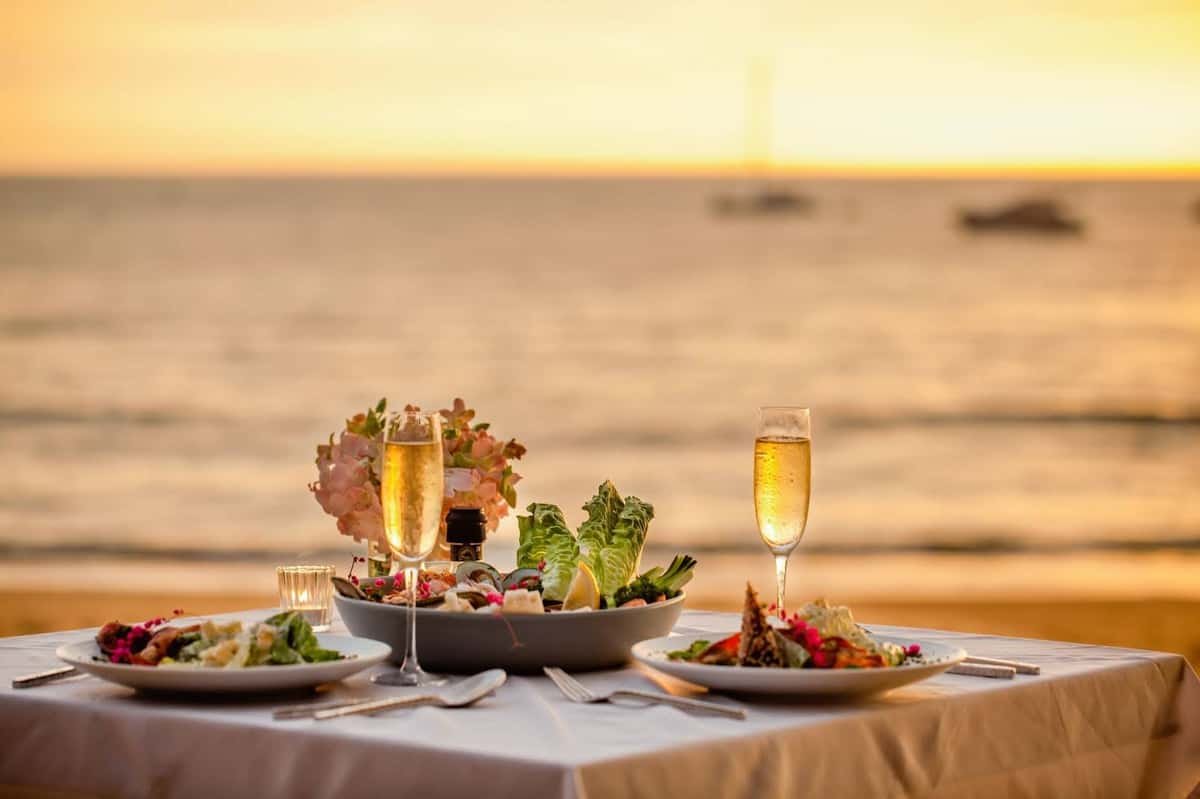
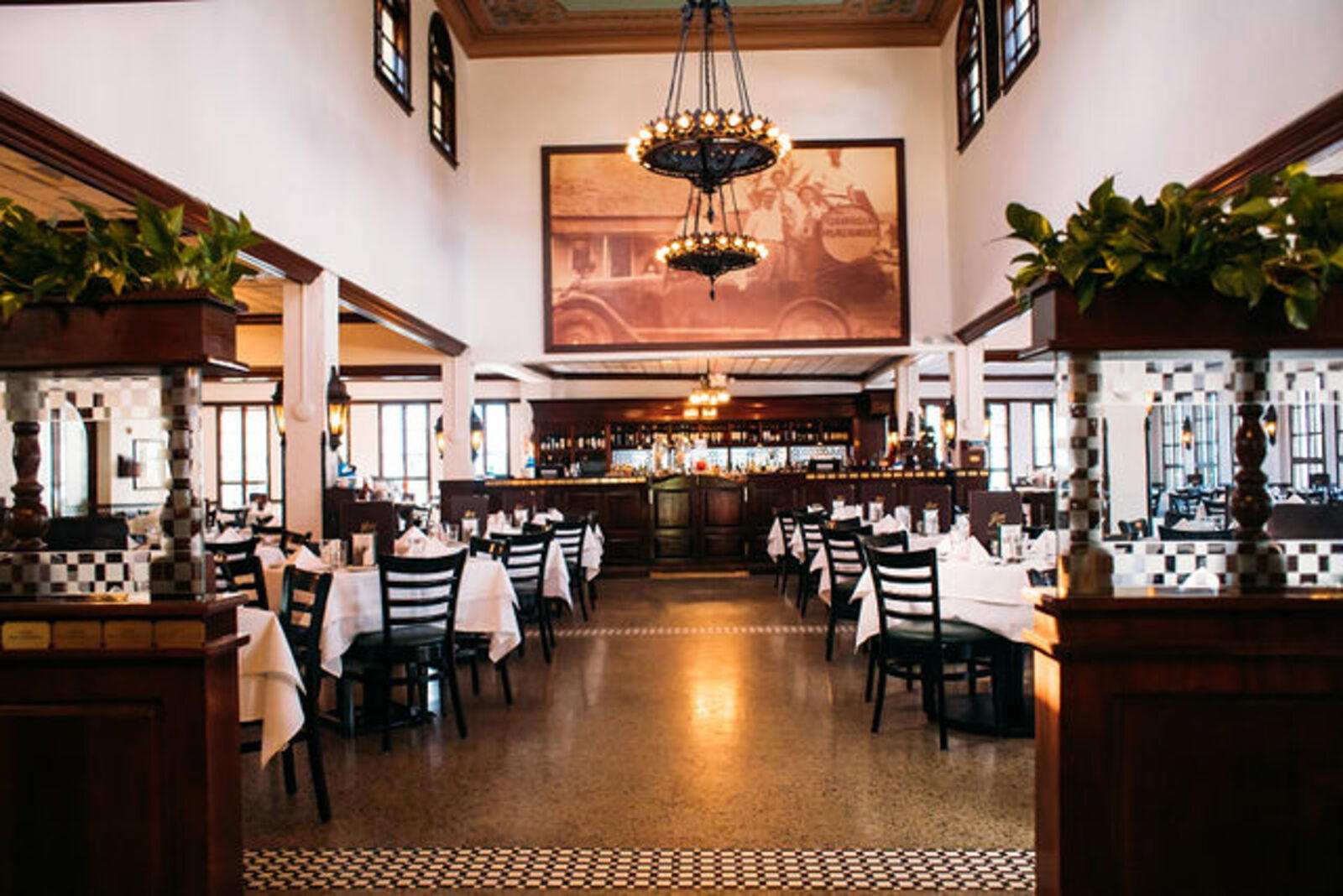
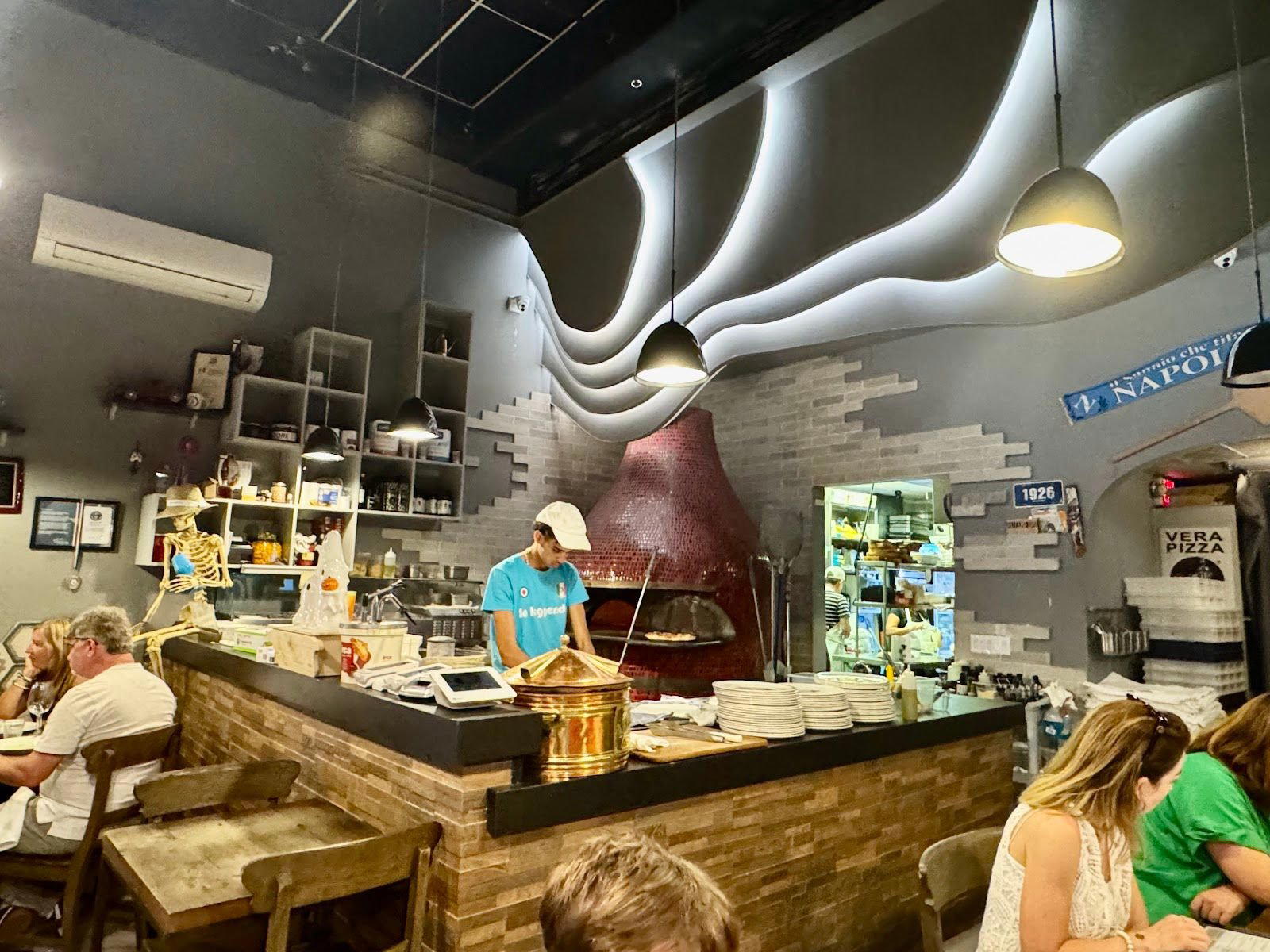
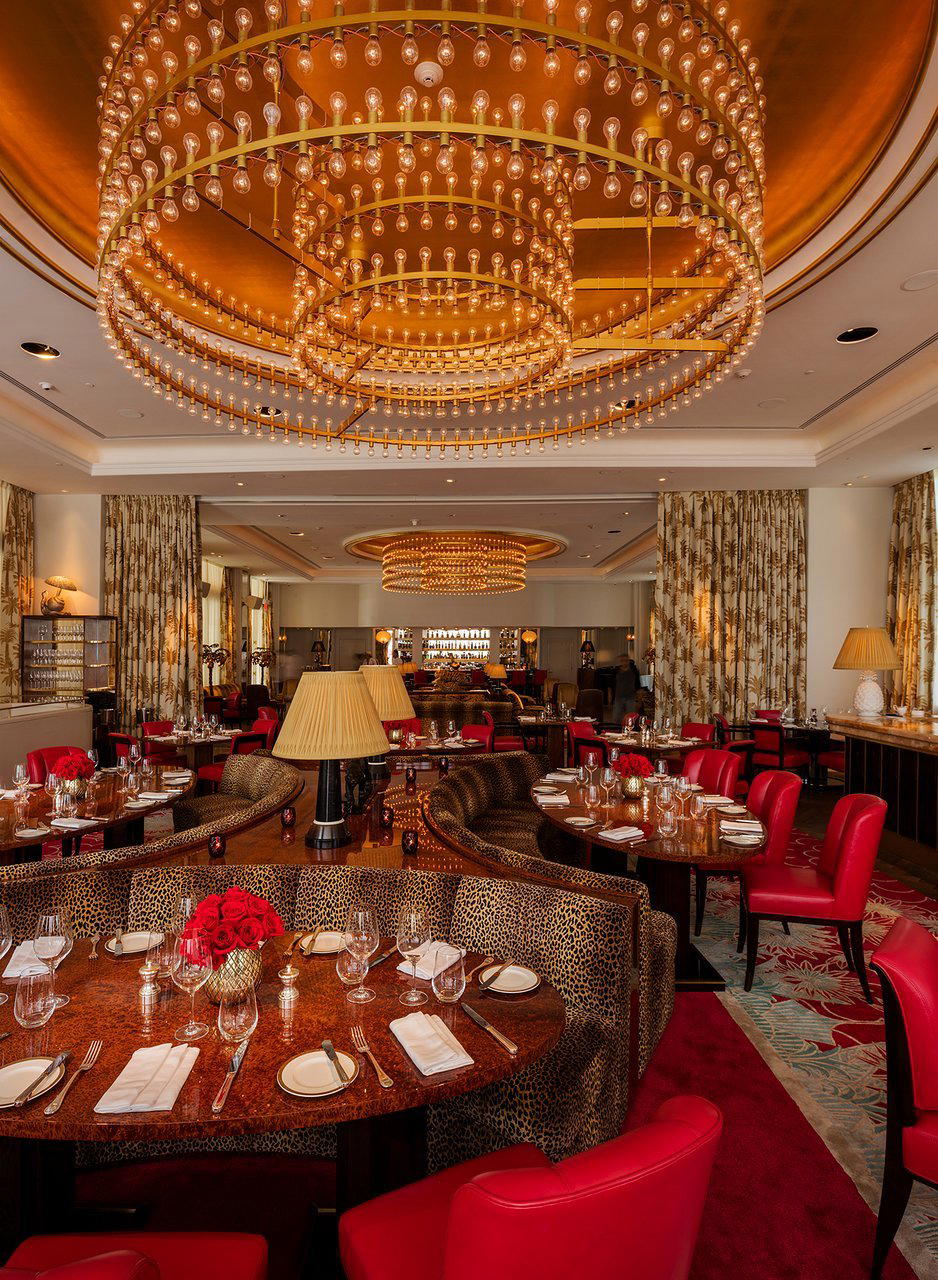
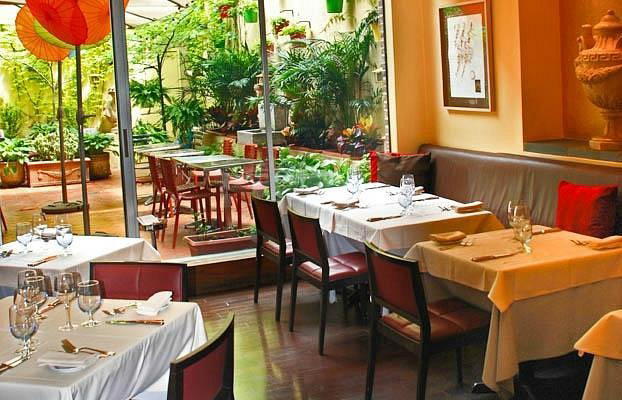
Bars in Miami Beach
All bars in Miami Beach →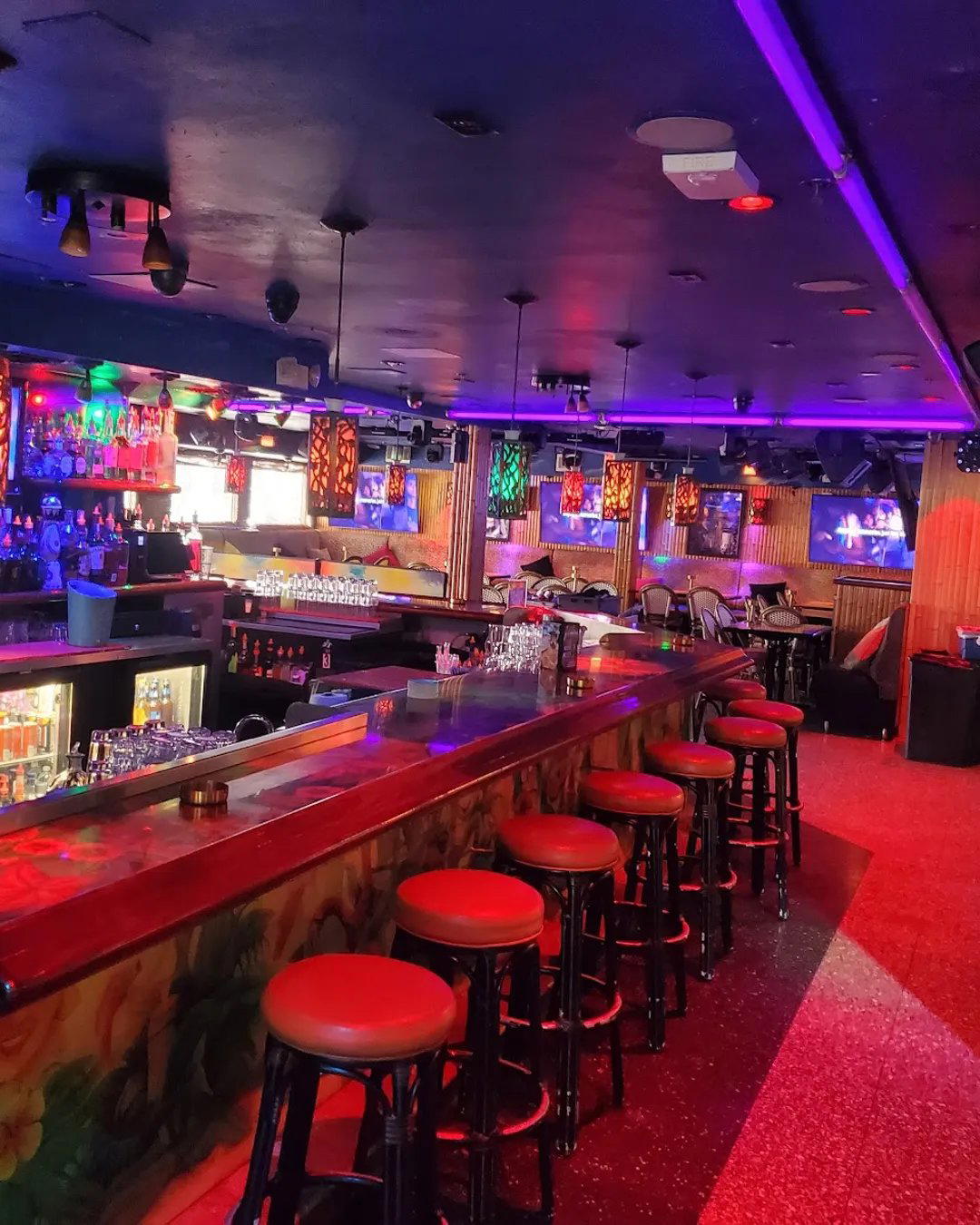
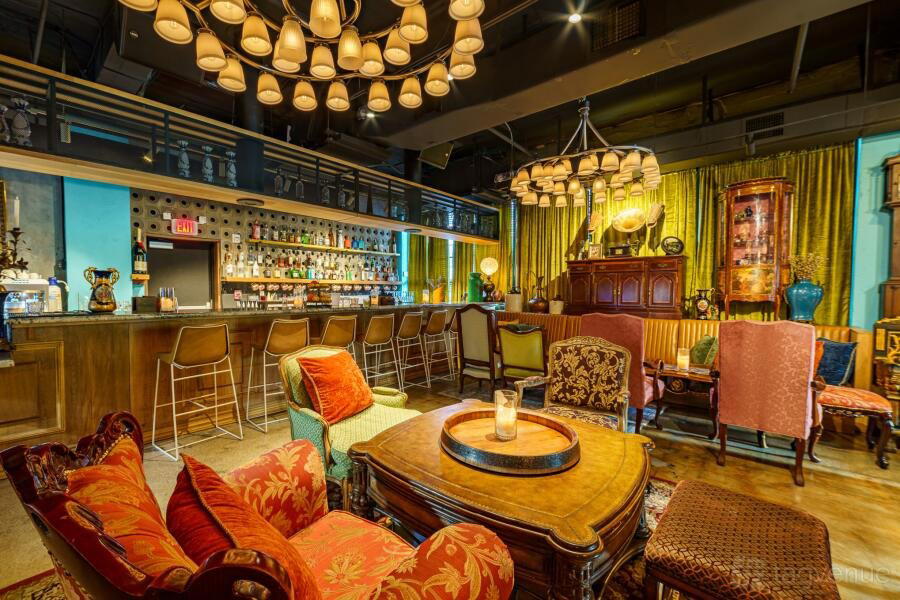
Details
- Elegant
- Sophisticated
- Classic
- Date Night
- Special Occasion
- Business Dinner
- Waterfront
- Live Music
- Extensive Wine List
- Organic
- Local Sourcing
- Waterfront
- A La Carte
- Vegetarian Friendly
- Vegan Options
- Gluten Free Options
Current opening hours
- Monday
- 5:15–10:45 PM
- Tuesday
- 5:15–10:45 PM
- Wednesday
- 5:15–10:45 PM
- Thursday
- 5:15–10:45 PM
- Friday
- 5:15–10:45 PM
- Saturday
- 12:30–10:45 PM
- Sunday
- 12:30–10:45 PM
Hours can change for holidays and private events. Hours as of .
Sophisticated simplicity with contemporary aesthetic inspired by Italian beach culture, refined but approachable vibe.