Google: 4.8 · 176 reviews
.png)
A restored building on Via Codignole houses one of Brescia's more considered contemporary Italian tables, where chef Arianna Gatti draws on Abruzzo origins and Lombard training to produce intensely flavoured dishes that bridge two distinct regional traditions. Holding a 2025 Michelin Plate and a 4.8 Google rating across 150 reviews, Forme sits in the €€€ tier alongside Brescia's other serious contemporary addresses.
 Discover on Pearl
Pearl is the En Primeur Club membership app — saves, bookings, and concierge access live there. Same editors, same standards.
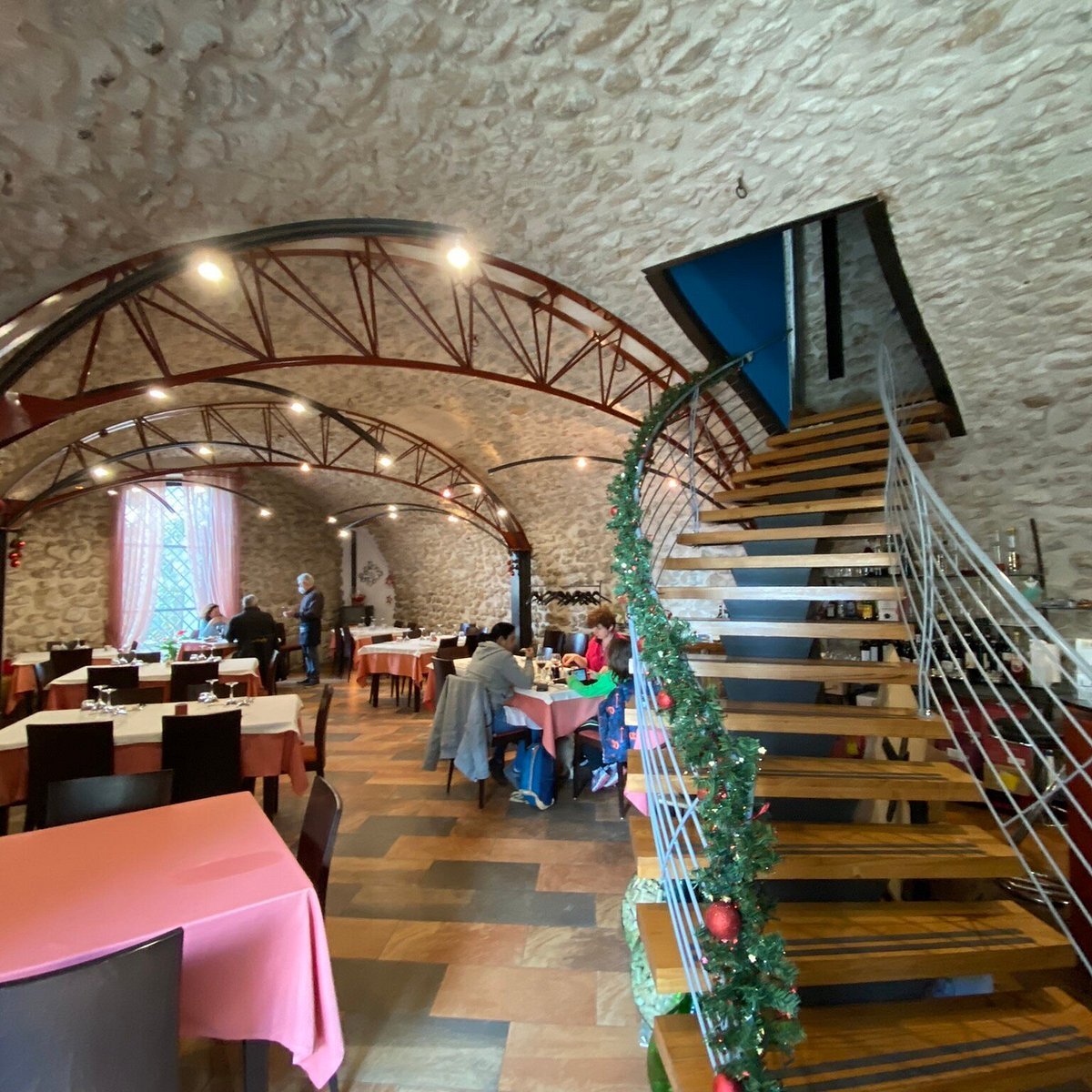
Where Two Regions Meet at the Table
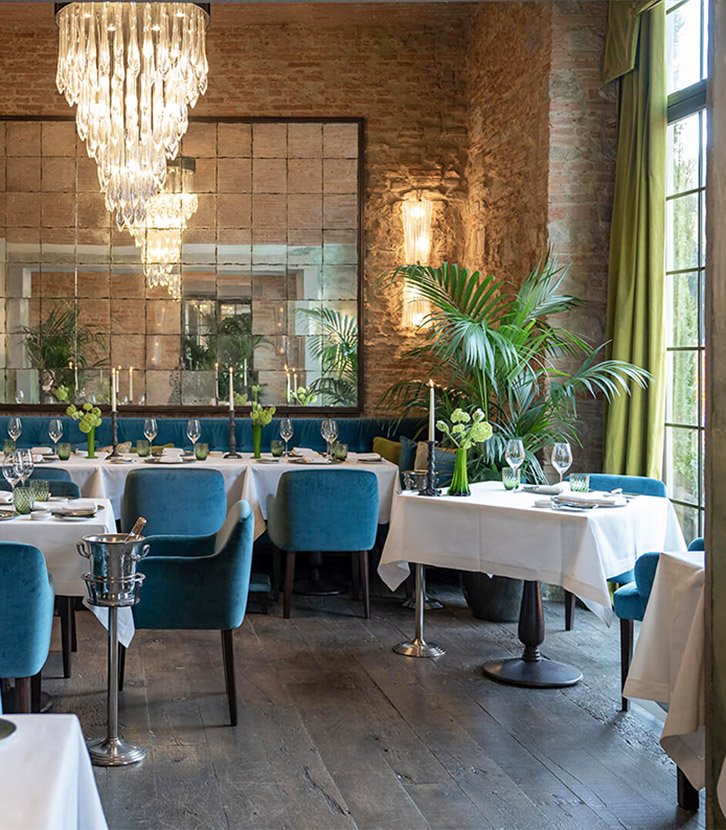
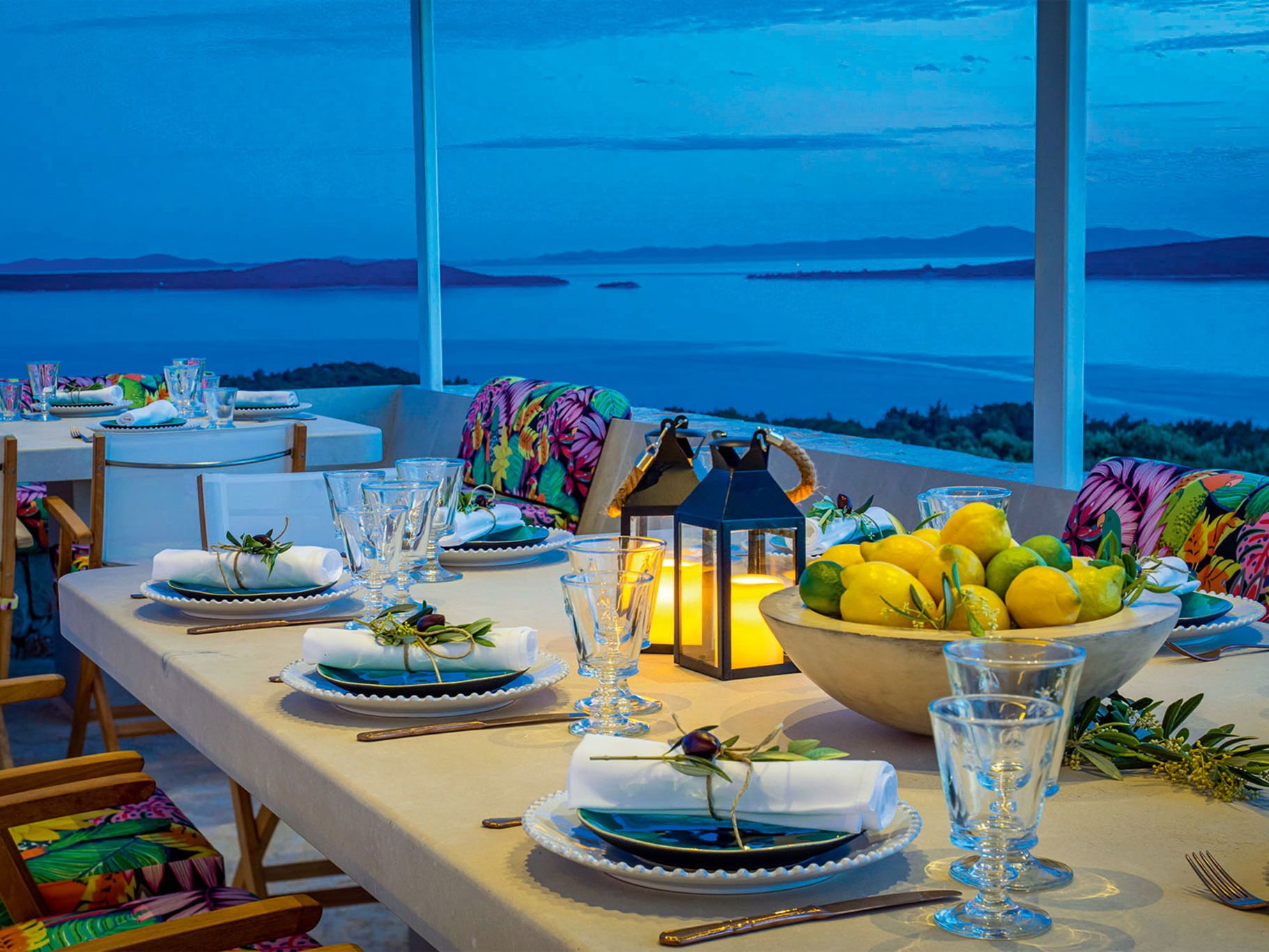
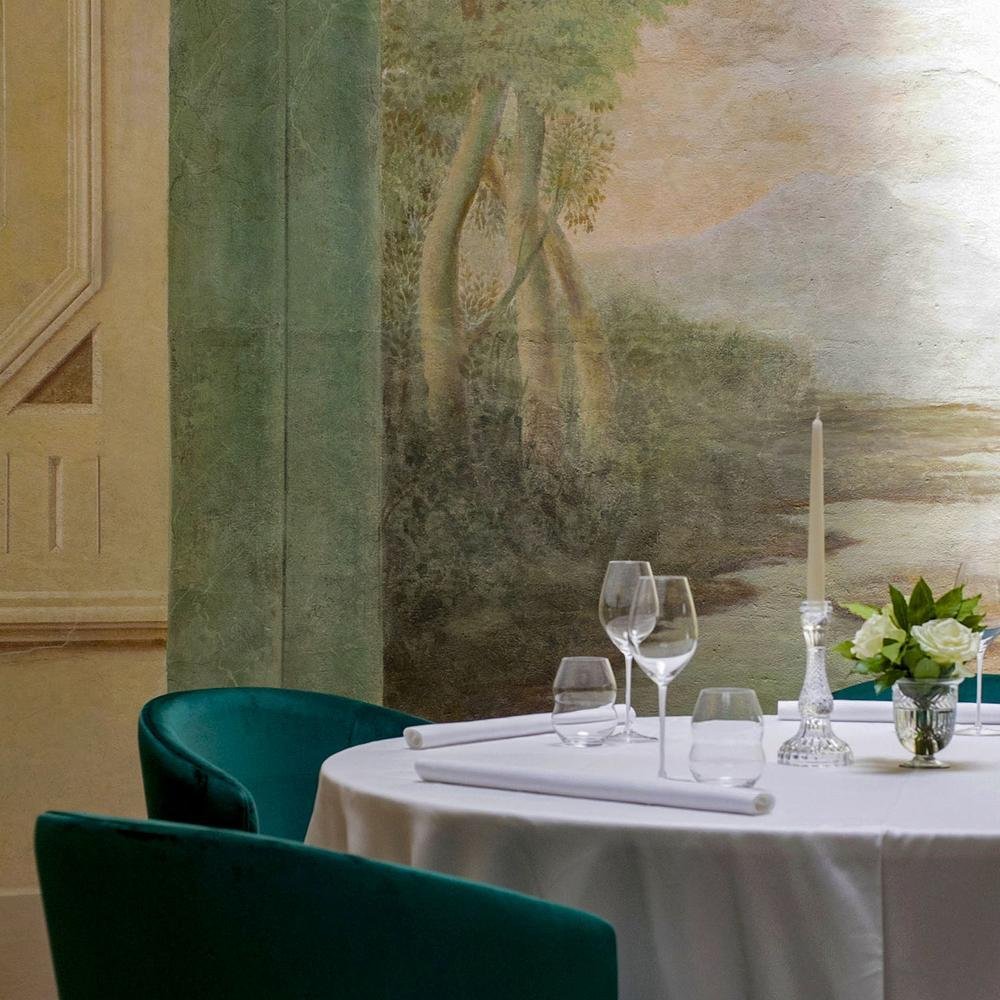
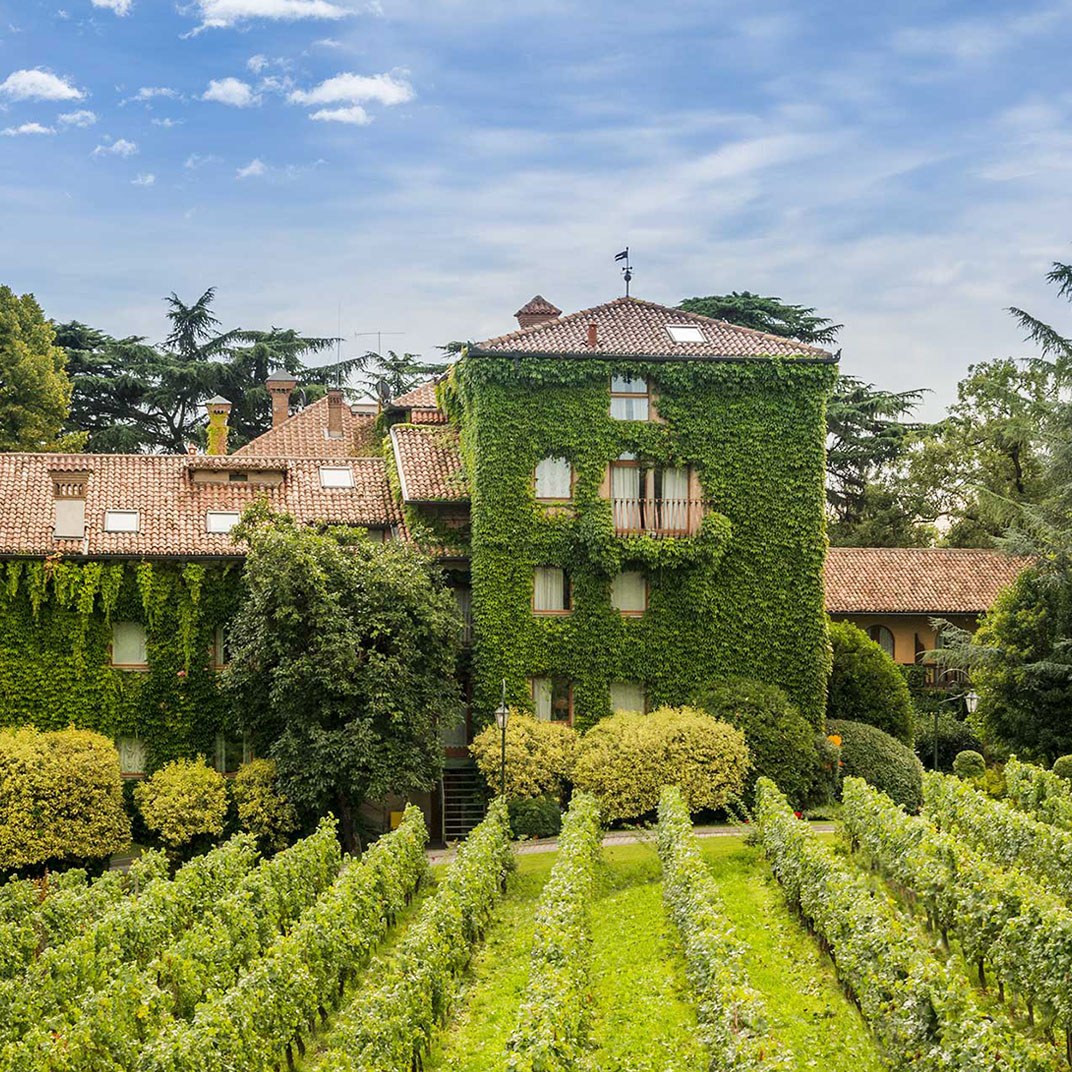
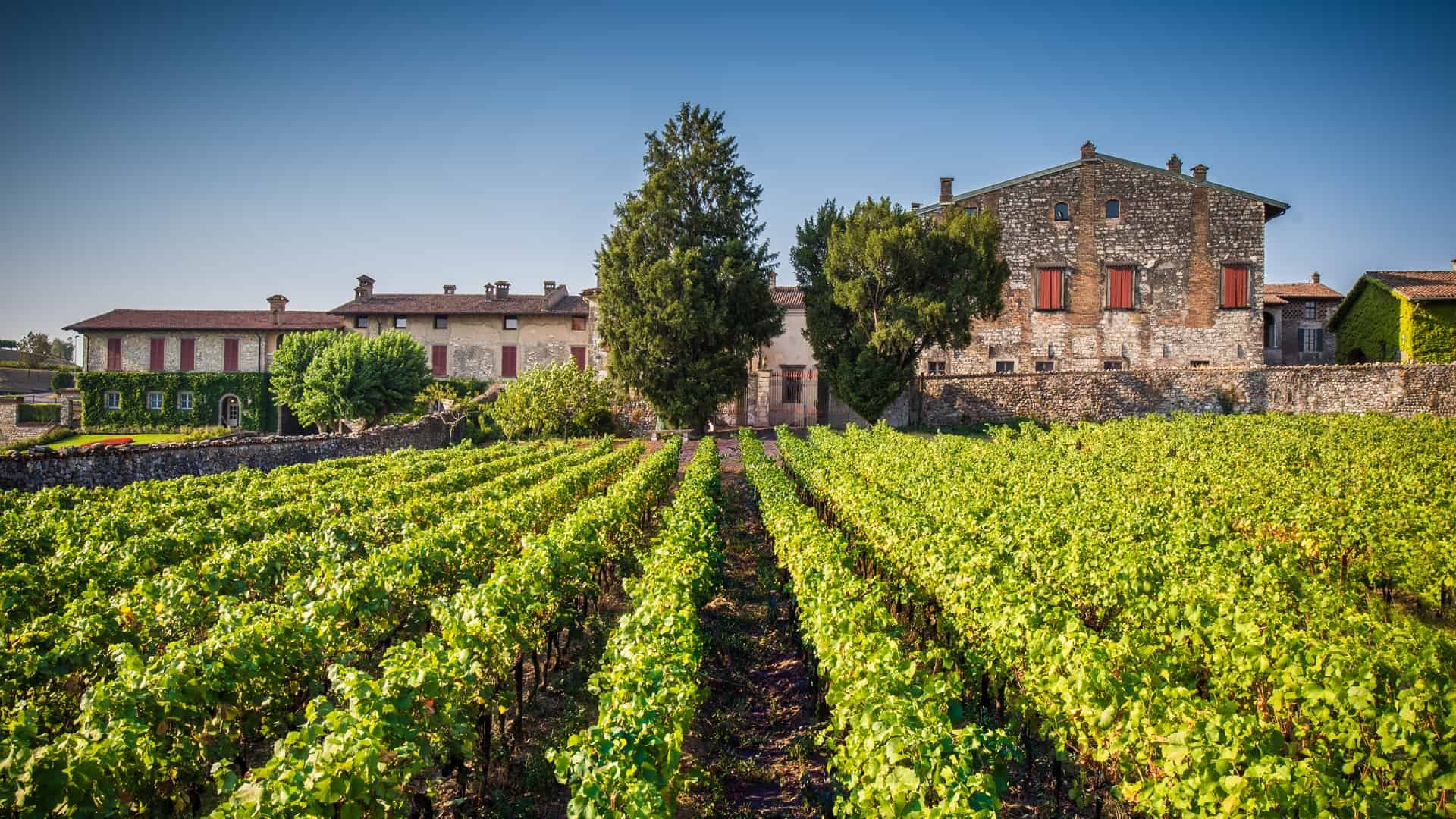
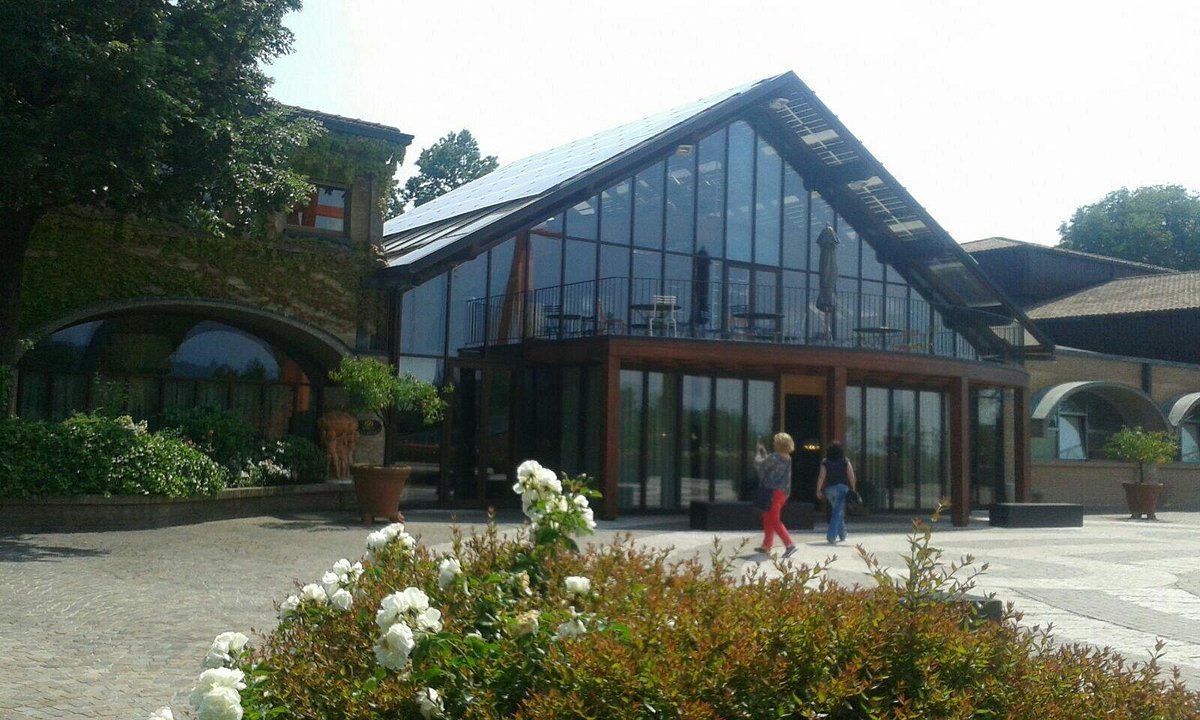
There is a particular architectural register that northern Italian cities do well: the restored industrial or civic building, its bones intact, its interior reinterpreted with considered design detail rather than wholesale renovation. Forme occupies exactly that kind of space on Via Codignole in Brescia, a restored building whose structural character frames a dining room finished with designer-level specificity and an outdoor space that pulls in the ambient texture of the neighbourhood. Arriving here, the atmosphere reads as deliberate rather than decorative — the kind of room that signals serious cooking without announcing it.
Brescia's contemporary dining scene sits at an interesting point of tension. The city is not Modena or Milan, and it has not attracted the international attention of Osteria Francescana in Modena or Enrico Bartolini in Milan, but it supports a cluster of €€€-tier addresses that take modern Italian cooking seriously. Forme operates inside that bracket alongside Il Rivale in Città and Castello Malvezzi — both operating at the same price tier , while sitting a register above the €€ addresses like Il Labirinto and Carne & Spirito. The 2025 Michelin Plate places Forme in documented company with Italy's quality-tracked tables, without yet reaching the starred tier represented by houses like Le Calandre in Rubano or Atelier Moessmer Norbert Niederkofler in Brunico.
Two Culinary Traditions, One Kitchen
The most interesting structural fact about the cooking at Forme is its dual regional provenance. The kitchen draws on Abruzzo, the central-southern Italian region whose cucina povera tradition prizes slow-braised meats, dried legumes, and pasta shapes that hold dense, reduced sauces, and on Lombardy, where technique tends toward refinement and where the professional training of serious chefs has been shaped by kitchens including Miramonti l'Altro, a Michelin-starred house in the Brescia hinterland. That lineage matters. Cooking shaped by Michelin-starred environments carries a particular discipline around consistency, plating precision, and sauce reduction that tends to show in the finished plate regardless of which regional tradition supplies the raw material.
In Italian contemporary cooking, the dialogue between regional identity and technical ambition is the central argument. At one end sit houses like Dal Pescatore in Runate, where Lombard tradition is codified over generations. At the other sit high-intervention kitchens where region is a loose reference point. Forme appears to occupy the middle ground: intensely flavoured dishes , the characterisation comes from Michelin's own assessment , that read as regional cooking processed through professional rigour rather than regional cooking left as found.
The Pasta Argument
Handmade pasta is where the Abruzzo-Lombardy duality at Forme becomes most legible. Abruzzo has one of Italy's most specific pasta traditions: chitarra, a square-cut spaghetti cut across a strung frame; sagne 'ntorzate, a twisted pasta meant to trap lamb or pork ragù; and timballo, the region's formal pasta bake with layered meats and cheese. Lombard pasta runs in a different direction , tortelli di zucca from Mantua, casoncelli from Bergamo, the egg-heavy stuffed forms that reflect the agricultural wealth of the Po Valley rather than the leaner upland character of Abruzzo.
The tension between those two pasta traditions is a productive one in a kitchen that has absorbed both. Abruzzo pasta tends to be cut rather than rolled thin, shaped for texture and sauce adhesion rather than delicacy. Lombard stuffed pasta prioritises filling complexity and broth clarity. The combination of intense flavour that Michelin notes in its assessment of Forme suggests a kitchen that has not resolved the tension by choosing one tradition over the other, but by applying Lombard technical discipline to the bolder flavour targets of the Abruzzo repertoire. That approach has parallels in how L'Olivo in Anacapri handles the southern Italian larder through northern precision, or how Agli Amici Rovinj processes Adriatic tradition through a contemporary Italian lens.
The broader point is that handmade pasta at this tier of Italian contemporary cooking is not a nostalgic gesture. It is where a kitchen's actual technical positioning becomes measurable: the hydration and rest of the dough, the consistency of the cut, the way a sauce is built to coat rather than pool. Michelin Plate recognition in 2025 signals that the cooking at Forme meets a documented quality threshold, even if the full picture of the pasta program requires a visit to verify.
The Room and the Experience
Charming outdoor space noted in Forme's Michelin assessment positions it as a year-round address with a seasonal shift in character. In Brescia's warmer months , roughly April through October , outdoor dining becomes a central part of how the city eats at this tier, and a well-maintained exterior space at a €€€ address is a practical advantage over restaurants confined to their interiors. The designer-style interior details suggest an approach to the dining environment that mirrors the kitchen's own precision: nothing accidental, nothing generic.
A 4.8 Google rating across 150 reviews places Forme among the more consistently rated contemporary Italian tables in the city. That score, while drawn from a relatively modest review pool, reflects a pattern of satisfaction rather than a few outlying enthusiastic responses. In a city where Inedito and Il Rivale in Città represent the contemporary Italian benchmark, maintaining that rating signals meaningful consistency. For the broader context of where Brescia sits among northern Italian dining destinations, our full Brescia restaurants guide maps the city's full range.
Planning a Visit
Forme sits on Via Codignole, 52, in the 25124 postal district of Brescia, within reasonable reach of the city centre. At the €€€ price tier, the restaurant positions itself as a considered dining occasion rather than a casual drop-in, and the restored building setting reinforces that register. Brescia is accessible by high-speed rail from Milan in under an hour, making it a realistic day-trip or short-break destination for visitors based in Lombardy's capital. For those planning a wider stay, our full Brescia hotels guide, bars guide, wineries guide, and experiences guide cover the supporting infrastructure around a serious dining trip. Booking method and hours are not listed in available records; contacting the restaurant directly before a visit is advisable, particularly given the level of critical recognition the kitchen has received.
What Regulars Order
Specific dish names and current menu details are not available in verified records for Forme, so the following is framed around documented kitchen signals rather than invented specifics. Given the Michelin assessment's emphasis on intensely flavoured dishes drawing from both Abruzzo and Lombard traditions, regulars are likely to gravitate toward the pasta courses , the part of the menu where the kitchen's dual regional identity is most directly expressed and where the technical training in Michelin-starred environments would be most visible. The extensive selection noted in Michelin's write-up suggests a menu broad enough that repeat visitors can move through the repertoire across multiple visits, which is itself a driver of the kind of loyalty that produces a 4.8 rating. For full context on Arianna Gatti's Michelin Plate recognition and how it positions the kitchen within Brescia's contemporary Italian tier, both the cuisine section and the awards documentation above apply. For wider northern Italian contemporary reference, Enoteca Pinchiorri in Florence and Le Calandre in Rubano represent the kind of credential benchmarks that frame what serious Italian contemporary cooking looks like at its most developed.
Style and Standing
A short peer set to help you calibrate price, style, and recognition.
| Venue | Cuisine | Awards | Notes |
|---|---|---|---|
| Forme Restaurant | Italian Contemporary | Having worked in Michelin-starred restaurants such as Miramonti l'Altro, Ar… | This venue |
| Carne & Spirito | Steakhouse | Steakhouse, €€ | |
| Castello Malvezzi | Creative | Creative, €€€ | |
| Il Labirinto | Mediterranean Cuisine | Mediterranean Cuisine, €€ | |
| Il Rivale in Città | Italian Contemporary | Italian Contemporary, €€€ | |
| La Porta Antica | Seafood | Seafood, €€€ |
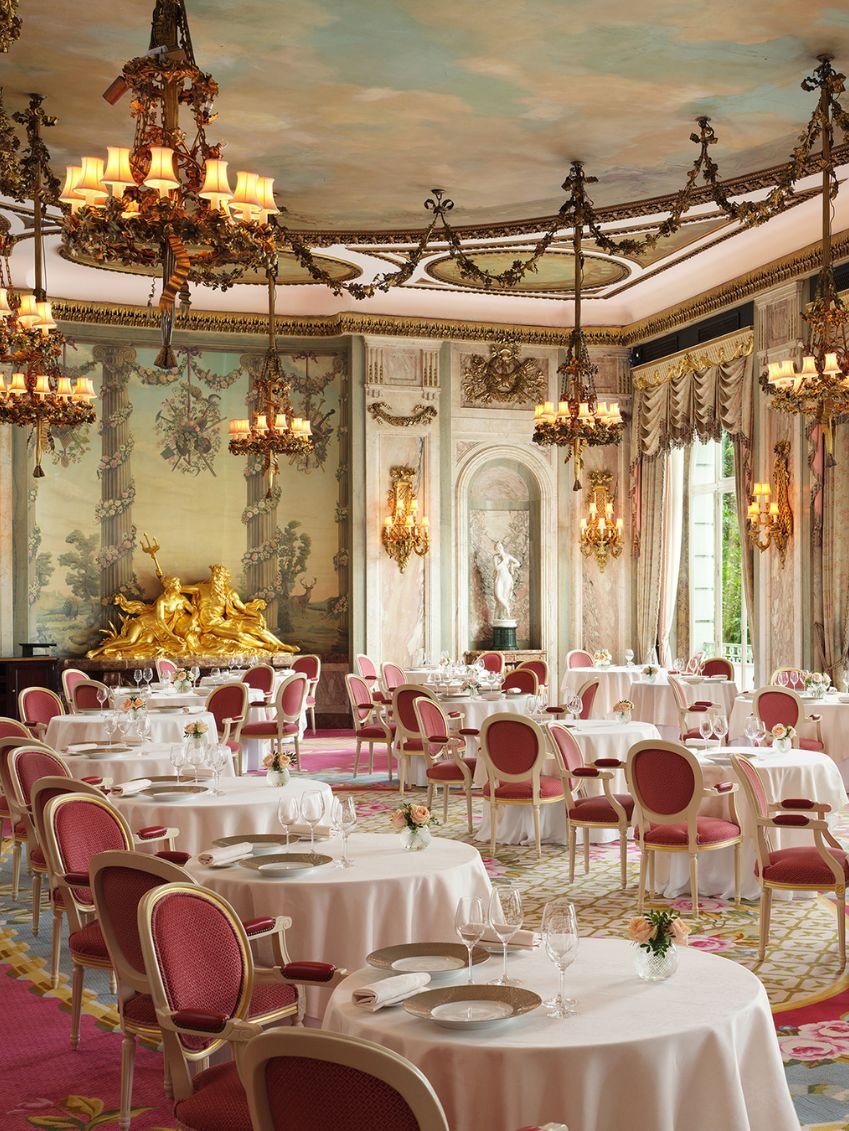
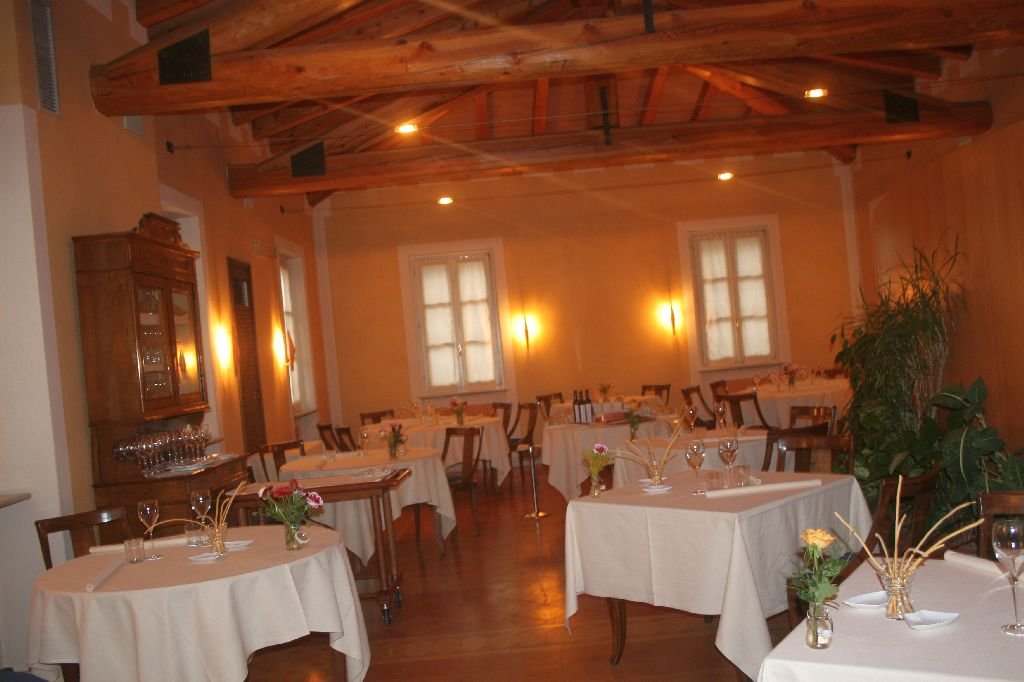

At a Glance
- Elegant
- Modern
- Intimate
- Sophisticated
- Date Night
- Special Occasion
- Open Kitchen
- Terrace
- Extensive Wine List
- Local Sourcing
- Garden
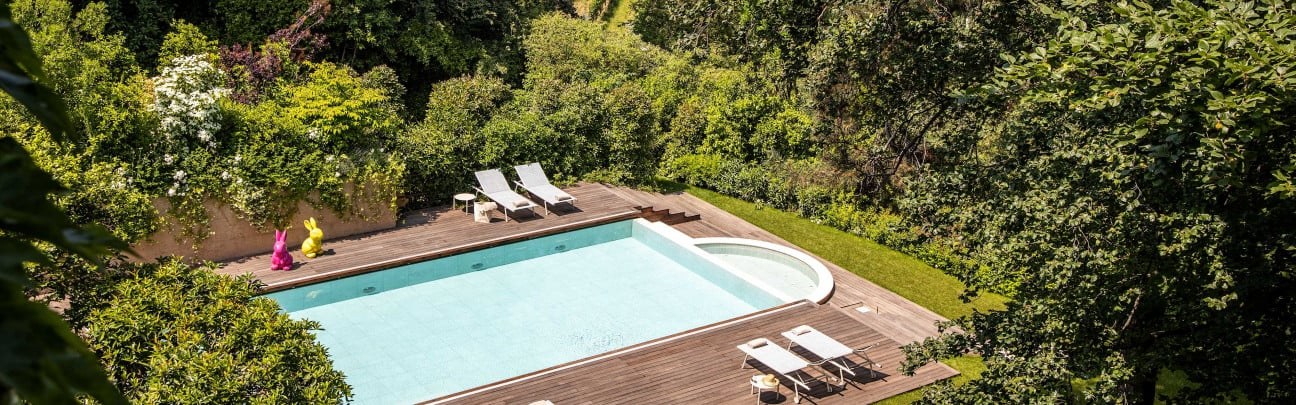
Elegant designer-style interior in a restored old building with serene, warm atmosphere and lush greenery surroundings.