Fooq’s
Our verdict
Fooq's sits at one of Miami's more unusual culinary intersections: Persian cooking mapped onto the steakhouse format. The result is a Downtown dining room where saffron and charred lamb share the menu architecture with the classical steakhouse sides — creamed spinach, wedge salads, and roasted potatoes — that American diners expect as the supporting cast of a serious meat meal.

Pearl is the En Primeur Club membership app — saves, bookings, and concierge access live there. Same editors, same standards.
- Address
- 1035 N Miami Ave, Miami, FL 33136
- Hours
- Mon ClosedTue–Sat 5:30–11 PMSun Closed
- Website
- fooqsmiami.com
- Directions
- Get directions
The menu
What to order
- Black Opal NY Strip
- Persian Pepper Pasta
- Fooq’s Feast
Where the Steakhouse Format Meets Persian Tradition
The American steakhouse is one of the most codified dining formats in existence. The structure barely changes across decades or geography: a centerpiece cut, a roster of shareable sides, a wedge salad arriving before anything else, and enough butter deployed across every course to make the whole meal feel of a piece. Miami has its own version of this tradition, from Korean-inflected programs like Cote Miami to the fire-driven Argentinian approach at Los Fuegos. What makes Fooq's worth attention inside this competitive set is the entry point: Persian cuisine used not as a garnish on a steakhouse template, but as the actual structural logic of the kitchen.
Persian cooking and the American steakhouse share more DNA than the pairing initially suggests. Both traditions treat grilled and roasted meat as the undisputed centerpiece. Both rely on a supporting cast of sides that accumulate across the table rather than arriving as a composed plate. And both use acidic, herbal, and pickled elements — Persian cuisine through sumac, barberries, and fresh herb platters; the steakhouse through horseradish, pickled onion, and the sharp dressing of a wedge — to cut through the richness of the main event. Fooq's operates in that overlap, which gives the format coherence rather than novelty for its own sake.
The Supporting Cast as the Real Argument
In steakhouse dining, the sides are where a kitchen makes its actual argument. The protein is the ticket; the creamed spinach, the roasted potatoes, the composed salads are the proof of intent. Any kitchen can apply heat to a quality cut. What separates a thoughtful program from a competent one is whether the sides carry their own identity or simply fill space on the table.
At Fooq's, the Persian framework reshapes what those supporting roles look like. Where a conventional Miami steakhouse draws on French-American technique for its sides, the gratin, the hollandaise, the iceberg wedge with blue cheese, a Persian-inflected approach pulls from a different pantry. Dried limes, turmeric, fenugreek, pomegranate molasses, and fresh herbs like tarragon and mint are not accents here; they inform the architecture of dishes that occupy the same position on the menu that creamed spinach and hash browns would in a more conventional program. This is a meaningful distinction. It means the sides carry a regional specificity that most Miami steakhouses, regardless of their price tier, do not offer.
Miami's dining scene has moved toward this kind of category-bending with increasing confidence over the past several years. Ariete works Cuban-American influences into a Modern American format. Boia De applies Italian sensibility in a format that resists easy categorization. ITAMAE runs Peruvian-Japanese cooking from a counter inside a food hall. These are not fusion restaurants in the diminished sense the word acquired in the 1990s. They are kitchens that have genuinely absorbed two culinary traditions and found structural coherence between them. Fooq's belongs to this cohort, and the Persian-steakhouse combination is more intellectually grounded than it might appear on a menu card.
Downtown Miami's Dining Position
Miami's dining geography has shifted. For years, the serious restaurant conversation was concentrated in Wynwood, the Design District, and along Brickell's restaurant row. Downtown Miami has developed a more textured identity over the past several years, attracting restaurants that draw on the neighbourhood's denser, more mixed-use character rather than the curated hospitality districts further north. Fooq's occupies this Downtown position, which locates it slightly outside the primary tourist and hotel-circuit dining tracks and places it in a more local-facing context.
That positioning matters for how you plan around it. Restaurants in this tier of Downtown Miami tend to draw a clientele that includes a higher proportion of neighbourhood regulars and Miami residents than the Design District venues, and the atmosphere generally reflects that: less performative, more settled. For visitors, it also means the dining experience sits at some remove from the concentrated hotel corridors, which requires deliberate travel planning but often rewards it with a more grounded sense of where the city actually eats. Our full Miami hotels guide has options at multiple price points across the Downtown and Brickell corridor if you're looking to base yourself close to this part of the city.
Reading Fooq's Against the Miami Steakhouse Market
The Miami steakhouse market is not short of options, and the competitive set covers significant ground. At the premium end, programs like those at L'Atelier de Joël Robuchon Miami represent a French-technique approach to high-end protein cookery that operates in a different register entirely. Cote Miami brings Korean barbecue into the steakhouse format with a focused, award-recognised program. Los Fuegos offers Argentinian fire cooking at a comparable price point to the upper end of the Miami steak market.
Fooq's sits at a different angle to all of these. The Persian framework is not a borrowed aesthetic applied to a conventional steakhouse chassis. It changes the flavour logic of the whole meal, which means the diner is not choosing between competing versions of the same format. They are choosing a genuinely different experience of what a meat-centered, sides-heavy dinner can taste like. For regular Miami diners who have worked through the city's more conventional steakhouse options, that distinction has real value.
For a broader orientation to what Miami's restaurant scene offers across formats and price tiers, our full Miami restaurants guide maps the current field in detail. The city's bar program has developed considerable depth alongside its food scene; our Miami bars guide covers that ground separately. And if you're building a broader trip around the dining, the Miami experiences guide and Miami wineries guide round out the picture.
Internationally, the steakhouse-fusion format has found serious expression in cities ranging from New York, where Le Bernardin represents a different pole of protein-focused cooking entirely, to the fire-cooking traditions that inform programs at places like The French Laundry in Napa and Single Thread Farm in Healdsburg. The comparison is not about price parity but about the broader conversation around how format and cultural tradition interact in serious kitchens.
Planning a Visit
Downtown Miami's dining scene moves quickly, and operational details shift. The broader Downtown and Brickell area is well-served by rideshare, and parking pressure is lower here than in the Design District on weekend evenings, which makes it a practical choice for later sittings. If you're building a multi-night Miami dining itinerary, Fooq's works well as a counterpoint to the more classically European programs in the Design District or the Korean-American format at Cote Miami, giving the trip genuine range across the meat-and-sides category.
Frequently asked questions
What do people recommend at Fooq's?
How hard is it to get a table at Fooq's?
What's the defining dish or idea at Fooq's?
Is Fooq's a good option for someone who doesn't usually order Persian food?
A Credentials Check
Comparable venues nearby, for context on price, style, and recognition.
| Venue | Cuisine | Price | Awards | Notes |
|---|---|---|---|---|
| Fooq’sThis venue — the venue you are viewing | Persian-influenced American Grill | $150–200 | Not listed | Not listed |
| Amazónico | Latin American rainforest-inspired fine dining with Japanese, Brazilian & Peruvian influences | $100–150 | Not listed | Brickell |
| HOUSE OF FOOD PORN | Avant-Garde Shushi Fusion | $150–200 | Not listed | Little Haiti |
| Elia | Southern Italian Coastal | $50–100 | Not listed | Miami River |
| Marion | Mediterranean-Asian Fusion | $50–100 | Not listed | Brickell |
| Dirty French Steakhouse Miami | French-Influenced Steakhouse | Not listed | Wine Spectator Best of Award of Excellence | Miami Financial District |
Continue exploring
More in Miami
Restaurants in Miami
Browse all →

Details
- Elegant
- Sophisticated
- Trendy
- Date Night
- Group Dining
- Special Occasion
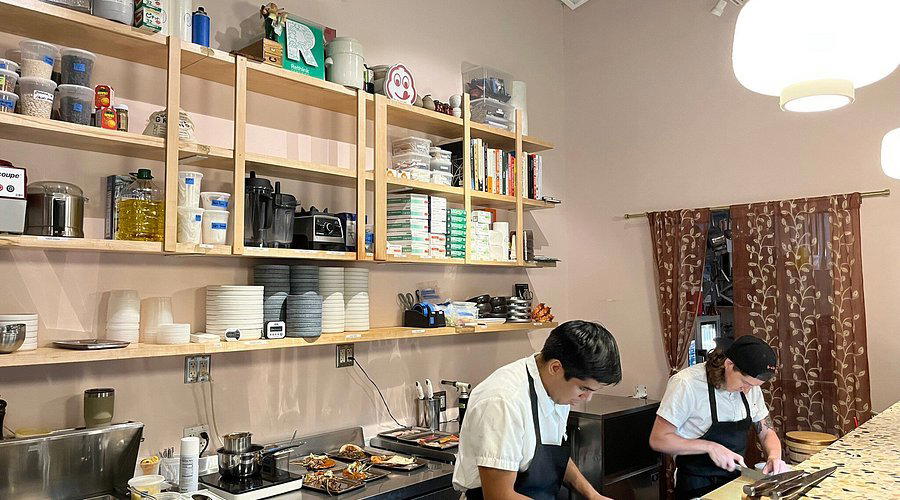
- Open Kitchen
- A La Carte
- Family Style
Current opening hours
- Monday
- Closed
- Tuesday
- 5:30–11 PM
- Wednesday
- 5:30–11 PM
- Thursday
- 5:30–11 PM
- Friday
- 5:30–11 PM
- Saturday
- 5:30–11 PM
- Sunday
- Closed
Hours can change for holidays and private events. Last verified .
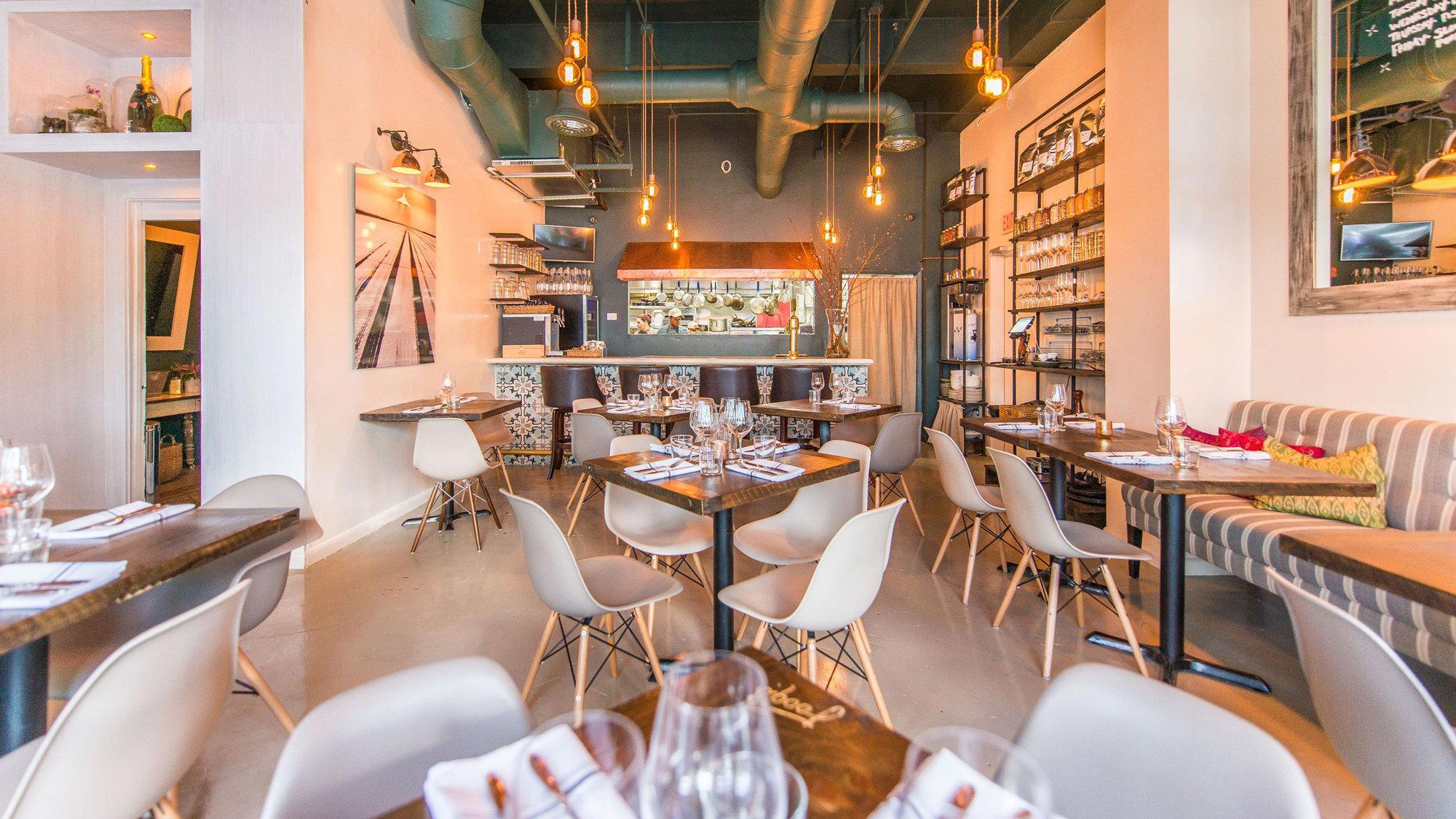
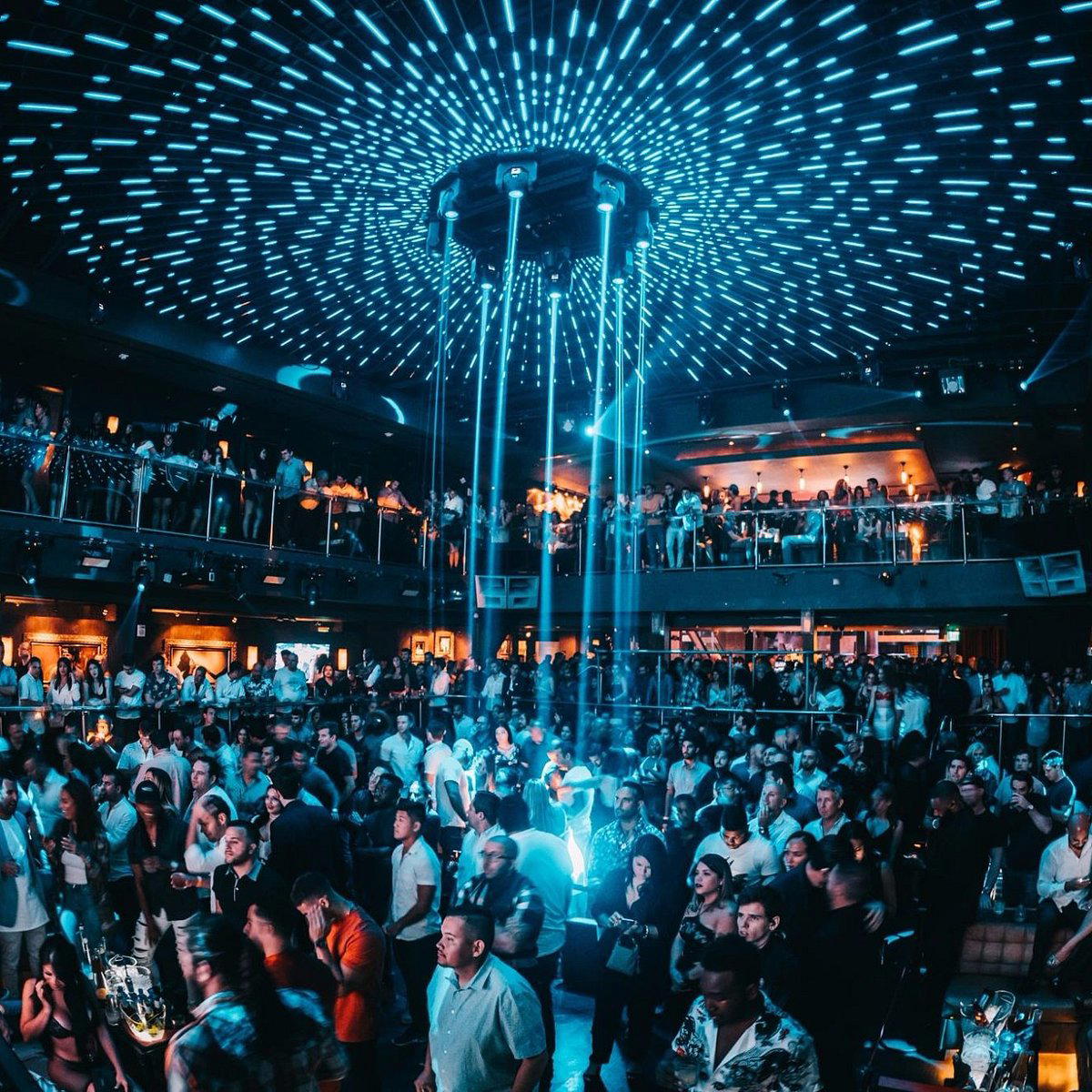
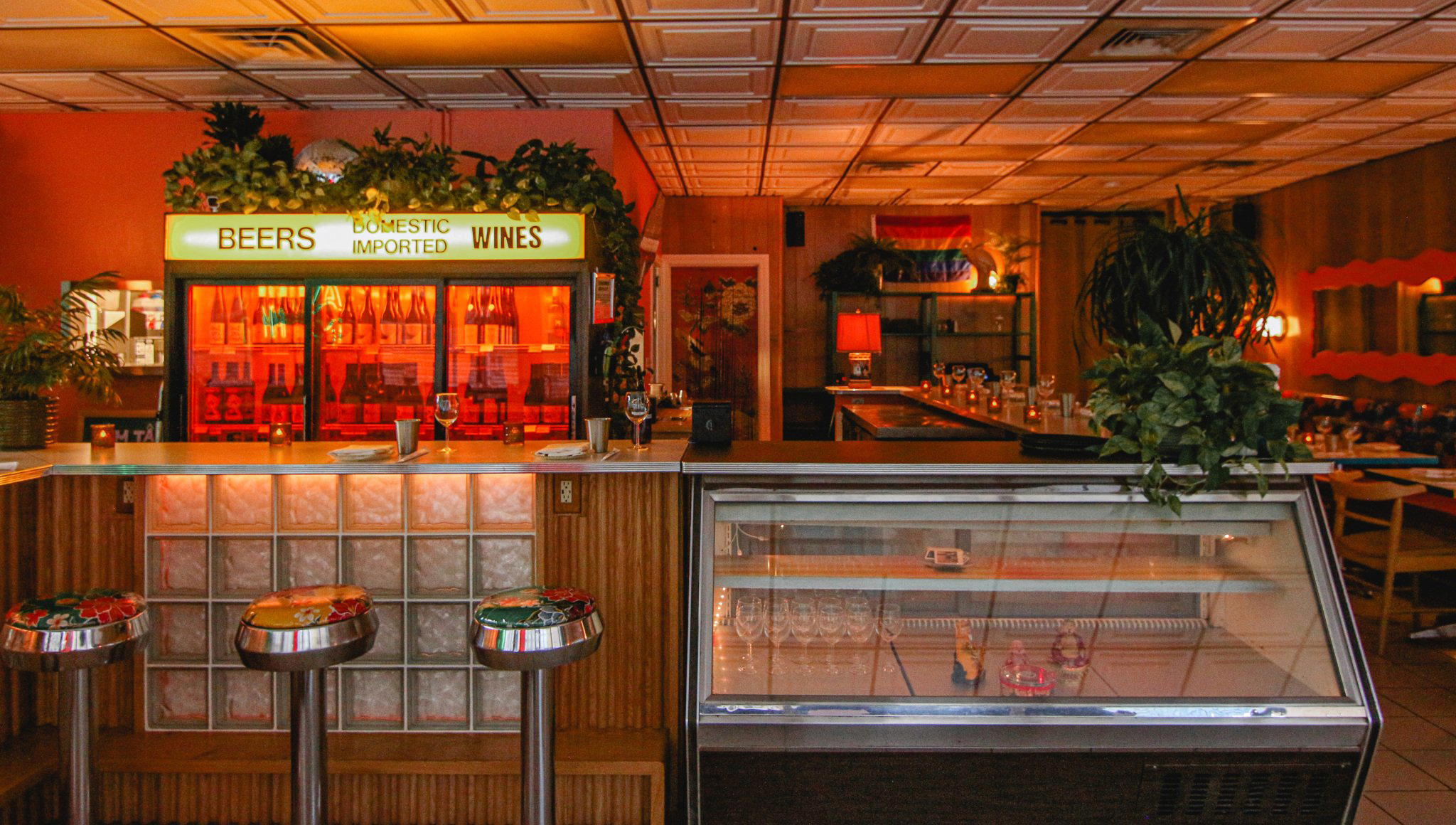
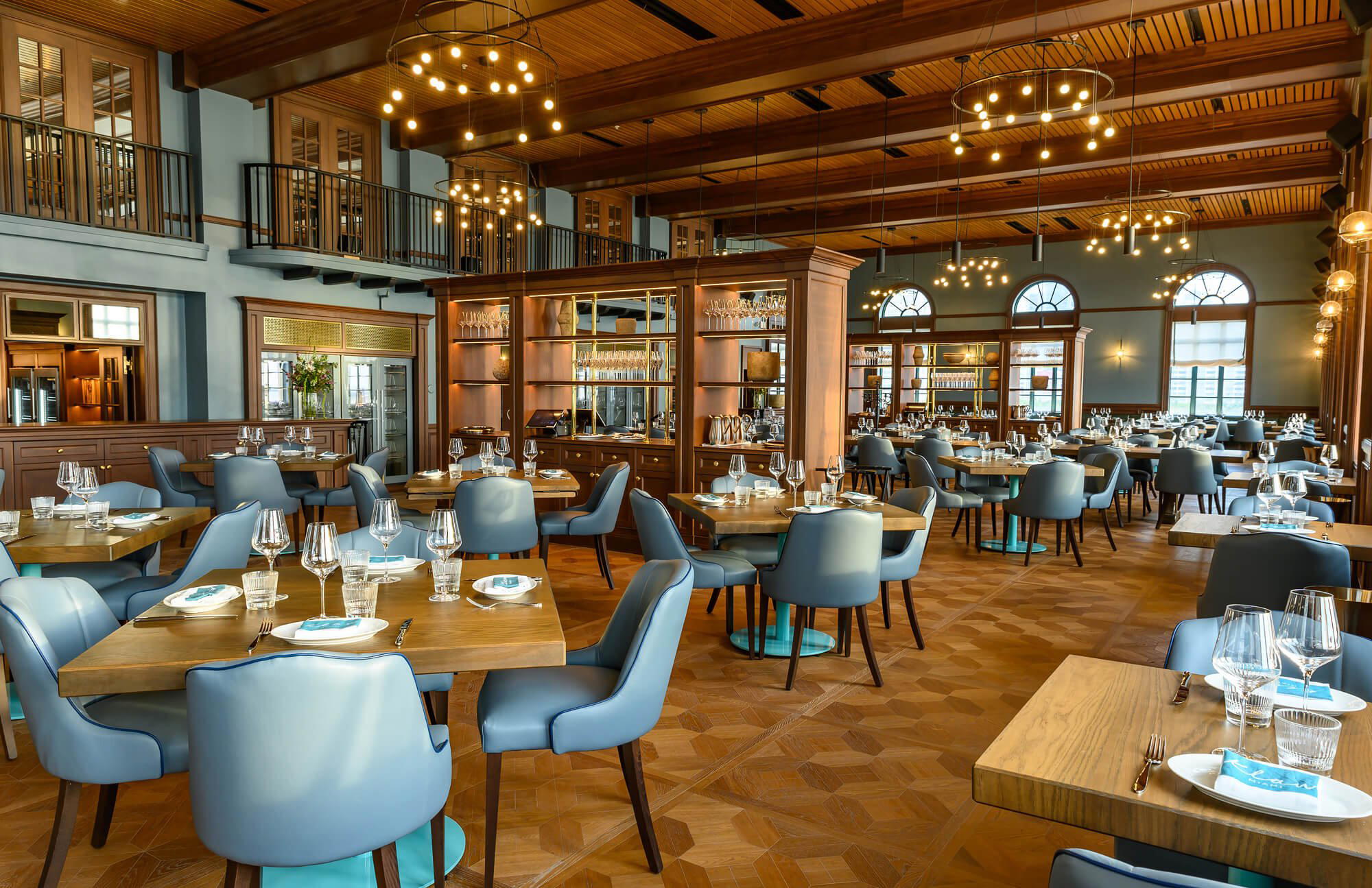
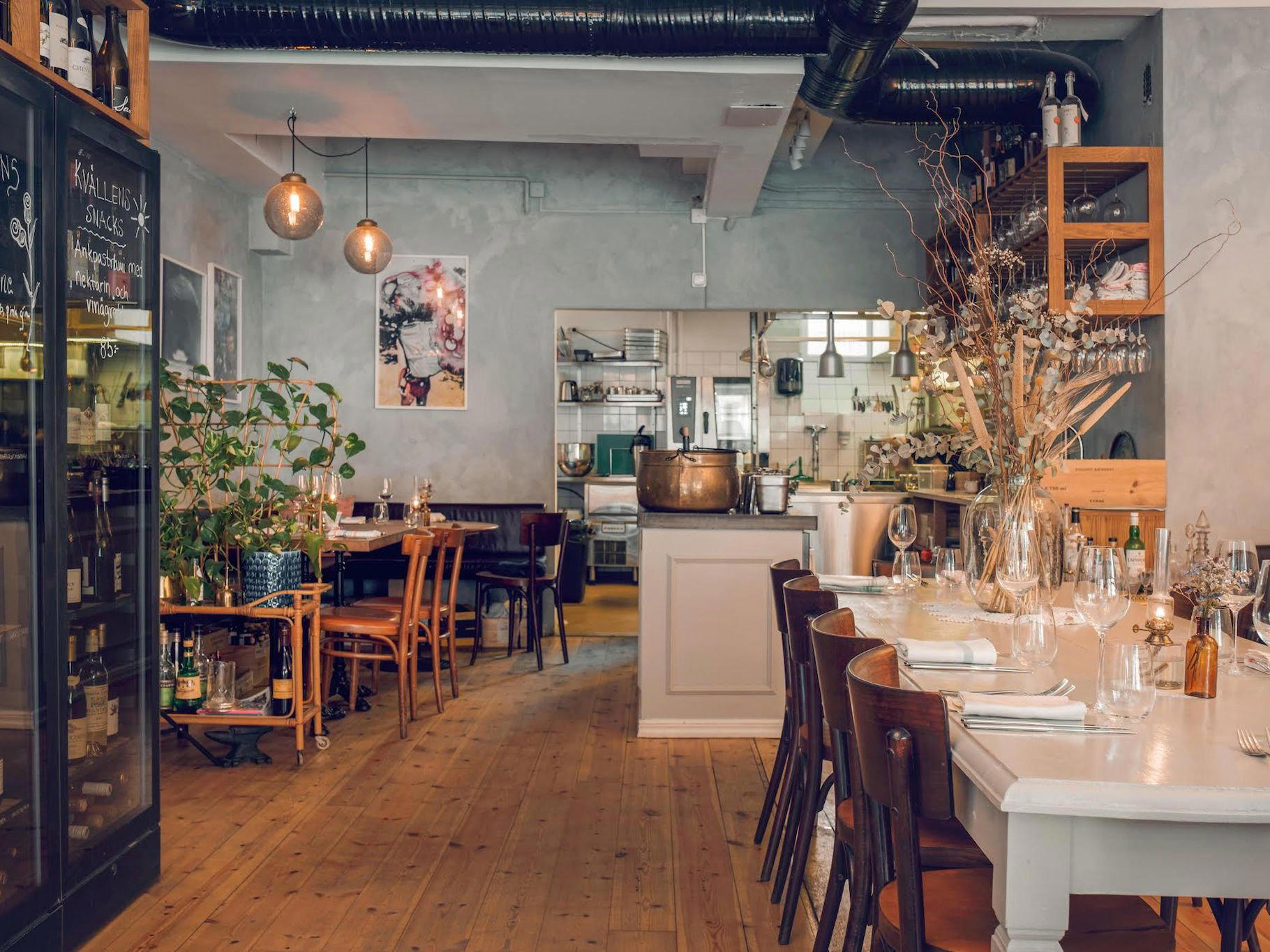
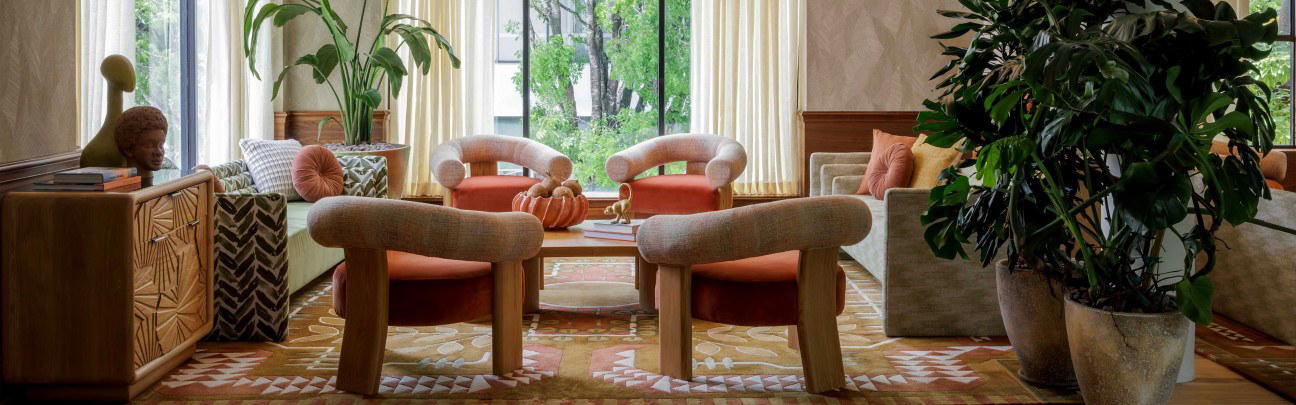
Dramatic three-story ceilings with golden light fixtures, long white drapery, glossy gold brick walls, dim lighting, and open kitchen views creating a glamorous, welcoming atmosphere.