Food Terminal

Michelin Plate
Our verdict
Atlanta's Michelin Plate-recognised Malaysian kitchen at 1000 Marietta St NW brings a cuisine largely absent from the city's fine-dining circuit to the Westside at accessible mid-range prices.

Pearl is the En Primeur Club membership app, where members save venues, book tables and use the concierge.
The menu
What to order
- Grandma Wonton BBQ Pork Tossed Noodles
- Honey Butter Garlic Noodles
- Bone Marrow Noodle Soup
- Thai Chili Pan Mee
Malaysian Cooking and the Westside Industrial Frame
Atlanta's Westside arts district around Marietta Street has spent the better part of a decade converting warehouse and industrial space into something the city's culinary scene could actually use: square footage with character. The building stock that once held light manufacturing now frames galleries, food halls, and independent kitchens. It is in this context, on the second floor at 1000 Marietta Street NW, that Food Terminal occupies its current position, a Malaysian kitchen inside a neighbourhood that Atlanta has repositioned as a creative corridor rather than a through-road.
Malaysian food in American cities occupies a specific structural position. It is rarely the cuisine that anchors a city's fine-dining identity (that role, in most American markets, goes to Japanese, French, or contemporary American formats like those at Bacchanalia or Atlas), and yet it carries genuine technical weight: the layered aromatics of rempah paste-building, the balance of coconut, tamarind, and dried chilli, the discipline of a good laksa broth or a properly rendered rendang. When a Malaysian kitchen earns Michelin recognition in a market like Atlanta, it signals that inspectors are finding execution at a level that holds up against the city's broader dining offer, which includes three Michelin-starred tasting menu restaurants in Lazy Betty, Hayakawa, and Mujō.
A Michelin Plate in a City That Now Reads the Guide
The 2025 Michelin Plate designation sits at a specific tier in the guide's hierarchy, below the star categories but above the surrounding noise. In a practical sense, it means inspectors found cooking that is good enough to warrant a recommendation, even if it stopped short of the starred tier. For a Malaysian kitchen in Atlanta, a city where Southeast Asian cooking has historically operated outside the guide's orbit, that distinction carries more weight than it might in, say, a market with a deeper bench of recognised Southeast Asian restaurants.
To place that in national context: serious Malaysian dining in the United States exists in a handful of coastal cities and university towns, and high-end Malaysian kitchens with institutional recognition, like Dewakan or Beta in Kuala Lumpur, have no real American analogue at scale. Food Terminal's Michelin Plate, then, positions it as part of a thin tier of American kitchens holding this cuisine to a standard the guide is willing to acknowledge. For Atlanta specifically, it adds another data point to the argument that the city's dining scene has broadened from its New American anchor into something with more geographic range.
A score at that level, sustained across a large review base, suggests consistent execution rather than occasional brilliance, a harder thing to maintain in practice and more meaningful to a reader trying to plan.
The Mid-Range Position and What It Means Here
The $$ price tier places Food Terminal well below Atlanta's starred tasting-menu bracket, where Lazy Betty and Atlas operate at the $$$$ level. That gap matters. It means a Michelin-acknowledged Malaysian kitchen is accessible at a price point where the decision is direct rather than an occasion-driven calculation. In cities like San Francisco, where Lazy Bear or Single Thread Farm in Healdsburg anchor the premium tier, the mid-range recognised operator fills a different civic role, it is where a city demonstrates depth across formats, not just height at the leading. The same argument applies in New York, where Le Bernardin represents one pole and recognised neighbourhood kitchens represent another.
For the reader making an Atlanta dining plan, that positioning simplifies decisions: Food Terminal sits in a peer group of accessible, specialist restaurants with documented recognition, distinct from the occasion-dining tier and distinct from the casual dining floor. It is the kind of slot that Emeril's in New Orleans or Alinea in Chicago do not occupy, those are destination formats. Food Terminal is a different kind of argument: specialist cuisine, honest pricing, and inspection-grade execution in a converted industrial building on the Westside.
Evolution as a Lens: How the Westside Shaped the Offer
The editorial angle of evolution applies here with some precision. Food Terminal's position as a Michelin Plate holder in 2025 reflects two converging trajectories: the Westside's own transition from underused industrial corridor to a neighbourhood with dining density, and Atlanta's broader shift from a city defined by its fine-dining anchor restaurants toward one where the guide recognises range across cuisine types and price points. A Malaysian kitchen on this block five years earlier would have been an outlier by location. Today it reads as a reasonable fit for a neighbourhood where the building stock attracts independent operators with specific culinary identities rather than chain formats.
That convergence of neighbourhood evolution and cuisine recognition is the story that Food Terminal sits inside. The kitchen's current direction, whatever internal changes it has navigated to reach a 2025 Michelin Plate, lands in a moment when Atlanta is being assessed with new rigour by international guides and when the Westside specifically is treated by locals and visitors as a legitimate dining destination rather than a detour.
Planning a Visit
Food Terminal is located at 1000 Marietta St NW, Unit 202, on Atlanta's Westside, in a second-floor unit inside what was historically industrial building stock. The Westside Arts District is accessible by car with parking options nearby, and the location sits within reasonable distance of the BeltLine's Westside Trail for visitors arriving on foot or by bicycle from adjacent neighbourhoods. Price per head at the $$ tier positions it comfortably below the tasting-menu bracket, making it a practical option across a range of dining occasions.
For broader context on Atlanta dining and travel planning, see our full Atlanta restaurants guide, our full Atlanta hotels guide, our full Atlanta bars guide, our full Atlanta wineries guide, and our full Atlanta experiences guide.
Frequently asked questions
Is Food Terminal good for families?
What kind of setting is Food Terminal?
What's the signature dish at Food Terminal?
Quick Comparison
Comparable venues nearby, for context on price, style, and recognition.
| Venue | Cuisine | Price | Awards | Notes |
|---|---|---|---|---|
| Food TerminalThis venue (the venue you are viewing) | Malaysian Pan-Asian Noodles | $20–30 | Michelin Plate | Not listed |
| Xi'an Gourmet House | Authentic Xi'an Chinese Noodles | $20–30 | Michelin Plate | Midtown |
| Buttermilk Kitchen | Southern Farm-to-Table Brunch | $20–30 | Diners, Drive-Ins and Dives Featured Restaurant | Sandy Springs |
| Talat Market | Northern Thai with Georgia Ingredients | $50–100 | Michelin Plate · James Beard Award Semi Finalist | Summerhill |
| Han Il Kwan | Traditional Korean Barbecue & Tofu House | $30–50 | Michelin Plate | Dunwoody North |
| Glenn's Kitchen | Southern American Comfort Food | $30–50 | Not listed | Downtown Atlanta |
Recognition history
Dated appearances from independent guides and award organizations, with the underlying list record or original source where available.
Michelin Plate
Michelin
Continue exploring
More in Atlanta
Restaurants in Atlanta
All restaurants in Atlanta →

Details
- Lively
- Trendy
- Modern
- Industrial
- Group Dining
- Casual Hangout
- Family
- Business Dinner
- Open Kitchen
- A La Carte
- Small Plates
- Family Style
- Vegetarian Friendly
Current opening hours
- Monday
- 11 AM–10 PM
- Tuesday
- Closed
- Wednesday
- 11 AM–10 PM
- Thursday
- 11 AM–10 PM
- Friday
- 11 AM–10 PM
- Saturday
- 11 AM–10 PM
- Sunday
- 11 AM–10 PM
Hours can change for holidays and private events. Hours as of .
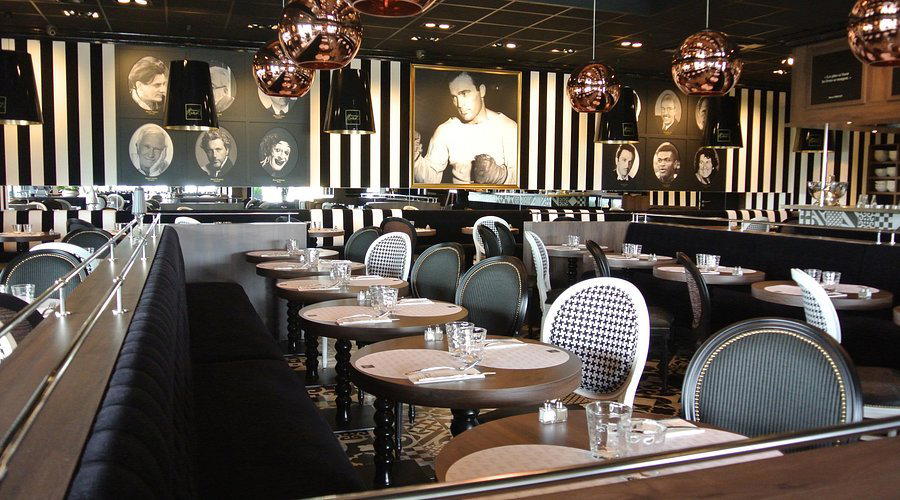
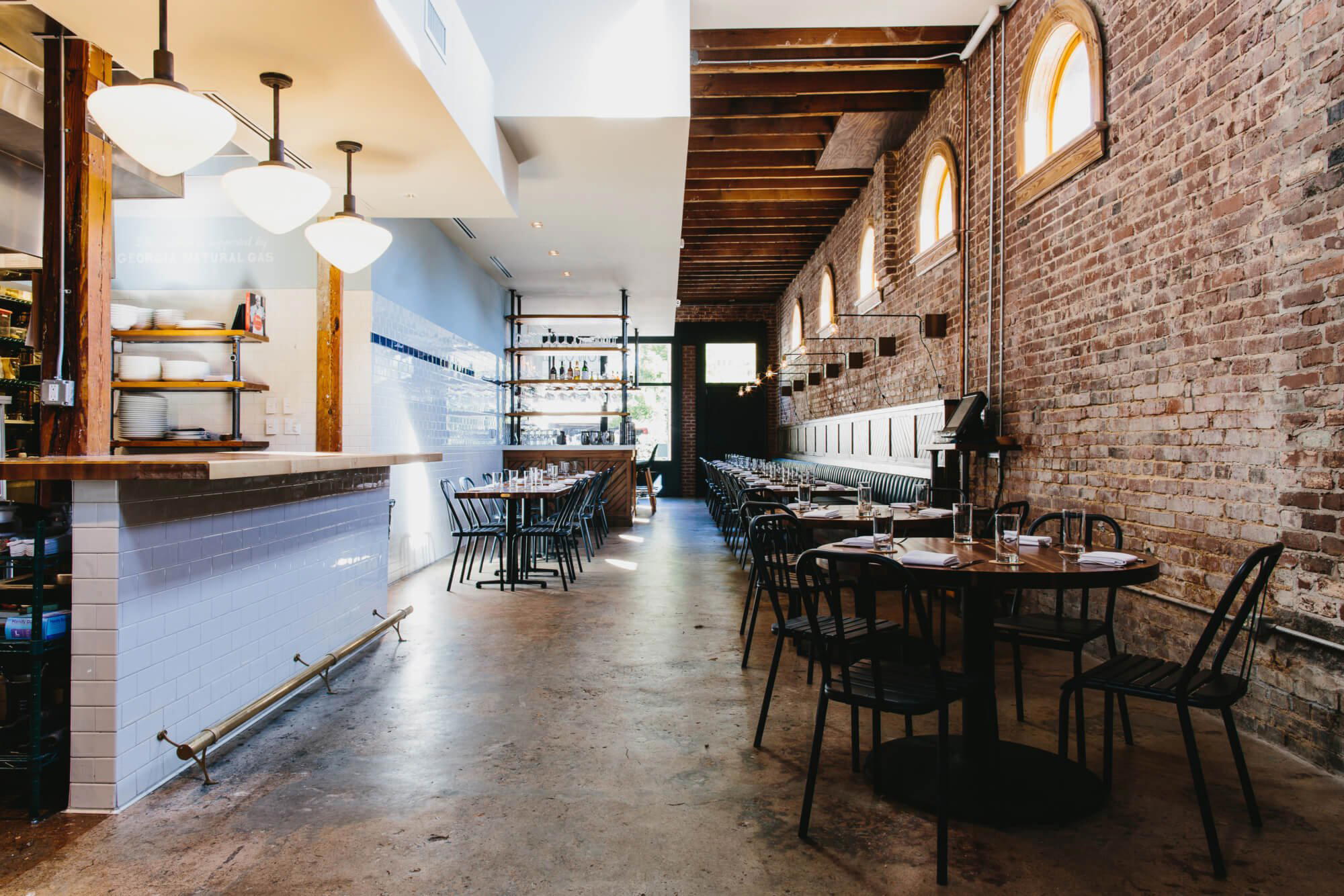
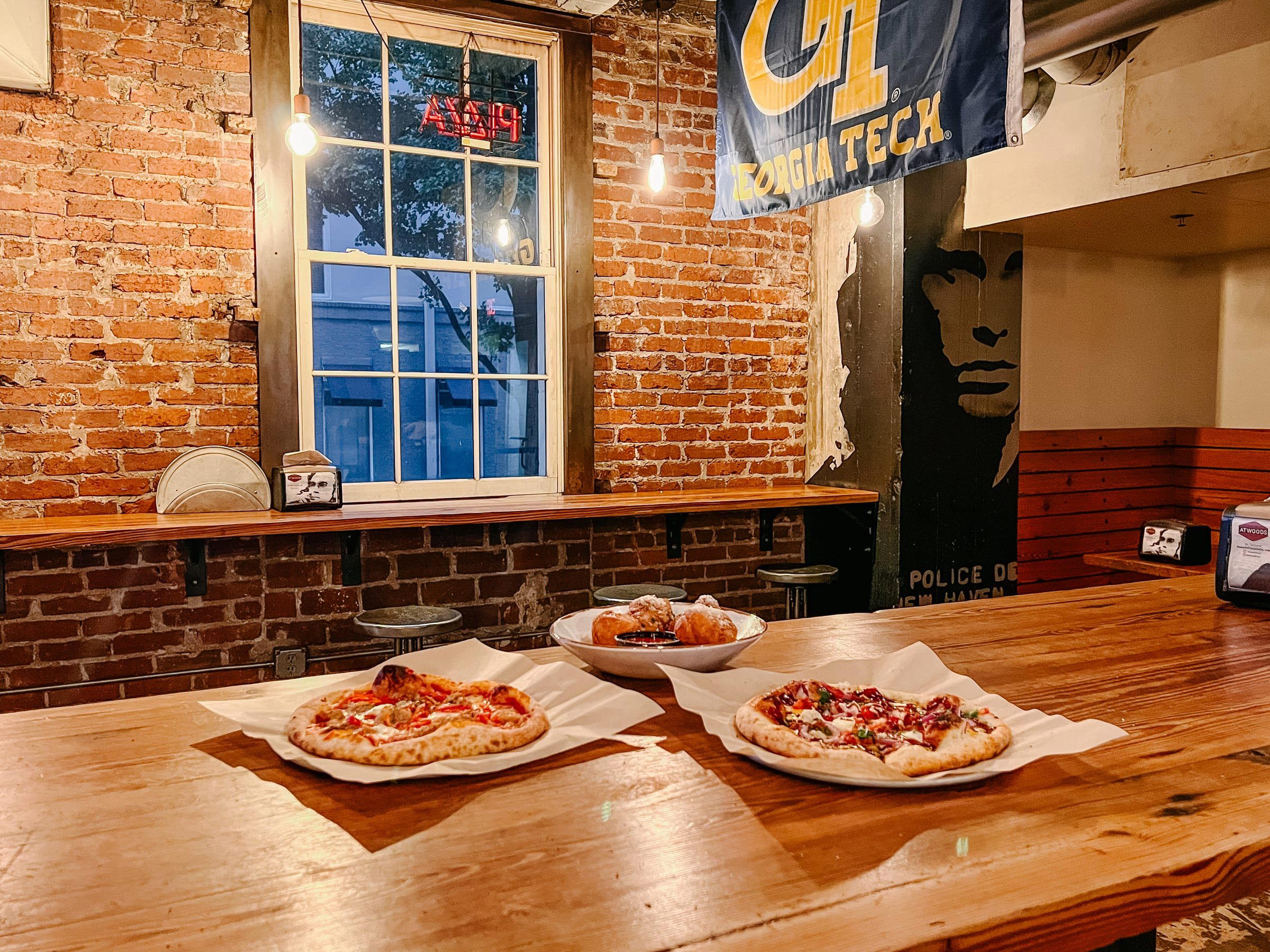
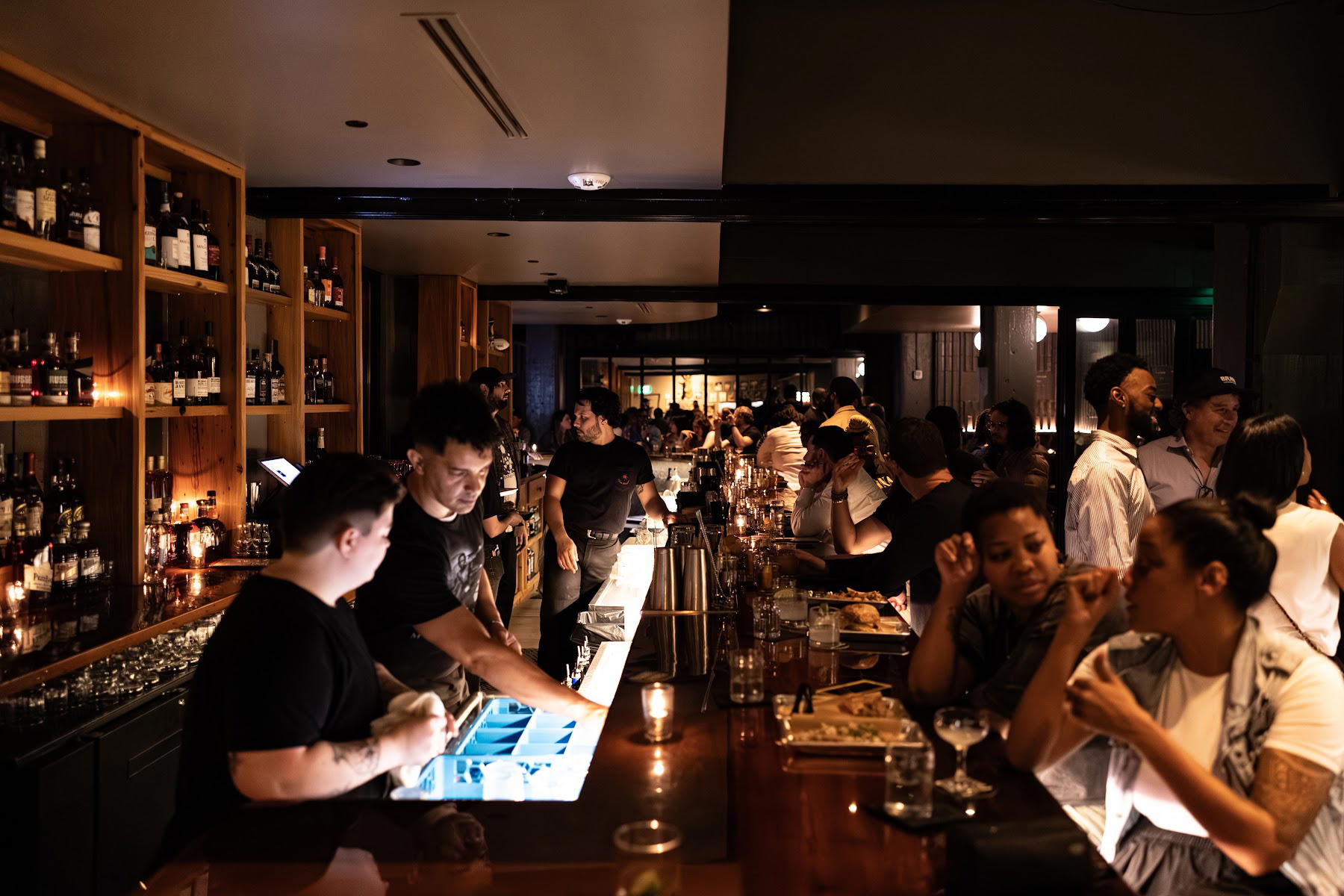
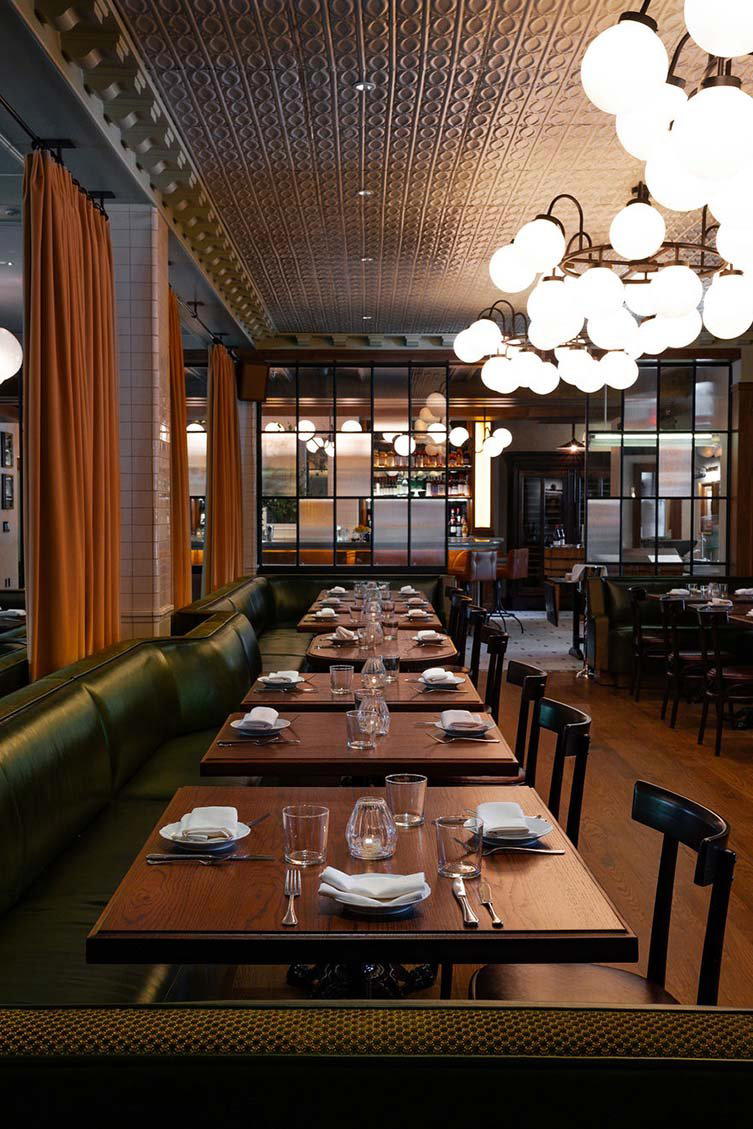
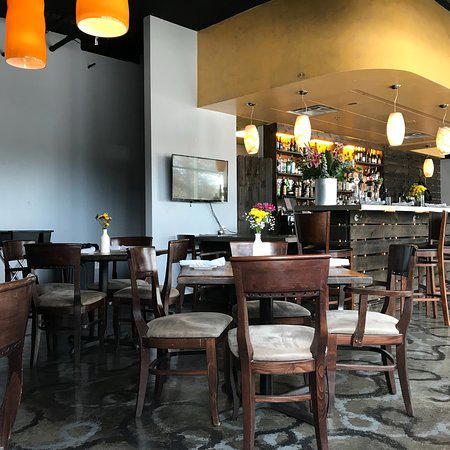
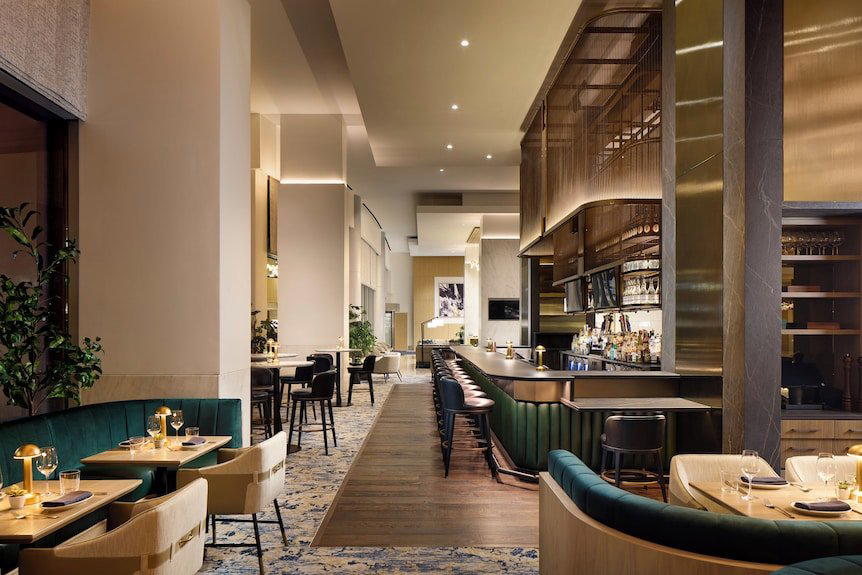
Spacious, bustling dining room with neon lights, industrial metal stools, and an open kitchen creating a lively, upscale food hall atmosphere.