Google: 4.6 · 1,531 reviews
Fonda San Francisco
.png)
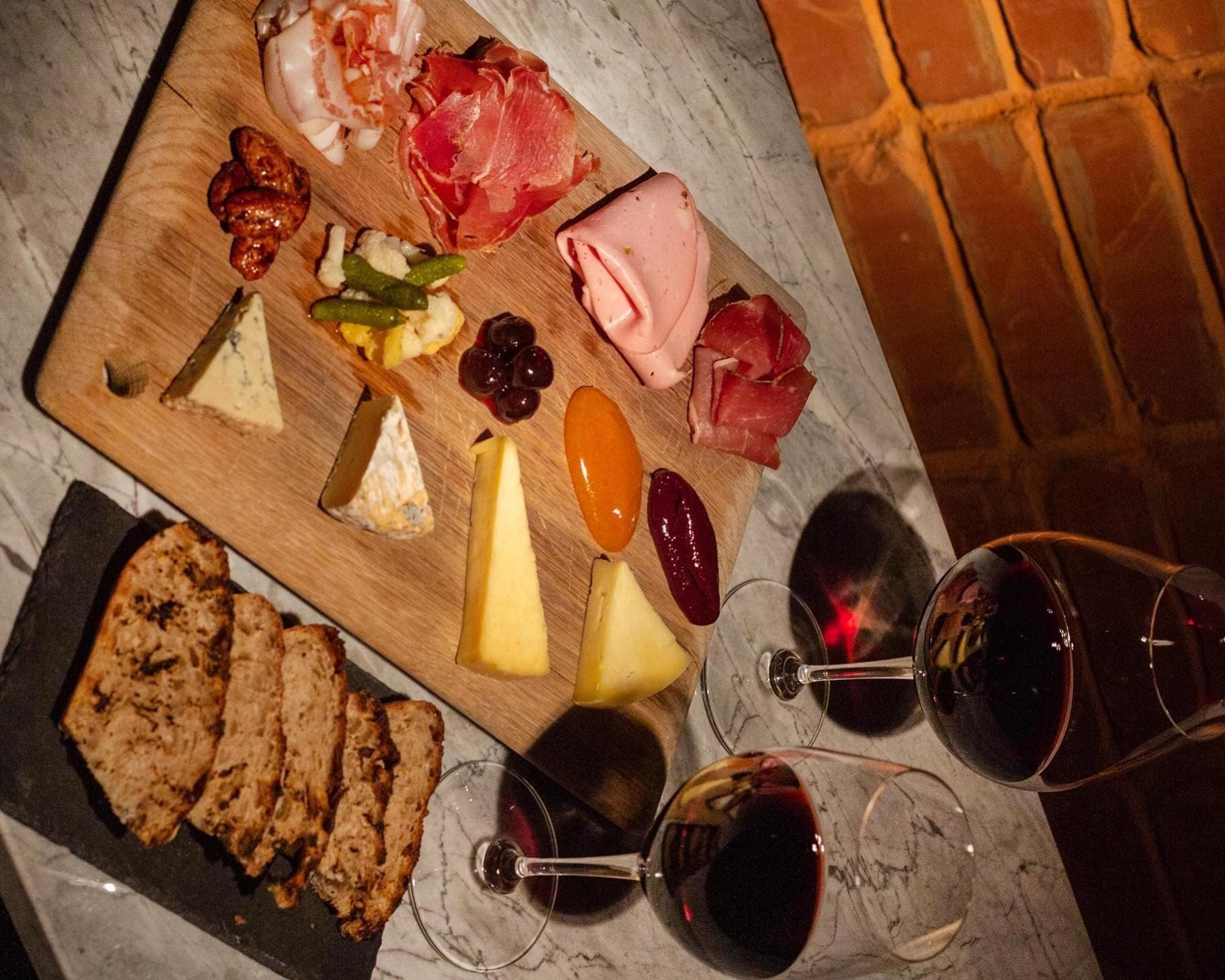
In San Pedro Garza García's Santa Engracia neighbourhood, Fonda San Francisco operates on a different register than the municipality's glossier dining rooms. Chef and owner Adrián Herrera keeps the format deliberately low-key: rustic Mexican comfort food, relaxed service, and hearty preparations like encacahuatadas and slow-stewed goat empalmes that make the case for honest, ingredient-led cooking over decorative plating.
 Discover on Pearl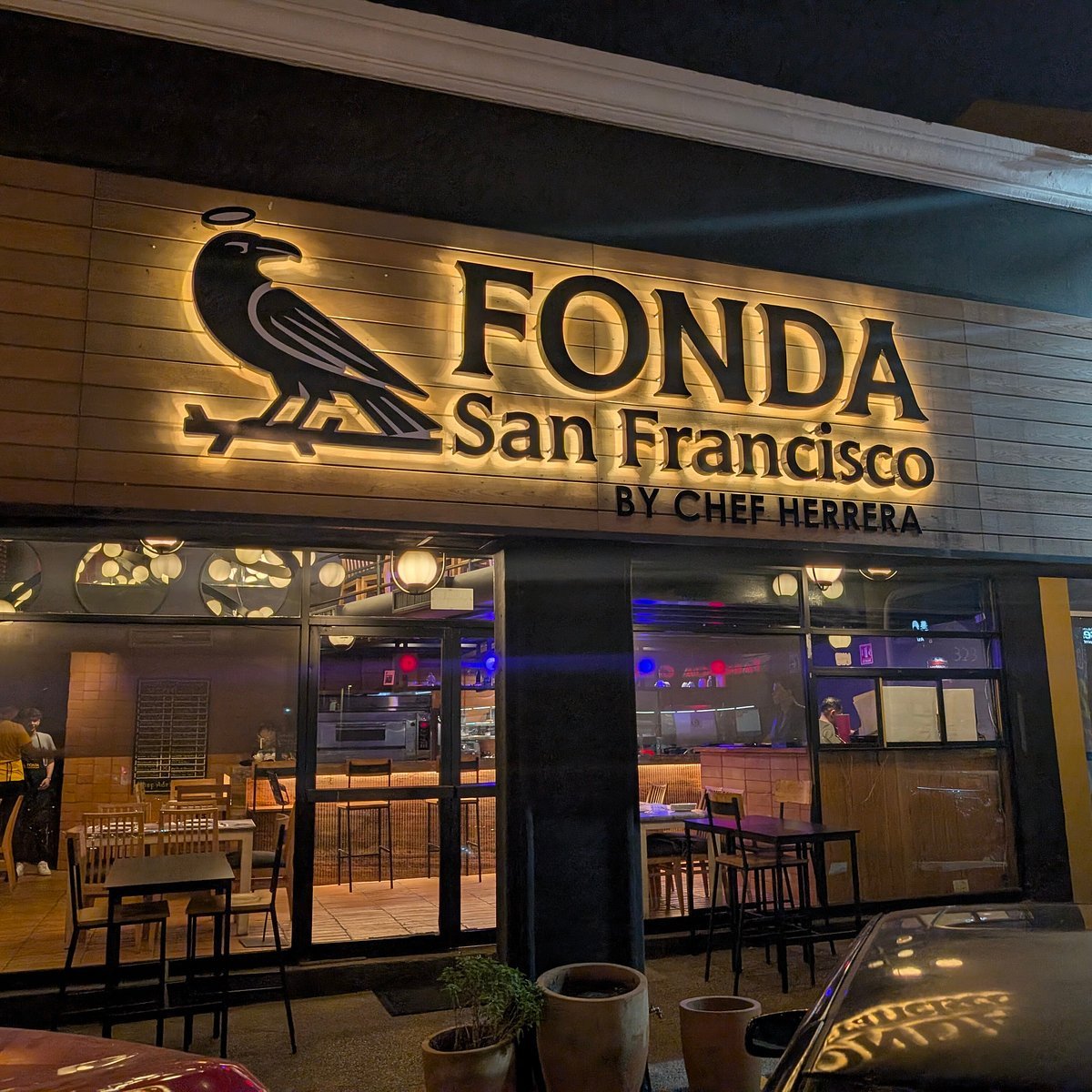
Comfort Cooking in a City That Favours Spectacle
San Pedro Garza García occupies an unusual position in Mexico's dining conversation. The municipality sits within the greater Monterrey metropolitan area but functions as its own economic enclave, one of the wealthiest zip codes in Latin America, and its restaurant scene reflects that: polished dining rooms, international formats, and a concentration of high-ticket tasting menus that would feel at home in any global capital. Against that backdrop, the fonda format, a Mexican institution rooted in working-class lunch culture, direct preparations, and communal atmosphere, operates as a kind of corrective. Fonda San Francisco, on Gómez Morín 323 in the Santa Engracia neighbourhood, is a clear example of how that format can hold its own in a wealthy municipality without softening its edges to appeal to the prevailing aesthetic. For a broader look at where it fits within the local dining scene, see our full San Pedro Garza García restaurants guide.
What a Fonda Actually Is, and Why It Matters Here
The fonda is one of Mexico's most durable culinary institutions. Historically tied to affordable midday meals, the format prioritises volume, warmth, and familiarity over refinement. Dishes are drawn from regional home cooking traditions, portions are generous, and the expectation is sustenance rather than spectacle. In cities where fine dining has absorbed so much cultural oxygen, the fonda survives not by competing on those terms but by offering something the tasting-menu circuit cannot: food that feels like it comes from somewhere specific, cooked by someone who understands the source material at a domestic, ingredient-level depth. That specificity is the argument for places like Fonda San Francisco in a city with serious competition from operations like Pangea in San Pedro Garza García and, further afield, heavily decorated contemporary Mexican restaurants such as Pujol in Mexico City or Le Chique in Puerto Morelos.
The Ingredients Behind the Dishes
The editorial angle that makes rustic Mexican cooking worth taking seriously is rarely the technique, though technique matters, but the sourcing logic embedded in each dish. Encacahuatadas, corn tortillas bathed in a peanut-based sauce, rely entirely on the quality and freshness of those peanuts, the fat content and grind, the balance of dried chile and aromatics. There is nowhere to hide in a sauce this direct. Empalmes, a northern Mexican preparation of stacked tortillas with filling, similarly expose their ingredients: the goat in Fonda San Francisco's version is described as supremely tender and juicy through slow stewing, a result that comes from choosing the right cut, the right animal, and the right time. Northern Mexico's ranching tradition gives Monterrey and its municipalities a native advantage in goat and beef preparations that restaurants in other regions can only approximate.
This is the sourcing argument in practice. Ingredient-led cooking of this type, earthy, direct, built on proteins and grains with deep regional roots, sits at a different point on the quality spectrum than farm-to-table marketing suggests. It precedes that conversation. The fonda format has always worked this way, drawing on whatever the market and season provide, processing it simply and serving it at volume. Comparable approaches in contemporary Mexican fine dining, places like Levadura de Olla Restaurante in Oaxaca or Animalón in Valle de Guadalupe, have essentially reverse-engineered this logic into tasting-menu formats at substantially higher price points. At Fonda San Francisco, the logic remains intact in its original form.
Adrián Herrera and the Gap Between Brand and Room
Chef and owner Adrián Herrera carries what the venue's own description calls an outsized personal brand, which creates an interesting dynamic with the deliberately under-the-radar format he has chosen for this space. In Mexican restaurant culture, the chef-as-public-figure has become a significant marketing mechanism, particularly as the country's dining scene has drawn international critical attention. Operations anchored by personality tend to migrate toward formats that display that personality: tasting menus, open kitchens, press-friendly aesthetics. Fonda San Francisco moves in the opposite direction. The room does not perform ambition. The service does not perform formality. The cooking does not perform refinement. That gap between chef profile and venue format is either a deliberate act of positioning or a statement about what Herrera considers worth doing on a given day. Either reading is more interesting than a direct brand extension would be.
Across Mexico, chefs who operate at multiple registers often produce their most ingredient-honest work in the lower-key format. The comparison set here is less the contemporary Mexican tasting circuit and more the working lunch rooms that have anchored regional Mexican cooking for generations. For broader context on what Mexico's serious dining rooms are doing at the premium end, KOLI Cocina de Origen in Monterrey offers a useful local reference point, while Alcalde in Guadalajara and Arca in Tulum show how that conversation plays out in other regions.
The Room and the Experience
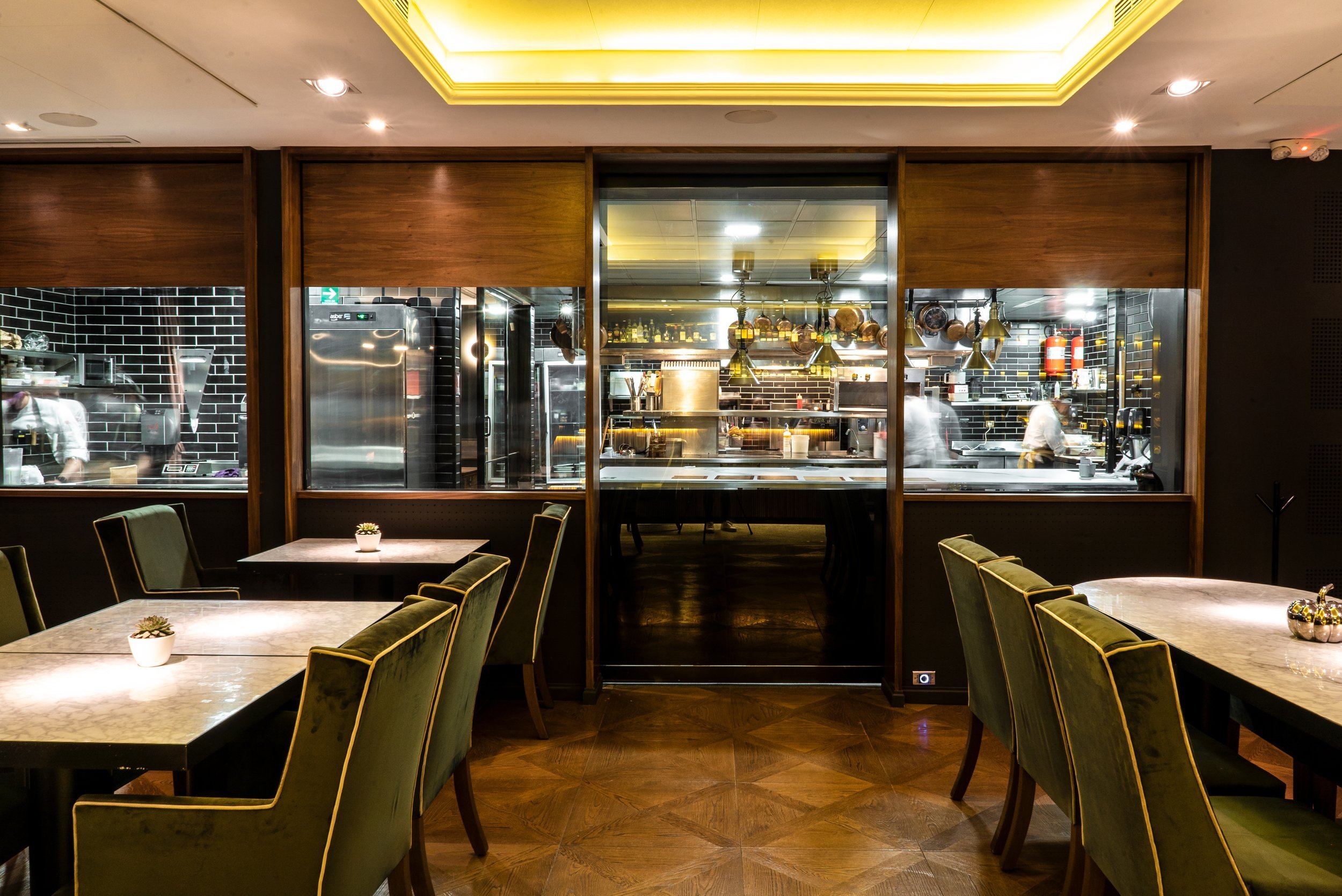
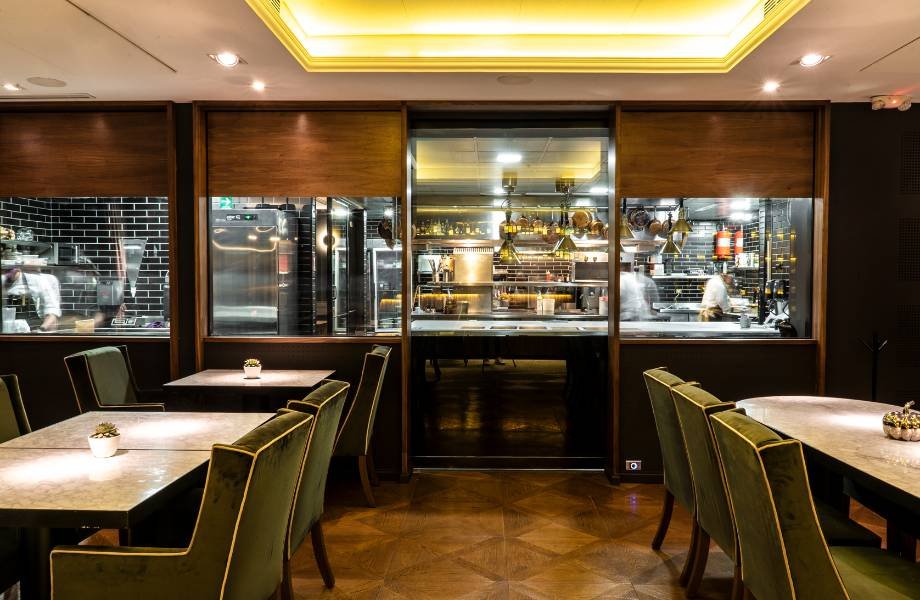
Fonda San Francisco positions itself as humble by design. The vibe is relaxed and friendly, with none of the formality that San Pedro Garza García's wealthier dining rooms typically deploy. The cooking is described as rustic, and the room presumably matches: this is not a space where the design story competes with the plate. For a municipality that has seen significant investment in high-production dining environments, that restraint is itself a choice, and a legible one. The draws are direct: hearty food, good drinks, an atmosphere that does not require the guest to meet the room halfway.
Visitors building a broader picture of San Pedro Garza García's hospitality offer can cross-reference with our full San Pedro Garza García hotels guide, our full San Pedro Garza García bars guide, and our full San Pedro Garza García experiences guide. For those specifically interested in how the regional wine and beverage scene connects to food of this type, our full San Pedro Garza García wineries guide provides additional context. Internationally calibrated reference points for ingredient-led Mexican cooking in fine-dining formats include HA' in Playa del Carmen, Olivea Farm to Table in Ensenada, and Lunario in El Porvenir. For comparison outside Mexico, Le Bernardin in New York City and Emeril's in New Orleans represent ingredient-first philosophies applied at an entirely different price tier and format.
Planning Your Visit
Fonda San Francisco is located at Gómez Morín 323, Santa Engracia, San Pedro Garza García. Phone, website, hours, and booking method are not confirmed in the current record, so the practical advice here is to verify current operating details directly before visiting. Given the format, walk-ins are plausible, but Herrera's profile means demand may exceed what a small, casual room can absorb on busy midday service. Arriving outside peak lunch hours is a reasonable approach if availability is uncertain.
Peer Set Snapshot
These are the closest comparables we have in our database for quick context.
| Venue | Cuisine | Price | Awards | Notes |
|---|---|---|---|---|
| Fonda San Francisco | As the name indicates, this is a humble establishment, with an under-the-radar v… | This venue | ||
| Pujol | Mexican | $$$$ | Michelin 2 Star | Mexican, $$$$ |
| Quintonil | Modern Mexican, Contemporary | $$$$ | Michelin 2 Star | Modern Mexican, Contemporary, $$$$ |
| Rosetta | Italian, Creative | $$ | Michelin 1 Star | Italian, Creative, $$ |
| Em | Mexican | $$$ | Michelin 1 Star | Mexican, $$$ |
| Le Chique | Mexican, Contemporary | $$$$ | Michelin 1 Star | Mexican, Contemporary, $$$$ |
Continue exploring
More in San Pedro Garza Garcia
Restaurants in San Pedro Garza Garcia
Browse all →
Bars in San Pedro Garza Garcia
Browse all →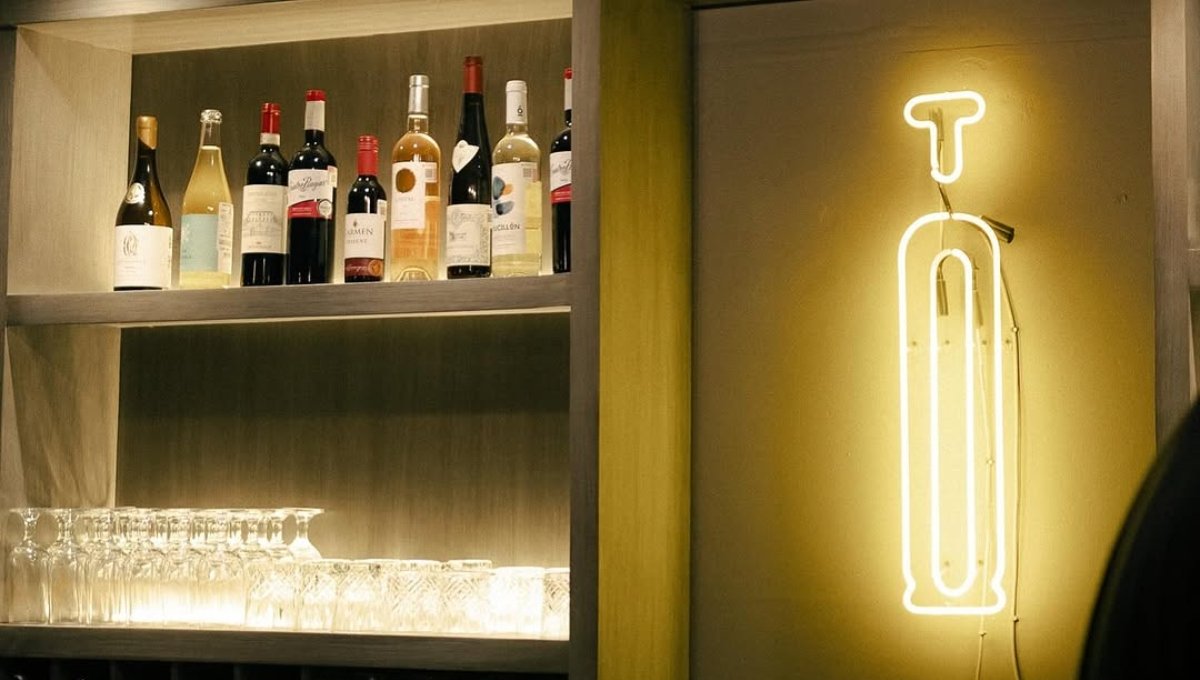
At a Glance
- Rustic
- Hidden Gem
- Intimate
- Cozy
- Casual Hangout
- Group Dining
- Date Night
- Standalone
- Open Kitchen
- Beer Program
- Local Sourcing
Intimate and informal with a deliberately understated aesthetic—described as a small space with a steel garage-style door entrance, decorated like a traditional Mexican fonda with ingenious details, warm lighting, and a relaxed, friendly atmosphere that prioritizes food over fancy trappings.