Fogo de Chão Brazilian Steakhouse
Fogo de Chão brings the Brazilian churrascaria tradition to Beverly Hills, translating the gaucho ranching culture of southern Brazil into a continuous parade of fire-roasted meats carved tableside. The format sits in a distinct category from the city's conventional steakhouses, where cuts are sourced and priced individually. Located on La Cienega Boulevard, it anchors the dining corridor between Beverly Hills and West Hollywood.
Pearl is the En Primeur Club membership app — saves, bookings, and concierge access live there. Same editors, same standards.
- Address
- 133 N La Cienega Blvd, Beverly Hills, CA 90211
- Phone
- (310) 289-7755
- Website
- fogodechao.com
- Directions
- Get directions
 Saves & bookings on Pearl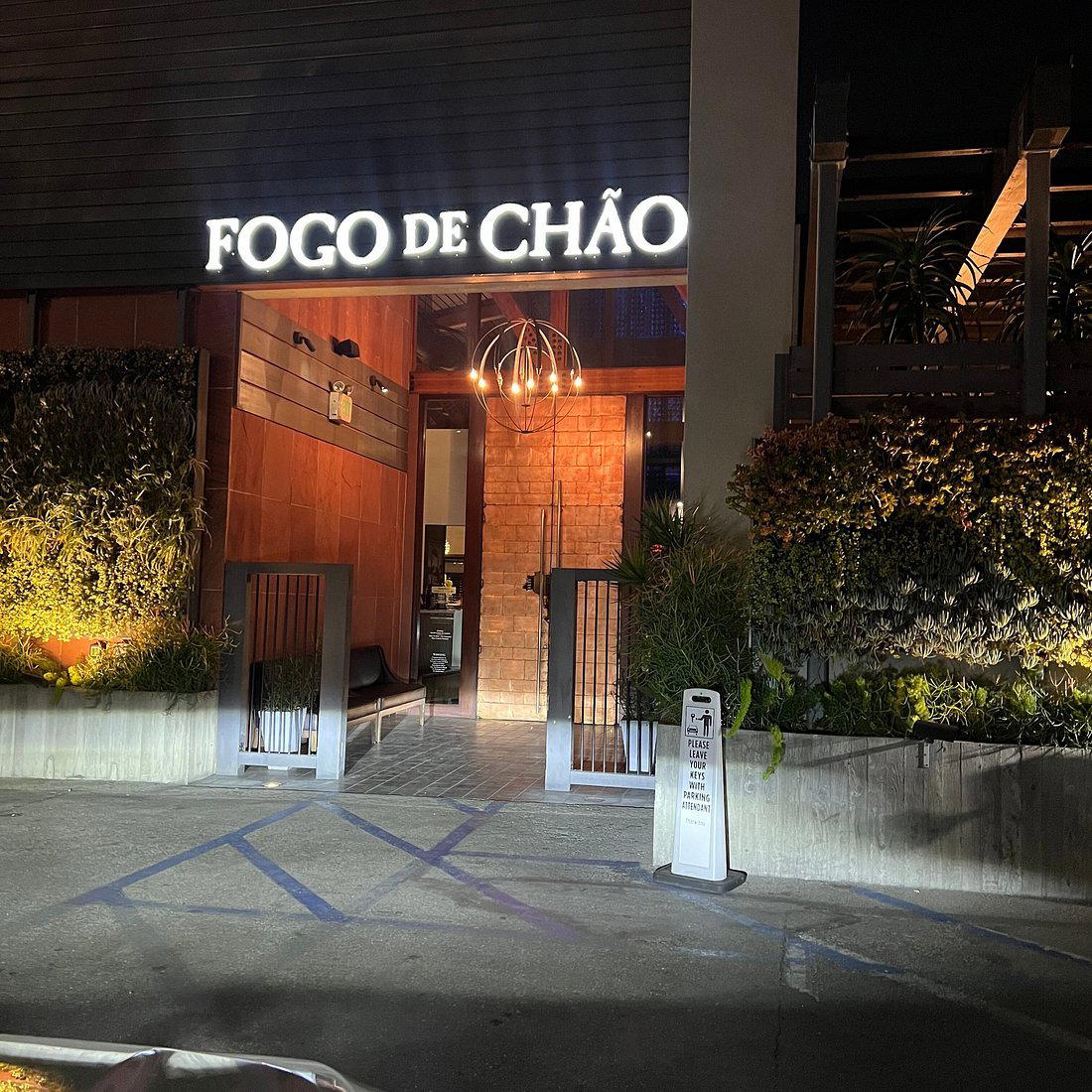
Fire and Format: The Brazilian Churrascaria on La Cienega
La Cienega Boulevard has long functioned as one of Los Angeles County's primary steakhouse corridors, carrying diners from Beverly Hills south through West Hollywood with a density of meat-focused restaurants that few other streets in California can match. Fogo de Chão Brazilian Steakhouse is a Brazilian churrascaria in Beverly Hills, known for rodízio service and a full salad bar. Where a table at 208 Rodeo or Beverly Hills Grill involves selecting individual cuts from a printed menu, the churrascaria asks guests to engage with a rotating sequence of meats brought continuously to the table, each carved to order from long skewers by servers called gauchos.
The physical experience of arriving at Fogo de Chão on La Cienega signals this difference before the first plate arrives. The room is built around volume and movement: the circulation of servers, the live fire of the churrasqueira kitchen, and the social rhythm of a format designed for extended, communal eating. This is not the hushed, dimly lit register of Beverly Hills fine dining. It operates at a different frequency, one calibrated to the gathering traditions of Rio Grande do Sul, the southernmost Brazilian state where the churrasco culture took its most organised form.
What the Gaucho Tradition Actually Means for the Plate
The churrascaria model that Fogo de Chão represents globally traces its origins to the pastoral ranching economy of southern Brazil, where cattle ranchers, or gaúchos, developed a cooking practice built around open fire and minimal equipment. Meat was skewered, salted, and slow-rotated over live coals. The cooking demanded knowledge of the animal, attentiveness to heat, and an understanding of which cuts rewarded longer exposure to flame and which required restraint. That heritage is the editorial and operational premise of the churrascaria as a format, and it explains why the sourcing conversation matters here in a way that differs from conventional steakhouse discourse.
At American churrascarias operating in the Fogo de Chão model, the variety of cuts served over the course of a meal typically exceeds what any single à la carte steakhouse table would order across multiple visits. Picanha, the sirloin cap prized in Brazilian cooking for its fat cap and relatively coarse grain, is the cut most closely associated with the tradition and the one that most distinguishes the format from American steakhouse convention, where the cut is rarely featured at all. Alongside it, the rotation typically includes bottom sirloin, ribeye, lamb, chicken wrapped in bacon, and various preparations of pork and sausage. The breadth of the sourcing requirement, across species and across cuts rarely spotlighted elsewhere, is what makes the churrascaria kitchen meaningfully different from its Beverly Hills neighbours.
For a city that has developed significant sourcing awareness in its restaurant culture, particularly at farm-to-table anchors like Blue Hill at Stone Barns in Tarrytown or tightly ingredient-driven programs like Single Thread Farm in Healdsburg, the churrascaria occupies a different register of that conversation. The sourcing logic here is about volume, variety, and consistency across a high-turnover service model rather than about hyper-local provenance or minimal-intervention philosophy. Both approaches take the ingredient seriously; they simply do so with different tools and toward different ends.
Beverly Hills in Context: Where the Churrascaria Sits
Beverly Hills has a restaurant culture structured around a few reliable categories: the celebrity-frequented Italian rooms (see Baldi or Cafe Amici), the high-end Californian and European formats (the tasting-menu world represented nationally by venues like The French Laundry in Napa or Providence in Los Angeles), the old-money continental dining rooms (represented in Beverly Hills by Cipriani), and the prestige steakhouse tier. Fogo de Chão doesn't map cleanly onto any of these. It belongs to a category with its own competitive logic, one in which the comparison set is not CUT Beverly Hills or Spago but rather other churrascaria operators in the broader metro area.
That positioning has practical implications for how the dining experience should be read. The format is more gregarious and more physically active than most Beverly Hills dining rooms. Groups celebrate here; deals are not brokered over the quiet of a tasting menu but over the managed chaos of circulating skewers and a market table that functions as a generous supporting act to the main protein rotation. Guests use a small indicator card, green on one side for more, red on the other for pause, to communicate with servers. The mechanics of the format are part of its appeal and part of what makes it resistant to comparison with the à la carte alternatives on the same street.
The churrascaria tradition is well enough established in American dining culture now that it no longer reads as novel, but its presence on this particular stretch of La Cienega remains a genuine alternative to the standard Beverly Hills steakhouse calculus.
Planning Your Visit
Fogo de Chão Beverly Hills is located at 133 N La Cienega Boulevard, Beverly Hills, CA 90211, on a stretch well served by rideshare from West Hollywood and the broader Los Angeles basin. The all-inclusive churrascaria format means guests pay a single per-person rate that covers the meat rotation and access to the market table, with beverages priced separately. This format rewards those who arrive hungry and intend to remain at the table for an extended meal. Lunch service, where available, typically runs at a lower price point than dinner, making it a more accessible entry into the format for first-timers. Reservations are recommended. For large parties, contacting the venue directly ahead of time is the more reliable approach than walk-in.
City Peers
Comparable venues nearby, for context on price, style, and recognition.
| Venue | Cuisine | Price | Notes |
|---|---|---|---|
| Fogo de Chão Brazilian SteakhouseThis venue — the venue you are viewing | Brazilian Churrasco Steakhouse | $$$$ | Not listed |
| 208 Rodeo | Modern Californian with Pan-Asian and Italian Influences | $$$$ | Beverly Hills |
| La Dolce Vita | Classic Italian Red Sauce | $$$$ | Beverly Hills |
| Marea Beverly Hills | High-End Coastal Italian | $$$$ | Beverly Hills |
| Monsieur Dior by Dominique Crenn | Haute French Gastronomy by Dominique Crenn | $$$$ | Beverly Hills |
| Joss Cuisine | Sophisticated Cantonese & Hong Kong Cuisine | $$$ | Beverly Hills |
Continue exploring
More in Beverly Hills
Restaurants in Beverly Hills
Browse all →
Bars in Beverly Hills
Browse all →
Hotels in Beverly Hills
Browse all →
Wineries in Beverly Hills
Browse all →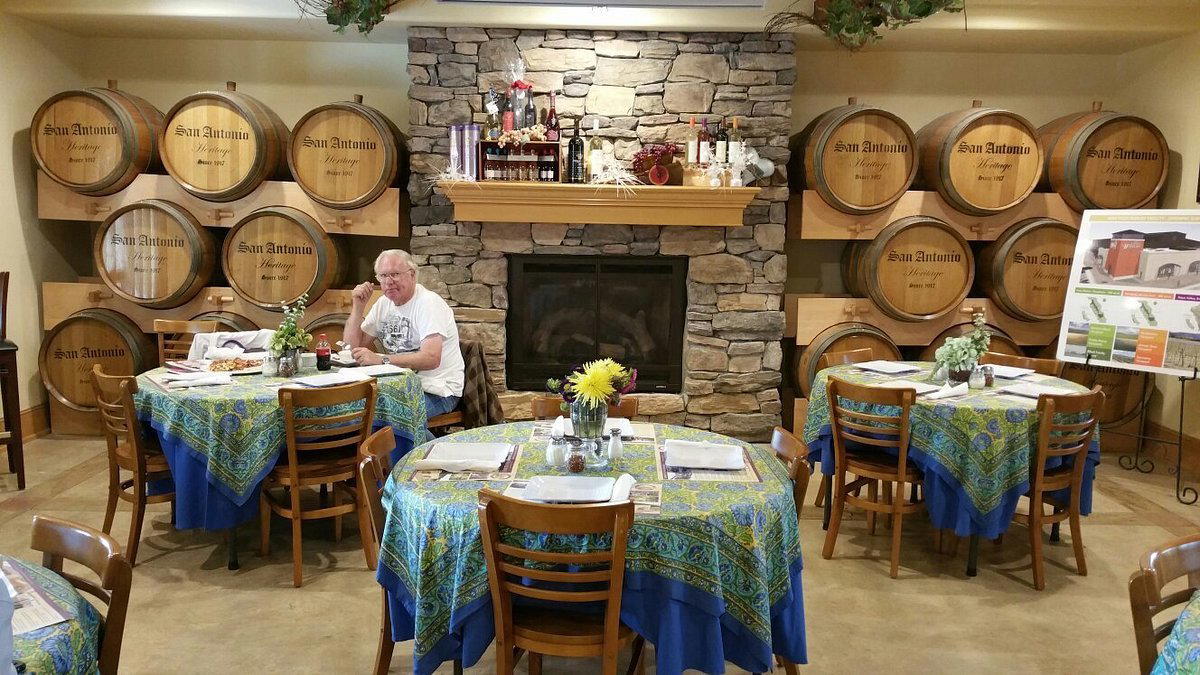
At a Glance
- Elegant
- Lively
- Sophisticated
- Group Dining
- Celebration
- Special Occasion
- Open Kitchen
- Private Dining
- Wine Cellar
- Extensive Wine List
Current opening hours
- Monday
- 11:30 AM–10 PM
- Tuesday
- 11:30 AM–10 PM
- Wednesday
- 11:30 AM–10 PM
- Thursday
- 11:30 AM–10 PM
- Friday
- 11:30 AM–10:30 PM
- Saturday
- 11:30 AM–10:30 PM
- Sunday
- 11:30 AM–9 PM
Hours can change for holidays and private events. Last verified .
Lively atmosphere with views of the wine cellar and grand Market Table, featuring warm lighting and energetic service.