Flora
Flora sits along Allen Parkway in Houston's Buffalo Bayou corridor, offering a dining format that positions it within the city's upper tier of progressive American restaurants. The address places it steps from one of Houston's most considered stretches of green space, and the kitchen operates at a level that rewards advance planning. Expect a multi-course format, careful sourcing, and a room that draws a well-traveled crowd.
Pearl is the En Primeur Club membership app — saves, bookings, and concierge access live there. Same editors, same standards.
- Address
- 3422 Allen Pkwy, Houston, TX 77019
- Phone
- +17133606477
- Website
- florahouston.com
- Directions
- Get directions
 Saves & bookings on Pearl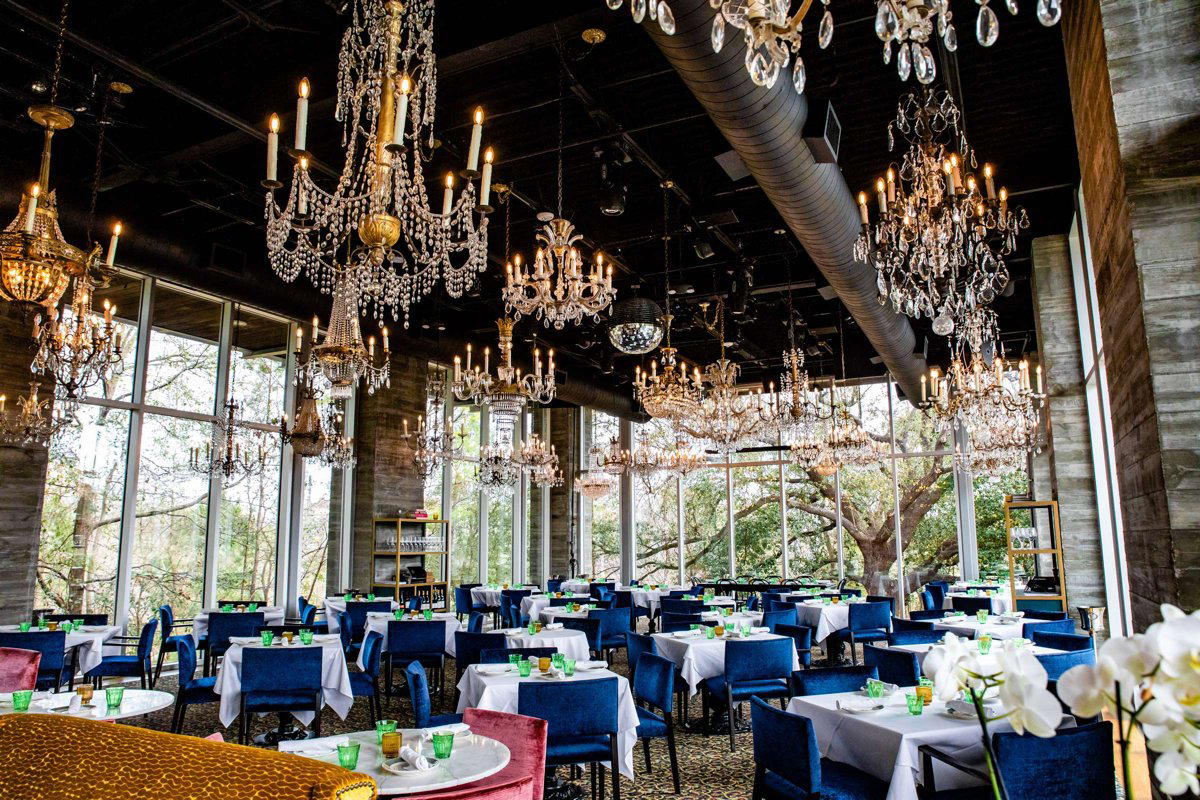
What the Address Signals
Allen Parkway runs along the northern edge of Buffalo Bayou, a corridor that has quietly accumulated some of Houston's most considered dining addresses over the past decade. The stretch connecting Montrose to Memorial Park sits at the intersection of old Houston money and a newer generation of food-serious residents, and restaurants here tend to price and program accordingly. Flora, at 3422 Allen Pkwy, occupies that position: not a neighborhood spot in any casual sense, but a destination that requires intention to reach and intention to book.
Houston's fine dining tier has expanded considerably since the mid-2010s. The city now carries a cohort of multi-course, sourcing-led restaurants that measure themselves against national peers rather than local convention. March, with its Venetian framework and tasting menu discipline, represents one pole of that ambition. Musaafer anchors another corner, bringing high-format Indian cooking to a city already fluent in the cuisine's breadth. Flora operates in the same broad tier, a restaurant where the meal is structured as a sequence rather than a selection.
The Logic of the Progression
Multi-course formats succeed or fail on their internal logic. The question is whether each stage of the meal prepares the palate for what follows, or whether the kitchen is simply stacking courses for the sake of length. At the upper end of American progressive dining, the sequencing has become its own discipline: amuse-bouche as scene-setter, a cold course that establishes the kitchen's technical range, a pivot toward warmth and fat mid-meal, and a protein course that earns its place through contrast rather than dominance.
This is the framework that defines a generation of American tasting menu restaurants, from The French Laundry in Napa to Smyth in Chicago and Lazy Bear in San Francisco. The leading versions feel inevitable in retrospect: each course reshaping your expectations for the next. The weaker versions feel like a checklist. Flora's position on Allen Parkway, the care embedded in the address and the room, suggests a kitchen with an opinion about which category it belongs in.
For a city whose food reputation still gets reduced to barbecue and Tex-Mex by outside observers, Houston's tasting menu restaurants carry a specific argumentative weight. They are the venues that local critics and visiting journalists cite when making the case that the city belongs in the same conversation as Chicago, Los Angeles, or New York. Le Jardinier Houston makes that case through French vegetable-forward cooking. BCN Taste and Tradition makes it through Spanish regional rigor. Flora makes it through whatever progressive American idiom the kitchen has settled on, and the Allen Parkway address suggests the restaurant is aware of the argument it is entering.
Where Flora Sits in a Wider Frame
Nationally, the progressive American tasting menu has split into two recognizable camps. One prioritizes farm-to-table sourcing and terroir legibility, placing the ingredient at the center of the meal's narrative. Blue Hill at Stone Barns in Tarrytown and Single Thread Farm in Healdsburg define that approach at its most committed. The other camp foregrounds technique and sequence, using sourcing as foundation rather than story, with the kitchen's own logic as the meal's through-line. Atomix in New York City and Addison in San Diego represent different versions of that orientation.
Flora's placement in Houston, a city without the luxury agricultural infrastructure of Northern California or the Hudson Valley, suggests it operates closer to the technique-forward camp by necessity as much as preference. Texas sourcing has improved substantially, with Hill Country producers and Gulf Coast fisheries now supplying restaurants at a level that supports serious cooking. But the most interesting tasting menus in cities without immediate agricultural hinterlands tend to compensate through technical depth rather than narrative sourcing, and that trade-off often produces more surprising meals.
Internationally, the conversation has shifted toward restaurants that use a regional lens to discipline their menus. Atelier Moessmer Norbert Niederkofler in Brunico demonstrates how radical geographic constraint can sharpen a tasting menu into something with genuine identity. American restaurants are still working through the equivalent question: what does a Houston progressive menu owe to the Gulf, to Mexico, to the cattle country two hours west? The leading answer is not fusion but specificity, and the restaurants that have figured that out, like Tatemó with its masa-focused framework, tend to generate the most durable critical attention.
Comparing Ambition Levels in Houston's Top Tier
Within Houston specifically, the range of high-format dining has become genuinely competitive. The city now supports restaurants that would hold their own in any major American market. March's Venetian tasting menu represents the most explicitly European-referential approach. Musaafer argues for Indian cuisine as a fine dining framework on its own terms. Le Jardinier brings a French institutional framework with vegetable-forward cooking as its organizing principle. Flora occupies a position that is harder to categorize from the outside, which is often a sign that the kitchen has a point of view.
For readers building a Houston itinerary around serious dining, the question is sequencing. A meal at Flora makes the most sense as an anchor rather than an opening act: the kind of dinner you plan other meals around rather than fit in between. The Allen Parkway location, accessible by car with parking available in the area, does not penalize guests the way dense urban addresses sometimes do. The dinner that follows a late afternoon walk along Buffalo Bayou is a specific Houston pleasure that the geography of this address supports naturally.
Flora's ambition, read through its address and its positioning within Houston's current tier, is to hold a place in that company.
For a deeper map of where Flora fits within the city's full range of serious restaurants, see our full Houston restaurants guide.
Planning Your Visit
Verify directly with the restaurant before booking. Dress: Smart casual is the working assumption for Allen Parkway dining at this level; err toward dressed rather than casual. Budget: Multi-course tasting menus in Houston's upper tier run between $120 and $250 per person before wine; treat that range as a planning guide until pricing is confirmed. Getting there: Allen Parkway is most practical by car; street parking and nearby lots serve the corridor.
Price and Recognition
A quick snapshot of similar venues for side-by-side context.
| Venue | Cuisine | Price | Awards |
|---|---|---|---|
| FloraThis venue — the venue you are viewing | Not listed | Not listed | Not listed |
| Musaafer | Indian | $$$$ | Michelin 1 Star |
| March | Venetian | $$$$ | Michelin 1 Star |
| Nancy's Hustle | New American, Contemporary | $$ | Not listed |
| Theodore Rex | New American, Contemporary | $$$ | Not listed |
| Hidden Omakase | Sushi | $$$$ | Not listed |
Continue exploring
More in Houston
Restaurants in Houston
Browse all →
Bars in Houston
Browse all →
Hotels in Houston
Browse all →
At a Glance
- Modern
- Elegant
- Scenic
- Trendy
- Date Night
- Brunch
- Special Occasion
- Waterfront
- Open Kitchen
- Craft Cocktails
- Waterfront
Current opening hours
- Monday
- 11 AM–10 PM
- Tuesday
- 11 AM–10 PM
- Wednesday
- 11 AM–10 PM
- Thursday
- 11 AM–10 PM
- Friday
- 11 AM–11 PM
- Saturday
- 10 AM–11 PM
- Sunday
- 10 AM–9 PM
Hours can change for holidays and private events. Last verified .
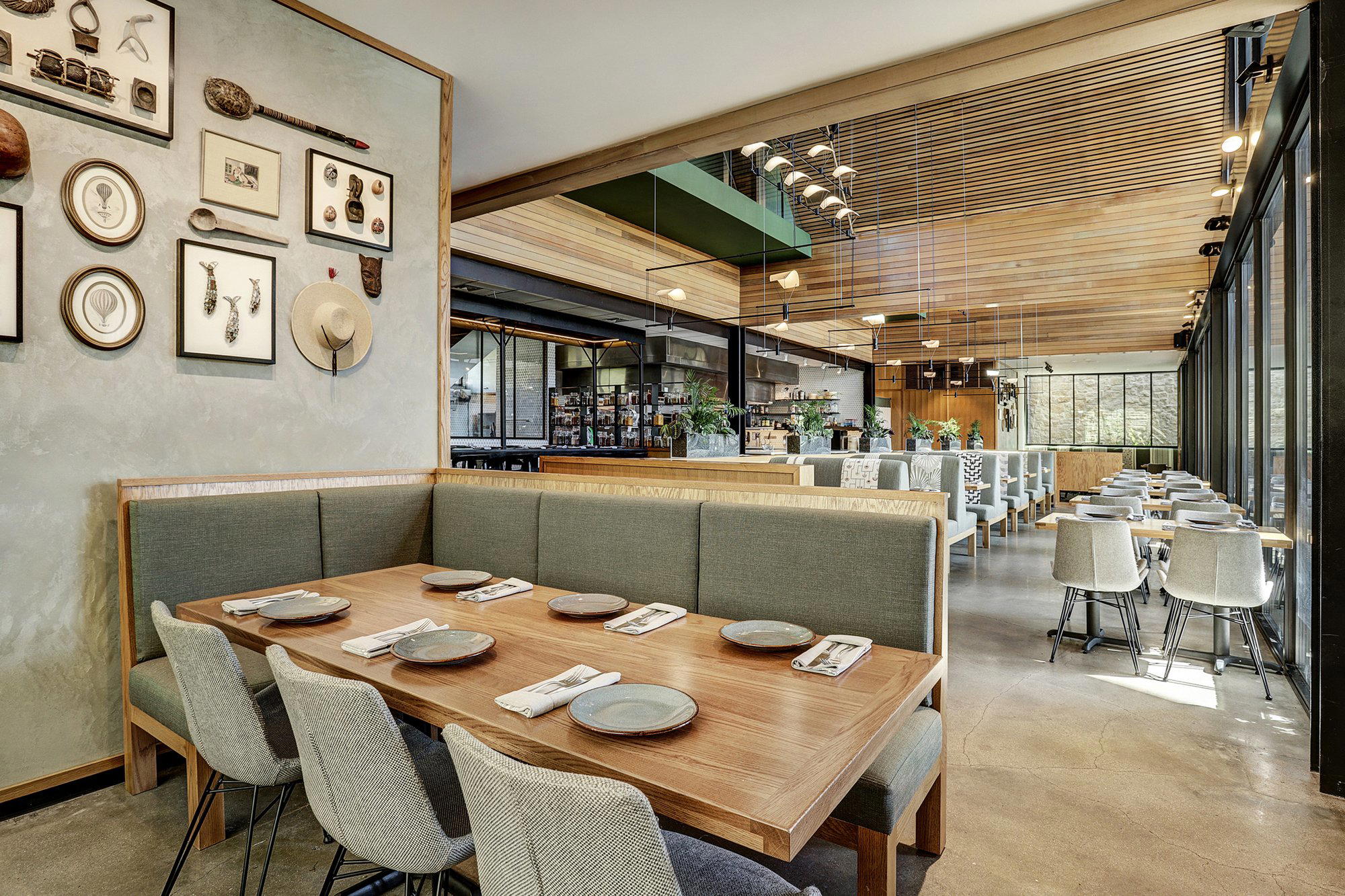
Lively and elegant atmosphere with 40+ chandeliers, striking greenhouse-like design, and lush park surroundings creating an urban oasis.
Know Before You Go
- Getting there
- 3422 Allen Pkwy, Houston, TX 77019