Fleur d'Aubépine
Our verdict
Fleur d'Aubépine occupies a village-square address at the civic centre of La Vraie Croix in Morbihan, placing it inside one of Brittany's most produce-rich food geographies. The restaurant makes its argument through regional proximity rather than destination-dining spectacle, drawing on coastal and agricultural supply chains that larger city kitchens treat as a premium import. For travellers interested in how a French region actually eats, this is a considered stop.

Pearl is the En Primeur Club membership app — saves, bookings, and concierge access live there. Same editors, same standards.
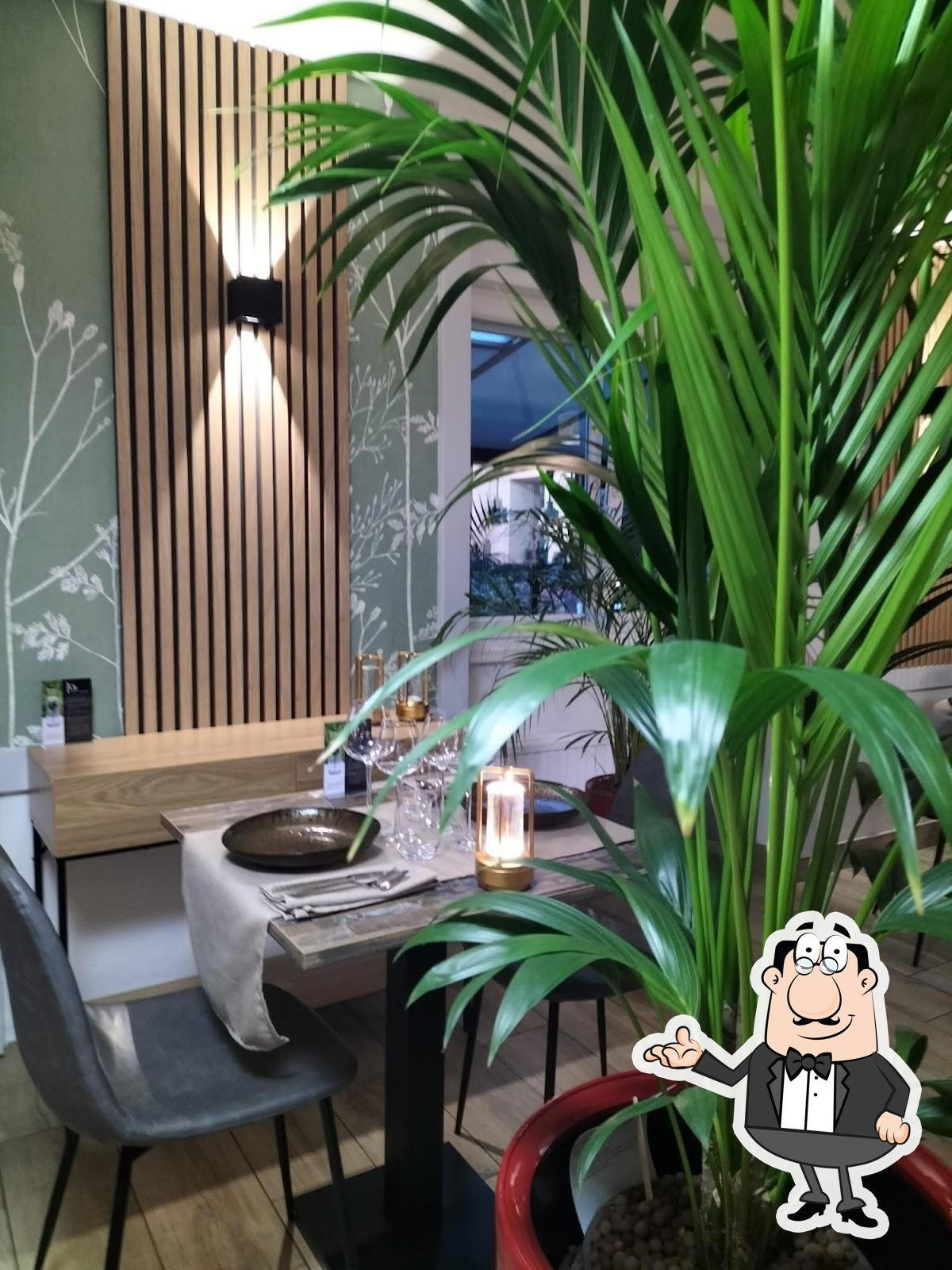
A Village Square, a French Kitchen, and the Produce That Drives Both
Place du Palais in La Vraie Croix is the kind of address that announces itself quietly. The square sits at the centre of this small Morbihan commune in southern Brittany, where the pace of daily life is still calibrated by market days and the rhythm of agricultural seasons rather than by reservation systems or social media cycles. It is in this context that Fleur d'Aubépine operates: a restaurant whose address alone places it inside a French regional dining tradition that larger cities have largely traded away for spectacle and scale.
Brittany has long occupied a distinct position within French regional cuisine. The peninsula's proximity to some of Europe's most productive coastal waters, combined with inland pastures suited to dairy and livestock, creates a larder that chefs elsewhere routinely import at considerable cost. In Morbihan specifically, the food culture has historically centred on what is close and what is seasonal: shellfish from the Gulf of Morbihan, lamb from salt-marsh grazing, buckwheat grown for galettes, and orchard fruit from the interior. Restaurants that commit to sourcing within this geography are participating in a culinary logic with centuries of precedent behind it.
The Ingredient Argument: Why Provenance Shapes the Plate
Across France's most discussed regional tables, the question of ingredient sourcing has moved from background context to the central editorial point of the meal. This shift is visible at Michelin-tracked restaurants across the country, from Bras in Laguiole, where the Aubrac plateau's flora has driven the kitchen's direction for decades, to Auberge du Vieux Puits in Fontjoncouse in the Languedoc, where a kitchen garden is as much a structural feature as the dining room itself. The logic is consistent: when a kitchen draws from a narrow, well-understood geography, the menu becomes a direct expression of what that land and water can produce at a given moment in the year.
In Brittany, that argument has particular force. The Gulf of Morbihan alone supports oyster cultivation, crab fishing, and clam harvesting across conditions that shift measurably between winter and summer. Salt-marsh lamb from the region's coastal edges carries a flavour profile that reflects the specific grasses and mineral content of its grazing ground. A kitchen in La Vraie Croix that takes regional sourcing seriously is drawing on one of France's most distinctive and well-documented food geographies, not a marketing position but a factual advantage.
This is the broader pattern that defines the most credible regional French tables, and it is the lens through which Fleur d'Aubépine deserves to be understood. The address at 6 Place du Palais places it at the village's civic centre, which in a commune of this scale means proximity to local producers, farmers' networks, and the kind of supplier relationships that are difficult to maintain from a city kitchen. The supply chain, in other words, is shorter here by geography as much as by intention.
Positioning Within French Regional Dining
France's regional dining scene has bifurcated in the past decade. On one side, destination restaurants in rural communes have pursued Michelin recognition with increasingly elaborate tasting menus, some of which could plausibly be served in any European capital. On the other side, a smaller cohort has resisted that gravitational pull, anchoring their menus to what the surrounding area produces and pricing against local rather than international competition. Venues like Auberge de l'Ill in Illhaeusern in Alsace and Georges Blanc in Vonnas in Bresse demonstrate how long-established regional tables can sustain their identity across generations without abandoning the produce logic that defined them.
La Vraie Croix, with a population that puts it firmly in the village category, is not a destination dining hub in the manner of Flocons de Sel in Megève or Le 1947 à Cheval Blanc in Courchevel. What it offers instead is the less curated, more genuinely local experience that travellers increasingly seek after several years of highly designed destination dining. A restaurant in a village square in Morbihan is not competing with Mirazur in Menton or Alléno Paris au Pavillon Ledoyen in Paris for the same table. It is making a different case entirely: that the most direct expression of a place's food culture happens at this scale, in this kind of square, in this kind of commune.
For readers familiar with the French table at its most ambitious, from Maison Lameloise in Chagny in Burgundy to L'Oustau de Baumanière in Les Baux in Provence, Fleur d'Aubépine represents the other pole of the same tradition. The institutional ambition is lower; the connection to a specific place is potentially higher. That is not a consolation prize. For a certain kind of traveller, it is the point. See our full La Vraie Croix restaurants guide for the wider dining context across the commune.
Planning Your Visit
La Vraie Croix sits in the Morbihan department of Brittany, roughly midway between Vannes and Ploërmel. Vannes, the nearest city of meaningful size, is accessible by TGV from Paris Montparnasse in just over two hours, with the commune then a short drive east. For visitors routing from further afield, Les Prés d'Eugénie in Eugénie-les-Bains and La Table du Castellet in Le Castellet illustrate the broader French tradition of rural destination dining that rewards the effort of getting somewhere specific. At a village address in Morbihan, the practical advice is to book directly and as far in advance as the kitchen's system allows, confirm hours by phone or email before arriving, and build in time to experience the square and commune rather than treating the meal as a standalone transaction. Brittany's leading months for produce variety run from late spring through early autumn, when coastal and inland harvests overlap.
Frequently asked questions
Can I bring kids to Fleur d'Aubépine?
La Vraie Croix is a small Morbihan commune, and a Place du Palais address puts this restaurant squarely in village-square territory, where French regional tables have traditionally been family-facing spaces. Nothing in the venue's profile suggests a format that would be hostile to children. Confirm the current policy directly with the restaurant before booking.
Is Fleur d'Aubépine better for a quiet night or a lively one?
La Vraie Croix is a commune in rural Morbihan, set between Vannes and Ploërmel, which shapes expectations immediately: this is not a high-turnover urban room. A village-square setting at this scale tends toward unhurried meals and lower ambient noise, which suits those seeking a slower pace rather than a buzzing room. If you want a full dining-room atmosphere, a Saturday evening is a safer bet than a midweek visit.
Is Fleur d'Aubépine a good starting point for exploring Morbihan's food traditions?
A restaurant at 6 Place du Palais in La Vraie Croix sits at the centre of one of Brittany's most ingredient-driven departments, with the Gulf of Morbihan's shellfish beds and inland agricultural networks within close reach. For visitors building a food-focused itinerary in this part of France, a village table in this commune offers a grounded counterpoint to the larger destination restaurants around Vannes. Pair the meal with a visit to a local producer or the Vannes market to place the sourcing context in full.
What do people recommend at Fleur d'Aubépine?
Specific dish recommendations should be confirmed with current diners or the kitchen directly, as menus at this scale frequently shift with season and supplier. As a general orientation for Morbihan, the region produces some of France's most cited shellfish, lamb from salt-marsh grazing, and buckwheat, all of which tend to appear on serious regional tables in this part of Brittany. Ask the kitchen what arrived that week.
Where is Fleur d'Aubépine located?
Fleur d'Aubépine is located at 6 Pl. du Palais, 56250 La Vraie-Croix, France, La Vraie Croix.
Comparable Venues
Comparable venues nearby, for context on price, style, and recognition.
| Venue | Cuisine | Price | Awards | Notes |
|---|---|---|---|---|
| Fleur d'AubépineThis venue — the venue you are viewing | Bistronomic French Cuisine | $50–100 | Not listed | Not listed |
| Maison Blanche | Modern French Fine Dining | Not listed | Not listed | 8th arrondissement |
| Alain Ducasse Baccarat | Avant-garde French fine dining in a crystal-clad Maison Baccarat setting | $150–200 | Not listed | 16th arrondissement |
| L'Épicurien | Contemporary French Bistro | $30–50 | Not listed | Sulniac |
| L'Epicurien | Modern French Fine Dining | $100–150 | 1 Michelin Star | Les Sorinieres |
| Domaine de la Bretesche Golf & Spa | Modern French Fine Dining | Not listed | Relais Chateaux Award | Missillac |
Continue exploring
More in La Vraie Croix
Restaurants in La Vraie Croix
All restaurants in La Vraie Croix →
Bars in La Vraie Croix
Browse all →
Fleur d'Aubépine
The wine
- Wine program
- Curated wine list
- Extensive wine list
Details
- Cozy
- Intimate
- Warm
- Sophisticated
- Date Night
- Special Occasion
- Celebration
- Standalone
- Extensive Wine List
- Local Sourcing
- Biodynamic
- Tasting Menu
- Prix Fixe
- Set Menu
- Wine
Current opening hours
- Monday
- Closed
- Tuesday
- Closed
- Wednesday
- 12:30–1:15 PM
- Thursday
- 12:30–1:15 PM, 7:30–8:15 PM
- Friday
- 12:30–1:15 PM, 7:30–8:15 PM
- Saturday
- 12:30–1:15 PM, 7:30–8:15 PM
- Sunday
- Closed
Hours can change for holidays and private events. Last verified .
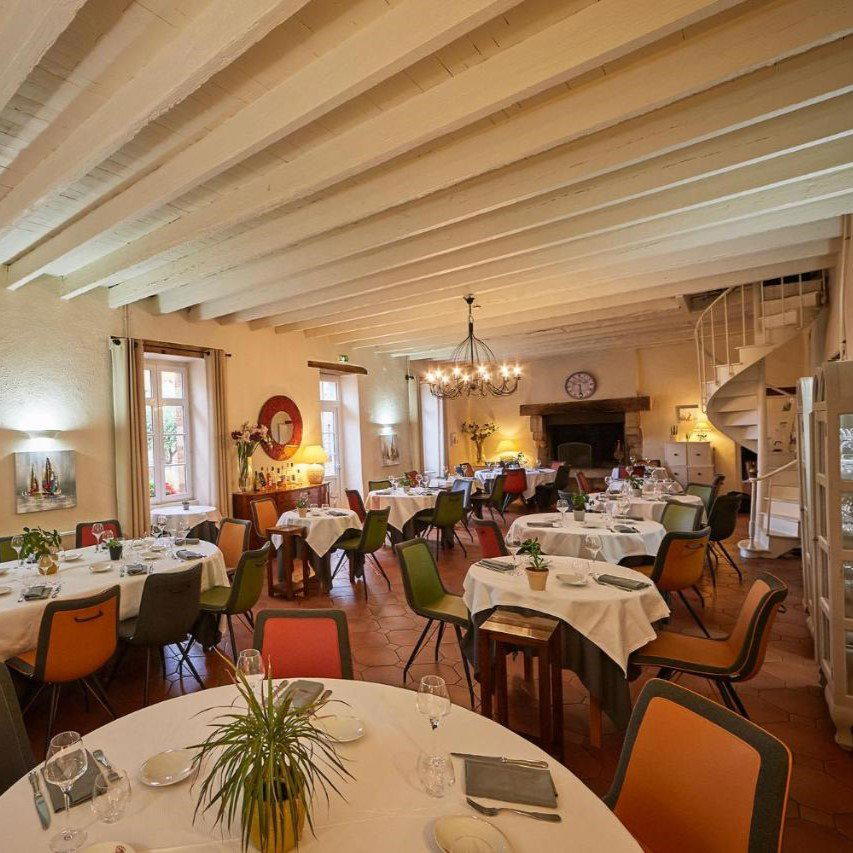
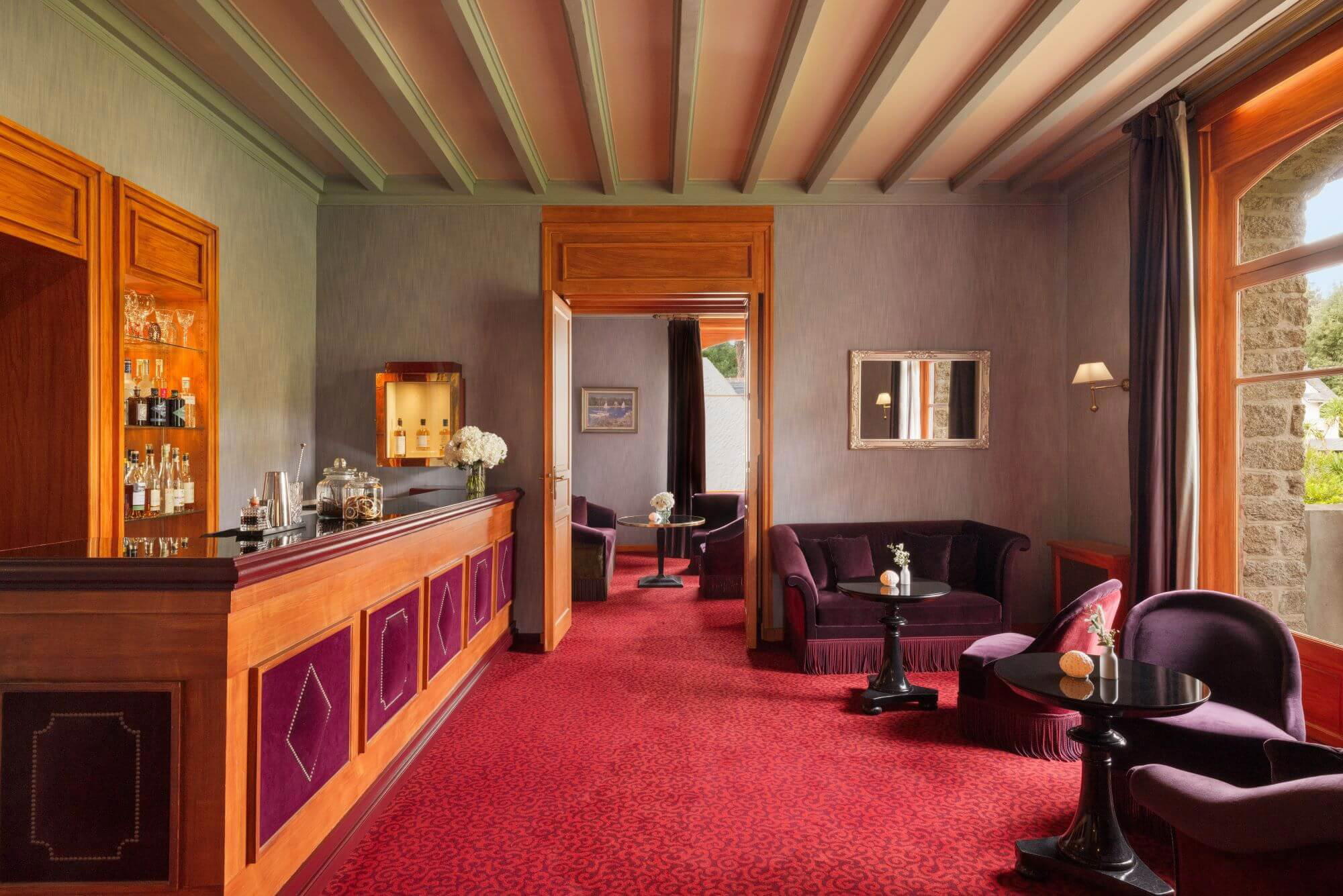
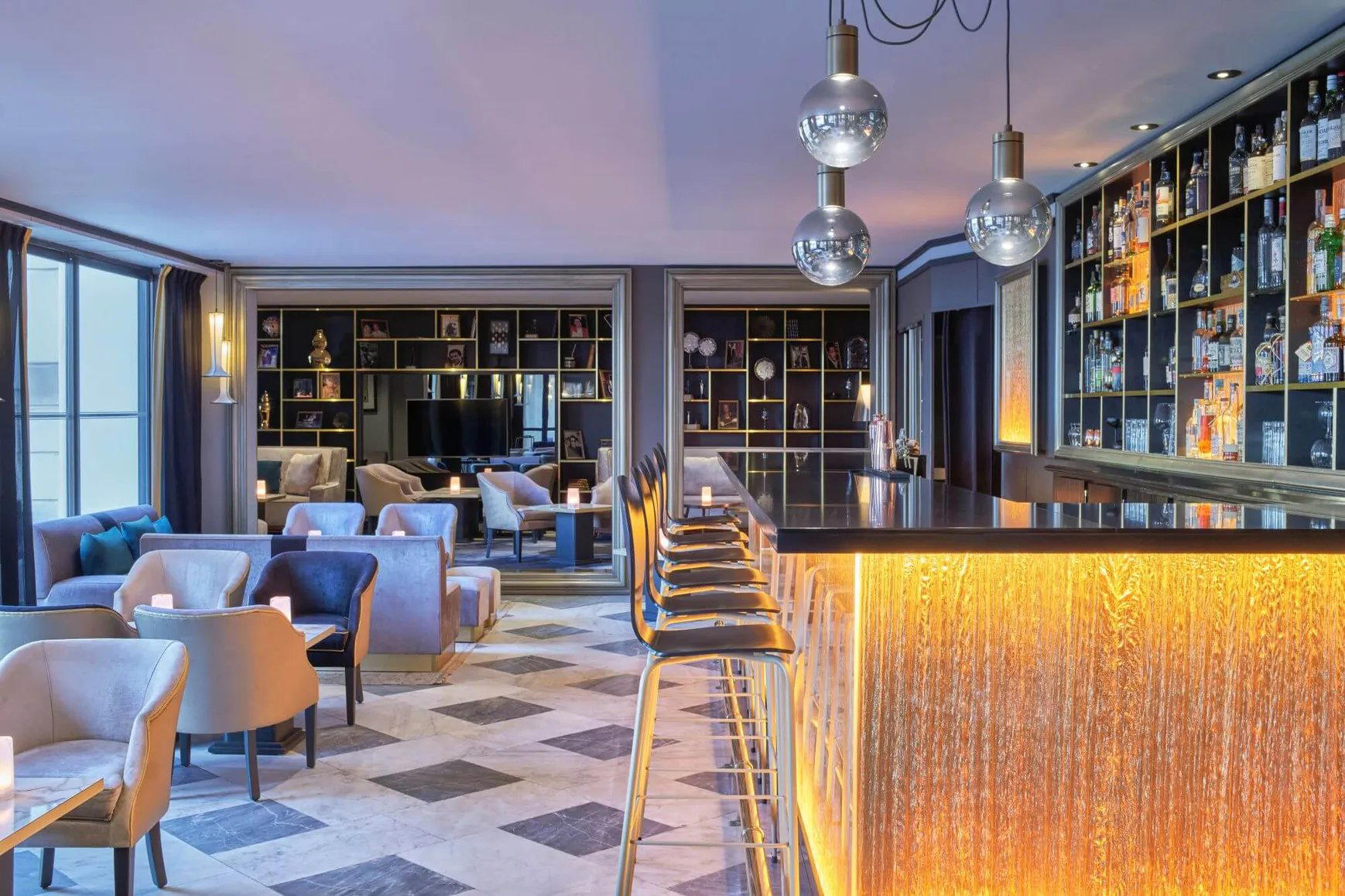
Cosy, warm and convivial, with an intimate dining room and attentive, professional service noted by guests.