A resort-address bar at 8 Av. Pierre Loti in La Baule-Escoublac, Bar of Le Castel Marie-Louise belongs to the quieter end of the town’s drinking map.

Pearl is the En Primeur Club membership app — saves, bookings, and concierge access live there. Same editors, same standards.
- Address
- 8 Av. Pierre Loti, 44500 La Baule-Escoublac, France
- Phone
- +33 2 40 11 48 48
- Directions
- Get directions
Where La Baule's Resort Drinking Culture Turns Quiet
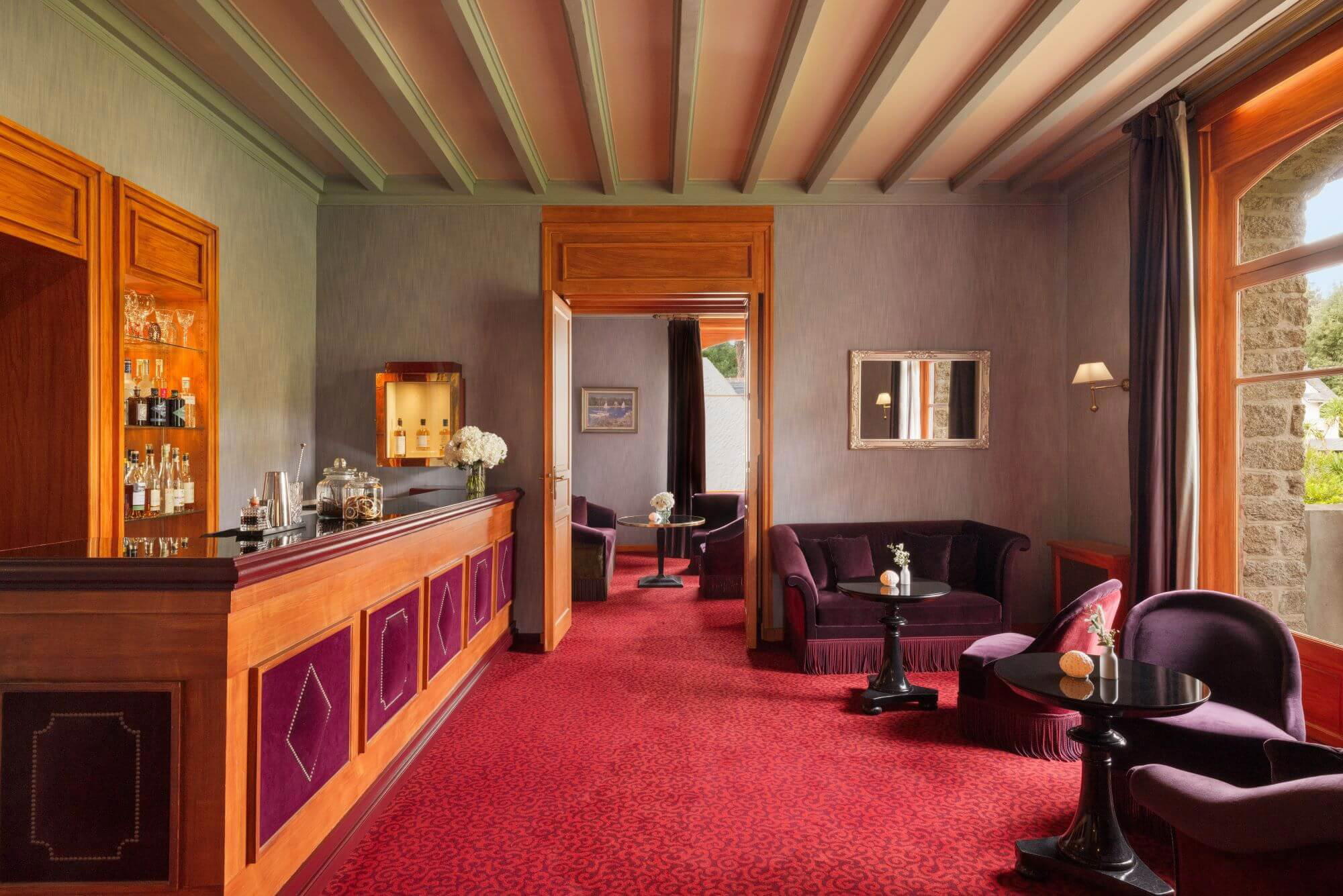
Approaching Avenue Pierre Loti, the mood changes from beachfront movement to the more controlled rhythm of La Baule’s older resort quarter. The Atlantic resort has always had two tempos: the public one of sand, terraces, and summer foot traffic, and the quieter one of hotel salons, polished service, and end-of-day drinks taken away from the promenade. Bar of Le Castel Marie-Louise belongs to that second register. The useful way to read it is not as a loud cocktail destination, but as part of a French seaside tradition in which the bar is an extension of the house: a place for a measured aperitif, a digestif, or a late conversation after dinner.
La Baule’s bar scene is not built like Paris, where cocktail rooms compete through menu concepts, guest shifts, and awards circuitry. Nor is it built like Bordeaux or Montpellier, where independent bars often announce themselves through street-level personality. Here, the resort setting matters. The drinking culture is shaped by weekend arrivals, hotel dining, coastal weather, and the old habit of moving from beach to table to salon without turning the evening into a crawl. That gives a bar at 8 Av. Pierre Loti a different role from a city-centre speakeasy. The question is less whether it has a theatrical signature drink and more whether its back bar, glassware, pacing, and staff discretion fit the rhythm of a resort evening.
The Spirits Collection as the Real Measure
In a hotel-bar context, the spirits collection often tells the truth before the cocktail list does. A serious back bar in France tends to reveal itself through categories rather than slogans: Cognac and Armagnac for the after-dinner drinker, Scotch and Irish whiskey for the travelling regular, rum for a broader international audience, gin and vermouth for aperitif service, and liqueurs that support classic builds rather than menu theatrics. The smarter approach is to judge the room through the questions that matter: how deep the brown-spirit shelf runs, whether regional French eaux-de-vie appear, whether vermouth is treated as a serious ingredient, and whether the staff can guide a drinker toward a neat pour as confidently as a mixed drink.
This is where resort bars can be more interesting than their public reputation suggests. A beachfront bar has to satisfy volume. A hotel salon can move more slowly, which often suits spirits with age, provenance, and service ritual. That does not mean every hotel bar has a deep cellar or a collector’s cabinet; it means the format allows for it. In La Baule, where meals often lean toward seafood, butter, shellfish, and coastal simplicity, the bar can work as a counterweight: a dry Martini before dinner, a Cognac after it, or a lower-alcohol aperitif when the evening is meant to remain unforced. The strongest bars in this category are not the ones that shout about rarity. They are the ones where the back bar has been chosen with enough intelligence that a guest can drink simply without drinking generically.
For comparison, Parisian hotel bars such as La Bar du Plaza Athénée in Paris operate inside a far more competitive capital-city circuit, where prestige hotels are judged by design, technical cocktails, and international attention. La Baule asks for another standard. Here, collection depth should be assessed against the needs of a resort stay: aperitif range, digestif confidence, and the ability to serve classics cleanly. That is a narrower brief, but it is not an easier one. Poor resort bars hide behind the view. Better ones understand that the second drink of the night is often the one that defines the room.
How It Fits the La Baule Drinking Map
La Baule is not a single-note resort. Its drinking addresses range from casual coastal stops to hotel lounges and dining-room-adjacent bars. Travellers comparing options should start with the town’s geography and mood rather than a ranked checklist. A beach-facing venue suits a first drink in daylight, especially when the plan is to stay close to the promenade. A quieter salon address suits a later hour, a colder evening, or a guest who wants service without the soundtrack of a summer terrace. For a broader local scan, Our full La Baule bars guide is the sensible starting point, while Bar Les Évens gives a useful point of comparison within the same coastal market.
The town’s wider hospitality pattern matters too. La Baule has long traded on the relationship between hotels, restaurants, thalassotherapy culture, and seasonal leisure. That makes the bar less isolated than it is in a larger city. It often sits between decisions: where to stay, where to eat, whether to keep the evening formal, whether to drift toward the sea after dinner. Readers planning a full itinerary should cross-check drinking plans against Our full La Baule hotels guide and Our full La Baule restaurants guide, because the right bar choice depends heavily on where dinner and lodging are anchored. The town rewards low-friction evenings; unnecessary transfers can flatten the mood.
There is also a wine-country blind spot to correct. La Baule is coastal rather than vineyard-led, but serious drinking travellers often think beyond cocktails. The Loire’s broader wine culture sits in the regional imagination even when the immediate resort strip is not a winery circuit. For those building a larger drinks-focused trip, Our full La Baule wineries guide and Our full La Baule experiences guide help place the bar stop inside a wider coastal itinerary rather than treating it as a standalone errand.
What to Order When the Menu Is Not Public
Do not arrive with a fixed expectation of a named house cocktail. Instead, use the bar’s format to order by category and occasion. Before dinner, ask for an aperitif built around gin, vermouth, Champagne, or a bitter French profile, depending on appetite and timing. After dinner, ask what Cognac, Armagnac, Calvados, whisky, or rum the bar is pouring with confidence. If a bartender can answer with producer names, age statements, regions, or service recommendations, the collection is doing real work. If the answer collapses into generic brands, stay with a classic.
This is not a compromise; it is how good bar ordering works when a venue does not publish the details that allow advance planning. Cocktail culture has trained drinkers to chase the named creation, but hotel bars are often judged more fairly through execution of known forms. A Martini reveals temperature, dilution, garnish discipline, and glass handling. A Negroni shows whether balance is being measured or guessed. A highball tests ice and carbonation. A digestif pour shows whether the bar treats spirits as a collection or inventory. In a resort town, where guests may move from seafood lunch to long afternoon to formal dinner, those fundamentals matter more than novelty.
French coastal drinking also rewards restraint in alcohol choices. The Atlantic weather can swing from bright terrace drinking to damp evening coolness, and the bar order should change with it. Lighter aperitifs work when dinner is ahead; brown spirits make more sense after a meal; sparkling wine or a low-intervention cocktail style may suit a group that wants a shared rhythm without turning the bar into the centre of the night. None of these choices require a published signature. They require staff who can read pacing, which is exactly the service skill a resort bar is meant to have.
Comparisons Beyond La Baule
Looking beyond the town helps clarify expectations. Papa Doble in Montpellier belongs to a city-bar culture where independent identity and cocktail authorship carry more weight. La Vertu in Reims sits in a Champagne city, where the surrounding wine economy naturally shapes the drinking conversation. Papillon in Bordeaux exists in a market where wine knowledge and urban dining overlap constantly. Those comparisons are useful because they show what La Baule is not trying to be. A resort bar does not need to imitate a capital cocktail room or a wine-city address to make sense; it needs to serve its setting with precision.
Another comparison comes from the coast. Aquarium Bar and Charcot Lounge in Dinard sits in a seaside hospitality tradition where weather, views, hotel formality, and aperitif culture carry equal weight. Across the Atlantic, Café La Trova in Miami shows the opposite model: a high-energy bar defined by music, Cuban cocktail heritage, and public performance. La Baule’s quieter addresses do not compete on that axis. They compete on timing, atmosphere, and whether a drink can hold its place within a full evening rather than dominate it.
A Practical Reading of Address, Price, and Access
The confirmed address is 8 Av. Pierre Loti, 44500 La Baule-Escoublac, France. That absence matters for planning. In a seasonal resort town, the safer move is to verify opening times through the property or current local listings before arranging dinner around the bar.
Price should also be treated with caution. A classic mixed drink, a neat aged spirit, and a glass of Champagne may sit in different value categories even in the same room. For a traveller deciding between a casual coastal drink and a hotel-salon drink, the premium is often paid for calm, glassware, pacing, and the ability to continue an evening without leaving the orbit of the property.
Dress code is not supplied in the record, so assumptions should be conservative rather than theatrical. La Baule’s resort culture supports polished casual clothing more naturally than beachwear after dark, particularly at hotel-adjacent addresses. That does not require formalwear; it does suggest that the same clothes used for the sand may not read well in a composed salon setting. Timing follows the same logic. Early evening is for an aperitif before dinner. Later service, if available, is better suited to digestifs and quieter drinks.
Who This Bar Suits
This address suits travellers who value setting, service rhythm, and spirits-led drinking over a published manifesto. It is a poor fit for anyone who needs a confirmed signature cocktail list in advance, documented awards, or a high-volume social room. It is a better fit for a couple after dinner, a hotel guest looking for a composed final drink, or a La Baule visitor comparing the town’s softer resort addresses with its more casual coastal bars. The editorial point is not that every quiet bar deserves attention. It is that La Baule’s drinking culture has room for addresses where the measure is not noise, novelty, or queue depth, but whether the glass in front of the guest feels properly chosen for that hour.
Continue exploring
More in La Baule
Restaurants in La Baule
Browse all →
Details
- Elegant
- Romantic
- Cozy
- Classic
- Intimate
- Sophisticated
- Date Night
- After Work
- Solo
- Special Occasion
- Private Event
- Garden
- Terrace
- Historic Building
- Design Destination
- Hotel Bar
- Lounge Seating
- Outdoor Terrace
- Private Rooms
- Seated Bar
- Classic Cocktails
- Craft Cocktails
- Whiskey
- Zero Proof
- Garden
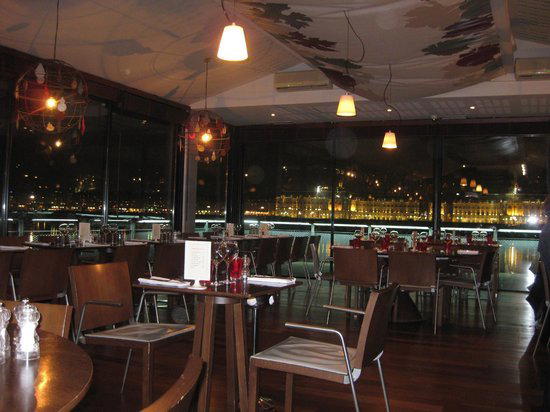
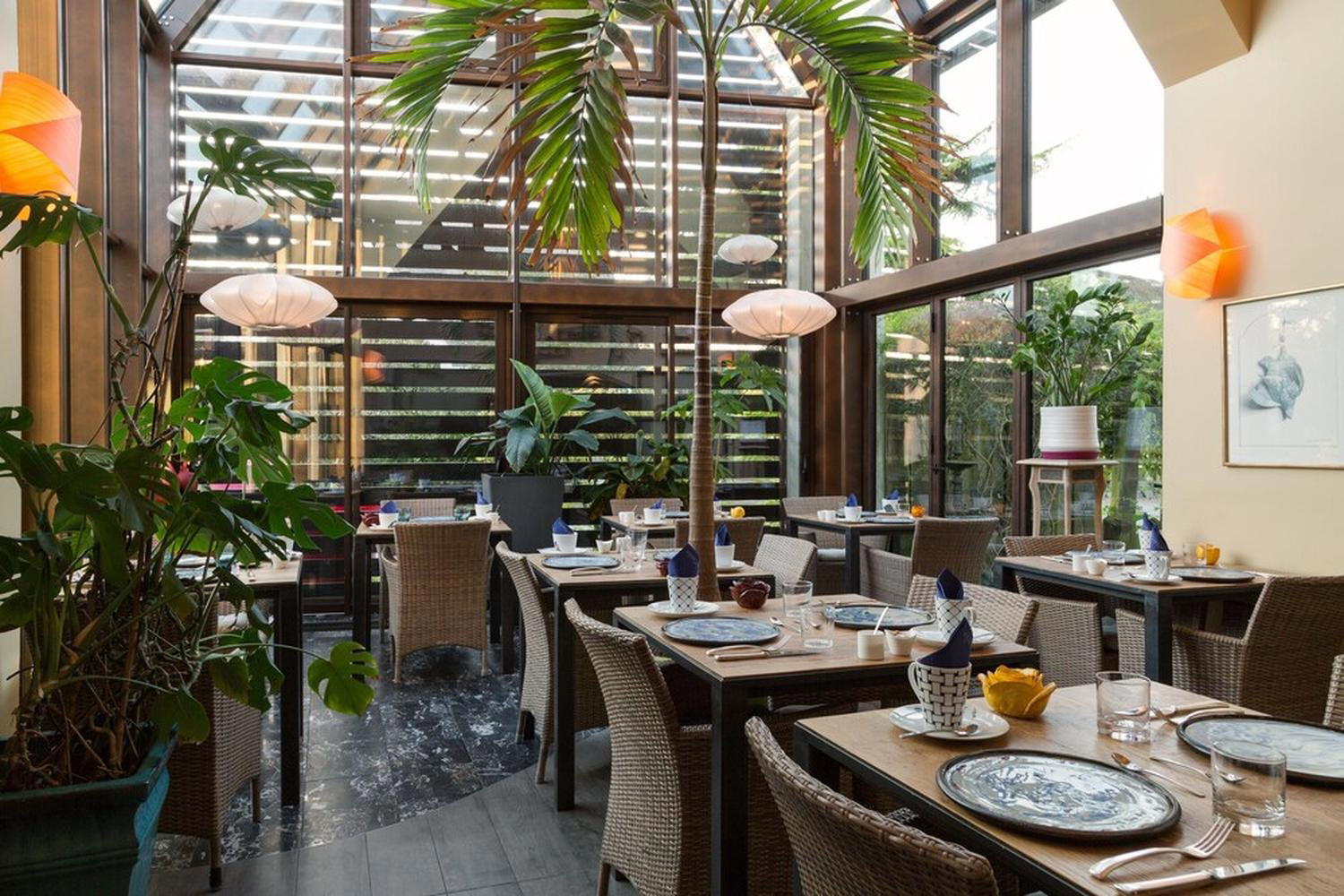
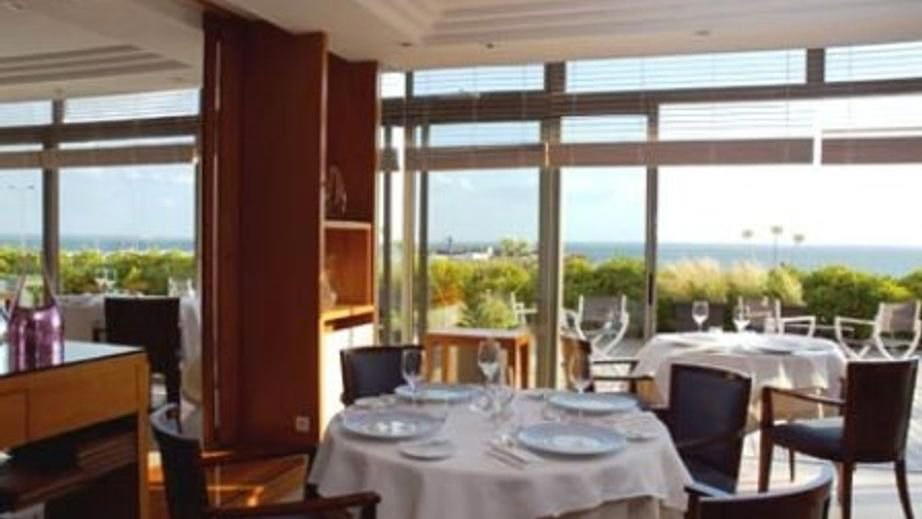
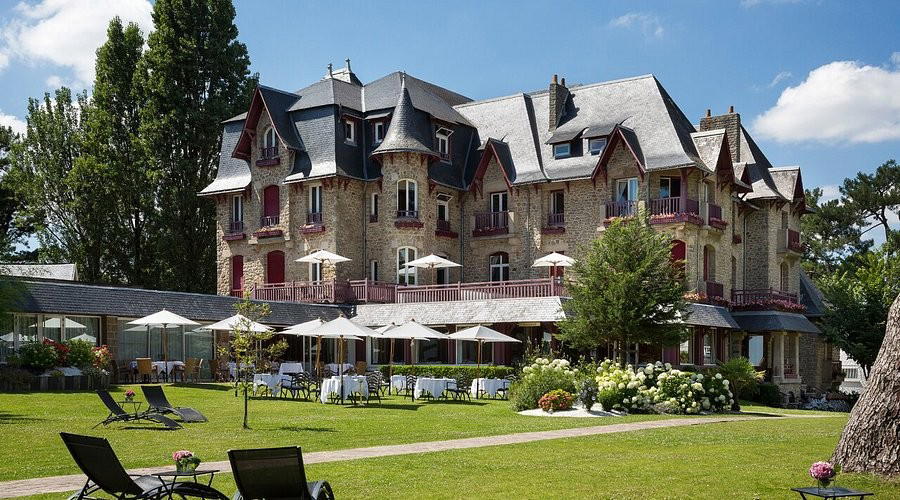
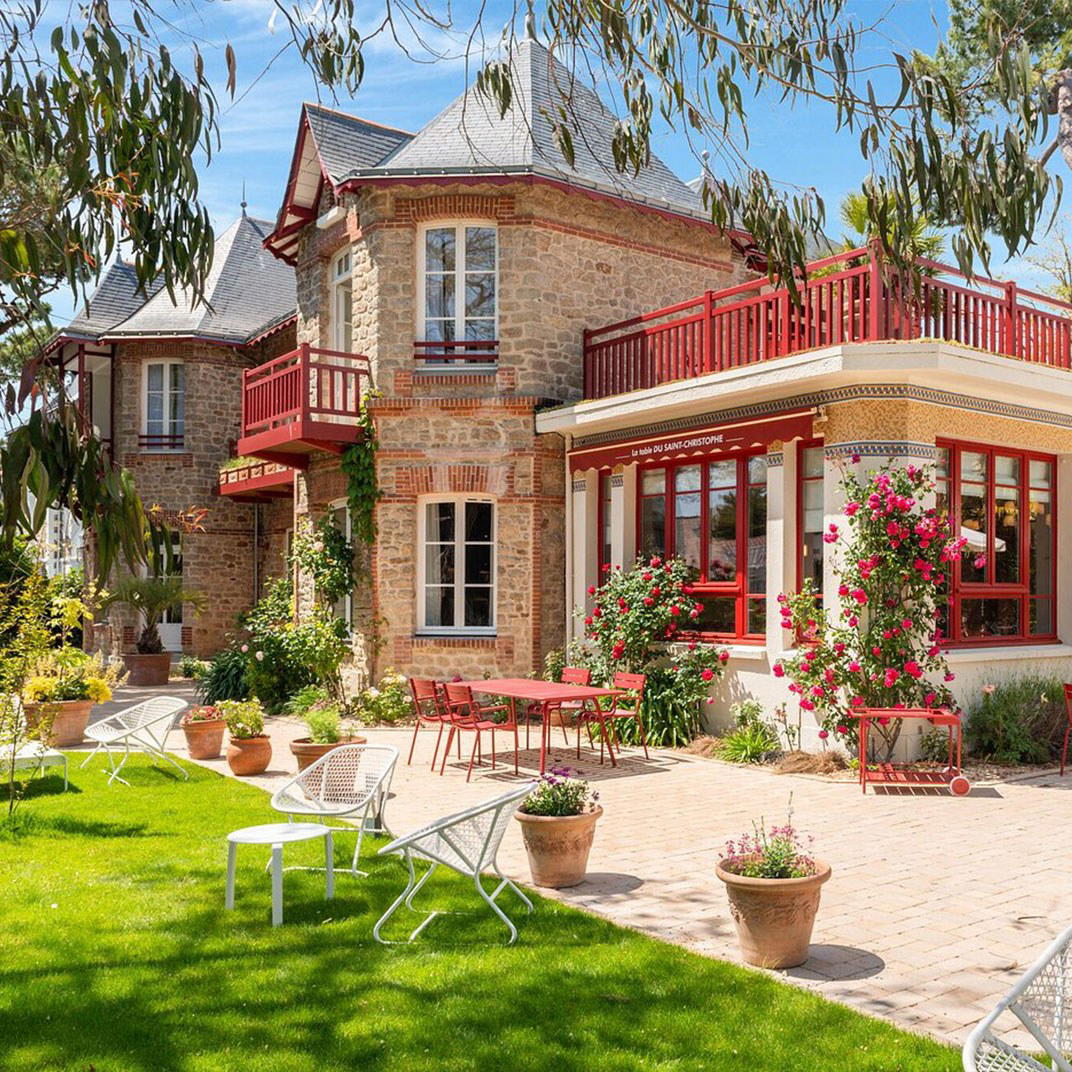
Hushed, refined lounge atmosphere with natural light, plush purple armchairs and warm tones, blending traditional manor-house charm with discreet modern luxury and a calm garden outlook.