
Relais Chateaux Award
Our verdict
A Relais & Châteaux property set across a historic château estate in the wetlands of Loire-Atlantique, Domaine de la Bretesche positions French country cooking within a landscape shaped by the Brière marshes and the bocage of southern Brittany. Chef Filipe Silvestre leads the kitchen, working within a culinary tradition that prizes regional produce.

Pearl is the En Primeur Club membership app — saves, bookings, and concierge access live there. Same editors, same standards.
- Address
- Domaine de la Bretesche, 44780 Missillac, France
- Phone
- +33 2 51 76 86 96
- Website
- bretesche.com
- Directions
- Get directions
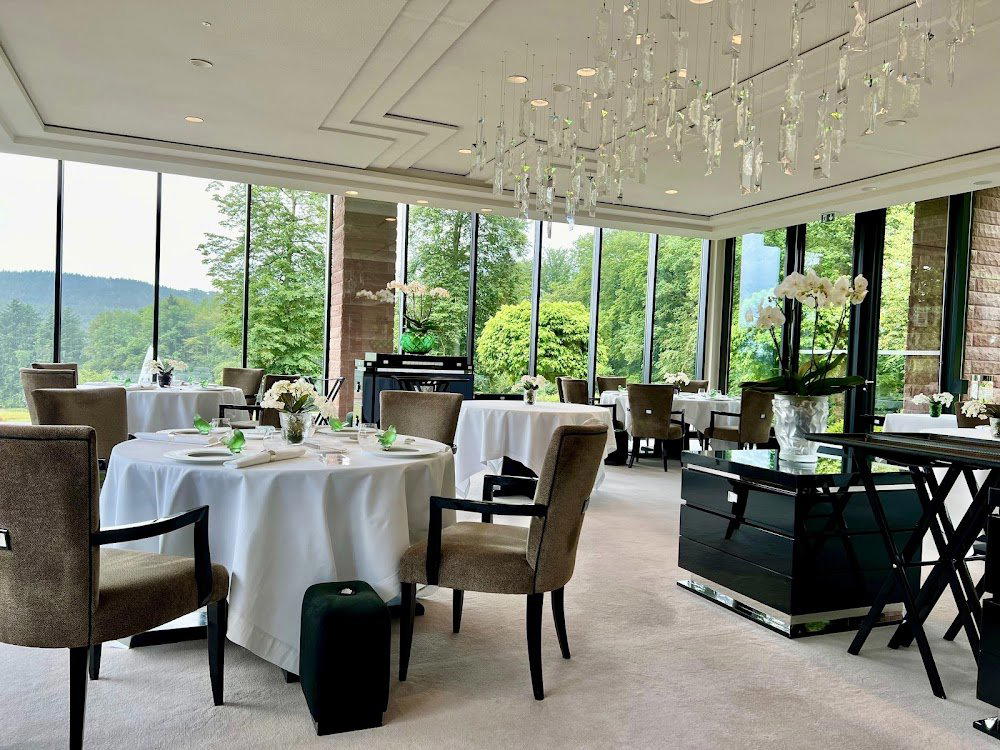
Where the Brière Marshes Meet the Table
The approach to Domaine de la Bretesche tells you something before the food does. A medieval château reflected in a lake, parkland stretching toward the bocage of Loire-Atlantique, a stillness that signals distance from the Atlantic coast resort circuit even though Guérande and La Baule sit within easy reach. This corner of southern Brittany — or more precisely, the administrative boundary where Brittany once ended and the Pays de la Loire begins — has its own agricultural and culinary logic, shaped by the Brière regional natural park to the north, salt marshes to the west, and fertile inland farmland pressing in from the east. The kitchen at Bretesche works within that geography rather than against it.
French country cooking at this level is not the rustic register the phrase sometimes implies. The leading château-estate kitchens in the French provinces operate from a position of terroir specificity: sourcing from named producers in a circumscribed radius, calibrating cooking to what the local land and season actually yield, and resisting the temptation to perform cosmopolitan technique for its own sake. At properties recognised by Relais & Châteaux, as Domaine de la Bretesche is, carrying that designation into 2025, the house style tends toward discipline rather than ambition for its own sake. The dining room is meant to be an extension of the estate, not an escape from it.
Regional Identity on the Plate
The culinary geography of Loire-Atlantique is richer than the département's tourist identity suggests. Guérande salt, harvested a short drive to the west, is among the most referenced finishing salts in French professional kitchens. The Brière marshes support eel and freshwater species that once anchored local gastronomy. Further inland, the bocage landscape produces beef, pork, and poultry of a quality that serious regional kitchens have always prized over imported alternatives. A kitchen operating under Chef Filipe Silvestre at a Relais & Châteaux property in this location has both the sourcing infrastructure and the institutional expectation to draw on those materials coherently.
French country cuisine in the Loire-Atlantique sense differs from, say, the herb-and-altitude cooking you find at Flocons de Sel in Megève or the Mediterranean-inflected provençal register at Mirazur in Menton. It is Atlantic-adjacent: richer, more reliant on butter and cream from Breton dairies, more likely to feature shellfish alongside land-raised proteins. The châteaux kitchen tradition of the Loire Valley, a corridor that stretches eastward from here, historically required breadth: dining rooms that could move from a plateau of local shellfish to a roast saddle of local lamb within a single service, without either feeling misplaced. That is the culinary inheritance Bretesche sits within.
For readers comparing French estate dining at different tiers, it is worth mapping the reference points. The three-starred houses like Alléno Paris au Pavillon Ledoyen, Troisgros in Ouches, or Bras in Laguiole operate at a different intensity of creative ambition and price point. The Relais & Châteaux dining room at a rural estate like Bretesche addresses a different brief: consistency of quality, regional coherence, and hospitality that accounts for a dining room where some guests are residents and others have driven an hour for Sunday lunch. That is not a lesser category, it is a distinct one, with its own standards and its own satisfactions.
Among French country peers operating in estate or château settings, comparisons with La Table de Rymska in Saint-Jean-de-Trézy and Restaurant Les Chemins in Guainville illustrate how this format varies by region. The cooking philosophy is less about technical novelty and more about editorial restraint: knowing which products to feature and in what form.
The Estate as Context
Relais & Châteaux membership, maintained through 2025, functions as a meaningful trust signal in this category. The network applies hospitality and quality criteria across food, accommodation, and service that independent certification systems do not replicate. The estate also holds a golf course and spa, which situates it within a specific market: guests spending multiple days, mixing leisure and meals, using the dining room both as a destination and as a residential amenity.
That dual role shapes the kitchen's posture. The dining room must work for a couple marking an anniversary and for a foursome after eighteen holes. It must sustain interest across multiple dinners for a four-night stay without repetition becoming a problem. French country kitchens that handle this well lean on seasonal rotation and producer relationships rather than structural menu reinvention. Le Montaigu at Domaine de la Bretesche, the estate's dedicated restaurant under the same roof, operates within this framework and is worth considering alongside the main dining offer when planning a visit.
Getting There and Planning a Visit
Missillac sits roughly 70 kilometres north of Nantes and about 30 kilometres east of La Baule, making the estate accessible by car from either direction. Nantes Atlantique airport connects the region to Paris and major European hubs, and TGV services reach Nantes from Paris Montparnasse in around two hours. From Nantes, the drive to Missillac runs approximately 50 minutes depending on route. For guests arriving as part of a wider Atlantic coast itinerary, the estate's position between the Brière marshes and the Guérande salt peninsula means that serious regional dining, salt flat visits, and coastal access are all within a short radius.
Reservations for the restaurant follow the standard Relais & Châteaux property approach: advance booking is advisable for weekend dinners and summer months, when the estate draws guests from the Loire-Atlantique resort corridor as well as international travellers. For a broader picture of dining options in the area, see our full Missillac restaurants guide. Those planning a longer stay in the region can also consult our Missillac hotels guide, bars guide, wineries guide, and experiences guide.
Frequently asked questions
What part of town is Domaine de la Bretesche Golf & Spa in?
Domaine de la Bretesche Golf & Spa is located at Domaine de la Bretesche, 44780 Missillac, France, Missillac.
Comparable Spots, Quickly
Comparable venues nearby, for context on price, style, and recognition.
| Venue | Cuisine | Price | Awards | Notes |
|---|---|---|---|---|
| Domaine de la Bretesche Golf & SpaThis venue — the venue you are viewing | Modern French Fine Dining | Not listed | Relais Chateaux Award | Not listed |
| Le Club Restaurant | Seasonal French Brasserie at Domaine de la Bretesche | $50–100 | Relais Chateaux Award | . Domaine de la Bretesche |
| Le Montaigu - Domaine de la Bretesche | Modern French Fine Dining | $50–100 | Michelin Plate · Relais Chateaux Award | Missillac |
| Bienheureux | Modern French Creative | Not listed | Michelin Plate | Wasquehal |
| Mount Mercury Tavern | Traditional French Seasonal Bistro | $50–100 | Not listed | Saint-Michel-Mont-Mercure |
| Le Relais de la Rance | Traditional French Bistro | $50–100 | Michelin Bib Gourmand | Quedillac |
Recognition history
Dated appearances from independent guides and award organizations, with the underlying list record or original source where available.
Relais Chateaux Award
Relais Chateaux

Continue exploring
More in Missillac
Restaurants in Missillac
Browse all →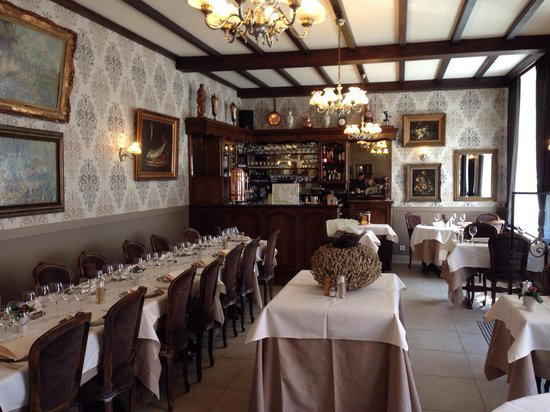
Bars in Missillac
Browse all →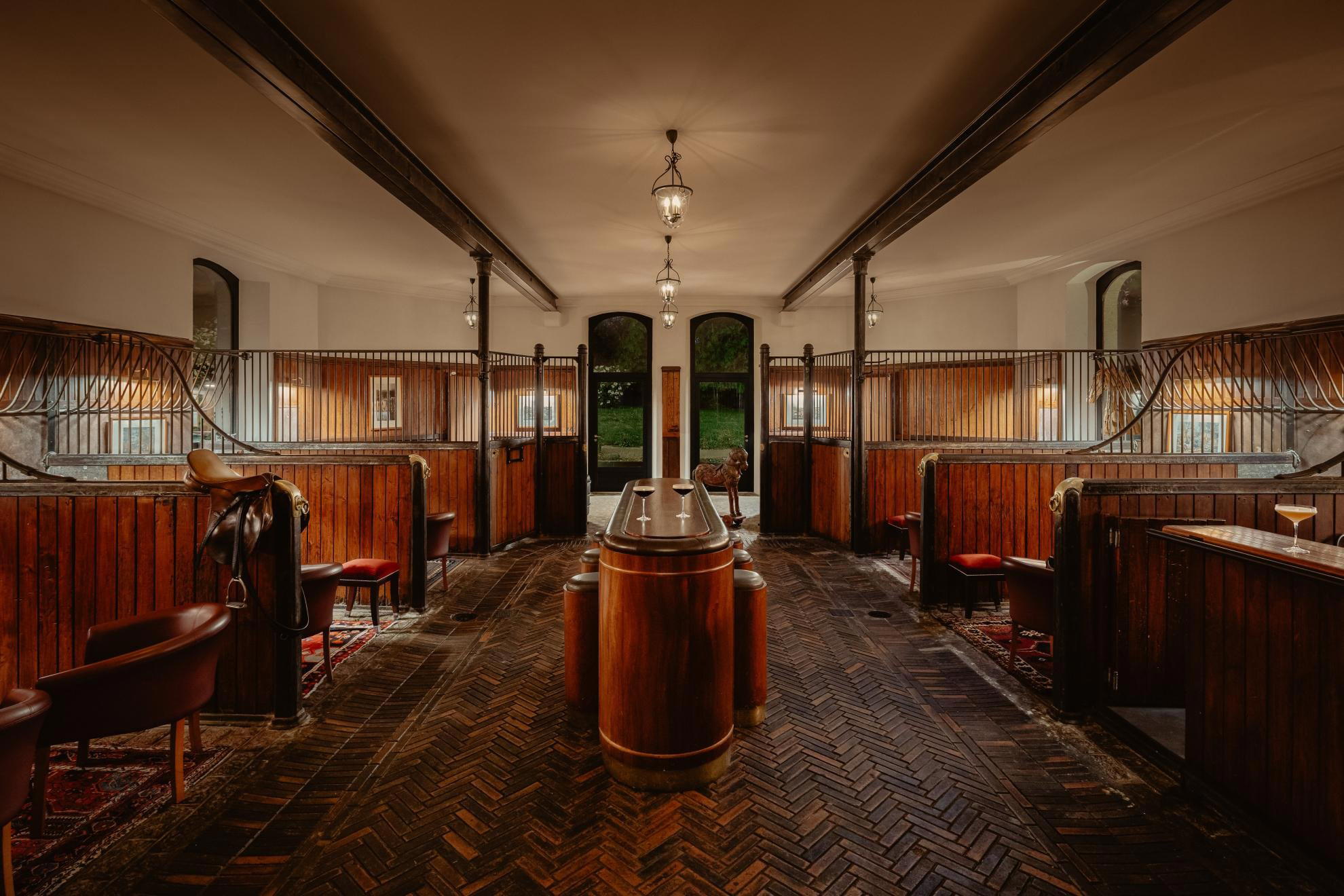
Hotels in Missillac
Browse all →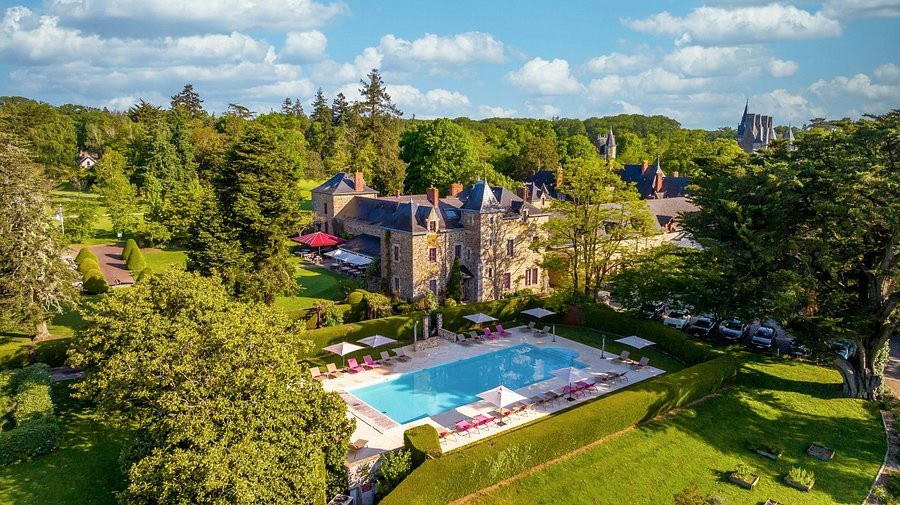
Wineries in Missillac
Browse all →
Domaine de la Bretesche Golf & Spa
The wine
- Wine program
- Curated wine list
- Extensive wine list
Details
- Elegant
- Sophisticated
- Romantic
- Scenic
- Cozy
- Date Night
- Special Occasion
- Celebration
- Hotel Restaurant
- Garden
- Terrace
- Historic Building
- Extensive Wine List
- Local Sourcing
- Farm To Table
- Garden
- A La Carte
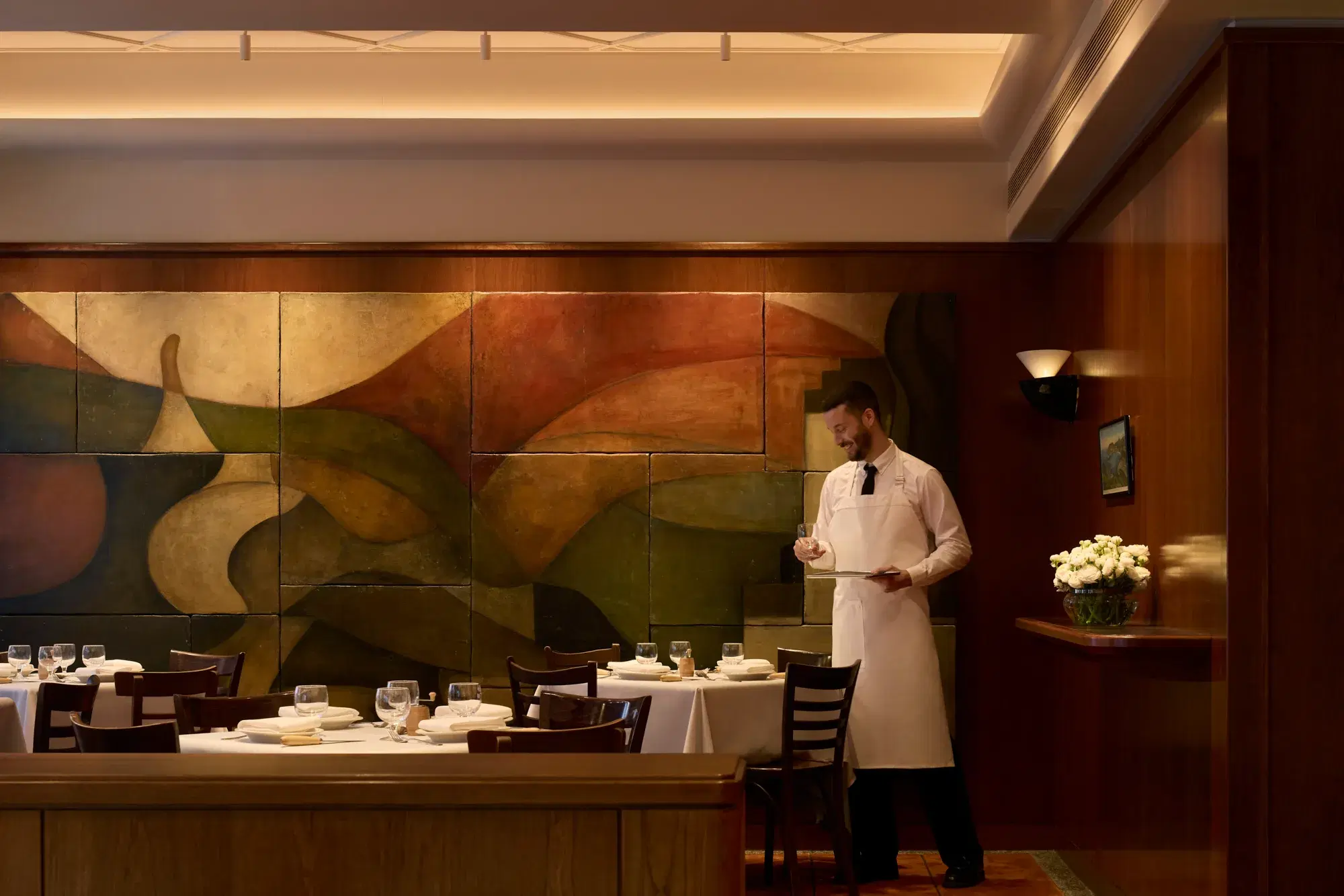
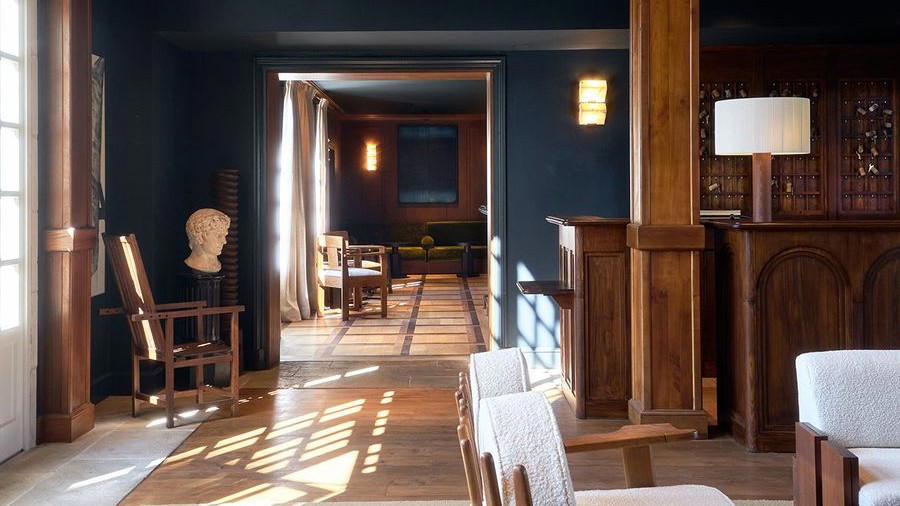
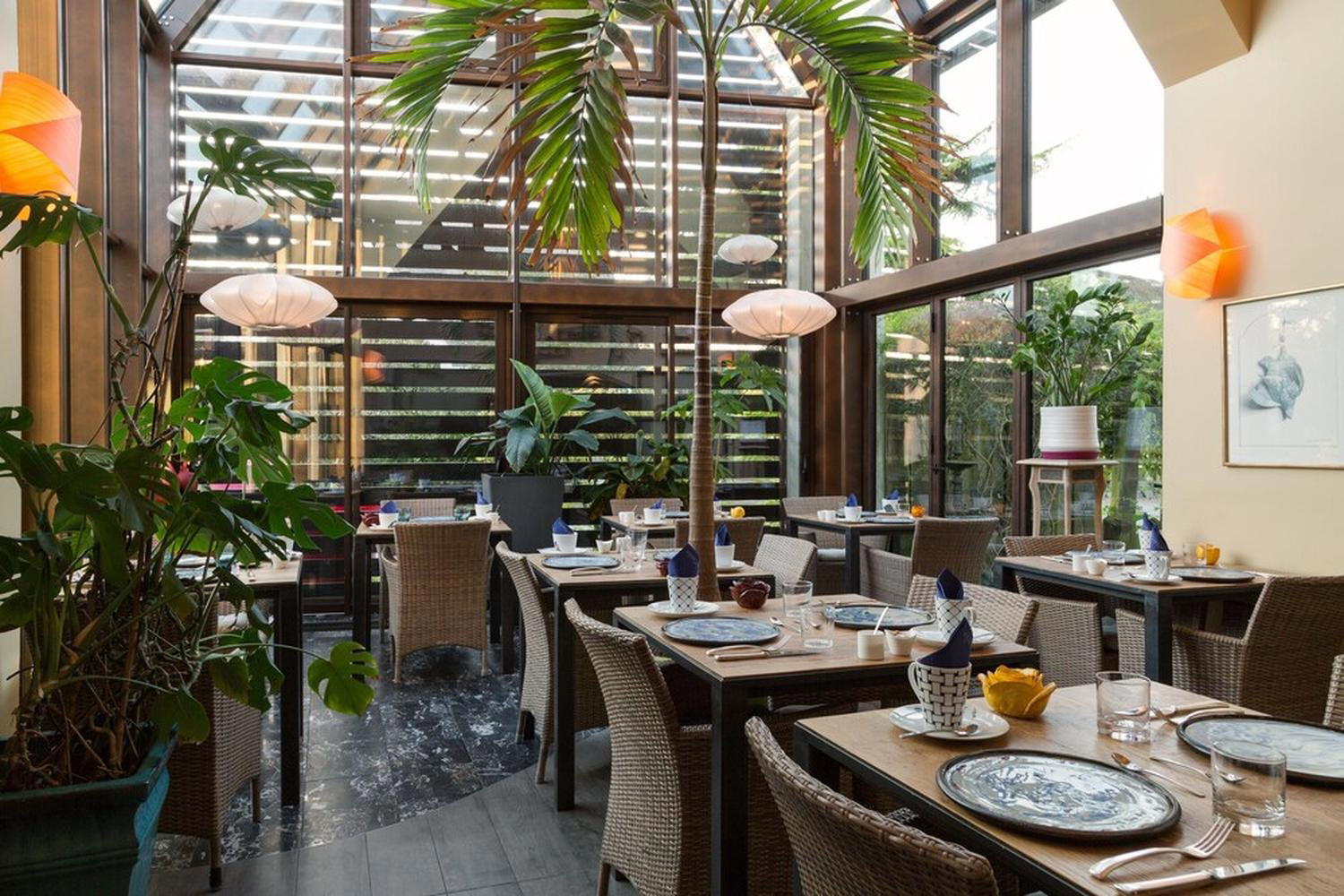
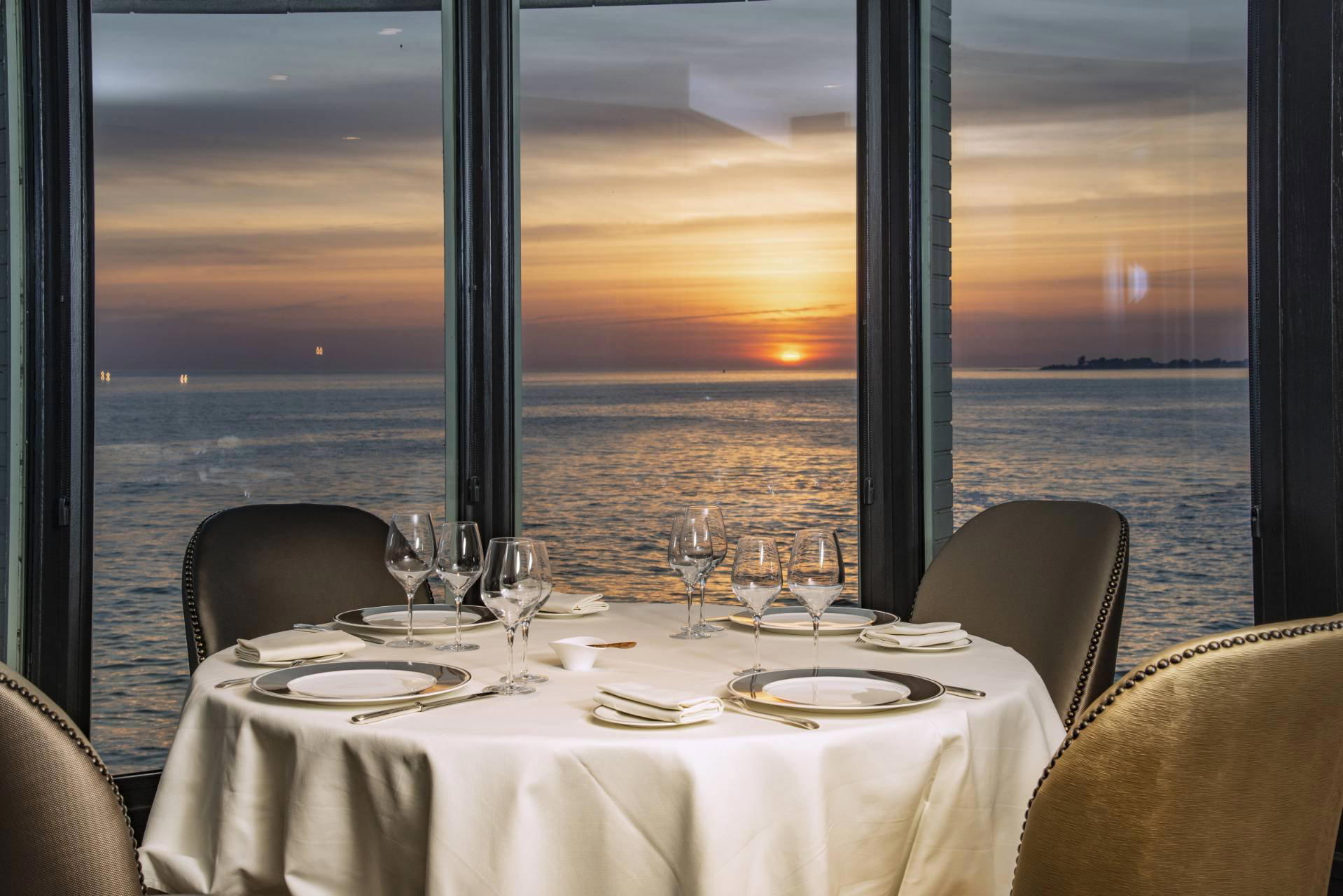
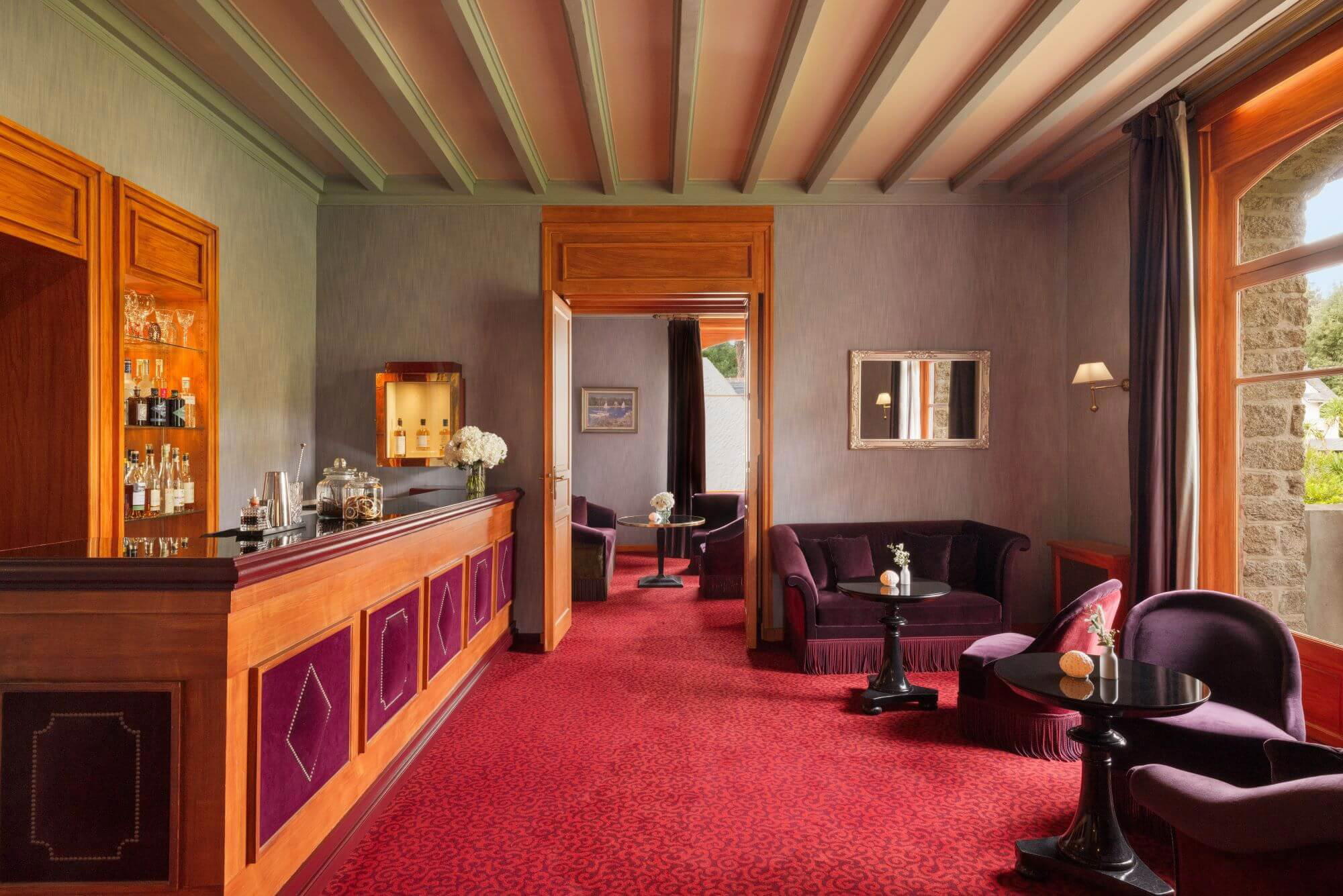
Intimate and grandiose with patinated woodwork, large bay windows, warm woods, deep velvets, and soft lighting in a feutrée atmosphere.