

Michelin Plate · Macarfi 8 Food Rating
Our verdict
At Flama, fire is the only technique that matters. Chef Eduardo Espejo works an open kitchen where grill racks, embers, and smoke define every course, from fish to select vegetables. Located on Gran Via del Marqués del Túria near the Mercado de Colón, this is one of the more focused and consistently full restaurants in València's Ensanche district.

Pearl is the En Primeur Club membership app — saves, bookings, and concierge access live there. Same editors, same standards.
- Address
- Gran Via del Marqués del Túria, 63, Bajo Derecha, Ensanche, 46005 València, Valencia, Spain
- Phone
- +34 638 73 71 72
- Hours
- Mon–Sat 2–5:30 PM, 9 PM–12:30 AMSun Closed
- Website
- restauranteflama.com
- Directions
- Get directions
The menu
What to order
- Cantabrian turbot
- Japanese Wagyu entrecote
- Grilled peach with smoked sheep’s milk ice cream
When the Kitchen Is the Stage
There is a moment, when you first take your seat at Flama, that the open kitchen announces itself more clearly than any menu could. Fish sit poised in individual grill racks, waiting their turn above glowing embers. Smoke rises in thin columns. The crackle of fat hitting heat is audible from the dining room. At the close of service, the team draws a curtain across the kitchen with a deliberate formality that makes the theatrical implication explicit: what happened here was a performance, and it is now complete.
This kind of fire-centred cooking occupies a specific position within contemporary Spanish dining. At the leading end, houses like Ricard Camarena and El Poblet operate within a tradition of technical elaboration and ingredient transformation. Fierro pursues a more intimate, chef-driven tasting format. Flama sits apart from all of these, not because it lacks ambition, but because its ambition is deliberately narrow: grill, ember, smoke, and the discipline required to do all three well. That narrowness, in València's Ensanche dining scene, reads as confidence rather than limitation.
The Architecture of a Meal Built Around Fire
Cooking with fire at a serious level is older than almost any other culinary tradition, but it has returned to the centre of restaurant culture with considerable force over the past decade. Across Spain, a wave of restaurants has turned away from precision chemistry and toward the older variables of heat and flame, treating char and smoke as flavour languages rather than cooking accidents. The best of these kitchens understand that fire is not a single technique but a range: direct flame, indirect smoke, ember proximity, and resting time above residual heat each produce different outcomes, and managing that range is what separates a fire-focused restaurant from a grill house.
At Flama, the kitchen's design places this philosophy in full view. The open-kitchen format is not decorative here; it is documentary. Diners can see Chef Eduardo Espejo making decisions in real time, adjusting rack height, managing smoke intensity, reading the surface of a piece of fish for the moment to move it. The meal that arrives at the table is the direct product of those visible decisions, which gives the sequence of courses a transparency unusual in contemporary restaurant dining.
Vegetables cooked over embers follow a different progression than proteins, charring at the surface while retaining moisture at the core. Select meats arrive carrying the particular depth that comes from sustained proximity to real fire rather than the approximated heat of controlled-temperature equipment. Fish, held in individual grill racks rather than placed loosely on a surface, maintain their structure through the cook and arrive with a skin that is accountable for every degree it encountered. Taken together, a meal at Flama moves through these textures and intensities as a kind of argument about what fire can do differently at each stage.
Placing Flama in València's Current Dining Scene
The Ensanche district has developed into one of Valencia's more consistent concentrations of serious cooking. The proximity to the Mercado de Colón, one of the city's architecturally significant market buildings, has drawn a calibre of restaurant that relies on walk-in visibility and local repeat patronage rather than destination-dining tourism alone. Within that context, Flama operates at what observers of the city's food scene describe as a high level, delivering cooking that arrives as an impressive surprise given the contemporary setting.
That surprise factor is itself an editorial point worth making. Spanish fire cooking at its most recognized level tends to cluster around destinations with strong agricultural identities: the Basque Country, parts of Andalusia, Castile. Valencia's reputation is built primarily on rice, seafood, and a modern creative tradition represented by restaurants like Fraula and Kaido Sushi Bar. A restaurant that places fire and smoke at the centre of its identity, and does so at a level that generates genuine critical attention, occupies a specific gap in that scene.
Nationally, fire-focused cooking of this seriousness has its reference points. Aponiente in El Puerto de Santa María, Arzak in San Sebastián, and Azurmendi in Larrabetzu each represent a strand of Spanish cooking that draws on elemental technique at a high level, though each with very different expressions. In Barcelona, Cocina Hermanos Torres has made the open kitchen a central part of its identity. At the furthest end of theatrical ambition, DiverXO in Madrid and El Celler de Can Roca in Girona operate in an entirely different register. Internationally, kitchens like Le Bernardin in New York City and Atomix in New York City have built their identities around singular technical disciplines, a structural parallel worth noting even across very different cuisines.
Flama's position in this wider conversation is not about scale or accolade accumulation. It is about the seriousness with which a focused technique can be applied, and the way that focus communicates itself to a dining room that can see the kitchen working at full pace.
Planning Your Visit
Flama sits at Gran Via del Marqués del Túria, 63, in the Ensanche neighbourhood, a short distance from the Mercado de Colón, which places it within easy reach of the city centre by foot or metro. The restaurant fills consistently, and the kitchen's theatrical close at last orders reinforces that this is not a room where walk-in availability is reliable. Booking ahead is the practical requirement here, not merely a recommendation. For visitors building a broader itinerary around the city, EP Club's full València restaurants guide covers the range of the scene, with additional resources for hotels, bars, wineries, and experiences across the city.
Frequently asked questions
What kind of setting is Flama?
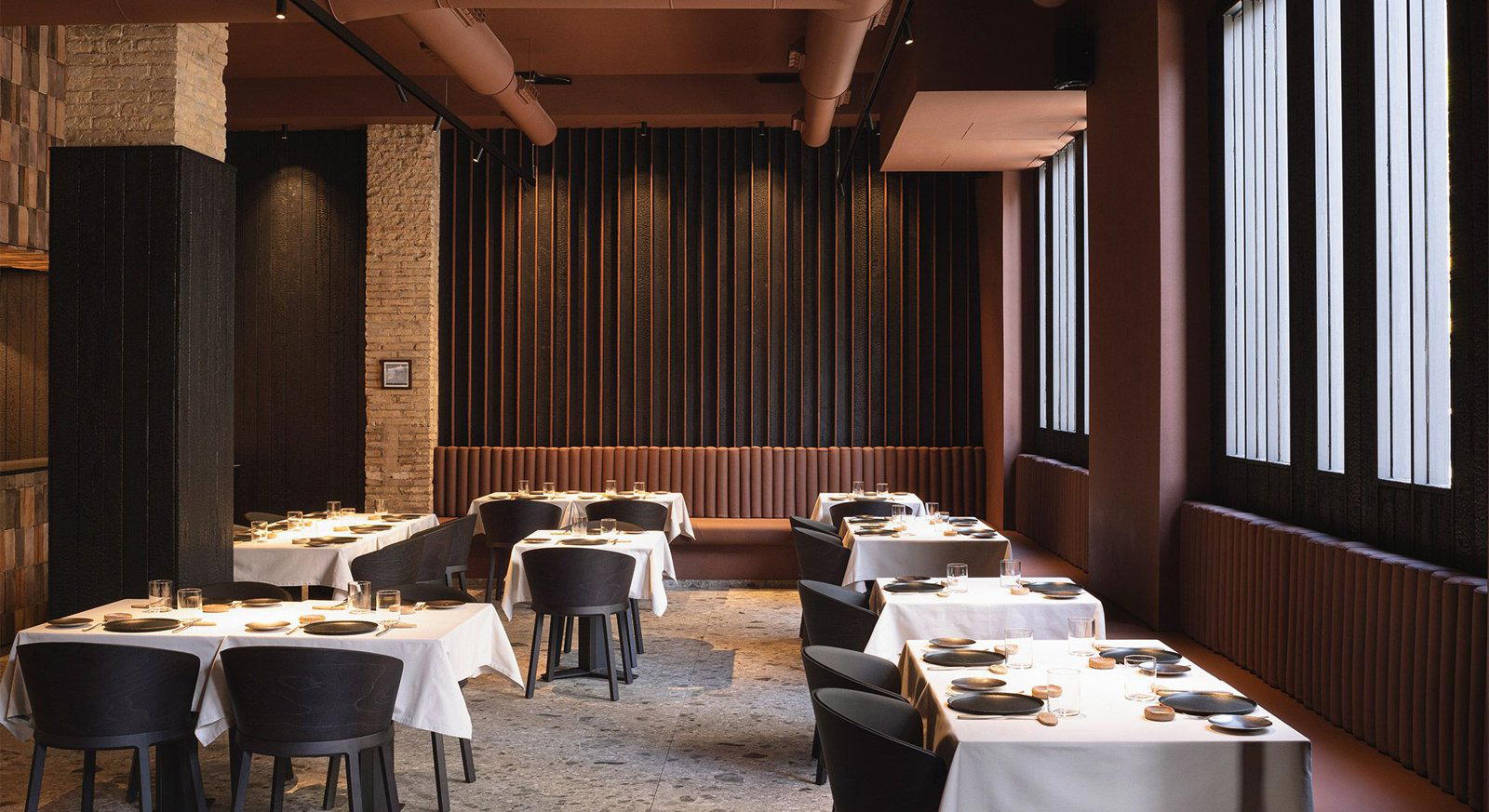
Flama occupies a ground-floor space on Gran Via del Marqués del Túria, 63, in Valencia's Ensanche district, close to the Mercado de Colón. The room is defined by an open-view kitchen that functions like a stage: fish rest in individual grill racks over live embers, and the team draws a curtain after the last order to close the service. It runs full most days, so booking ahead is advisable.
Where is Flama in València?
Flama is located at Gran Via del Marqués del Túria, 63, Bajo Derecha, Ensanche, 46005 València, Valencia, Spain, València.
What awards or recognition does Flama have?
Flama has received recognition including: The high-level cuisine at this contemporary restaurant close to the Mercado de Colón comes as an impressive surprise, thanks to its complete focus on fire, the grill and smoke – techniques which chef Eduardo Espejo manages in an almost prim….
What dish is Flama famous for?
Flama is defined by technique rather than a single dish. Chef Eduardo Espejo applies fire, grill, and smoke across fish, meat, and select vegetables, and the kitchen's sourcing and execution shift accordingly. What stays constant is the method — embers, racks, and heat managed with what observers have described as an almost primitive yet masterful precision.
Comparable Venues
Comparable venues nearby, for context on price, style, and recognition.
| Venue | Cuisine | Price | Awards | Notes |
|---|---|---|---|---|
| FlamaThis venue — the venue you are viewing | Modern Spanish Wood-Fired Grill | $50–100 | Michelin Plate · Macarfi 8 Food Rating | Not listed |
| Casa Carmela | Traditional Valencian Paella | $50–100 | Star Wine List · Macarfi 8 Food Rating | La Malva-Rosa |
| Eladio | Traditional Galician Seafood | $50–100 | Not listed | Nou Moles |
| Gran Azul | Modern Spanish Seafood & Paella | $50–100 | Michelin Plate · Macarfi 7.9 Food Rating | Mestalla |
| Teca | Traditional Spanish Tapas with Mediterranean Influences | $20–30 | Star Wine List | Arrancapins |
| La Barra de Kaymus | Modern Mediterranean | $50–100 | Michelin Bib Gourmand · Guía Repsol 1 Sol | Sant Pau |
Recognition history
Dated appearances from independent guides and award organizations, with the underlying list record or original source where available.
Michelin Plate
Michelin
Macarfi 8 Food Rating
Macarfi
Continue exploring
More in València
Restaurants in València
Browse all →
Bars in València
Browse all →
Hotels in València
Browse all →
Wineries in València
Browse all →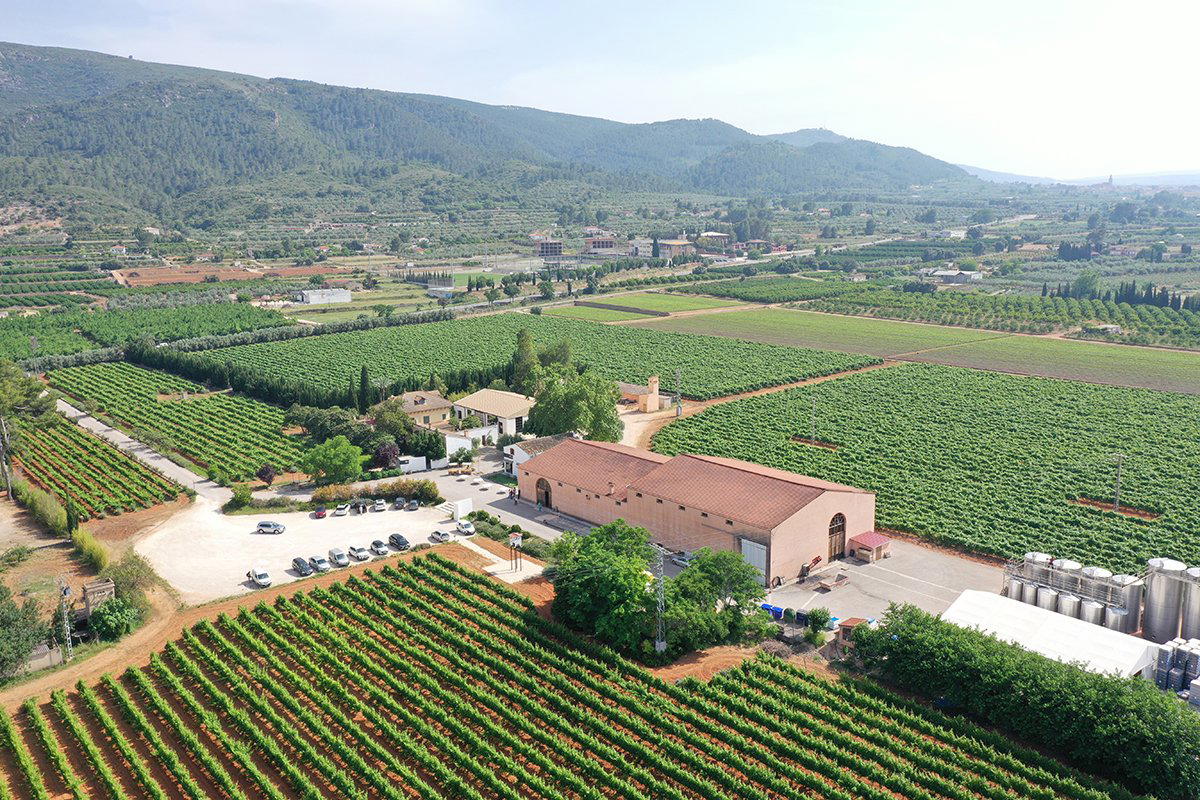
Details
- Intimate
- Modern
- Elegant
- Minimalist
- Date Night
- Business Dinner
- Special Occasion
- Open Kitchen
- Extensive Wine List
- Local Sourcing
- A La Carte
- Small Plates
Current opening hours
- Monday
- 2–5:30 PM, 9 PM–12:30 AM
- Tuesday
- 2–5:30 PM, 9 PM–12:30 AM
- Wednesday
- 2–5:30 PM, 9 PM–12:30 AM
- Thursday
- 2–5:30 PM, 9 PM–12:30 AM
- Friday
- 2–5:30 PM, 9 PM–12:30 AM
- Saturday
- 2–5:30 PM, 9 PM–12:30 AM
- Sunday
- Closed
Hours can change for holidays and private events. Last verified .
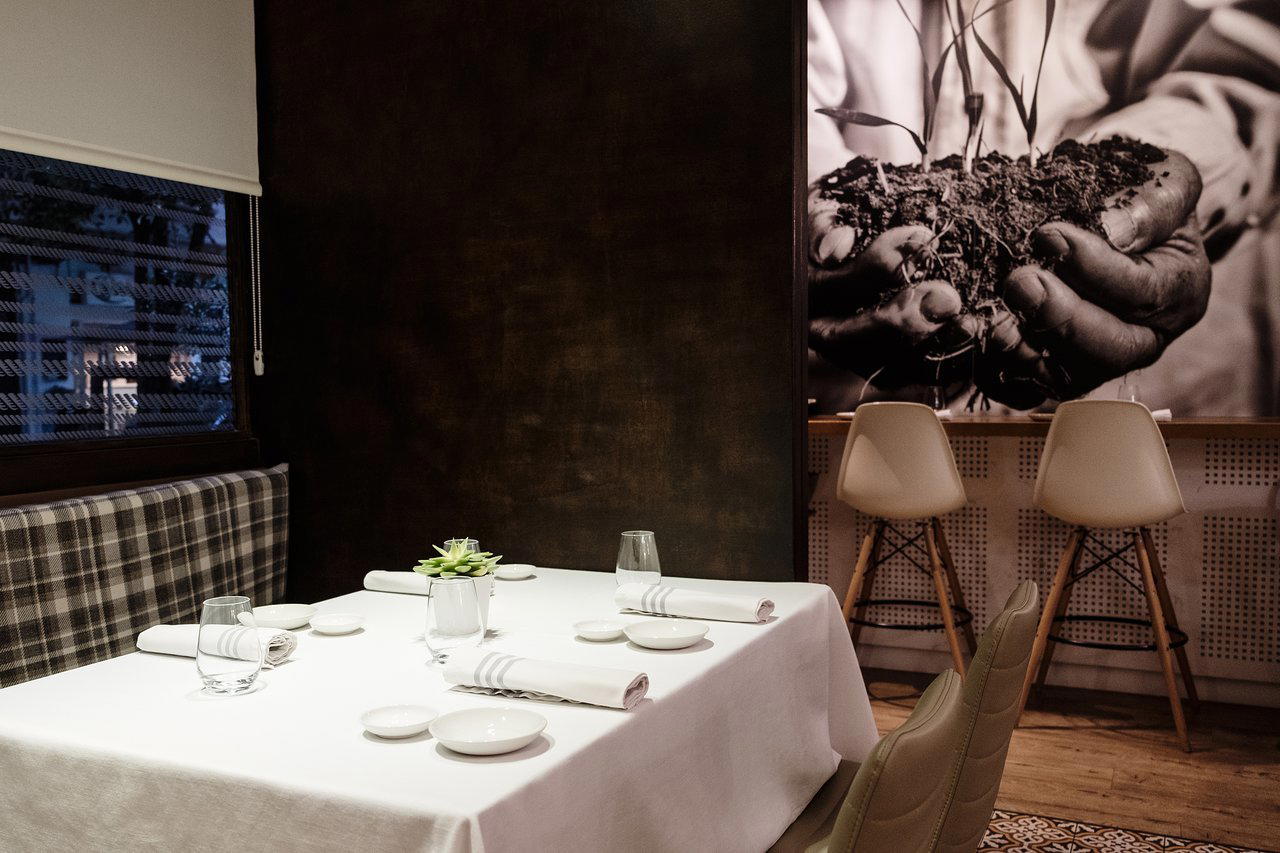
Contemporary minimalist space with polished concrete, warm lighting, and smoky aromas from the open kitchen.