Fish.
Our verdict
Fish. sits at 350 Harbor Drive in Sausalito, a waterfront seafood counter that measures its credentials by the catch rather than the ceremony. The ordering is casual, the setting is salt-aired and open, and the sourcing philosophy places it in a distinct tier among Marin County dining options. For seafood eaten close to where it was landed, few addresses in the Bay Area match the directness of the proposition here.

Pearl is the En Primeur Club membership app — saves, bookings, and concierge access live there. Same editors, same standards.
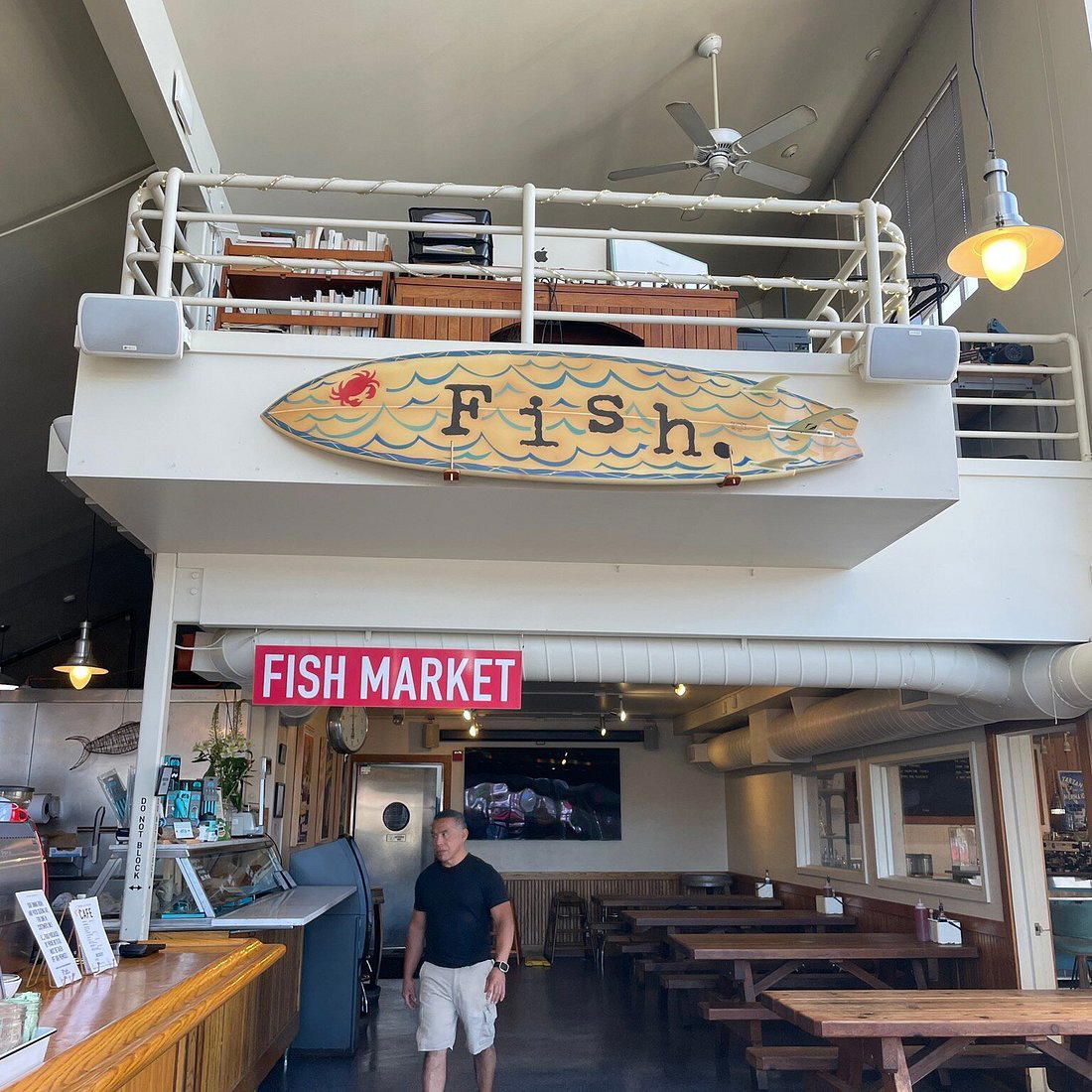
Salt Air, Dock Timber, and the Sound of Gulls
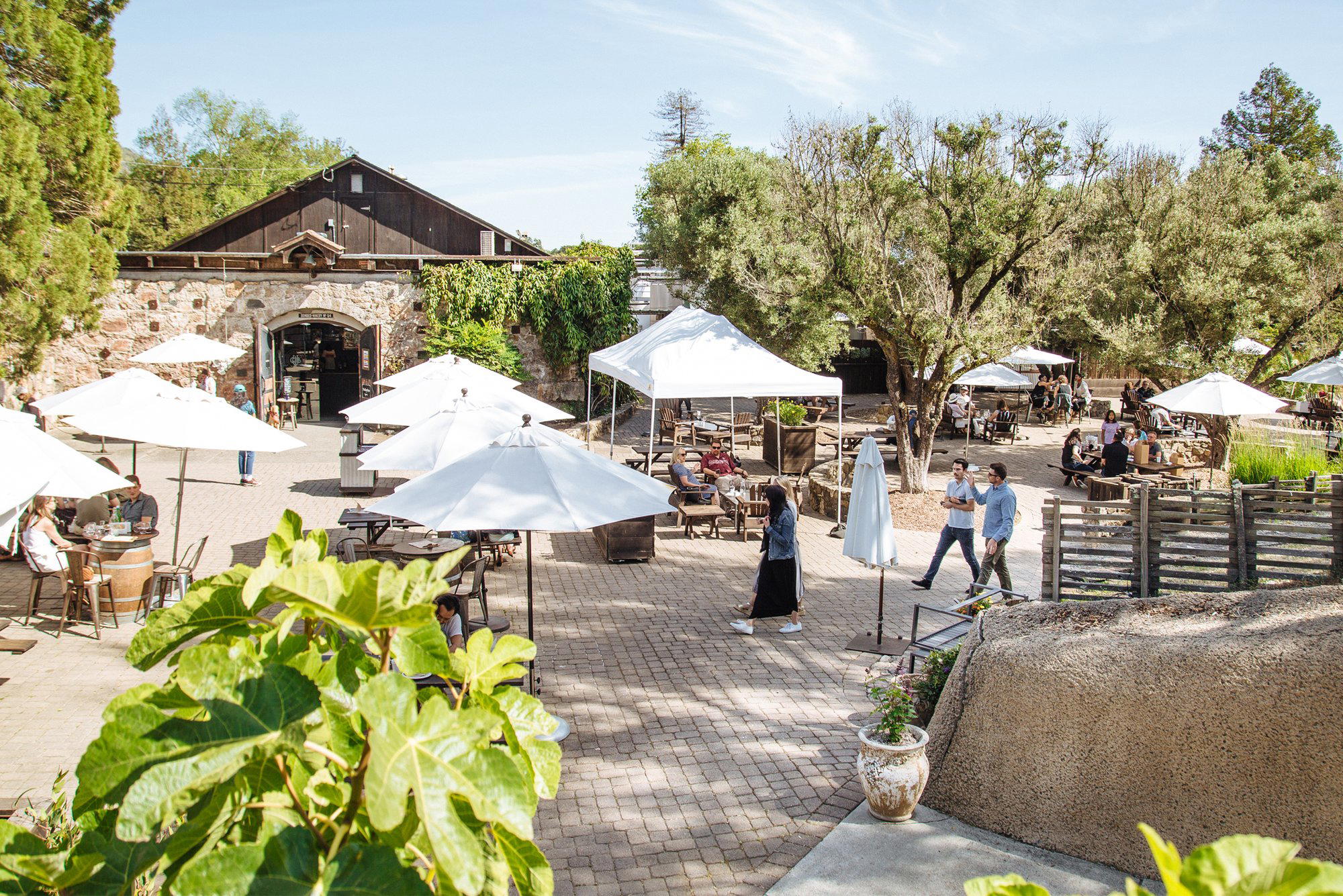
The approach to Fish. at 350 Harbor Drive sets expectations before any food arrives. Sausalito's waterfront has a particular quality in the late morning: the bay carries a low chop, the air is cool even in summer, and the smell of salt and creosote-treated pilings arrives before any restaurant signage. This is not a dining room that filters out the harbour — it is, deliberately, part of it. Outdoor tables face the water directly, and the informal ordering format means the ambient soundtrack is wind, boat traffic, and conversation rather than ambient music curated to suggest relaxation.
That physical context matters because it frames what Fish. is doing editorially. Marin County's restaurant scene divides fairly cleanly between venues oriented toward the inland suburban corridor — Corte Madera, San Rafael, the towns along 101, and the waterfront strip of Sausalito, which draws a different visitor profile and a different set of expectations. Sausalito attracts day-trippers from San Francisco crossing on the Golden Gate ferry, cyclists completing the Marin Headlands loop, and weekend visitors treating the town as a destination rather than a commute stop. Fish. reads the room accordingly: the format is counter-order, the seating is picnic-table style, and the proximity to the working harbour is not incidental, it is the entire premise.
Where Sausalito Seafood Sits in the Bay Area Picture
The Bay Area has a layered seafood dining culture. At the formal end, tasting-menu formats at places like Lazy Bear in San Francisco treat fish as one register within a broader composed-course program. At the opposite extreme, Fisherman's Wharf in San Francisco offers volume-driven tourist seafood with variable sourcing. Fish. occupies a different position: mid-register informality with a sourcing commitment that is more serious than the setting implies. That combination, casual format, deliberate sourcing, has become a recognized sub-category in American coastal dining, and Fish. is one of the earlier and more consistent examples of it in Northern California.
For context, Sausalito's wider restaurant scene spans Italian at Aurora Ristorante Italiano, Mexican at Copita Tequileria y Comida, and international eclectic at Avatar's. For wood-fired dishes and broader California fare, Cultivar in Sausalito is the obvious comparison on the more formal end. Fish. is not competing in the same tier, it is doing something narrower and more specific: seafood, sourced with accountability, served without ceremony, eaten within view of the water it came from. That narrowness is a deliberate editorial position, not a limitation.
The contrast with fine-dining seafood destinations nationally is instructive. Le Bernardin in New York City operates at the other end of the formality axis, where the fish arrives under white tablecloths with classical French saucing and a brigade system behind every plate. Providence in Los Angeles applies a similar gravity. Fish. makes the opposite bet: that the source, the freshness, and the location are the complete argument, and that adding formal structure would dilute rather than enhance the proposition.
The Sensory Logic of Eating at the Harbour
Eating seafood with a direct line of sight to the water functions differently from eating it inside a restaurant that evokes nautical themes through decoration. The light at Fish. is natural and variable, bright midday glare off the bay in summer, softer and grayer in winter, with the particular quality that comes from water reflection rather than ambient lighting design. Temperatures are often lower than visitors expect: Sausalito's microclimate means the bay breeze persists even when San Francisco is warmer inland, and eating outside in August often requires a layer.
The smell is genuine rather than manufactured. Many seafood restaurants invest in ventilation systems precisely to reduce the marine olfactory experience; Fish. offers the opposite because the outdoor format makes the harbour the dining room's extended wall. That authenticity carries over into the sensory encounter with the food itself. When sourcing is tight and proximity to the catch is real, the difference registers in texture, a freshness that is less about absence of fishiness and more about presence of a clean, sea-forward flavour that fades quickly in transit.
Practical Intelligence for Your Visit
Fish. operates on a counter-service model, which has direct implications for timing. Weekend lunch, particularly between May and October when ferry traffic from San Francisco is at its peak, generates meaningful queues. Arriving before noon or after 2 p.m. on weekends avoids the sharpest bottlenecks. The outdoor setting also means weather sensitivity is higher than at enclosed venues, a cold, foggy summer morning (common in Sausalito even in July) changes the experience considerably compared to a clear afternoon.
Getting to Fish. by ferry from San Francisco's Ferry Building is one of the more pleasant approaches to a lunch destination anywhere in the Bay Area: a 30-minute crossing, arriving directly into Sausalito's waterfront, with the walk to 350 Harbor Drive taking under ten minutes from the ferry dock. Driving from San Francisco via the Golden Gate Bridge adds parking variables, Sausalito's harbour-adjacent lots fill quickly on weekends.
For visitors building a broader Sausalito itinerary, Angelino Restaurant is another option in the waterfront corridor. The full picture of the town's dining options is covered in our Sausalito restaurants guide. For comparison with what sustainable-sourcing seafood looks like at the highest formal tier nationally, Single Thread Farm in Healdsburg, Addison in San Diego, and Blue Hill at Stone Barns in Tarrytown represent the formal-dining end of the source-driven spectrum. Smyth in Chicago, The French Laundry in Napa, Emeril's in New Orleans, The Inn at Little Washington, Atomix in New York City, and Atelier Moessmer Norbert Niederkofler in Brunico demonstrate how the sourcing-first philosophy scales across formats and geographies. Fish. makes the same argument at the opposite end of the format scale.
Frequently asked questions
Where is Fish. located?
Fish. is located at 350 Harbor Dr, Sausalito, CA 94965, Sausalito.
Is Fish. in Sausalito accessible by ferry from San Francisco?
Golden Gate Ferry and Blue & Gold Fleet both run regular service between San Francisco and Sausalito, with the Sausalito Ferry Terminal within walking distance of 350 Harbor Drive. This makes Fish. one of the few Bay Area seafood spots that is genuinely reachable without a car from the city. The ferry connection also explains the volume of foot traffic the counter sees on weekend afternoons during summer months.
What should I order at Fish.?
Fish. builds its menu around whatever is locally caught and seasonally available from Bay Area waters, so the menu shifts rather than staying fixed. Counter staff at 350 Harbor Drive are the reliable source for what arrived that day. Arriving earlier in service generally means the widest selection before high-demand items sell out.
Can I walk in to Fish.?
Fish. operates on a counter-service model with no reservations, so walk-ins are the standard format. During peak periods — weekend lunches from May through October in particular, when ferry traffic from San Francisco swells the Sausalito waterfront — expect a queue. Arriving before noon on weekends is the practical move.
What has Fish. built its reputation on?
Fish. has positioned itself around sustainably sourced, locally caught seafood served without the overhead of a formal dining room. The counter-service format at its Harbor Drive location keeps the focus on product over presentation, which gives it a different standing from the tasting-menu seafood culture operating in San Francisco proper. That reputation for sourcing rigor, rather than any specific award, is what drives consistent word-of-mouth across the Bay Area.
Is Fish. good for vegetarians?
Fish. is a seafood-focused counter, and the menu reflects that orientation. Vegetarian options are not a documented feature of the restaurant's offering, so those who do not eat fish or shellfish will find the selection limited. It is worth checking current options directly when you arrive at the counter on Harbor Drive.
Comparable Options
Comparable venues nearby, for context on price, style, and recognition.
| Venue | Cuisine | Price | Awards | Notes |
|---|---|---|---|---|
| Fish.This venue — the venue you are viewing | Sustainable Seafood Shack | $30–50 | Not listed | Not listed |
| The Spinnaker | Classic American-Continental Seafood | $50–100 | Wine Spectator Award of Excellence | Sausalito waterfront |
| Scoma's Sausalito | Mediterranean Seafood | $50–100 | Not listed | Sausalito Waterfront |
| Aurora Ristorante Italiano | Classic Italian | $30–50 | Not listed | Old Town |
| Sula | Modern American with Asian and Mediterranean Influences | $50–100 | Not listed | Fort Baker |
| Avatar's | Indian Fusion | $20–30 | Not listed | Bridgeway |
Continue exploring
More in Sausalito
Restaurants in Sausalito
All restaurants in Sausalito →
Bars in Sausalito
Browse all →
Details
- Casual
- Scenic
- Cozy
- Casual Hangout
- Waterfront
- Terrace
- Sustainable Seafood
- Waterfront
- A La Carte
Current opening hours
- Monday
- 11:30 AM–7:30 PM
- Tuesday
- 11:30 AM–7:30 PM
- Wednesday
- 11:30 AM–7:30 PM
- Thursday
- 11:30 AM–7:30 PM
- Friday
- 11:30 AM–8:30 PM
- Saturday
- 11:30 AM–8:30 PM
- Sunday
- 11:30 AM–7:30 PM
Hours can change for holidays and private events. Last verified .
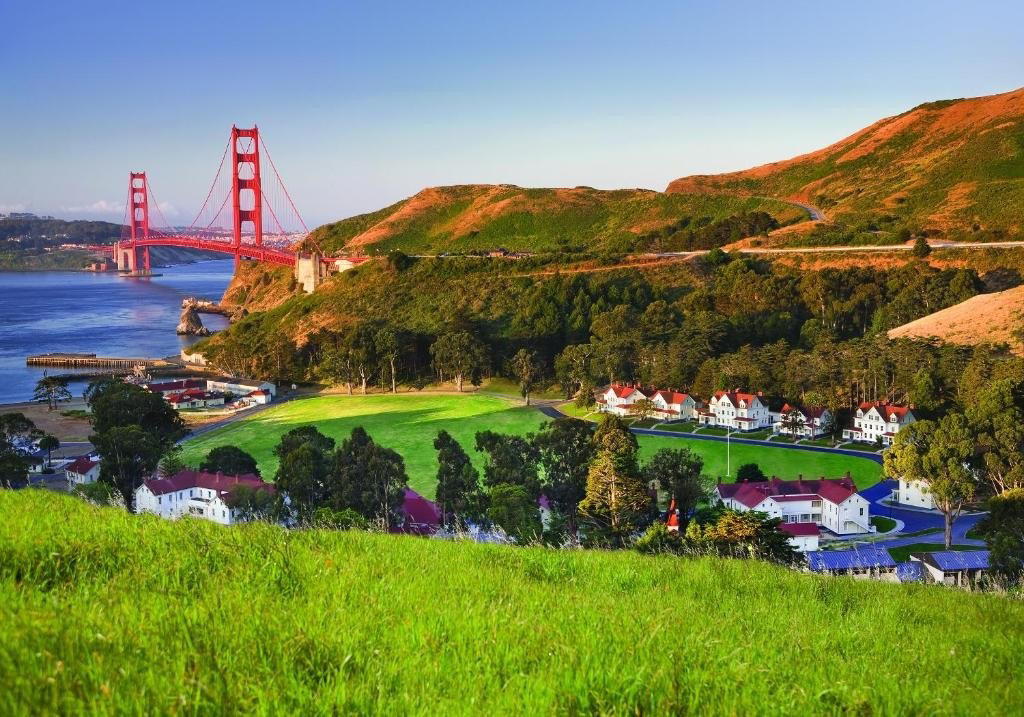
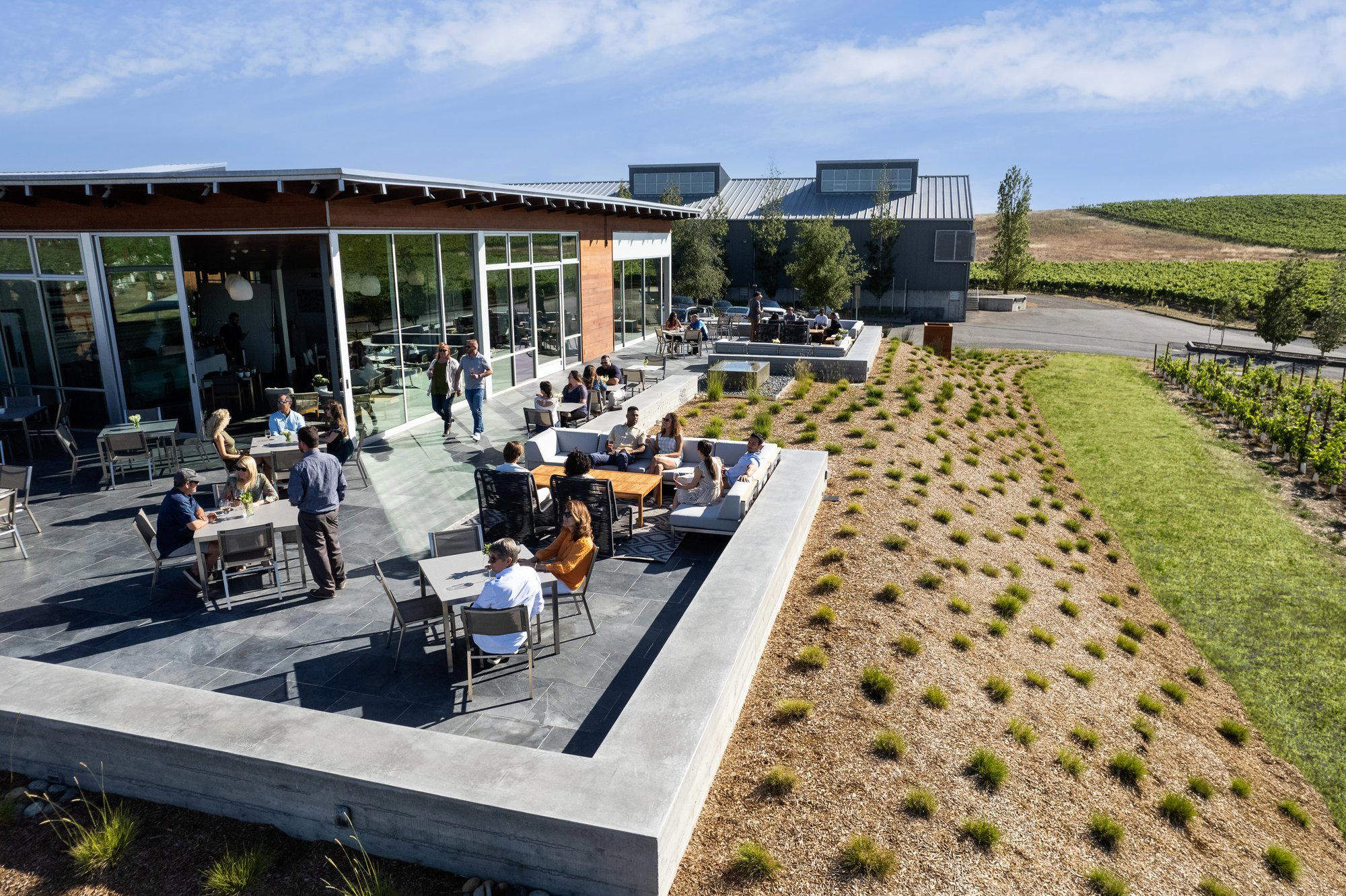
Casual, relaxed atmosphere with natural light from the waterfront patio and views of the water.