Copita Tequileria y Comida
Copita Tequileria y Comida focuses on Modern Mexican Tequileria, craft cocktails, and waterfront rooftop and terrace seating in Sausalito.
Pearl is the En Primeur Club membership app — saves, bookings, and concierge access live there. Same editors, same standards.
- Address
- 739 Bridgeway, Sausalito, CA 94965
- Phone
- +14153317400
- Website
- copitarestaurant.com
- Directions
- Get directions
 Saves & bookings on Pearl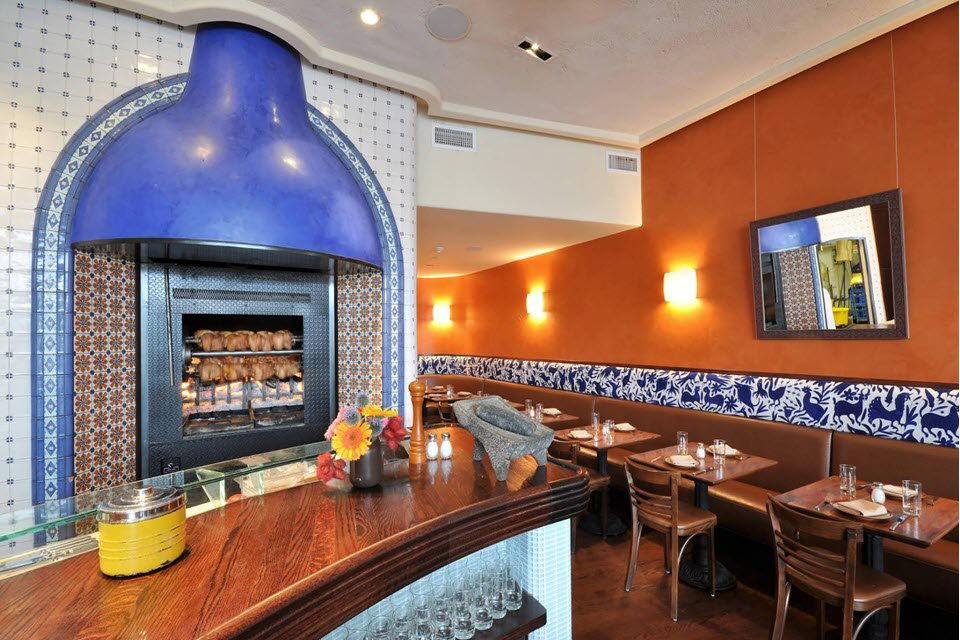
Bridgeway, Waterfront, and the Case for Mexican Drinking Culture in Marin County
Sausalito sits at an odd remove from the Bay Area dining conversation. Eleven miles from San Francisco by road, the town draws day-trippers off the ferry and cyclists crossing from the Golden Gate, then watches most of them leave by late afternoon. The restaurants that survive here tend to anchor to the waterfront setting, leaning into views of the bay and the San Francisco skyline rather than competing on culinary terms with the city across the water. Copita Tequileria y Comida occupies a different position: a Mexican restaurant with a serious tequila and mezcal program on Bridgeway, the main artery that runs along the Sausalito waterfront, where the foot traffic is real and the competition tends toward Italian and seafood.
That positioning matters. In Marin County, Mexican restaurants with genuine spirits depth are rare. The category more commonly means casual taquerias or margarita-forward chains. A venue that structures itself around the agave spirits category, tequila and mezcal treated with the same curatorial attention that a wine-focused restaurant might give its cellar, fills a gap that the broader Sausalito dining scene has largely left open. For visitors arriving from San Francisco, where agave bars have proliferated in the Mission and Hayes Valley, Copita offers a comparable orientation in a town where the setting changes the experience entirely. The ferry from the Ferry Building takes roughly thirty minutes; the contrast between the city's density and Sausalito's smaller, slower scale arrives immediately.
Place and Program: What the Location Asks of the Food
Bridgeway restaurants operate under a particular constraint: the view does a lot of work, and menus have to decide whether to compete with it or complement it. One durable addresses on this stretch tend to solve that problem by building programs that reward attention independent of the scenery. For a tequileria format, that means the spirits list has to function as a destination in its own right. Agave spirits have expanded significantly as a category over the past decade in the United States, with premium and ultra-premium tequila and mezcal now occupying shelf space that domestic whiskey once held exclusively. A restaurant built around that category, in a town with no close equivalent, holds a structural advantage that a direct Italian or seafood address does not.
The food component of the name, "y Comida," signals that the kitchen is positioned as a co-equal part of the offer rather than an afterthought to the bar program. Mexican cooking in California operates across a wide range of registers, from the Baja-influenced seafood formats that have dominated San Francisco's upmarket Mexican tier to more regional approaches drawing from Oaxaca, Yucatan, or central Mexico. Sausalito's restaurant scene, which leans heavily toward Aurora Ristorante Italiano, Angelino Restaurant, and the casual fish-counter format represented by Fish., has limited representation in the Mexican category at any price point.
Agave Spirits in Context: Where Copita Sits in the Category
The agave spirits market has restructured considerably since the early 2010s. Craft mezcal producers, particularly from Oaxaca and other southern Mexican states, built a following among bartenders and spirits-educated drinkers before the broader consumer market caught up. Tequila, meanwhile, split between mass-market expressions and a premium tier defined by additive-free production, highland versus lowland agave sourcing, and single-estate designations. A tequileria that takes the category seriously today needs to address both sides of that split: the established premium tequila houses and the smaller mezcal producers whose output is measured in hundreds of cases rather than millions.
That kind of spirits depth puts Copita in a different competitive conversation from most of Sausalito's dining options. The comparison set is less Cultivar (flagship, Sausalito) or Avatar's and more the agave-forward bar programs in San Francisco's Mission District, or the mezcal lists at Mexican restaurants in Los Angeles that sit several tiers above the casual end of the market. Sausalito is not a city where destination dining draws travelers the way The French Laundry in Napa or Single Thread Farm in Healdsburg do in the broader Bay Area region, but it is a town where a well-built spirits program can anchor a restaurant against the churn that affects waterfront dining more broadly. For context on how category-defining programs work at the upper end of American dining, the commitment to depth at venues like Lazy Bear in San Francisco or Smyth in Chicago illustrates what program-led identity achieves over time.
Getting There and Planning a Visit
Sausalito is accessible from San Francisco by the Golden Gate Ferry, which departs from the Ferry Building and arrives at the Sausalito Ferry Terminal on Bridgeway, a short walk from the main restaurant corridor. The ferry is the preferred approach on weekends, when Bridgeway traffic and parking become genuinely difficult. Driving from San Francisco takes between twenty and thirty-five minutes depending on bridge traffic; Highway 101 to the Alexander Avenue exit deposits you directly into Sausalito's main grid. Copita sits at 739 Bridgeway, which places it in the denser commercial section of the waterfront strip rather than the quieter residential northern end.
Waterfront restaurants in Sausalito tend to fill quickly on weekend lunches and weekend evenings, driven by ferry arrivals and day visitors. Arriving outside those peak windows, particularly on weekday evenings, typically means shorter waits and a different rhythm in the room.
Emeril's in New Orleans and Providence in Los Angeles to internationally recognized addresses like Atelier Moessmer Norbert Niederkofler in Brunico and Atomix in New York City, offering useful calibration for what specialization and program depth look like across different dining contexts. Blue Hill at Stone Barns in Tarrytown, Addison in San Diego, Le Bernardin in New York City, and The Inn at Little Washington in Washington.
The Minimal Set
Comparable venues nearby, for context on price, style, and recognition.
| Venue | Cuisine | Price | Notes |
|---|---|---|---|
| Copita Tequileria y ComidaThis venue — the venue you are viewing | Not listed | $$$ | Not listed |
| Show de Carnes Brazilian Steakhouse | Sausalito, Brazilian Churrascaria | $$$ | Not listed |
| Sandrino Pizza & Vino | Not listed | $$ | Downtown Sausalito, Authentic Italian Pizza & Wine |
| Sula | Not listed | $$$ | Fort Baker, Modern American with Asian and Mediterranean Influences |
| The Spinnaker | Not listed | $$$ | Sausalito waterfront, Classic American-Continental Seafood |
| Cultivar | Not listed | $$$ | Sausalito, California Farm-to-Table with Wood-Fired Pizzas |
Continue exploring
More in Sausalito
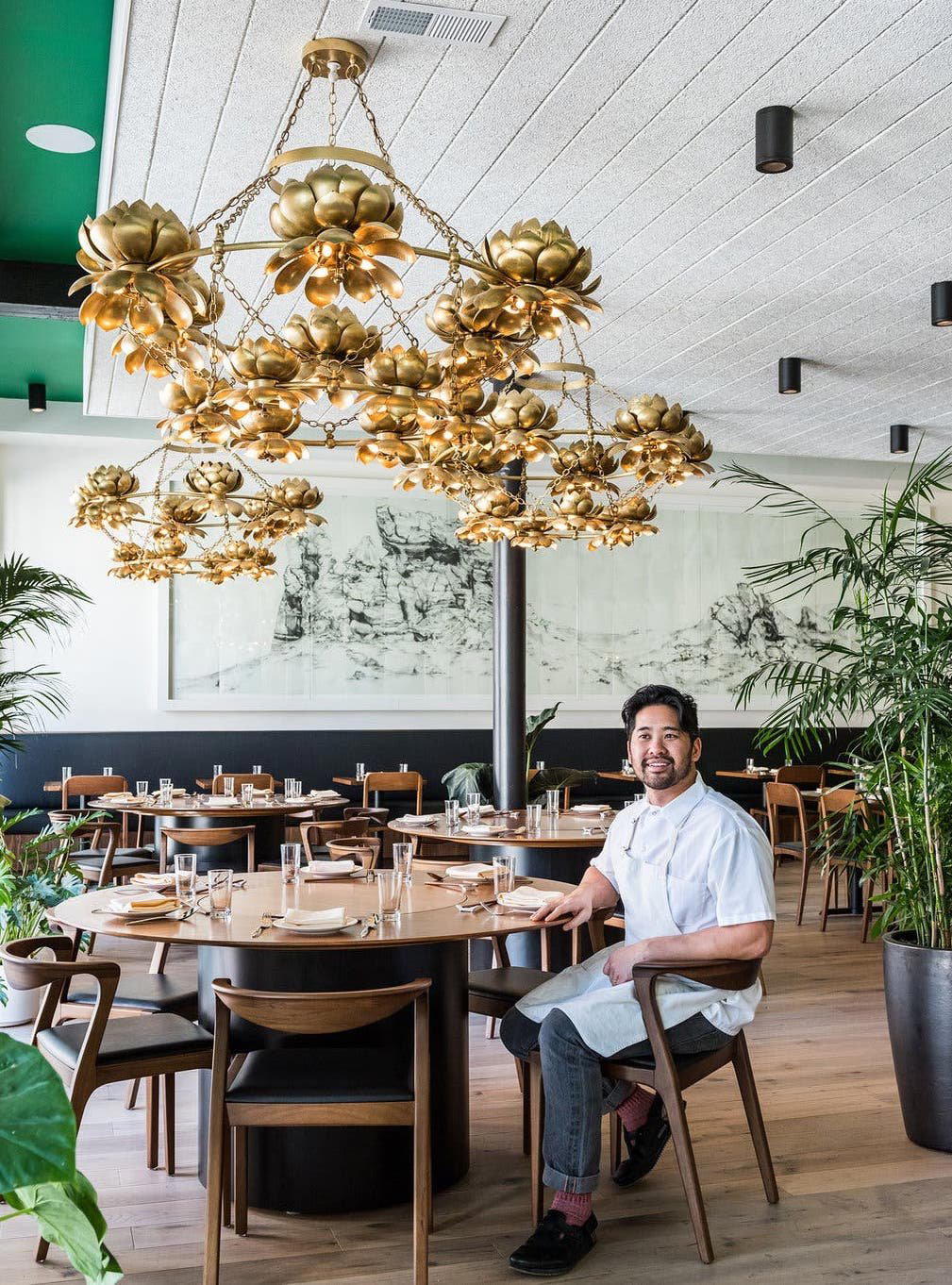
Restaurants in Sausalito
Browse all →
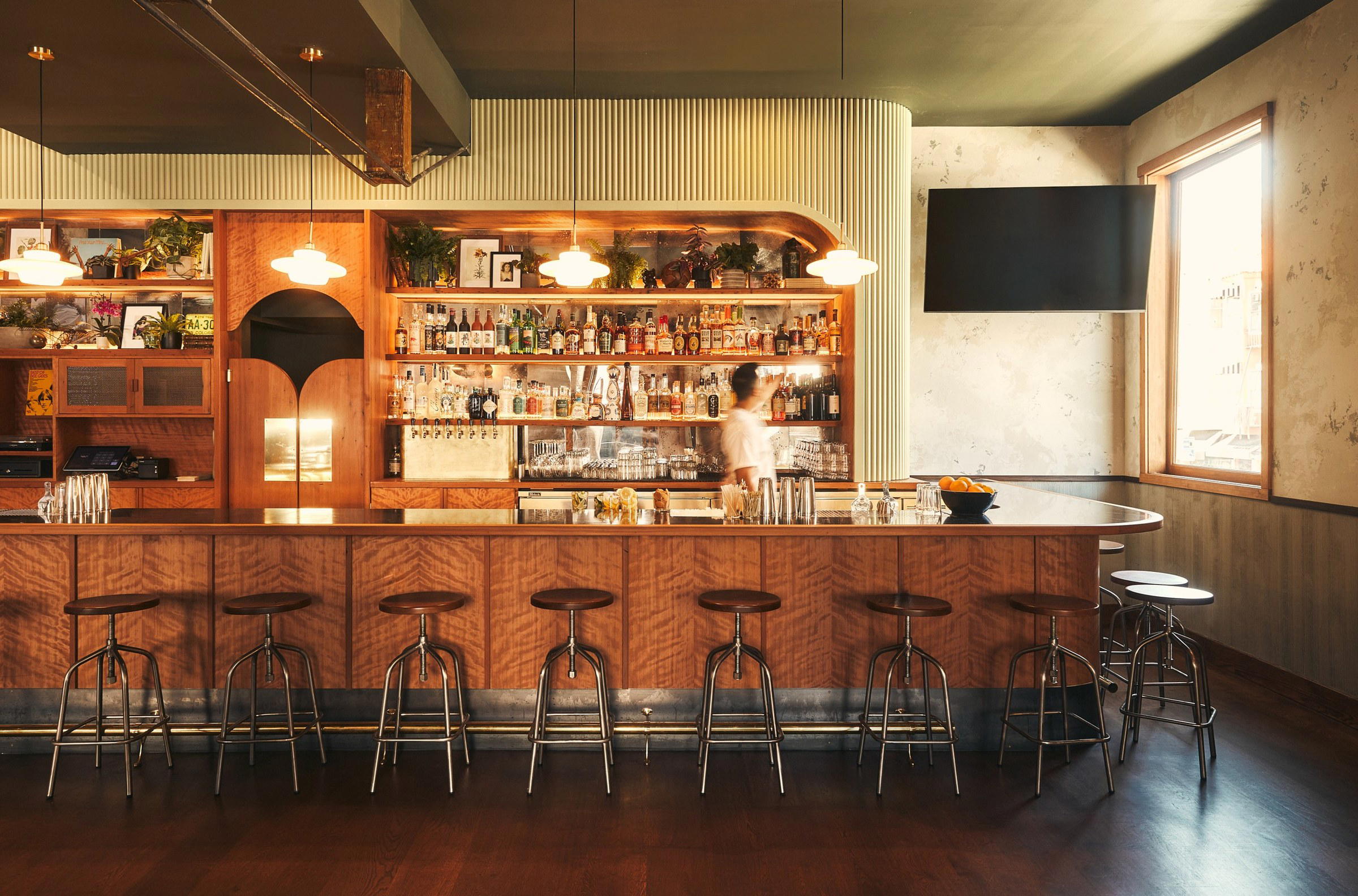
Bars in Sausalito
Browse all →
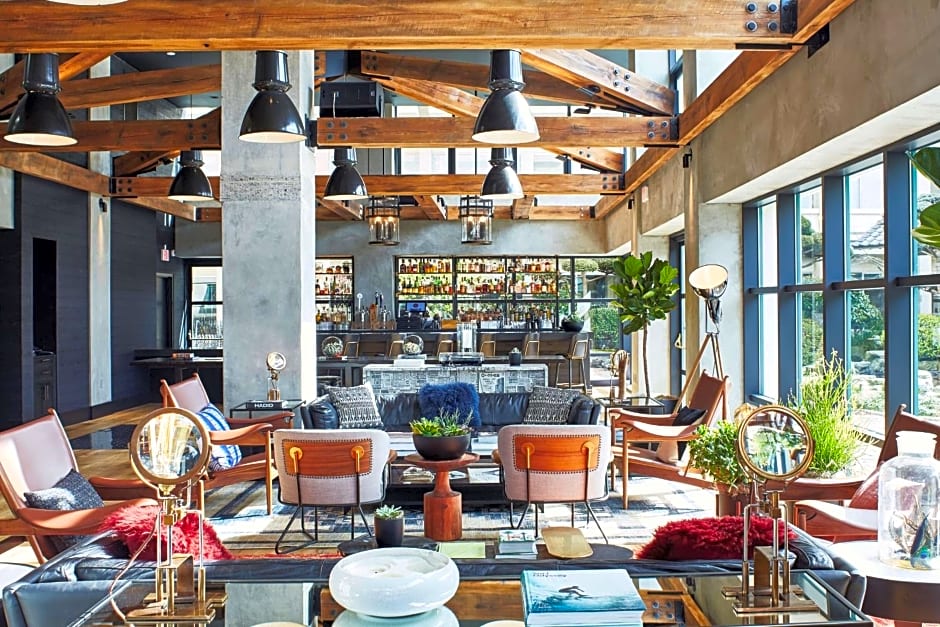
Hotels in Sausalito
Browse all →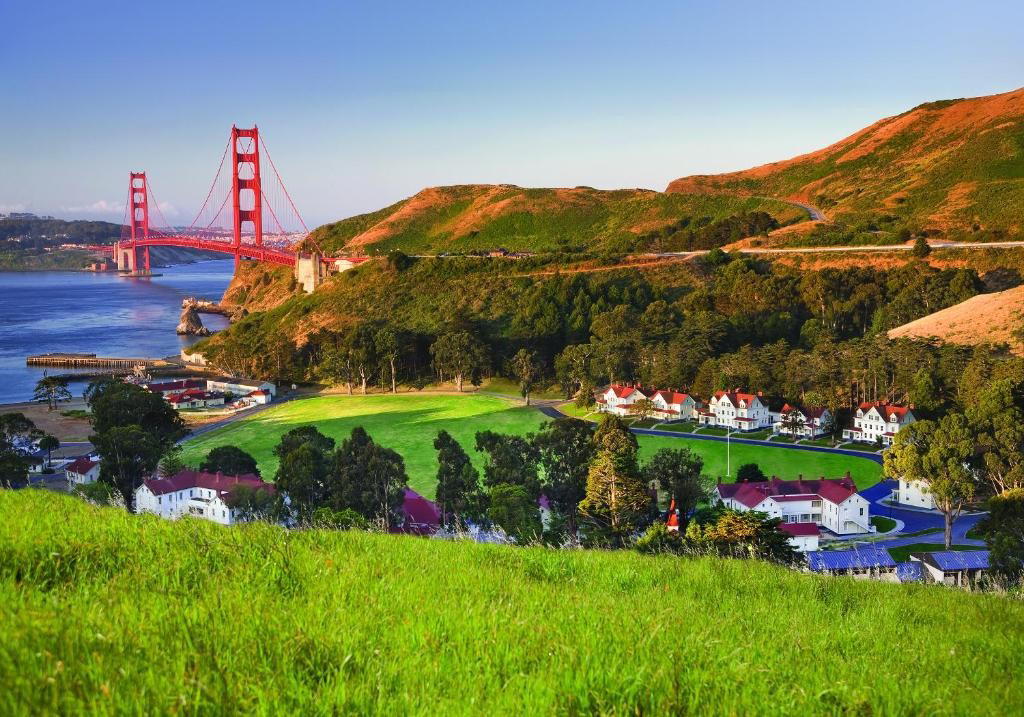
At a Glance
- Lively
- Trendy
- Energetic
- Date Night
- Group Dining
- Casual Hangout
- Rooftop
- Terrace
- Open Kitchen
- Craft Cocktails
- Local Sourcing
- Waterfront
Current opening hours
- Monday
- 11:30 AM–9 PM
- Tuesday
- 11:30 AM–9 PM
- Wednesday
- 11:30 AM–9 PM
- Thursday
- 11:30 AM–9 PM
- Friday
- 11:30 AM–10 PM
- Saturday
- 11 AM–10 PM
- Sunday
- 11 AM–9 PM
Hours can change for holidays and private events. Last verified .
Lively and festive atmosphere with bright flavors and contemporary design.