Firenze By Night
On Stockton Street at the edge of North Beach, Firenze By Night occupies a stretch of San Francisco where Italian-American dining has deep roots and the sustainability conversation is reshaping what that tradition means. The address places it in a neighbourhood that rewards walking in without a plan, though the kitchen's approach to sourcing suggests a kitchen worth planning around.
Pearl is the En Primeur Club membership app — saves, bookings, and concierge access live there. Same editors, same standards.
- Address
- 1429 Stockton St, San Francisco, CA 94133
- Phone
- +14153928485
- Website
- firenzebynightsf.com
- Directions
- Get directions
 Saves & bookings on Pearl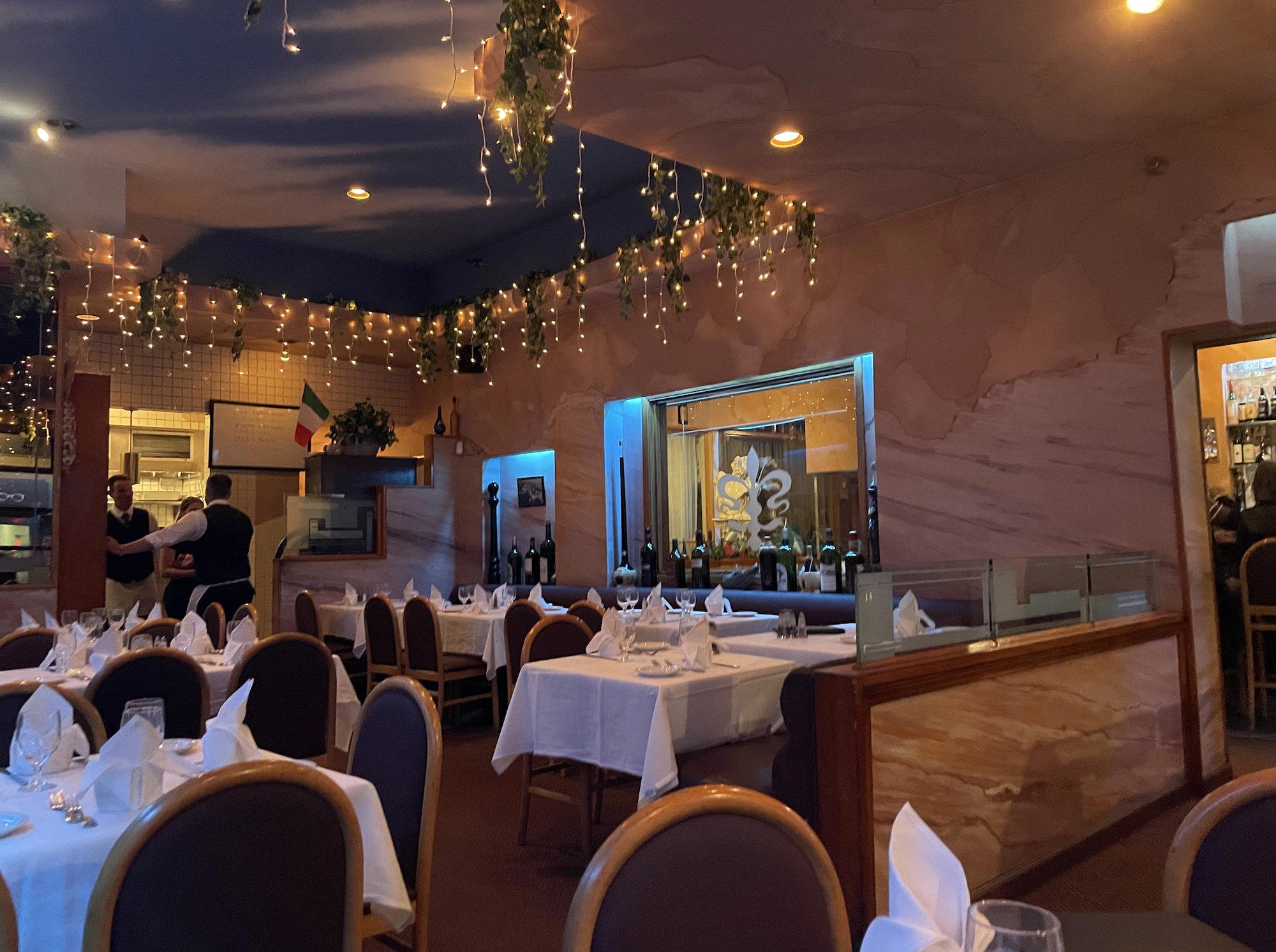
Stockton Street After Dark: The Italian Table in a Changing City
North Beach has always been San Francisco's most legible Italian neighbourhood, a place where the espresso is taken seriously and the question of what constitutes an authentic red-sauce tradition is argued with the kind of conviction usually reserved for local politics. The stretch of Stockton Street where Firenze By Night sits sits at the edge of that conversation, a block removed from the tourist-facing cafes of Columbus Avenue and closer to the residential rhythms that have defined this corner of the city for generations. Approaching at night, the neighbourhood reads as a living document of Italian-American immigration: the signage, the pace, the low ambient noise of kitchens working at full speed.
That context matters because it shapes how you read any Italian restaurant here. San Francisco's upper-tier Italian table is now occupied by Quince, a contemporary Italian room that has built a sourcing program around its own farm and Northern California producers. Firenze By Night operates at a different register, in a neighbourhood where the reference points are older and the expectations are different, but the broader shift toward ethical sourcing and seasonal discipline is arriving here too.
The Sustainability Turn in Italian-American Dining
Across the United States, particularly consequential change in restaurant kitchens over the past decade has not been a technique or a cuisine shift but a supply-chain reckoning. Chefs who once ordered from broad-line distributors now maintain relationships with specific farms, fishing operations, and ranchers. The language of provenance, once confined to fine-dining press releases, has moved into neighbourhood dining rooms. In San Francisco, that shift has been particularly visible: the city's food culture, its proximity to the Central Valley, the Sonoma and Marin agricultural belts, and the Pacific fishery make local sourcing logistically achievable in a way it is not in landlocked cities.
Restaurants in the Italian-American tradition have been slower to absorb this shift than their Californian-cuisine peers. The canon of that tradition, its San Marzano tomatoes, its imported 00 flour, its cured meats from specific Italian regions, carries a different kind of authenticity claim that can sit in tension with pure localism. Particularly interesting Italian restaurants in California right now are the ones working out where those claims intersect: what you import because the terroir is genuinely irreplaceable, and what you source locally because the California version is as good or better. Saison, working in a Californian register rather than an Italian one, has built one of the more rigorous sourcing programs in the city around exactly that logic, and its approach to wood fire and seasonal produce has influenced how neighbouring kitchens think about their supply chains.
The sustainability conversation in fine dining has also moved beyond sourcing into waste architecture. Programs at places like Blue Hill at Stone Barns in Tarrytown have made zero-waste kitchen practice a credentialed discipline rather than a back-of-house aspiration. In Europe, Atelier Moessmer Norbert Niederkofler in Brunico has built an entire tasting menu philosophy around alpine ingredient use and waste reduction, earning recognition that has reframed what ethical sourcing can look like at the summit of the market. These are reference points that now sit in the background of any serious kitchen conversation, including in neighbourhood Italian rooms on Stockton Street.
Where Firenze By Night Sits in the San Francisco Scene
San Francisco's dining scene divides into clear tiers. At the leading sit the multi-Michelin rooms: Benu, Atelier Crenn, Quince, and Saison, all operating at $$$$ price points with booking windows measured in months. A tier below, restaurants like Lazy Bear run communal tasting formats with strong editorial profiles and significant demand. The neighbourhood Italian table occupies a different position: closer to the city's daily life, less legible to the international press, but often more directly connected to the sourcing networks and community relationships that define what the city actually eats.
The address at 1429 Stockton Street places Firenze By Night in North Beach, a neighbourhood where the dining culture is denser and more historically rooted than in the SoMa or Mission corridors where much of the city's recent fine-dining development has concentrated. For comparisons elsewhere in the country, the neighbourhood Italian dynamic in San Francisco has analogues in New Orleans, where Emeril's built a regionally-rooted identity, and in New York, where Le Bernardin demonstrates how a single cuisine commitment, held rigorously over decades, becomes its own kind of authority.
Further afield, the farm-to-table Italian model has found one of its most complete expressions at Single Thread Farm in Healdsburg, which controls its supply chain from the ground up. In Los Angeles, Providence has built a seafood program with documented sustainability credentials. In San Diego, Addison operates at a level of sourcing discipline that has earned Michelin recognition. In Chicago, Smyth runs a kitchen garden program that informs its entire menu architecture. These are the peers against which sustainability claims in American fine dining are now measured, and they set the bar for what the term actually requires in practice.
North Beach at Night: Practical Orientation
North Beach is one of San Francisco's most walkable dining neighbourhoods, and the Stockton Street corridor rewards arriving on foot from the Columbus Avenue spine rather than by car. The neighbourhood's parking constraints make driving less practical than transit or rideshare. The density of the area means that the restaurant sits within easy walking distance of multiple bars and cafes suitable for pre- or post-dinner drinking, which is consistent with how the neighbourhood functions as an evening destination rather than a destination dining address in isolation.
At the far end of American fine dining ambition, The Inn at Little Washington and The French Laundry in Napa have both built documented garden and sourcing programs that establish what sustainability commitment looks like at the summit of the American market.
Quick reference: the restaurant, 1429 Stockton St, San Francisco, CA 94133. North Beach neighbourhood. Hours: Mon: Closed; Tue: Closed; Wed: 5–9 PM; Thu: 5–9 PM; Fri: 5–10 PM; Sat: 5–10 PM; Sun: 5–9 PM. Reservations recommended. Price tier: $$.
The Short List
Comparable venues nearby, for context on price, style, and recognition.
| Venue | Cuisine | Price | Notes |
|---|---|---|---|
| Firenze By NightThis venue — the venue you are viewing | North Beach, Classic Italian Pasta | $$ | Not listed |
| Tony's Coal Fired Pizza & Slice House | Not listed | $$ | North Beach, New York-Style Coal-Fired Pizza |
| Cesario's | Nob Hill, Northern Italian Comfort Food | $$ | Not listed |
| Lupa Trattoria | Noe Valley, Authentic Roman Trattoria | $$ | Not listed |
| Vega | Not listed | $$ | Bernal Heights, Authentic Italian with Pizza and Pasta |
| Da Flora | North Beach, Authentic Italian Osteria | $$ | Not listed |
Continue exploring
More in San Francisco
Restaurants in San Francisco
Browse all →
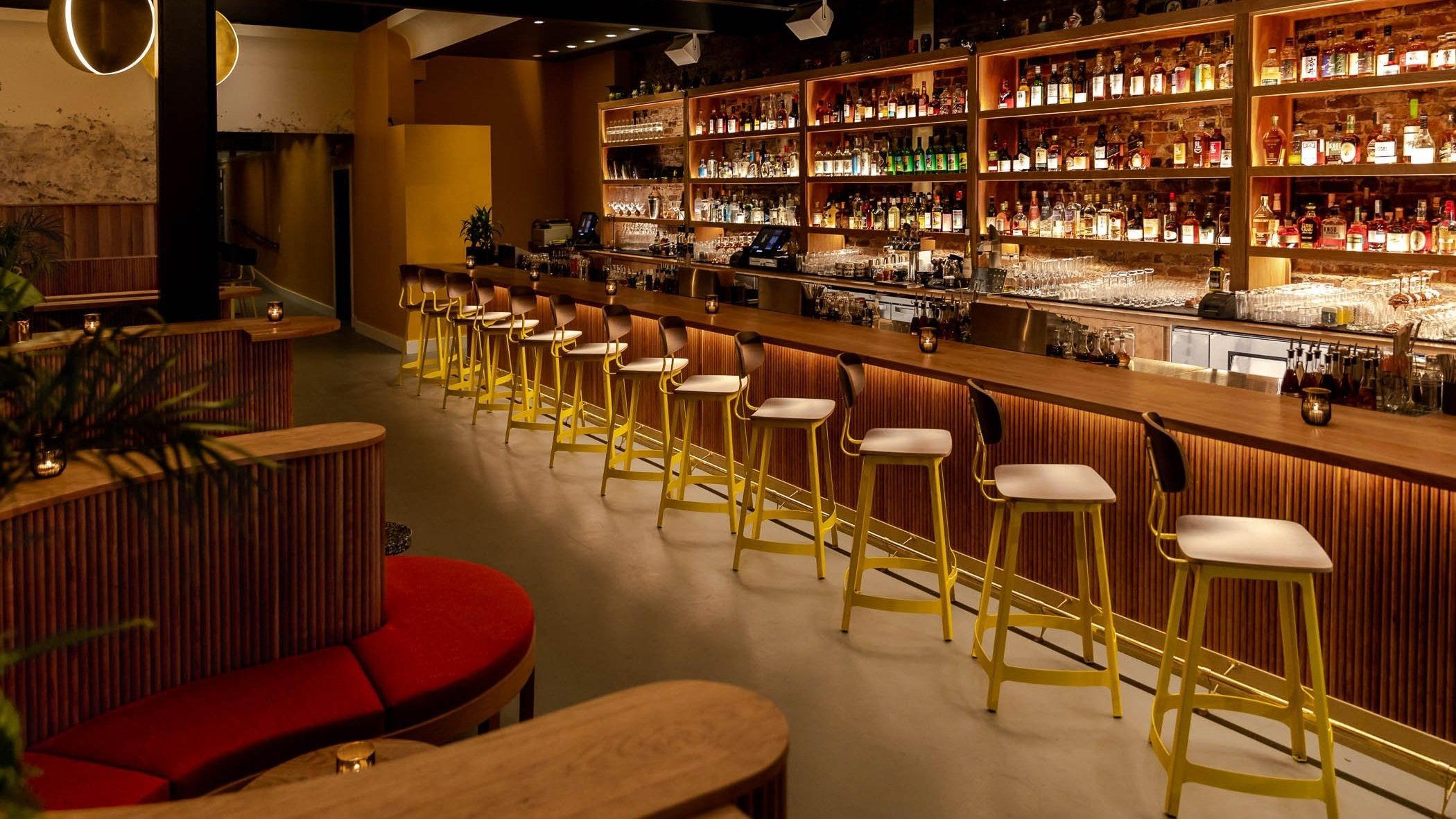
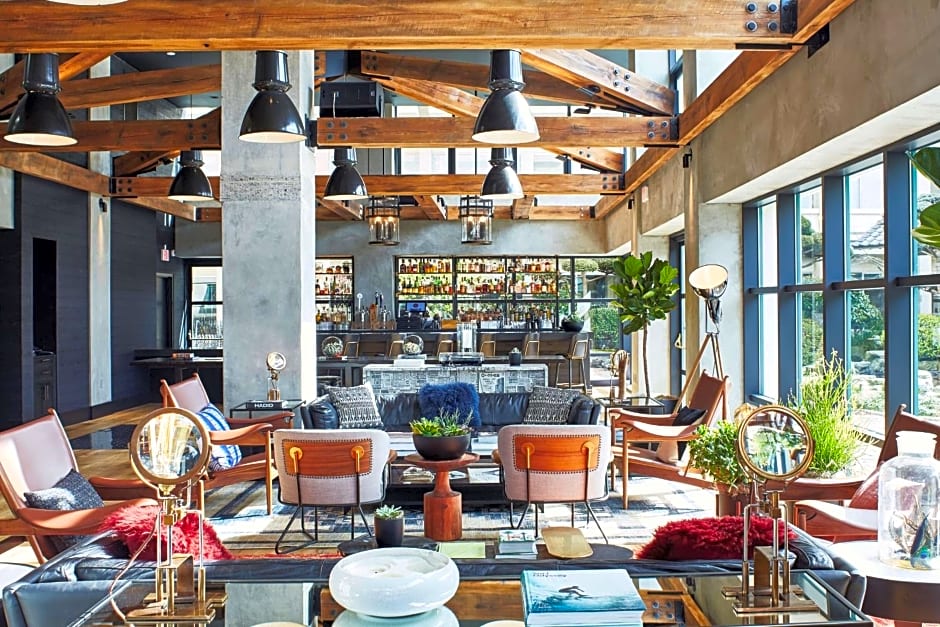
Bars in San Francisco
Browse all →
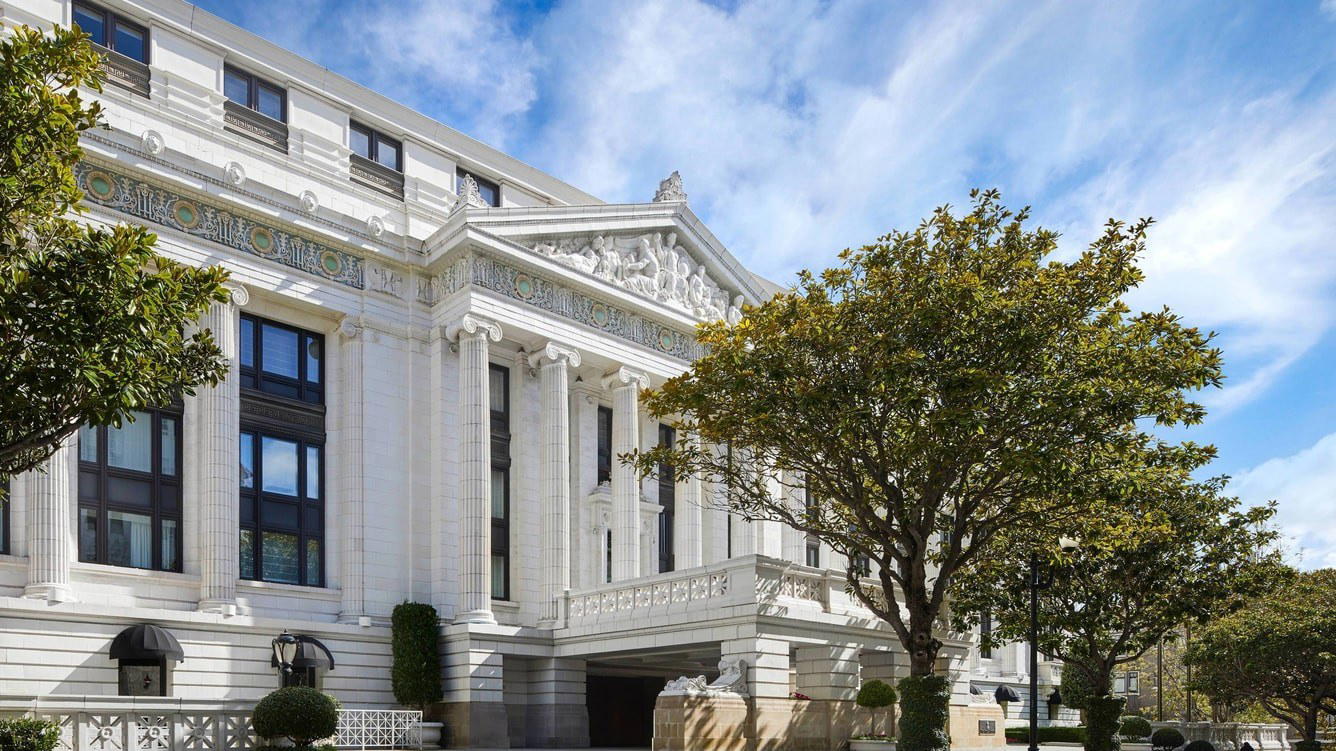
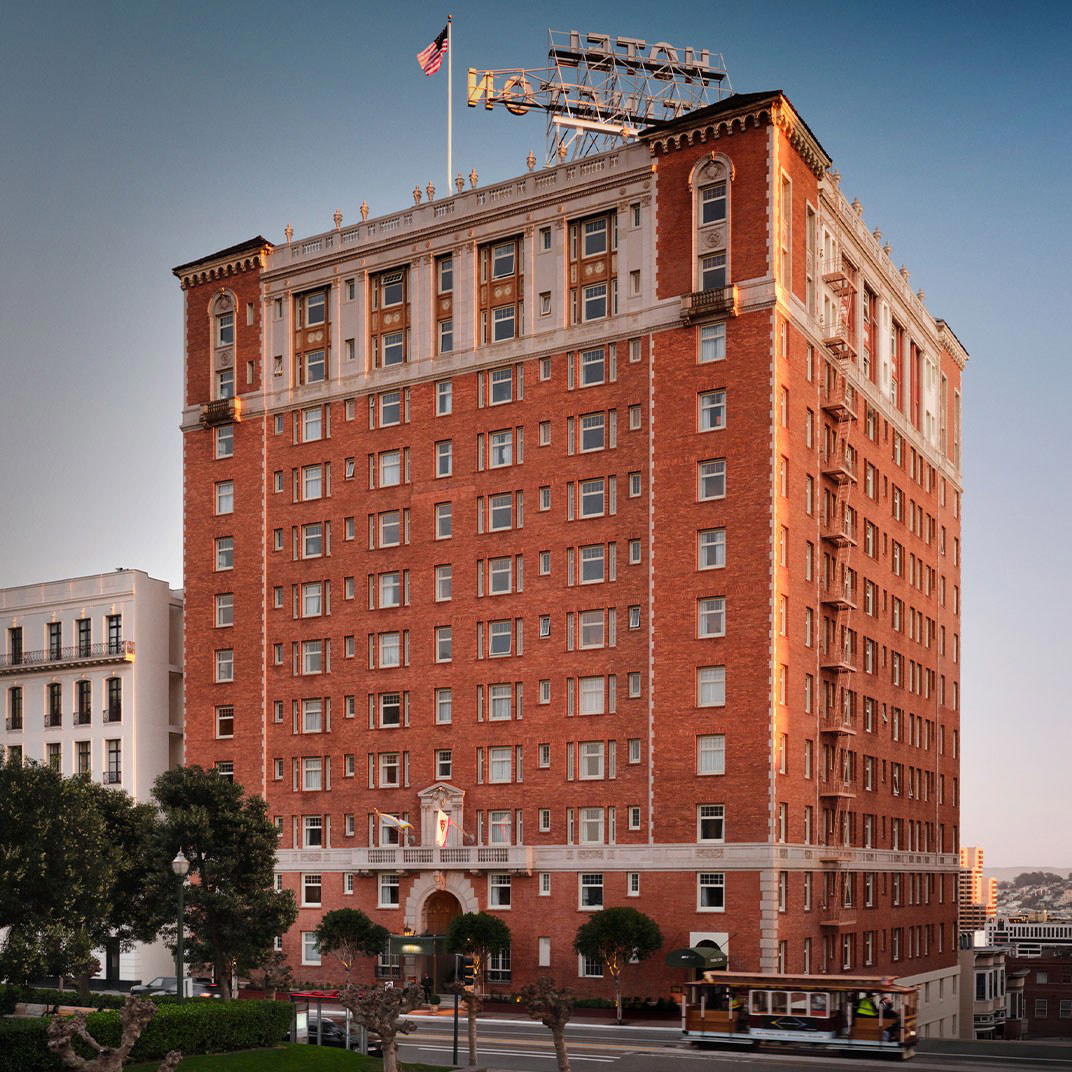
Hotels in San Francisco
Browse all →
At a Glance
- Cozy
- Classic
- Intimate
- Date Night
- Group Dining
- Special Occasion
- Standalone
- Extensive Wine List
- Local Sourcing
Current opening hours
- Monday
- Closed
- Tuesday
- Closed
- Wednesday
- 5–9 PM
- Thursday
- 5–9 PM
- Friday
- 5–10 PM
- Saturday
- 5–10 PM
- Sunday
- 5–9 PM
Hours can change for holidays and private events. Last verified .
Cozy neighborhood atmosphere with warm lighting, evoking traditional Italian trattoria charm in North Beach.