Our verdict
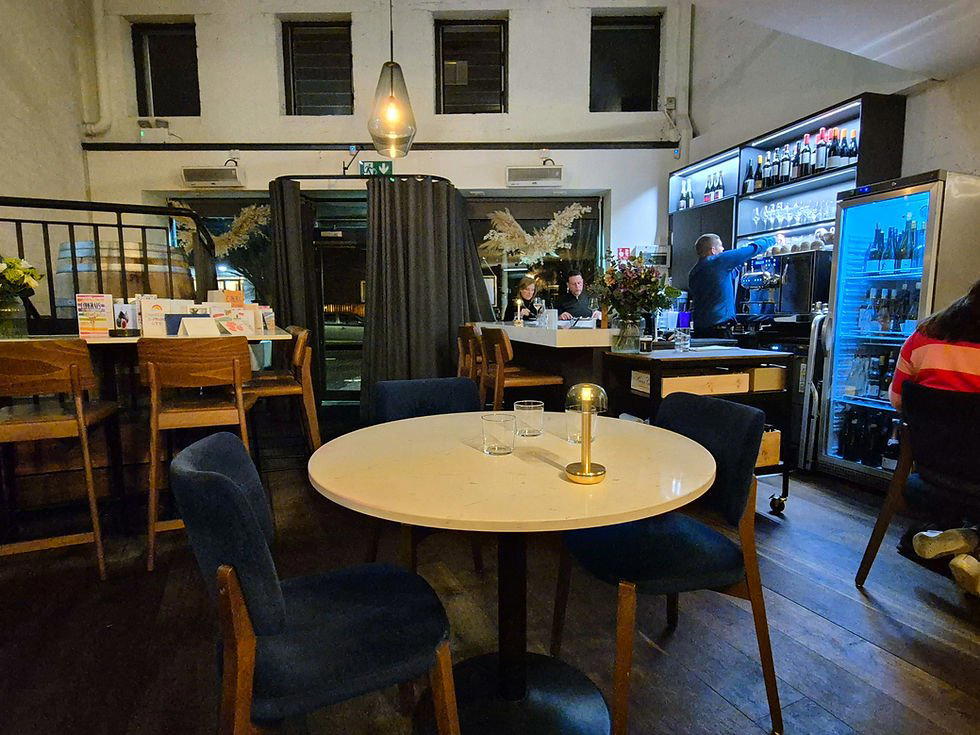
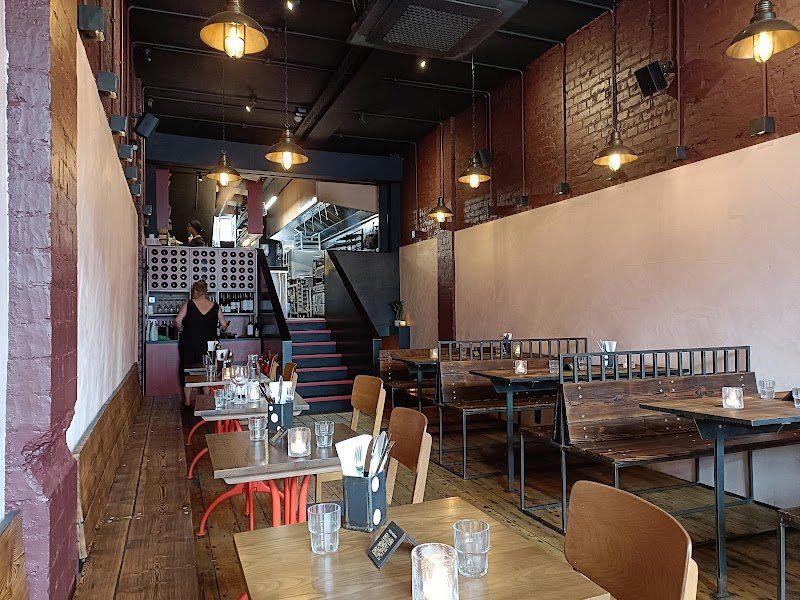
Firebyrd occupies a Ranelagh address that sits comfortably within Dublin's mid-to-upper dining tier, where neighbourhood restaurants increasingly compete with city-centre destination spots. Positioned in one of Dublin's most food-literate residential villages, it draws comparison with the collaborative, team-led formats reshaping Irish dining. Confirmation of menus, hours, and booking should be verified directly with the venue.

Pearl is the En Primeur Club membership app — saves, bookings, and concierge access live there. Same editors, same standards.
Ranelagh and the Rise of the Neighbourhood Dining Room
Dublin's dining momentum has shifted. The city's most interesting restaurants no longer cluster exclusively around the Grand Canal or the Georgian streets of the city centre. Over the past decade, residential villages like Ranelagh have generated serious competition for the established fine-dining corridor, producing rooms where the kitchen ambition matches anything in the postcode above. Firebyrd, at 51 Ranelagh, sits in a village that has grown accustomed to being taken seriously at the table.
Ranelagh operates as one of Dublin's more food-literate addresses. The tram connection to the city centre via Luas makes it accessible without requiring the commitment of a full evening in town, and that accessibility has encouraged a dining culture where locals return regularly rather than reserving the room for special occasions. For a restaurant with serious intentions, that repeat-visit culture is a structural advantage: it creates pressure to keep standards tight across every service, not just on weekends.
The neighbourhood sits in contrast to the concentrated fine-dining cluster around St. Stephen's Green and Parnell Square, where Glovers Alley and Chapter One by Mickael Viljanen occupy a clearly defined Michelin-starred bracket. Ranelagh restaurants operate in a different register: neighbourhood proximity over destination theatre, with the understanding that the room must earn its place on a Tuesday as much as a Saturday.
The Collaborative Kitchen: What Team Format Tells You
One of the more meaningful shifts in Irish restaurant culture over recent years has been the move away from chef-as-singular-auteur toward visible collaboration between kitchen, floor, and wine programs. The country's most discussed rooms now tend to be ones where the front-of-house carries genuine knowledge rather than serving as a neutral backdrop to the food. Bastible on South Circular Road established this model clearly in the Dublin context: a room where the wine list and the service carry editorial weight alongside the cooking.
This team-led format matters because it changes the calculus of value. When sommelier presence, floor confidence, and kitchen timing are coordinated, the experience of a meal extends beyond the plate into the full arc of an evening. The distinction is observable: a room where the wine program has been thought through in relation to the food reads differently from one where the list is an afterthought. Similarly, front-of-house staff who can articulate producer choices or dish composition without reaching for a script signal that the team behind the room has been built with intention.
For a Ranelagh address like Firebyrd, the neighbourhood context amplifies this dynamic. Regulars read inconsistency faster than occasional diners, and a team that functions as a coherent unit across all positions is what sustains a reputation in a residential village over time. The same pattern holds at Liath in Blackrock and Aniar in Galway, two of Ireland's most team-consistent rooms outside the capital.
Where Firebyrd Sits in the Irish Dining Picture
Ireland's restaurant scene has become more geographically spread than its Michelin history might suggest. Recognised rooms now operate from Kinsale and Ballydehob in Cork to Kilkenny and Adare, with serious kitchens also active in Doolin and Castlemartyr. Within Dublin itself, the competitive set extends well beyond the starred rooms: D'Olier Street has established itself as a destination in its own right, and The Morrison Room in Maynooth demonstrates how far the Dublin commuter belt now reaches for serious cooking.
In that context, a Ranelagh restaurant occupies a specific position: close enough to the city centre to be a considered alternative to destination dining, but embedded enough in a neighbourhood to attract a different kind of loyalty. The comparison with dede in Baltimore is instructive in the sense that both operate outside the conventional fine-dining geography while maintaining cooking standards that compete with rooms that carry more institutional recognition. The international parallel is visible in formats like Lazy Bear in San Francisco, where a team-built collaborative model generates consistent critical attention without relying on a single name as anchor.
Ireland's broader dining conversation has also become more technique-conscious in recent years. The influence of Scandinavian preservation, fermentation, and producer-first sourcing is visible across the country's more serious kitchens, as it is across Europe more widely. Rooms that engage with those techniques while remaining grounded in Irish produce occupy a credible position in the current conversation, and the Ranelagh address places Firebyrd in proximity to a customer base that follows that conversation closely.
For the full picture of where Dublin's serious dining is concentrated right now, our full Dublin restaurants guide maps the city's options across neighbourhoods and price tiers, from Patrick Guilbaud at the formal French end to the neighbourhood rooms that have made Ranelagh and Portobello the most interesting residential dining corridor in the city.
Know Before You Go
| Address | 51 Ranelagh, Dublin 6, D06 K7W3, Ireland |
|---|---|
| Getting There | Ranelagh Luas stop (Green Line) is within walking distance. Accessible from the city centre in under 15 minutes by tram. |
| Booking | Contact details not available at time of publication. |
| Hours | Not confirmed. |
| Price Range | Not confirmed. Based on the neighbourhood and positioning, expect mid-to-upper pricing consistent with the Ranelagh dining tier. |
| Dress Code | Not specified. Smart-casual is consistent with the neighbourhood room format. |
Frequently asked questions
Where do I go for Firebyrd?
Firebyrd is located at 51 Ranelagh, Dublin 6, D06 K7W3, Ireland, Dublin.
Is Firebyrd a good option for a dinner in Dublin's Ranelagh village?
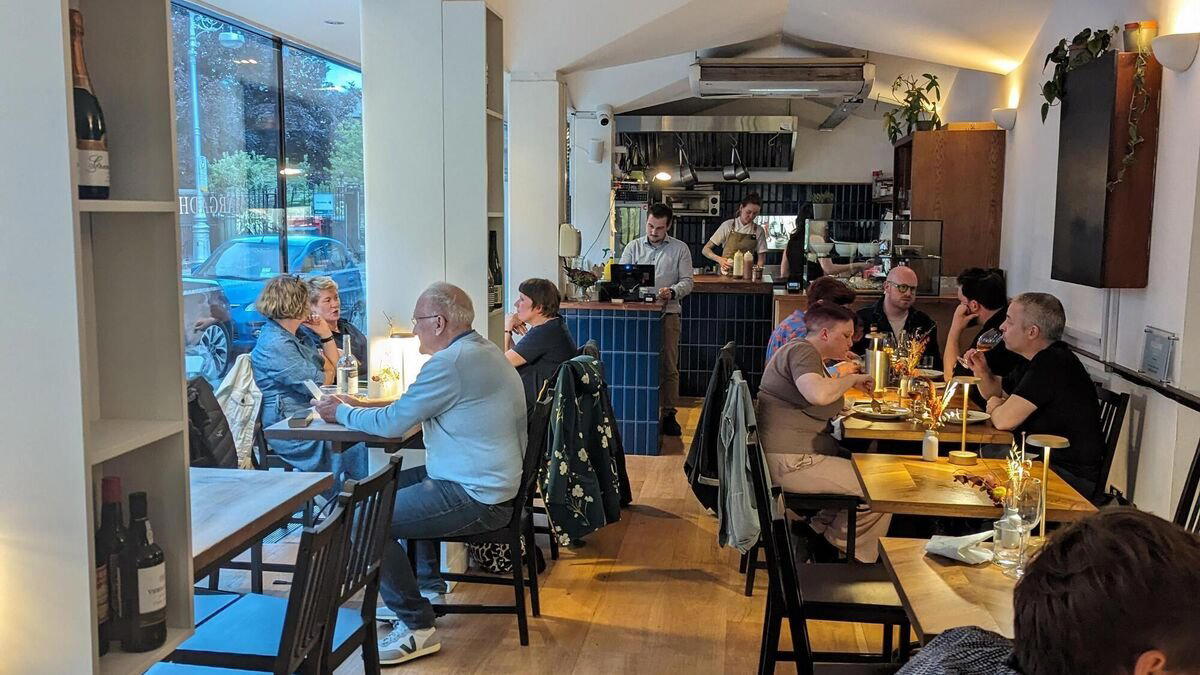
Ranelagh has become one of Dublin's more reliable streets for consistent neighbourhood cooking, and Firebyrd at 51 Ranelagh sits within that pocket of D06 restaurants that draw regulars rather than tourists. The collaborative kitchen model the room operates under is well-suited to the informal, convivial tone that Ranelagh dining tends toward. It functions as a local dining room first, which in practice means the experience is calibrated for repeat visits rather than one-off occasions.
What do people recommend at Firebyrd?
Firebyrd's menu specifics aren't publicly documented in detail, but the kitchen operates in the collaborative format that has defined Ranelagh's stronger dining rooms, where sharing plates and market-driven choices tend to be the draw. Regulars in the D06 area point to consistency rather than headline dishes as the reason they return. Checking current offerings directly via the restaurant before visiting is the practical move.
How hard is it to get a table at Firebyrd?
Firebyrd sits at 51 Ranelagh, a strip that has grown considerably busier as Dublin dining has shifted toward neighbourhood rooms rather than city-centre destinations. Demand at well-regarded Ranelagh spots tends to outpace capacity at weekends, so booking ahead is advisable rather than walking in. Midweek tends to be more accessible.
What is Firebyrd known for?
Firebyrd is part of a broader shift in Dublin's restaurant culture toward collaborative, neighbourhood-anchored dining rather than formal destination rooms. Located in Ranelagh, Dublin 6, it operates in a part of the city that now draws serious cooking away from the Grand Canal corridor. The room's identity sits closer to the informal-but-considered model than to white-tablecloth formality.
Do they accommodate allergies at Firebyrd?
For any dietary requirements, contacting the restaurant directly before your visit is the only reliable approach, particularly for serious intolerances. Irish food safety regulations require restaurants to provide allergen information on request.
Should I splurge on Firebyrd?
What the Ranelagh address signals is a neighbourhood room rather than a formal destination restaurant, which in Dublin's current market typically means a mid-range spend rather than a tasting-menu outlay. Verify current pricing before you go.
A Lean Comparison
Comparable venues nearby, for context on price, style, and recognition.
| Venue | Cuisine | Price | Notes |
|---|---|---|---|
| FirebyrdThis venue — the venue you are viewing | American Hot Chicken | $10–20 | Not listed |
| Gourmet Burger Kitchen | Gourmet Burgers | $20–30 | Royal Exchange A, Gourmet Burgers |
| Juniors Deli & Cafe | New York-Style Deli & Cafe | $20–30 | Pembroke West A, New York-Style Deli & Cafe |
| Mad Egg Millennium Walkway | Fried Chicken Sandos | $10–20 | North City, Fried Chicken Sandos |
| Smokin Bones Castle Market | American BBQ | $20–30 | Royal Exchange A, American BBQ |
| CrackBird South William | Fried Chicken | Not listed | Royal Exchange B, Fried Chicken |