On Ogrodowa Street in central Poznań, Figaro occupies a position in the city's mid-to-upper dining tier, where Polish culinary tradition meets considered ingredient sourcing. The room draws a local crowd that returns with regularity, a reliable indicator in a city where dining standards have risen sharply over the past decade. For visitors building a Poznań itinerary, it represents a grounded choice in a competitive field.
Pearl is the En Primeur Club membership app — saves, bookings, and concierge access live there. Same editors, same standards.
- Address
- Ogrodowa 17, 61-820 Poznań, Poland
- Phone
- +48618560189
- Website
- restauracjafigaro.eu
- Directions
- Get directions
 Saves & bookings on Pearl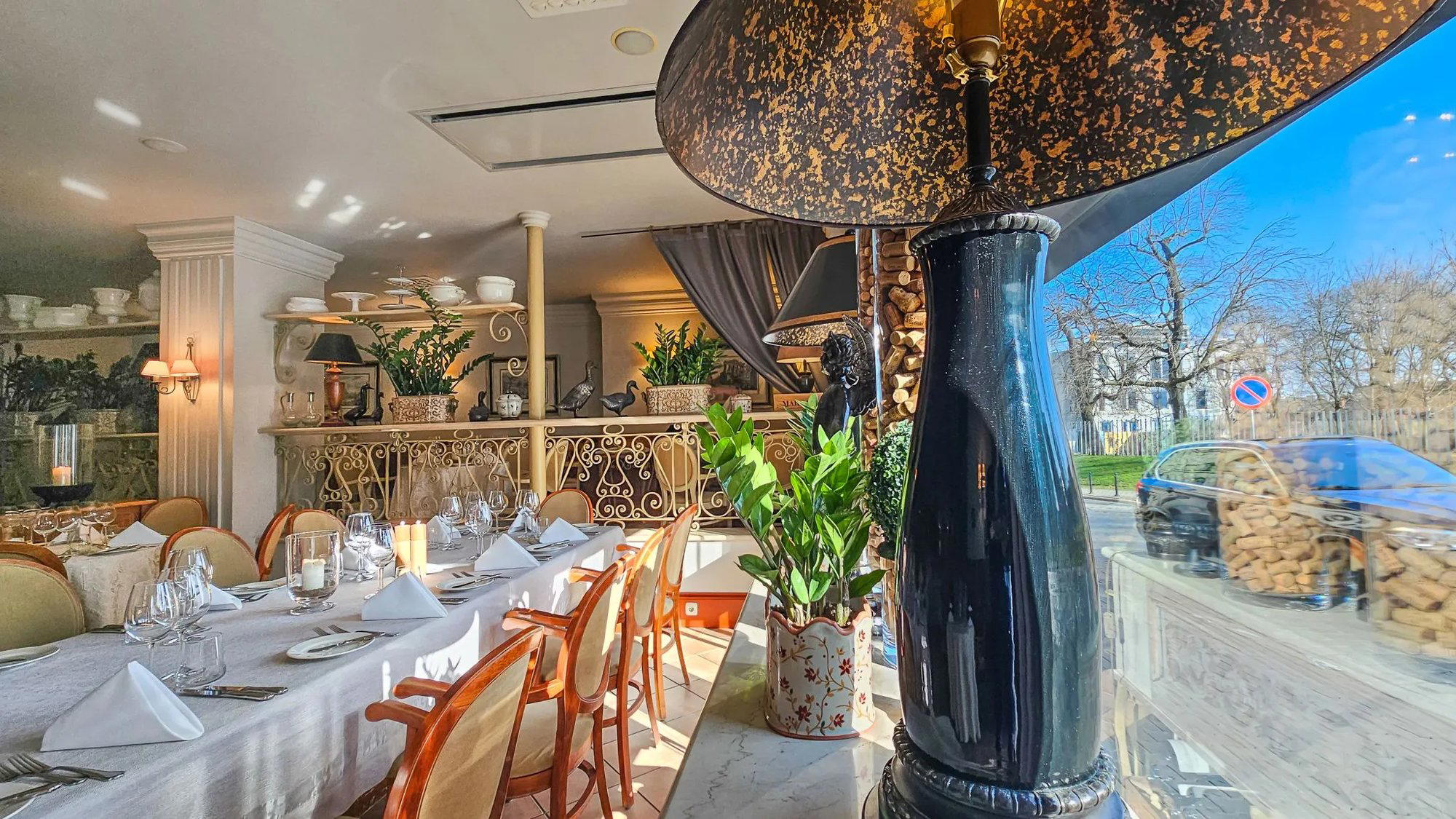
Ogrodowa Street and the Shape of Poznań Dining
Figaro is a Classic Italian restaurant in Poznań, Poland, at Ogrodowa 17. The city's dining culture now extends well beyond the Old Town's tourist-facing establishments, with Ogrodowa Street and the streets surrounding it forming a corridor where local operators compete on quality rather than footfall. Figaro, at number 17, sits within that corridor, drawing regulars from the city's professional class rather than visitors searching for a convenient dinner. That distinction matters: restaurants that survive on repeat local custom tend to maintain tighter sourcing discipline and more consistent kitchen standards than those dependent on passing trade.
Poznań's food geography is worth understanding before you book anywhere in the city. Particularly credible operators, including Concordia Taste Poznań and Muga in Poznań, have built reputations on a combination of local produce sourcing and technical discipline in the kitchen. Figaro belongs to that broader pattern. Across Poland, the restaurants generating sustained critical interest, from Bottiglieria 1881 Restaurant in Kraków to Arco by Paco Pérez in Gdańsk, have moved decisively toward ingredient provenance as the primary editorial statement on any menu. Poznań, as a city with strong agricultural hinterland in Greater Poland (Wielkopolska), has particular natural advantages in this regard.
The Room at Ogrodowa 17
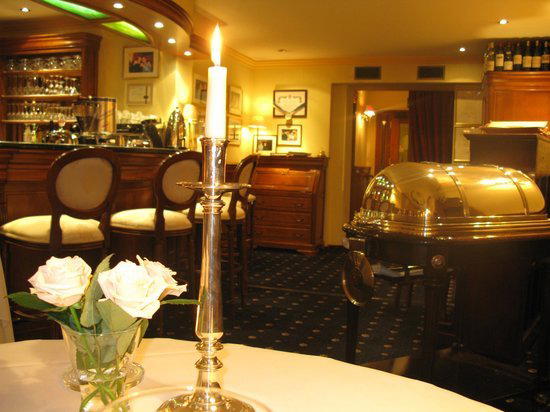
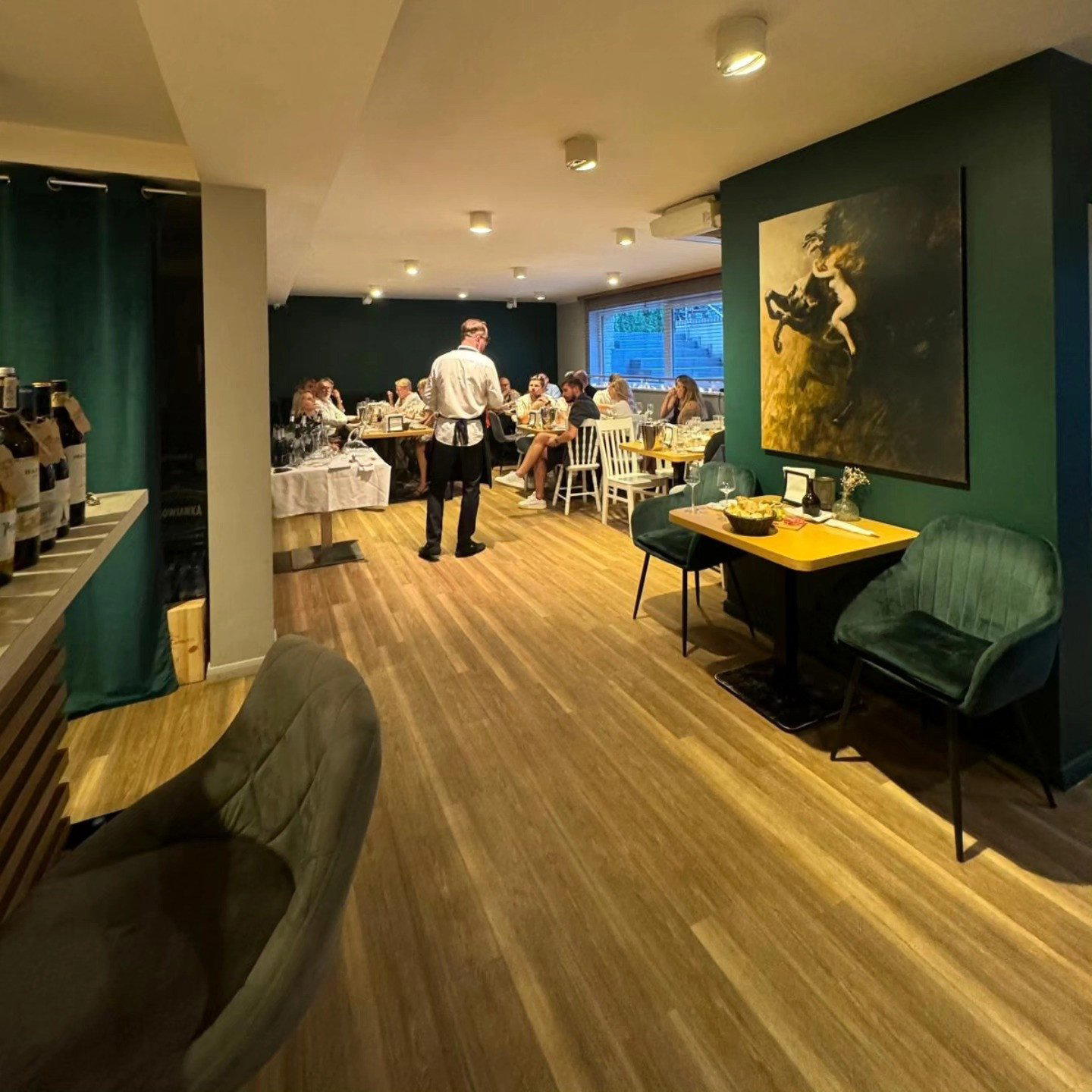
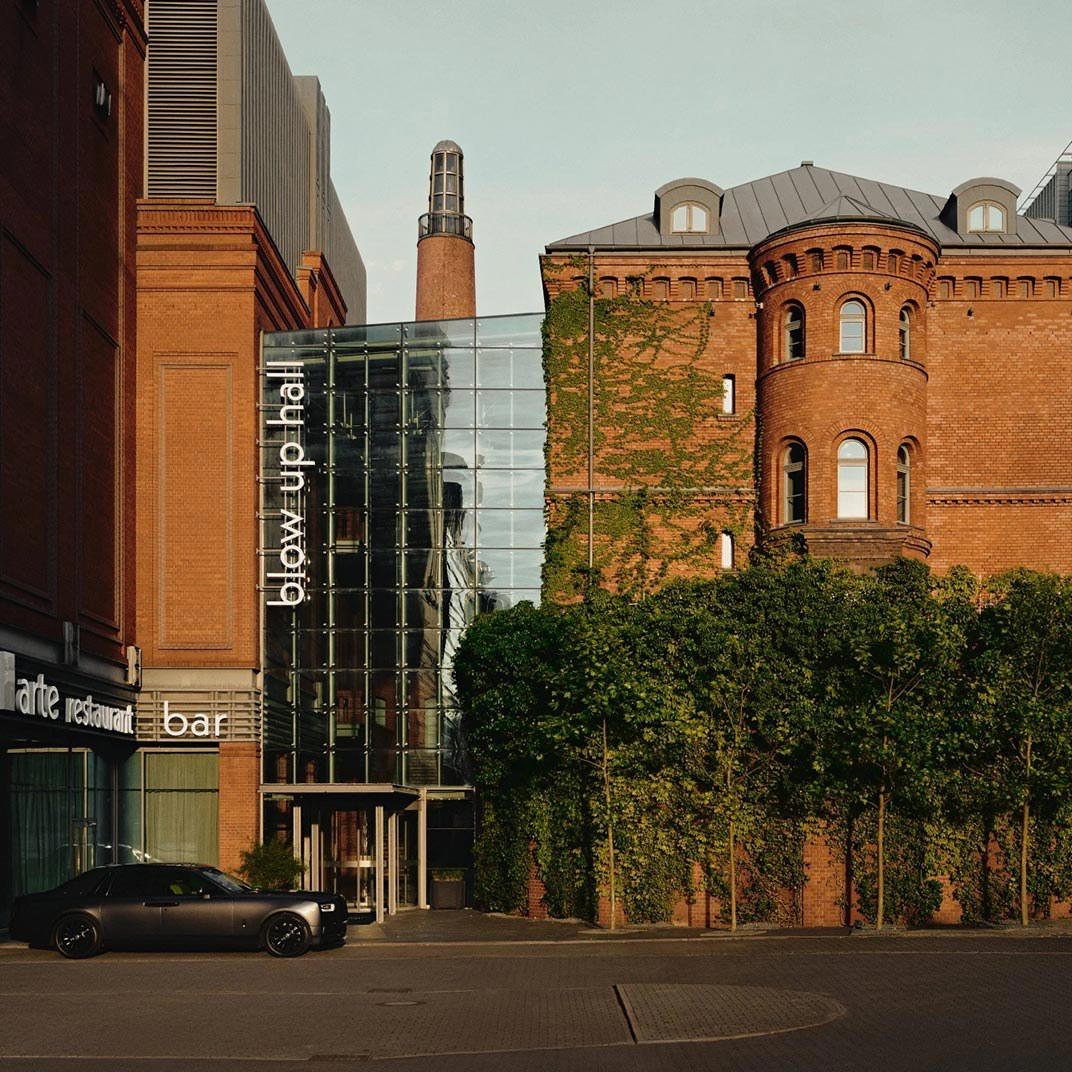
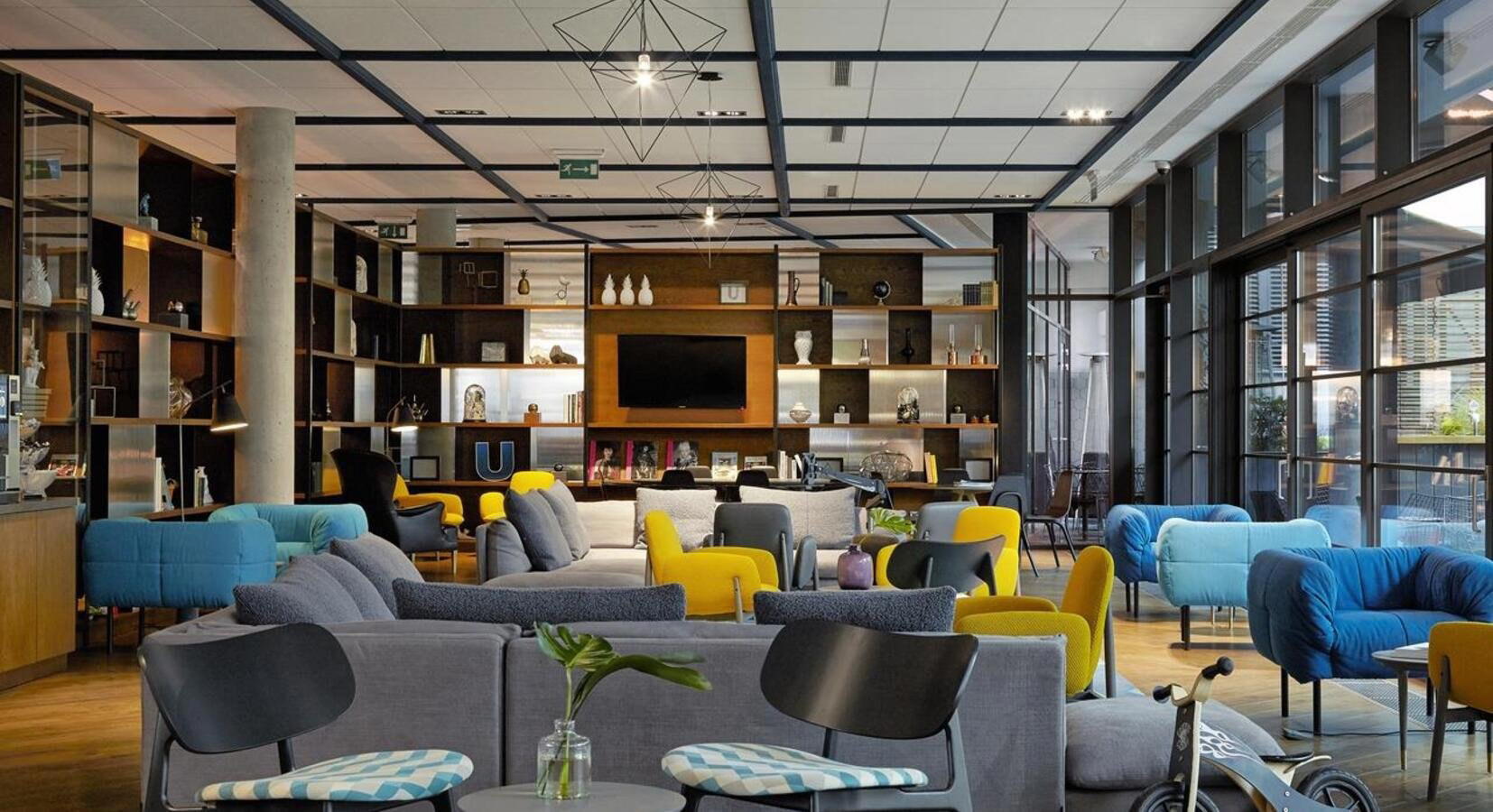
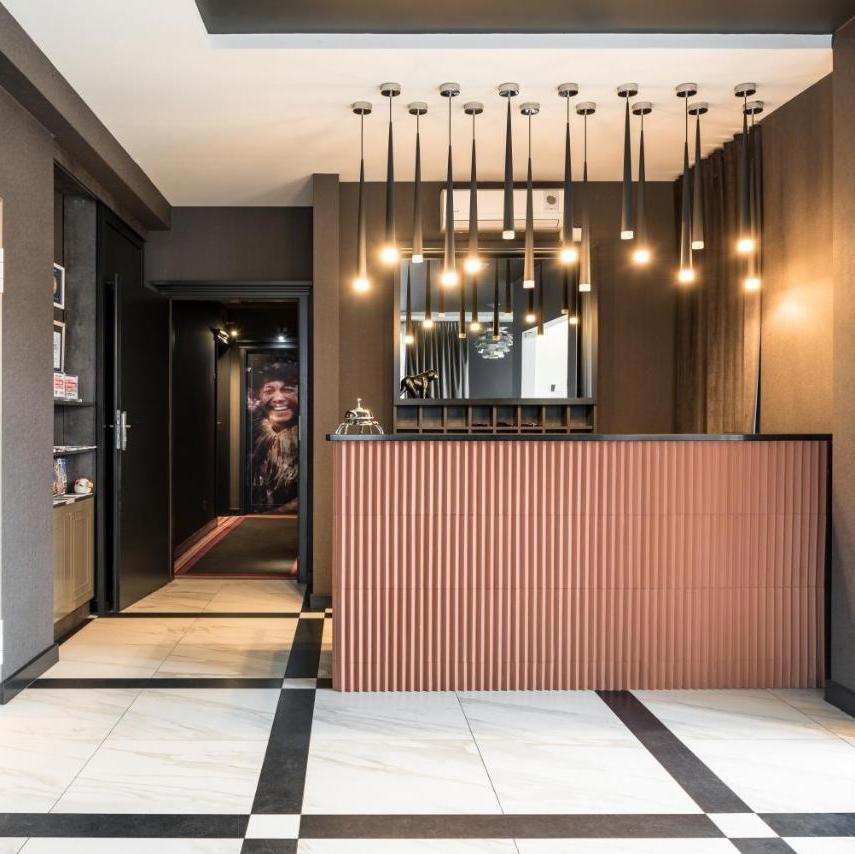
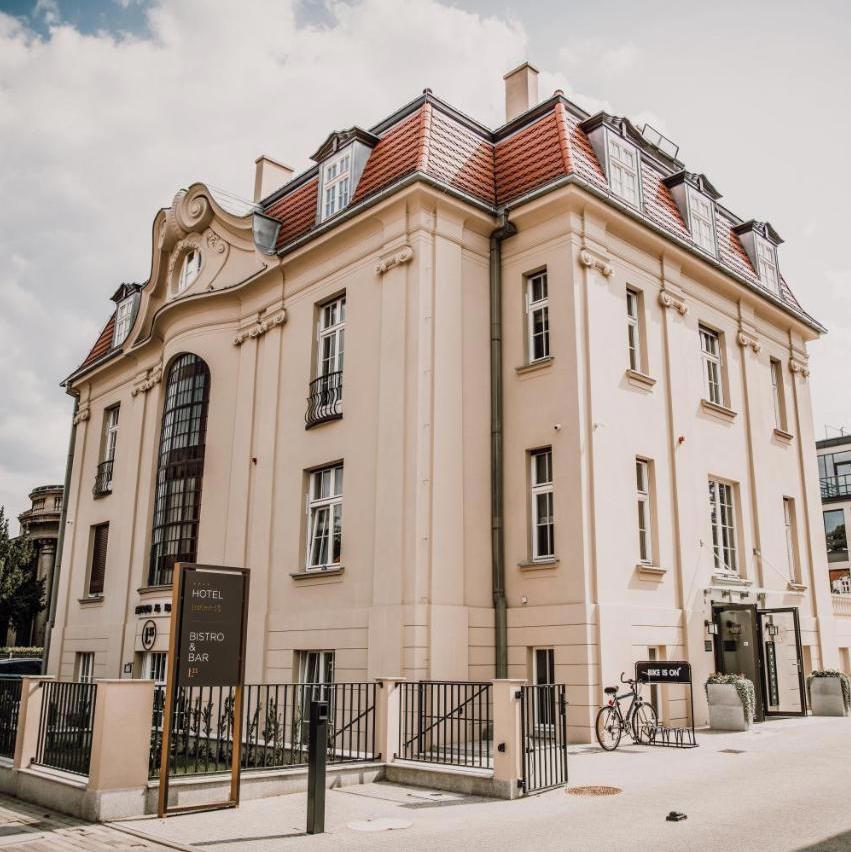
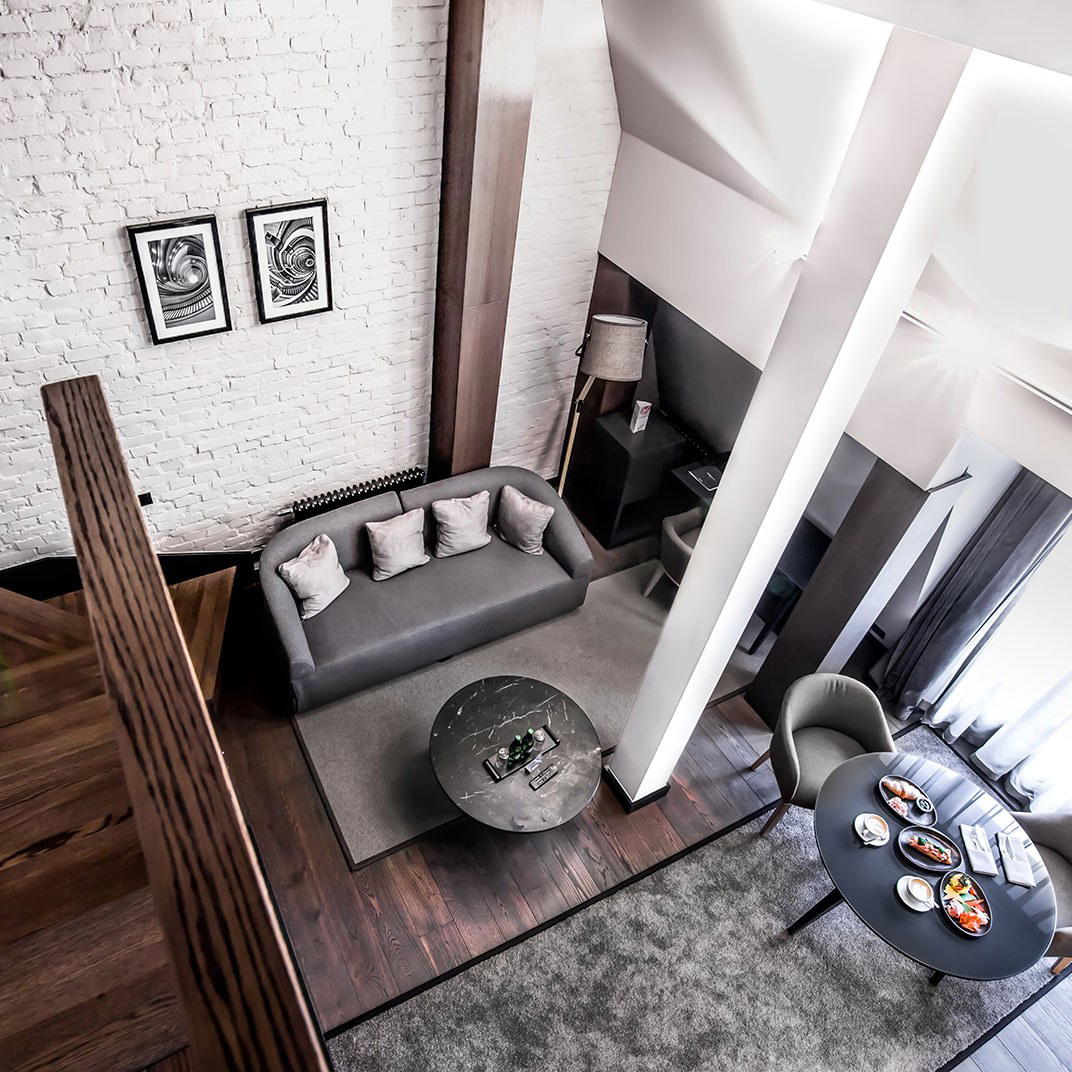
Approaching Figaro from Ogrodowa Street, the address places you in a part of central Poznań where the architecture carries the layered quality common to cities that absorbed multiple phases of European urban planning. The building stock on this stretch blends prewar solidity with postwar pragmatism, and restaurants here tend to work with rather than against their physical containers. Inside, the atmosphere functions at the quieter, more deliberate end of the Poznań dining register: this is not a loud room built around social performance, but one calibrated for conversation across a table and the kind of attention that lets food speak without competition.
That physical environment connects directly to the clientele and the pace of service. Restaurants in this bracket in Polish cities, including comparable addresses like ŻUK Restauracja and Gusto Restaurant at Ilonn Hotel, tend to seat guests with enough space between tables to allow the kind of dining experience where the sourcing story behind a dish can actually be communicated and received. The physical format of the space supports that ambition.
Wielkopolska on the Plate: Why Ingredient Sourcing Defines This Tier
Greater Poland (Wielkopolska), the region surrounding Poznań, has historically been one of Poland's most productive agricultural zones. The flat terrain and fertile soils that made it contested territory across centuries of European history also make it a reliable source of root vegetables, grain-fed pork, freshwater fish, and dairy products that form the backbone of serious Polish cooking. Restaurants in Poznań that commit to regional sourcing are working with a genuine advantage: supply chains are short, seasonal variation is legible, and producers are accessible in ways that those supplying Warsaw or Kraków are not.
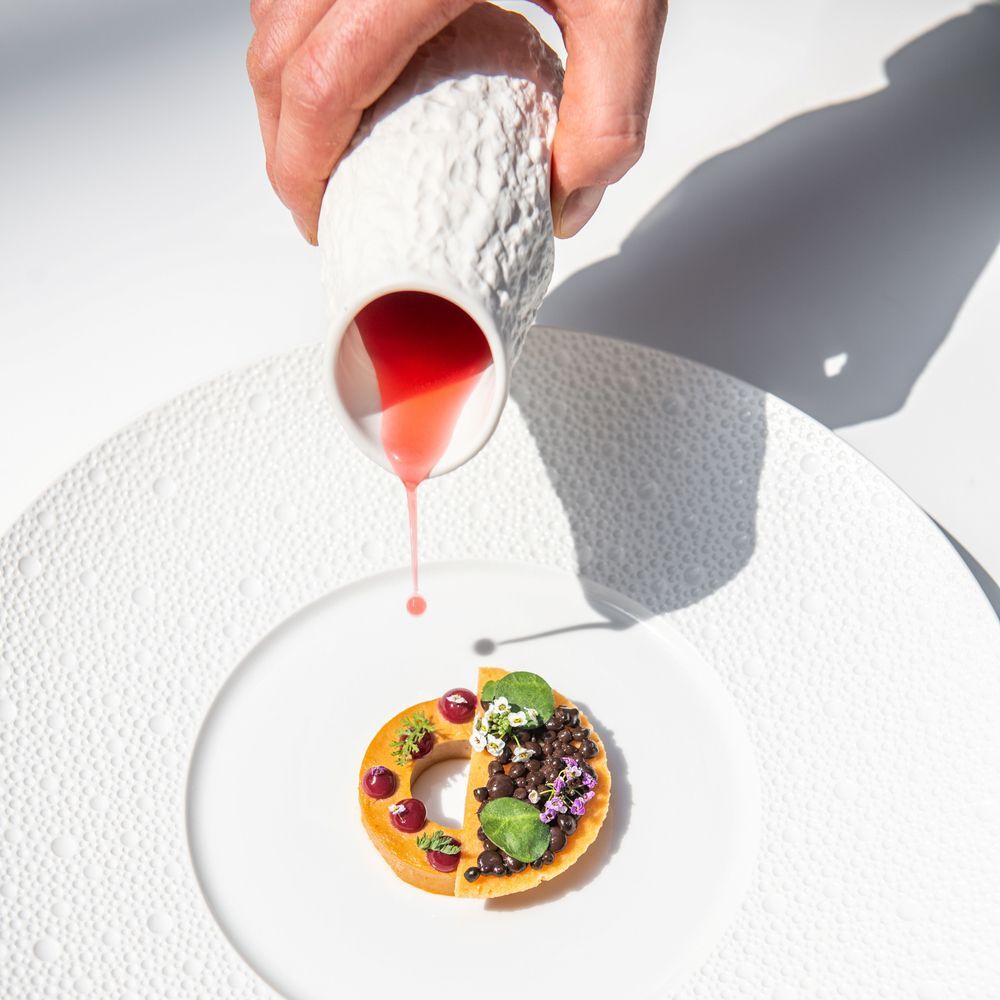
This is the context in which Figaro's positioning makes most sense. Polish fine dining at its more considered end, as demonstrated by recognized operators like hub.praga in Warsaw, has moved away from French-inflected classical technique as its primary reference point and toward a cooking style in which local ingredient quality is the argument. The dish is a vehicle for the produce, not the reverse. When this approach works, as it does at the stronger end of Poznań's dining tier, the result is food that communicates place with specificity. For visitors accustomed to the more internationally oriented menus at places like Le Bernardin in New York City or Lazy Bear in San Francisco, the Polish regional sourcing model offers a different but coherent logic.
Restaurants at Figaro's address and in its price tier in Poznań typically operate with seasonal menu adjustments that reflect this sourcing reality rather than global trend cycles. Winter menus lean into preserved, braised, and smoked preparations; spring and summer bring lighter treatments of local vegetables and freshwater species. This is not a marketing claim about seasonality but a structural consequence of buying from regional suppliers who operate on agricultural rather than retail calendars.
Poznań in the Polish Dining Context
Any honest assessment of Figaro requires placing it within Poznań's competitive field, which has widened significantly in the past five years. The city now sustains a credible range of formats across cuisines, from the Japanese precision of Haru Sushi to Polish-inflected contemporary dining at multiple addresses. Across Poland more broadly, the reference points have shifted: diners in secondary cities no longer need to travel to Warsaw or Kraków to access serious cooking. Poznań's restaurant operators have responded to that expectation, and the better addresses on Ogrodowa and nearby streets reflect that upward pressure.
Regionally, the comparison set extends across northern and western Poland, including addresses like La Cucina Ristorante in Gdansk, Bar Przystań in Sopot, and OK Wine Bar in Wrocław. These cities share a similar dynamic: a local professional class with international dining experience has raised expectations, and the leading operators have followed.
Planning Your Visit
Ogrodowa 17 is a central Poznań address, walkable from the Old Town and from the main railway station, which makes logistics relatively simple for visitors arriving by train from Warsaw (approximately two and a half hours on intercity services) or Wrocław. Booking in advance is advisable rather than speculative, particularly on Thursday through Saturday evenings, when Poznań's dining out culture concentrates.
For those building a broader Poznań or Polish itinerary, the city's dining tier at this level pairs naturally with cultural programming at the National Museum and the ICHOT multimedia history centre, both accessible from central Ogrodowa. If you are extending to other Polish cities, addresses like Giewont in Kościelisko, Ariel in Krakow, and Nare Sushi in Skórzewo and Luneta and Lorneta Bistro Club in Ciekocinko offer useful reference points for the range of approaches now operating across the country.
Comparable Spots, Quickly
Comparable venues nearby, for context on price, style, and recognition.
| Venue | Cuisine | Price | Awards | Notes |
|---|---|---|---|---|
| FigaroThis venue — the venue you are viewing | Classic Italian | $$$ | Not listed | Not listed |
| Haru Sushi | Premium Japanese Sushi | $$$$ | Not listed | Katowicka |
| NOOKS | Modern Surf & Turf Seafood Grill | $$ | Michelin Plate | Wilda |
| Fromażeria | Modern Cheese Bar with Polish and French Influences | $$$ | Bib Gourmand | Stare Miasto |
| Gusto Restaurant at Ilonn Hotel | Modern French with Regional Polish Influences | $$$ | Not listed | Jezyce |
| Marino Bistrot | Authentic Ligurian Italian | $$$ | Michelin Plate | Jeżyce |
Continue exploring
More in Poznań
Restaurants in Poznań
Browse all →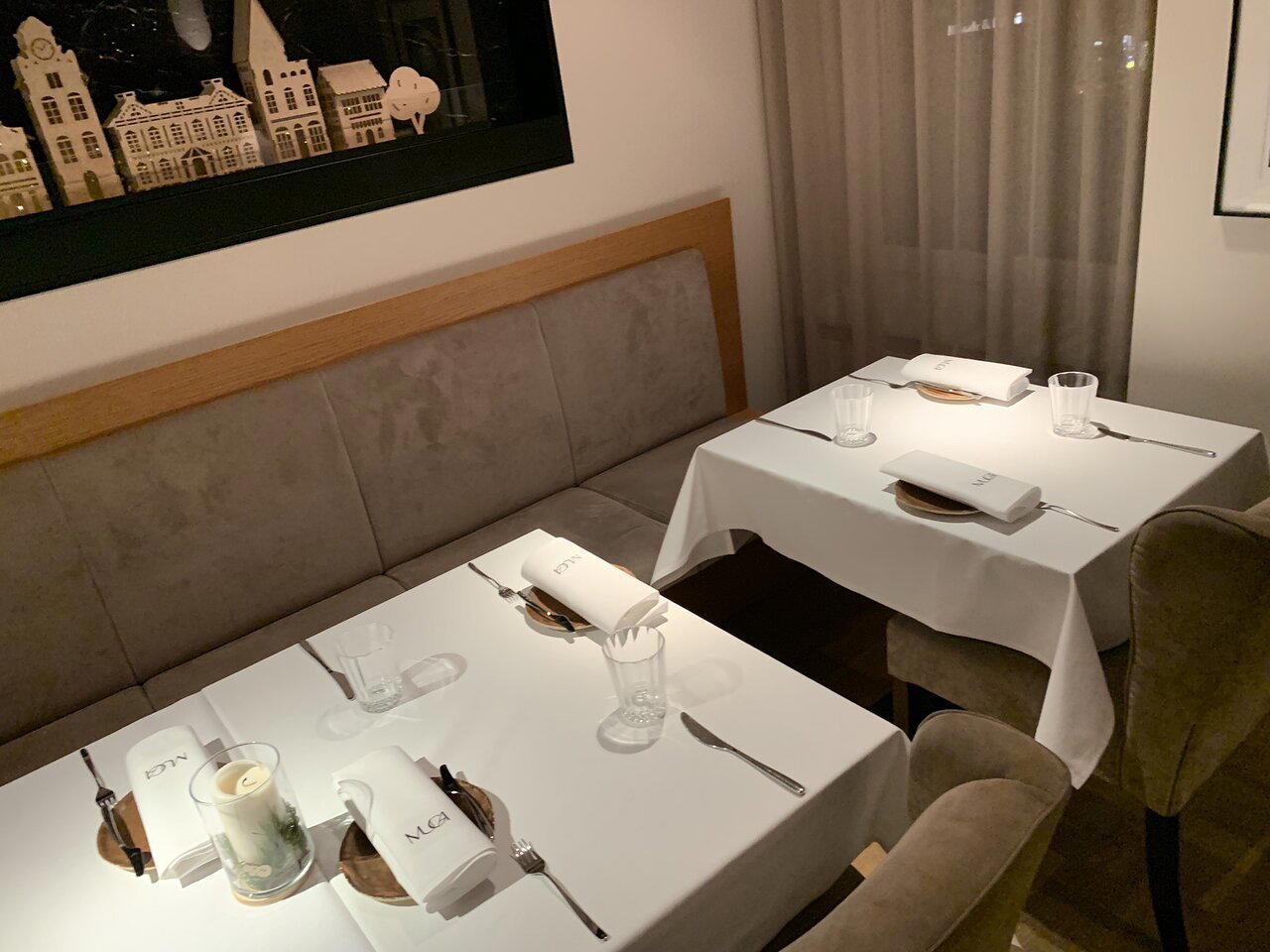
At a Glance
- Elegant
- Cozy
- Classic
- Intimate
- Date Night
- Business Dinner
- Special Occasion
- Private Dining
- Extensive Wine List
Current opening hours
- Monday
- 1–11 PM
- Tuesday
- 1–11 PM
- Wednesday
- 1–11 PM
- Thursday
- 1–11 PM
- Friday
- 1–11 PM
- Saturday
- 1–11 PM
- Sunday
- 1–6 PM
Hours can change for holidays and private events. Last verified .
Traditionally decorated with old-fashioned elegance, cozy yet sophisticated atmosphere, pleasant and calm surroundings.