Haru Sushi occupies a quiet stretch of Katowicka in Poznań's northern residential belt, away from the Old Town restaurant corridor where most visitors cluster. In a city whose dining scene has tilted sharply toward modern Polish and Mediterranean formats in recent years, a dedicated sushi address represents a different set of priorities, and a different sourcing logic, worth understanding before you book.
Pearl is the En Primeur Club membership app — saves, bookings, and concierge access live there. Same editors, same standards.
- Address
- Katowicka 67B, 61-131 Poznań, Poland
- Phone
- +48720488488
- Website
- harusushi.pl
- Directions
- Get directions
 Saves & bookings on Pearl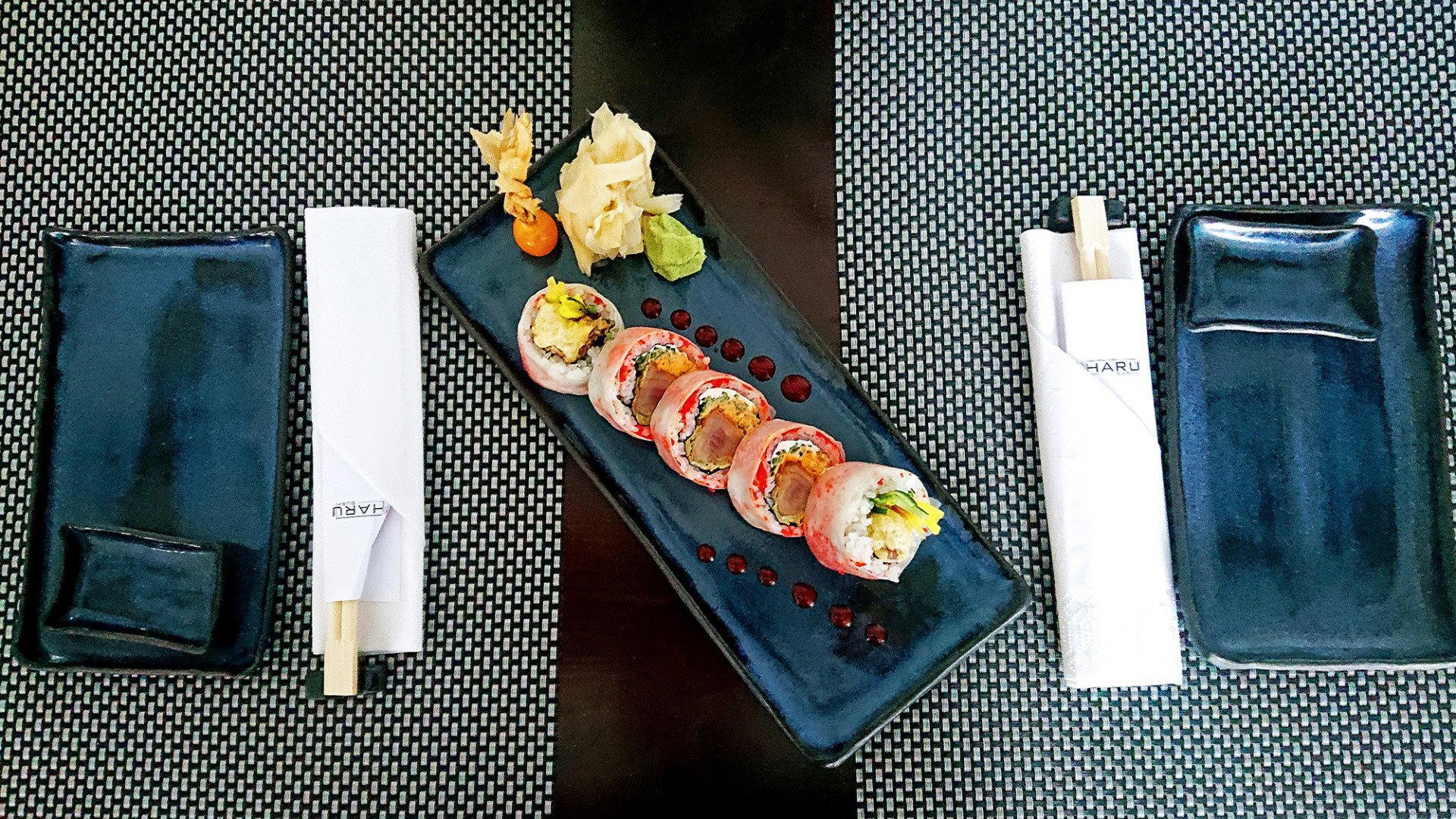
Sushi in Poznań: Where the Ingredient Chain Begins
Polish cities have absorbed Japanese restaurant culture at uneven speed. Warsaw built a sizable omakase tier years before other cities caught up; Kraków followed with a cluster of counter-format addresses. Poznań has taken a more measured path. The city's dining energy has concentrated around modern Polish cooking, venues like Muga and A nóż widelec define the upper register, and Mediterranean formats such as Cucina occupy the middle price band. Against that backdrop, a sushi address on Katowicka is doing something structurally different: it is asking a landlocked Central European city to take fish seriously as a primary ingredient.
That is not a trivial ask. The sourcing challenge for any sushi operation in Poland is compounded by geography. Unlike coastal cities such as Gdańsk, where Hashi Sushi can draw on shorter Baltic supply chains, Poznań sits inland, roughly equidistant from the Baltic coast and the southern mountain ranges. Seafood arrives here via refrigerated logistics networks that stretch through Germany or Warsaw distribution hubs. How a kitchen manages that chain, which suppliers it uses, how it handles aging protocols for tuna, and whether it sourced salmon from Norwegian or Scottish farms, determines whether the result reads as considered Japanese cooking or as approximation.
The Address and What It Signals
Katowicka 67B sits in a residential neighbourhood north of the city centre, removed from the tourist-facing concentration around Stary Rynek. Restaurants that choose that kind of location are almost always serving a local repeat clientele rather than capturing passing footfall. That dynamic tends to create a different relationship between kitchen and guest: the menu does not need to explain itself to first-timers every evening, and the sourcing choices can reflect what regulars have come to expect rather than what photographs well for visitors.
For context on where Haru sits in Poznań's broader dining map, it occupies a different tier and category from traditional Polish addresses like Delicja or the event-dining format at Concordia Taste Poznań. Its competitive reference point is not those venues; it is the city's small cluster of Asian-format restaurants, where the sourcing question is the central editorial one.
The Sourcing Question for Central European Sushi
The ingredient chain for Japanese cuisine in Poland has matured considerably since the early 2000s, when most operations relied on frozen product shipped through general food-service distributors. Specialist importers now move fresh tuna, yellowtail, and Japanese condiments into Polish cities on weekly or twice-weekly cycles. Some kitchens source salmon directly from Scandinavian aquaculture operations; others use German intermediaries with established cold-chain infrastructure. The distinction matters because fish intended for raw preparation has a narrow window, typically 48 to 72 hours post-delivery, in which texture and flavour hold at the level Japanese technique requires.
Inland cities have compensated for distance from the coast in two ways. The first is rigorous inventory discipline: smaller menus, tighter daily quantities, and a willingness to run out of a given fish rather than serve it past its window. The second is an increased focus on elements where geography is less punishing: Japanese rice, nori, house-made vinegars, pickles, and cooked preparations where the sourcing pressure is lower. Kitchens that get this balance right tend to produce more coherent menus than those that try to replicate coastal breadth from a landlocked position.
Whether Haru Sushi has resolved that equation sits outside what published data confirms. What the Katowicka address and neighbourhood profile suggest is a kitchen oriented toward regulars, which tends to reward sourcing consistency over novelty rotation. Comparable sushi addresses in Polish provincial cities, such as Hattori Hanzo in Częstochowa, have built their followings on exactly that model: narrow, reliable, locally trusted rather than award-chasing.
Poznań's Dining Scene as Context
Understanding where Haru fits requires a brief account of where Poznań dining has moved in the past decade. The city has a commercially active, trade-conference economy that supports a mid-to-upper dining tier without generating the tourist volume that inflates prices and dilutes quality in Kraków or Warsaw. That environment tends to produce restaurants that earn loyalty through consistency rather than spectacle. At the premium end, you find venues with genuine culinary ambition; at the middle tier, a range of formats, Italian, Mediterranean, grills, compete on value and neighbourhood familiarity.
Sushi sits in a small specialist pocket within that structure. It does not command the price point that omakase counters reach in Warsaw, nor does it have the volume advantage of a pan-Asian format. It survives on frequency of visit from a consistent local base. That means the ingredient sourcing model has to be sustainable week over week, not just impressive on opening night. For a city that has increasingly rewarded restaurants with staying power, venues that are still operating and busy three or four years in, that sourcing discipline is the real measure of whether a kitchen has earned its place.
For those building a broader picture of Polish dining, the range extends from Bottiglieria 1881 in Kraków at the fine-dining tier to neighbourhood anchors like Kwestia Czasu in Białystok and regional addresses such as Cudne Manowce in Olsztyn. The sushi category, whether in Gdańsk, Częstochowa, or Poznań, occupies a distinct lane within that national picture. Internationally, the gap between a counter like Atomix in New York and a neighbourhood sushi address in Central Europe remains wide; the interesting editorial question is how much of that gap is sourcing, how much is technique, and how much is simply the different role these restaurants play in their respective cities.
Planning a Visit
Haru Sushi is located at Katowicka 67B in Poznań, in the northern residential quarter. Given the neighbourhood's local-repeat profile, visiting mid-week or arriving early in a dinner service is likely to offer a more considered experience than weekend peak hours, when throughput pressures tend to shorten the kitchen's rhythm. Specific hours, pricing, and booking methods are best confirmed directly with the venue before visiting. For a full picture of Poznań's dining options across cuisines and price points, see our full Poznań restaurants guide. Those building a wider Polish itinerary may also find relevant context at Arco by Paco Pérez in Gdańsk, Górnik in Kraków, hub.praga in Warsaw, Giewont in Kościelisko, and Włoska Restauracja Bellanuna in Rzeszów.
In Context: Similar Options
Comparable venues nearby, for context on price, style, and recognition.
| Venue | Cuisine | Price | Awards | Notes |
|---|---|---|---|---|
| Haru SushiThis venue — the venue you are viewing | Premium Japanese Sushi | $$$$ | Not listed | Not listed |
| Figaro | Classic Italian | $$$ | Not listed | City Center |
| Zen On | Japanese Ramen and Udon | $$ | Michelin Plate | Stare Miasto |
| Concordia Taste Poznań | Modern Polish Regional | $$ | Not listed | Jeżyce |
| PASODOBRE | Authentic Spanish Tapas | $$$ | Michelin Plate | Grunwald |
| NOOKS | Modern Surf & Turf Seafood Grill | $$ | Michelin Plate | Wilda |
Continue exploring
More in Poznań
Restaurants in Poznań
Browse all →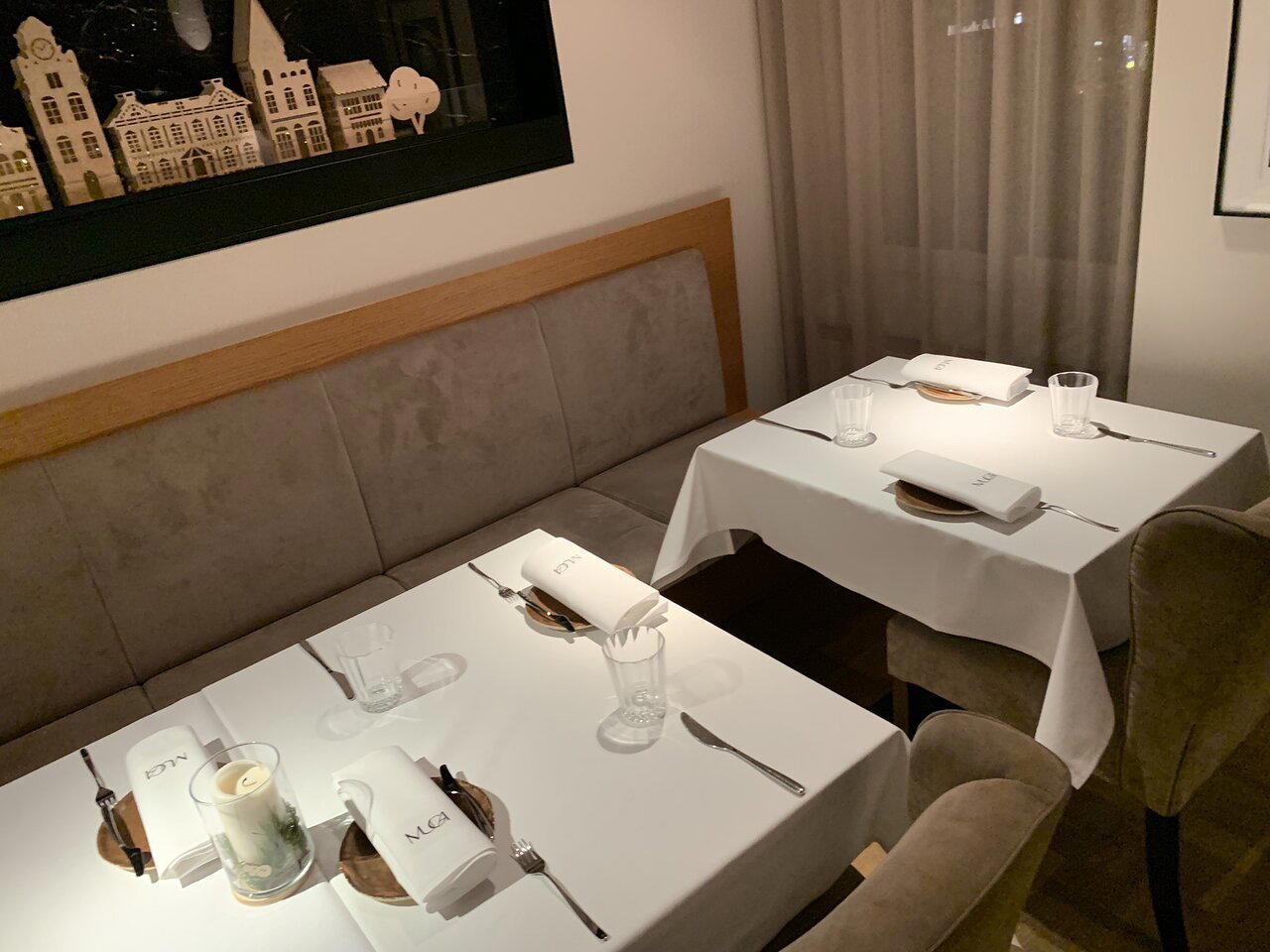
At a Glance
- Elegant
- Cozy
- Modern
- Date Night
- Casual Hangout
- Family
- Group Dining
- Solo
- Open Kitchen
- Standalone
- Terrace
- Beer Program
- Sustainable Seafood
Current opening hours
- Monday
- 12–10 PM
- Tuesday
- 12–10 PM
- Wednesday
- 12–10 PM
- Thursday
- 12–10 PM
- Friday
- 12–10 PM
- Saturday
- 12–10 PM
- Sunday
- 12–10 PM
Hours can change for holidays and private events. Last verified .
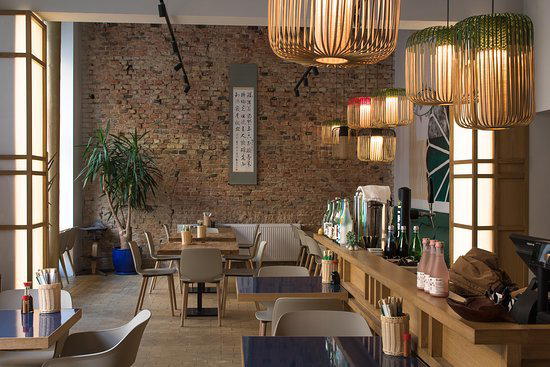
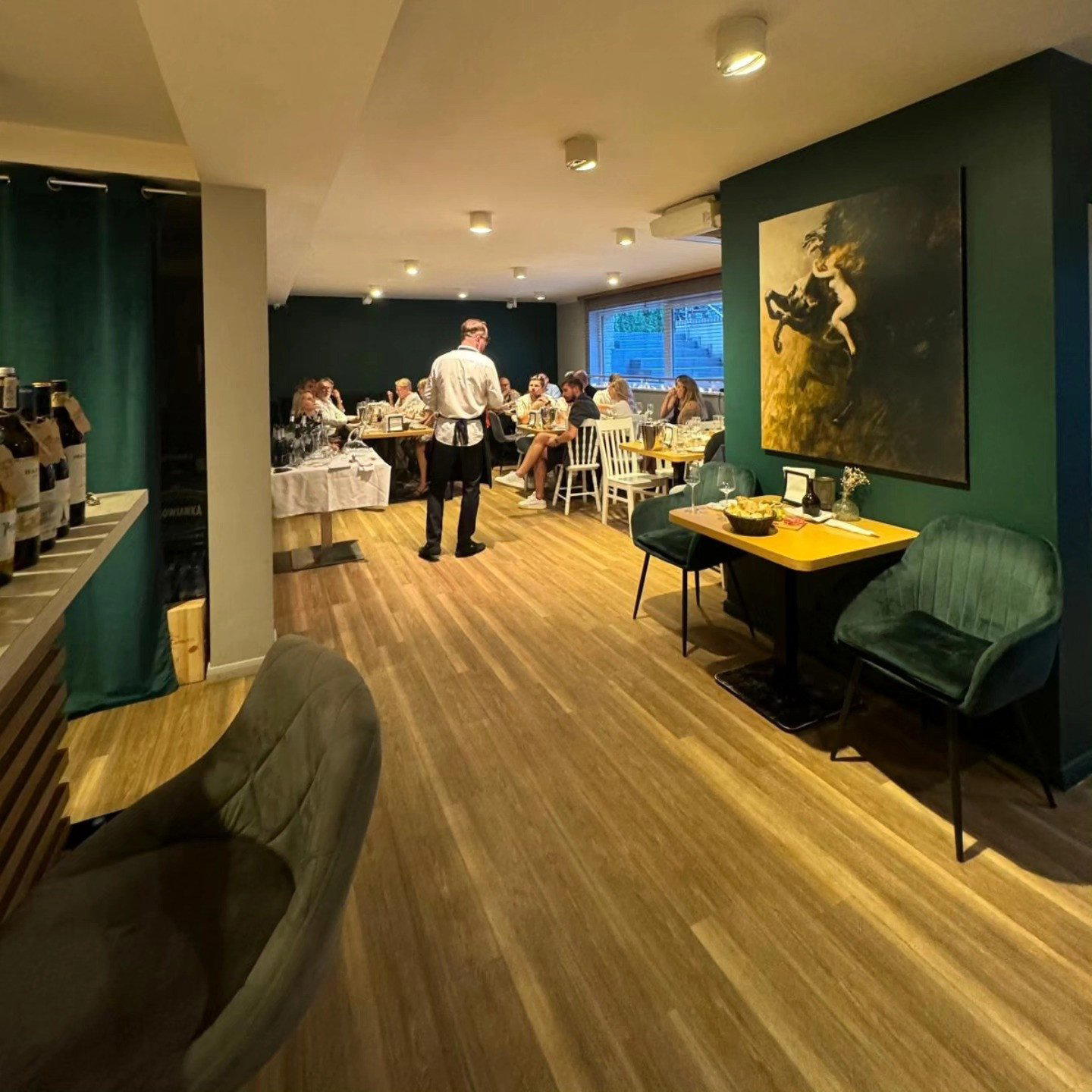
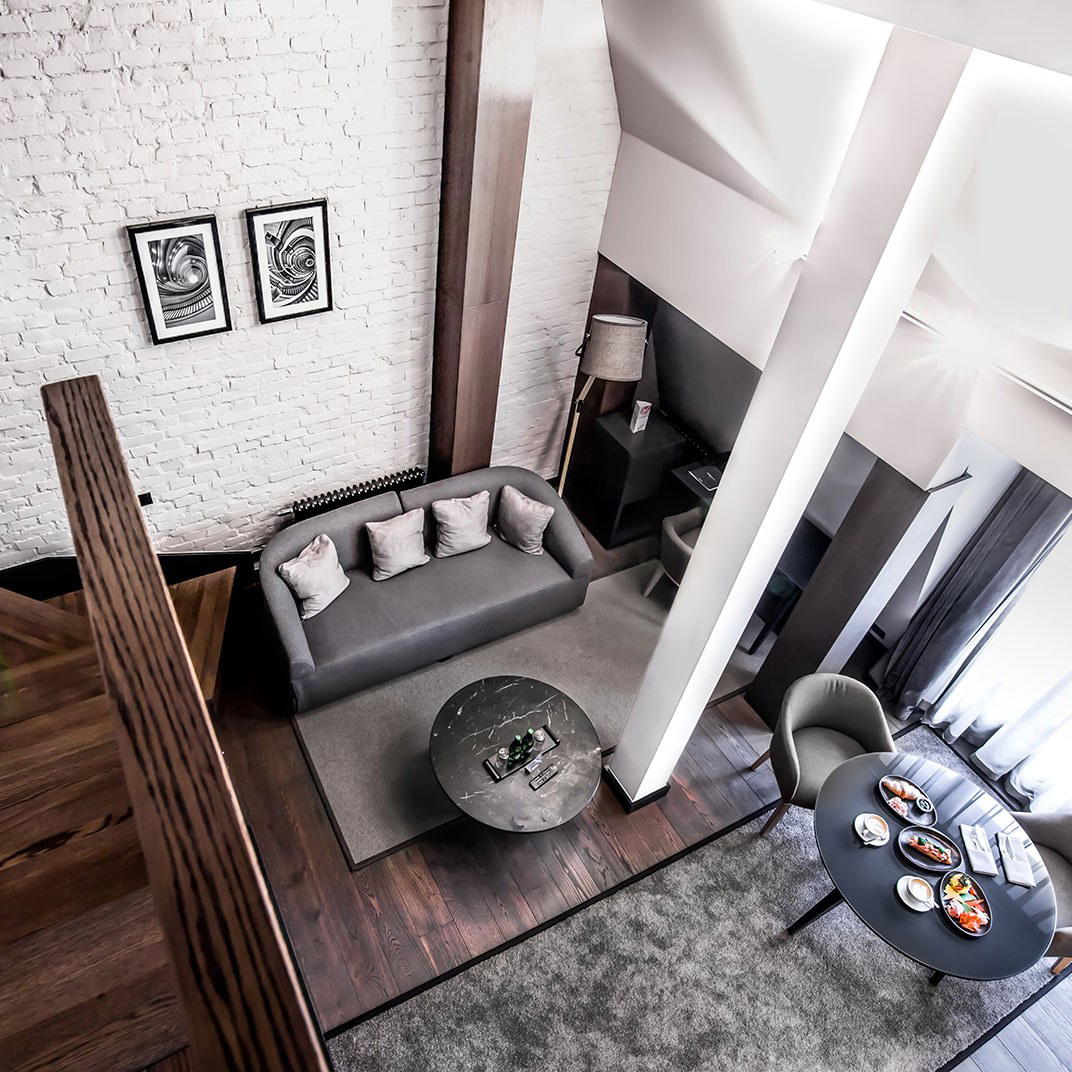
Stylish and elegant Japanese restaurant with charming outdoor seating, cozy interior, and a welcoming atmosphere that balances sophistication with comfort.