
Papavero holds consecutive Michelin Plates for 2024 and 2025, placing it among Poznań's most consistent Mediterranean addresses at a mid-range price point. Located on 3 Maja in the city centre, the restaurant brings southern European produce thinking to a dining scene more typically anchored in Polish tradition.
Pearl is the En Primeur Club membership app — saves, bookings, and concierge access live there. Same editors, same standards.
- Address
- 3 Maja 46, 61-728 Poznań, Poland
- Phone
- +48 573 336 782
- Website
- papavero-poznan.pl
- Directions
- Get directions
 Saves & bookings on Pearl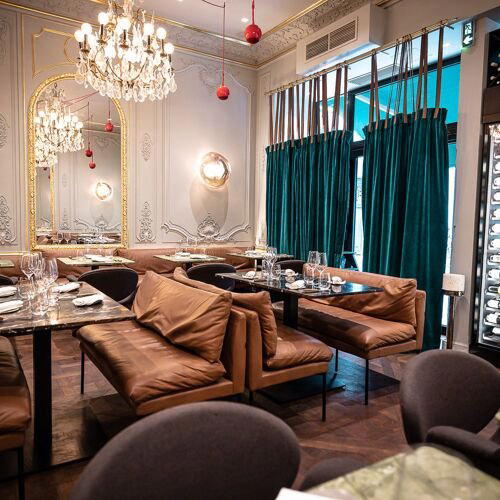
Mediterranean Discipline in a Central European City
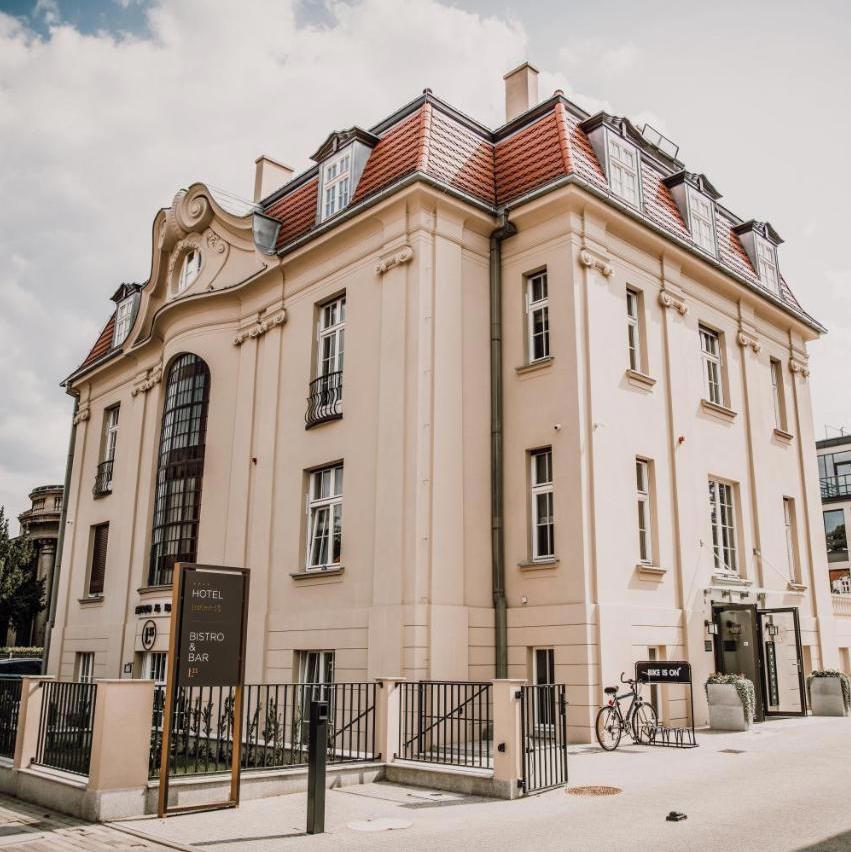
The address on 3 Maja puts Papavero in the commercial and cultural heart of Poznań, a few minutes from the Old Market Square and well inside the radius of the city's most active restaurant strip. The street itself reads as a transition zone between civic architecture and neighbourhood dining, where turn-of-the-century facades give way to ground-floor restaurants drawing a mix of office workers at lunch and longer tables in the evening. Walking in, the atmosphere shifts toward something warmer and more intentional than the surrounding block suggests.
Mediterranean cooking in northern and central Europe occupies a particular position: it carries the weight of seasonal produce logic, olive oil over butter, herb-forward saucing, and fire-adjacent technique, all of which sit at an angle to the richer, pork-centred tradition that defines much of Polish restaurant culture. Papavero's consistent recognition in the Michelin Plate category for both 2024 and 2025 signals that the kitchen is executing that translation with enough discipline to satisfy outside scrutiny, not just local affection.
Where It Sits in Poznań's Restaurant Scene
Poznań's dining scene has been developing a more differentiated mid-market tier over the past decade. The city is smaller than Warsaw or Kraków but has a university population, a significant trade-fair economy, and enough returning international visitors to support restaurants that work at a higher specification than a simple neighbourhood bistro. Within that context, Papavero occupies the €€ price bracket alongside peers like Fromażeria, which also holds a Michelin Plate and focuses on cheese-led Mediterranean influences, and Delicja, which draws from Polish tradition at a comparable price point.
The more ambitious end of the local market sits higher. Muga, rated €€€€, operates in modern cuisine territory and represents a different ambition level and price commitment. A nóż widelec approaches contemporary Polish cooking from a modern technique angle. Papavero's positioning in the mid-market, with Michelin recognition backing it, makes it the kind of restaurant that works for a range of occasions without requiring the planning or expenditure that the top tier demands.
The Agrarian Logic Behind Mediterranean Menus
Mediterranean cuisine, at its most honest, is a produce-first philosophy. The tradition running from Provence through Liguria and into the eastern basin treats the kitchen as a place for restraint and assembly as much as transformation. Good olive oil, tomatoes at the right point of ripeness, herbs cut the same day, and protein that does not need concealment: these are the structural principles, and they set a high bar for ingredient sourcing, particularly in Poland, where access to southern European producers requires sustained procurement effort rather than a drive to the nearest market.
That agrarian logic, the idea that the garden or the small farm drives the plate rather than the other way around, is what gives Mediterranean cooking its seasonal rhythm. Spring menus lean on asparagus, peas, and young alliums. Summer shifts toward tomatoes, courgettes, and stone fruit. Autumn brings dried pulses, cured fish, and preserved vegetables back to the centre. A kitchen working within this framework does not use the same menu all year; it responds to what is available and adjusts accordingly. The Michelin Plate designation implies a kitchen operating at a standard where ingredient quality is not an afterthought.
This approach contrasts with how Mediterranean food is often interpreted in central Europe, where it can reduce to pizza-pasta defaults or a generic Southern European aesthetic without the underlying produce thinking. The category is worth approaching with some scepticism in cities far from the Mediterranean basin, which makes Papavero's sustained Michelin recognition more informative than a single strong year might otherwise suggest.
Mediterranean in a European Context
For reference points at a higher specification, the category stretches from La Brezza in Ascona, which operates against an Alpine lake backdrop in Switzerland, to Arnaud Donckele and Maxime Frédéric at Louis Vuitton in Saint-Tropez, where Mediterranean cooking operates at its most concentrated and expensive expression. Within Poland, comparable ambition in different cities is visible at Bottiglieria 1881 in Kraków, Arco by Paco Pérez in Gdańsk, Acquario in Wrocław, 1911 in Sopot, and hub.praga in Warsaw. Papavero operates at a more accessible price point than most of these peers, which makes the Michelin validation more meaningful as a relative signal. In the mountain context, Giewont in Kościelisko shows how regional Polish kitchens are diversifying beyond tradition. Across the Italian category, Cucina offers a useful comparison for Italian-inflected approaches in the broader European mid-market.
Planning a Visit
Papavero is located at 3 Maja 46, centrally placed for visitors staying in Poznań's hotel district or arriving by train at Poznań Główny, which is within walking distance. The €€ price positioning makes it practical for a first visit without the commitment of a reservation-driven tasting menu experience. Booking ahead is advisable, particularly on weekend evenings, given the Michelin recognition and the relatively concentrated nature of Poznań's quality restaurant tier. Reservations are recommended.
Cost Snapshot
Comparable venues nearby, for context on price, style, and recognition.
| Venue | Cuisine | Price | Awards | Notes |
|---|---|---|---|---|
| PapaveroThis venue — the venue you are viewing | Mediterranean Cuisine | $$ | Michelin Plate | Not listed |
| Port Sołacz | Not listed | $$ | Michelin Plate | Jeżyce, Modern European with Italian and Polish influences |
| The Time | Not listed | $$$ | Michelin Plate | Stare Miasto, Modern Polish & European Fine Dining |
| Delicja | Not listed | $$$ | Michelin Plate | Stare Miasto, Polish with French & Mediterranean influences |
| Zen On | Stare Miasto, Japanese Ramen and Udon | $$ | Michelin Plate | Not listed |
| Fromażeria | Not listed | $$$ | Bib Gourmand | Stare Miasto, Modern Cheese Bar with Polish and French Influences |
Recognition history
Dated appearances from independent guides and award organizations, with the underlying list record or original source where available.
Michelin Plate
Michelin
Michelin Plate
Michelin
Michelin Plate
Michelin
Continue exploring
More in Poznań
Restaurants in Poznań
Browse all →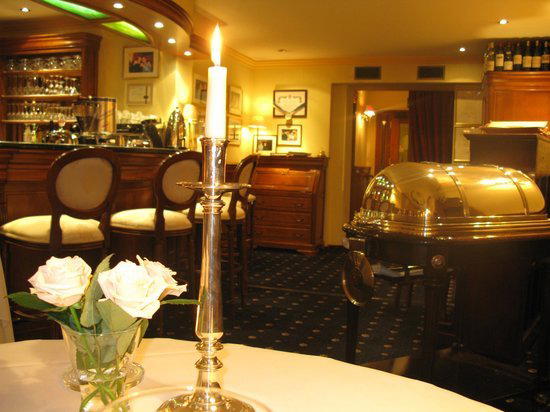
At a Glance
- Elegant
- Cozy
- Intimate
- Classic
- Date Night
- Business Dinner
- Special Occasion
- Historic Building
- Extensive Wine List
- Street Scene
Current opening hours
- Monday
- 1–10 PM
- Tuesday
- 1–10 PM
- Wednesday
- 1–10 PM
- Thursday
- 1–10 PM
- Friday
- 1–10 PM
- Saturday
- 1–10 PM
- Sunday
- 1–9 PM
Hours can change for holidays and private events. Last verified .
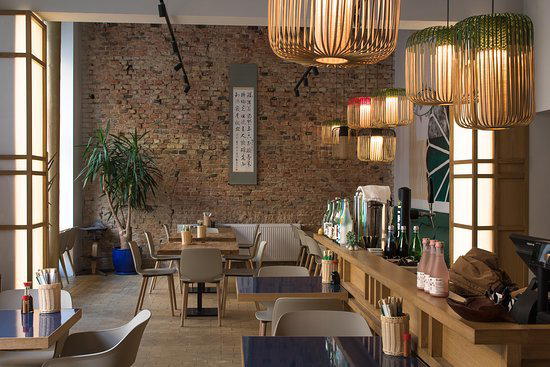
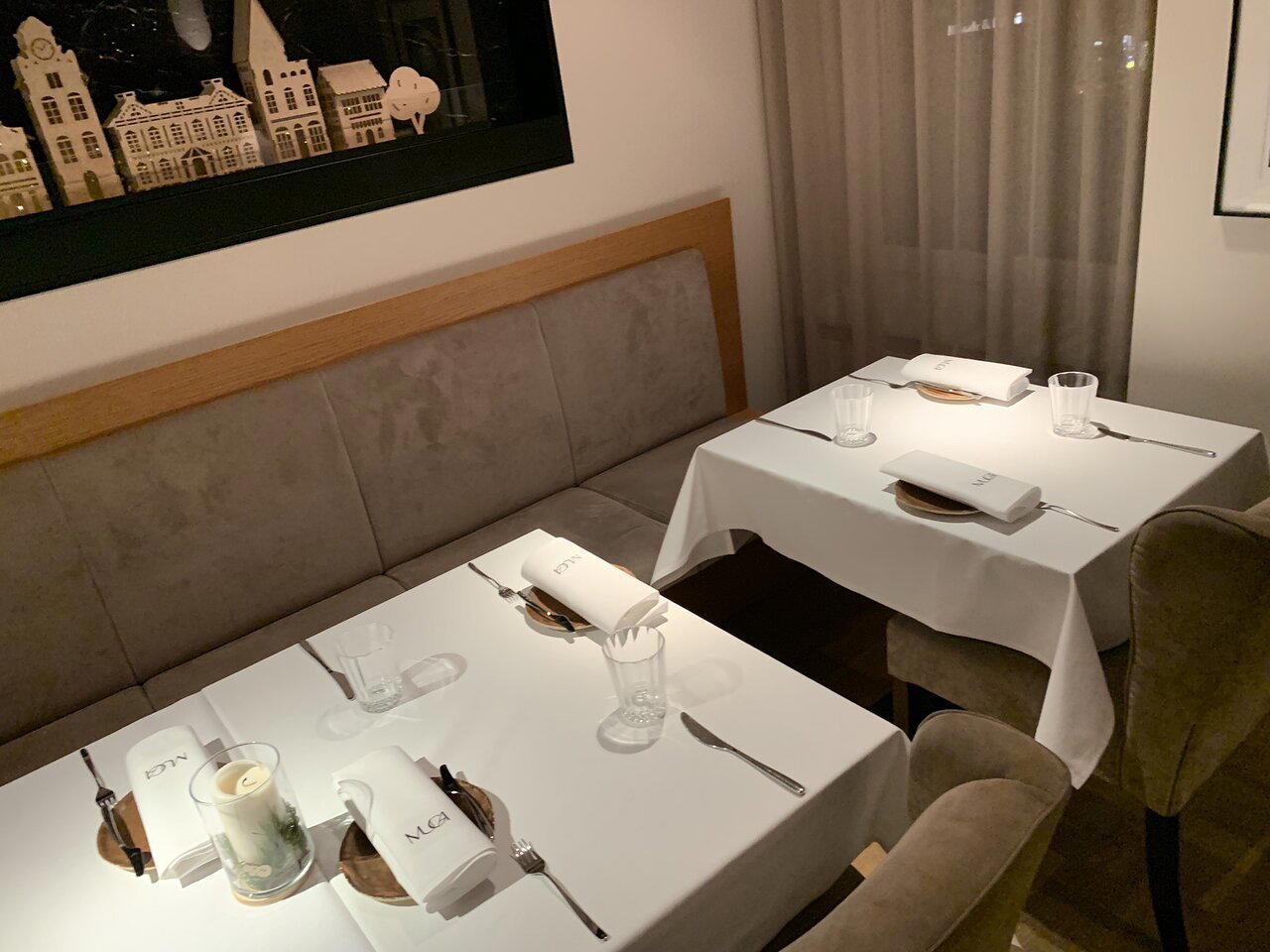
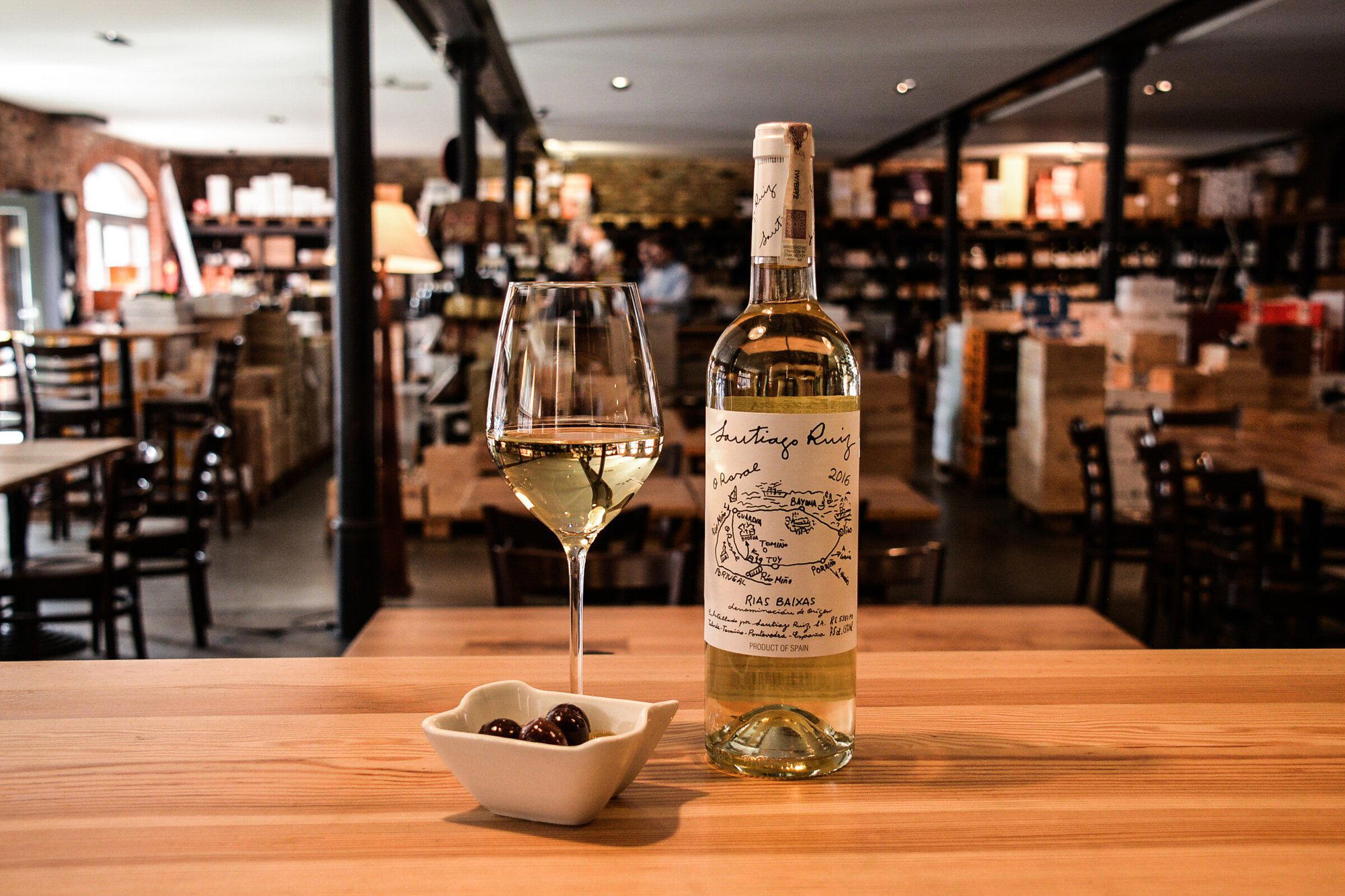
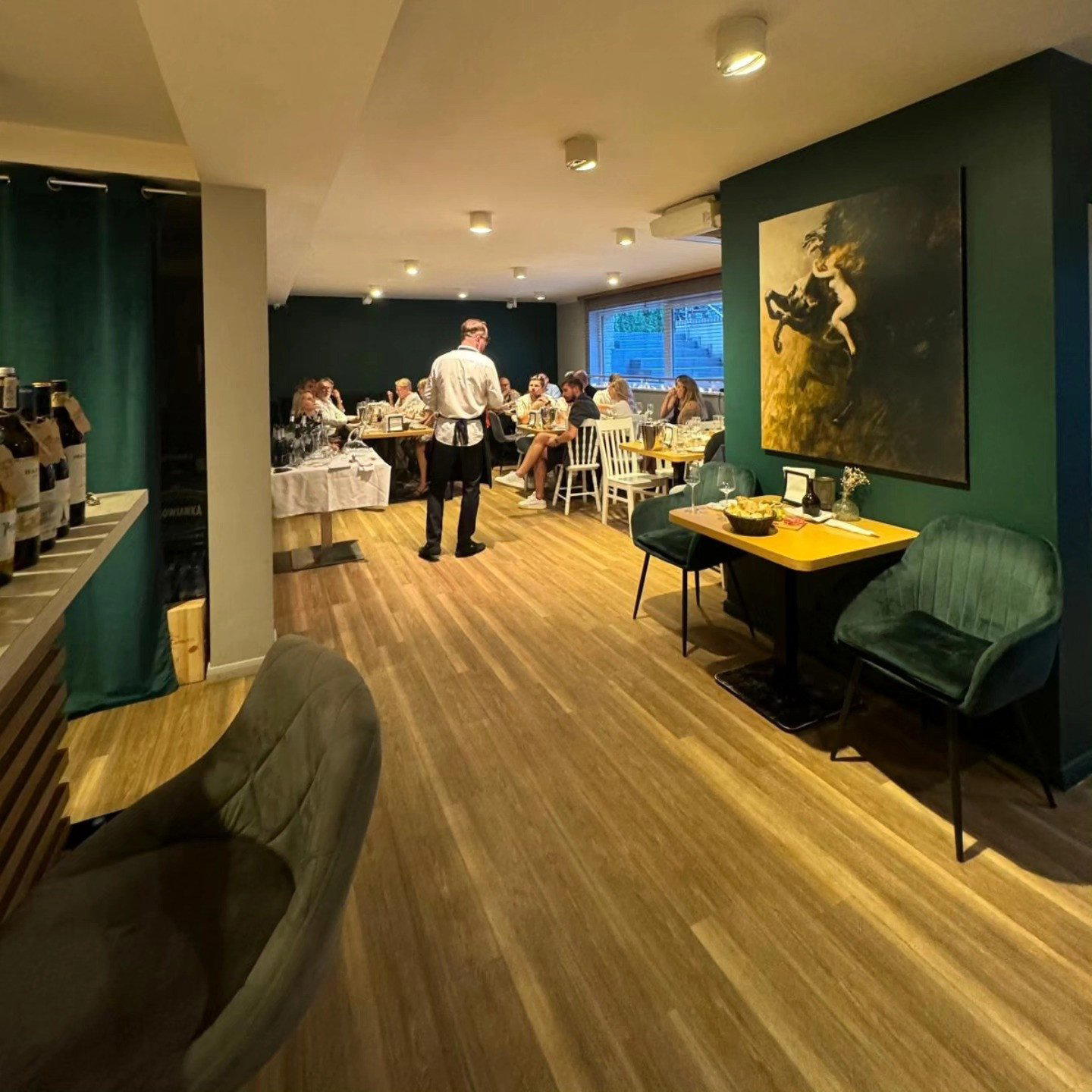
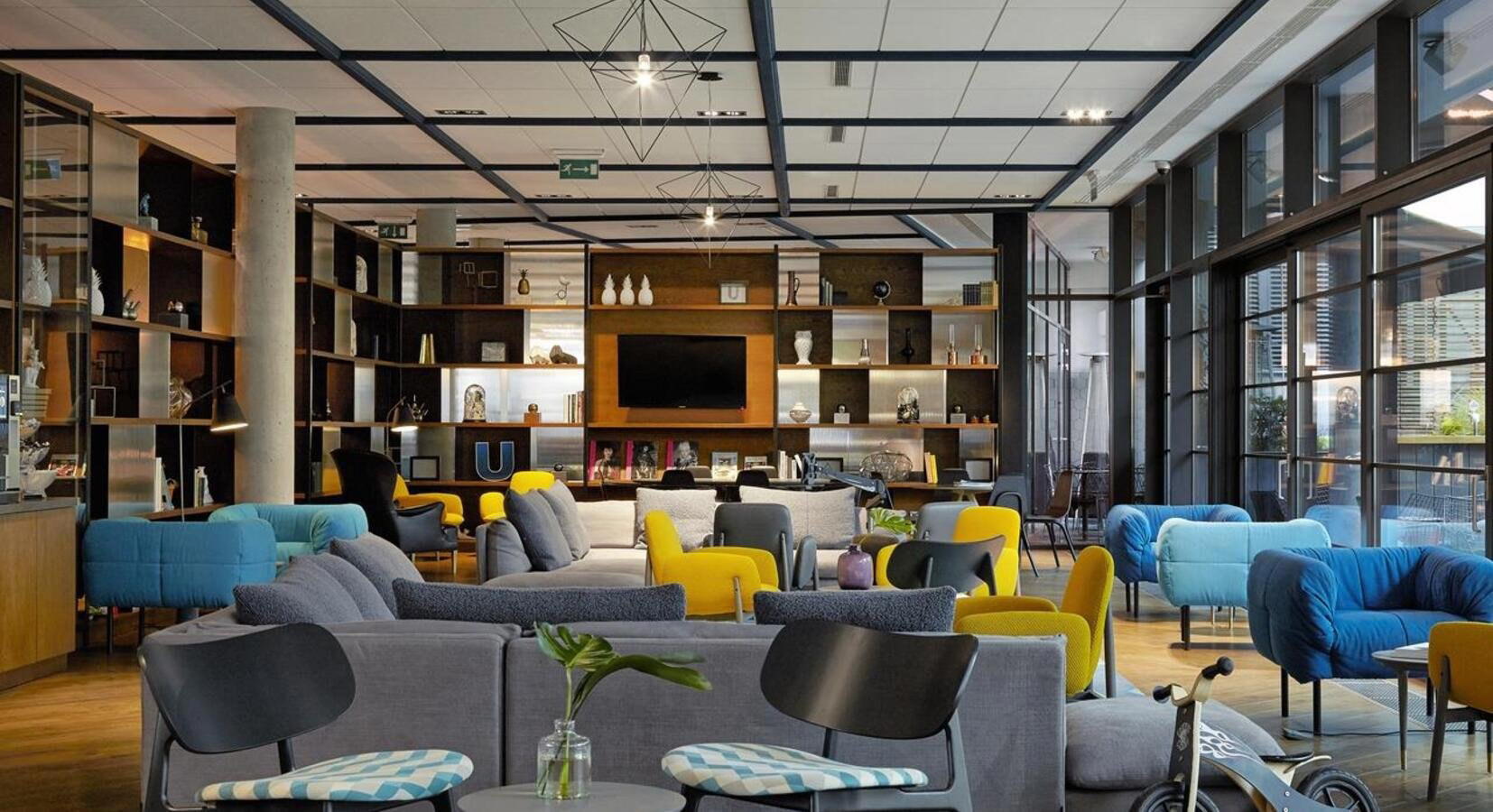
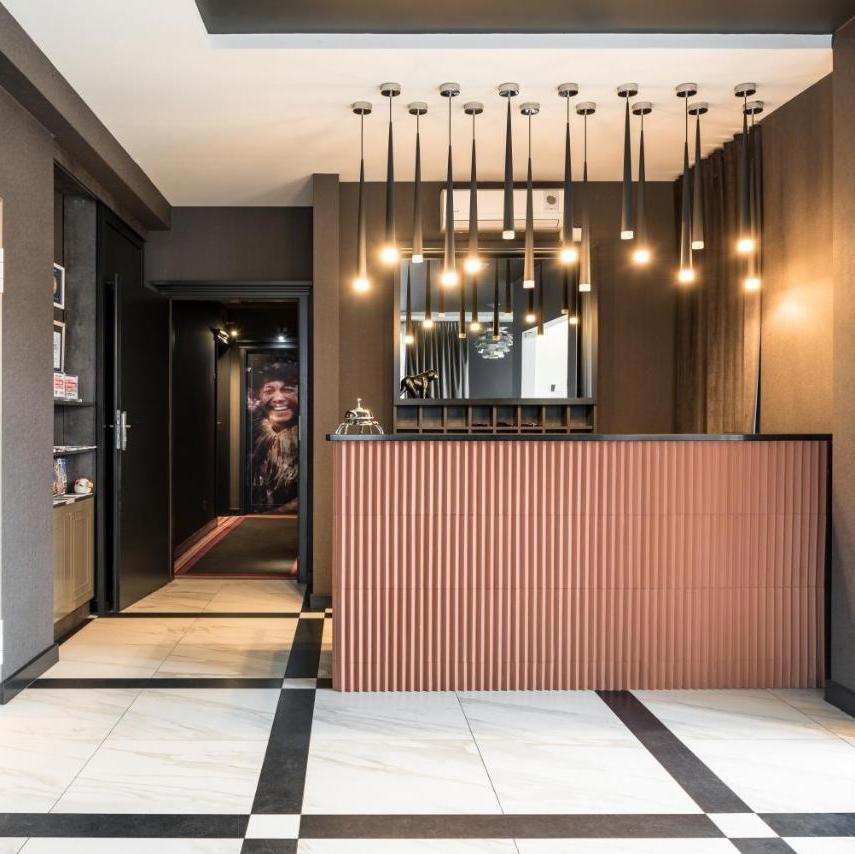
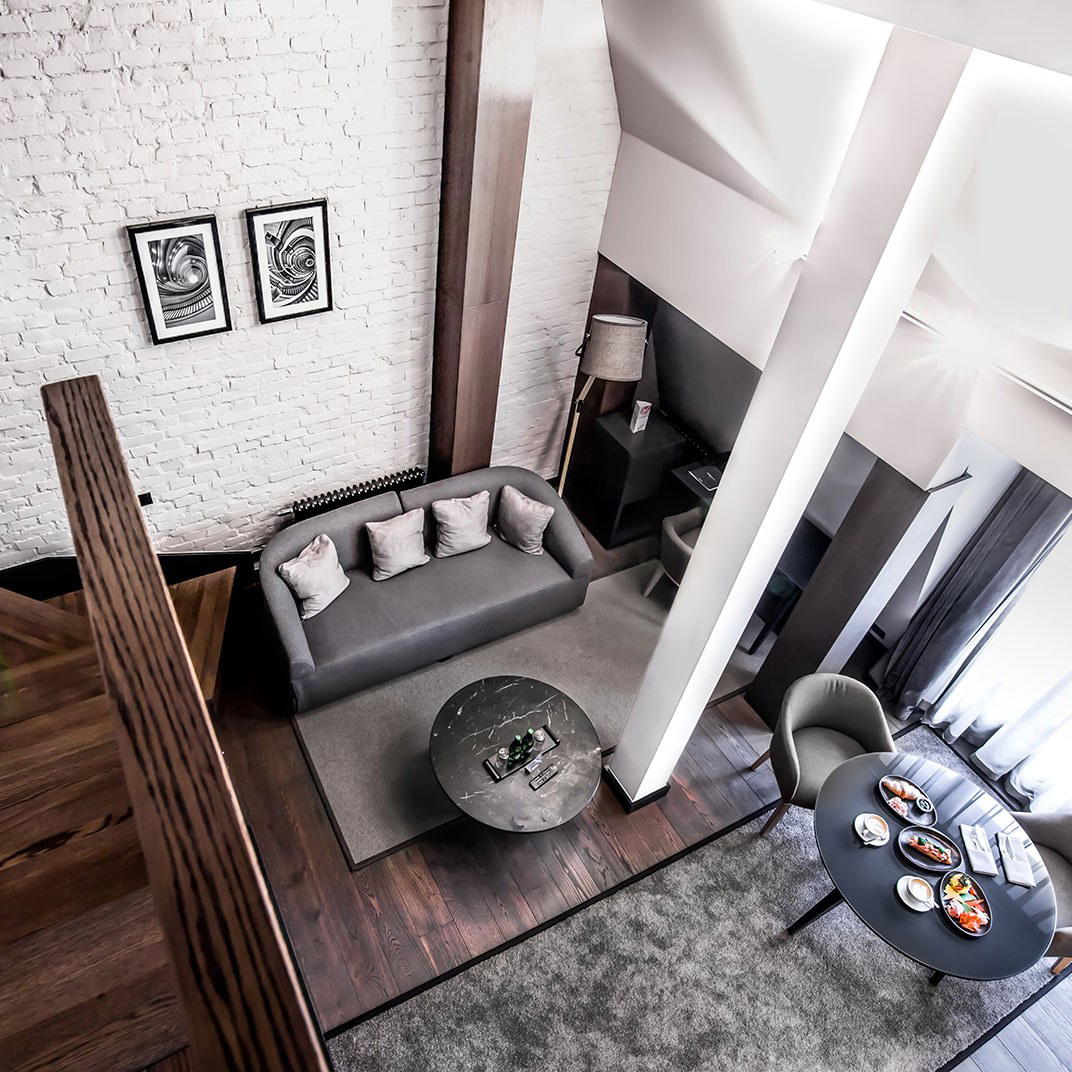
Stylish and cozy with traditional elegance, intimate rooms, classy yet casual atmosphere.