Fattoosh Lebanese Restaurant on Penshurst Street in North Willoughby brings the communal, vegetable-forward traditions of Lebanese cooking to Sydney's lower north shore. The kitchen draws on a cuisine where mezze sharing, slow-roasted meats, and house-made flatbreads have defined hospitality for centuries. For Sydney diners seeking an alternative to the city's dominant European and pan-Asian registers, it represents a grounded neighbourhood option with serious culinary roots.
Pearl is the En Primeur Club membership app — saves, bookings, and concierge access live there. Same editors, same standards.
- Address
- 330 Penshurst St, North Willoughby NSW 2068, Australia
- Phone
- +61298822206
- Website
- fattoosh.com.au
- Directions
- Get directions
 Saves & bookings on Pearl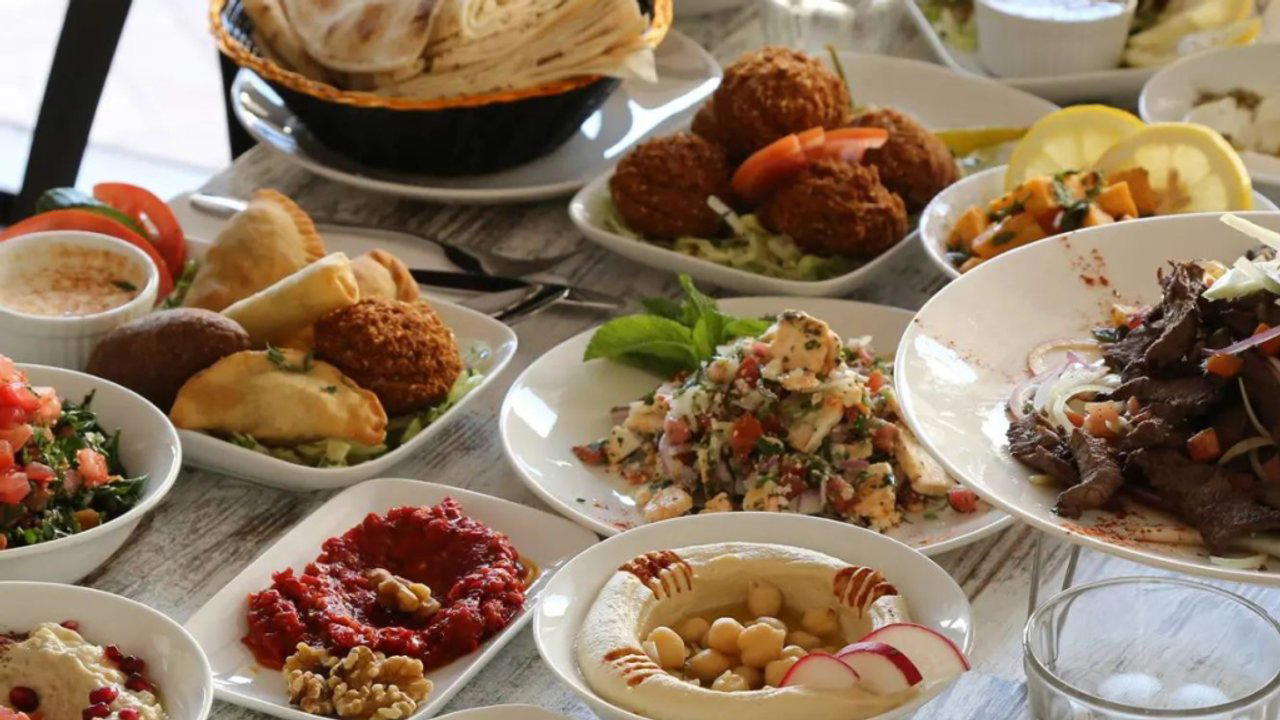
Lebanese Cooking in a Sydney Suburb: What the Cuisine Brings to the Table
There is a particular discipline to Lebanese cooking that gets obscured when the cuisine is reduced to its most export-friendly form. At its core, the tradition is built around an economy of ingredients: pulses, grains, seasonal vegetables, preserved lemons, and pomegranate molasses do the structural work that richer European kitchens assign to butter and cream. That same frugality, which has characterised Levantine home cooking for generations, also makes Lebanese cuisine one of the more naturally sustainable food traditions practised in Sydney today.
Fattoosh Lebanese Restaurant on Penshurst Street in North Willoughby operates within that tradition. The address puts it away from the dense inner-city dining corridors where Sydney's critical attention tends to cluster — venues such as Saint Peter in Paddington or Rockpool in the CBD hold the city's fine-dining centre of gravity — but the lower north shore has a long-established Lebanese community, and restaurants in this corridor serve a local population that measures authenticity by family memory rather than critical consensus.
The Sustainability Argument for Mezze-Based Eating
Australian dining's sustainability conversation has, for the past decade, been dominated by fine-dining operators. Brae in Birregurra runs a working farm behind the kitchen. Attica in Melbourne has built sourcing relationships that extend to native ingredients gathered by First Nations communities. Botanic in Adelaide and Pipit in Pottsville have made local-supplier transparency a central part of their editorial identity. These are high-investment, high-visibility approaches.
What rarely gets acknowledged is that mezze-format kitchens have been practising a version of low-waste, plant-heavy cooking long before it became a positioning strategy. The Lebanese mezze spread is structurally biased toward vegetables: hummus, mutabbal, fattoush salad, tabbouleh, stuffed vine leaves, and various preparations of lentils appear before any meat arrives. Proteins, when they do feature, are often slow-cooked in ways that extract value from less expensive cuts. The bread, typically flatbread baked fresh, serves as utensil, vessel, and food simultaneously, leaving nothing on the table wasted. This is not a philosophy adopted for marketing purposes; it is an ingrained culinary logic shaped by centuries of agricultural constraint in the Levant.
For Sydney diners thinking about their food choices through an environmental lens, the calculus of a Lebanese restaurant like Fattoosh often compares well to higher-priced venues where sustainability credentials are more loudly announced. The carbon footprint of a meal built around chickpeas, herbs, cucumber, tomato, and olive oil is structurally lighter than one built around prime beef or flown-in seafood, regardless of how either kitchen frames its sourcing story.
North Willoughby: The Neighbourhood Context
North Willoughby sits between Chatswood and Naremburn on Sydney's lower north shore, a residential zone that has developed a secondary dining corridor along and around Penshurst Street without accumulating the same critical profile as areas like Surry Hills or Newtown. That relative quiet is partly a function of geography, it is not on the way to major tourist destinations, and partly a reflection of how Sydney's food media has historically prioritised inner-city and waterfront addresses. For comparison, Ormeggio at The Spit in Mosman, further north along the harbour, attracts consistent critical attention despite a similarly residential catchment, largely because its waterfront setting provides a natural editorial hook.
The Lebanese community across Sydney's north shore has sustained a cluster of restaurants and grocers that operate at a different register from the city's reviewed dining circuit. These venues tend to serve regular, returning customers rather than occasion diners or hotel guests. The audience for Fattoosh is, by that logic, likely to include Lebanese-Australian families eating in a style close to what they prepare at home, as well as north shore residents who value proximity and consistency over novelty. This is a different value proposition from venues like 10 William St or 10 Pounds, which are built around a particular wine-bar or European bistro identity and attract a more transient, destination-dining audience.
How Lebanese Cuisine Sits in Sydney's Broader Dining Picture
Sydney has a relatively mature Middle Eastern dining scene by Australian standards, with strong representation across Lebanese, Turkish, and Israeli cuisines. The city's Lebanese restaurants span a wide range: from the large, banquet-hall format venues in Lakemba and Greenacre in the south-west, which operate at scale and prioritise affordability, to smaller neighbourhood spots on the north shore, which serve a different demographic in a different physical register.
Fattoosh at its Penshurst Street address occupies a neighbourhood-restaurant position in that spectrum. It is not competing in the same tier as 1021 Mediterranean, which positions itself toward the shareable-plates Mediterranean fine-dining end of the market, nor is it operating at the scale of the south-western Sydney Lebanese institutions. The neighbourhood format brings particular advantages: lower overheads that can translate to accessible pricing, a regular customer base that provides commercial stability, and a cooking register calibrated to what people want to eat repeatedly rather than what photographs well on a first visit.
Internationally, Lebanese cuisine holds a position analogous to what Japanese cuisine occupied in Western cities twenty years ago: widely adopted in simplified form, understood by most diners through a narrow set of gateway dishes, but carrying within it a depth of regional variation and technical tradition that the export version rarely captures. The version practised in immigrant-community restaurants, where cooks are preparing food for people who know the reference points, tends to be closer to that deeper tradition than the versions designed primarily for non-Lebanese audiences. Sydney's north shore Lebanese corridor, of which Fattoosh is part, operates in that community-facing register. For a broader view of where this sits in Sydney's restaurant offering, our full Sydney restaurants guide maps the city's dining geography in more detail.
Know Before You Go
Planning Your Visit
- Address: 330 Penshurst St, North Willoughby NSW 2068, Australia
- Neighbourhood: North Willoughby, lower north shore Sydney
- Format: Neighbourhood Lebanese restaurant; mezze-style sharing format typical of the cuisine
- Reservations: Contact details not currently listed; walk-in availability likely given neighbourhood format, but confirming ahead is advisable for groups
- Getting There: North Willoughby is accessible from the CBD via bus along the Pacific Highway corridor; Chatswood train station is the nearest rail hub, from which the Penshurst Street address is a short bus or taxi ride
- Dietary Scope: Lebanese mezze menus are structurally well-suited to vegetarian and vegan diners; confirm specific dish availability directly with the venue
Standing Among Peers
| Venue | Cuisine | Awards |
|---|---|---|
| Fattoosh Lebanese RestaurantThis venue — the venue you are viewing | Not listed | This venue |
| Rockpool | Australian Cuisine | World's 50 Best |
| Saint Peter | Australian Seafood | World's 50 Best |
| BENTLEY Restaurant & Bar | Australian Modern | Australian Modern |
| Bennelong | Australian Cuisine | Australian Cuisine |
Continue exploring
More in Sydney
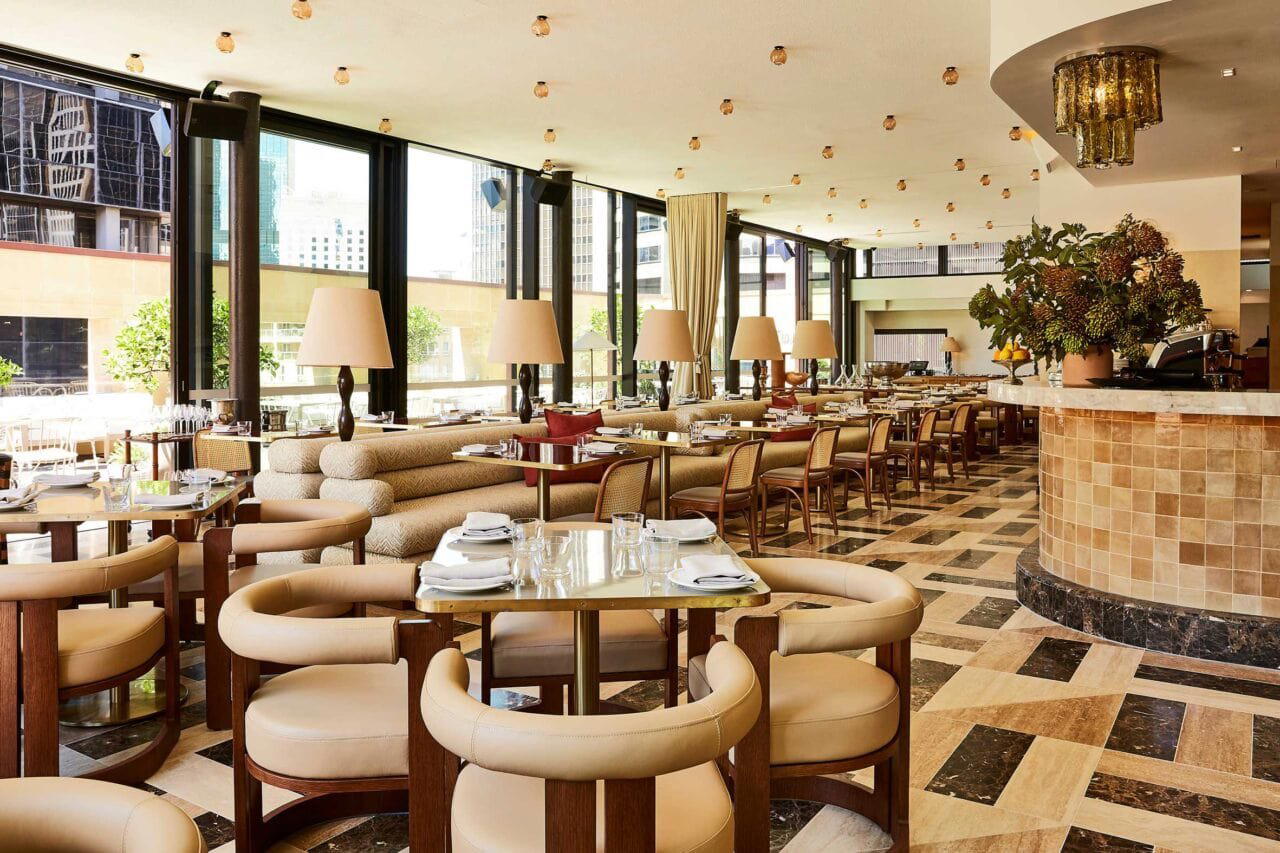
Restaurants in Sydney
Browse all →
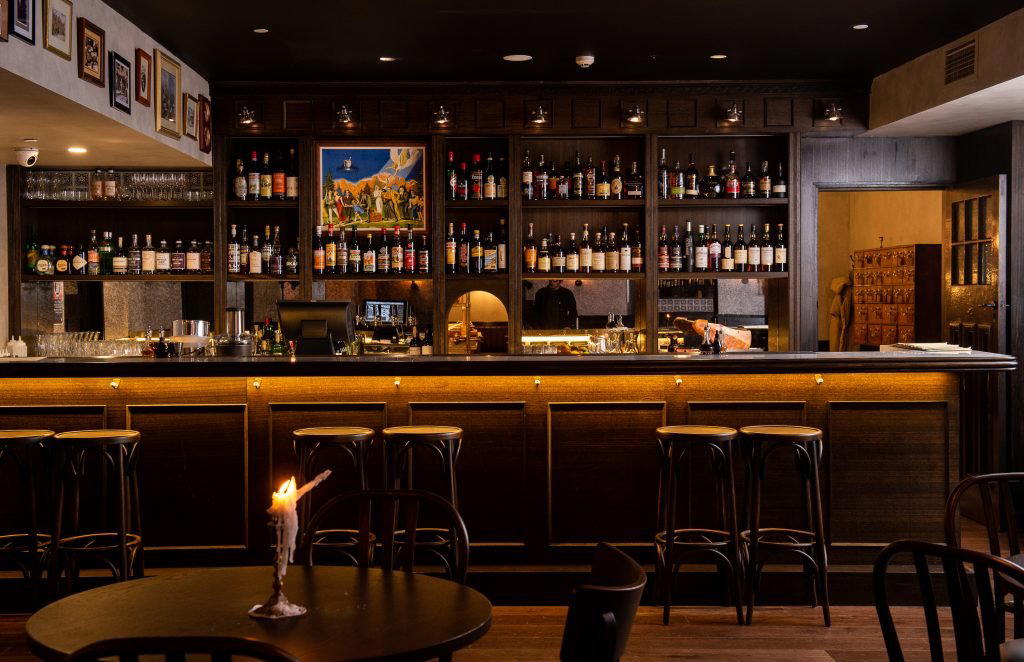
Bars in Sydney
Browse all →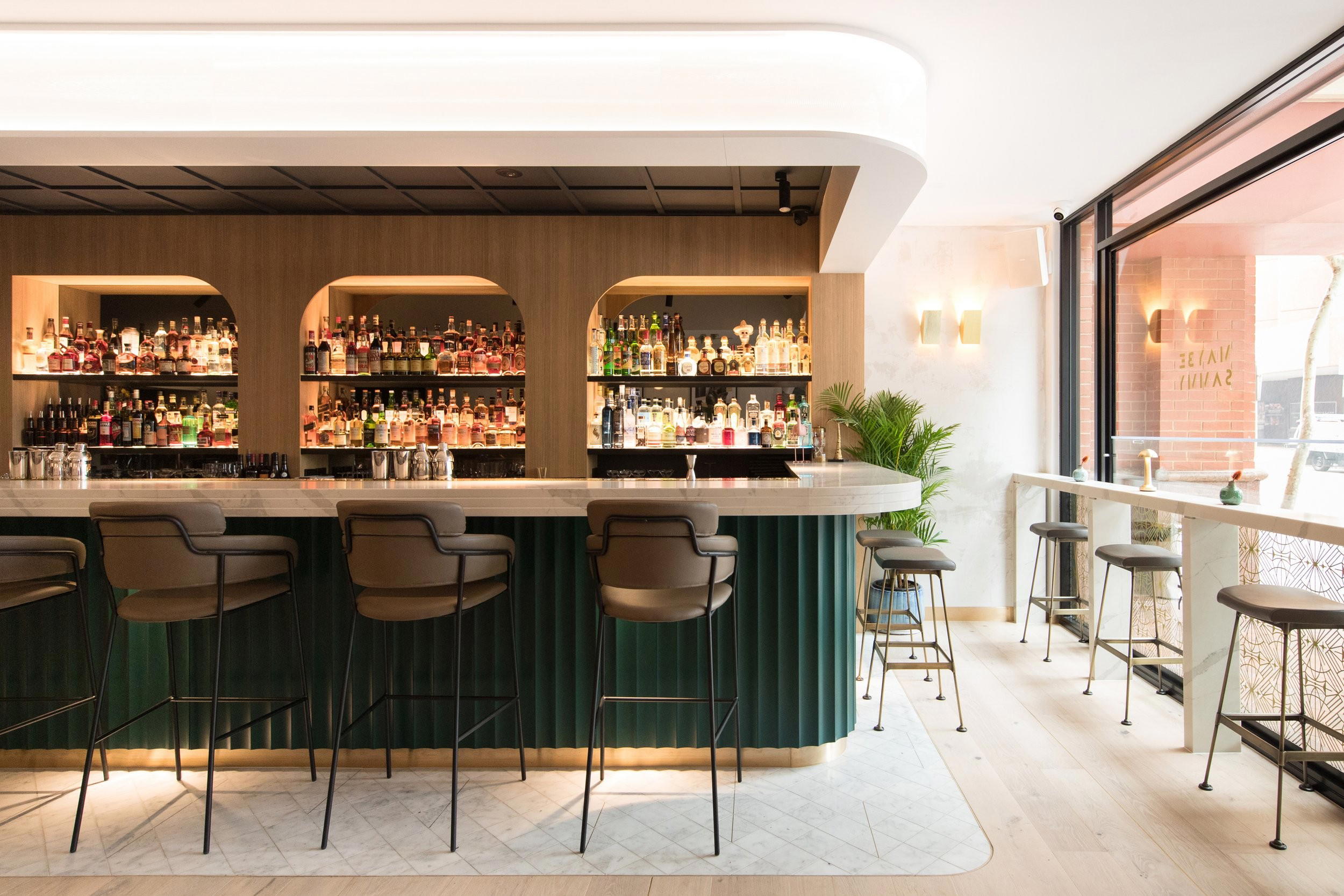
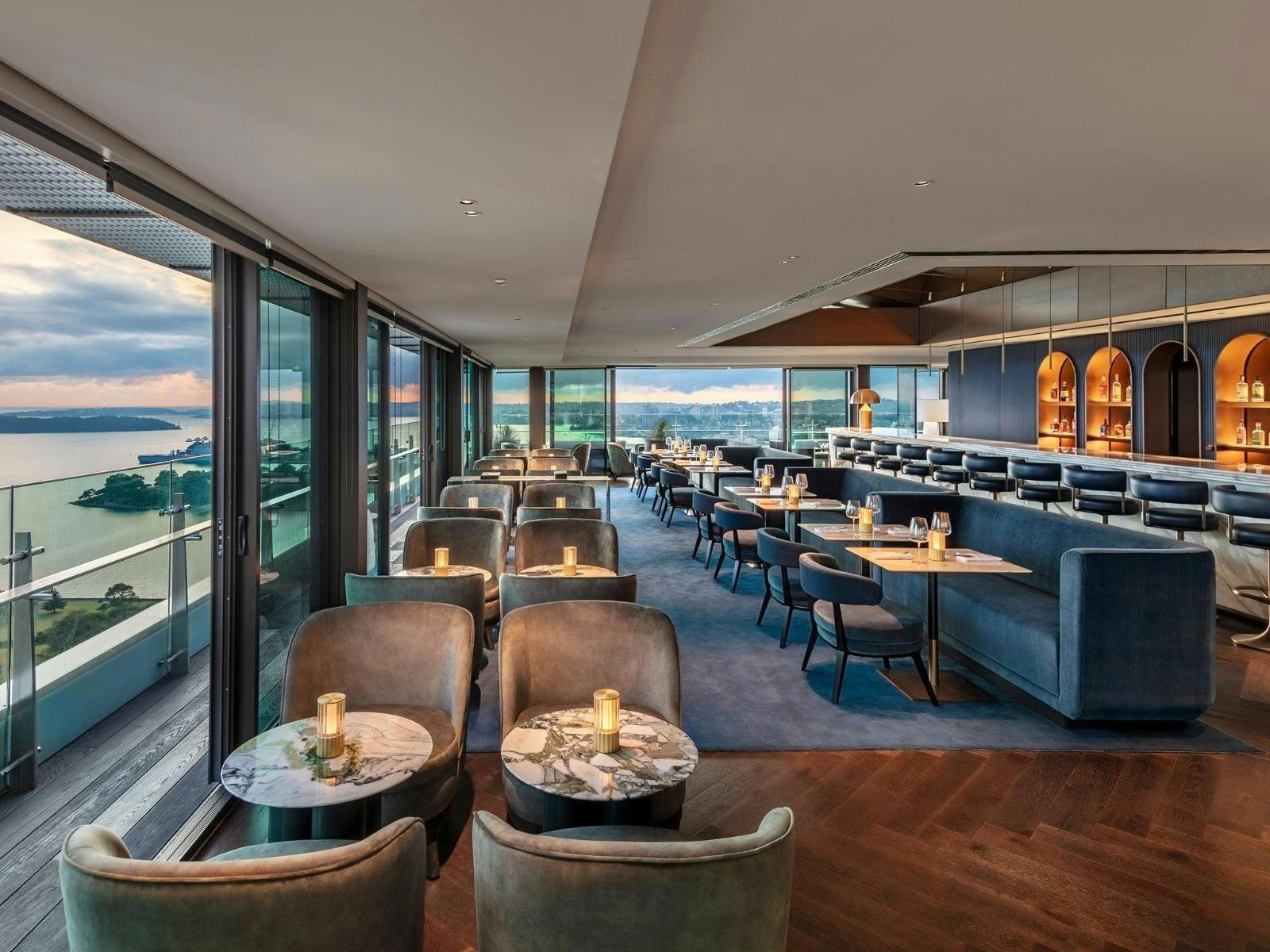
Hotels in Sydney
Browse all →

At a Glance
- Lively
- Cozy
- Group Dining
- Family
- Special Occasion
- Open Kitchen
Current opening hours
- Monday
- Closed
- Tuesday
- 11:30 AM–10 PM
- Wednesday
- 11:30 AM–10 PM
- Thursday
- 11:30 AM–10 PM
- Friday
- 11:30 AM–10 PM
- Saturday
- 11:30 AM–10 PM
- Sunday
- 11:30 AM–10 PM
Hours can change for holidays and private events. Last verified .
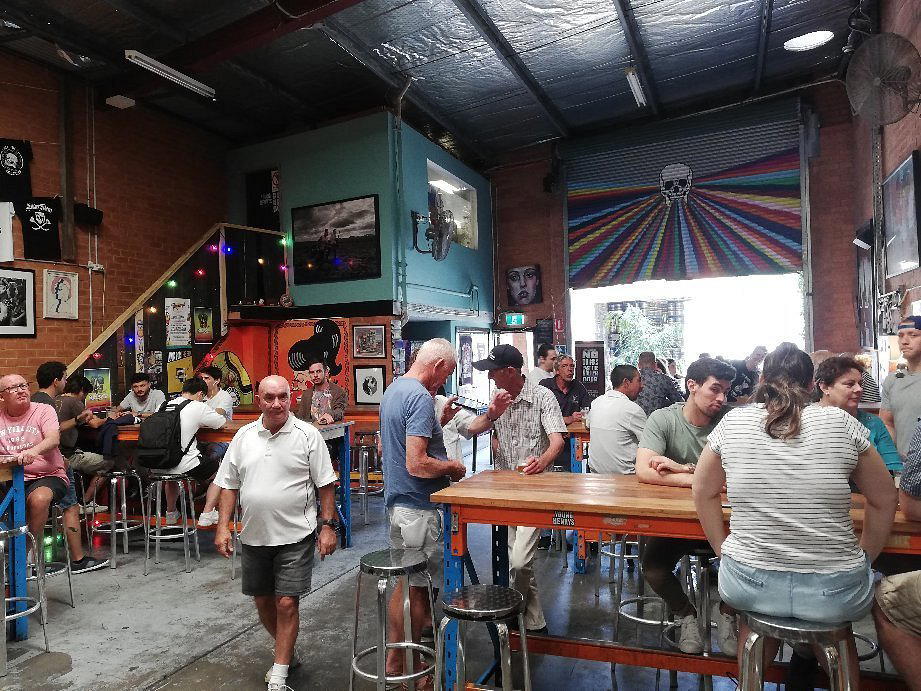
Inviting atmosphere with warm hospitality, bright and modern presentation, large and loud like a boisterous Middle Eastern family gathering.
Know Before You Go
- Getting there
- 330 Penshurst St, North Willoughby NSW 2068, Australia