Father’s Office

Father's Office in Los Angeles's Helms Arts District sits at the intersection of serious craft beer and no-substitutions bar food, earning a spot on Opinionated About Dining's 2025 Cheap Eats in North America list (ranked #211). Chef Sang Yoon's approach helped define how Americans think about the refined gastropub format.
Pearl is the En Primeur Club membership app — saves, bookings, and concierge access live there. Same editors, same standards.
- Address
- 3229 Helms Ave, Los Angeles, CA 90034
- Phone
- (310) 736-2224
- Website
- fathersoffice.com
- Directions
- Get directions
 Saves & bookings on Pearl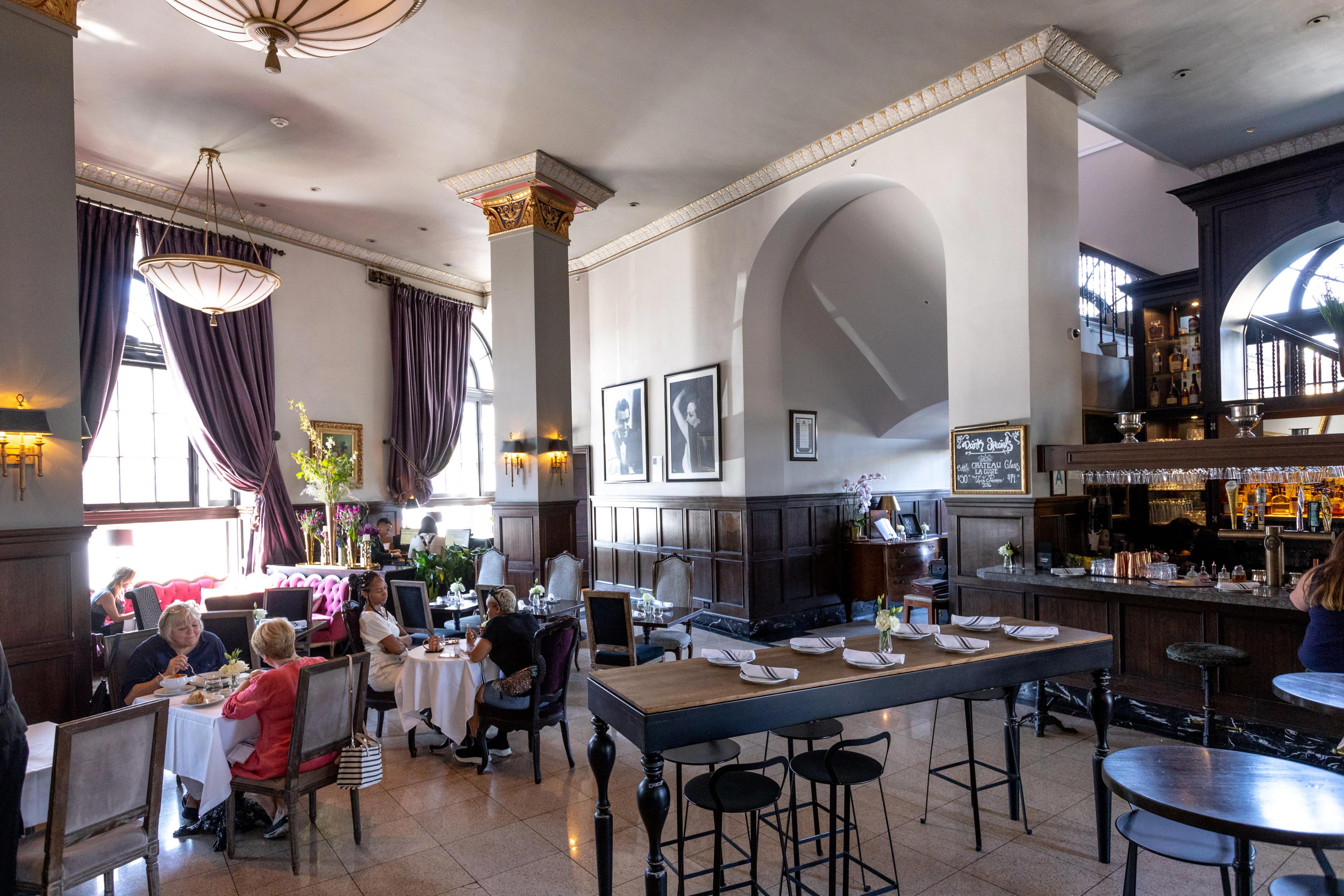
Where the American Gastropub Format Found Its Footing
The Helms Avenue stretch in Culver City is quiet in a way that surprises first-time visitors. The former Helms Bakery complex, a mid-century industrial building that once supplied bread to the 1932 Los Angeles Olympics, now houses furniture showrooms, design studios, and a handful of food and drink destinations. Father's Office occupies a corner of that compound where the light comes in low in the evenings and the crowd tends to arrive with a specific intention: a particular burger and a particular beer, in that order.
That specificity is the point. The gastropub movement in the United States borrowed the British template of serious cask ale served in a pub setting and pushed it toward a more American preoccupation with sourcing and culinary precision. Father's Office arrived early in that wave, and what chef Sang Yoon built here became a reference point for a format that dozens of operators since have tried to replicate. Training at elite French kitchens before pivoting to bar food is not a common arc, but that background shows in the structural thinking applied to what gets served at the counter here.
A Culinary Background That Explains the No-Substitutions Rule
Chef Sang Yoon's professional formation belongs to the tradition of rigorous French training that shaped a generation of American chefs in the 1980s and 1990s. The same pipeline produced figures associated with institutions like Le Bernardin in New York City and places of similar discipline. When a chef trained in that school applies the logic of a composed dish — where altering one element changes the balance of the whole — to a burger, the no-substitutions policy stops being a quirk and starts being a coherent culinary argument.
That argument has held. Across American cities, the gastropub tier has fractured into operators who lean into flexibility and customization and those who treat the menu as a fixed composition. Father's Office sits firmly in the latter camp, and it's worth noting how rare that discipline has remained even as the format matured. Comparable conviction at this price point is easier to find in tasting-menu formats like Hayato or Kato, where multi-course structure naturalizes that kind of authorship. Applying it to bar food requires a different kind of confidence.
What Opinionated About Dining's Ranking Says About the Category
Opinionated About Dining's Cheap Eats in North America list is one of the more data-dense crowd-informed rankings in the American dining conversation, weighted toward frequent, knowledgeable diners rather than general public consensus. A ranking of #211 in 2025 places Father's Office in a field that spans everything from taco counters to noodle shops to diner institutions like Anchor Bar in Buffalo and New York's J.G. Melon. Holding a position in that list after two decades of operation, when the original novelty has long worn off, is a different kind of credential than an opening-year notice.
Sustained high ratings at high volume typically reflect consistent execution rather than occasional excellence. The gap between what gets celebrated in the fine-dining tier, Somni, Providence, Osteria Mozza, and what earns sustained recognition at the accessible end of the market is significant. Father's Office occupies a different competitive set from any of those, but within its own category, the longevity signals something more durable than trend.
Bar Food as a Serious Format
The American bar food category has its own internal hierarchy. At the bottom end, the format is purely functional: something to slow down alcohol absorption. In the middle tier, operators treat food as a revenue stream alongside drinks, with varying degrees of kitchen investment. At the leading, a smaller group treats bar food as a genuine culinary category with its own compositional logic, where the relationship between a drink and a dish is as considered as it would be in a more formal setting.
Father's Office operates at that upper register. The beer program, one of the earliest serious craft lists in Los Angeles, was built to sit alongside food rather than simply accompany it. That pairing discipline, more associated with Belgian table service or the northern California farm-to-table movement that produced venues like Lazy Bear in San Francisco and Single Thread Farm in Healdsburg, shows up in a bar context here. The format is casual; the thinking behind it is not.
Los Angeles's broader dining architecture has shifted significantly since Father's Office opened. The city that once drew comparisons to Chicago's Alinea in ambition only at the high end now has a layered scene across price points, with serious operators at every tier. Father's Office contributed to that expansion by demonstrating that the city's dining public would reward culinary seriousness without formal trappings. You can map a direct line from its logic to the current generation of casual-but-serious operators across the city.
The Helms Arts District as a Dining Destination
The neighborhood context matters here. Culver City and the Helms District sit between Santa Monica's beach-adjacent dining cluster and downtown Los Angeles's denser, more internationally varied restaurant scene. The area attracts a mix of design and tech industry professionals, which has historically supported a particular kind of food and drink business: higher-than-average expectations on quality and sourcing, lower-than-average tolerance for pretension. Father's Office fits that profile precisely.
For visitors building a broader Los Angeles itinerary, the Helms location works well as an evening anchor before or after exploring the mid-city corridor. Our full Los Angeles restaurants guide covers the range from this end of the market to the Michelin tier. Our Los Angeles bars guide, hotels guide, wineries guide, and experiences guide map the rest of the city's offering by category.
The comparison that comes to mind when thinking about Father's Office in a national context is Emeril's in New Orleans or similar venues where a chef's training shaped a broader cultural shift in how Americans understood a particular dining format. The scale is different, the price point is different, and the setting is a bar rather than a restaurant. But the mechanism is the same: one operator's refusal to treat a format as inherently low-stakes changed how the surrounding industry thought about what was possible there.
Planning Your Visit
Location: 3229 Helms Ave, Los Angeles, CA 90034, in the Helms Arts District. Reservations: No booking information available; walk-in format typical of the bar food category at this level. Dress: Casual, the Helms District operates without formality. Budget: Cheap Eats category; expect pricing consistent with bar food at a craft-focused operator. Recognition:
How Father's Office Los Angeles compares with similar nearby venues.
| Venue | Cuisine | Price |
|---|---|---|
| Father’s Office | Bar Food | Not listed |
| Lukshon | Modern Asian | Not listed |
| Coolhaus Shop | Ice Cream | Not listed |
| Bianca | Italian | Not listed |
| Destroyer | Progressive, Contemporary | $$ |
Recognition history
Dated appearances from independent guides and award organizations, with the underlying list record or original source where available.
Opinionated About Dining Cheap Eats in North America Ranked #211
Opinionated About Dining
Continue exploring
More in Los Angeles
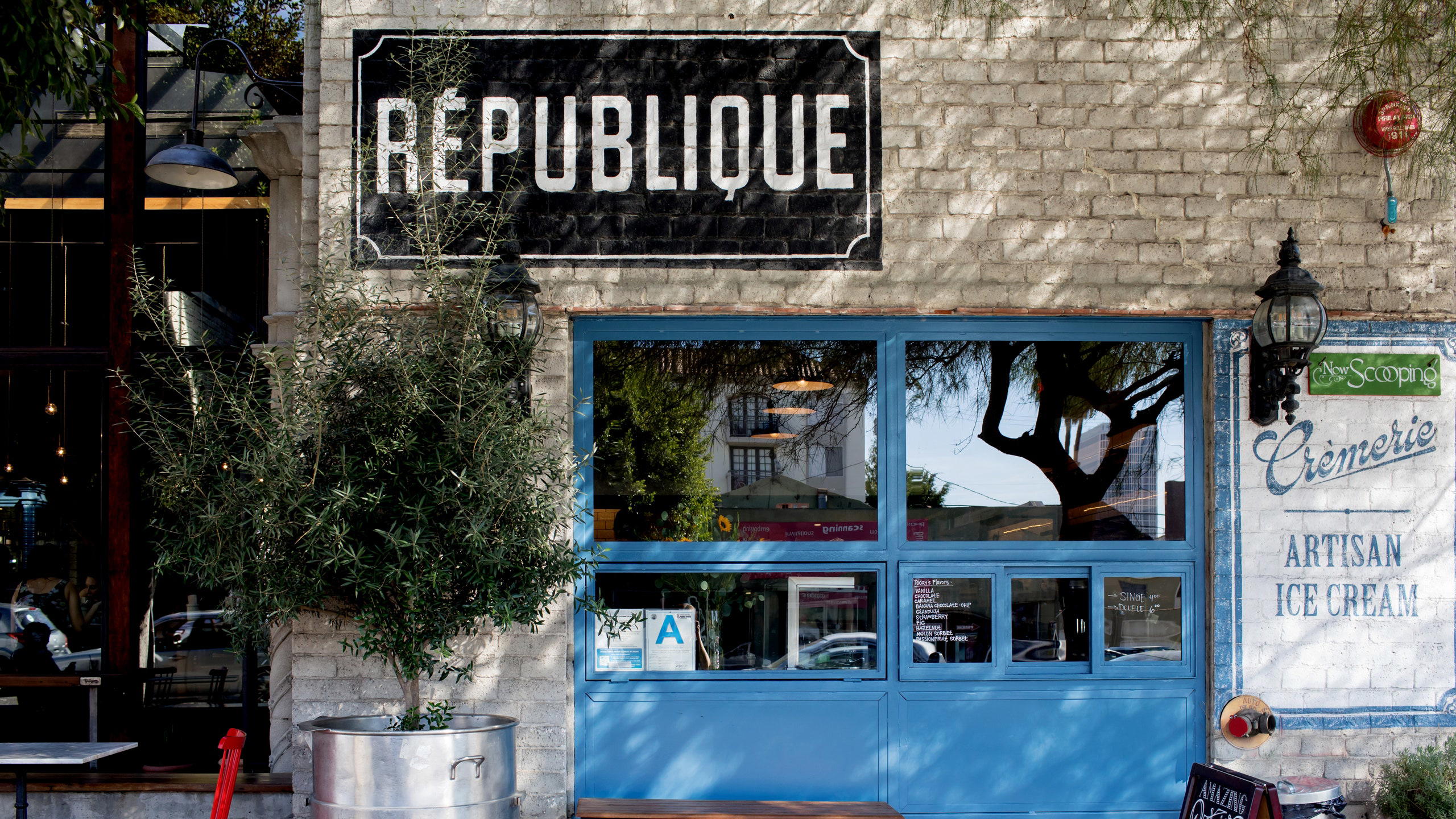
Restaurants in Los Angeles
Browse all →
Bars in Los Angeles
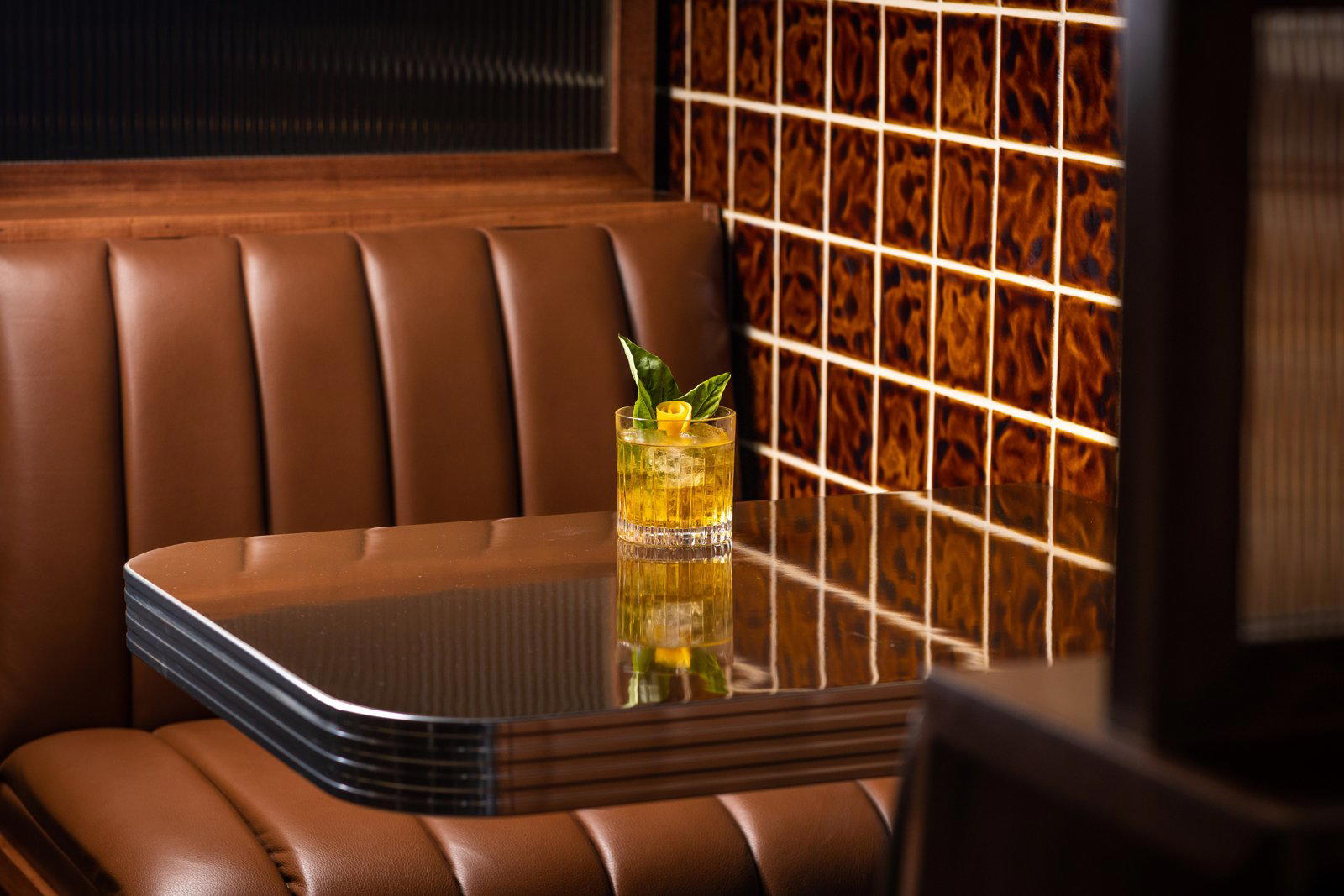
Browse all →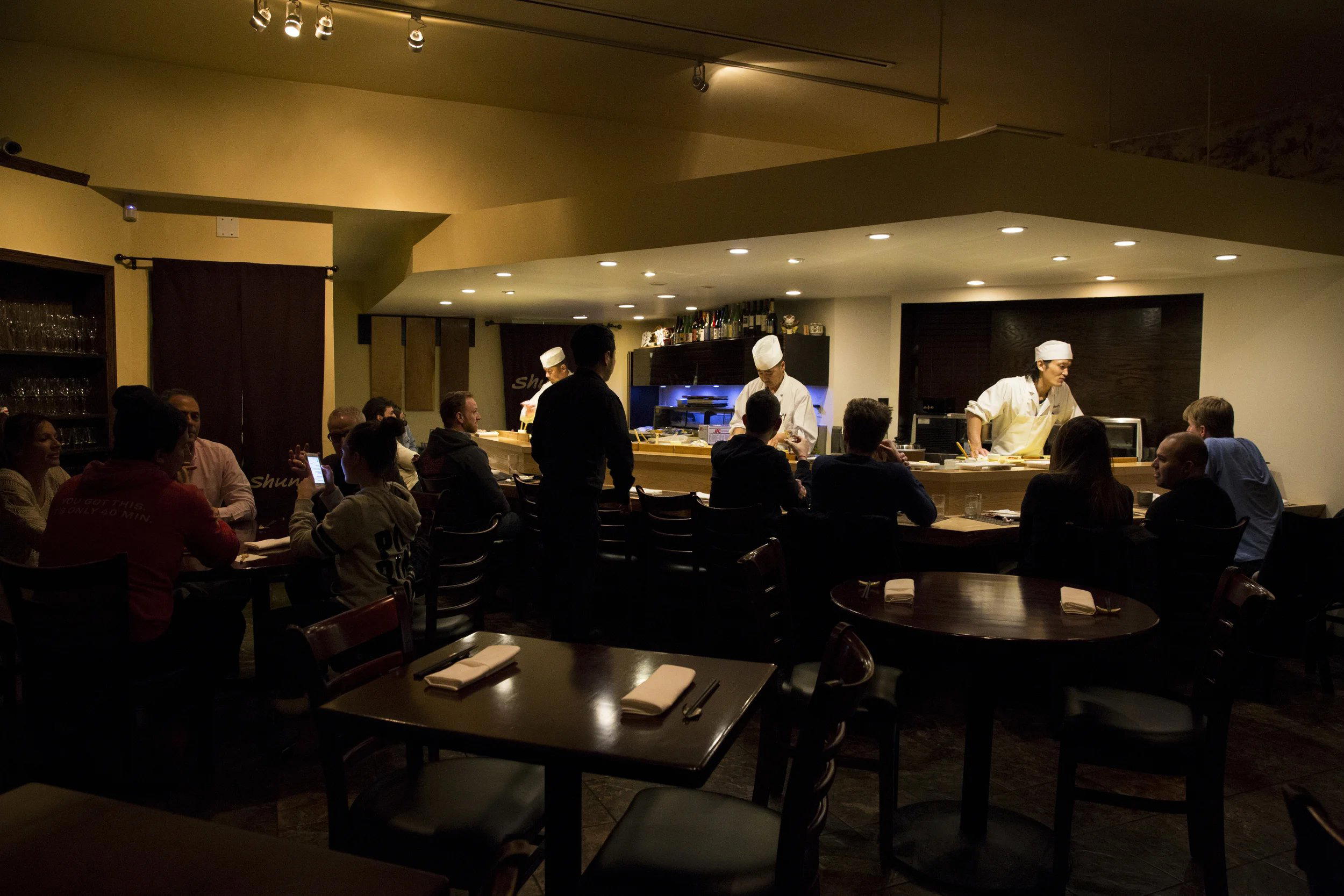
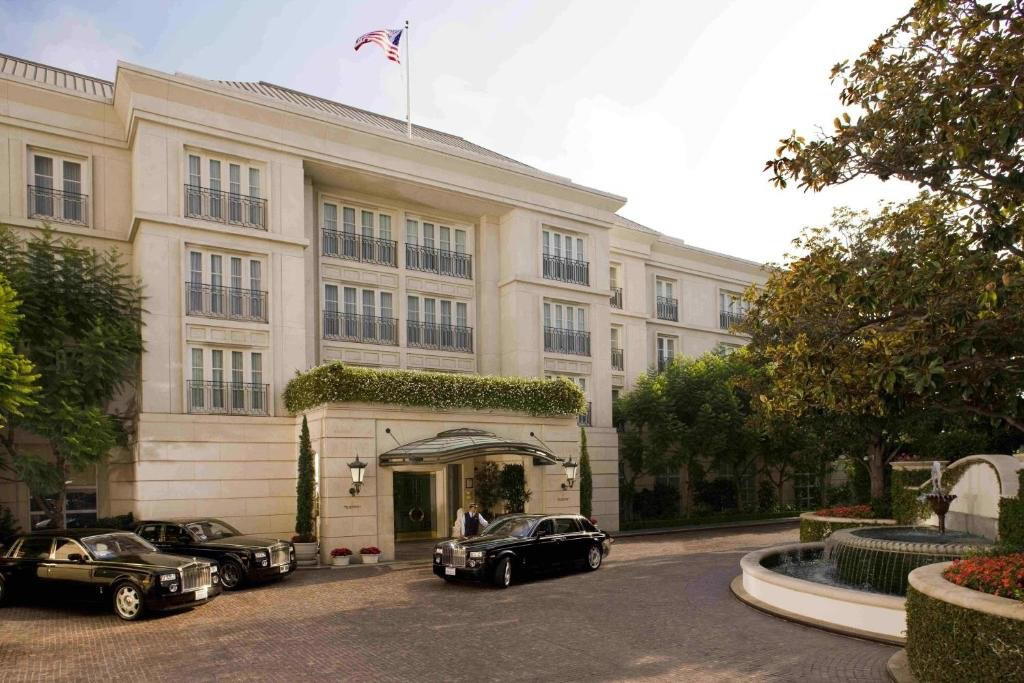
Hotels in Los Angeles
Browse all →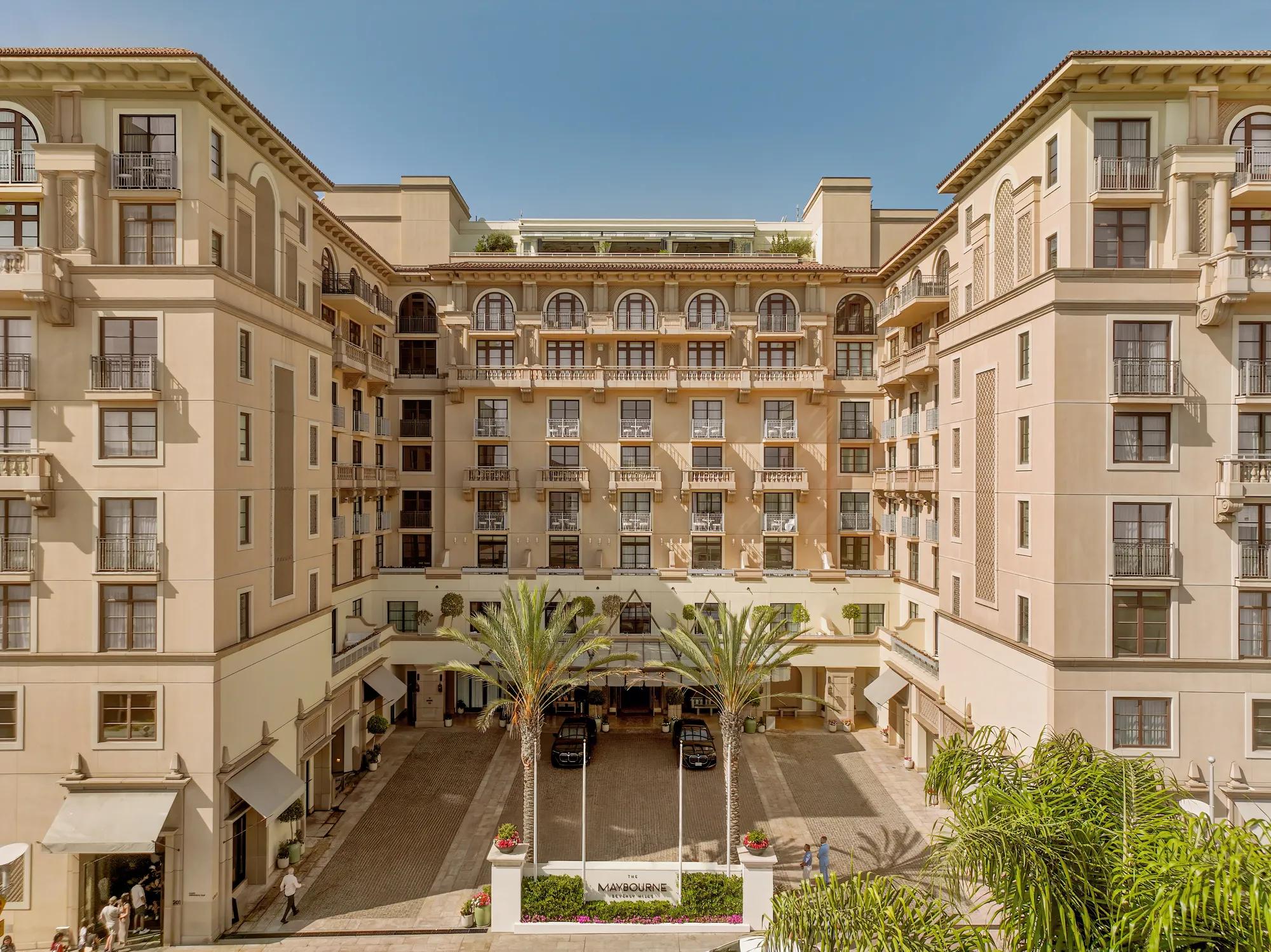
Wineries in Los Angeles
Browse all →
At a Glance
- Lively
- Trendy
- Industrial
- Well Known
- Casual Hangout
- After Work
- Group Dining
- Late Night
- Standalone
- Historic Building
- Beer Program
- Craft Cocktails
- Local Sourcing
Current opening hours
- Monday
- 5–10 PM
- Tuesday
- 5–10 PM
- Wednesday
- 12–10 PM
- Thursday
- 12–10 PM
- Friday
- 12 PM–12 AM
- Saturday
- 12 PM–12 AM
- Sunday
- 12–10 PM
Hours can change for holidays and private events. Last verified .
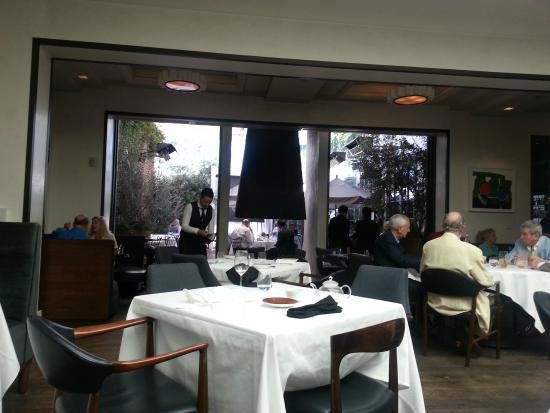
Industrial chic with exposed brick walls, ambient lighting, and eclectic artwork; lively yet relaxed energy with an open floor plan fostering a communal feel; order-at-bar gastropub format.
Know Before You Go
- Getting there
- 3229 Helms Ave, Los Angeles, CA 90034