Farm.One
Our verdict
Farm. One belongs to Brooklyn’s sharper ingredient conversation: urban agriculture, chef-facing supply, and the question of how much freshness can be grown inside city limits. The appeal is less about restaurant ritual than proximity, seeing delicate herbs and greens produced in the same borough where ambitious kitchens turn sourcing into identity.

Pearl is the En Primeur Club membership app — saves, bookings, and concierge access live there. Same editors, same standards.

The menu
What to order
- Luxury greens salad
- Flatbread or pizza with farm greens
- Seasonal small plates showcasing house-grown herbs
Inside a city better known for back-of-house rhythm, service logistics, and the constant movement behind a finished meal, Farm. One changes the usual food narrative by shifting attention to what happens before the table. Farm. One puts that conversation inside Brooklyn rather than treating it as something that happens elsewhere, which matters in a borough where provenance has become part of how people read food experiences. The point is not pastoral romance. It is proximity, focus, and the compression of distance into an urban format.
Urban growing as part of Brooklyn's ingredient economy
Brooklyn dining has long treated sourcing as a marker of seriousness, but the conversation has matured. The older shorthand often implied ingredients arriving from beyond the city; newer models ask how food experiences can make production, preparation, and access more visible within the city itself. Farm. One sits in that second camp, aligned with the borough’s appetite for small-scale food culture and ingredient specificity rather than broad agricultural nostalgia.
That distinction helps explain why a place like Farm. One belongs in the same editorial orbit as restaurants and food experiences. The visitor is not simply thinking about a finished plate. The format points toward a supply chain that often stays offstage: the small decisions and timing questions that shape how ingredients eventually appear in dining rooms. In Brooklyn, those details can carry disproportionate influence because they affect how a meal is understood before it is even served.
For readers mapping Brooklyn through food rather than landmarks, this is a useful counterpoint to the borough’s dining range. Other Brooklyn dining rooms, compact daytime stops, and pop-up-driven projects all depend on different versions of sourcing discipline. Farm. One makes that discipline part of the story before it becomes a dish.
Why proximity changes the way ingredients are valued
Freshness is often treated as a soft virtue, but proximity can have practical consequences. The shorter the distance between production and use, the more attention can be paid to timing, handling, and coordination. That does not require a claim of superiority over any other model; it simply makes Farm. One a different kind of reference point within Brooklyn’s food landscape.
This is where Brooklyn’s food culture becomes more interesting than a simple restaurant list. The borough contains daytime counters, dining rooms, bakeries, bars, markets, and production spaces that all shape how people eat. Some places speak to daily neighborhood rhythm, while others belong to a more composed dining register. Farm. One adds the upstream view: what happens before the plate, and how a city can shorten the line between source and kitchen.
That angle also keeps the experience from becoming a novelty. Urban food production has practical limits, especially when compared with larger-scale models, but it is well suited to conversations about consistency, access, and timing. In a dense dining market, that consistency has commercial value. Food professionals and curious visitors are not only thinking about flavor; they are thinking about reliability, coordination, and the systems behind the experience.
How to place it within a Brooklyn food itinerary
Farm. One works well for travelers who want the infrastructure behind the meal, not only the meal itself. It pairs naturally with a Brooklyn day organized around food production, neighborhood restaurants, and bars rather than a single reservation. For wider planning, our full Brooklyn restaurants guide gives the dining map, while our full Brooklyn bars guide, our full Brooklyn hotels guide, our full Brooklyn wineries guide, and our full Brooklyn experiences guide fill in the rest of the borough’s hospitality structure.
The broader American context is useful, too. Ingredient-led dining can look casual, regional, or highly technical depending on the city: one place might frame precision through a bar format, another might use a compact counter-service model, and another might read through neighborhood cooking or plant-forward food. The common thread is not sameness; it is the way sourcing choices define the experience before service style does.
That same thread runs through many dining rooms and food projects, each showing how place, format, and ingredient logic set expectations. Farm. One’s value is narrower and more technical: it gives Brooklyn’s ingredient culture a visible point of reference, turning supply into the subject rather than the background.
Frequently asked questions
Can I bring kids to Farm. One?
Farm. One in Brooklyn is better suited to a short, curious visit than a long restaurant meal. For children, that usually works well if the purpose is to see the ingredient side of the city food scene rather than a formal dining room.
What kind of setting is Farm. One?
Farm. One reads as a Brooklyn food-focused venue rather than a conventional restaurant. The focus is on the infrastructure behind ingredients, not table service.
Where exactly is Farm. One?
Brooklyn.
How far ahead should I plan for Farm. One?
Plan Farm. One as part of a Brooklyn itinerary, since the venue functions more like a specialty stop than a long-form dinner. That makes timing less about a full evening reservation and more about fitting it into the day’s route.
What is Farm. One known for?
Farm. One is known as a Brooklyn venue connected to the ingredient side of the city’s food scene. Its Brooklyn setting fits that production-first profile.
How does Farm. One handle allergies?
Because Farm. One is a Brooklyn food-focused venue, allergy handling should be treated as a practical question tied to the specific visit format. Any sensitive visit should be planned around direct confirmation of ingredients before arriving.
Comparable Venues Nearby
Comparable venues nearby, for context on price, style, and recognition.
| Venue | Cuisine | Price | Awards | Notes |
|---|---|---|---|---|
| Farm. One | Dining | Not listed | Not listed | Brooklyn |
| Bad Cholesterol | Neo-Neapolitan Brooklyn-Style Pizza | $30–50 | Star Wine List | Red Hook |
| Falansai | Vietnamese-Mexican Fusion | $30–50 | Michelin Bib Gourmand · Star Wine List | Bushwick |
| Lucali | Thin-Crust Pizza | $30–50 | Not listed | Carroll Gardens |
| Grand Street Healing Project | Community healing & event space (not a restaurant) | Not listed | Not listed | Brooklyn |
| Alidoro | Italian Specialty Sandwich Shop | Not listed | Not listed | Downtown Brooklyn |
Continue exploring
More in Brooklyn
Restaurants in Brooklyn
All restaurants in Brooklyn →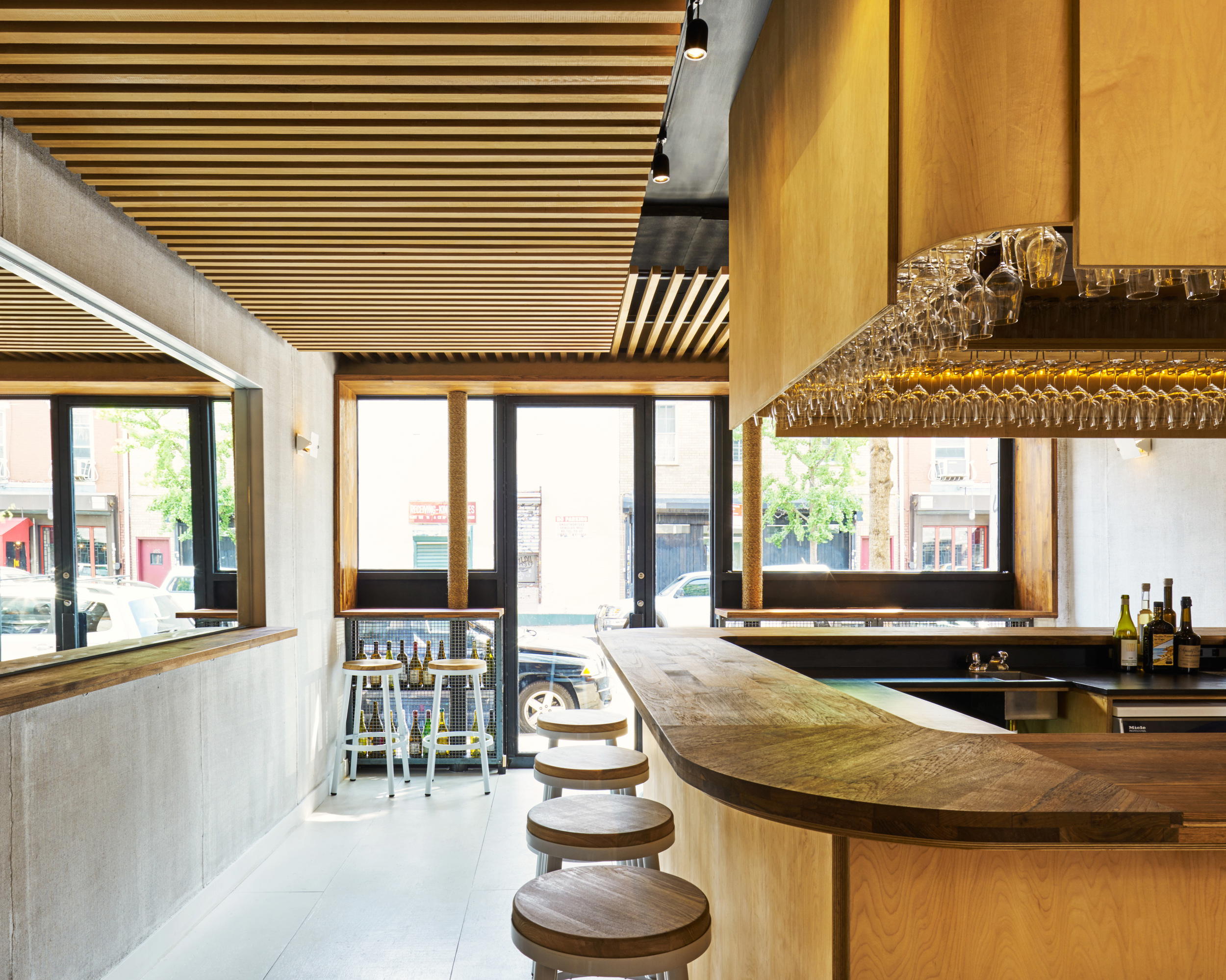
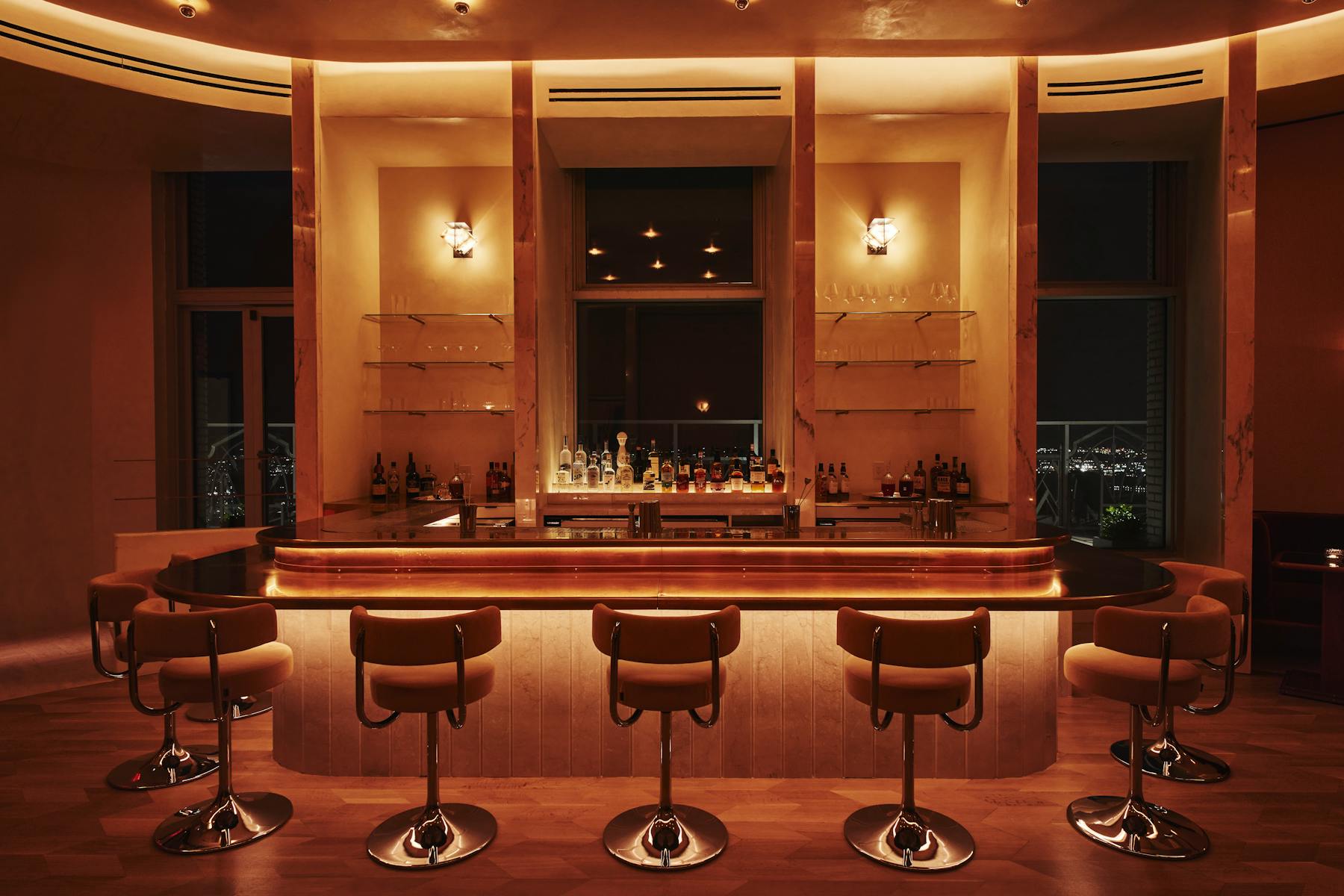
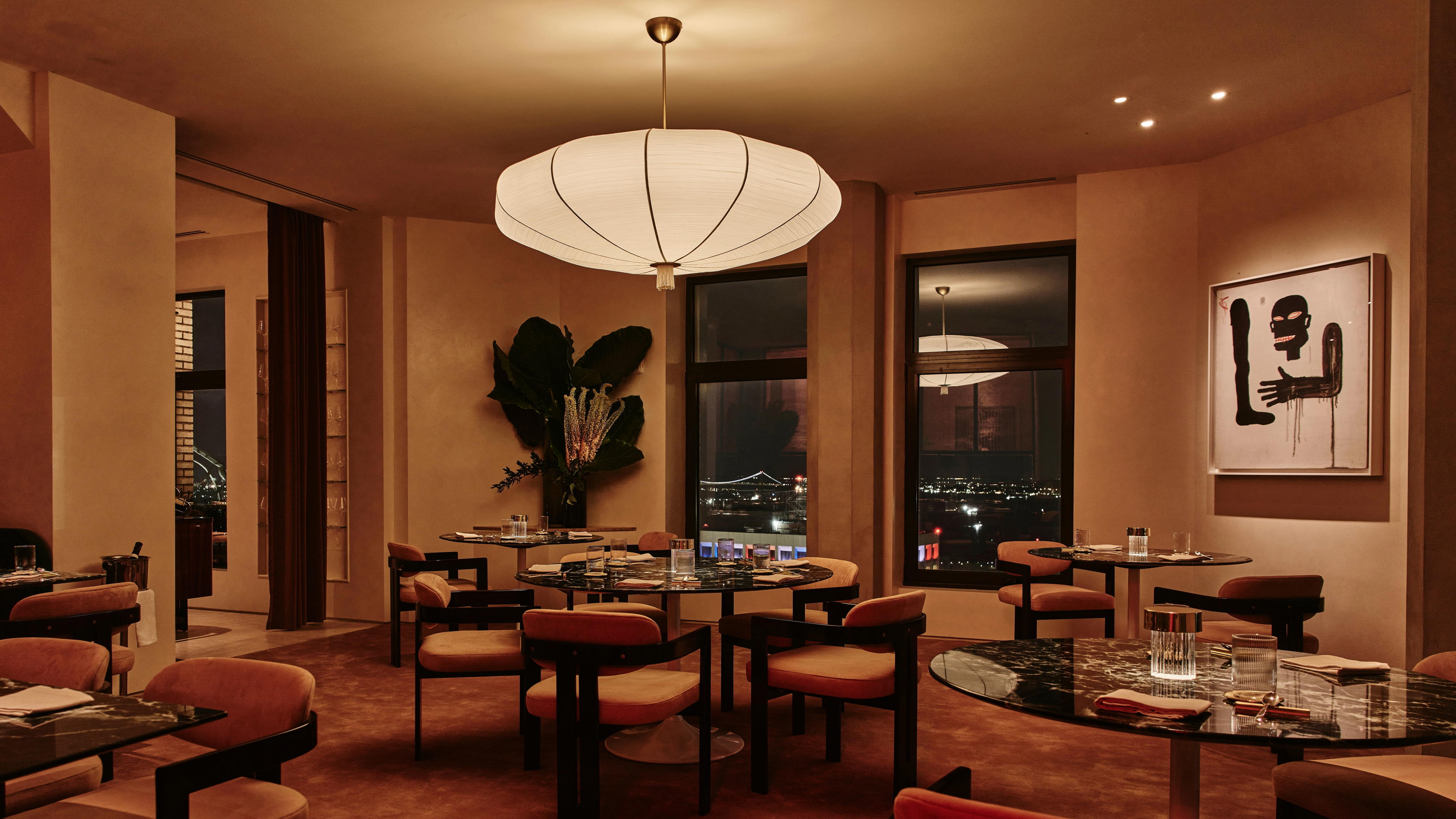
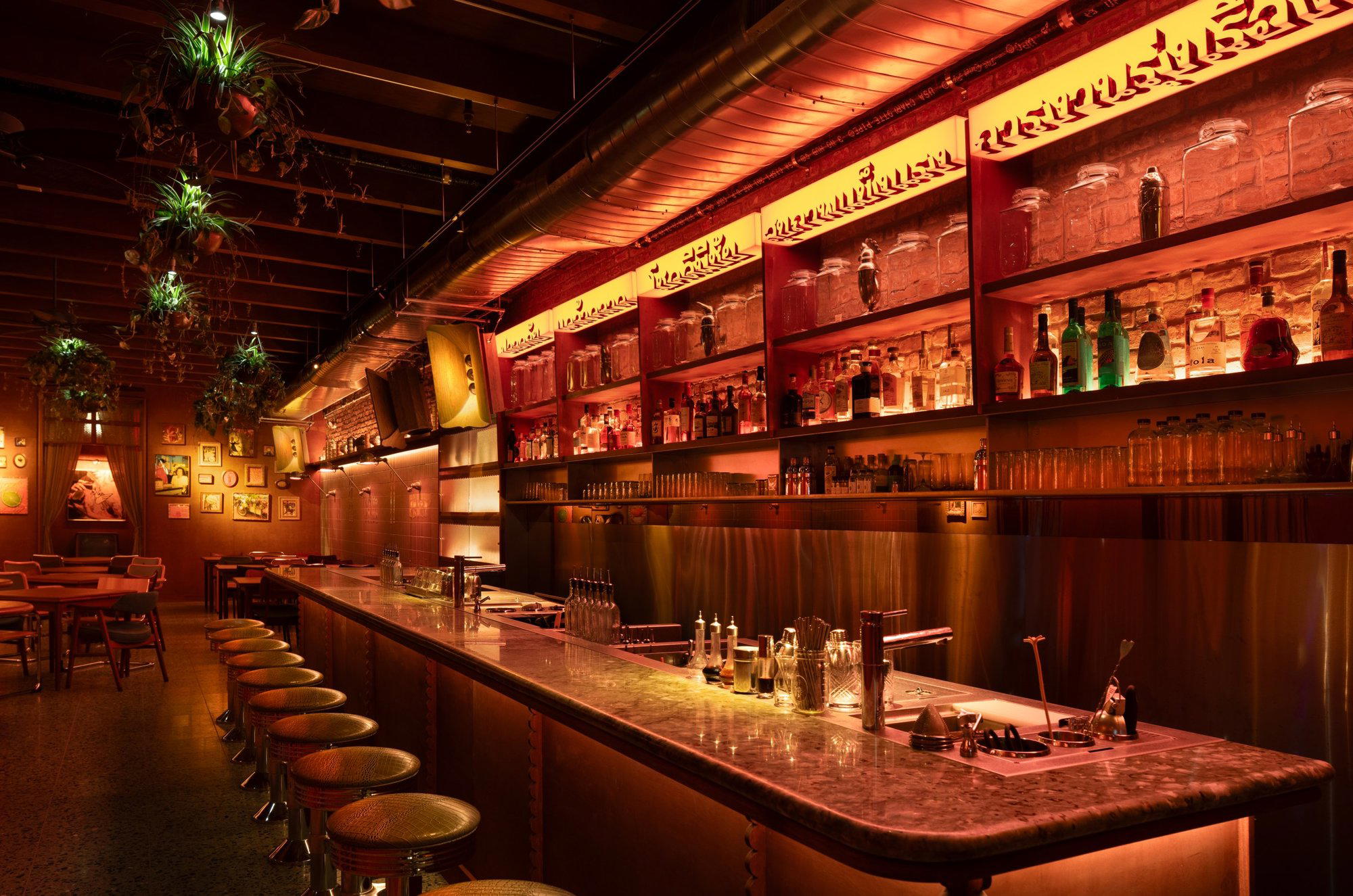
Bars in Brooklyn
All bars in Brooklyn →

Details
- Modern
- Trendy
- Industrial
- Cozy
- Casual Hangout
- After Work
- Group Dining
- Date Night
- Private Event
- Garden
- Open Kitchen
- Private Dining
- Design Destination
- Standalone
- Craft Cocktails
- Zero Proof
- Beer Program
- Farm To Table
- Organic
- Local Sourcing
- Sustainable Seafood
- Zero Waste
- A La Carte
- Small Plates
- Non Alcoholic Cocktails
- Craft Beer
- Wine
- Vegetarian Friendly
- Vegan Options
- Organic Focus
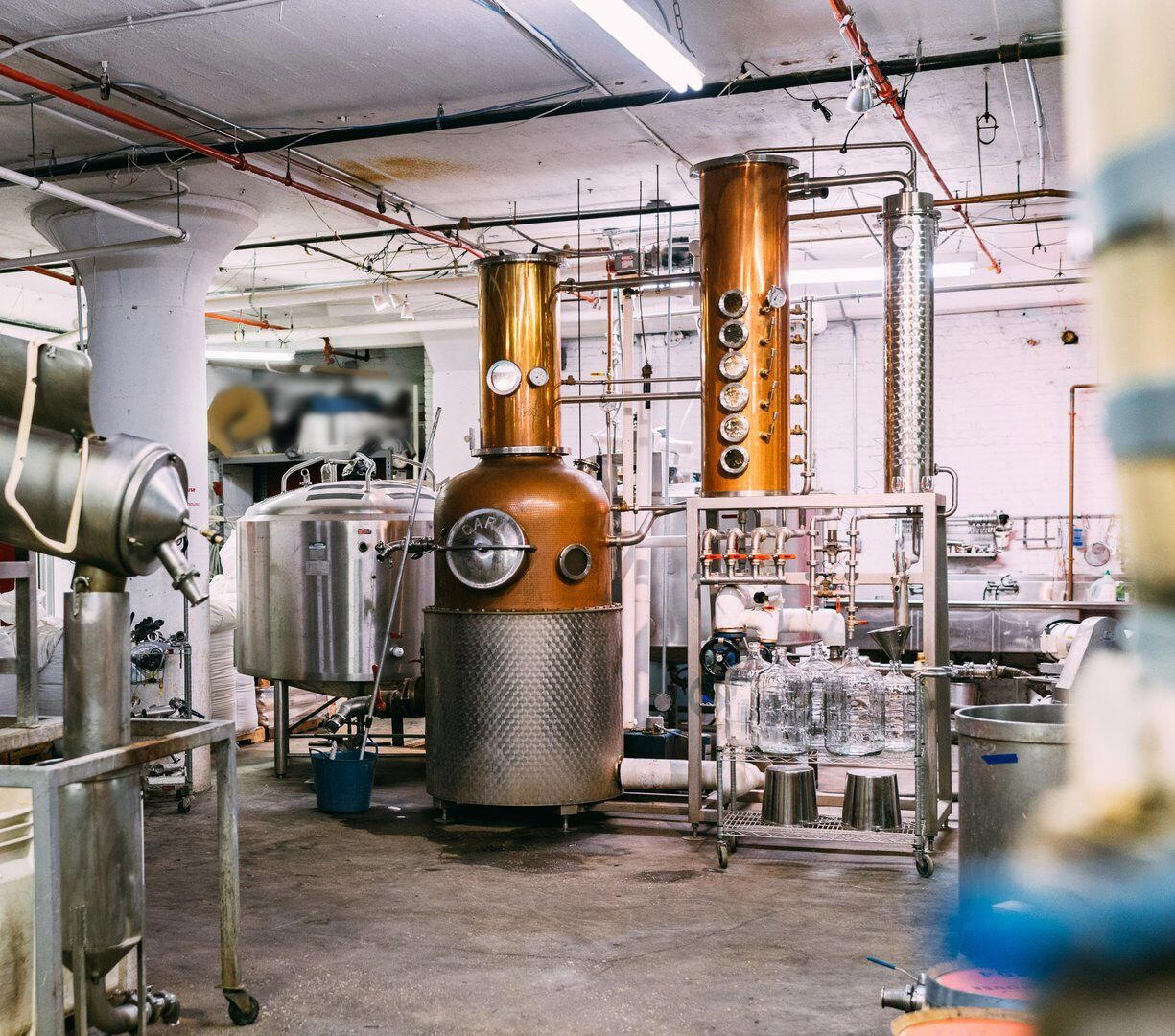
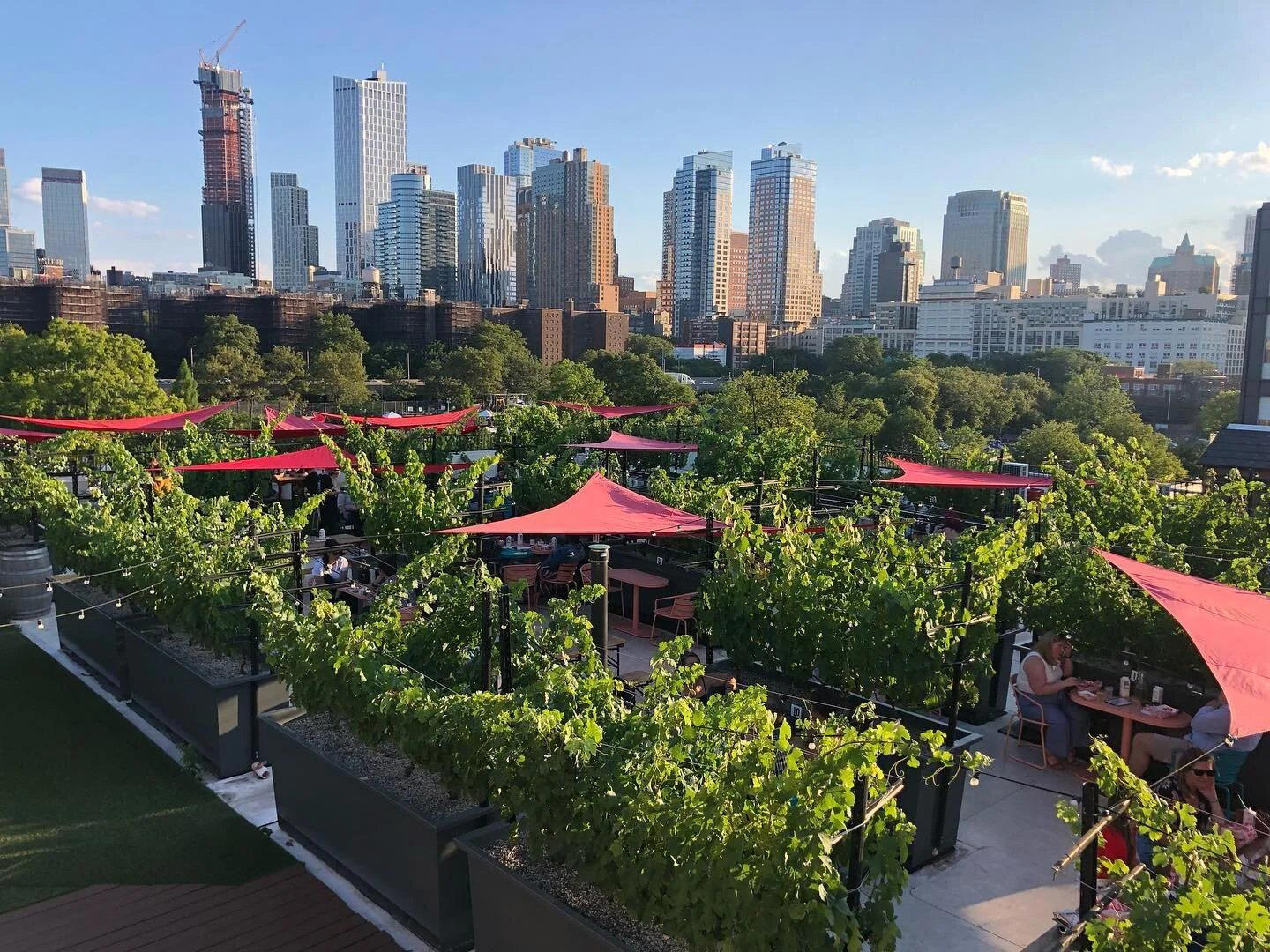
The space feels like a chic urban farm showroom: bright, modern, and plant-filled, with stainless equipment and grow racks giving an industrial edge, balanced by a relaxed bar and casual seating that create a lively but comfortable hangout vibe in the evenings.