Grand Street Healing Project
Our verdict
Grand Street Healing Project sits in Williamsburg’s Grand Street corridor, where Brooklyn dining often reads through sourcing, small-format cooking, and neighborhood utility rather than old luxury codes. Treat it as a place to evaluate through ingredient choices, format, and fit within a day in North Brooklyn, with practical details checked before making firm plans.

Pearl is the En Primeur Club membership app — saves, bookings, and concierge access live there. Same editors, same standards.
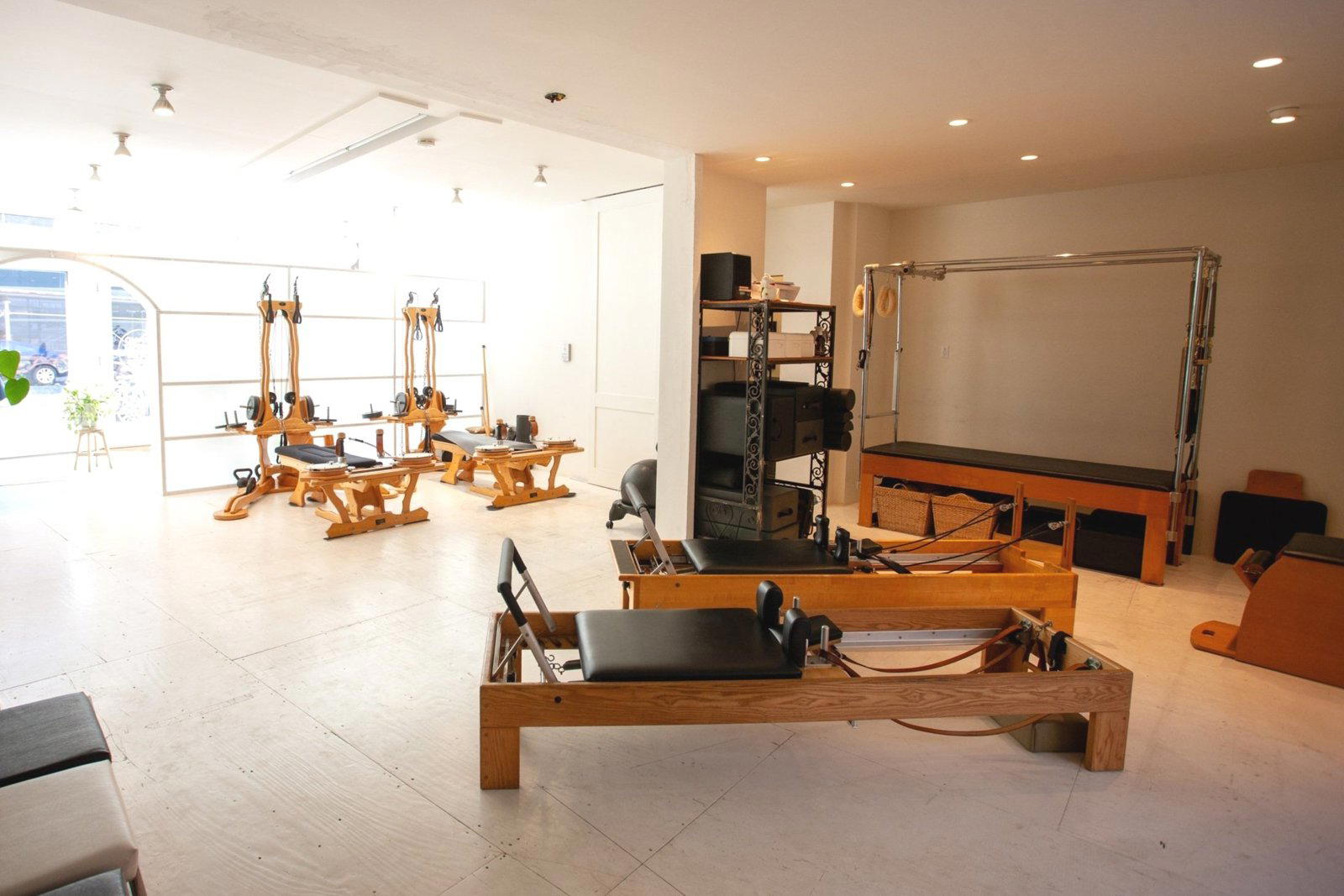
Brooklyn has a particular city rhythm: delivery bikes at the curb, small storefronts working hard at street level, and a dining culture shaped less by ceremony than by what an operator can source, prepare, and serve within a dense borough. Grand Street Healing Project belongs to that context. Its Brooklyn setting places it in a city where the serious food conversation often starts with supply chains, independent operators, and the tension between everyday neighborhood use and destination dining.
That matters because ingredient-led hospitality in Brooklyn is not a decorative claim. The borough’s stronger small venues tend to prove themselves through procurement discipline: materials that make sense for the season, offerings with a point of view, and formats that do not need luxury markers to signal care. For readers mapping the broader borough, our full Brooklyn restaurants guide is the more useful companion than a trophy-list approach; the scene is too fragmented for a single hierarchy to explain it well.
Grand Street's food culture rewards sourcing over spectacle
Brooklyn has helped normalize a style of eating where the source of the ingredient can carry as much weight as the final presentation. That can mean produce with a seasonal logic, thoughtful staples, careful sourcing, or a format that changes because a supplier’s week changed. The stronger version of this approach is not preachy. It simply makes industrial sameness harder to ignore.
Grand Street Healing Project should be read against that Brooklyn habit: small-scale, ingredient-aware, and neighborhood-facing. The name signals a wellness register, but the editorial question is more concrete: does the format translate care into sourcing, preparation, and hospitality rather than vague lifestyle language? In this city, diners are right to ask that question. Brooklyn has plenty of earnest concepts; the durable ones turn ethics into repeatable service.
The point is not that every venue is comparable; it is that Brooklyn’s current food culture often asks a narrow format to carry a strong sourcing argument.
How to place it within a Brooklyn day
The practical strength of a Brooklyn address is its flexibility. This is not the Brooklyn of isolated destination rooms reached only by a long detour; it is a city where a stop can sit inside a larger borough itinerary. A reader could pair time here with shopping, coffee, walking, or a low-key bar plan without building the entire day around a single reservation.
That flexibility is also why expectations should stay precise. Without reliable public details here on chef attribution, price range, seating format, or a fixed culinary category, the smarter approach is to treat Grand Street Healing Project as a Brooklyn-specific entry rather than a trophy-table target. Brooklyn has venues where the draw is scarcity, others where the draw is technical execution, and others where the value lies in everyday repeat use. This place belongs to the part of the conversation where format and ingredient intent need to be judged on the ground, not inflated by language.
Travelers planning a broader Brooklyn stay should think beyond dinner. Our full Brooklyn hotels guide helps with where to base the trip, while our full Brooklyn bars guide, our full Brooklyn wineries guide, and our full Brooklyn experiences guide fill in the rest of the map. Brooklyn rewards that kind of planning because its strongest days are usually built across several small stops rather than one grand set piece.
The broader ingredient-led thread beyond Brooklyn
Ingredient sourcing has become a national shorthand, but it plays differently by city. In other markets, the conversation may move through small specialist rooms, casual counter-service formats, and community-driven cooking. Those examples are useful less as direct comparisons than as reminders that a focused format can carry sourcing expectations without turning every meal into a lecture.
Other regions add different stakes, where local agriculture, tourism, and cultural representation meet at the table. Place-specific cooking can resist generic luxury language when it is tied to actual sourcing, community use, and a clear sense of purpose. Even tightly focused specialists remind readers that sourcing is not a trend; it is often the structure of the experience itself.
Brooklyn’s version is more urban and compressed. A venue like Grand Street Healing Project has to make sense inside a city that sees new concepts constantly and forgives little vagueness. The promise here is not grandeur. It is the possibility of a small Brooklyn address participating in a more demanding local standard: know where the materials come from, understand the audience, and let the format do the talking.
For nearby restaurant context within Brooklyn’s broader independent scene, look to the borough’s many sharply defined formats and neighborhood operators. Grand Street Healing Project is better approached with that same lens: not as a generic wellness stop, but as a Brooklyn address whose value depends on clarity, sourcing, and fit within the day.
Frequently asked questions
Is Grand Street Healing Project good for families?
Its Brooklyn location can make it practical for a family outing built around a borough day. Without a listed cuisine or format, it reads more as a flexible stop than a venue defined by a specific family-friendly setup.
What should I expect atmosphere-wise at Grand Street Healing Project?
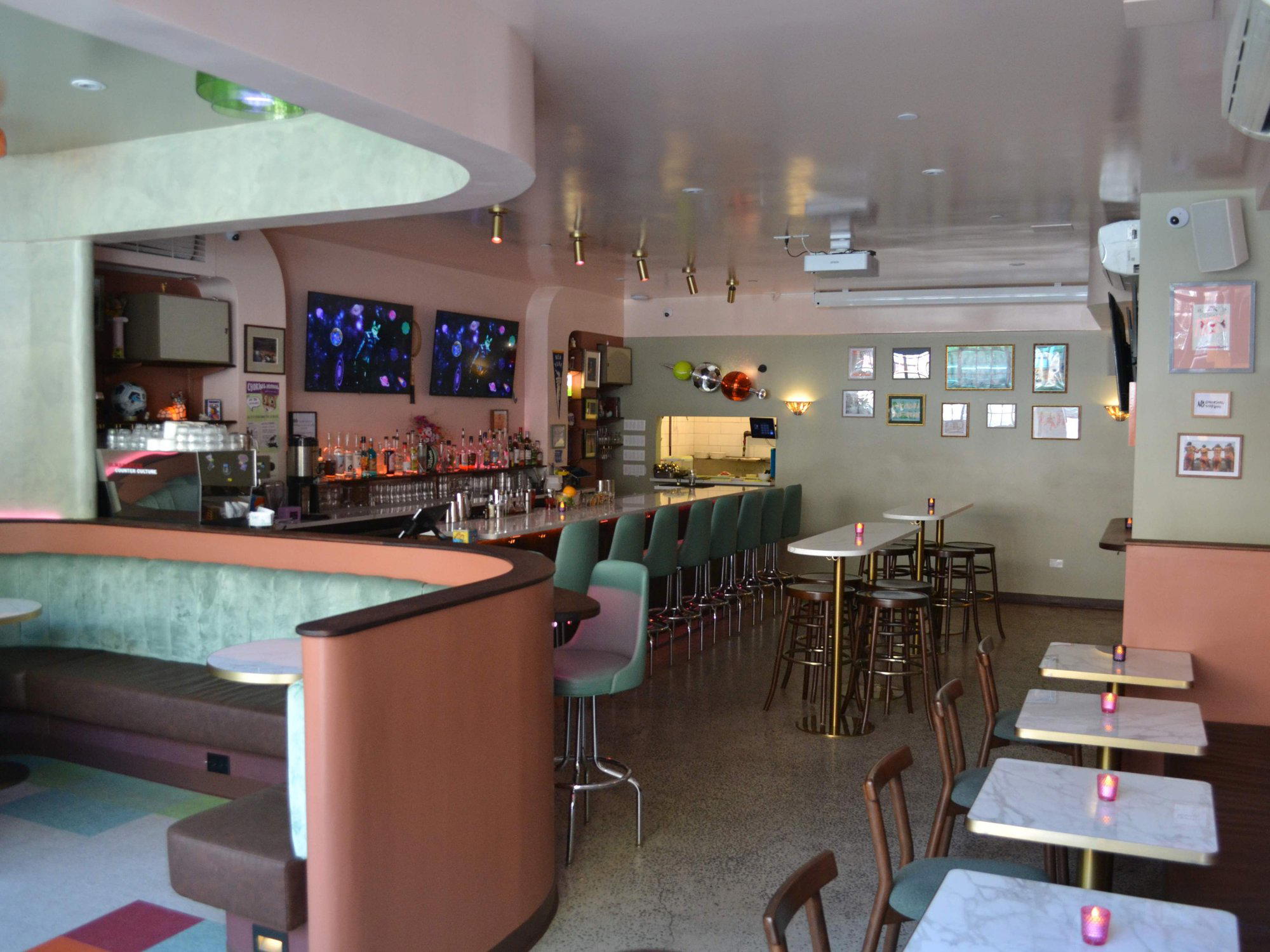
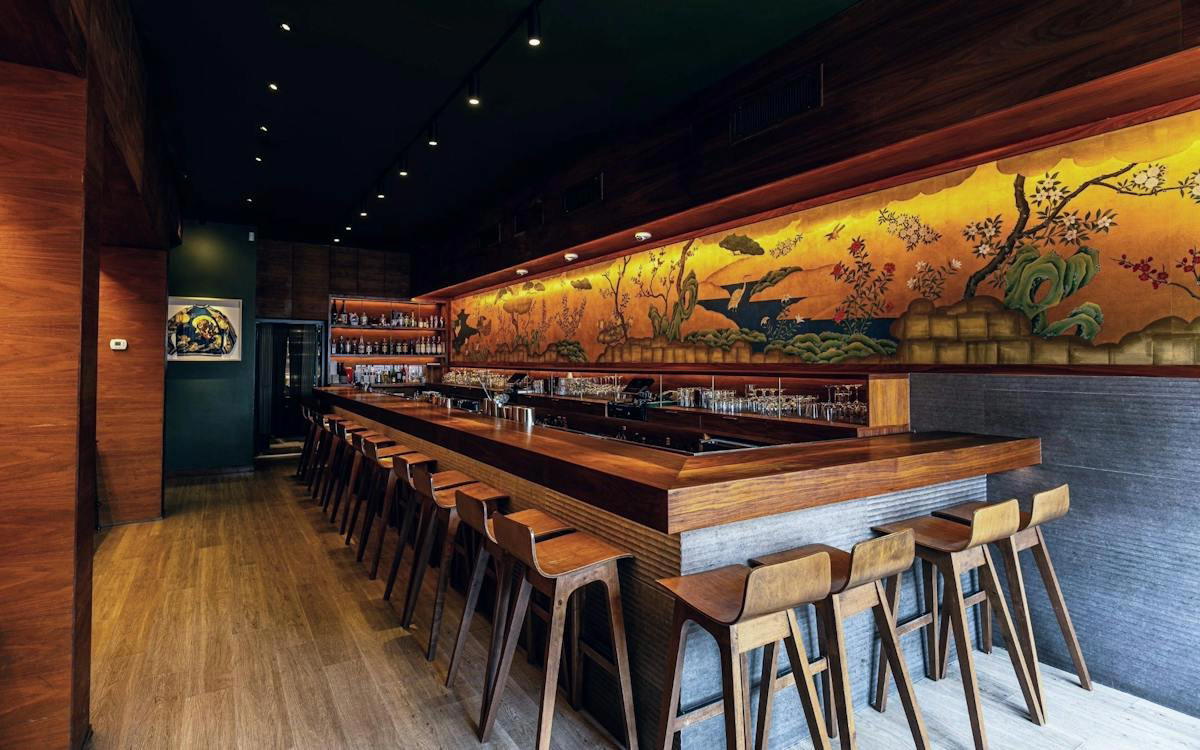
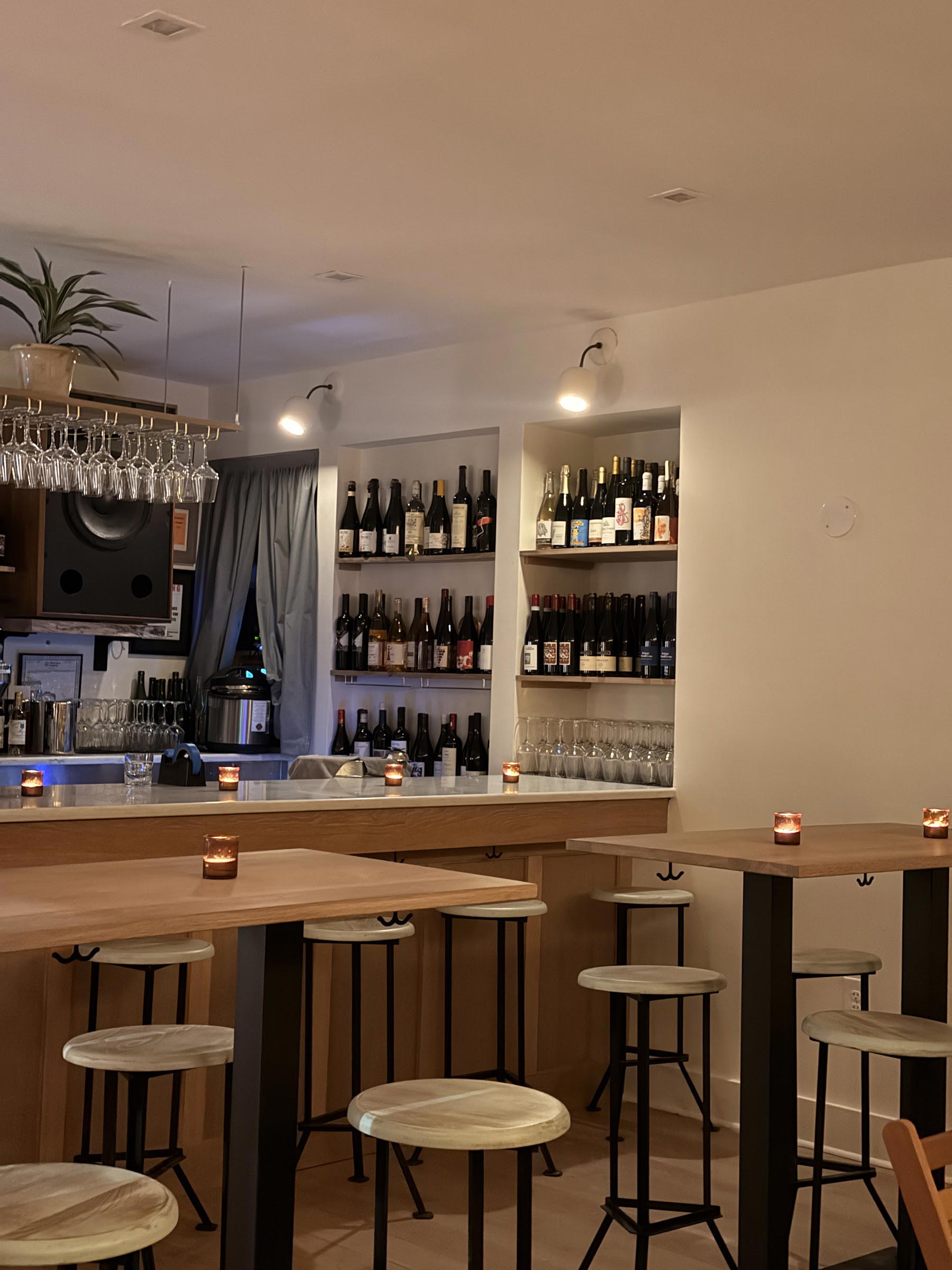
Expect a Brooklyn setting rather than a formal dining-room profile. The available details suggest an urban neighborhood stop, with the surrounding Brooklyn context doing more work than any polished room concept.
What's Grand Street Healing Project's location?
Brooklyn.
Can I walk in to Grand Street Healing Project?
The venue is in Brooklyn, which can suit spontaneous plans, but no booking policy is listed in the venue details. That leaves the most honest read as a place that can fit into an improvised day rather than a fixed reservation-only itinerary.
What makes Grand Street Healing Project worth seeking out?
Its appeal is its Brooklyn context. For travelers building a day around walking, eating, and moving between stops, that kind of city placement can carry real value.
Comparable venues nearby, for context on price, style, and recognition.
| Venue | Cuisine | Price | Awards | Notes |
|---|---|---|---|---|
| Grand Street Healing ProjectThis venue — the venue you are viewing | Community healing & event space (not a restaurant) | Not listed | Not listed | Not listed |
| Jr & Son | Modern Italian-American Tavern | $50–100 | The New Yorker The Best Things I Ate | Williamsburg |
| Farm. One | Dining | Not listed | Not listed | Brooklyn |
| Border Town | Sonoran Flour Tortilla Tacos | $20–30 | Star Wine List · Grub Street Best Food of 2026 (So Far) | Greenpoint |
| Theodora | Modern Wood-Fired Mediterranean Seafood | Not listed | Michelin Plate | Fort Greene |
| Win Son Bakery | Taiwanese-American Fusion Bakery Café | $10–20 | Not listed | East Williamsburg |
Continue exploring
More in Brooklyn
Restaurants in Brooklyn
All restaurants in Brooklyn →
Bars in Brooklyn
All bars in Brooklyn →





Details
- Quiet
- Cozy
- Intimate
- Bohemian
- Casual Hangout
- Group Dining
- After Work
- Private Event
- Private Dining
- Standalone
- Design Destination
Described as a safe, nurturing, and community-focused space for holistic healing, with an intimate, calming atmosphere suited to small groups and reflective practices.