FARMbloomington
FARMbloomington occupies a spot on Kirkwood Avenue where farm-to-table commitment meets the rhythms of a college-adjacent dining scene. The menu architecture prioritizes seasonal sourcing and ingredient-led cooking in a city better known for mall dining than regional produce. For Bloomington, Indiana, it represents a different register of ambition.
Pearl is the En Primeur Club membership app — saves, bookings, and concierge access live there. Same editors, same standards.
- Address
- 108 E Kirkwood Ave, Bloomington, IN 47408
- Phone
- +18123230002
- Website
- farm-bloomington.com
- Directions
- Get directions
 Saves & bookings on Pearl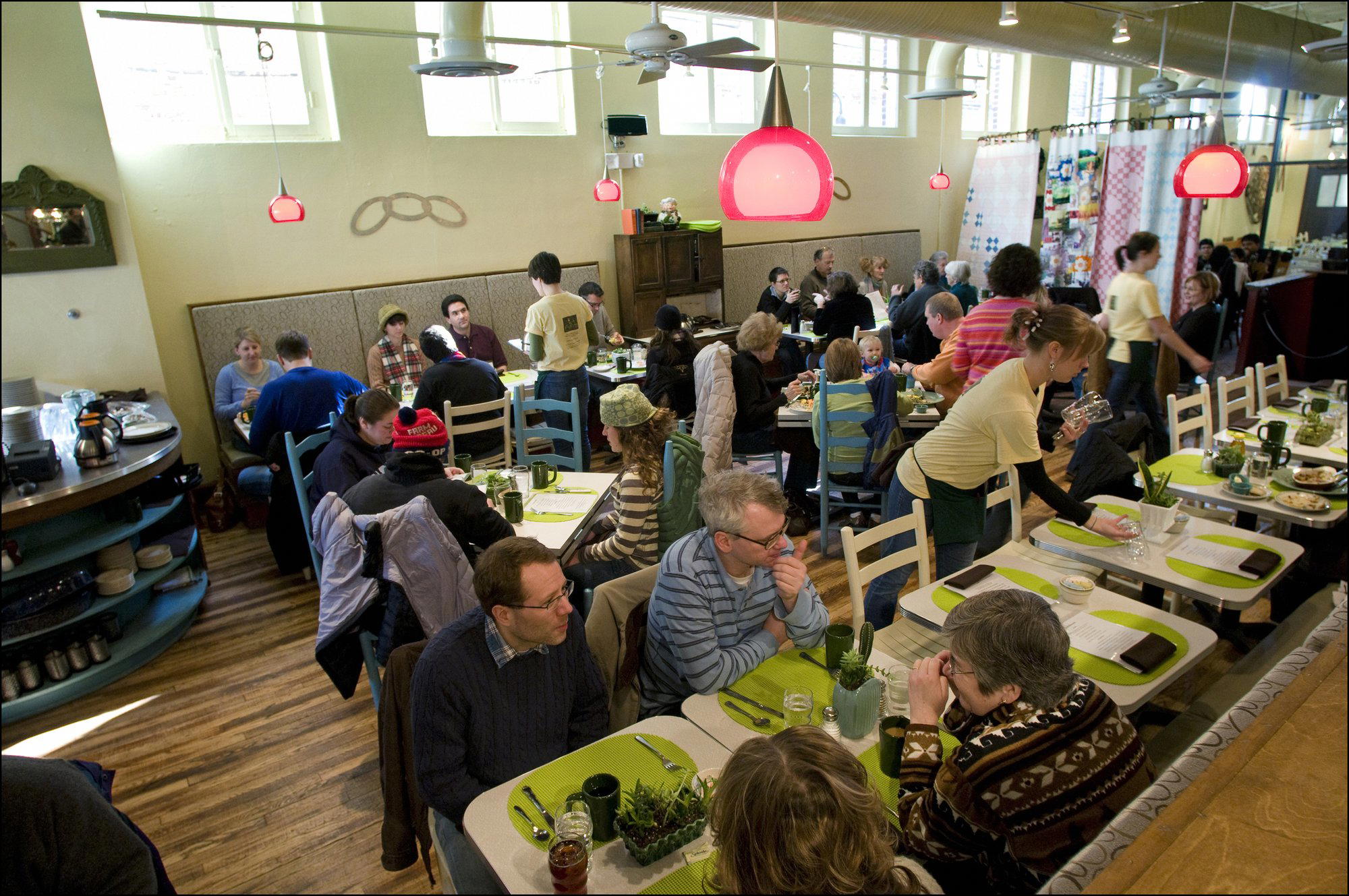
Where Bloomington's Dining Scene Meets the Land
Kirkwood Avenue runs through the commercial heart of Bloomington, Indiana, the kind of street where a restaurant has to earn its place against the foot traffic of students, academics, and weekend visitors. The farm-to-table model has become so common a shorthand in American dining that it risks meaning nothing at all, but the version practiced at FARMbloomington operates in a city where that commitment carries genuine stakes. Bloomington sits within reach of some of Indiana's more productive agricultural land, and a restaurant willing to build its menu around that proximity is making a structural choice, not just a marketing one.
That choice shapes everything about how the menu reads. Rather than organizing around proteins or price tiers in the conventional way, farm-to-table menus at their most coherent are organized around what is available and what is ready. The result is a menu that shifts with the season and communicates something about place rather than trend. In the American Midwest, where dining identity is often flattened by chain dominance and casual-format saturation, a seasonally driven menu at 108 E Kirkwood Ave represents a distinct point of view in the local conversation.
How the Menu Architecture Signals Intent
The farm-to-table format, when executed with discipline, reveals its priorities through structure rather than description. Menus that foreground the source of an ingredient before the technique used to prepare it are making a specific argument: that provenance matters as much as execution. This is the organizing logic behind restaurants like Blue Hill at Stone Barns in Tarrytown and Single Thread Farm in Healdsburg, both of which have pushed the producer-led format to its most demanding expression. FARMbloomington operates in a different tier and a different city, but the underlying architecture shares the same premise: the kitchen serves what the season and the land make possible. The restaurant serves Farm-to-Table American cooking at 108 E Kirkwood Ave in Bloomington, and a meal averages about $45 per person.
This approach places the menu in a different competitive frame than most Indiana dining. The conventional Bloomington restaurant, oriented around consistent year-round offerings, trades predictability for reach. A seasonally structured menu trades reach for specificity. Neither is wrong, but they appeal to different kinds of diners. The farm-to-table format asks guests to trust the kitchen's curation rather than arriving with a fixed expectation. That implicit contract between kitchen and table is what separates ingredient-led menus from standard American casual dining.
Across the broader American restaurant scene, the strongest farm-to-table operations tend to function as argument-makers for their region. Smyth in Chicago and Lazy Bear in San Francisco both build their identity around hyper-specific sourcing and a menu structure that changes frequently enough to make repeat visits genuinely different experiences. At that level, the menu is also the editorial. FARMbloomington draws on a version of that logic applied to what is available in central Indiana, which makes it a useful lens for understanding what regional farm-to-table dining looks like outside the coasts.
Bloomington's Dining Context
Bloomington's restaurant scene has historically split between the campus-driven casual tier and a smaller cluster of independently owned operations with more considered food programs. The presence of Indiana University shapes the rhythm of the city's hospitality: the academic calendar creates seasonal demand swings, and a significant share of regular diners are faculty, visiting academics, and parents rather than the kind of food-committed urban audience that supports high-frequency tasting menu formats in cities like New York or Los Angeles.
Within that context, a farm-to-table restaurant on Kirkwood Avenue occupies a specific position. It is not competing with Le Bernardin in New York City or The French Laundry in Napa for the same diner. Its comparable set is local: restaurants like Cedar + Stone, Urban Table, which brings a similar commitment to American cooking, and Ciao Bella, which occupies the Italian-leaning casual tier. Further afield in the Bloomington dining mix, places like Cantina Laredo, CRAVE at Mall of America, and Fogao Gaucho anchor the more genre-defined, format-driven end of the market. FARMbloomington positions itself in a different register: less about cuisine category, more about sourcing philosophy.
The farm-to-table tier represents a small but meaningful cohort within the city's independent dining sector. It is the part of the market where kitchen decisions are most directly connected to agricultural relationships rather than supply chain logistics.
Regional Farm-to-Table in a National Frame
Putting Bloomington's ingredient-led dining in a national frame is instructive. Operations like Addison in San Diego, Providence in Los Angeles, and The Inn at Little Washington have built sourcing-forward reputations across decades, with the credentials and booking patterns to match. At the other end of the scale, restaurants like Atomix in New York City and Atelier Moessmer Norbert Niederkofler in Brunico have pushed the producer-kitchen relationship into territory where the sourcing is inseparable from the culinary identity. And then there are the restaurants like Emeril's in New Orleans that made regional American produce the center of a serious culinary conversation decades before farm-to-table became a category.
FARMbloomington is not operating at those altitude levels, and that is not the point. What matters is that in a city of Bloomington's scale and dining culture, a restaurant built around seasonal, locally sourced cooking answers a real question: what does this part of Indiana actually produce, and what does it taste like when a kitchen takes that seriously? That is a more interesting question than most chain-format restaurants in the same zip code are asking.
Planning Your Visit
FARMbloomington is located at 108 E Kirkwood Avenue, placing it in the walkable core of downtown Bloomington, accessible from the Indiana University campus on foot. Given the academic calendar's influence on local restaurant demand, peak periods around university events, graduation weekends, and home football games will push reservation competition. Booking ahead is advisable for those periods. Specific hours, pricing, and current menu details are best confirmed directly with the restaurant, as seasonal menus in this format can shift with some frequency.
A Credentials Check
Comparable venues nearby, for context on price, style, and recognition.
| Venue | Cuisine | Price | Notes |
|---|---|---|---|
| FARMbloomingtonThis venue — the venue you are viewing | Farm-to-Table American | $$$ | Not listed |
| The Dunnkirk Library | Craft Cocktail Bar | $$$ | Downtown Bloomington |
| Freeland's Restaurant | Seasonal American Fine Dining | $$$ | North End Carmel |
| Nyla's | Polished American Classics | $$$ | Restaurant Row |
| The Fair Restaurant | New American Bistro with Global Influences | $$$ | downtown |
| Paula's On Main | Contemporary American Seafood | $$$ | West Main |
Continue exploring
More in Bloomington
Restaurants in Bloomington
Browse all →
Hotels in Bloomington
Browse all →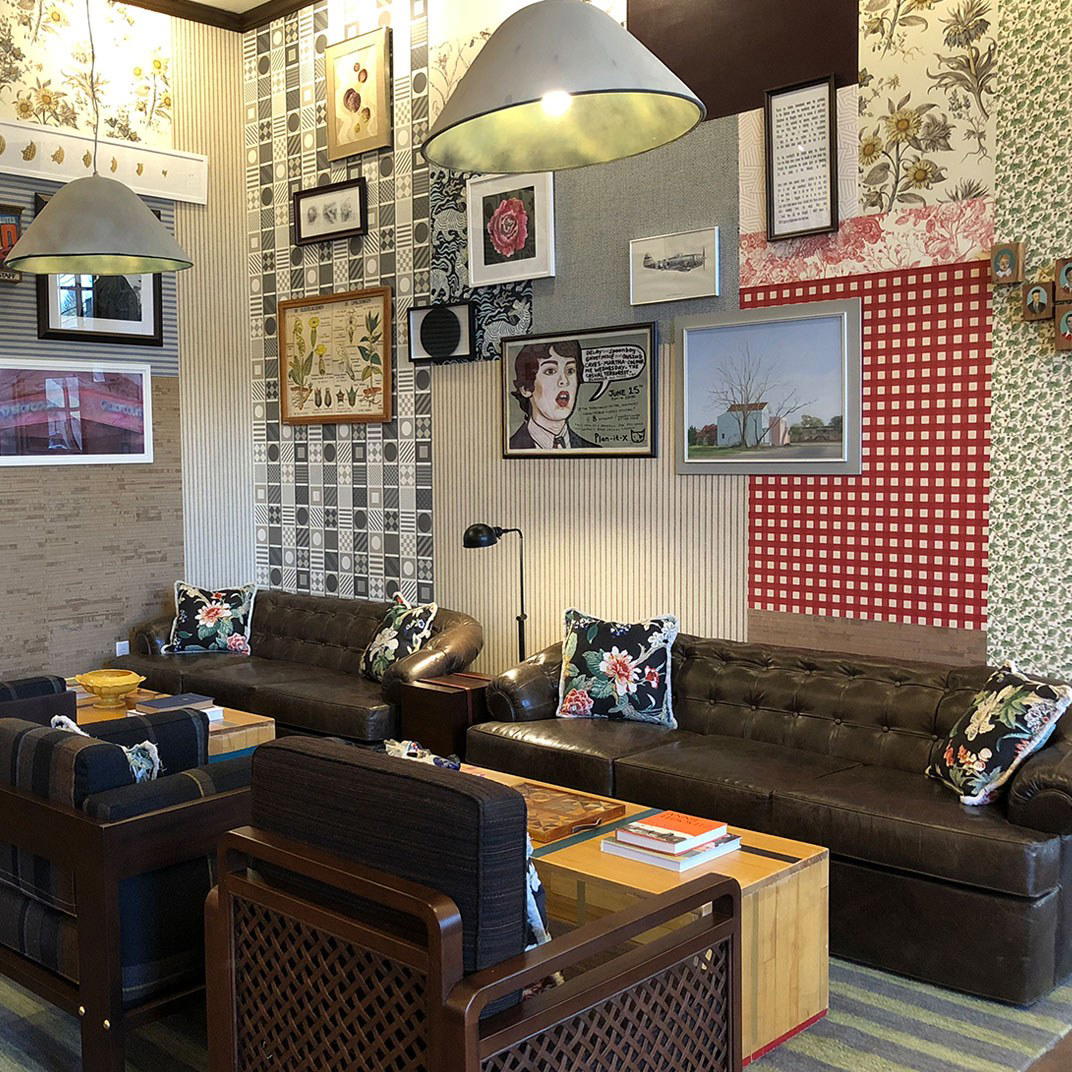
At a Glance
- Rustic
- Elegant
- Brunch
- Celebration
- Special Occasion
- Group Dining
- Standalone
- Craft Cocktails
- Farm To Table
- Local Sourcing
- Organic
Current opening hours
- Monday
- Closed
- Tuesday
- 10:30 AM–9 PM
- Wednesday
- 10:30 AM–9 PM
- Thursday
- 10:30 AM–9 PM
- Friday
- 9 AM–10 PM
- Saturday
- 9 AM–10 PM
- Sunday
- 9 AM–9 PM
Hours can change for holidays and private events. Last verified .
Warm and inviting historic setting on Kirkwood Avenue with a focus on locally-sourced, seasonal ingredients creating an approachable fine dining atmosphere.