Cantina Laredo
Cantina Laredo brings interior Mexican cooking to the heart of Bloomington, positioned at 300 West Market within reach of the Mall of America corridor. The format leans toward tableside preparation and regional Mexican sourcing traditions that separate it from the Tex-Mex mainstream. For Bloomington diners working through the city's mid-range restaurant tier, it represents a more ingredient-forward approach to the category.
Pearl is the En Primeur Club membership app — saves, bookings, and concierge access live there. Same editors, same standards.
- Address
- 300 West Market, Bloomington, MN 55425
- Phone
- +19524068311
- Website
- cantinalaredo.com
- Directions
- Get directions
 Saves & bookings on Pearl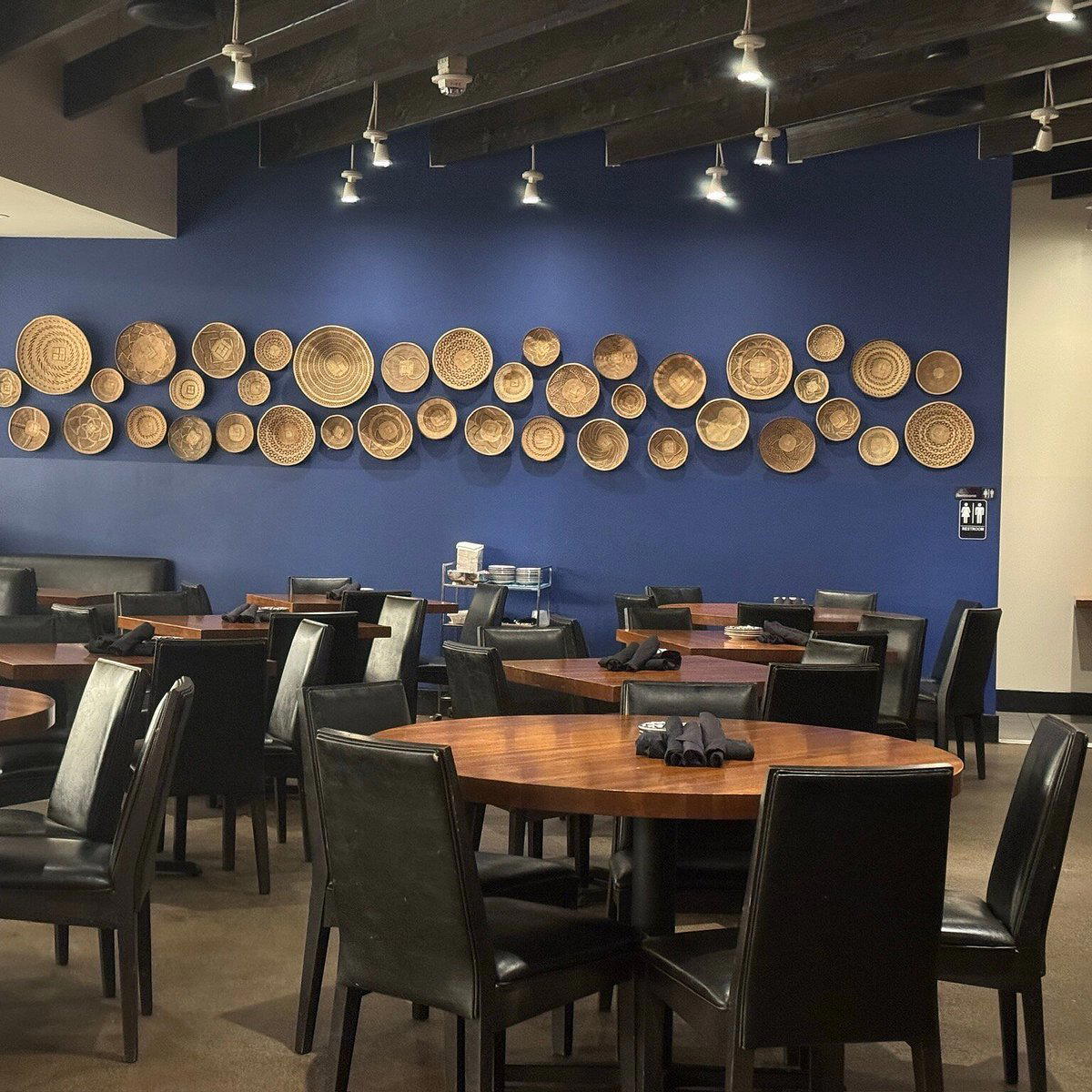
Mexican Cooking in the Mall of America Corridor
Bloomington's restaurant cluster around the Mall of America has developed into something more varied than its retail-adjacent reputation suggests. Within a concentrated radius, the city now holds formats ranging from the farm-sourced American cooking at FARMbloomington to the Brazilian churrascaria tradition at Fogao Gaucho, Italian trattoria at Ciao Bella, and the broader American brasserie model at CRAVE - Mall of America. Cantina Laredo occupies a specific position within that spread: a Modern Mexican concept with a sit-down format.
The address at 300 West Market places it in the commercial fabric that serves both hotel guests and local diners. In Bloomington's context, that means competing less on novelty and more on the clarity of what ends up on the plate.
Where the Ingredients Come From
The more credible operators in this category draw distinctions at the ingredient level: dried chiles sourced from specific Mexican states, masa made from nixtamalized corn rather than commercial masa flour, and proteins that reflect interior Mexican preparations rather than border adaptations.
Cantina Laredo is known for tableside guacamole preparation. The tableside guacamole tradition in Mexican restaurant culture is more than a performance element. It requires ripe avocados at the right moment, fresh chiles and citrus, and a server or kitchen team with enough confidence in the base product to prepare it in front of the guest without a safety net. When the sourcing is weak, that format exposes it immediately. It is the kind of menu anchor that places ingredient quality at the visible center of the experience rather than hiding it under sauce or seasoning.
This approach to ingredient visibility puts Cantina Laredo in a different conversation from the broader Mexican-American category, where value proposition tends to dominate over provenance.
The Room and the Experience
Mexican restaurant design in the American market has moved through several phases: the festive maximalism of the 1980s and 1990s, the minimalist "modern Mexican" wave that followed, and now a more varied set of formats that include fast-casual, regional specialists, and mid-priced sit-down concepts with bar programs. The restaurant belongs to the mid-priced sit-down tier, which in practice means a room designed for a full meal experience rather than a quick turnaround, with cocktail service and a bar program that typically leads on margaritas and agave spirits.
In a city where the dining environment around the Mall of America can feel transactional, tableside interaction and a proper bar program create a different tempo. The experience is closer to the full-service casual dining tradition than to the counter-service Mexican formats that have grown in popularity nationally. That distinction matters for the Bloomington visitor deciding between a quick meal and an actual sit-down evening: the restaurant is designed for the latter.
For comparison with other mid-market sit-down formats in the city, Cedar + Stone, Urban Table offers the closest parallel in terms of format expectation, though with a completely different culinary tradition.
Bloomington in the Wider American Dining Conversation
The operators who have defined that category, from Blue Hill at Stone Barns in Tarrytown and Single Thread Farm in Healdsburg to The French Laundry in Napa and Smyth in Chicago, operate in a different tier of sourcing discipline and format ambition. The same applies to the technically focused tasting menu operators like Atomix in New York City or the seafood-forward precision of Le Bernardin in New York City, or the California produce-driven approaches at Providence in Los Angeles and Addison in San Diego.
What those operations have in common is a sourcing philosophy refined to the level of editorial identity: the ingredient is the argument. The restaurant makes a quieter version of that same argument within a more accessible price tier and a less exacting format. That's not a criticism; it's a category distinction. The mid-priced casual dining segment in American cities carries most of the actual restaurant traffic, and the concepts that anchor ingredient quality within that segment serve a different but equally real function for diners who aren't booking tasting menus. Operations like Lazy Bear in San Francisco, Emeril's in New Orleans, The Inn at Little Washington in Washington, and Atelier Moessmer Norbert Niederkofler in Brunico all occupy positions where sourcing is an explicit editorial position. Within the restaurant's tier, the equivalent signal is the tableside preparation format and the commitment to interior Mexican traditions over the Tex-Mex shorthand.
Planning Your Visit
The restaurant sits at 300 West Market in Bloomington, MN 55425, within the commercial zone that connects the Mall of America area to the broader West Market corridor. Given its position in a high-traffic hospitality district, walk-in availability is plausible during off-peak hours, though weekend evenings in a retail-adjacent entertainment zone typically fill faster. For confirmed seating on a specific night, making a reservation in advance is the more reliable approach. Hours are Mon to Thu 11 AM to 9 PM, Fri and Sat 11 AM to 9:30 PM, and Sun 11 AM to 7 PM. Reservations are recommended.
Side-by-Side Snapshot
Comparable venues nearby, for context on price, style, and recognition.
| Venue | Cuisine | Price | Notes |
|---|---|---|---|
| Cantina LaredoThis venue — the venue you are viewing | Modern Mexican | $$ | Not listed |
| Ciao Bella | Contemporary Italian | $$ | Bloomington |
| Twin City Grill | American Grill with Minnesota Favorites | $$ | Mall of America |
| Hazelwood Bloomington | Modern American Comfort Food | $$$ | Near Mall of America |
| Fogao Gaucho | Brazilian Churrasco Steakhouse | $$$$ | Mall of America |
| Sugar Factory Minnesota | American Sweet Treats & Burgers | $$ | Mall of America |
Continue exploring
More in Bloomington
Restaurants in Bloomington
Browse all →
Bars in Bloomington
Browse all →


At a Glance
- Modern
- Lively
- Sophisticated
- Group Dining
- Casual Hangout
- Brunch
- Open Kitchen
- Craft Cocktails
Current opening hours
- Monday
- 11 AM–9 PM
- Tuesday
- 11 AM–9 PM
- Wednesday
- 11 AM–9 PM
- Thursday
- 11 AM–9 PM
- Friday
- 11 AM–9:30 PM
- Saturday
- 11 AM–9:30 PM
- Sunday
- 11 AM–7 PM
Hours can change for holidays and private events. Last verified .
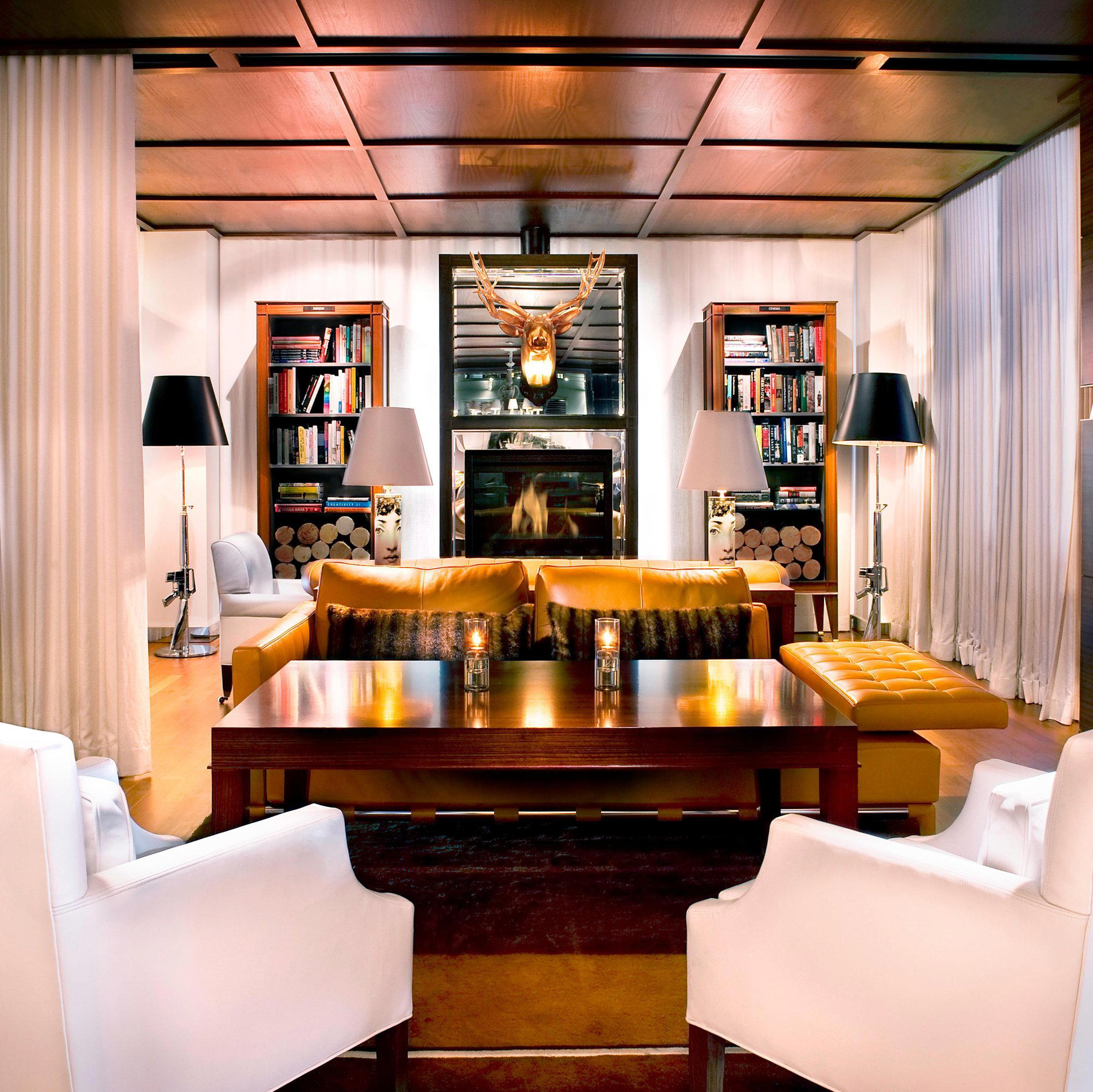
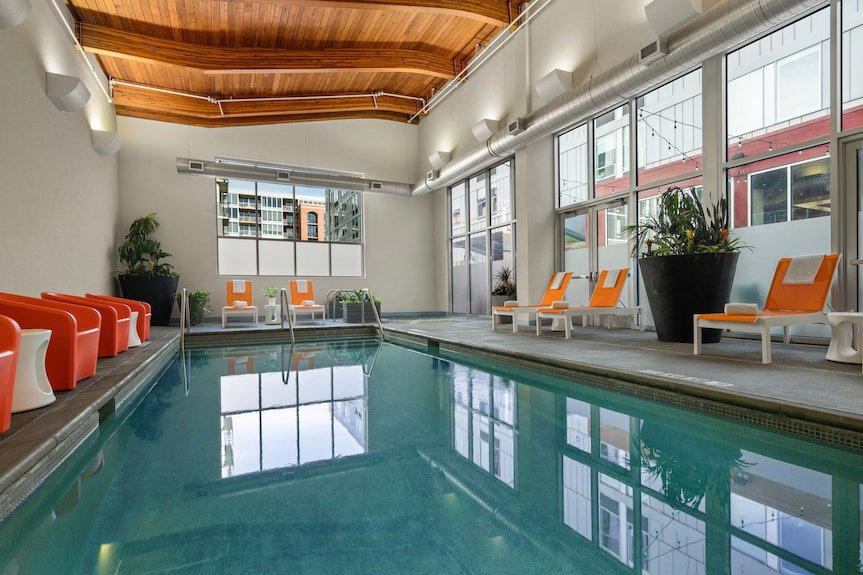
Sophisticated and lively atmosphere with contemporary decor.