Farm occupies a quiet corner of downtown Palm Springs at 6 La Plaza, where the desert's agricultural edge meets a dining room shaped around provenance. The name signals intent: this is a kitchen that takes its cues from the land rather than the trend cycle. In a city more associated with poolside brunches than ingredient-driven cooking, Farm holds a distinct position.
Pearl is the En Primeur Club membership app — saves, bookings, and concierge access live there. Same editors, same standards.
- Address
- 6 La Plaza, Palm Springs, CA 92262
- Phone
- +17603222724
- Website
- farmpalmsprings.com
- Directions
- Get directions
 Saves & bookings on Pearl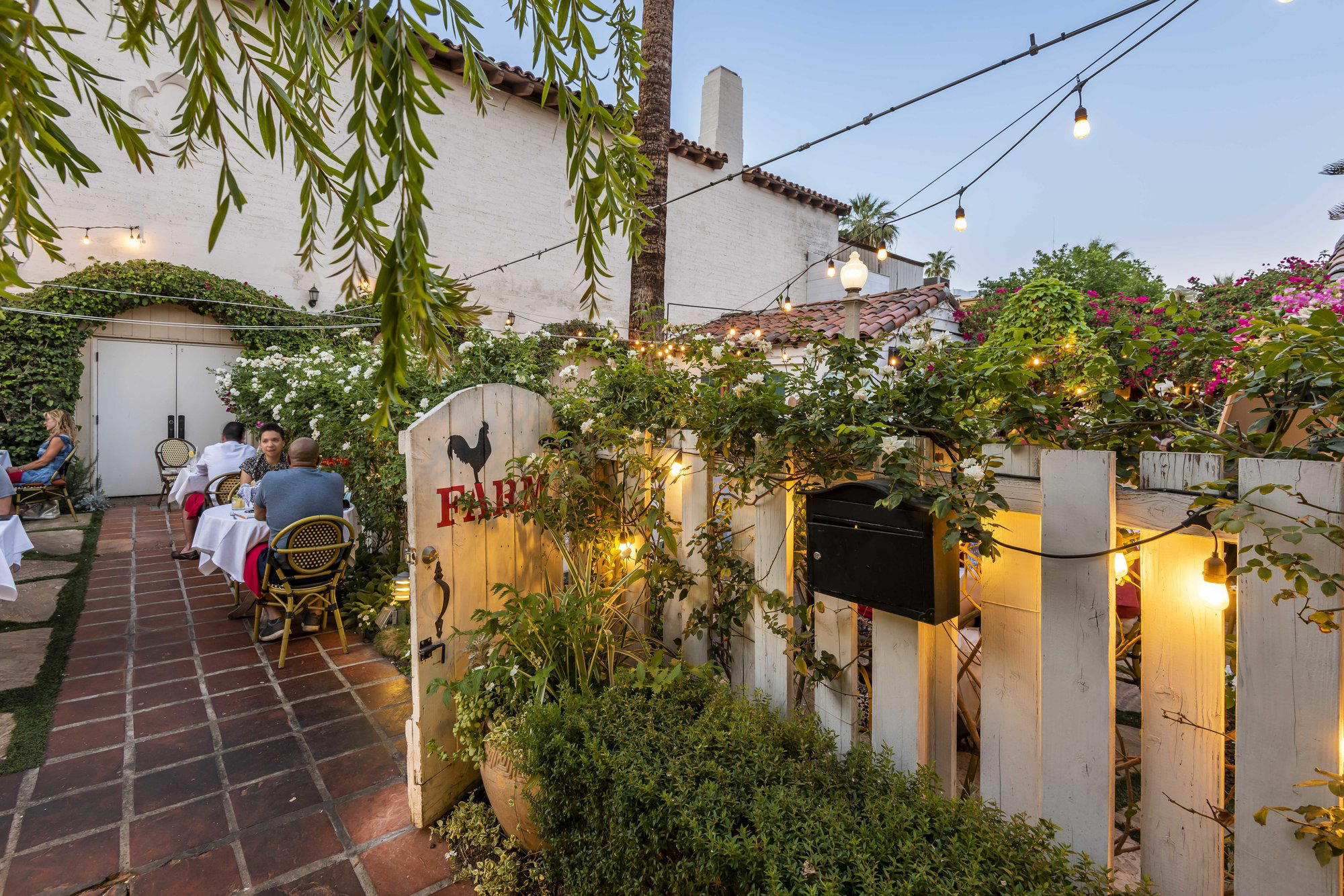
Where the Desert Produces Its Own Argument
Palm Springs has long been read as a city of surfaces: the mid-century architecture, the resort pools, the cocktail-at-golden-hour rhythm that defines its social contract. Its restaurant scene has historically followed that logic, leaning toward atmospherics over culinary ambition. That context makes Farm, a French bistro at 6 La Plaza in Palm Springs, more pointed than it first appears. A kitchen that names itself after its sourcing philosophy, in a city not particularly known for sourcing philosophy, is staking a position.
Farm-to-table as a marketing phrase has been so thoroughly colonized by mediocrity that it now functions more as warning than promise in many American cities. The kitchens that have survived that dilution are the ones where the supply chain is the actual architecture of the menu, not its decoration. The Coachella Valley, which surrounds Palm Springs, produces dates, citrus, stone fruit, and winter vegetables in quantity. A kitchen that genuinely anchors itself to that regional output is working with a more specific brief than the phrase usually implies.
Restaurants built around this kind of sourcing discipline tend to sit in a particular tier of the American dining scene: they are not the maximalist tasting-menu operations found at places like Alinea in Chicago or the hyper-technical coastal flagships like Le Bernardin in New York City, but they occupy a different kind of authority. The comparison set runs closer to Blue Hill at Stone Barns in Tarrytown, where the identity of the kitchen is inseparable from the land around it, or Single Thread Farm in Healdsburg, where agricultural production and restaurant service operate as a single system.
The Logic of Ingredient-First Cooking in the Desert
The Coachella Valley's agricultural identity is easy to overlook from the vantage point of Palm Springs' resort corridor, but the valley floor has been producing crops commercially for over a century. Date palms dominate the visual register, but the region's output extends to grapefruit, lemons, figs, pomegranates, and a range of winter brassicas and alliums that benefit from the dry heat and cool nights. A kitchen that treats this geography as its pantry rather than its backdrop is making a genuine culinary argument, not a branding one.
This approach has precedent in California's most serious restaurants. The French Laundry in Napa has operated a kitchen garden directly across the road from its dining room for years, using it as both a production resource and a statement of intent. Lazy Bear in San Francisco has built its communal-table format around a similar emphasis on California regional produce. The principle scales down to smaller operations too: ingredient sourcing at this level is less about scale and more about discipline in procurement and menu design.
Most of the city's mid-range dining options, including the broader American and Californian category at the Ash & Vine Restaurant tier, draw on general California supply chains without particular regional emphasis. Bar Cecil occupies a different register altogether, leaning into cocktail culture and a more social format. The farm-focused cooking that Farm represents exists in a relatively uncrowded part of the city's dining spectrum.
Farm Inside Palm Springs' Dining Scene
Palm Springs' restaurant scene has matured considerably over the past decade, but it still clusters around a few consistent modes: the resort-adjacent property with a broad menu designed for hotel guests, the mid-century-themed room where the design does most of the work, and the casual downtown spot aimed at the brunch-and-natural-wine demographic. Venues that have built reputations around a specific culinary discipline rather than a lifestyle identity remain a smaller cohort.
4 Saints operates in the American bistro mode with a focus on its rooftop setting. Al Dente anchors itself in Italian tradition. Alice B. has developed a distinct identity around its supper club format. Farm's positioning, built around provenance rather than format or cultural tradition, places it in a different conversation. The question it is answering is not what style of cooking to serve, but where the food comes from and whether that origin is legible in the plate.
For visitors moving between California's dining markets, the framing is worth noting. Providence in Los Angeles and Addison in San Diego represent the kind of formally recognized excellence that California's coastal cities have developed over decades. The desert interior operates on different terms: smaller scale, less critical infrastructure, but also less competition for the specific positioning that ingredient sourcing provides. Internationally, kitchens like Atomix in New York City and 8 1/2 Otto e Mezzo Bombana in Hong Kong demonstrate what happens when sourcing discipline intersects with formal critical recognition. Farm operates at a different scale, but the underlying logic connects.
Planning a Visit
Farm sits at 6 La Plaza in downtown Palm Springs, a walkable address relative to the city's main hotel corridor and the retail and restaurant cluster along Palm Canyon Drive. The downtown location means parking logistics are direct by California standards, with street and lot options nearby. Palm Springs' peak dining season runs from October through April, when the desert climate is at its most hospitable and visitor numbers are highest. The summer months, when temperatures routinely exceed 110°F, see a significant drop in both tourism and restaurant traffic, which affects availability and, in some cases, hours. Booking ahead is advisable during the winter season, particularly on weekends, when the city's seasonal population is at full capacity. Those tracking the farm-driven cooking model across American regions will find reference points at Emeril's in New Orleans and The Inn at Little Washington in Washington, both of which have long operated with explicit attention to regional ingredient sourcing as a core part of their identity.
A Quick Peer Check
Comparable venues nearby, for context on price, style, and recognition.
| Venue | Cuisine | Price | Notes |
|---|---|---|---|
| FarmThis venue — the venue you are viewing | French Bistro | $$$ | Not listed |
| Il Corso - Palm Springs | Traditional Italian & Sicilian | $$$ | Downtown Palm Springs |
| Pomme Frite | Belgian & French Bistro | $$ | Downtown Palm Springs |
| The Tropicale | Global Fusion Comfort Food | $$$ | Downtown Palm Springs |
| Lola Rose Grand Mezze | Modern Levantine Mezze | $$$ | Downtown Palm Springs |
| Sandfish Sushi & Whiskey | Modern Sushi with Global Fusion | $$$ | Uptown Palm Springs |
Continue exploring
More in Palm Springs
Restaurants in Palm Springs
Browse all →
Bars in Palm Springs
Browse all →
At a Glance
- Romantic
- Cozy
- Rustic
- Elegant
- Date Night
- Brunch
- Special Occasion
- Garden
- Courtyard
- Historic Building
- Farm To Table
- Local Sourcing
- Garden
Current opening hours
- Monday
- 8 AM–2 PM, 5–9 PM
- Tuesday
- 8 AM–2 PM, 5–9 PM
- Wednesday
- 8 AM–2 PM
- Thursday
- 8 AM–2 PM
- Friday
- 8 AM–2 PM, 5–9 PM
- Saturday
- 8 AM–2 PM, 5–9 PM
- Sunday
- 8 AM–2 PM, 5–9 PM
Hours can change for holidays and private events. Last verified .
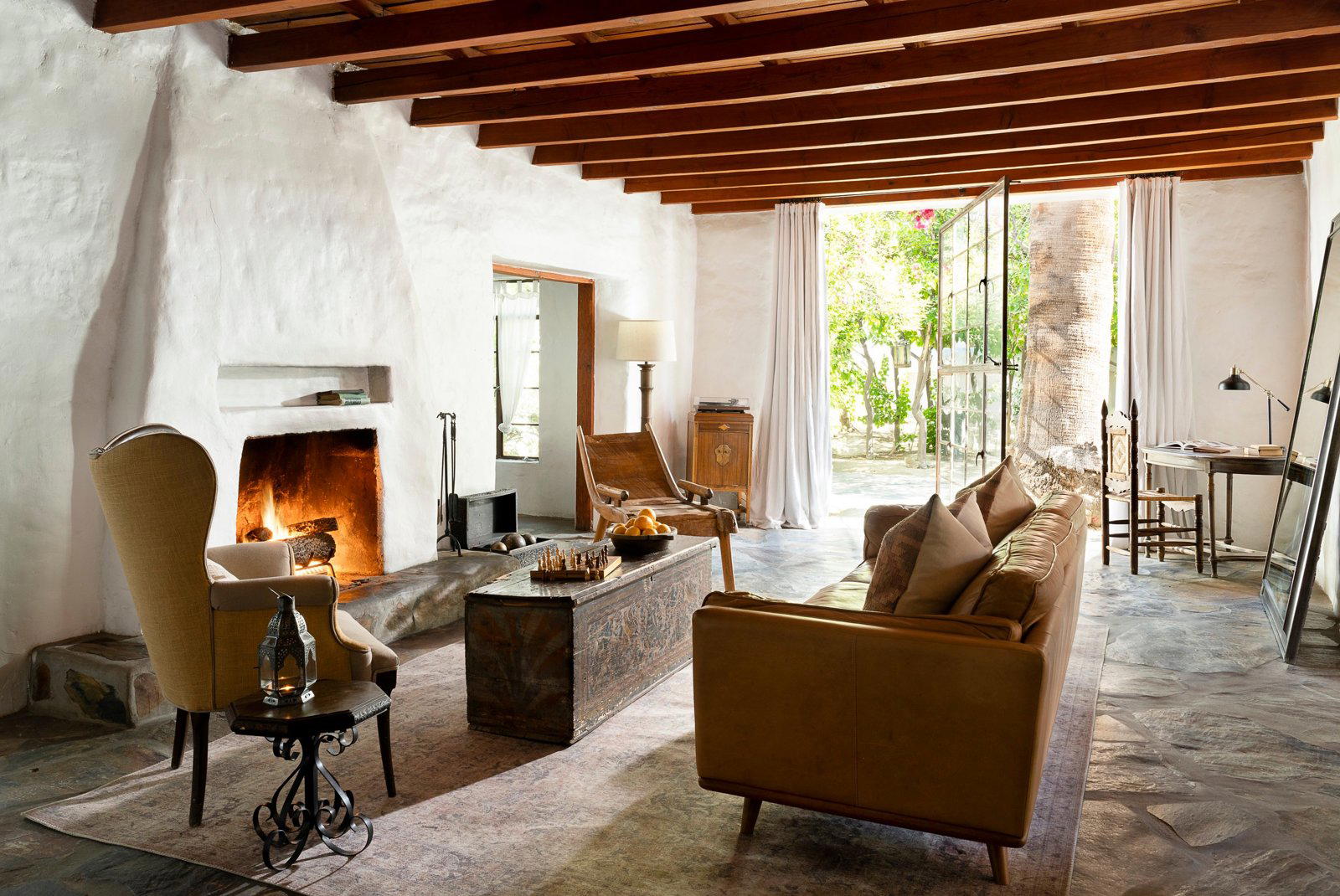
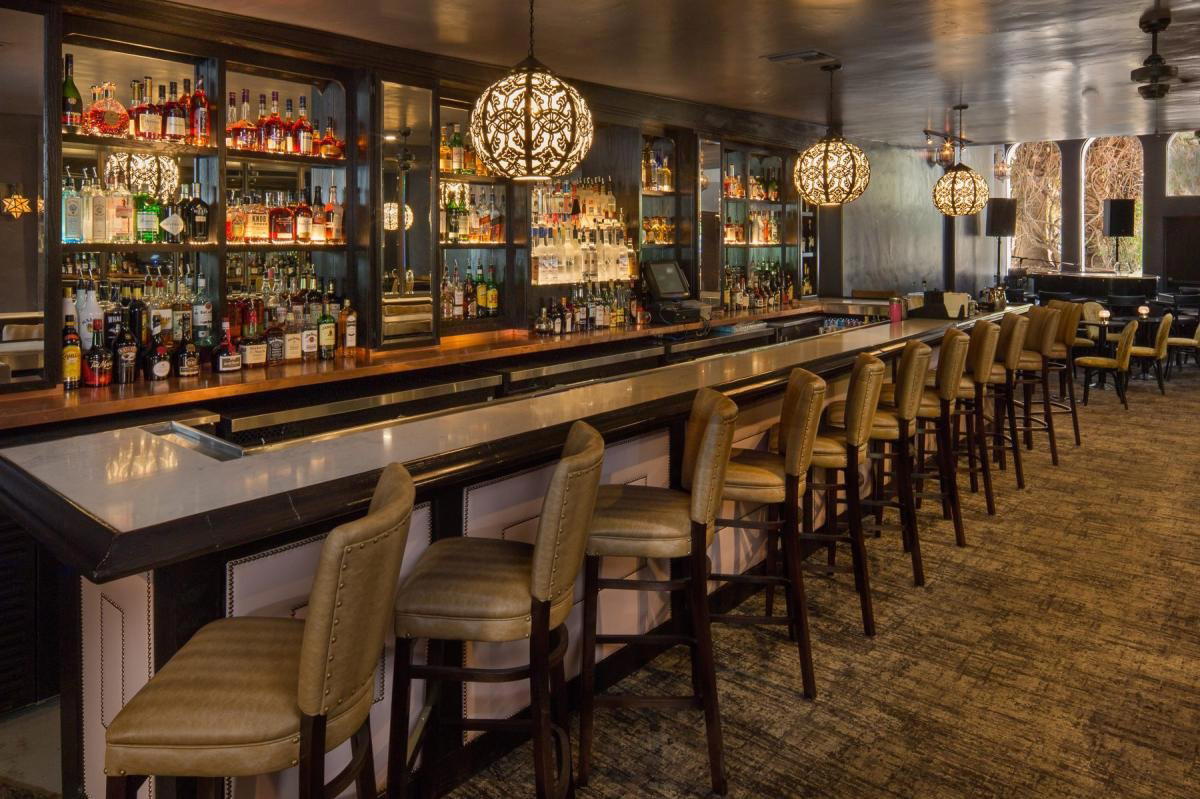
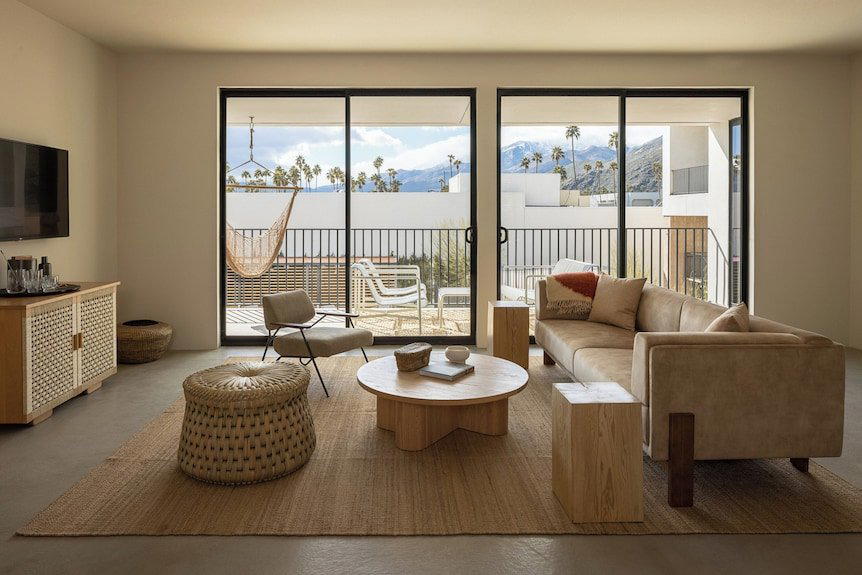
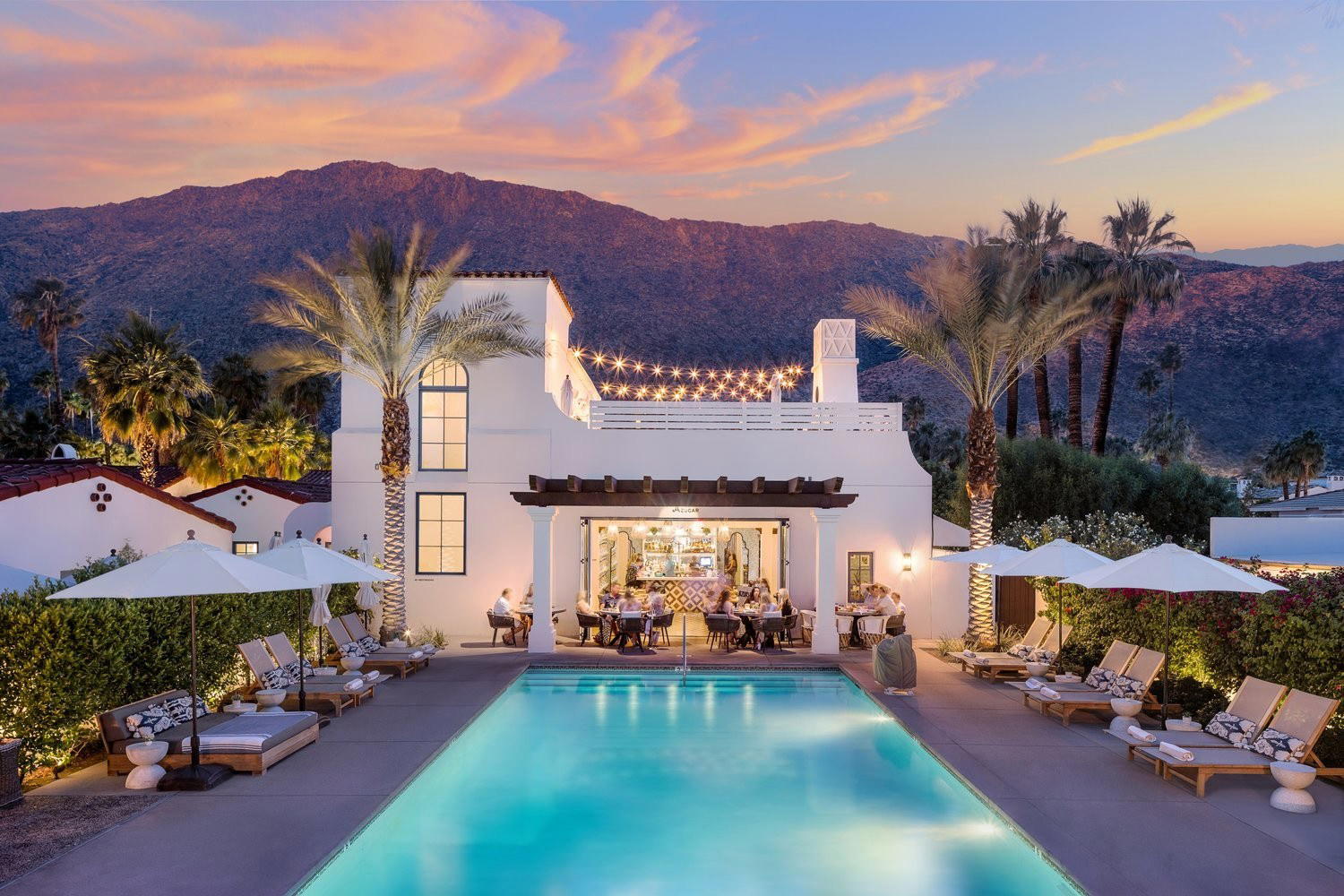
Cozy French-inspired with garden-like patio, floral landscaping, romantic lighting, and party lights for outdoor dining.