Il Corso - Palm Springs
Italian on the Desert Strip North Palm Canyon Drive runs the length of downtown Palm Springs with the San Jacinto range as a constant backdrop, and the restaurants lining it occupy a particular position in the city's dining order: visible...
Pearl is the En Primeur Club membership app — saves, bookings, and concierge access live there. Same editors, same standards.
- Address
- 111 N Palm Canyon Dr #180, Palm Springs, CA 92262
- Phone
- +17606563770
- Website
- springs.ilcorsodining.com
- Directions
- Get directions
 Saves & bookings on Pearl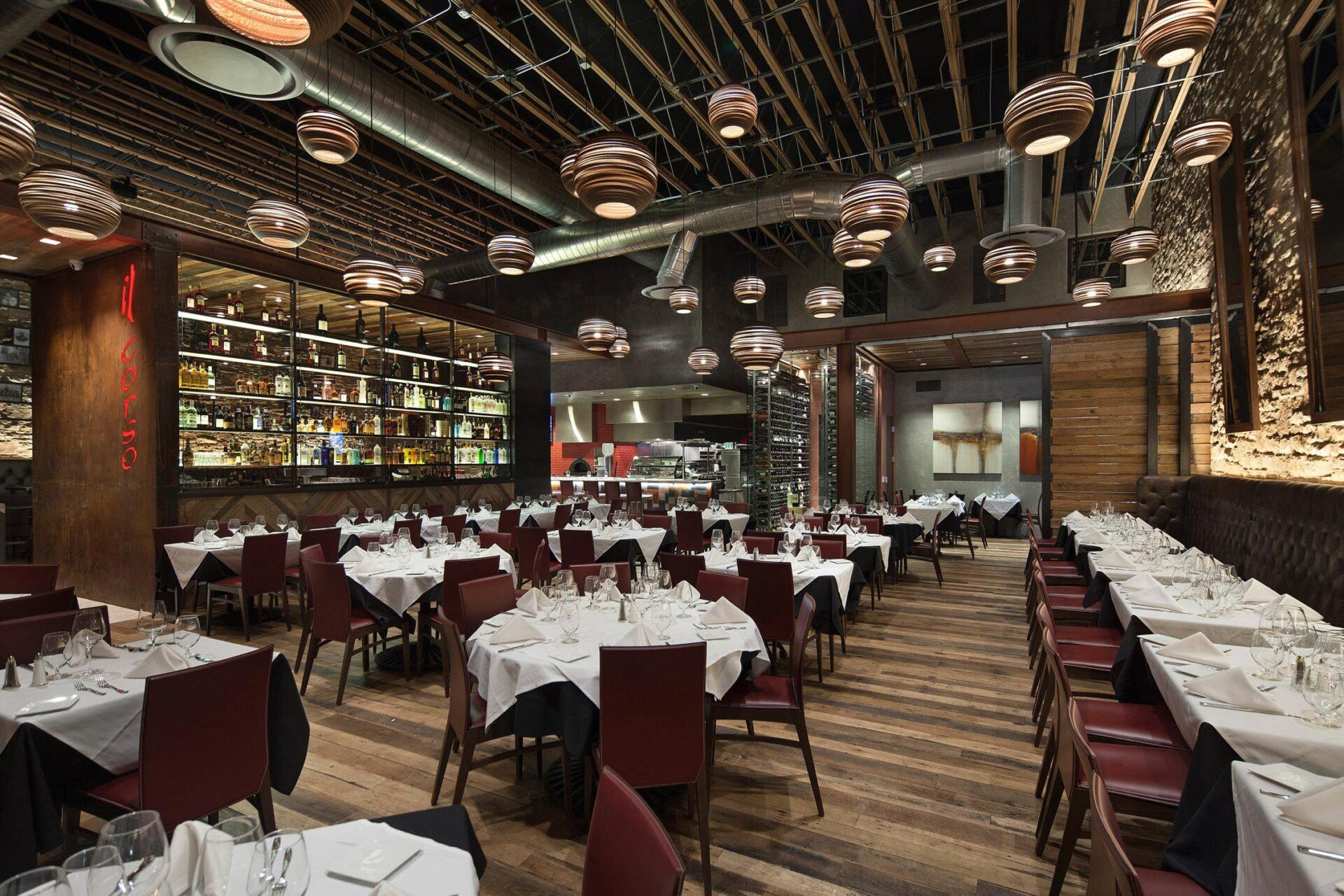
Italian on the Desert Strip
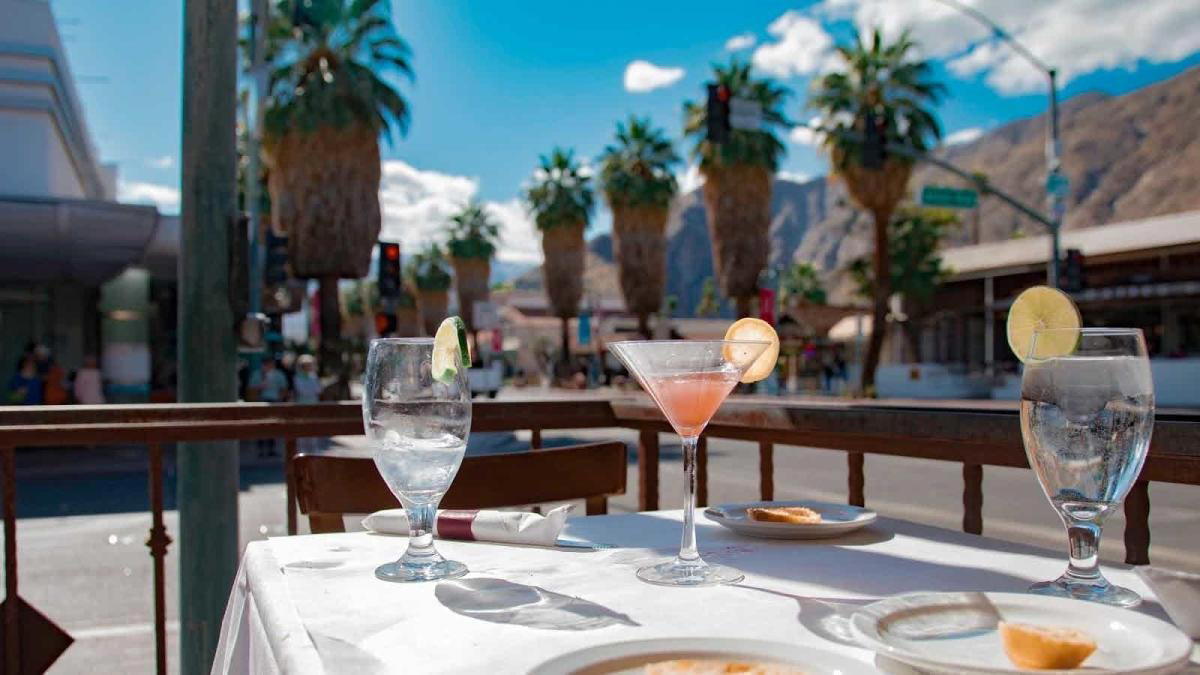
North Palm Canyon Drive runs the length of downtown Palm Springs with the San Jacinto range as a constant backdrop, and the restaurants lining it occupy a particular position in the city's dining order: visible, accessible, and in direct competition with a row of mid-to-upper tier alternatives pulling from the same tourist and local weekender pool. Il Corso sits at 111 N Palm Canyon Dr, inside that corridor, where the challenge for any Italian concept is separating itself from the considerable noise of a street full of options with equally strong locations. In a city where the dining scene has been consolidating toward Californian and American formats, a restaurant built around Italian structure occupies a distinct niche.
What Menu Architecture Reveals
The structure of an Italian menu carries its own argument. A kitchen that leads with antipasti, moves through a full primi section, and treats secondi as the destination is making a claim about pacing and about the meal as a sequence rather than a destination dish. That architecture is a departure from how much of the American Southwest interprets Italian food, where pasta is often the anchor and everything else is framing. A properly staged Italian progression asks more of the diner in terms of time and attention, and it asks more of the kitchen in terms of consistency across multiple courses rather than concentration on a single centerpiece.
Palm Springs dining broadly sits in a casual-to-mid tier with a handful of more considered options. Locally, Bar Cecil occupies the American $$$ bracket with a format built for lingering, while Ash & Vine Restaurant and Alice B. pull from different corners of the mid-market. Al dente represents the Italian category directly, and the degree to which Il Corso differentiates through format, sourcing, or regional specificity in its menu will determine where it lands in that peer conversation. Italian is a broad identifier; the real question is whether a menu reads as regional (Roman, Venetian, Sicilian) or as a general Italian-American hybrid, since that distinction signals kitchen ambition more accurately than the cuisine label alone.
Desert Heat and the Italian Table
There is an argument to be made that the climate and dining rhythm of the California desert suit Italian meal structure better than they might appear to at first. The tradition of long, multi-course afternoon meals, wine taken slowly, and food as occasion rather than transaction maps naturally onto Palm Springs weekender culture, where the pace of eating is rarely dictated by a next appointment. The Coachella Valley's agricultural proximity also gives Italian kitchens access to produce that would be at home in any northern Italian preparation. What the desert removes is the seasonal urgency that drives Italian menus in wetter climates; the question becomes whether a kitchen imports that discipline anyway or leans into the year-round availability of local ingredients as its own organising principle.
On a national scale, the reference points for Italian-adjacent fine dining in the American West reveal the spectrum of ambition. Providence in Los Angeles demonstrates what a single-minded focus on ingredient sourcing can do for a cuisine's credibility. Single Thread Farm in Healdsburg and The French Laundry in Napa show what happens when tasting-menu architecture is applied with total commitment. Those are different categories than a restaurant on a busy desert-town strip, but they set the terms of the conversation about what menu structure means as an editorial statement. Further afield, Addison in San Diego illustrates how a Southern California address can support serious kitchen ambition, while Lazy Bear in San Francisco shows what a format-driven tasting experience does to dining room culture. Le Bernardin in New York City remains the clearest example of what a cuisine-defined menu structure, rather than a trend-driven one, can sustain over decades.
The international Italian category adds another layer of reference. 8 1/2 Otto e Mezzo Bombana in Hong Kong sits at the Michelin-starred end of Italian export dining and represents what happens when classical Italian menu construction is applied with rigorous precision outside Italy. Closer in spirit to the American context are Emeril's in New Orleans and Alinea in Chicago, which approach format from different angles but share a commitment to structure as the restaurant's primary argument. The Inn at Little Washington in Washington and Blue Hill at Stone Barns in Tarrytown both demonstrate how place and ingredient sourcing can drive menu architecture rather than the reverse. Atomix in New York City takes a different cuisine as its base but applies the same principle: the menu's sequence is itself the statement.
Placing Il Corso in the Local Order
Palm Springs has a thin tier of restaurants serious enough to be measured against national reference points, and a much larger tier of places that serve the resort-weekend function well without pretending to more. The question Il Corso asks of this city is whether an Italian concept with proper course structure and a serious approach to the sequence of a meal can find an audience here outside of high season. 4 Saints in the American category and the generally casual format of most North Palm Canyon options suggest the city is not yet saturated at the considered end. That creates opportunity and also risk: diners who come to Palm Springs for sun and ease don't always want to be slowed down by a three-act meal, and a menu built around patience requires a dining room that can hold the room's energy through each act.
Planning Your Visit
Il Corso is located at 111 N Palm Canyon Dr #180, in the heart of downtown Palm Springs, within walking distance of the main cluster of hotels and resorts along the strip. Palm Springs is most active from October through April; summer temperatures regularly exceed 110°F, which concentrates serious dining into the cooler months. Planning ahead during the peak winter and spring season is advisable, as the leading tables along North Palm Canyon fill quickly on weekends. Il Corso is open daily from 4 to 10 PM, and reservations are recommended.
The Essentials
Comparable venues nearby, for context on price, style, and recognition.
| Venue | Cuisine | Price | Notes |
|---|---|---|---|
| Il Corso - Palm SpringsThis venue — the venue you are viewing | Not listed | $$$ | Not listed |
| Johnny Costa's | Not listed | $$$ | Downtown Palm Springs, Classic Italian Trattoria |
| Birba | Not listed | $$ | Downtown Palm Springs, Italian Wood-Fired Pizza |
| Ash & Vine Restaurant | La Plaza, Italian-Asian Fusion | $$$ | Not listed |
| Riccio's Steak & Seafood | Not listed | $$$ | downtown, Classic Steak & Seafood with Italian Influences |
| Copley's on Palm Canyon | Not listed | $$$ | Uptown Palm Springs, Upscale Contemporary American |
Continue exploring
More in Palm Springs
Restaurants in Palm Springs
Browse all →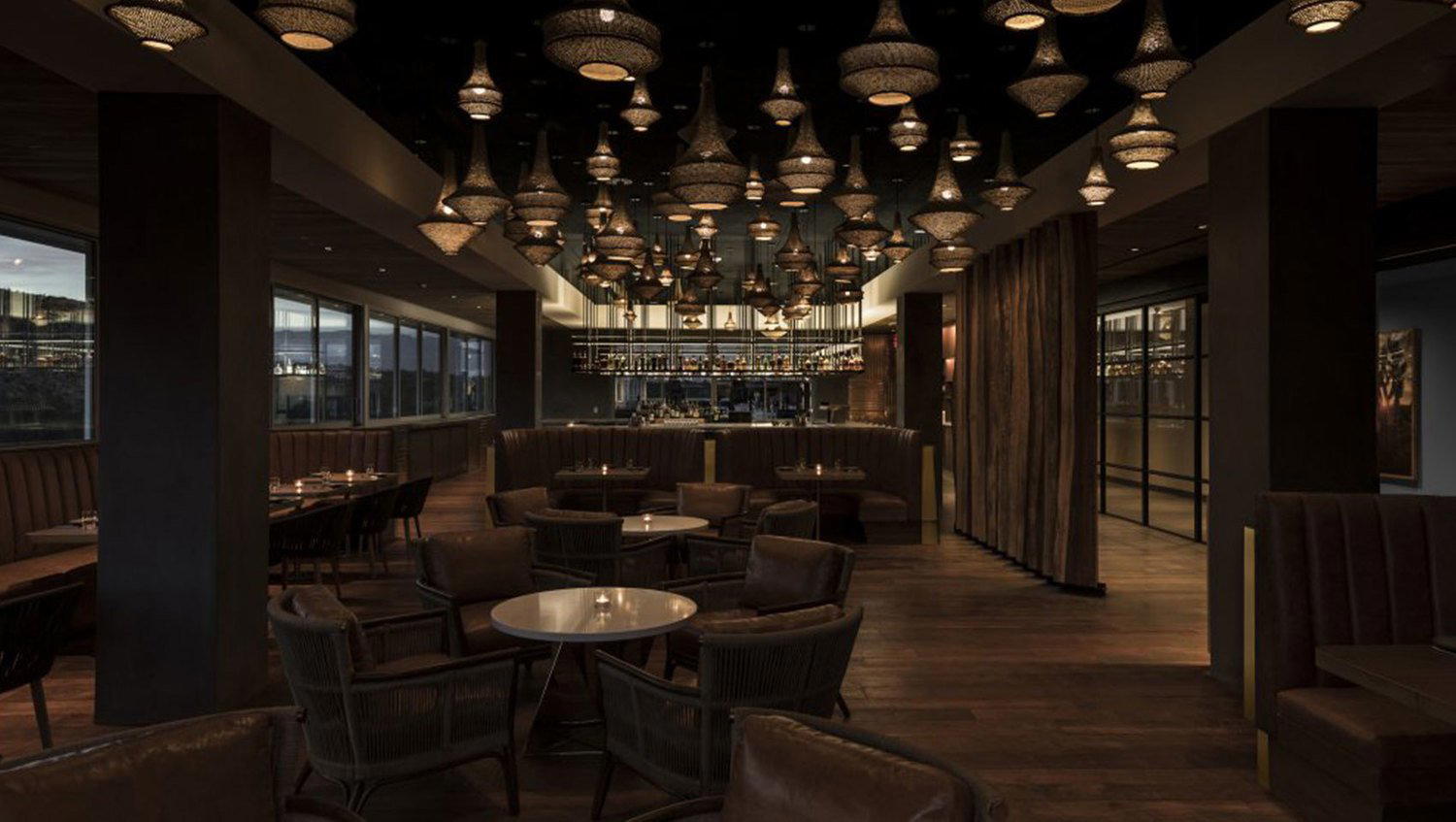
Bars in Palm Springs
Browse all →
At a Glance
- Elegant
- Sophisticated
- Classic
- Date Night
- Special Occasion
- Hotel Restaurant
- Extensive Wine List
Current opening hours
- Monday
- 4–10 PM
- Tuesday
- 4–10 PM
- Wednesday
- 4–10 PM
- Thursday
- 4–10 PM
- Friday
- 4–10 PM
- Saturday
- 4–10 PM
- Sunday
- 4–10 PM
Hours can change for holidays and private events. Last verified .
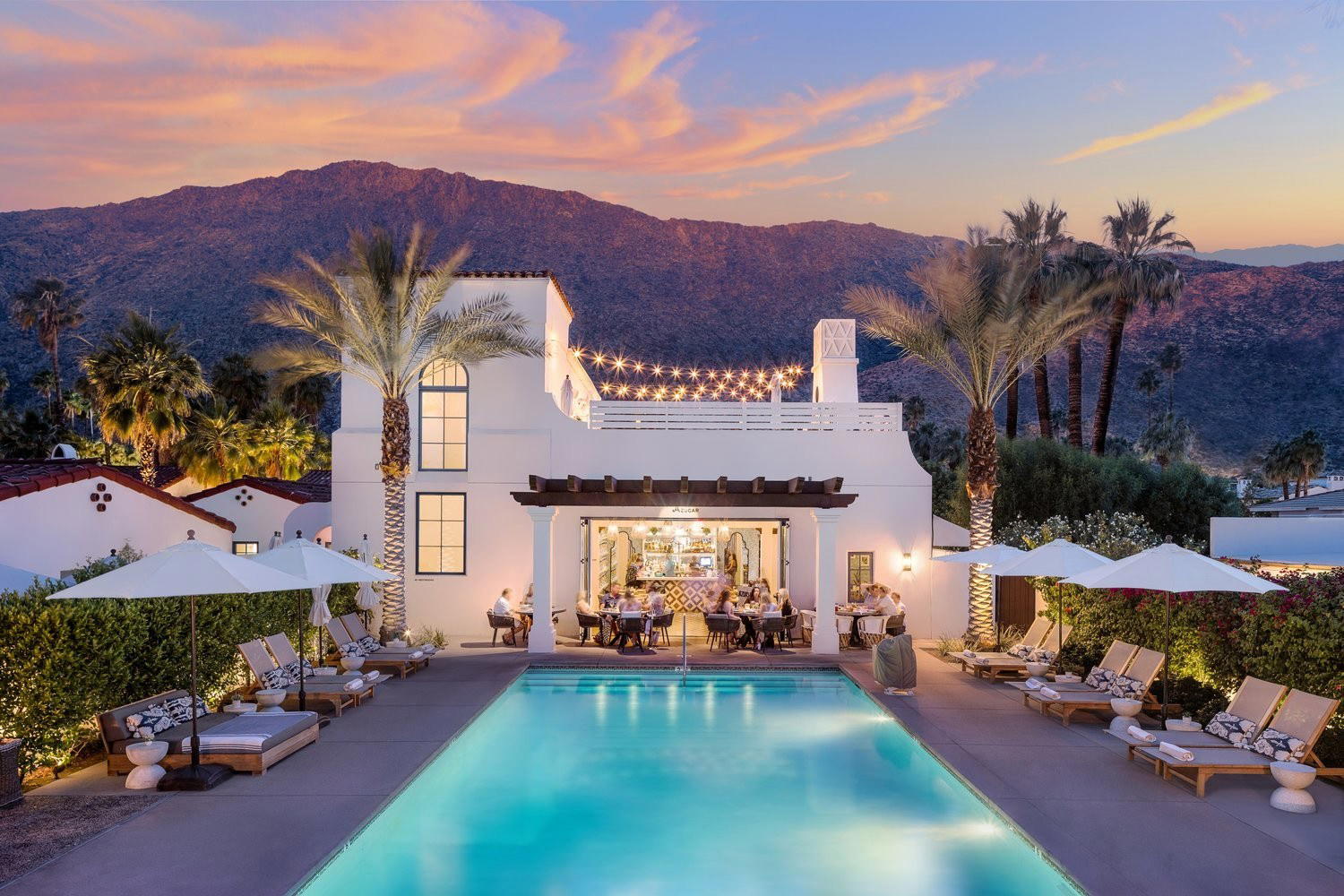
Nice ambiance that is fairly quiet with moderate noise levels.