Far Western Tavern
Far Western Tavern on East Clark Avenue in Orcutt, California sits inside a regional barbecue and beef tradition that stretches back generations along the Central Coast. The kitchen draws on Santa Maria-style cooking, where open-pit grilling over red oak defines the method as much as the cut. For travelers passing through or based in the Santa Barbara wine country corridor, it represents a serious address for that tradition.
 Discover on Pearl
Pearl is the En Primeur Club membership app — saves, bookings, and concierge access live there. Same editors, same standards.
- Address
- 300 E Clark Ave, Orcutt, CA 93455
- Phone
- +18059372211
- Website
- farwesterntavern.com
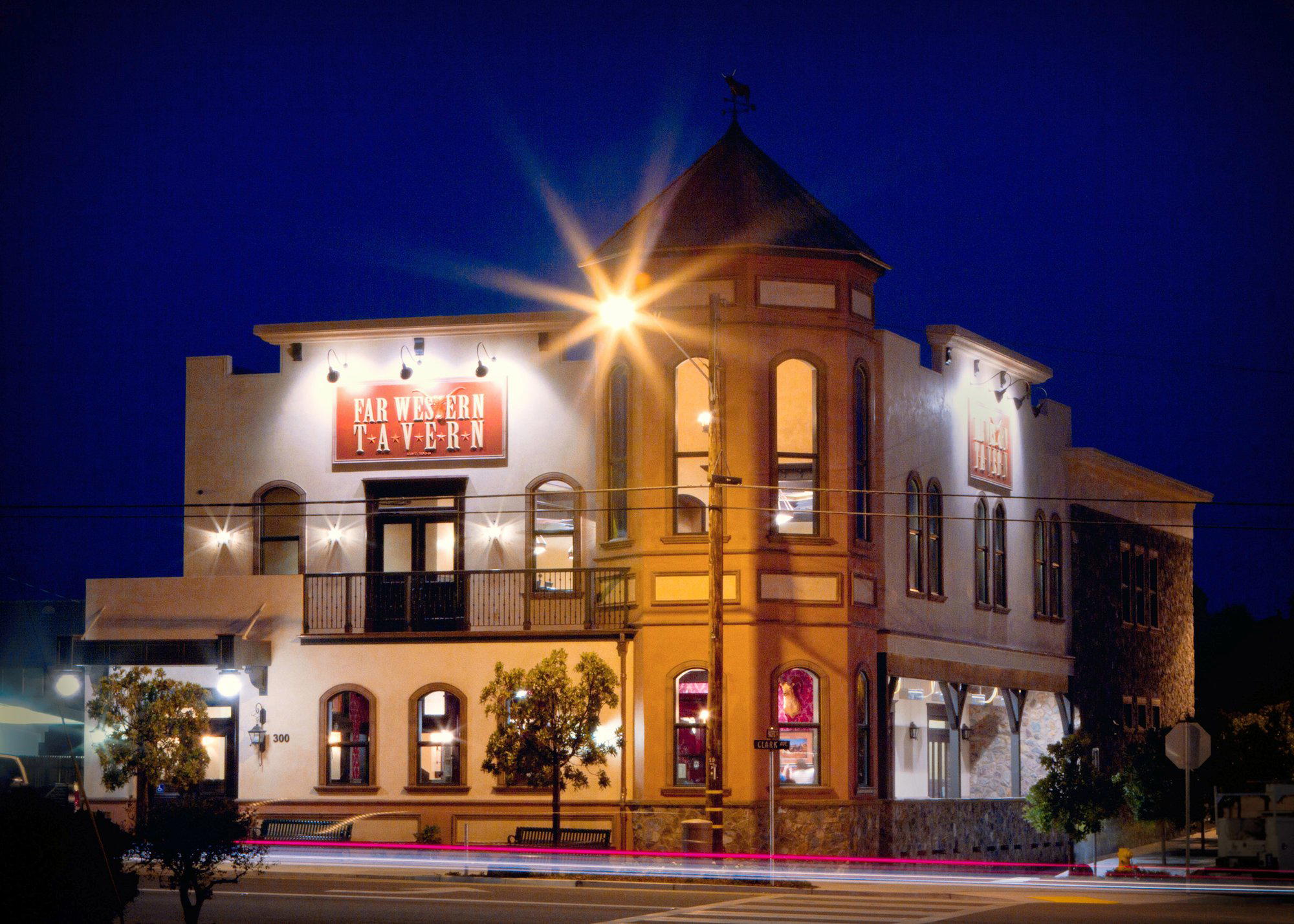
Santa Maria-Style, Taken Seriously
Santa Maria-style barbecue occupies a specific and largely misunderstood place in American regional cooking. It is not Texas brisket, not Kansas City ribs, not Carolina pulled pork. The method centers on thick cuts of beef, traditionally tri-tip or leading block sirloin, cooked slowly over a pit fueled by red oak harvested from the Santa Maria Valley floor. The smoke is mild, the seasoning is minimal, and the fire does most of the talking. Far Western Tavern, at 300 East Clark Avenue in Orcutt, California, is a Santa Maria Style Barbecue Steakhouse with a recommended reservation policy and a price tier around $40 per person.
The beef supply chain behind Santa Maria-style cooking matters in a way that rarely gets attention outside the region. The Central Coast, from San Luis Obispo down through Santa Barbara County, has supported cattle ranching continuously since Spanish land-grant days. The beef used in the tradition, at its most authentic, comes from local or regional producers whose animals graze on grass before finishing, a cycle that shapes flavor in ways that commodity feedlot beef simply does not replicate. Far Western Tavern operates within that sourcing geography, placing it in the same broader conversation as farm-grounded American restaurants like Blue Hill at Stone Barns in Tarrytown or Single Thread Farm in Healdsburg, even if the format and price register are entirely different.
Where the Central Coast Eats Beef
Orcutt itself is a low-profile town in the Santa Maria Valley, the kind of place that food travelers pass through rather than plan around. That is partly what makes an address like this one interesting. Santa Maria-style cooking has been documented by journalists and food historians for decades, but it has rarely attracted the institutional recognition, Michelin stars, James Beard nominations, that has landed on California's coast-city restaurants. Far Western Tavern works within a tradition that generates loyalty instead.
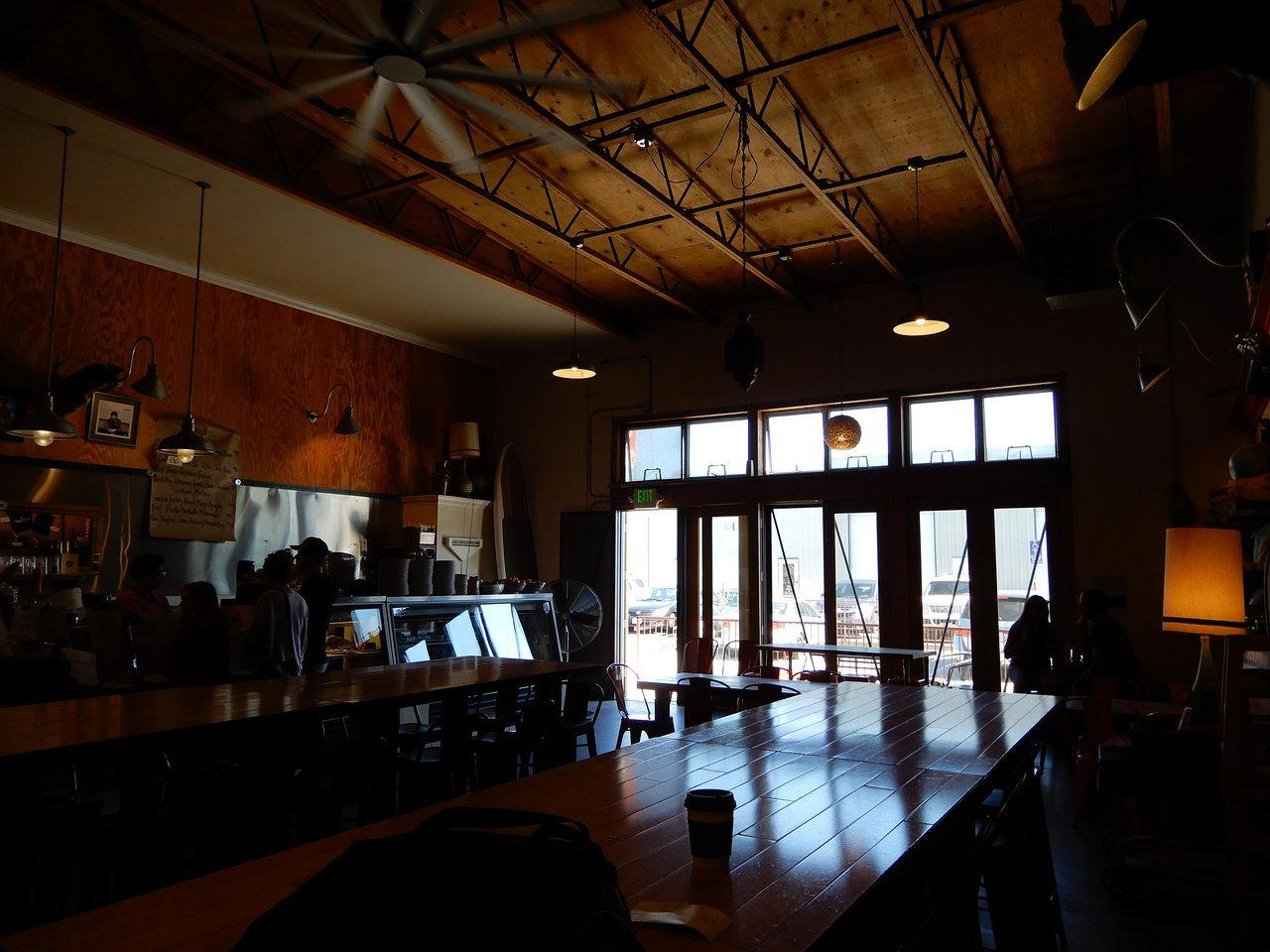
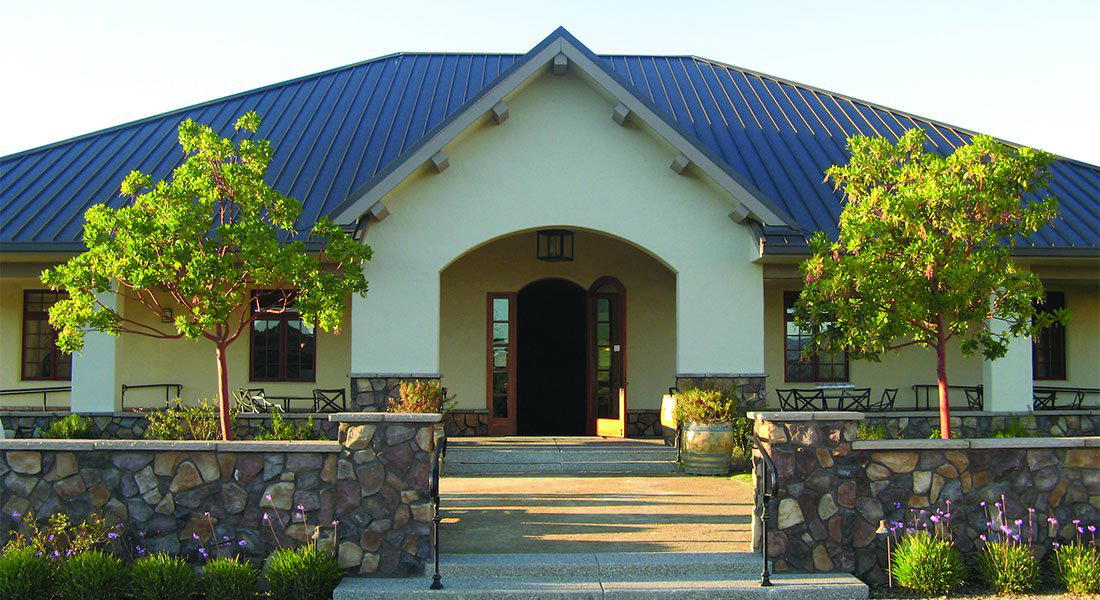
That loyalty is regional and deep. Families who have been coming here for decades sit alongside Santa Barbara wine country visitors making the drive north from Buellton or Los Olivos. The room reflects a Western steakhouse sensibility, wood, scale, the kind of space that does not need architectural theater to communicate confidence. It is a contrast worth noting relative to the precision-tasting formats that dominate the high end of American dining, from The French Laundry in Napa to Le Bernardin in New York City. Here, the format is deliberate and direct: beef, fire, table.
The Sourcing Logic Behind the Grill
The editorial case for ingredient sourcing as a lens on Far Western Tavern is direct. American regional barbecue traditions, Santa Maria included, were not built on sourcing abstraction. They were built on physical proximity: ranchers who knew the land, butchers who knew the carcass, and cooks who knew the fire. The tri-tip cut, which has been associated with Santa Maria since at least the 1950s, exists in wide use today because it was a cut local butchers promoted when it had no national market. That origin story is entirely about supply chain logic applied at the local level, before the vocabulary of farm-to-table existed.
Restaurants further up the prestige chain, such as Smyth in Chicago or Addison in San Diego, build sourcing narratives explicitly into their editorial identity and menu language. Santa Maria-style venues carry the same underlying logic without the narration, the sourcing is structural rather than performative.
The red oak question is also worth raising. Santa Maria barbecue pits are fueled specifically by coast live oak and valley red oak, not mesquite, not hickory. The wood grows locally, burns at a specific temperature range, and imparts a smoke character that is lighter and drier than what mesquite produces at higher heat. That fuel specificity is as place-defining as the beef itself, and it is the reason that Santa Maria-style cooking has resisted easy replication in other markets, you can ship the cuts, but the wood and the ambient dry heat of the valley are harder to reproduce authentically.
Reading the Room and Planning the Visit
Orcutt sits roughly midway between San Luis Obispo and Santa Barbara, making Far Western Tavern a logical stop on any Central Coast itinerary that includes the wine regions of the Santa Maria Valley or the Santa Ynez Valley to the south. Travelers already plotting meals in the broader California restaurant circuit, perhaps using Providence in Los Angeles or Frasca Food and Wine in Boulder as reference points for regional American cooking at a higher price tier, will find the contrast at Far Western Tavern genuinely informative rather than merely convenient.
The format here is not a destination tasting menu. It is a regional institution running a format that predates the contemporary fine dining playbook by several decades. Portions are generous, the beverage program skews toward California wines that make sense with red meat, and the pricing is significantly below what comparable cuts would cost at comparable-quality establishments in Los Angeles or San Francisco, a practical reality of operating in a low-rent agricultural town rather than a coastal city. For travelers who have been benchmarking California against venues like Oyster Oyster in Washington, D.C. or ITAMAE in Miami, this is a different axis entirely: tradition over technique, region over refinement.
For broader reference across the American restaurant spectrum, the work being done at venues such as The Wolf's Tailor in Denver, Emeril's in New Orleans, Atomix in New York City, Atelier Moessmer Norbert Niederkofler in Brunico, and The Inn at Little Washington offers a useful frame for understanding how differently American dining addresses the question of place and ingredient.
At-a-Glance Comparison
Comparable venues nearby, for context on price, style, and recognition.
| Venue | Cuisine | Price | Awards | Notes |
|---|---|---|---|---|
| Far Western TavernThis venue — the venue you are viewing | Santa Maria Style Barbecue Steakhouse | $$ | , | |
| Naughty Oak Brewing Company | beer_bar | $$ | , | Old Town Orcutt |
| 94th Aero Squadron San Diego | American Steakhouse with Seafood | $$ | , | Kearny Mesa |
| Greenburger's | Locally-Sourced American Comfort Food | $$ | , | Lower Haight |
| Full Of Life Flatbread | Wood-Fired Flatbread Pizza | $$ | , | Los Alamos |
| Hen House | Southern Soul Food - Chicken and Waffles | $$ | , | Jack London District |
Continue exploring
More in Orcutt
Restaurants in Orcutt
Browse all →
Bars in Orcutt
Browse all →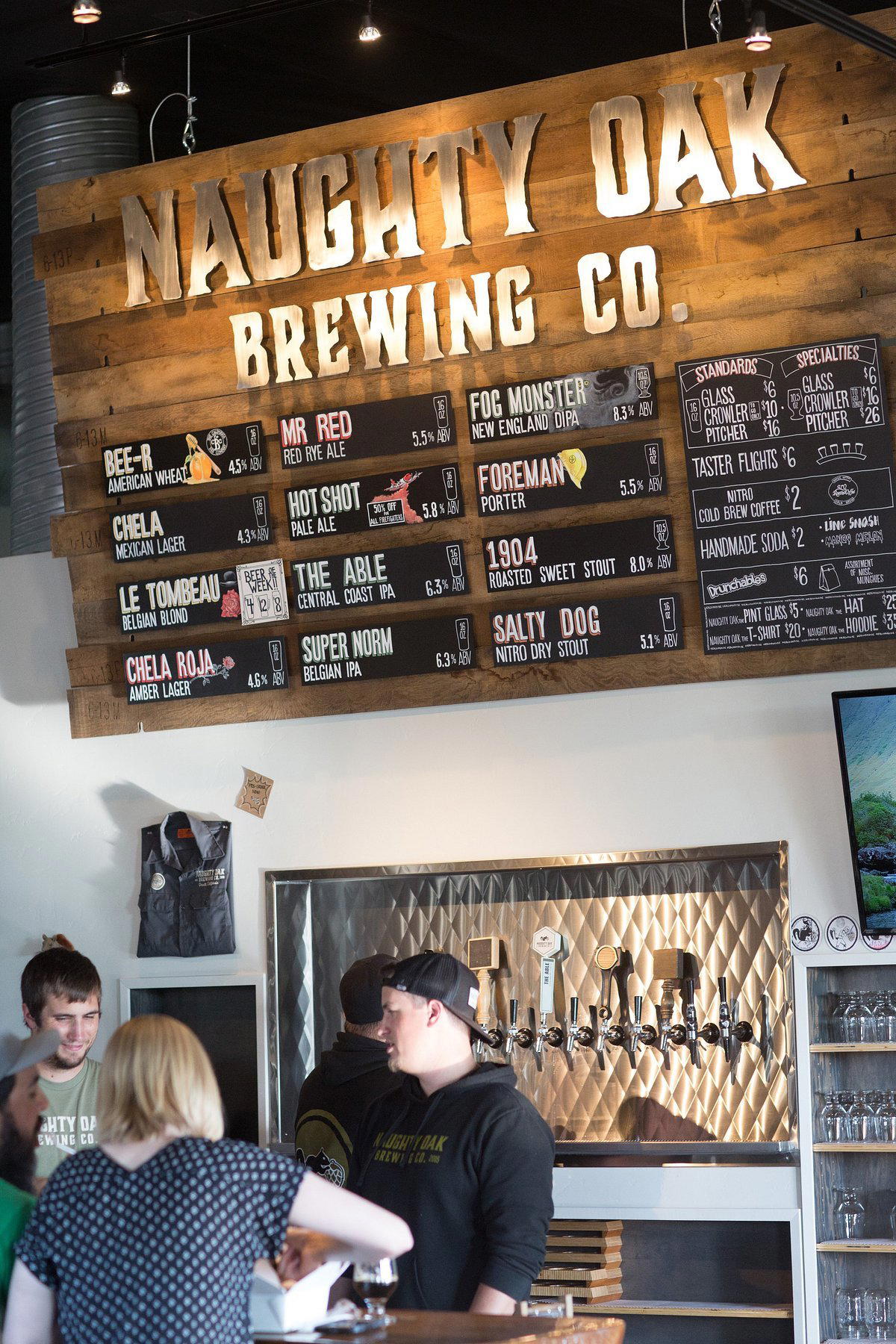
Hotels in Orcutt
Browse all →
At a Glance
- Rustic
- Classic
- Cozy
- Date Night
- Special Occasion
- Historic Building
- Extensive Wine List
- Local Sourcing
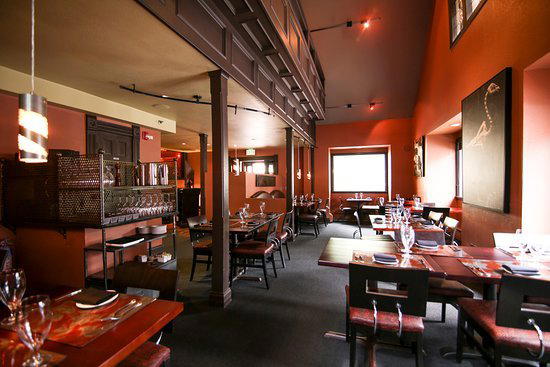
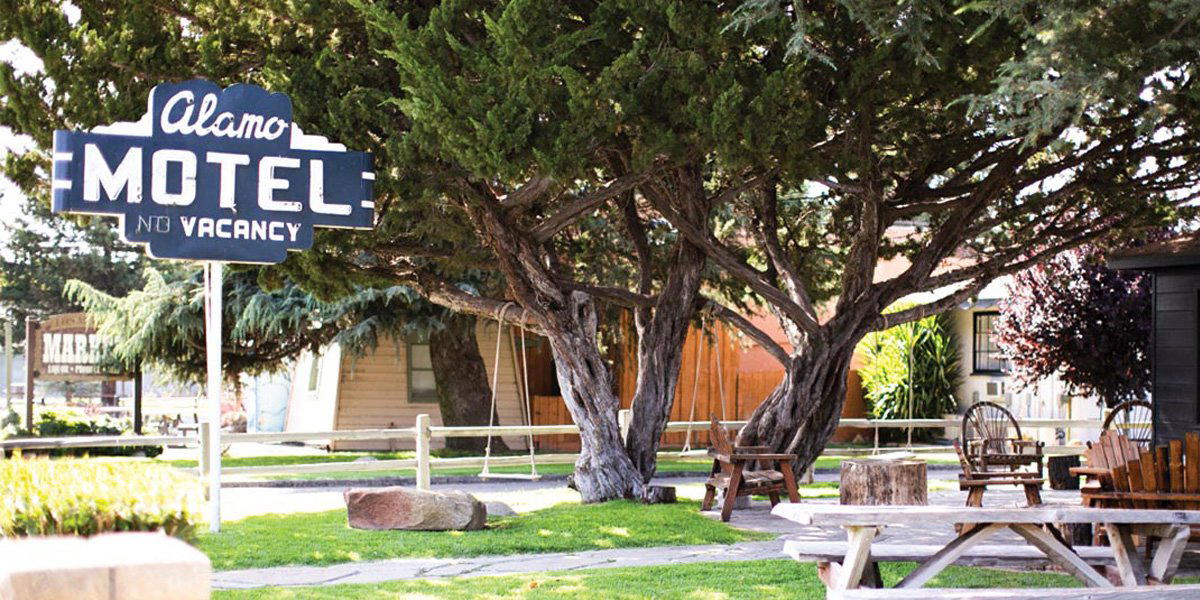
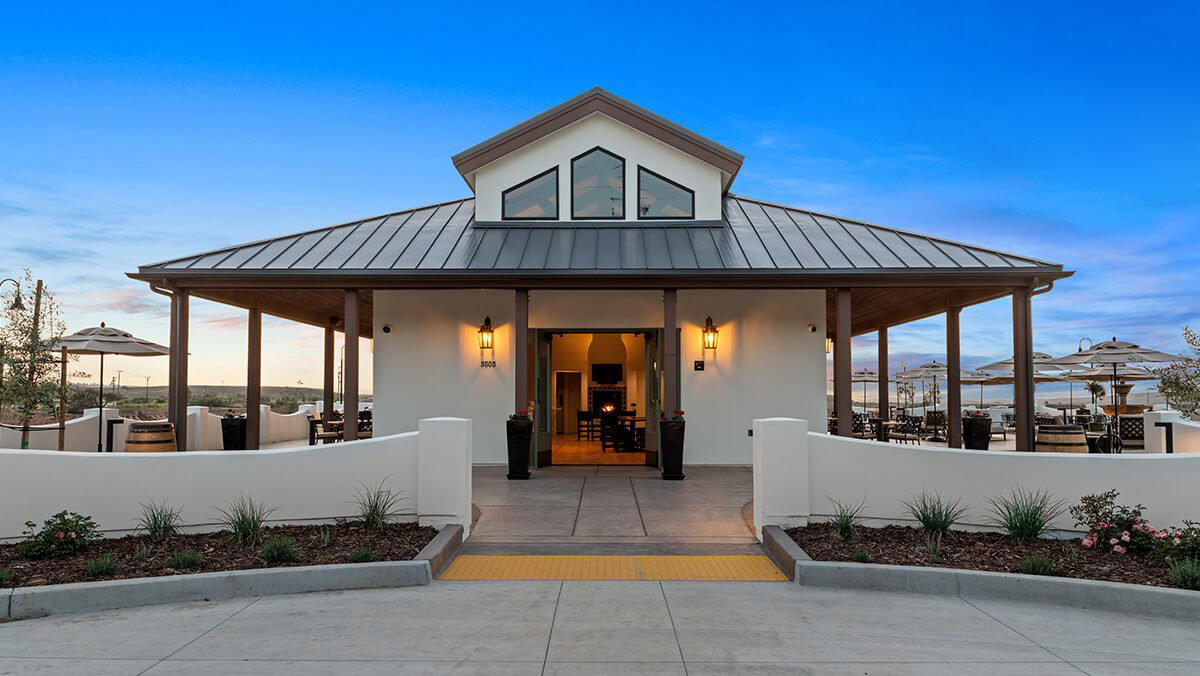
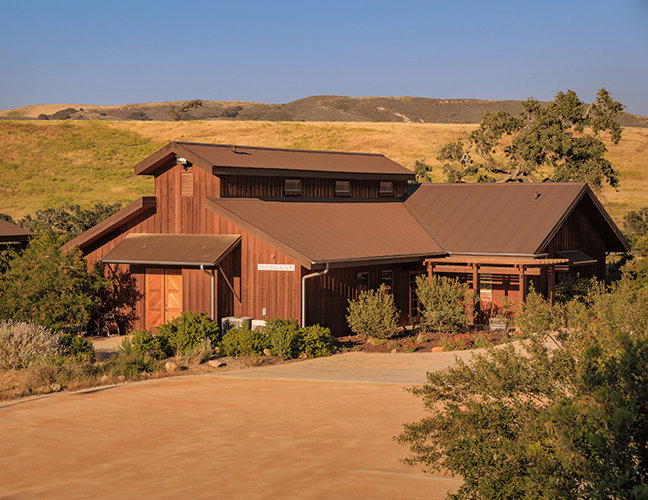
Dark wood and western decor create a pleasant, homely ranch atmosphere with romantic twinkling lights and comfortable noise levels.[1]