District 4 and the Neighbourhood Table
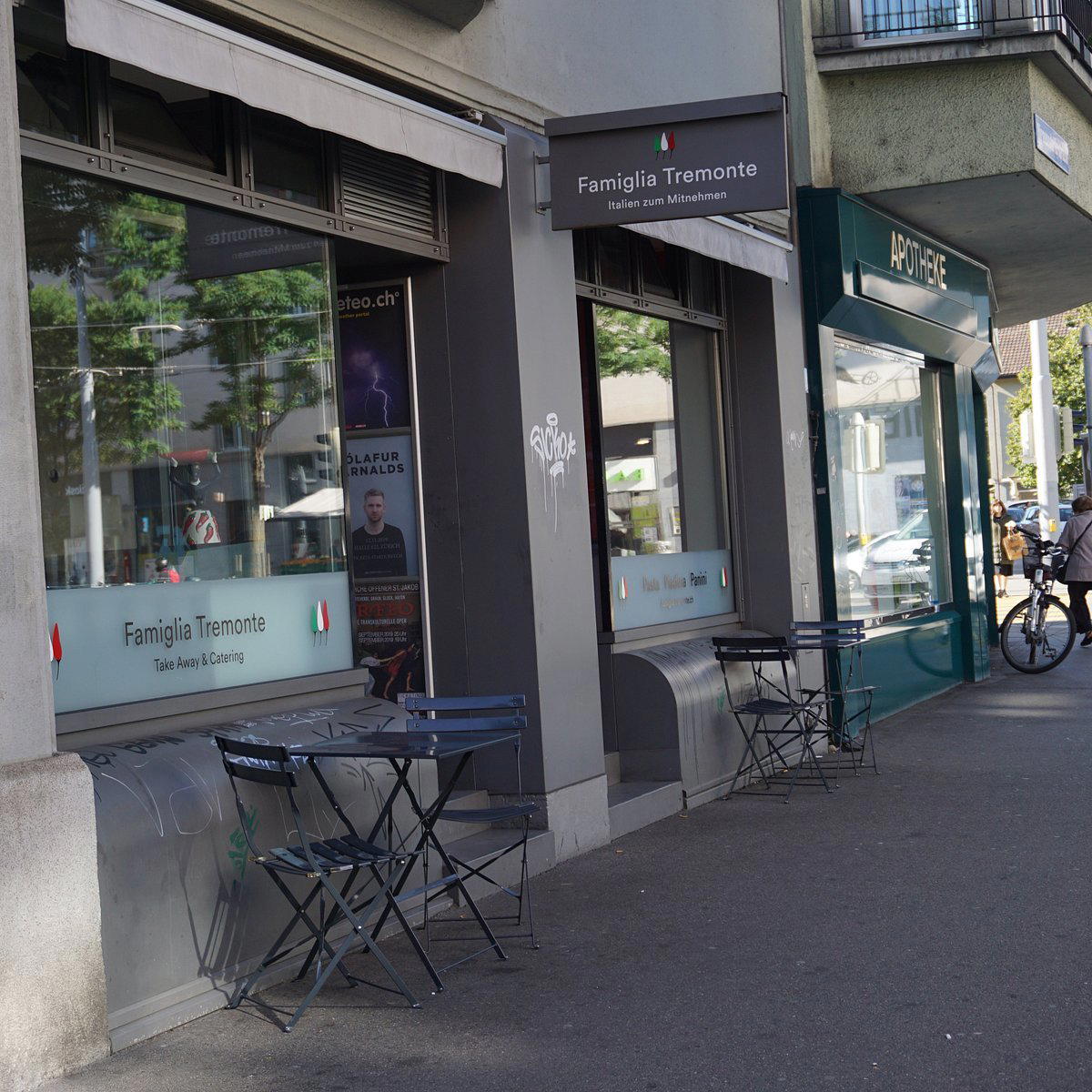
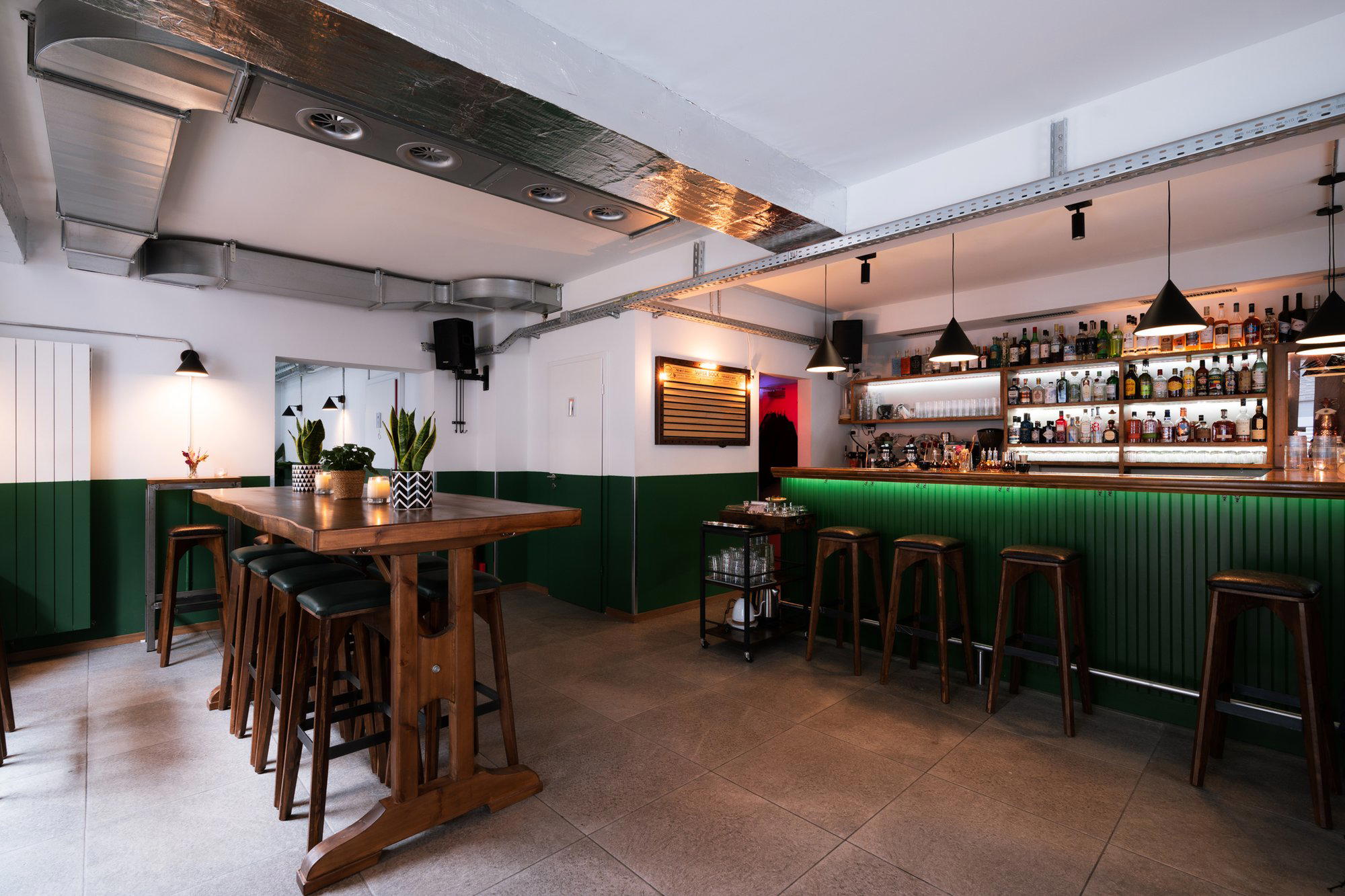
Birmensdorferstrasse runs southwest from the Stauffacher intersection, one of Zurich's most-used tram junctions, into a residential corridor that mixes pre-war apartment blocks with newer commercial ground floors. Number 129 is well into the residential stretch, beyond the denser commercial activity closer to the centre. That address geography matters: a restaurant this far along the street is not catching passing trade from Bahnhofstrasse shoppers or Langstrasse nightlife. It draws from the immediate neighbourhood and from people who have made a deliberate decision to come.
This is a pattern shared by several of Zurich's more enduring neighbourhood addresses. The city's dining geography tends to concentrate critical attention on Kreis 1 and Kreis 8, where Michelin-recognised tables like IGNIV Zürich by Andreas Caminada and technically ambitious formats like The Counter or The Restaurant operate within easy reach of hotel guests and expense accounts. Neighbourhood formats in district 4 operate on a different economy: lower average spend, higher visit frequency, and a guest relationship measured in years rather than occasions.
Switzerland's broader restaurant culture has also been pulled in competing directions. The country's leading tables, from Schloss Schauenstein in Fürstenau to Memories in Bad Ragaz and Cheval Blanc by Peter Knogl in Basel, represent an internationally legible fine dining tier. Below that, the question of what a good neighbourhood restaurant looks like in a Swiss city remains genuinely contested. The Italian family format, when done with consistency, answers it in a way that tasting menu formats cannot: it provides the same dish, cooked to the same standard, on a Tuesday in February as on a Saturday in June.
The Evolution of a Local Address
Venues like Famiglia Tremonte tend to change in ways that are less dramatic than a full reinvention but more consequential than simple continuity. The trajectory for a family-run Italian address in a gentrifying Zurich district typically follows a recognisable pattern: an original offer built around affordability and community, then a gradual calibration upward as the neighbourhood changes, the incoming resident base brings different expectations, and the cost base rises with rents and ingredients. The question is always how much of the original character survives that process.
What distinguishes the addresses that navigate this successfully from the ones that lose their identity is usually a question of discipline rather than ambition. The most resilient neighbourhood Italians in European cities, whether in Zurich, Zurich's peer cities like Vienna or Munich, or further afield in London's equivalent residential zones, tend to be those that did not overextend their format in response to demographic change. They kept the core of what they were doing, adjusted the quality of ingredients, and let the room evolve without trying to become something categorically different. The Kronenhalle model, as preserved at Widder and similar Swiss dining institutions, offers one version of this durability at a higher price point. The Italian neighbourhood table operates the same logic at a more domestic scale.
For a broader view of how Swiss fine dining has evolved at the top tier, the trajectory runs from the Hotel de Ville school in western Switzerland, Hotel de Ville Crissier in Crissier remains a reference point, through the Alpine luxury dining formats at Da Vittorio in St. Moritz and the farm-to-table formats at Mammertsberg in Freidorf. Neighbourhood formats like this one exist in a different register entirely, and their value is precisely that they do not compete with those categories.
The Italian Format in a Swiss Context
Italy's regional cooking traditions travel into Switzerland with a specificity that is easy to blur and hard to fake. The distinction between Milanese, Venetian, and southern Italian inflections in the diaspora restaurant context matters because it determines which dishes anchor the menu and which techniques the kitchen defaults to under pressure. In Zurich, the Italian restaurants that have held sustained local affection tend to be those that committed to a specific regional identity rather than presenting an undifferentiated pan-Italian repertoire.
The comparison set for Italian dining in Zurich includes several distinct tiers. At the higher end, the format shades into Italian-influenced creative cooking. Further down, the category includes direct trattoria formats, pasta-focused lunch operations, and pizza-first concepts. The address on Birmensdorferstrasse positions itself, by location and format name, within the family-table tradition rather than the upscale Italian category. For perspective on how Italian cooking at higher price points operates in the Swiss context, the output at Einstein Gourmet in Sankt Gallen, Maison Wenger in Le Noirmont, or internationally at Le Bernardin in New York and Lazy Bear in San Francisco illustrates how differently the same cultural inputs can be expressed across formats. The neighbourhood Italian operates at the opposite end of that spectrum deliberately.
For those building a broader Zurich itinerary, the city's dining scope runs considerably further than Kreis 1 addresses. The full Zurich restaurants guide covers the complete range, from neighbourhood tables through to the Michelin-recognised operations at the top of the Swiss dining tier. Lakeside addresses like focus ATELIER in Vitznau and high-altitude Alpine formats like La Table du Valrose in Rougemont represent the scenic fine dining tier that draws destination visitors; the Birmensdorferstrasse address serves a different purpose for a different kind of visit.
Know Before You Go
Address: Birmensdorferstrasse 129, 8003 Zürich, Switzerland
District: Aussersihl (Kreis 4)
Getting There: Tram lines serving the Stauffacher junction connect directly into the Birmensdorferstrasse corridor; the address is walkable from that interchange.
Phone / Website: Not publicly listed at time of publication. Check current platforms for updated contact details before visiting.
Price Range: Not confirmed; the neighbourhood context and format suggest mid-range positioning relative to Zurich's Italian dining tier.
Booking: Contact status not confirmed. For a restaurant of this type and location, calling ahead on weekday evenings typically gives the clearest picture of availability.
Leading Season: Zurich's neighbourhood dining operates year-round, but the colder months from October through March tend to favour the sit-down family format more directly than summer, when terrace-focused competitors draw the same demographic outdoors.