On Södermalm's main artery, Falafel Bar at Hornsgatan 39B sits at the practical end of Stockholm's eating spectrum, where the city's working-class food culture still holds its ground against the neighbourhood's creeping gentrification. It offers a direct counterpoint to the tasting-menu tier that dominates Stockholm's international reputation, placing everyday Middle Eastern street food inside one of the Swedish capital's most characterful districts.
Pearl is the En Primeur Club membership app — saves, bookings, and concierge access live there. Same editors, same standards.
- Address
- Hornsgatan 39B, 118 49 Stockholm, Sweden
- Phone
- +46 72 907 26 37
- Website
- falafelbaren.se
- Directions
- Get directions
 Saves & bookings on Pearl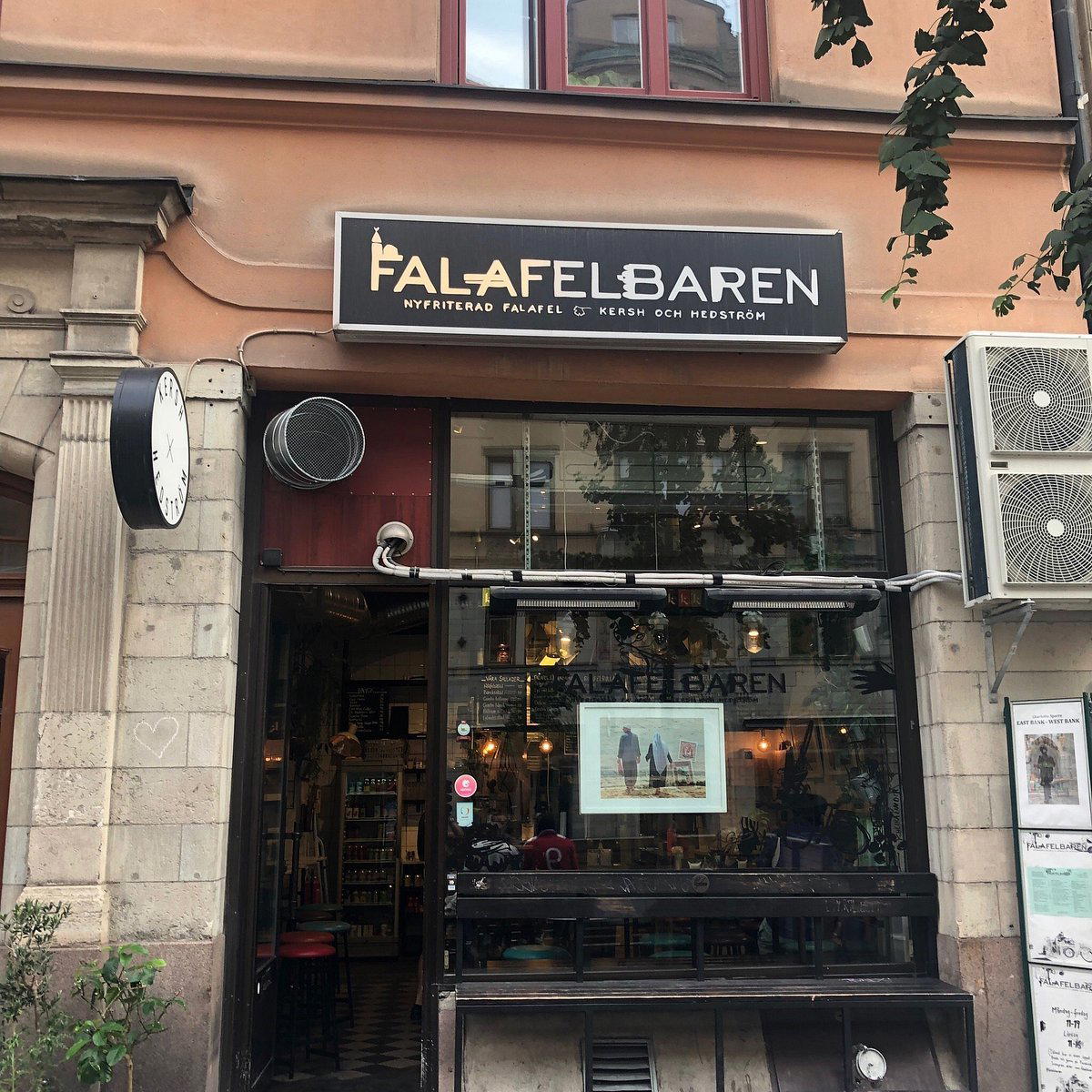
Södermalm's Street Food Axis
Hornsgatan runs the length of Södermalm like a spine, and the stretch around number 39B tells you more about how Stockholm actually eats than any tasting menu could. This is the part of the city where the local population still outnumbers the tourists, where the lunch crowd moves quickly and the evening pace is loose rather than choreographed. The street has absorbed waves of change over the past two decades, coffee shops replacing hardware stores, natural wine bars appearing between pharmacies, but the casual food counter has remained a fixture, grounded in the neighbourhood's history as a working district.
Falafel Bar occupies that category: the reliable, no-ceremony spot that Stockholm's densely populated inner-city neighbourhoods have always needed. In a city whose international dining reputation is built almost entirely on New Nordic fine dining and Michelin-decorated addresses like Frantzén, AIRA, and Aloë, the everyday counter serving falafel and flatbread represents a genuinely different register of eating, one that the city's residents depend on and visitors rarely factor into their planning.
What the Address Tells You
Södermalm is Stockholm's most discussed neighbourhood, and Hornsgatan is one of its most trafficked corridors. The area functions as the city's cultural middle ground: not the financial formality of Östermalm, not the tourist density of Gamla Stan, but a district with enough residential weight to sustain spots that live or die by return custom rather than passing footfall. A falafel counter on this street is not a novelty act, it is a neighbourhood institution in functional sense, filling the slot that every dense urban district requires: fast, affordable, consistent food that doesn't ask anything of the person eating it.
That context matters when you compare Falafel Bar's position to the wider Stockholm dining spectrum. The city's formal restaurant scene runs from the elaborate multi-course formats of Operakällaren and Adam / Albin down through mid-market European bistros and into the quick-service tier. Falafel Bar sits at the accessible end of that range, which in Södermalm terms means it competes on quality and speed rather than ambience or prestige. The neighbourhood's residents have enough options to be selective even at this price level, which keeps counters like this honest.
The Format and What to Expect
Middle Eastern street food in Stockholm follows a format that Swedes have absorbed into everyday eating over several decades of migration-driven food culture. Falafel, shawarma, and flatbread wraps became staples of Swedish urban lunch culture long before the city developed any appetite for artisanal fast food or chef-driven casual concepts. The category is less about trend and more about infrastructure: these counters are where students, construction workers, office staff, and parents with young children all find common ground.
At a counter like Falafel Bar, the expectations are calibrated accordingly. The measure of success is not ambition or novelty but execution and value: whether the falafel is freshly fried rather than reheated, whether the sauces have been made in-house, whether the bread is warm. These are the metrics that matter in this tier, and they are the ones that determine whether a neighbourhood keeps returning. Atmosphere-wise, if you arrive expecting the spare Scandinavian minimalism of a design-led Stockholm restaurant, recalibrate. The setting is functional rather than considered, and the energy is determined by whoever is in the queue rather than by any particular curation of the room.
How It Sits Relative to the Stockholm Dining Scene
Stockholm's dining identity has been shaped so forcefully by the New Nordic movement and its descendants that the city's international image skews heavily toward technique-led, produce-obsessed fine dining. That reputation is earned, the concentration of serious restaurants per capita in the Swedish capital is among the highest in northern Europe, extending well beyond the city limits to addresses like Signum in Mölnlycke, ÄNG in Tvååker, and VYN in Simrishamn. Further afield, destinations like Vollmers in Malmö, PM & Vänner in Växjö, and Knystaforsen in Rydöbruk show how that fine dining culture radiates outward from the capital.
But a city's food culture is not reducible to its Michelin count. What the restaurant represents is the other half of how Stockholm eats: the daily, the affordable, the unself-conscious. The same Södermalm resident who books months in advance for a counter seat at one of the city's acclaimed tasting-menu restaurants will eat falafel on Hornsgatan twice a week without a second thought. These two registers coexist in Swedish food culture without tension, and the street food tier is not lesser for being practical.
For visitors planning a broader Swedish food itinerary, it is worth knowing that this practical eating culture extends across the country's cities. Hoze in Gothenburg, Claesgatan 8 in Malmo, and Sydkustens at Pillehill in Skivarp each demonstrate how Sweden's regional dining scene handles the spectrum from casual to considered. And internationally, the contrast between a Hornsgatan falafel counter and a formal destination restaurant like Le Bernardin in New York City or Lazy Bear in San Francisco illustrates how essential the everyday tier is to understanding any city's complete food identity. You can also explore the full range of options in our Stockholm restaurants guide. For more southern Sweden options, Bistro Jarlen in Halmstad rounds out the regional picture.
Planning Your Visit
Hornsgatan 39B is in the western section of Södermalm, accessible by tram along the street itself or a short walk from Zinkensdamm metro station. The address places it in a stretch of the street that is busy during lunch hours and early evening, with foot traffic drawn from the surrounding residential blocks and the offices that have moved into the neighbourhood over the past decade. No booking is required or relevant for this format; the logic is walk-in and queue-based, as it is at every counter in this tier. The restaurant sits at the affordable end of Stockholm's eating spectrum.
A Lean Comparison
Comparable venues nearby, for context on price, style, and recognition.
| Venue | Cuisine | Price | Notes |
|---|---|---|---|
| Falafel BarThis venue — the venue you are viewing | Riddarholmen, Falafel Bar | $$ | Not listed |
| Jerusalem Kebab | Not listed | $ | Riddarholmen, Middle Eastern Kebab & Falafel |
| Beijing8 | Östermalm, Modern Chinese Dumplings | $$ | Not listed |
| Greasy Spoon | Södermalm, American Brunch Café | $$ | Not listed |
| Trattoria Corazza | Vasastan, Authentic Italian Trattoria | $$ | Not listed |
| Ai Ramen Klara | Norrmalm, Japanese Ramen | $$ | Not listed |
Continue exploring
More in Stockholm
Restaurants in Stockholm
Browse all →
Bars in Stockholm
Browse all →
At a Glance
- Trendy
- Cozy
- Energetic
- Casual Hangout
- Open Kitchen
- Organic
Current opening hours
- Monday
- 11 AM–7 PM
- Tuesday
- 11 AM–7 PM
- Wednesday
- 11 AM–7 PM
- Thursday
- 11 AM–7 PM
- Friday
- 11 AM–7 PM
- Saturday
- 11 AM–4 PM
- Sunday
- 12–4 PM
Hours can change for holidays and private events. Last verified .
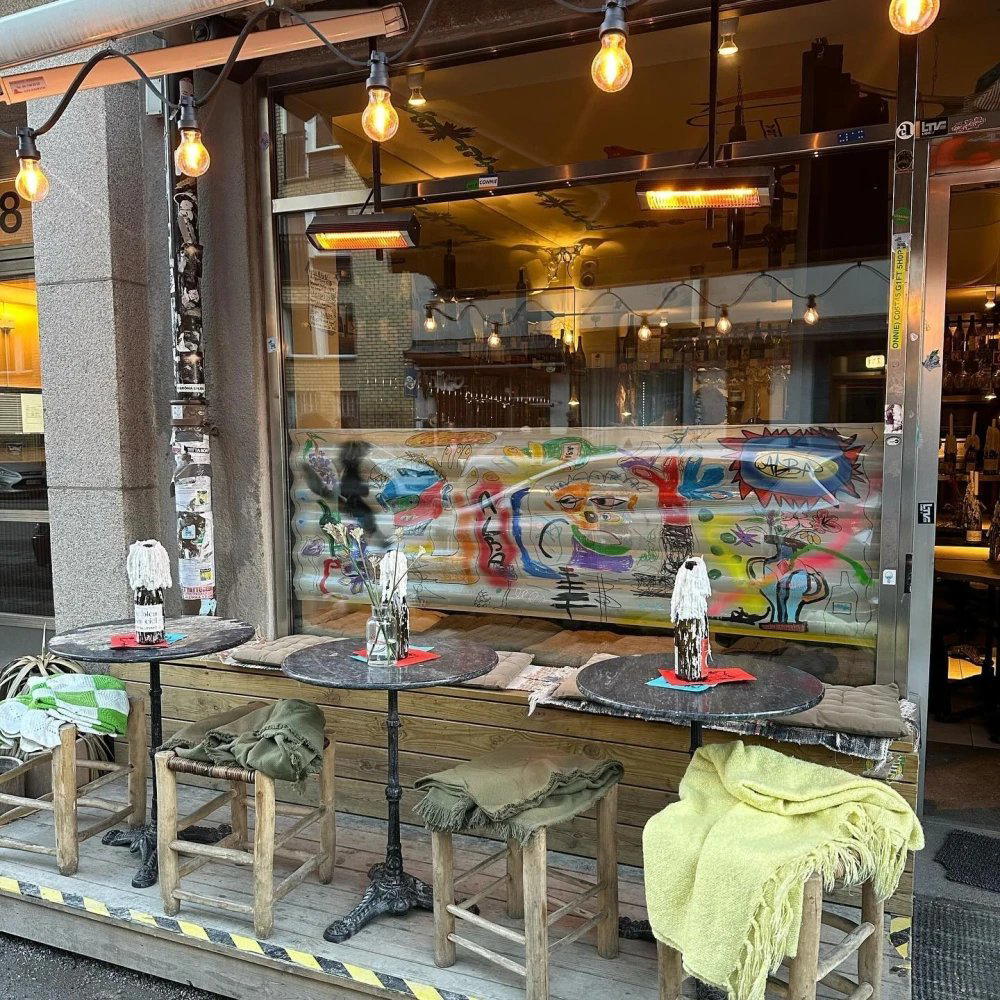
Cozy nook with bar-style stools, energetic music, and a quick casual atmosphere.