EZ Paella & Tapas
On Ninth Avenue in Hell's Kitchen, EZ Paella & Tapas sits inside a stretch of the avenue that has long served as New York's informal Mediterranean corridor. The kitchen centers on paella and small plates, positioning itself in the mid-range casual tier that separates neighborhood staples from the city's higher-format Spanish dining rooms. It draws a local crowd that returns for the format rather than the occasion.
Pearl is the En Primeur Club membership app — saves, bookings, and concierge access live there. Same editors, same standards.
- Address
- 744 9th Ave, New York, NY 10019
- Phone
- +16317796916
- Website
- ezpaella.com
- Directions
- Get directions
 Saves & bookings on Pearl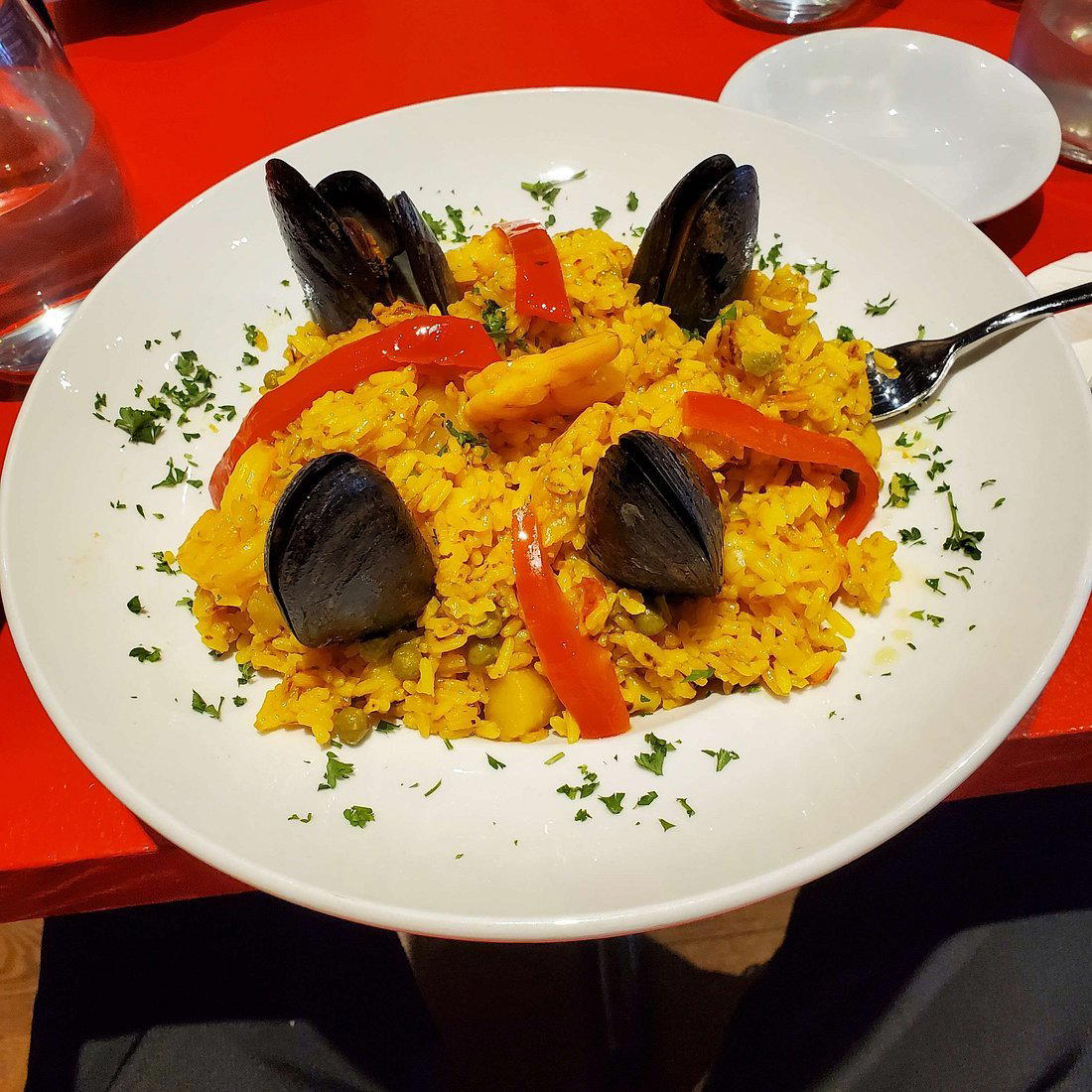
Hell's Kitchen and the Spanish Table
Ninth Avenue between 44th and 57th Streets has functioned as one of New York's most consistent corridors for Mediterranean and Southern European cooking for decades. The avenue runs through Hell's Kitchen, a neighborhood whose dining character was shaped less by trend cycles than by successive waves of working-class immigrant communities who opened restaurants for practical reasons rather than editorial ones. Spanish and Latin kitchens took root here early, and several have outlasted the neighborhood's gentrification phases intact. EZ Paella & Tapas at 744 9th Ave operates within that tradition, occupying a position in the casual mid-range tier that defines much of the avenue's persistent character.
That context matters because Hell's Kitchen's dining scene has split in recent years. A small number of higher-format rooms now share blocks with the original neighborhood institutions, and the gap between those tiers has widened. The top end of New York's Spanish dining is represented by rooms with serious wine programs and tasting formats. The avenue's older layer, where EZ Paella sits, runs on volume, value, and a format built around the communal logic of tapas and the theatrical centerpiece of a paella pan. These are different propositions aimed at different readers, and conflating them misrepresents both.
The Paella Format and Why Sourcing Defines It
Paella is among the most sourcing-dependent dishes in Spanish cooking. The dish's integrity depends on three inputs that are difficult to fake at volume: the rice variety (Valencian short-grain, typically bomba or senia), the stock base, and the protein and vegetable components. A kitchen cutting costs at any of those three points produces a dish that is texturally flat and aromatically thin, because paella's flavor is built through absorption rather than layering, meaning the stock carries the full burden of the result. The socarrat, the caramelized crust that forms at the base of the pan, is the most honest indicator of technique: it requires heat control, timing, and a pan that hasn't been rushed.
This is why paella occupies an interesting position in New York's Spanish dining tier. Unlike, say, cured meats or tinned seafood, which travel well and can be sourced at high quality from Spanish importers, paella demands execution that is entirely local. The sourcing advantage goes to kitchens that have reliable supply lines for the correct rice variety and that build their stocks in-house rather than using commercial bases. In a neighborhood format like Hell's Kitchen, where margins are compressed and kitchen throughput is high, maintaining that discipline consistently is the actual differentiator.
The tapas format that accompanies paella at a venue like EZ Paella operates under a different sourcing logic. Small plates in the Spanish tradition draw on a pantry of preserved and cured products, many of which are imported: Ibérico products, anchovies from the Cantabrian coast, preserved piquillo peppers, and olive oils from Andalusia. New York has a functional import supply chain for these categories, and several specialty distributors service Hell's Kitchen restaurants directly. The quality ceiling for tapas is therefore partly a function of sourcing ambition, and partly a function of how much a kitchen is willing to spend on ingredients that don't photograph dramatically but define the dish's character in the first bite.
Where This Sits in New York's Broader Spanish Dining Map
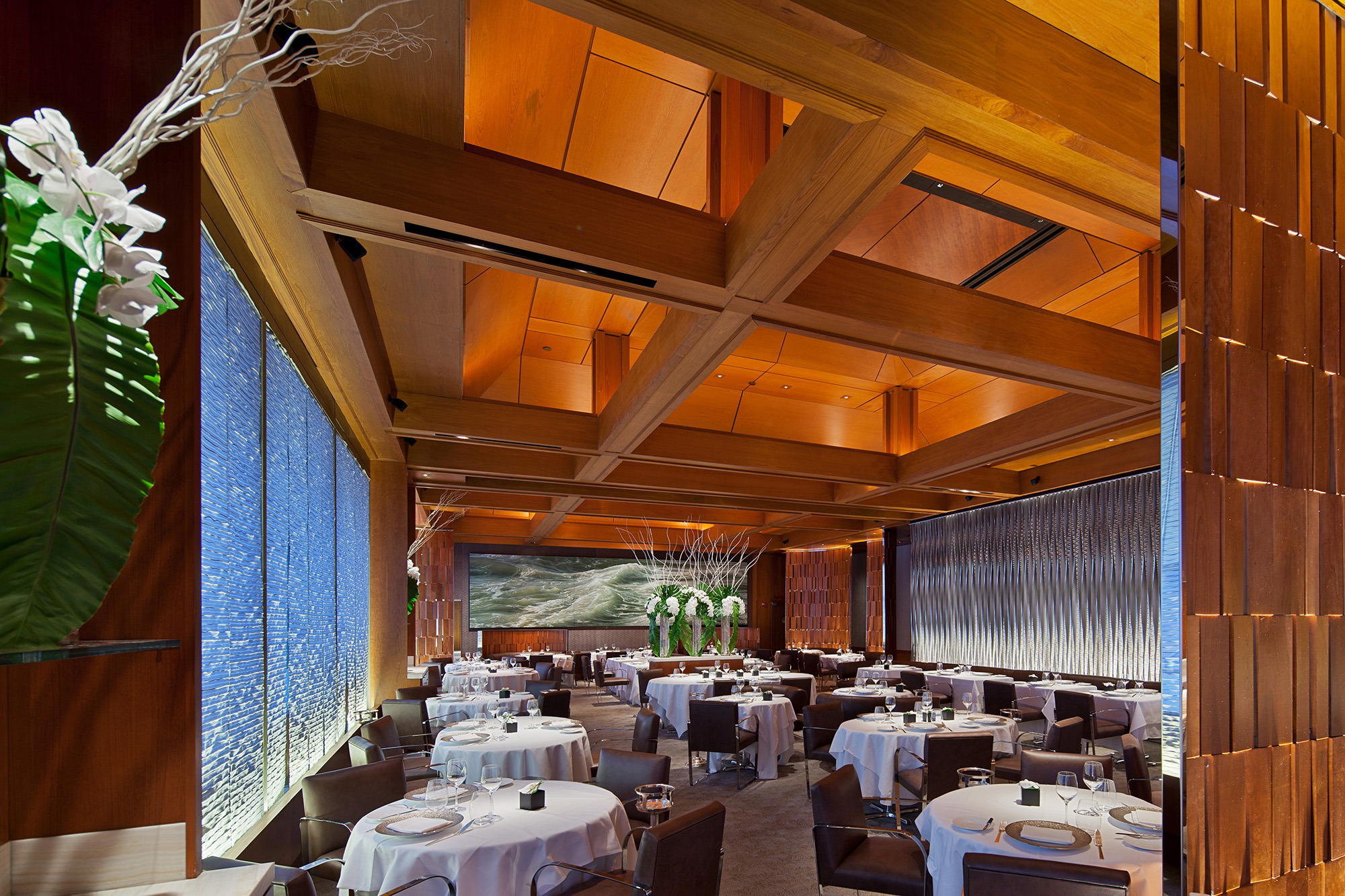
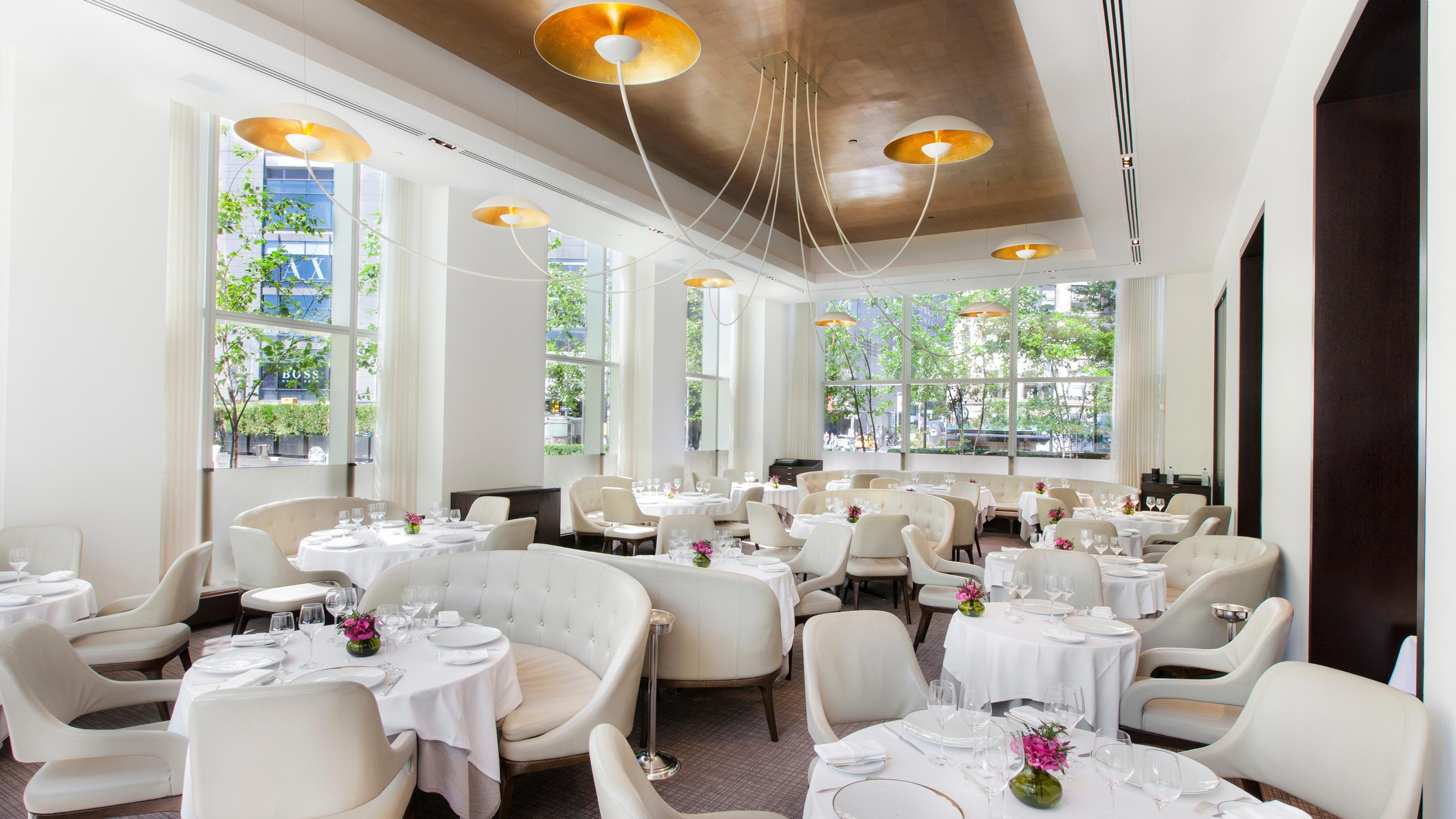
New York's Spanish dining scene is smaller than its Italian or French counterparts but has a defined upper tier. The city's most acclaimed restaurants cut across European traditions, with Michelin-starred rooms like Le Bernardin, Atomix, Eleven Madison Park, Masa, and Per Se operating at price points and formats that are entirely distinct from the neighborhood paella-and-tapas tier. EZ Paella does not compete in that bracket, nor does it need to.
Kitchens that import their bomba rice and build stocks from roasted chicken and shellfish carcasses produce a noticeably different result from those using long-grain rice and commercial base. For readers whose Spanish dining reference points are limited to New York's mid-range tier, it is worth knowing that the range of quality within this category is wider than the price differential would suggest.
For broader context on the city's dining range, our full New York City restaurants guide maps the tiers from neighborhood staples through to the upper bracket. Readers interested in ingredient-sourcing programs at the higher end of the American dining spectrum will find useful reference points at Blue Hill at Stone Barns in Tarrytown, Single Thread Farm in Healdsburg, and The French Laundry in Napa. The farm-to-table rigor at those addresses represents the opposite end of the sourcing spectrum from a neighborhood tapas room, but the underlying principle, that ingredient provenance determines the ceiling of a dish, applies across formats. Comparable mid-range and regional Spanish-inflected programs worth cross-referencing include Frasca Food & Wine in Boulder and Providence in Los Angeles for their approach to sourcing within defined regional frameworks. Further afield, Atelier Moessmer Norbert Niederkofler in Brunico and Dal Pescatore in Runate illustrate the European tradition of hyper-local sourcing at the fine-dining level. Other American reference points for regionally grounded cooking include Lazy Bear in San Francisco, Emeril's in New Orleans, Smyth in Chicago, Addison in San Diego, and The Inn at Little Washington in Washington.
Planning Your Visit
EZ Paella & Tapas is located at 744 9th Ave, New York, NY 10019, in Hell's Kitchen. The address is walkable from the 50th Street subway station (C and E lines) and within a short walk of the theater district, making it a practical pre- or post-theater option for the area. Dress: No formal dress code; neighborhood casual is the norm for this tier and block. Timing: Paella is a dish that benefits from ordering early in a meal, as most kitchens require 20 to 30 minutes minimum from order to table for a properly executed pan.
How EZ Paella & Tapas New York City compares with similar nearby venues.
| Venue | Cuisine | Price |
|---|---|---|
| Chalong | Thai | $$$ |
Continue exploring
More in New York City
Restaurants in New York City
Browse all →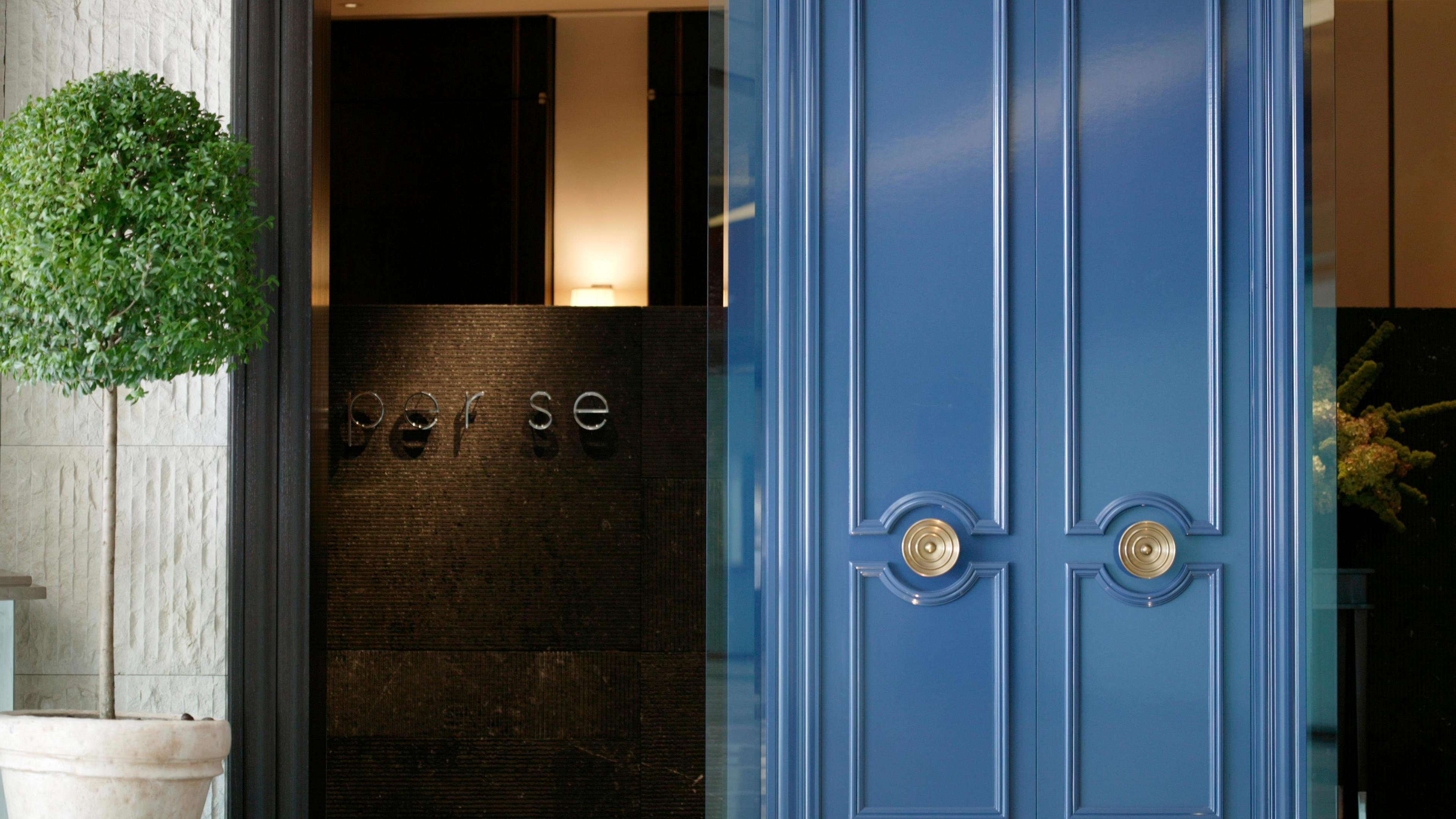
Bars in New York City
Browse all →
Hotels in New York City
Browse all →








At a Glance
- Cozy
- Casual
- Casual Hangout
- Group Dining
- Date Night
- After Work
- Open Kitchen
- Beer Program
Current opening hours
- Monday
- 12–10 PM
- Tuesday
- 12–10 PM
- Wednesday
- 12–10 PM
- Thursday
- 12–11 PM
- Friday
- 12 PM–12 AM
- Saturday
- 12 PM–12 AM
- Sunday
- 12–11 PM
Hours can change for holidays and private events. Last verified .
Casual, warm atmosphere with nice music; intimate bar seating allows diners to watch the chef cook; small dining area with friendly, attentive service.