Exchange Street Bistro
Our verdict
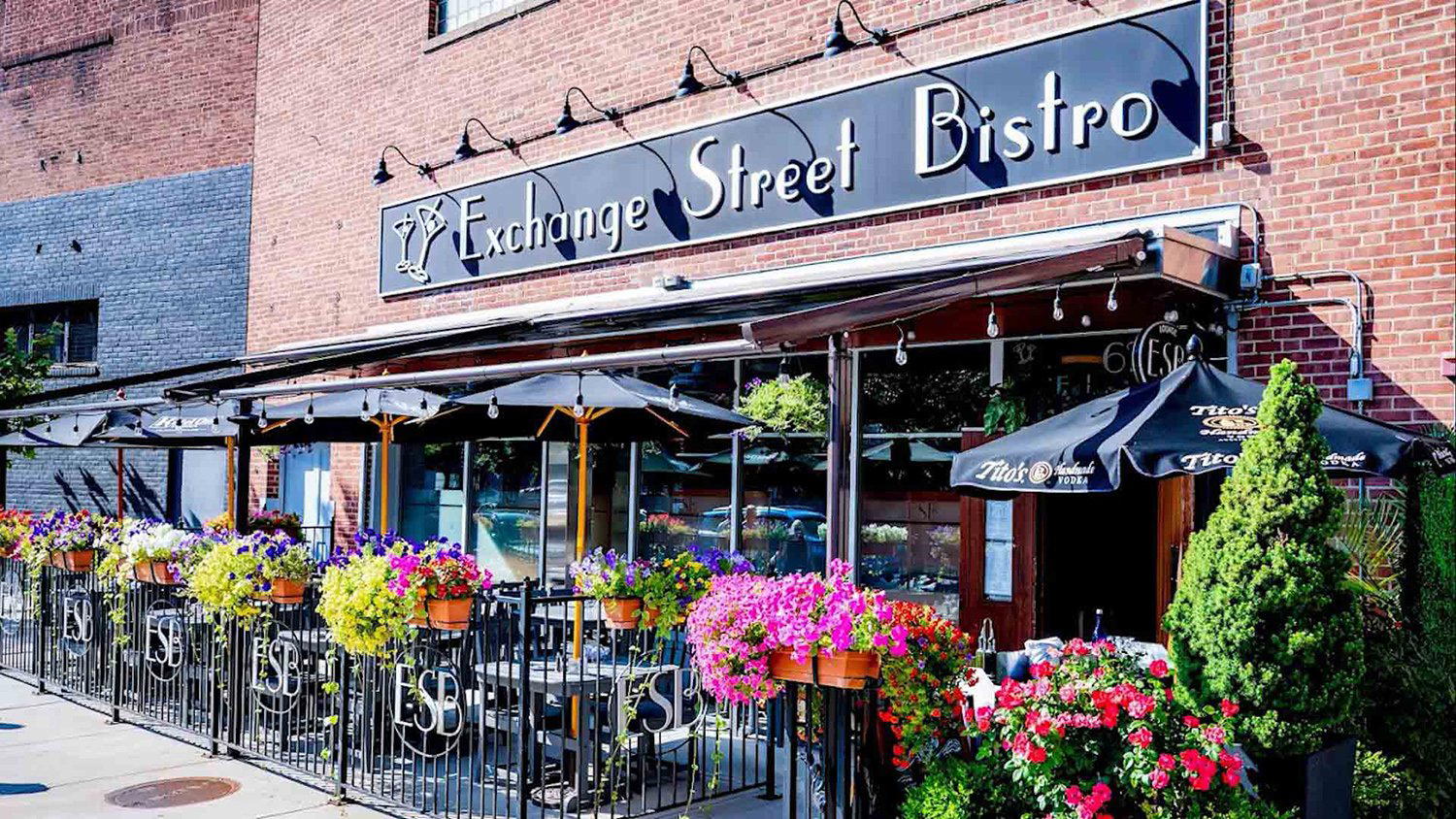
Exchange Street Bistro occupies a quietly central position in Malden's evolving dining scene, at 67 Exchange St in a neighbourhood that has seen genuine independent restaurant growth over the past decade. The bistro format places it in a tier of accessible neighbourhood dining that Malden increasingly supports alongside more specialised arrivals like Nepali momo houses and Hong Kong-style kitchens. It sits on a street increasingly worth making a detour for.

Pearl is the En Primeur Club membership app, where members save venues, book tables and use the concierge.
The menu
What to order
- Braised Short Ribs
- Bolognese
- Lemon Capellini
Where Malden's Neighbourhood Dining Is Heading
The short stretch of Exchange Street in Malden, Massachusetts, tells a reasonably clear story about what has happened to independent restaurant culture in Greater Boston's inner suburbs over the past decade. The area's dining mix has diversified steadily, with arrivals ranging from hyper-specific regional imports, such as Aama Lama and its Nepali momo focus, to the more polished modern format of Lime at the €€€ tier. Exchange Street Bistro sits within this pattern: a bistro-format address on a street that has accumulated enough independent operators to function as a genuine local dining corridor rather than a convenience stop.
Malden sits on the Orange Line, roughly four miles north of downtown Boston, a position that has historically kept it slightly outside the conversation dominated by Cambridge, Somerville, and the South End. That distance is shrinking. As rents in those neighbourhoods have pushed independent restaurateurs further out, Malden has absorbed a range of operators who might, a decade ago, have planted their flags in Inman Square or Union Square. The bistro format, which Exchange Street represents, is particularly well suited to this kind of neighbourhood moment: familiar enough to anchor a regular clientele, flexible enough to absorb changing tastes without a full concept overhaul.
The Sourcing Question in Suburban American Bistros
One of the more consequential shifts in American bistro cooking over the past fifteen years has been the normalisation of local and regional sourcing at price points that once reserved such credentials for tasting-menu destinations. Operations like Blue Hill at Stone Barns in Tarrytown and Single Thread Farm in Healdsburg established the farm-to-table argument at the high end of American dining. What followed, with some lag, was a gradual filtering of that sourcing ethos into more accessible neighbourhood formats. New England's agricultural calendar and its dense network of small farms within a two-hour radius of Boston makes this particularly legible in the Massachusetts context: spring ramps from the Berkshires, summer tomatoes from the Pioneer Valley, shellfish from Cape Cod and the North Shore, and root vegetables that carry through a long winter.
A bistro on Exchange Street operates within that regional supply network whether it explicitly markets the fact or not. The question for any neighbourhood bistro in this part of Massachusetts is less whether local ingredients are available and more whether the kitchen is organised around them or simply uses them opportunistically. That distinction matters more than any single dish, because it shapes menu rhythm, seasonal turnover, and the relationship between what arrives on the plate and what the surrounding region actually produces at a given time of year. Restaurants like Smyth in Chicago and The Wolf's Tailor in Denver have demonstrated that deep sourcing commitment at the neighbourhood level produces menus with a coherence that imported or generic supply chains cannot replicate, even at comparable price points.
The Bistro Format in Context
The bistro, as a format, occupies a specific and often underappreciated position in American dining. It is not a tasting-menu room, where the conversation is dominated by progression and technique, nor is it a casual counter where speed is the primary value. It sits in the middle register: a place where a two-course dinner is a reasonable outcome, where wine by the glass matters as much as the bottle list, and where the room should be comfortable enough to linger without being so formal that lingering feels obligatory. Some of the most consistently satisfying dining experiences in American cities happen at this register, precisely because the format asks the kitchen to be competent and consistent rather than spectacular.
In Greater Boston, that middle register has its own character. The region's Portuguese, Italian, and Irish culinary histories create a baseline expectation for ingredient-forward cooking without excessive elaboration. The bistro that works well in this context tends to be the one that respects those expectations while making room for the region's newer arrivals, whether that means Korean fermentation techniques, Vietnamese herb profiles, or the Sichuan-inflected seafood preparations that have become increasingly common in kitchens drawing on Boston's substantial Asian American dining community. Sing Choi Kee in Malden itself represents the kind of Hong Kong-style kitchen that has shaped local palates and raised expectations around seafood preparation in ways that filter through to neighbouring restaurants over time.
What to Order and What to Expect
This is not unusual for neighbourhood bistros operating at this scale; menus shift with season and supply, and what a kitchen is emphasising in spring will differ substantially from its autumn offering. The general principle for bistro dining in New England is to follow what the region is producing: shellfish in the cooler months, lighter preparations in summer, braised and roasted formats from October through March.
For points of comparison at the formal end of American sourcing-led cooking, Le Bernardin in New York, Providence in Los Angeles, and Addison in San Diego each demonstrate how rigorously sourced ingredients perform differently at different price tiers. At the neighbourhood bistro level, that rigour is expressed differently, through tighter menus, fewer covers, and a closer relationship between what the kitchen can actually execute consistently and what appears on the menu. Frasca Food and Wine in Boulder offers a useful regional analogy: a neighbourhood-scale operation with a clear sourcing and culinary identity that does not require a destination-dining budget to access.
Planning Your Visit
Exchange Street Bistro is located at 67 Exchange St, Malden, MA 02148, accessible via the Malden Center stop on the MBTA Orange Line, which puts it within direct reach of central Boston without requiring a car. The bistro format generally accommodates both walk-ins and advance bookings, though weekend evenings in an active neighbourhood corridor tend to reward calling ahead. For a broader picture of what Malden's dining scene currently offers across price points and cuisine types, see our full Malden restaurants guide.
Those whose interest in sourcing-led American cooking extends beyond the neighbourhood scale will find useful reference points in Lazy Bear in San Francisco, The French Laundry in Napa, Emeril's in New Orleans, Atomix in New York, The Inn at Little Washington, and Atelier Moessmer Norbert Niederkofler in Brunico, the last of which has brought the regional-sourcing argument to its most rigorous European expression. The gap between those destinations and a neighbourhood bistro on Exchange Street is substantial in price and format, but the underlying question, where does the food come from and how does that shape what lands on the plate, is the same at every level.
Frequently asked questions
Does Exchange Street Bistro work for a family meal?
The bistro format at 67 Exchange St is generally suited to relaxed, all-ages dining rather than formal tasting-menu settings. Malden's neighbourhood restaurant culture skews toward accessible, community-facing rooms, which typically means manageable noise levels and flexible table configurations. For confirmed policies on high chairs or group reservations, check the venue's official channels before visiting.
What should I expect atmosphere-wise at Exchange Street Bistro?
Exchange Street Bistro sits on a short commercial stretch in Malden, Massachusetts, which frames it squarely as a neighbourhood room rather than a destination dining address. The bistro format in this context generally means closer tables, a room-led rhythm tied to the local community, and a pace that favours conversation over performance. Expect the energy of a working suburb's go-to spot rather than a curated urban dining room.
Is Exchange Street Bistro a good option for dinner near Malden Center MBTA station?
At 67 Exchange St, Exchange Street Bistro is within walking distance of the Malden Center stop on the MBTA Orange Line, making it one of the more accessible independent dining options in this part of Greater Boston without requiring a car. That proximity to public transit is a practical advantage for visitors coming from Cambridge or downtown Boston. Hours and reservation availability should be verified directly with the restaurant before making the trip.
What should I eat at Exchange Street Bistro?
EP Club's verified database does not currently hold documented menu details for Exchange Street Bistro, so specific dish recommendations can change here. The bistro category in suburban American dining typically centres on mid-format plates built around regional produce, but what the kitchen at 67 Exchange St prioritises is best confirmed directly with the venue or through a current menu check on arrival. Check the venue's official channels for the latest details.
Side-by-Side Snapshot
Comparable venues nearby, for context on price, style, and recognition.
| Venue | Cuisine | Price | Awards | Notes |
|---|---|---|---|---|
| Exchange Street BistroThis venue (the venue you are viewing) | Contemporary American Bistro with French Influences | $30–50 | Not listed | Not listed |
| Aama Lama | Authentic Nepalese | Not listed | Star Wine List | Main Street |
| Sing Choi Kee | Hong Kong-Style Chinese | $10–20 | Star Wine List | Downtown Malden |
| Carrie Nation | American Gastropub | $30–50 | Not listed | Downtown |
| Back Deck | Charcoal-Grilled American Comfort Food | $30–50 | Not listed | Downtown Crossing |
| Full Moon | New American | Not listed | Not listed | West Cambridge |
Continue exploring
More in Malden
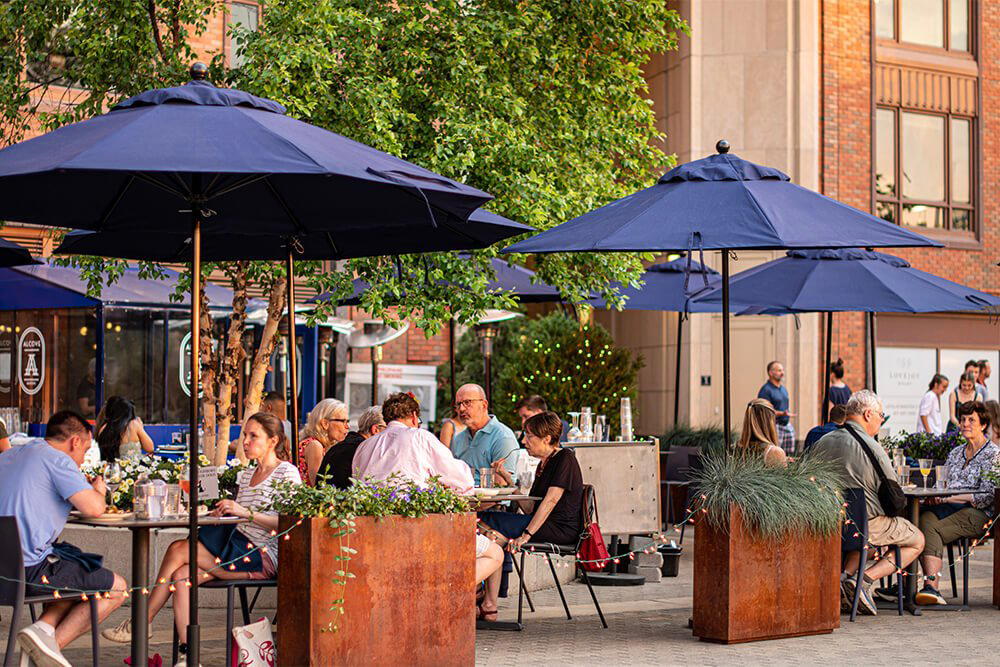
Restaurants in Malden
All restaurants in Malden →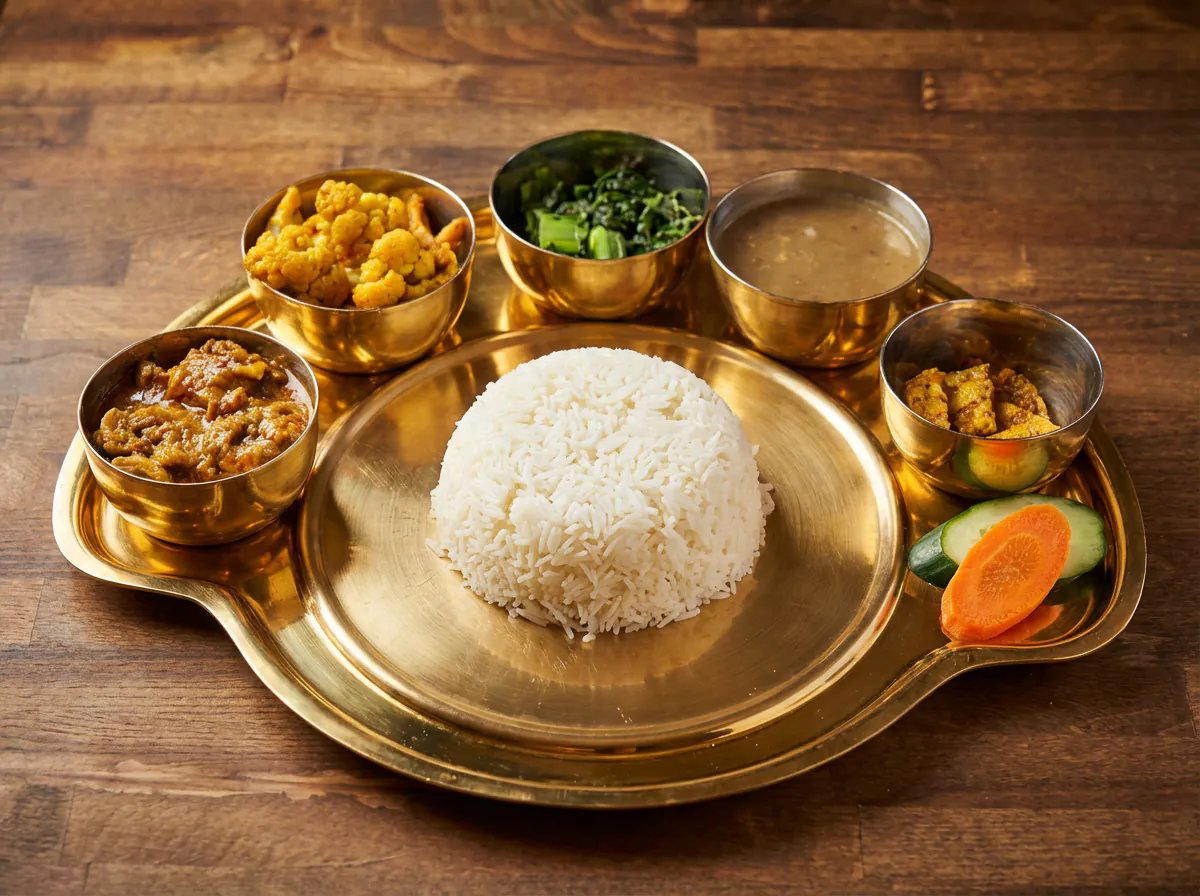
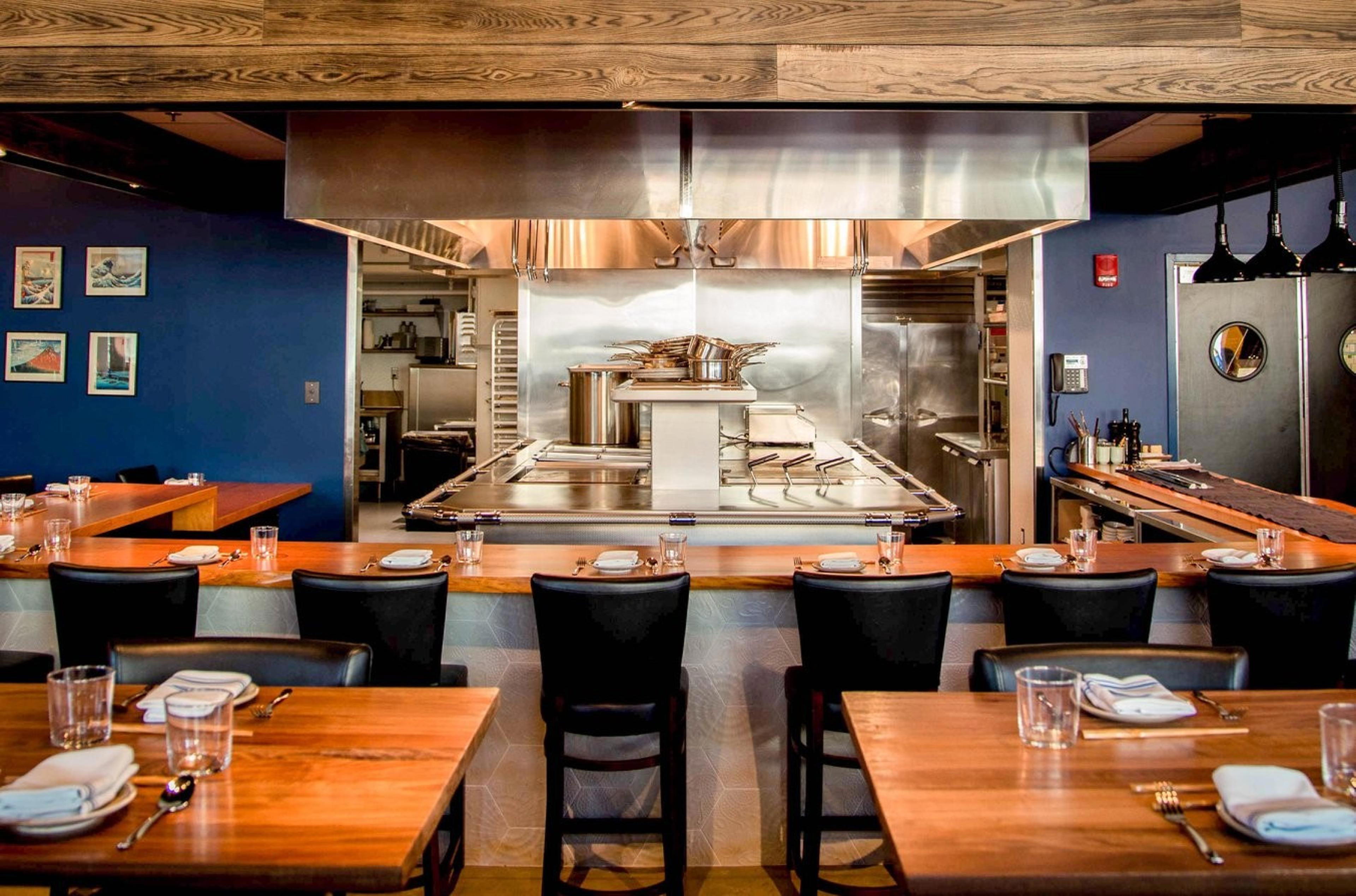
Bars in Malden
Browse all →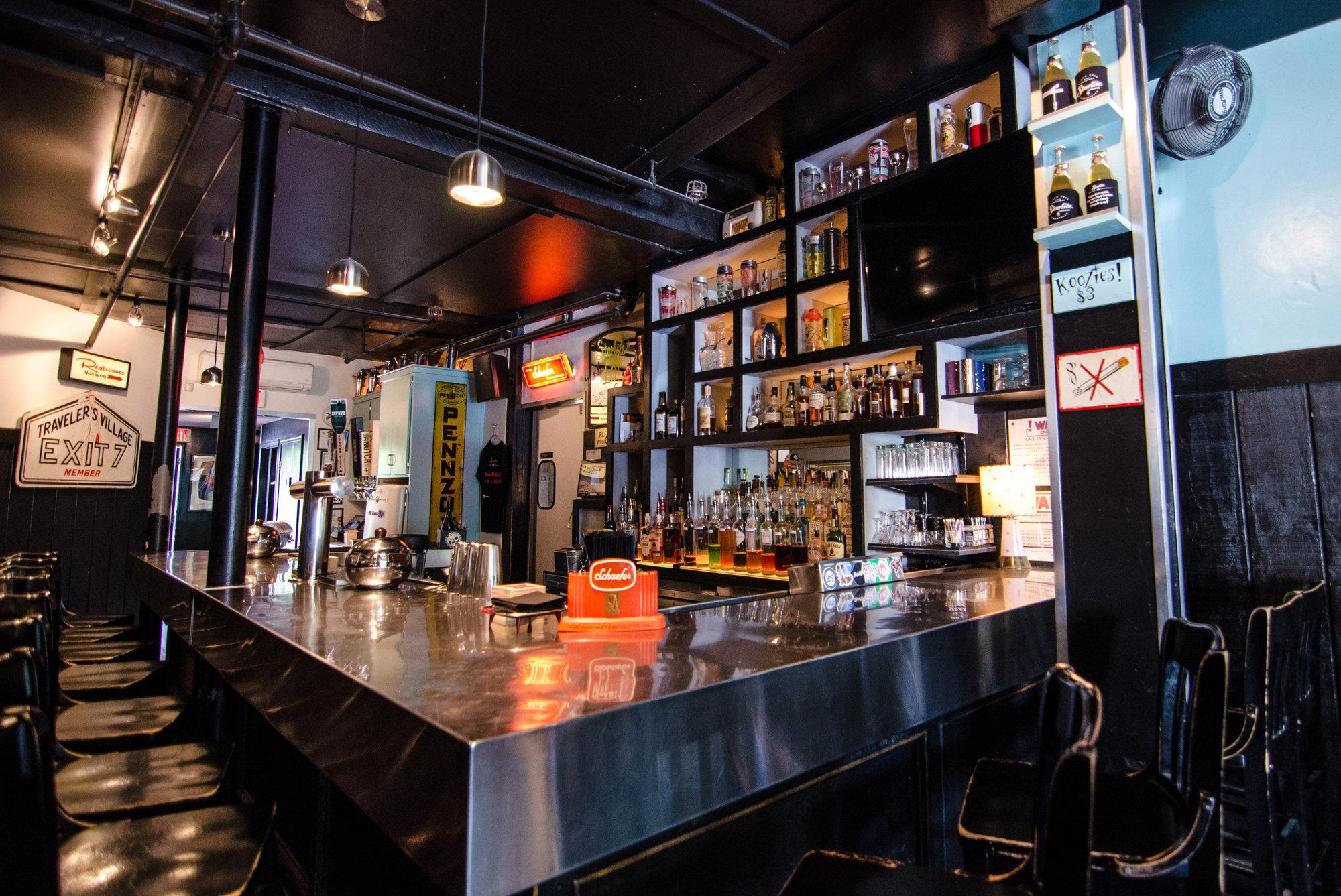
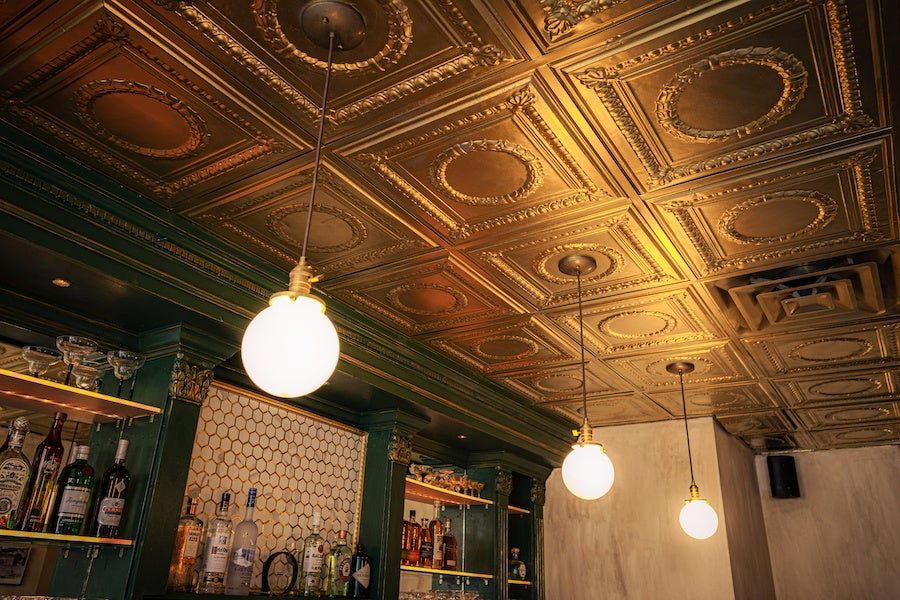

Hotels in Malden
Browse all →
Wineries in Malden
Browse all →

Details
- Lively
- Cozy
- Intimate
- Trendy
- Date Night
- Special Occasion
- Brunch
- Open Kitchen
- Craft Cocktails
- A La Carte
- Small Plates
- Martinis
- Vegetarian Friendly
- Gluten Free Options
Current opening hours
- Monday
- 11:30 AM–9:30 PM
- Tuesday
- 11:30 AM–9:30 PM
- Wednesday
- 11:30 AM–10 PM
- Thursday
- 11:30 AM–11 PM
- Friday
- 11:30 AM–12 AM
- Saturday
- 11:30 AM–12 AM
- Sunday
- 11 AM–9 PM
Hours can change for holidays and private events. Hours as of .
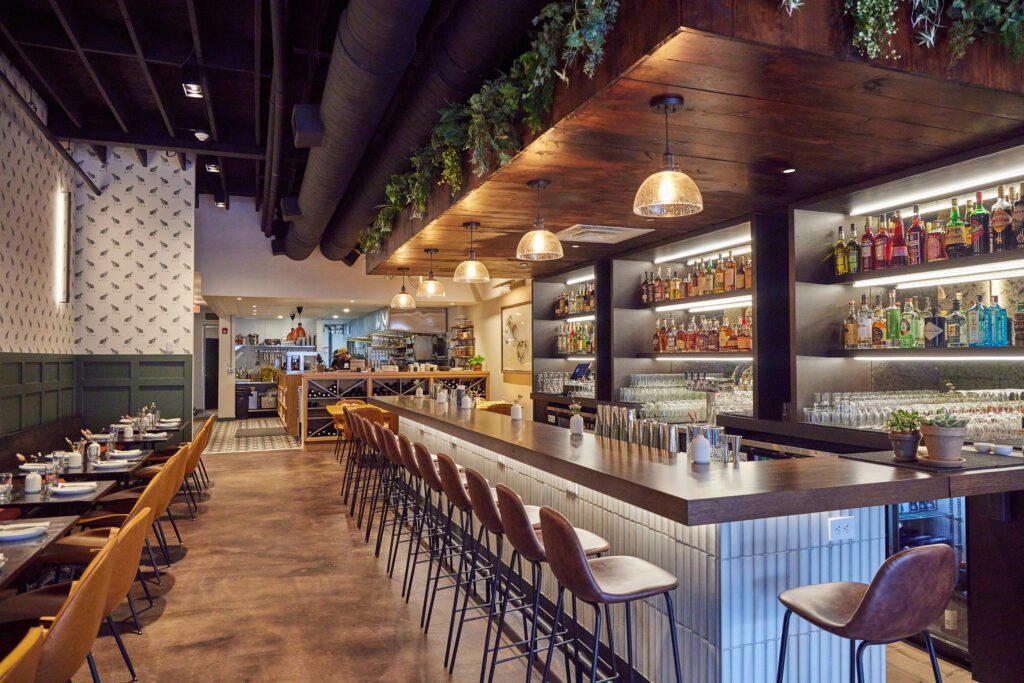
Warm and intimate vibe with dramatic lighting and high-back booths, creating a relaxed and refined atmosphere.