Aama Lama

Star Wine List
Our verdict
Aama Lama brings Nepali momo culture to Malden's Main Street, operating in a city where immigrant-run specialty spots quietly anchor the dining scene. The format centers on momo, the steamed or fried dumplings that carry centuries of Himalayan kitchen tradition. For the greater Boston area, it represents one of the few dedicated entry points into Nepali cooking at the neighborhood level.

Pearl is the En Primeur Club membership app — saves, bookings, and concierge access live there. Same editors, same standards.
- Address
- 519 Main St, Malden, MA 02148
- Phone
- (781) 321-8800
- Hours
- Mon 12–8 PMTue ClosedWed 12–8 PMThu–Sat 12–9 PMSun 12–8 PM
- Website
- aamalama.com
- Directions
- Get directions
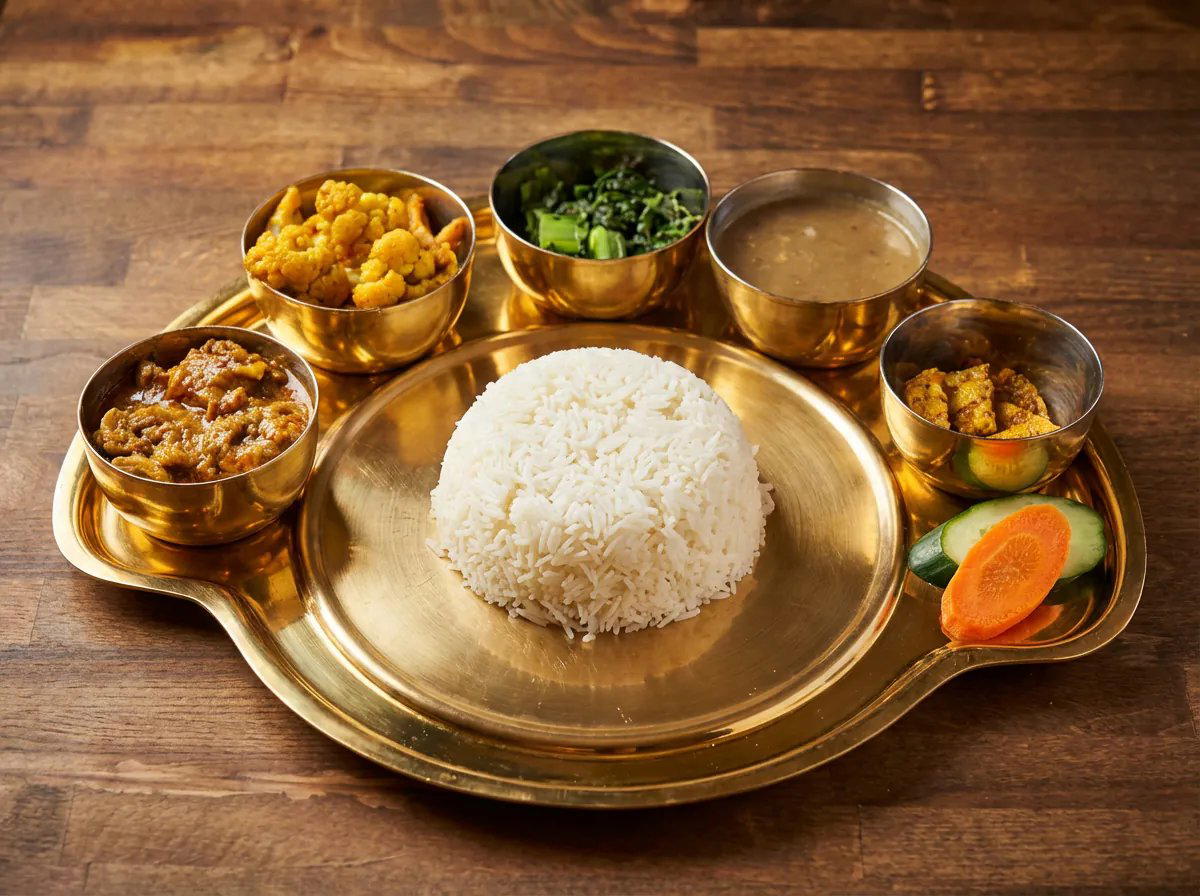
Where Malden's Immigrant Dining Scene Gets Specific
Main Street in Malden has a particular character that distinguishes it from the trendier corridors of Somerville or Cambridge to the south. The restaurants here tend to be run by communities rather than concepts, and they draw regulars who know exactly what they came for. At 519 Main St, Aama Lama occupies that same civic register: a Nepali-focused spot built around momo, the dumpling form that anchors home kitchens and street stalls across the Himalayan belt from Kathmandu to Lhasa and beyond. In the greater Boston area, dedicated Nepali cooking of this kind is sparse enough that Malden has quietly become a reference point for it, sitting on the Orange Line and drawing diners from well outside the immediate neighborhood. For a broader look at where to eat in the area, see our full Malden restaurants guide.
Momo as a Tradition, Not a Trend
To understand what Aama Lama is doing, it helps to understand what momo actually is in its cultural context. Unlike the dumpling forms that have become fashionable in American restaurant cities, momo has not been significantly reinterpreted for Western palates in most of the places that serve it. It remains close to its source: wheat-dough wrappers, fillings built around meat or vegetables, and a cooking method (steamed or fried) that the diner often chooses. The accompanying achar, a spiced tomato-based dipping sauce, is as important as the dumpling itself and varies meaningfully by kitchen.
The sourcing logic behind Nepali momo is worth pausing on. In Nepal, the fillings historically reflected what was available at altitude: buffalo, chicken, and yak in meat versions, and locally grown vegetables and paneer in vegetarian variants. The spice profile draws from Himalayan aromatics rather than the Indian subcontinent's hotter palate, with timur (Sichuan pepper's Nepali relative) and ginger doing significant work. When these dishes travel to diaspora kitchens in North America, the quality of the result often comes down to whether the spice sourcing and dough ratios remain honest to that tradition or get flattened into something more generic. Restaurants like Blue Hill at Stone Barns in Tarrytown or Single Thread Farm in Healdsburg have made ingredient sourcing a formal, documented part of their identity. In Nepali community restaurants, the same commitment exists, but without the press releases: it shows in whether the achar tastes alive or bottled, and whether the dough has any chew left after steaming.
What the Format Tells You
Momo-focused restaurants in the American Nepali diaspora tend to operate with a counter or casual dining format, a tight menu, and prices that keep the food accessible to the communities it serves. This is not the register of Le Bernardin in New York City or Alinea in Chicago; it is not trying to be. The value proposition is different: specialist knowledge embedded in a casual format, where the depth is in the recipe and the sourcing rather than the room. Restaurants like Lazy Bear in San Francisco or The French Laundry in Napa have structured elaborate frameworks around the dining experience itself. Aama Lama belongs to a different tradition entirely, one where the experience is the food's fidelity to its source.
For visitors coming from outside Malden, the practical note is that this is a neighborhood spot on a busy commercial strip. The Orange Line's Malden Center stop puts it within a short walk, making it more accessible from Boston than its address might suggest. As with most community-run specialty restaurants, going with a group allows you to cover more of the menu in a single visit. See also Emeril's in New Orleans, Providence in Los Angeles, Addison in San Diego, and The Inn at Little Washington for other points on the American dining spectrum — context that underscores just how wide that spectrum runs, from highly produced tasting menus to focused single-dish restaurants like this one.
Malden's Place in the Greater Boston Dining Map
Greater Boston's immigrant dining geography rewards those willing to move north of Cambridge. Malden, Medford, and Somerville together hold a concentration of South Asian, Southeast Asian, and East African restaurants that the city's better-publicized dining districts do not replicate. Within that context, a Nepali momo specialist addresses a gap: while Tibetan and Nepali communities have established restaurants in cities like New York, Seattle, and the Bay Area, Boston's representation has historically been thinner. The city's Himalayan dining options are few enough that a focused spot like Aama Lama serves a broader catchment than its neighborhood footprint would imply.
For travelers building a broader Malden itinerary, EP Club also covers hotels in Malden, bars in Malden, wineries near Malden, and experiences in Malden. For a contrast in register within the city's restaurant scene, Lime (Modern Cuisine, €€€) operates at a different price tier and format. At the far end of the global comparison set, 8½ Otto e Mezzo Bombana in Hong Kong and Alain Ducasse at Louis XV in Monte Carlo represent the highly formalized end of international dining. Mapping those poles helps clarify what community specialists like Aama Lama are: undecorated, precise, and operating on a completely different axis of value.
Planning Your Visit
Aama Lama is located at 519 Main St, Malden, MA 02148. Current hours, booking methods, and phone details are best confirmed directly before visiting, as this category of restaurant can shift operating schedules seasonally or based on staffing. Arriving with a clear preference for steamed versus fried momo is a reasonable starting point; most kitchens of this type offer both, and each has distinct textural results from the same filling. The neighborhood is accessible by public transit, which is the practical choice given limited parking on the Main Street corridor.
Frequently asked questions
Does Aama Lama work for a family meal?
The momo format is well-suited to group eating: ordering steamed, fried, and soup variations gives the table a cross-section of the kitchen's range without navigating a complex menu. The casual register at 519 Main St, Malden fits the pace of a family meal rather than a timed reservation. Portion logic here rewards sharing across several varieties.
What's the overall feel of Aama Lama?
Aama Lama operates in the specialist, community-run register that defines Malden's Main Street dining corridor — not a showcase restaurant, but a focused one. The Nepali momo tradition anchors the menu, which keeps things tight and purposeful. Expect a neighborhood room priced for the local dining economy rather than the Cambridge or Somerville premium market.
Is Aama Lama one of the few dedicated Nepali momo restaurants in the Greater Boston area?
Greater Boston has notably thin Himalayan restaurant representation compared to cities like New York or Seattle, where larger Tibetan and Nepali diaspora communities support a wider range of specialist venues. A restaurant whose identity centers entirely on Nepali momo — rather than a broader pan-Himalayan or Indian-adjacent menu — occupies a specific and underserved niche in the region. Malden's immigrant dining concentration makes it a more logical address for this kind of specialist than Cambridge or downtown Boston.
What should I order at Aama Lama?
Momo is the menu's structural core, and the kitchen's identity is built around it. Order at least one steamed and one fried version to compare texture and filling across preparations. For a fuller picture of the kitchen's range, a soup-based momo adds a third reference point that the steamed and fried formats don't cover.
In Context: Similar Options
Comparable venues nearby, for context on price, style, and recognition.
| Venue | Cuisine | Price | Awards | Notes |
|---|---|---|---|---|
| Aama LamaThis venue — the venue you are viewing | Authentic Nepalese | Not listed | Star Wine List | Not listed |
| Sing Choi Kee | Hong Kong-Style Chinese | $10–20 | Star Wine List | Downtown Malden |
| Exchange Street Bistro | Contemporary American Bistro with French Influences | $30–50 | Not listed | Malden Center |
| Nova Restaurant | Central Asian | $20–30 | Star Wine List | Downtown Crossing |
| La Qchara | Modern Central & South American | $20–30 | Not listed | Cabot Street |
| L.A. Burdick Chocolate | Artisanal Chocolate Cafe | $10–20 | Not listed | West Cambridge |
Recognition history
Dated appearances from independent guides and award organizations, with the underlying list record or original source where available.
Star Wine List
Star Wine List
Continue exploring
More in Malden
Restaurants in Malden
Browse all →
Bars in Malden
Browse all →
Hotels in Malden
Browse all →

Wineries in Malden
Browse all →
Details
- Cozy
- Casual Hangout
- Family
- A La Carte
- Vegetarian Friendly
Current opening hours
- Monday
- 12–8 PM
- Tuesday
- Closed
- Wednesday
- 12–8 PM
- Thursday
- 12–9 PM
- Friday
- 12–9 PM
- Saturday
- 12–9 PM
- Sunday
- 12–8 PM
Hours can change for holidays and private events. Last verified .
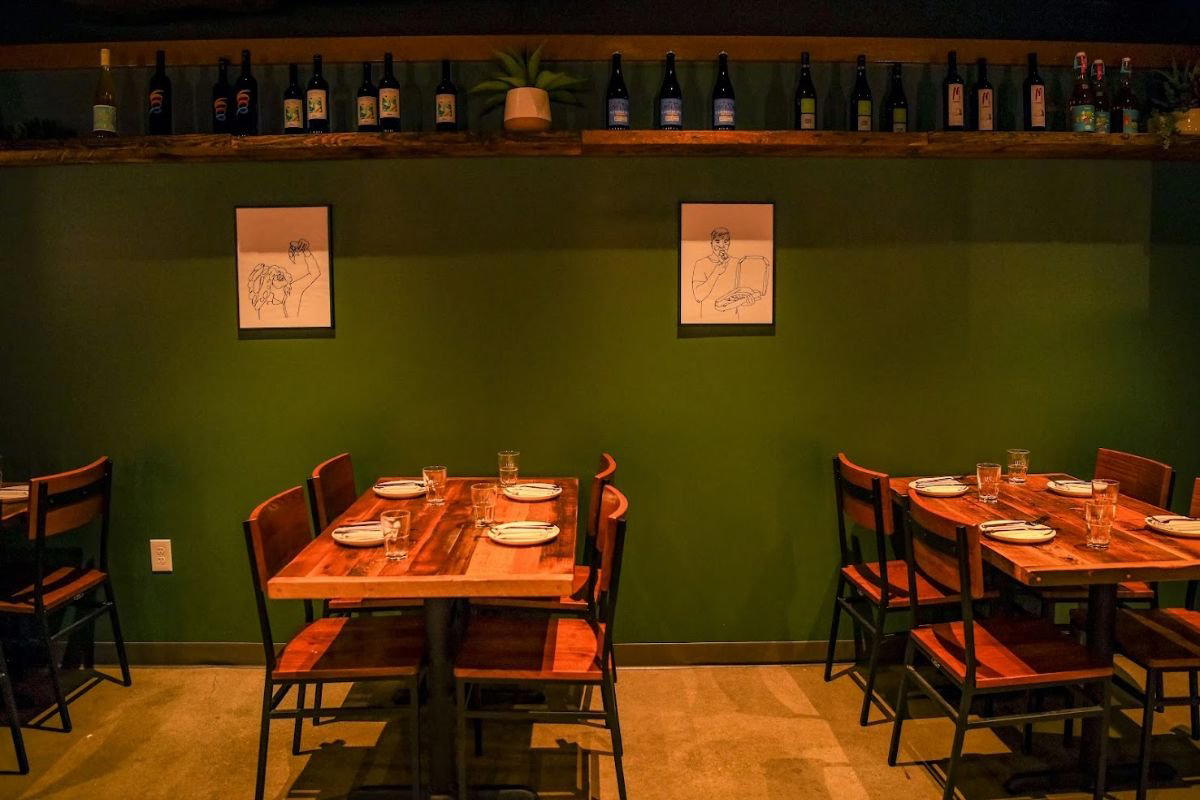
Cozy and cute atmosphere with warm and welcoming hospitality.