Everybody Eats Cafe' & Restaurant
Our verdict
On North Grand Boulevard in St. Louis's north side, Everybody Eats Cafe & Restaurant operates where community dining and everyday hospitality intersect. The name telegraphs a philosophy that shapes the room's atmosphere before the food arrives: a place where the ritual of sharing a meal is treated as an inclusive act, not a curated event. It occupies a stretch of the city that rewards visitors who move beyond the downtown dining circuit.

Pearl is the En Primeur Club membership app — saves, bookings, and concierge access live there. Same editors, same standards.
- Address
- 2812 N Grand Blvd, St. Louis, MO 63107
- Phone
- (314) 899-9029
- Website
- order.toasttab.com
- Directions
- Get directions
- Booking
- Book on OpenTable
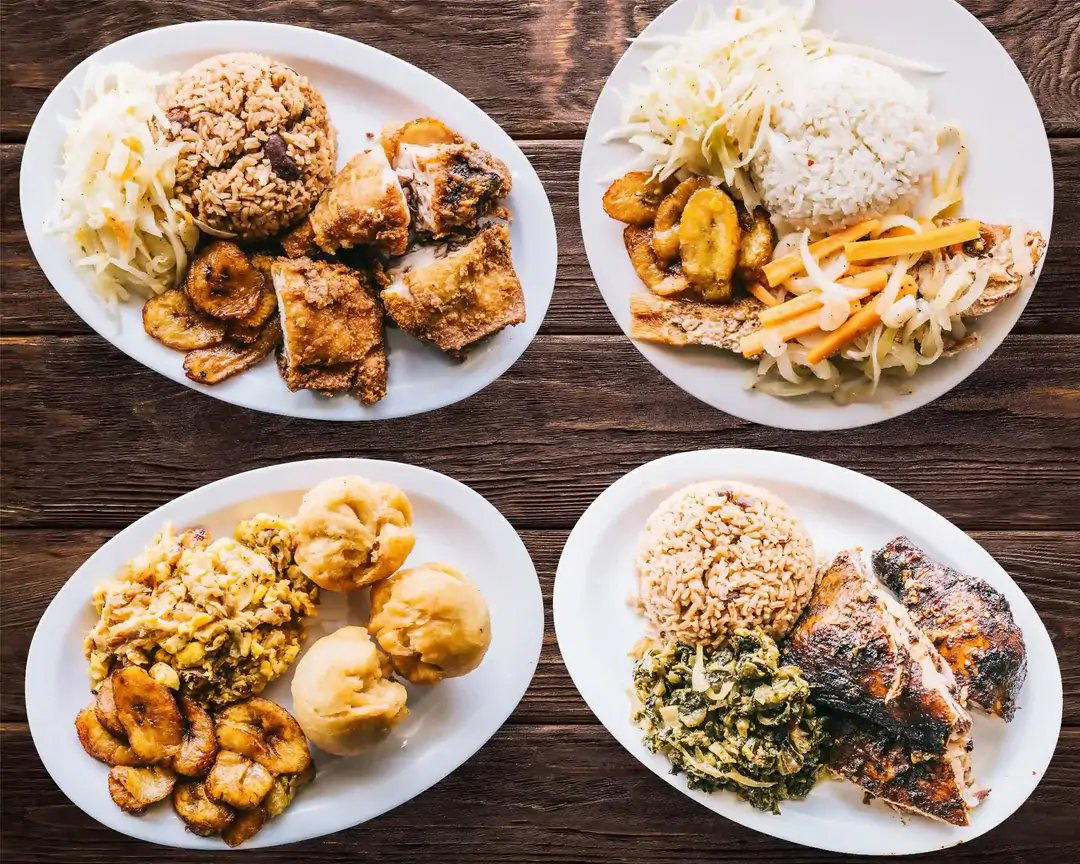
The menu
What to order
- Not Yo Mama Cajun Pasta
- Shrimp Étouffée
- Crab Cakes
- Crispy Catfish
- Turkey Smash Burger
North Grand and the Ritual of the Everyday Meal
There is a category of dining room that American food culture consistently undervalues: the neighborhood restaurant that functions less as a destination and more as a civic institution. On North Grand Boulevard, one of St. Louis's most historically layered commercial corridors, Everybody Eats Cafe & Restaurant operates in that register. The address, 2812 N Grand Blvd, places it in a part of the city that sits well outside the usual orbit of downtown dining itineraries, which is precisely why it reads differently from the polished restaurant rows that fill most curated lists.
North Grand runs through neighborhoods that carry decades of St. Louis history in their architecture and rhythm. Arriving here, you are not walking into a renovated warehouse district or a hospitality-group-managed block. The physical environment signals something more embedded: a restaurant that exists because the surrounding community needed it, not because a demographic study identified an underserved price tier. That distinction shapes how a meal here feels from the moment you approach the door.
How the Meal Takes Shape
The dining ritual at community-anchored restaurants in American cities tends to follow a different tempo than tasting-menu formats or chef-driven destination dining. There is no orchestrated pacing, no sommelier guiding you between courses, no choreographed reveal. What replaces that structure is a kind of social ease that more formal rooms spend considerable effort trying to simulate. The meal moves at the speed of the room, which in turn moves at the speed of the neighborhood.
This format sits at the opposite end of the spectrum from the high-investment dining experiences that dominate editorial coverage. Places like Le Bernardin in New York City, The French Laundry in Napa, or Blue Hill at Stone Barns in Tarrytown are built around highly controlled dining rituals where every element of the guest experience is scripted in advance. The ritual at a north-side St. Louis cafe operates on trust rather than choreography: trust that the food will be straightforwardly good, that the service will be direct, and that the room will feel like it belongs to the people in it.
That informality is not an absence of craft. It is a different application of it. Neighborhood restaurants in American cities have historically been where regional cooking traditions are preserved most honestly, often without the reinterpretation that fine-dining formats impose. The question a well-traveled diner should ask is not whether a place is formal, but whether what arrives at the table reflects genuine knowledge of the food being prepared.
St. Louis's North Side in Context
St. Louis's restaurant scene has concentrated significant attention on areas like the Central West End, Clayton, and the Grove corridor, where investment and foot traffic have driven a competitive bar for new openings. The north side operates outside that competition, which means that the restaurants it sustains tend to have deeper roots and less dependence on trend cycles. For a visitor or a local building a more complete picture of the city's dining geography, this is a meaningful distinction.
The broader St. Louis dining environment includes destinations like Annie Gunn's, which holds a strong position in the fine-casual Missouri dining tier, and Atomic Cowboy, which anchors the Grove's more eclectic end of the market. BaiKu Sushi Lounge and Anthonino's Taverna each occupy specific niches within the city's mid-range dining circuit. Al's Restaurant represents the longstanding white-tablecloth tradition on the riverfront. Everybody Eats does not position itself against any of these. It answers a different question entirely: who eats in this neighborhood, and what do they need from a restaurant?
For readers building a comprehensive view of what St. Louis offers across its full geography, the full St. Louis restaurants guide maps the city's dining in considerably more detail, including neighborhoods that don't always surface in mainstream coverage.
Where This Fits Among American Community Dining
American food journalism has spent the past decade producing coverage weighted toward chef-driven formats, tasting menus, and the kind of destination dining represented by Smyth in Chicago, Lazy Bear in San Francisco, Providence in Los Angeles, or Addison in San Diego. These are serious restaurants worthy of serious attention. But the coverage imbalance has left a gap in how readers understand everyday dining as a cultural practice.
Internationally, mission-driven dining formats have attracted sustained critical attention. Atelier Moessmer Norbert Niederkofler in Brunico operates around a explicit set of sourcing and community principles that have earned it significant recognition. Atomix in New York City has built its identity around a defined ritual of hospitality that the room's design reinforces at every step. Single Thread Farm in Healdsburg integrates agriculture and dining into a unified experience with a fixed, deliberate format. These are different expressions of the same underlying question: what does a restaurant owe the people who eat in it?
A neighborhood cafe on North Grand answers that question differently than any of those rooms, but it is not an unserious answer. Community-anchored dining in American cities carries its own tradition of obligation, one that predates the modern restaurant industry's obsession with destination status. Emeril's in New Orleans and The Inn at Little Washington in Washington each built their identities in part around a relationship to their specific communities, even as they scaled into nationally recognized institutions. The north-side St. Louis model operates at a fraction of that scale, without the press infrastructure, but with the same foundational logic.
Planning a Visit
Visitors to North Grand from other parts of St. Louis should plan to drive or use a rideshare, as the corridor is not well-served by transit routes that most hotel-area tourists encounter naturally. The neighborhood rewards those who come with time rather than a compressed itinerary. Arriving without a reservation expectation and settling into the room's pace is the appropriate approach for this type of establishment. Given the community focus of the operation, weekday lunches and early dinners tend to reflect the neighborhood's daily rhythm most clearly, which is when the room functions most organically as the civic space it is designed to be.
Frequently asked questions
Would Everybody Eats Cafe & Restaurant be comfortable with kids?
Yes. A north-side St. Louis neighborhood cafe at this price positioning is among the more kid-accommodating formats the city offers.
Is Everybody Eats Cafe & Restaurant better for a quiet night or a lively one?
If you are in St. Louis looking for the kind of controlled, low-noise environment that a fine-dining room provides, this is not the format for that evening. If the room runs true to its neighborhood cafe character, expect ambient community noise and a social atmosphere that reflects the block rather than a curated dining experience. Without formal awards or a structured service program in the record, the room's energy is more likely to track with what the neighborhood brings in on a given night than with any managed hospitality tone.
What's the signature dish at Everybody Eats Cafe & Restaurant?
No specific dishes are documented in the available record. Arriving open to whatever the kitchen is running with confidence that day is the sensible approach for a community restaurant of this type, where the menu often reflects local sourcing patterns and what's moving well in the neighborhood rather than a fixed chef-driven program.
Does Everybody Eats Cafe & Restaurant reflect any particular food tradition rooted in St. Louis's north-side community?
North St. Louis has historically been home to a significant African American culinary tradition, and restaurants on and around North Grand have often served as anchors for that community's food culture. Visitors interested in the full context of St. Louis's food geography should treat the north side as a distinct chapter, not a footnote.
How It Stacks Up
Comparable venues nearby, for context on price, style, and recognition.
| Venue | Cuisine | Price | Notes |
|---|---|---|---|
| Everybody Eats Cafe' & RestaurantThis venue — the venue you are viewing | Southern Cajun Fusion | Not listed | Not listed |
| Pat Connolly's | Classic American Pub Fare | $20–30 | Clayton-Tamm |
| Small Batch Whiskey & Fare | Modern Vegetarian Whiskey Bar | Not listed | Midtown |
| Retreat Gastropub | Modern American Gastropub | $30–50 | Central West End |
| Polite Society | Modern American Gastropub | $50–100 | Lafayette Square |
| Cardinals Nation | American Sports Bar & Grill | $20–30 | Downtown |
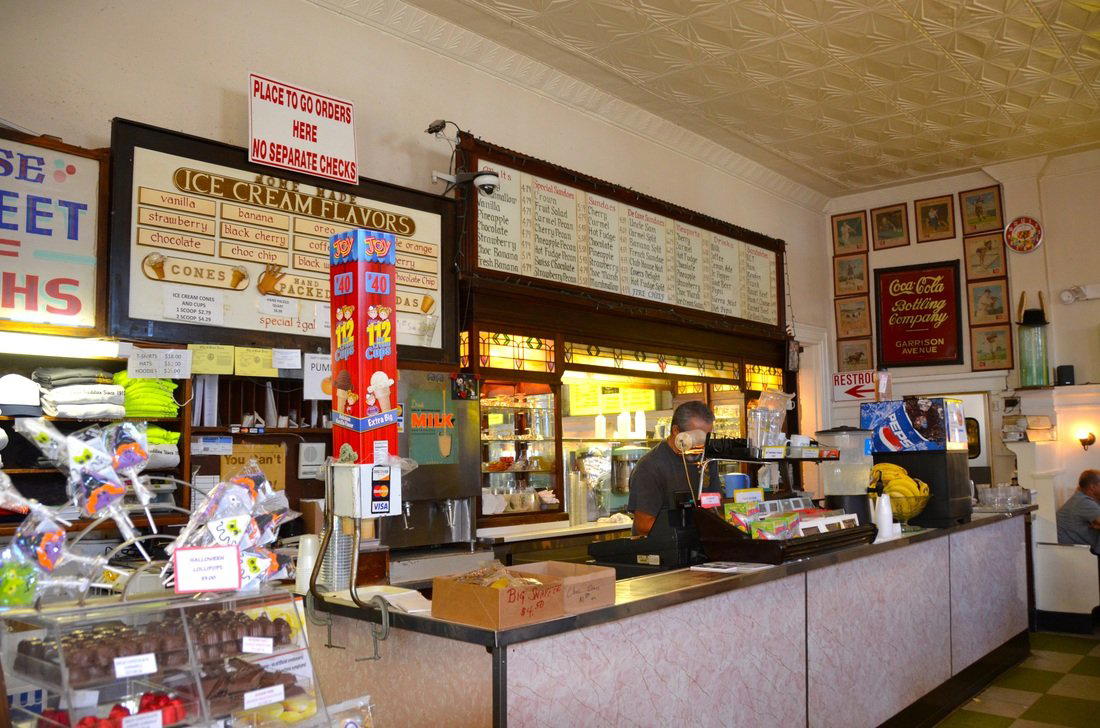
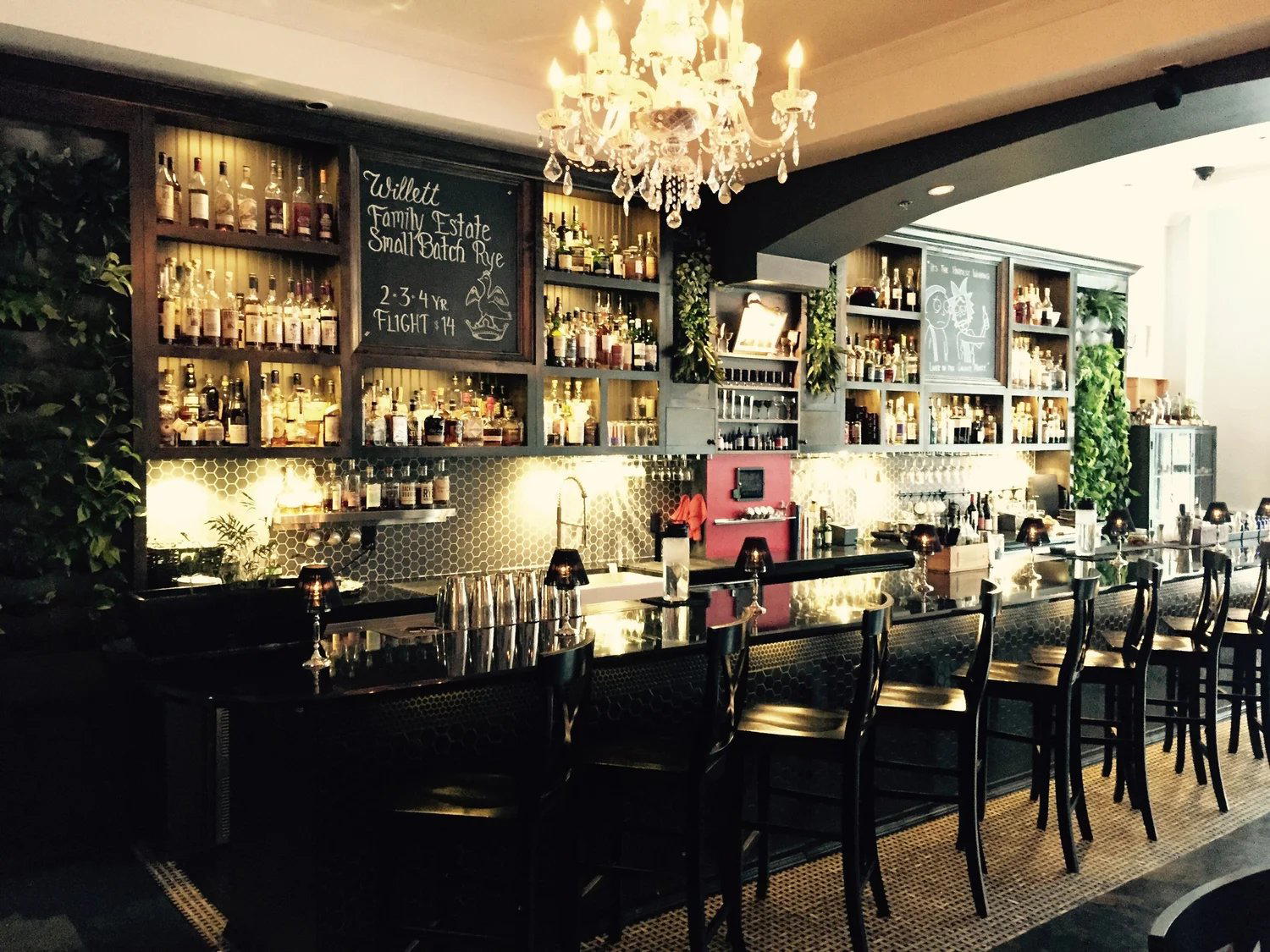
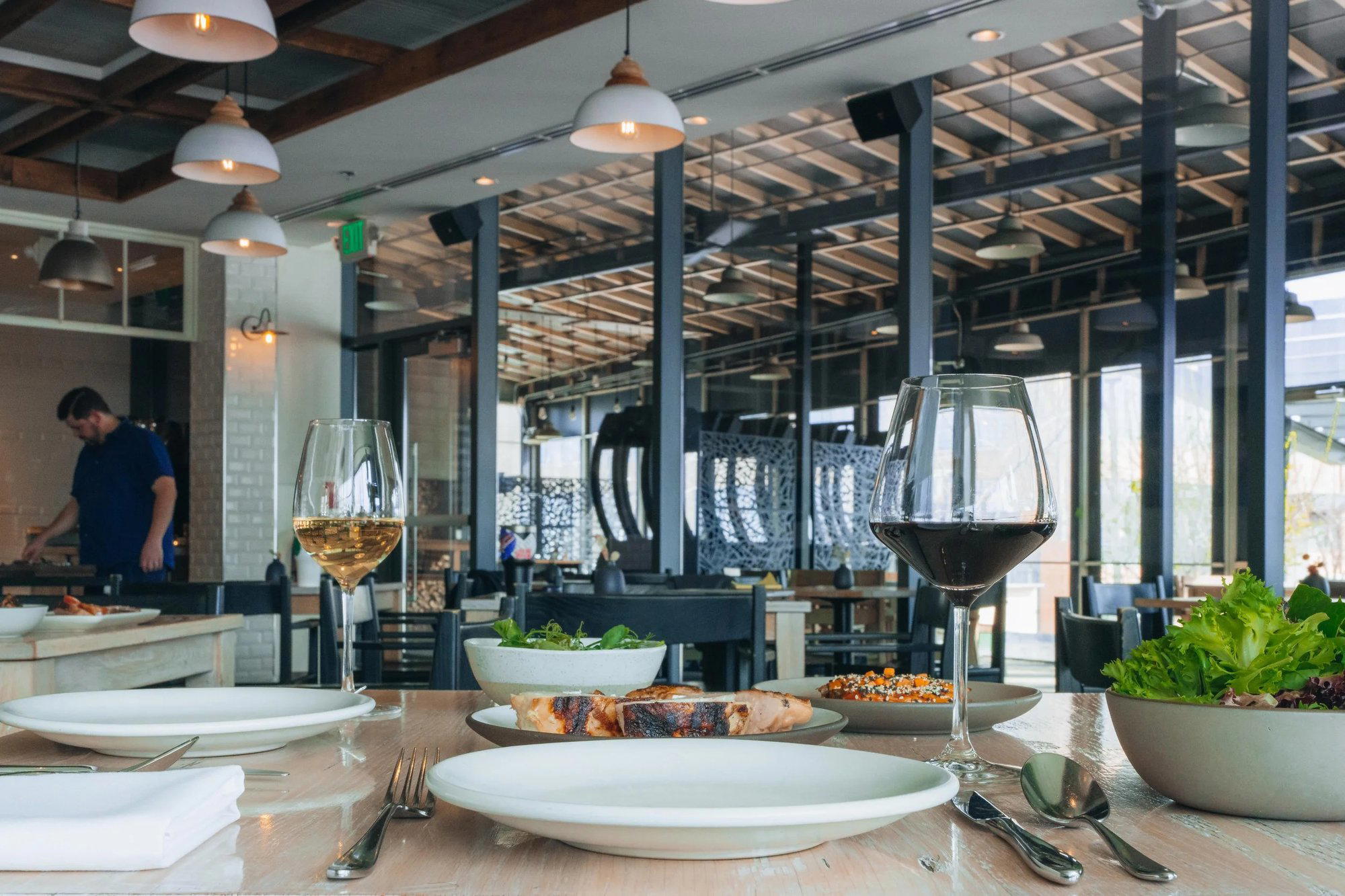
Details
- Lively
- Casual
- Casual Hangout
- Group Dining
- Family
- Standalone
- A La Carte
- Southern Sweet Peach Tea
Casual, lively atmosphere with moderate noise level suitable for diverse dining occasions