Etsu
Etsu on The Strand occupies a specific position in Liverpool's dining scene: a Japanese-leaning restaurant in a city where Asian fine dining has historically been underrepresented relative to its size. The menu architecture rewards attention, moving through formats and flavours in a way that reflects considered kitchen thinking rather than crowd-pleasing breadth.
Pearl is the En Primeur Club membership app — saves, bookings, and concierge access live there. Same editors, same standards.
- Address
- 25 The Strand, Liverpool L2 0XJ, United Kingdom
- Phone
- +441512367530
- Website
- etsu-restaurant.co.uk
- Directions
- Get directions
 Saves & bookings on Pearl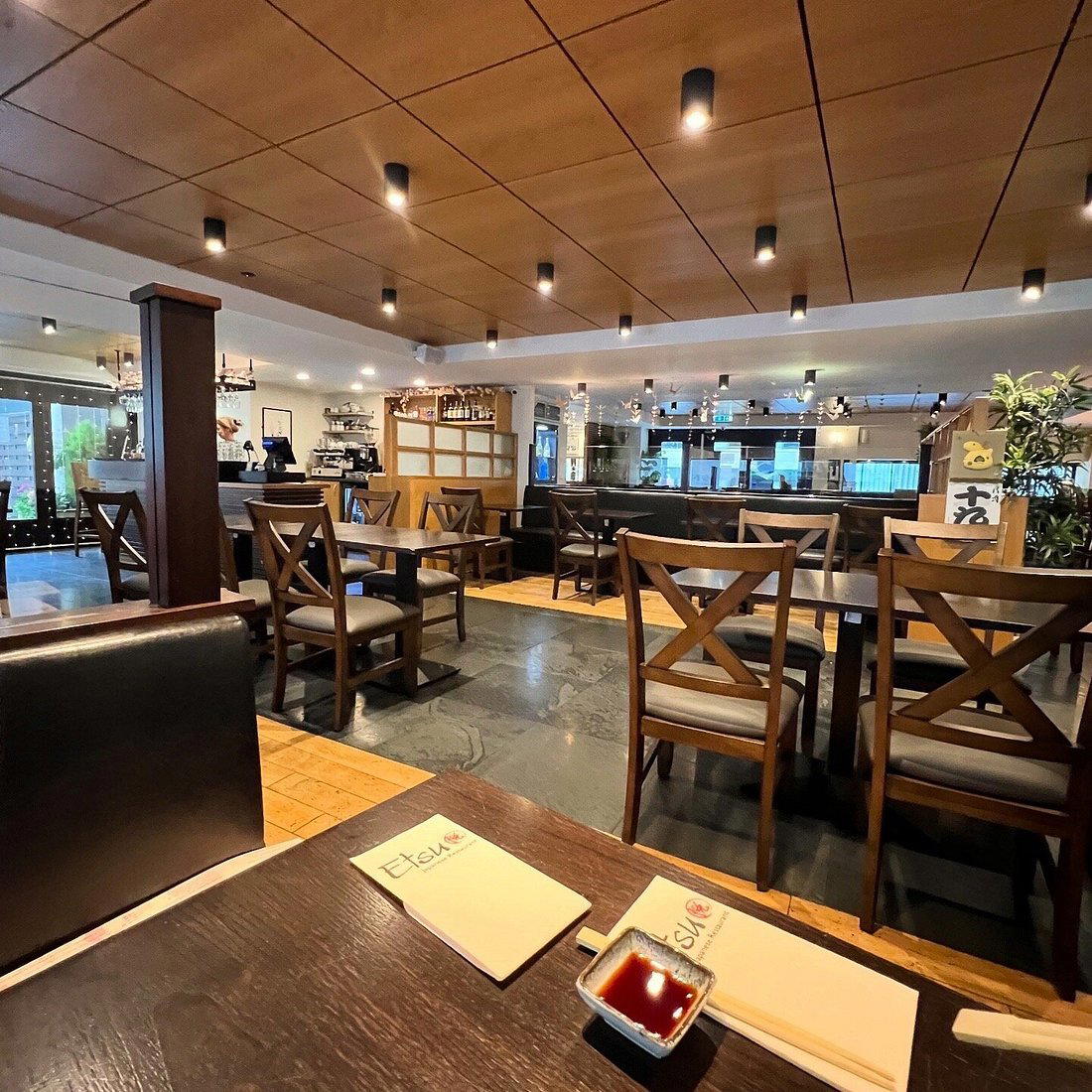
The Strand, and What It Asks of a Japanese Restaurant
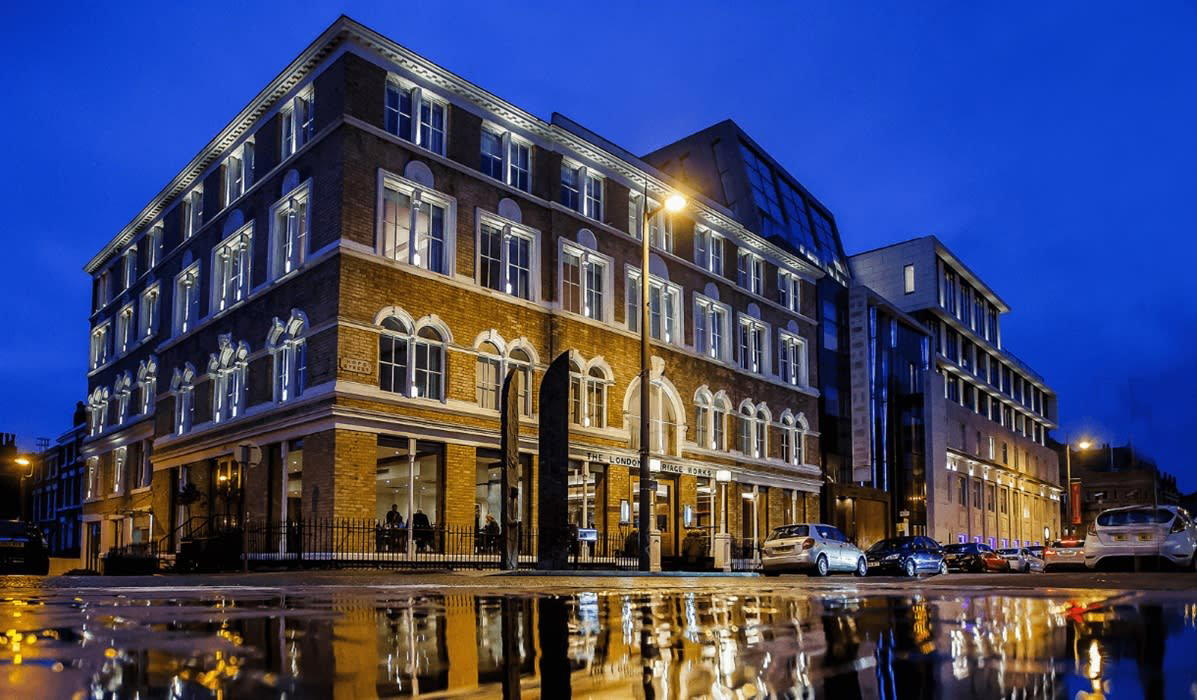
Liverpool's waterfront strip has changed considerably over the past two decades. The Strand, once defined by transit infrastructure and office blocks, now sits adjacent to a regenerated dock quarter that draws both city residents and visitors in meaningful numbers. It is a location that rewards restaurants willing to hold a clear identity rather than pitch to passing footfall alone. Etsu, at 25 The Strand, has staked its position in that environment, offering a Japanese-oriented menu in a city where that category occupies a narrower slice of the dining conversation than you find in Manchester or London.
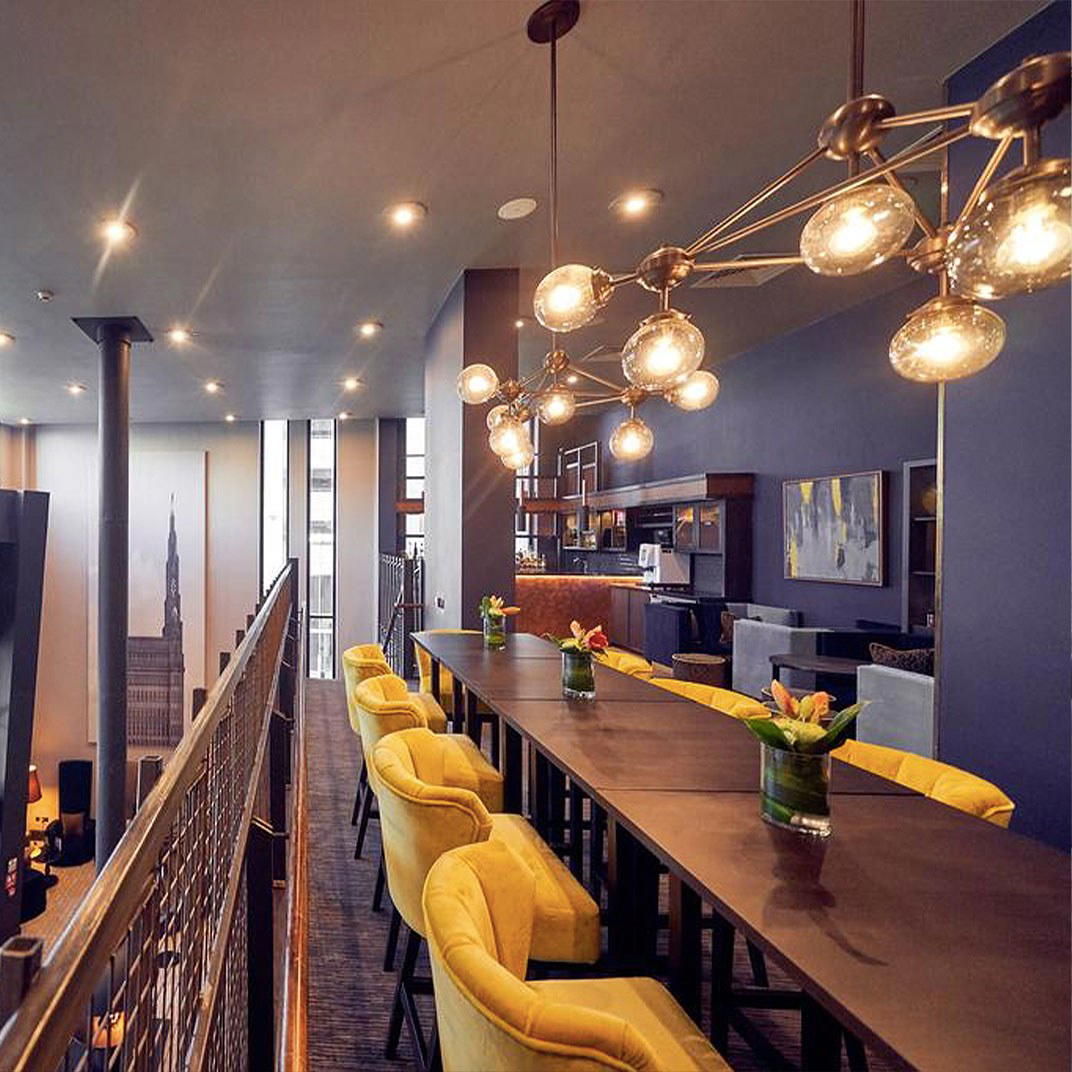
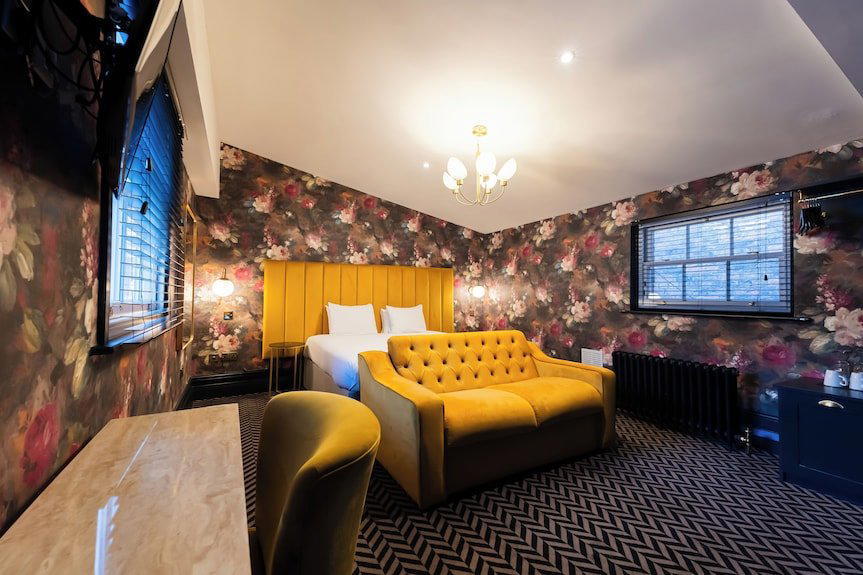
The interior registers as considered rather than decorative. Japanese restaurant design in the UK frequently defaults to either minimalist blankness or over-signposted cultural reference. What matters more than the surface aesthetic is what the space asks of the diner: to slow down, pay attention, and engage with a menu that has some structural logic to it.
Menu Architecture as Editorial Statement
The way a menu is organised tells you more about a kitchen's priorities than any promotional copy. Japanese dining formats in the UK exist on a spectrum: at one end, the broad pan-Asian menus that treat sushi, tempura, and teriyaki as interchangeable offerings; at the other, the narrow, disciplined formats of omakase counters in London and Edinburgh where the kitchen controls the sequence entirely. Etsu operates in the territory between those poles, which is where most serious Japanese restaurants outside the capital have to position themselves to remain commercially viable while maintaining culinary coherence.
That middle ground is genuinely difficult to execute. It requires a menu wide enough to serve different dining occasions but structured tightly enough that it doesn't read as a list of compromises. The question any Japanese restaurant in a regional UK city has to answer is: which traditions are we drawing on, and how faithfully? Liverpool diners comparing options across the city will find that Belzan and Bistrot Vérité each occupy tightly defined culinary positions — modern European and classic French respectively — and that clarity is part of what makes them legible to their audiences. A Japanese restaurant faces the same demand for legibility, across a cuisine that most British diners still encounter in a fragmented way.
Japanese menus in the UK tend to separate into cold raw preparations, hot small plates, and larger format dishes. The internal logic of that sequencing, when it works, creates a meal with genuine movement. When it doesn't, the courses feel arbitrary. Etsu's menu structure positions it as a restaurant thinking about that sequencing rather than simply listing options.
Where Etsu Sits in Liverpool's Dining Order
Liverpool's restaurant scene has matured significantly since the early 2010s. The city now supports a range of dining registers, from accessible neighbourhood spots like Cafe Tabac and Delifonseca Dockside through to more destination-oriented dining at the upper end. Relative to the wider UK, the city's highest-achieving restaurants are benchmarked against places like Moor Hall in Aughton and L'Enclume in Cartmel in the northwest region, while nationally the bar is set by operations such as CORE by Clare Smyth in London, Waterside Inn in Bray, and further afield Ynyshir Hall in Machynlleth. Etsu is not competing in that tier, nor is it trying to.
At that level of the market, the question Etsu has to answer is one of consistency and value clarity, not culinary avant-gardism.
Compared to what Japanese dining looks like at a higher price point nationally, the tasting counter formats of London operations, or internationally the omakase tradition that places like Le Bernardin in New York City and Lazy Bear in San Francisco represent in adjacent fine dining traditions, Etsu is working with different constraints and different ambitions. That's not a criticism. Regional Japanese dining in the UK serves a genuine purpose: it brings a cuisine to audiences who wouldn't otherwise encounter it at a credible level, and it sustains local kitchen talent in a category that has historically depended on London for its serious practitioners.
Planning a Visit
Etsu sits on The Strand in Liverpool city centre, placing it within easy reach of Lime Street and the central bus network, and a short walk from the waterfront. For those visiting Liverpool across multiple meals, our full Liverpool restaurants guide maps the broader dining scene across neighbourhoods and price points. The restaurant's position on The Strand means it draws a mixed crowd: city workers at lunch, leisure diners in the evening, and visitors using the waterfront as a base. That mix tends to produce a room that reads as relaxed rather than formal, which aligns with the kind of Japanese dining format Etsu represents. For higher-end regional comparison, Opheem in Birmingham, Midsummer House in Cambridge, Gidleigh Park in Chagford, Hand and Flowers in Marlow, and hide and fox in Saltwood illustrate how seriously the UK's regional dining scene is developing beyond London, even as Liverpool's own scene continues to build its upper tier.
Accolades, Compared
| Venue | Cuisine | Price | Awards |
|---|---|---|---|
| EtsuThis venue — the venue you are viewing | Not listed | Not listed | This venue |
| Belzan | Modern Cuisine | ££ | Modern Cuisine |
| Bistrot Vérité | Classic French | ££ | Classic French |
| Manifest | Modern British | £££ | Modern British |
| Mowgli Water Street | Indian | Not listed | Indian |
| Vetch | Modern Cuisine | ££££ | Modern Cuisine |
Continue exploring
More in Liverpool
Restaurants in Liverpool
Browse all →
Bars in Liverpool
Browse all →

At a Glance
- Cozy
- Intimate
- Elegant
- Modern
- Date Night
- Special Occasion
- Family
- Open Kitchen
- Sake Program
Current opening hours
- Monday
- Closed
- Tuesday
- 5–9 PM
- Wednesday
- 5–9 PM
- Thursday
- 5–9 PM
- Friday
- 4–10 PM
- Saturday
- 4–10 PM
- Sunday
- 4–9 PM
Hours can change for holidays and private events. Last verified .
Cozy and relaxed with simple, clean, understated decor, soft background music, and a serene, authentic Japanese feel.
Know Before You Go
- Getting there
- 25 The Strand, Liverpool L2 0XJ, United Kingdom