
Michelin Plate
Our verdict
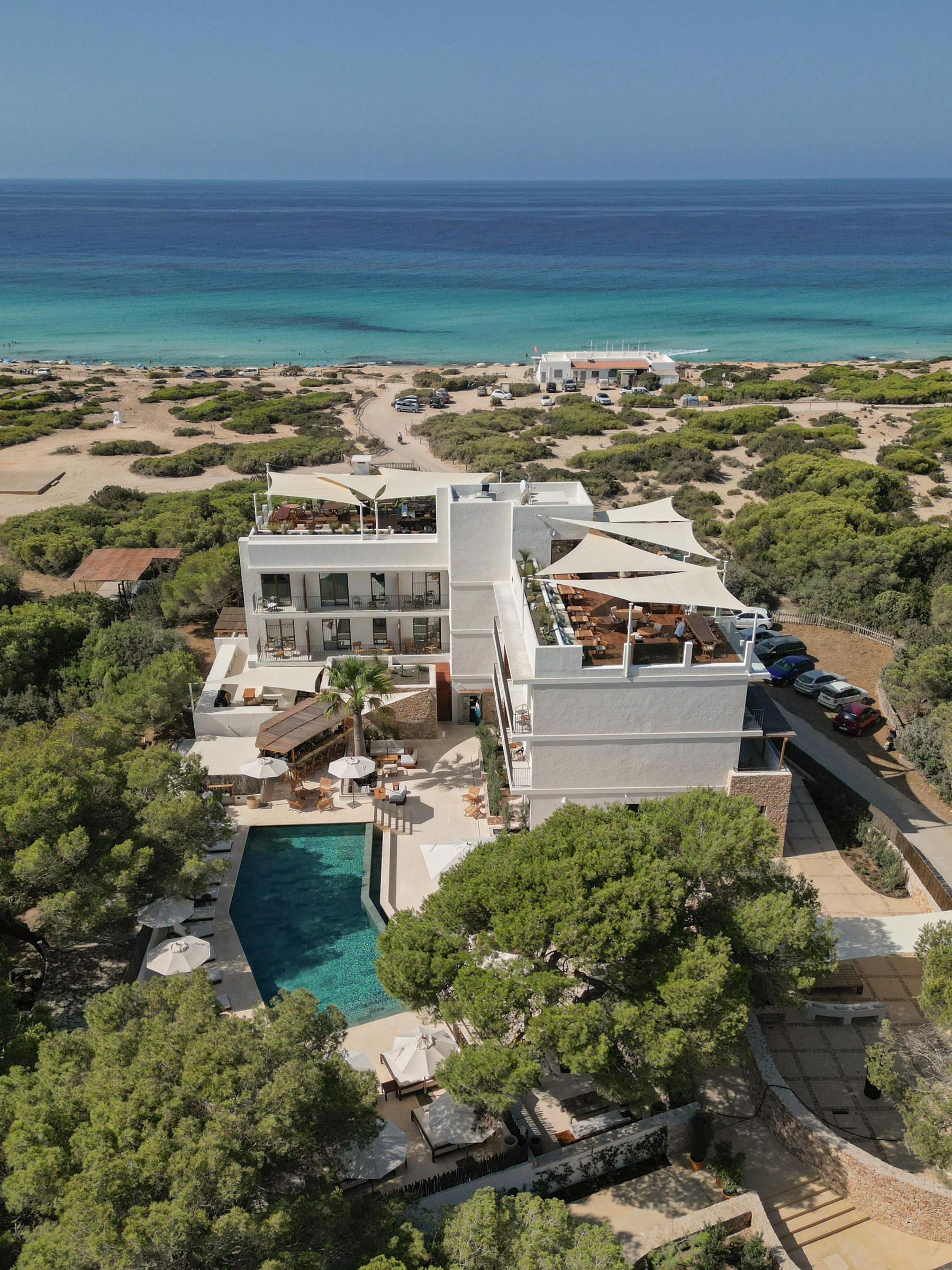
A Michelin Plate-recognised address on Formentera's quieter eastern coast, Es Caló earns its recognition through a focused Mediterranean menu anchored in rice dishes and fideuás. The setting, overlooking a stretch of turquoise water, frames food that draws from the sea immediately in front of you. Daily recommendations shift with the catch, keeping the kitchen honest and the table interesting.

Pearl is the En Primeur Club membership app — saves, bookings, and concierge access live there. Same editors, same standards.
- Address
- de Sant Agustí, Carrer del Vicari Joan Marí, 14, 07872 Es Caló de Sant Agustí, Illes Balears, Spain
- Phone
- +34 971 32 73 11
- Hours
- Daily 1–11 PM
- Website
- restauranteescalocarta.com
- Directions
- Get directions
The menu
What to order
- Paella de pescado y marisco
- Bullit de Peix
- Arroces
Where the Balearic Sea Sets the Menu
There is a particular logic to eating rice dishes and fideuás beside the water that produced their ingredients. Along Formentera's eastern edge, where the coastline opens onto shallow turquoise shallows, that logic operates with unusual directness. Es Caló de Sant Agustí is a small inlet village, quiet by almost any Mediterranean standard, and the restaurants that survive here do so by staying closely tied to what the surrounding sea offers rather than chasing the resort-driven crowds of the island's busier western shore. Es Caló, the restaurant, sits within that tradition — a Michelin Plate recipient in both 2024 and 2025, positioned in a price tier (€€€) that reflects serious intent without signalling the theatrical formality of Spain's three-star circuit.
The Spanish coastline has a long tradition of rice-centred restaurants that function almost as maritime ledgers: what arrives at the table reflects what was pulled from local waters that morning, filtered through a kitchen's accumulated technical knowledge. Quique Dacosta in Dénia — see our profile of Quique Dacosta in Dénia, has made that connection the foundation of some of Spain's most formally ambitious seafood cooking. Es Caló operates at a different register, grounded and unfussy, but the underlying logic is the same: the sea is the source, and the menu should answer to it.
The Approach to Sourcing and What It Produces
Rice dishes and fideuás are technically demanding in ways that aren't always obvious from the outside. Both formats require a socarrat, the caramelised crust that forms at the base of a well-executed paella pan, that depends on precise heat control and the right ratio of stock to grain or noodle. More importantly, they act as vehicles for whatever seafood is folded into them, which means their quality is directly tied to the proximity and freshness of the catch. On a small island like Formentera, with a working fishing community and limited cold-chain complexity, that sourcing chain is short.
The Michelin recognition for Es Caló specifically references the Fideuá ciega de pescado: a pan-cooked noodle dish built around cuttlefish, monkfish, scallops, and mussels. That particular combination reads as a cross-section of what the local seabed offers, bottom-caught cephalopods alongside white fish and bivalves. The dish is described as arriving in a paella pan, which signals a commitment to the traditional presentation format rather than the plated modernism that characterises addresses like Cocina Hermanos Torres in Barcelona or DiverXO in Madrid. Es Caló is not making an argument for reinvention; it is making an argument for getting the traditional format right.
The daily recommendations that sit alongside the fixed menu serve a specific function: they allow the kitchen to respond to what is actually available rather than being locked into a printed list that can drift out of season. In practice, that means the most interesting option on any given day may not be on the menu at all. Asking what has come in that morning is the more useful approach than reading the card leading to bottom.
The Setting and What It Adds
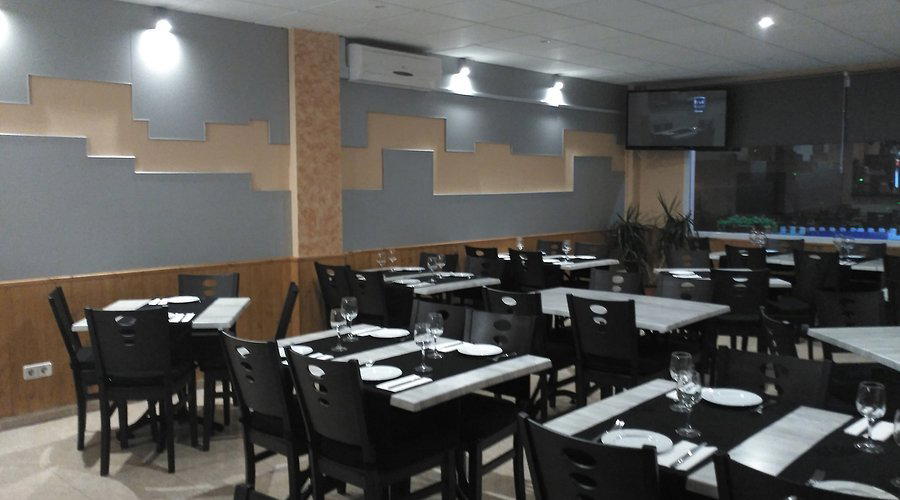
Overlooking a turquoise sea from a table at a Formentera inlet is not a neutral experience. The visual connection between the view and the contents of the paella pan is explicit, the same water, the same species. That correspondence is part of what makes the format work in this location in ways it wouldn't in, say, a landlocked restaurant importing frozen shellfish. The Balearic light is also a material factor: midday service here is bright and warm, which changes how the food reads and how long a table tends to last. Es Caló operates within a Mediterranean dining rhythm where lunch is the serious meal and the timeline is elastic.
The atmosphere is consistent with what Formentera's east coast produces more broadly: low-key, unhurried, with the kind of clientele that has sought out a quieter end of an already quiet island. This is not the Ibiza-adjacent scene that dominates some Formentera coverage.
Es Caló in the Context of Spanish Mediterranean Cooking
Spain's most celebrated Mediterranean-facing kitchens, Aponiente in El Puerto de Santa María, El Celler de Can Roca in Girona, Ricard Camarena in València, operate at a level of technical and conceptual ambition that puts them in a different category from what Es Caló does. But they share a foundation: respect for coastal ingredients and the understanding that proximity to source is a culinary advantage worth preserving rather than abstracting away.
The Michelin Plate, which Es Caló has held consecutively, denotes good cooking that merits attention without carrying the star hierarchy attached to addresses like Arzak in San Sebastián, Azurmendi in Larrabetzu, or Martin Berasategui in Lasarte-Oria. It places Es Caló in a tier where the cooking is taken seriously without requiring the orchestration and investment that three-star dining demands. For comparison, Auga in Gijón and Auberge Grand'Maison in Mûr-de-Bretagne occupy similar traditional-cuisine, Michelin-recognised positions in their respective coastal contexts, each making the case that proximity to the sea remains a legitimate organising principle for a restaurant's identity. Mugaritz in Errenteria and Atrio in Cáceres represent the other end of that spectrum, where the culinary conversation has moved well beyond regional sourcing into formal experimentation.
Planning a Visit
Es Caló de Sant Agustí sits on Formentera's quieter eastern flank, which means arriving by ferry from Ibiza and then travelling across the island, a short journey by scooter or hire car, given Formentera's compact dimensions. The address is Carrer del Vicari Joan Marí, 14, in Es Caló de Sant Agustí, for anyone mapping a route from La Savina, the main ferry port. The €€€ price tier places a full meal here above casual beach dining but well below what a starred restaurant would cost, making it a reasonable anchor for a serious lunch. No booking contact details are currently listed through this platform, so reservations are leading pursued on arrival or through local accommodation staff who will have direct lines. Given the volume of positive reviews and the summer concentration of visitors on the island, arriving with a reservation rather than walking in is the safer approach during peak season, which runs from June through August.
For more on what the area offers, see our full Es Caló restaurants guide, along with resources covering hotels, bars, wineries, and experiences in Es Caló.
Frequently asked questions
Is Es Caló more mid-range or high-end?
Pricing at Es Caló is listed as €€€.
What's Es Caló's location?
Es Caló is located at de Sant Agustí, Carrer del Vicari Joan Marí, 14, 07872 Es Caló de Sant Agustí, Illes Balears, Spain, Es Caló.
Fast Comparison
| Venue | Cuisine | Awards |
|---|---|---|
| Es CalóThis venue — the venue you are viewing | Mediterranean Seafood | Michelin Plate |
| Aponiente | Progressive - Seafood, Creative | Michelin 3 Star |
| Arzak | Modern Basque, Creative | Michelin 3 Star |
| DiverXO | Progressive - Asian, Creative | Michelin 3 Star |
| El Celler de Can Roca | Progressive Spanish, Creative | Michelin 3 Star |
| Quique Dacosta | Creative | Michelin 3 Star |
Recognition history
Dated appearances from independent guides and award organizations, with the underlying list record or original source where available.
Michelin Plate
Michelin
Full recognition history (3 entries)
Michelin Plate
Michelin
Michelin Plate
Michelin
Continue exploring
More in Es Caló
Restaurants in Es Caló
Browse all →
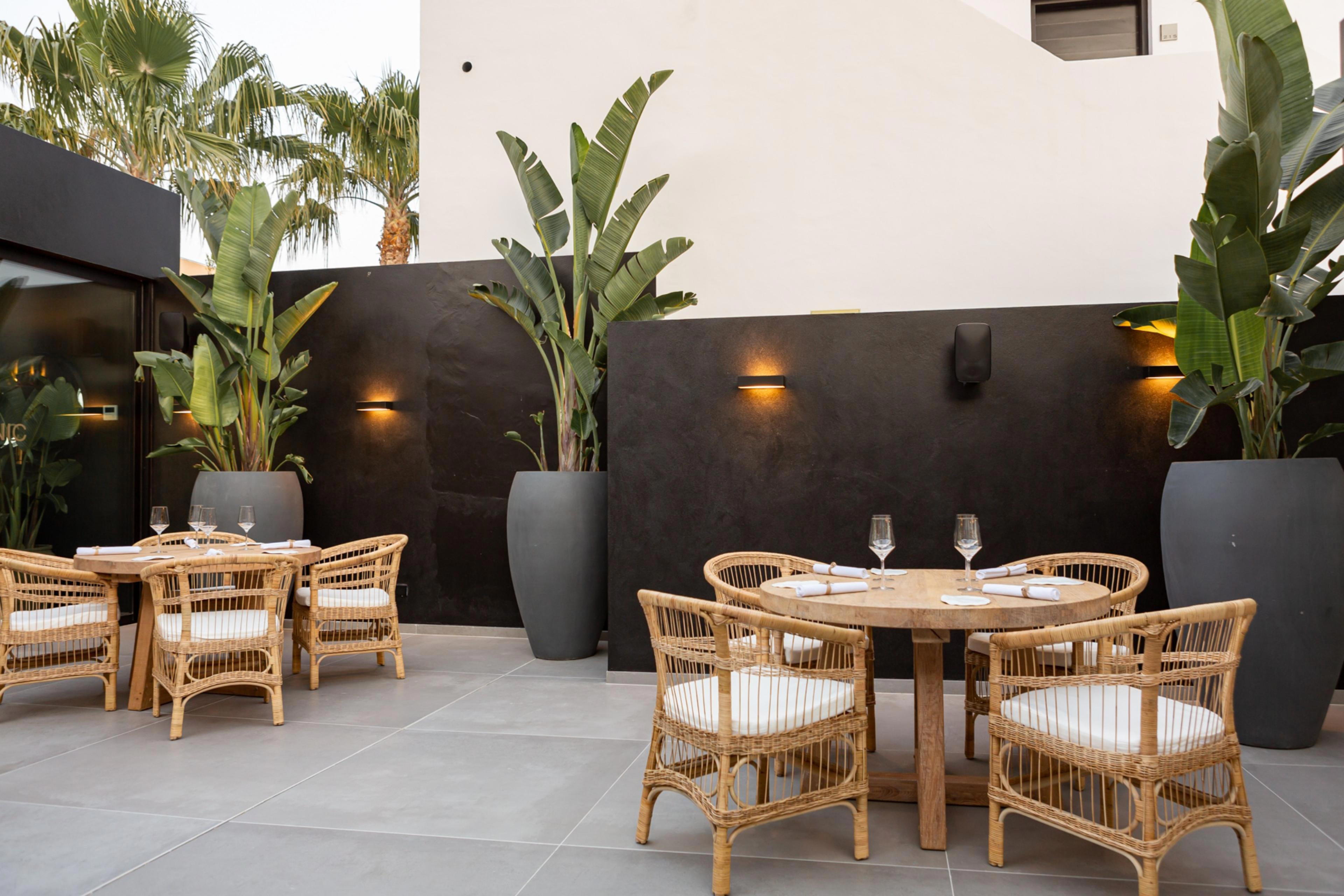
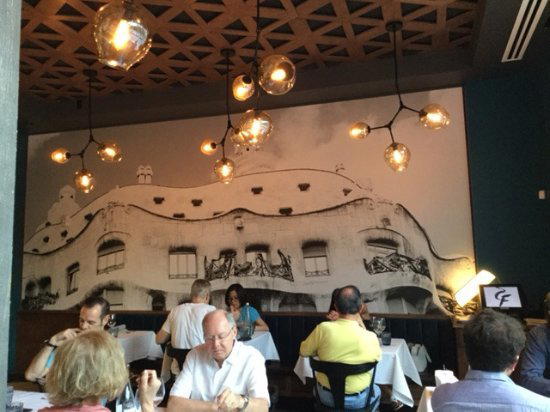
Bars in Es Caló
Browse all →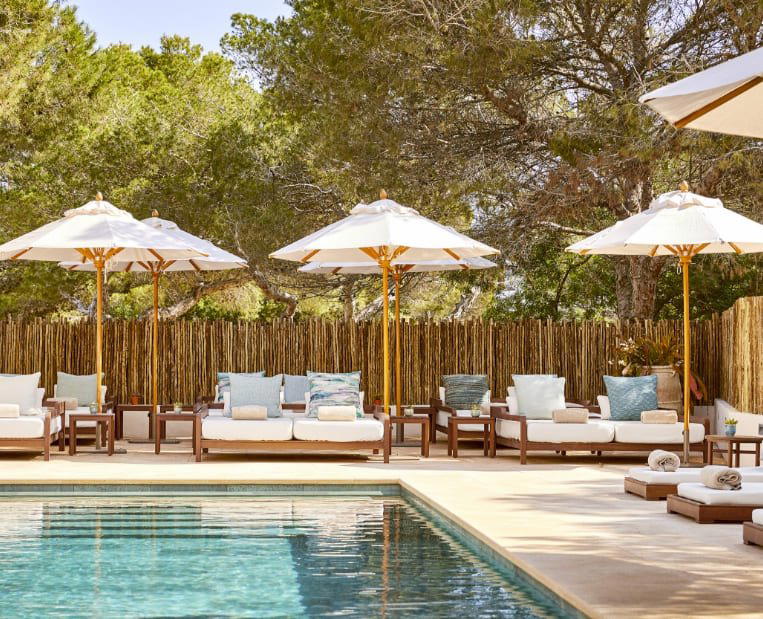
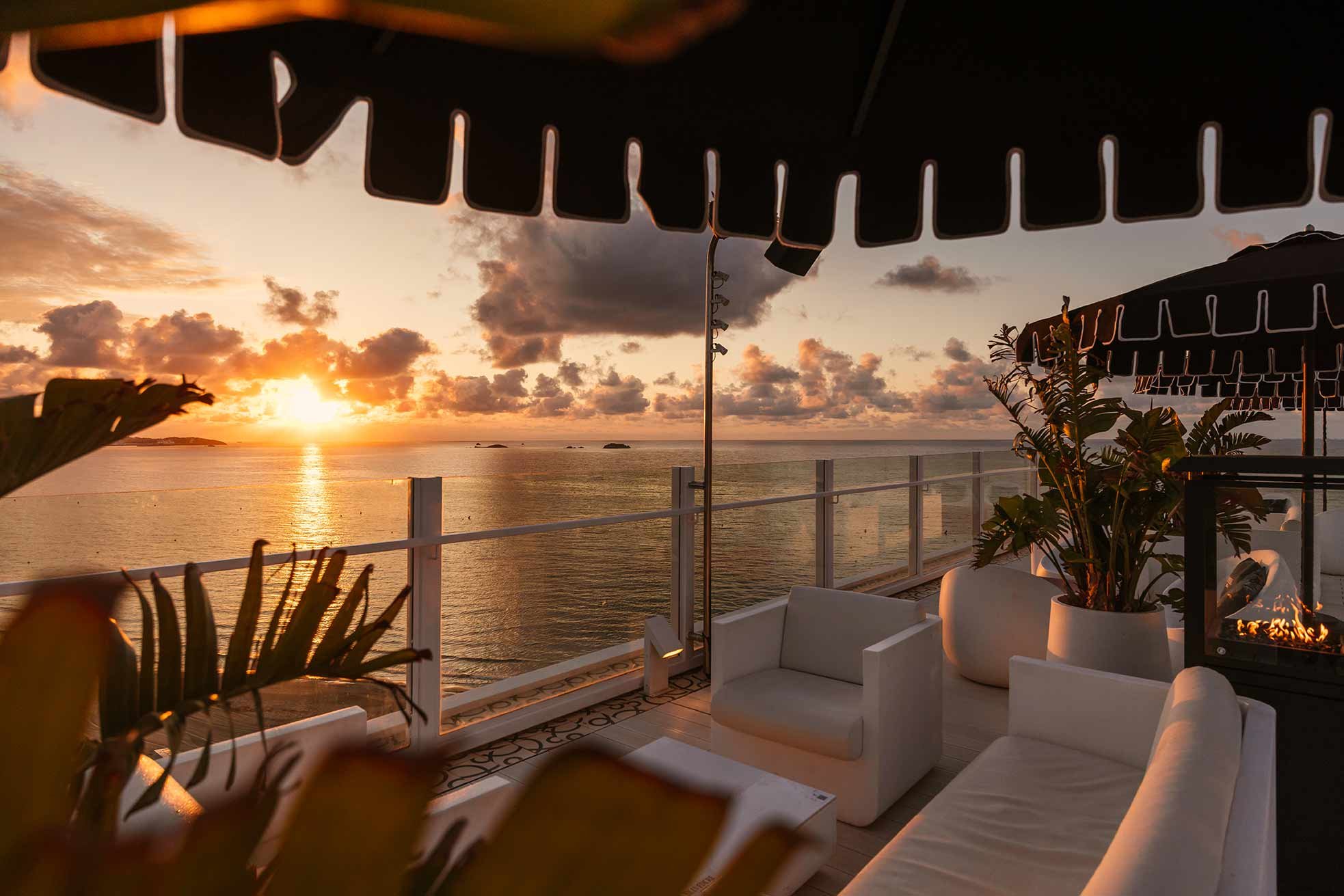
Hotels in Es Caló
Browse all →
Wineries in Es Caló
Browse all →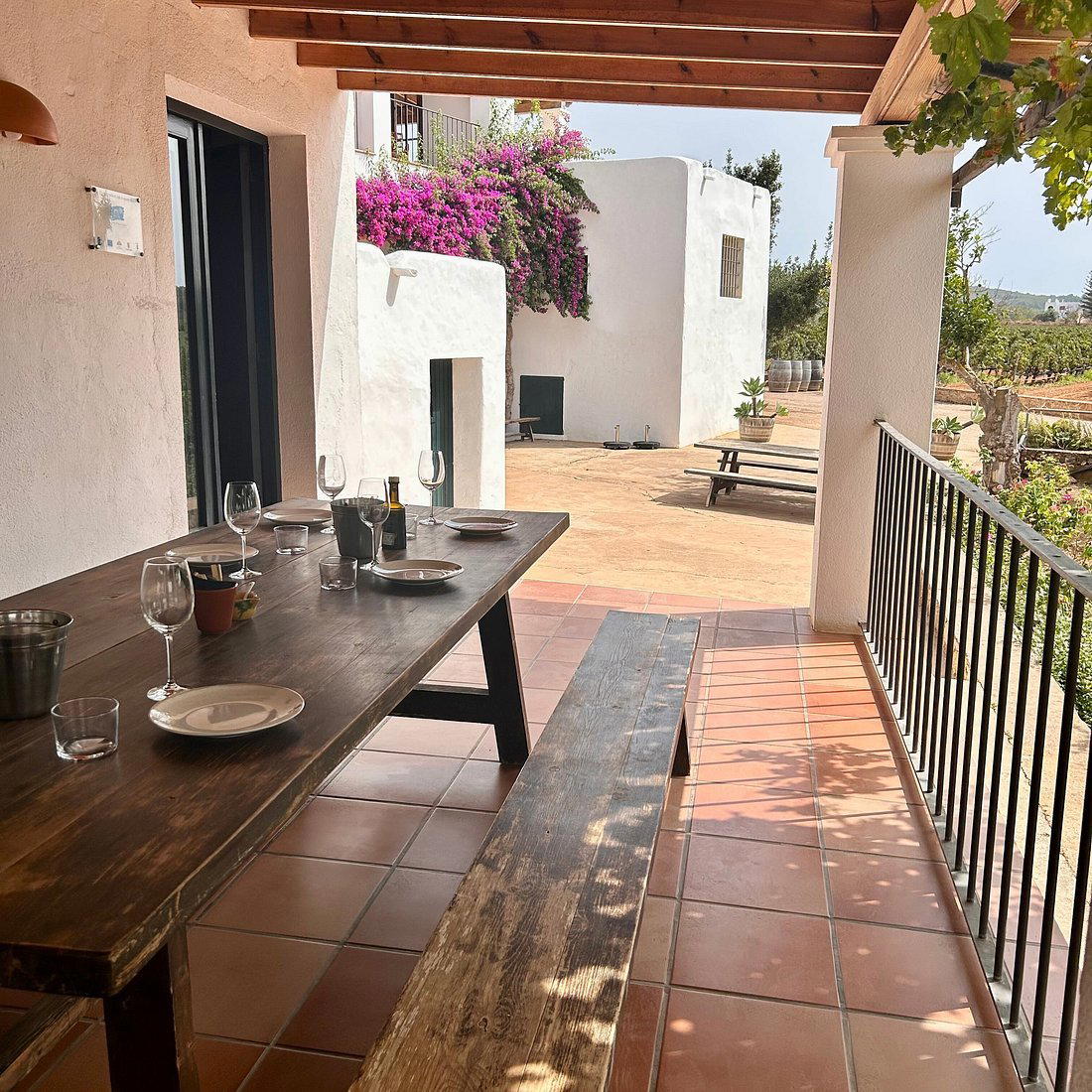
Details
- Scenic
- Rustic
- Elegant
- Date Night
- Special Occasion
- Waterfront
- Terrace
- Extensive Wine List
- Waterfront
- A La Carte
- Small Plates
- Vegetarian Friendly
- Gluten Free Options
Current opening hours
- Monday
- 1–11 PM
- Tuesday
- 1–11 PM
- Wednesday
- 1–11 PM
- Thursday
- 1–11 PM
- Friday
- 1–11 PM
- Saturday
- 1–11 PM
- Sunday
- 1–11 PM
Hours can change for holidays and private events. Last verified .
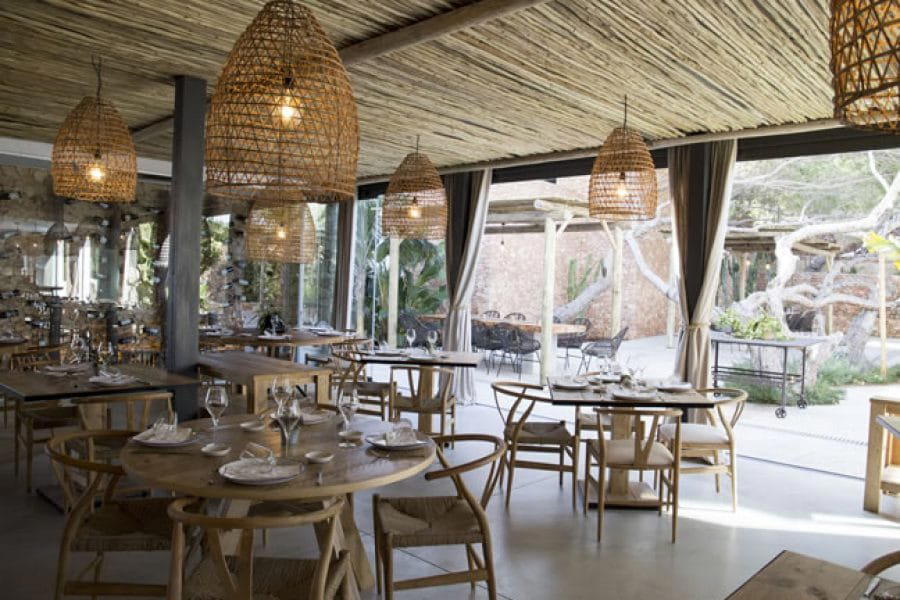
Beautiful terrace overlooking the sea with an elegant yet lively atmosphere.