Emerald City Bar & Grill
On Martin Luther King Jr Blvd in Dallas's 75215 corridor, Emerald City Bar & Grill occupies a stretch of South Dallas that has long operated outside the city's restaurant spotlight. The address places it within a neighbourhood defined by community anchoring rather than culinary tourism, making it a reference point for the kind of everyday dining culture that rarely surfaces in mainstream Dallas food coverage.
Pearl is the En Primeur Club membership app — saves, bookings, and concierge access live there. Same editors, same standards.
- Address
- 2532 Martin Luther King Jr Blvd, Dallas, TX 75215
- Phone
- +1 214 421 4648
- Directions
- Get directions
 Saves & bookings on Pearl
South Dallas and the Streets That Don't Make the Guides
The 75215 zip code runs along a section of Dallas that most dining coverage skips entirely. The restaurant clusters that draw national attention sit north and northwest: the Design District's chef-driven rooms, Uptown's expense-account steakhouses, Knox-Henderson's rotating parade of concepts. South Dallas operates on a different register. The dining here tends toward community permanence rather than trend cycles, and Martin Luther King Jr Blvd functions as a neighbourhood main street in the truest sense, with businesses that hold their position across years rather than seasons.
Emerald City Bar & Grill at 2532 Martin Luther King Jr Blvd sits inside that context. The address alone signals something about the intended audience and the operating logic: this is neighbourhood infrastructure, not destination dining. Understanding what the venue represents requires understanding what South Dallas has historically lacked in terms of food media attention, and why addresses like this one carry weight for the residents who rely on them.
The Technique Question in a City of Imported Influences
Dallas has always absorbed culinary technique from outside its borders and applied it to local product and local appetite. The dynamic is not unique to Texas, but it takes a particular form here. The city's food culture absorbed Gulf Coast seafood preparation, Northern Mexico grill traditions, and successive waves of Southeast Asian influence from its substantial Vietnamese and South Asian communities, all overlaid on a barbecue and beef culture that remains the loudest identifier in national food conversation.
The intersection of imported method and local ingredient is where the more interesting work happens in Dallas dining. Venues like Tatsu Dallas represent one end of that spectrum: Japanese technique applied with precision to a Dallas dining public that has absorbed enough omakase culture to sustain a serious counter. Mamani approaches the question from a different angle, bringing South American framework to a city with strong Latin dining roots. At the bar-and-grill format level, the question of technique meets a more democratic brief: how do you apply care and method to food that is supposed to cost fifteen dollars and arrive in twenty minutes?
That democratic brief is exactly where South Dallas venues like Emerald City operate. The bar-and-grill format in American cities has its own culinary logic: it is not trying to be Le Bernardin or The French Laundry. It is trying to be reliable, present, and correct for its neighbourhood. The standard by which it should be assessed is different from that applied to Smyth in Chicago or Providence in Los Angeles, and conflating those two registers is a category error that food media makes constantly.
South Dallas Dining: What the Neighbourhood Represents
The stretch of MLK Blvd in Dallas carries historical and cultural weight that shapes what any restaurant operating there means to its community. South Dallas has historically been underserved by investment, including restaurant investment, relative to the northern corridors of the city. That context makes the presence of a functioning bar and grill with a stable address something more than a food service business. It is also a social anchor, a space where the neighbourhood converges outside domestic walls.
Across American cities, that function has proved more durable than most trend-driven restaurant concepts. The venues that survive ten or fifteen years in South Dallas, in South Chicago, in parts of Atlanta and Baltimore and New Orleans, tend to be the ones that understood their community role first and their culinary identity second. Emeril's in New Orleans built name recognition through a different model entirely, as has Blue Hill at Stone Barns in Tarrytown. The comparison is not about quality equivalence; it is about the fact that durability in the restaurant business takes radically different forms depending on the operating context.
The Bar-and-Grill Format in 2024
The American bar and grill is a format with a longer and more complex history than its current cultural position suggests. Before the rise of the fast-casual tier and the chef-driven tasting menu, the bar and grill occupied a central position in neighbourhood food life across US cities. It absorbed influences from Black American cooking traditions, from regional barbecue culture, from Caribbean and Central American immigration waves, and from the beer-and-wings economy that developed alongside professional sports television. The format is genuinely hybrid by nature.
Venues at the premium end of the national dining scene, including Single Thread Farm in Healdsburg, Addison in San Diego, and The Inn at Little Washington, draw explicit attention to sourcing and provenance because their price points require that narrative. At the bar-and-grill level, sourcing is present whether documented or not: the brisket comes from somewhere, the catfish comes from somewhere, the hot sauce is from somewhere. The editorial conversation around local ingredients and applied technique has simply not extended down into this format tier in most American food media, which is a gap rather than a reflection of what is actually happening in these kitchens.
Within Dallas specifically, the format sits alongside a competitive set that includes 360 Brunch House, 3Eleven Kitchen and Cocktails, and the city's substantial barbecue tier anchored by operators like 12 Cuts Brazilian Steakhouse. Each of these sits in a different price and format bracket, but they collectively describe the range of options available to Dallas diners who are not booking two weeks ahead for a tasting menu counter.
Planning a Visit to Emerald City Bar & Grill
The venue sits at 2532 Martin Luther King Jr Blvd, Dallas TX 75215. Specific hours, booking methods, and current pricing are not published in verified form at the time of writing, and the venue does not maintain a listed website or phone number in current directories. For visitors planning to go, arrival in person or through direct community-level information channels is the most reliable approach. The address is accessible by car from central Dallas, and the South Dallas corridor is navigable from the I-45 and I-30 corridors that run through the area.
For diners building a broader Dallas itinerary, the full Dallas restaurants guide maps the city's dining across formats and neighbourhoods, covering both the northern dining clusters and the South Dallas context that receives less systematic coverage. International context for technique-led dining at higher price tiers appears in EP Club's coverage of Atomix in New York City, Lazy Bear in San Francisco, and Atelier Moessmer Norbert Niederkofler in Brunico, each of which represents a different model for how technique and local product combine at the fine-dining end of the spectrum.
At a Glance
- Lively
- Energetic
- Casual Hangout
- Group Dining
- Live Music
- Beer Program
Current opening hours
- Monday
- Closed
- Tuesday
- 11 AM–11 PM
- Wednesday
- 11 AM–11 PM
- Thursday
- 11 AM–11 PM
- Friday
- 11 AM–2 AM
- Saturday
- 11 AM–2 AM
- Sunday
- 11 AM–4 PM
Hours can change for holidays and private events. Last verified .
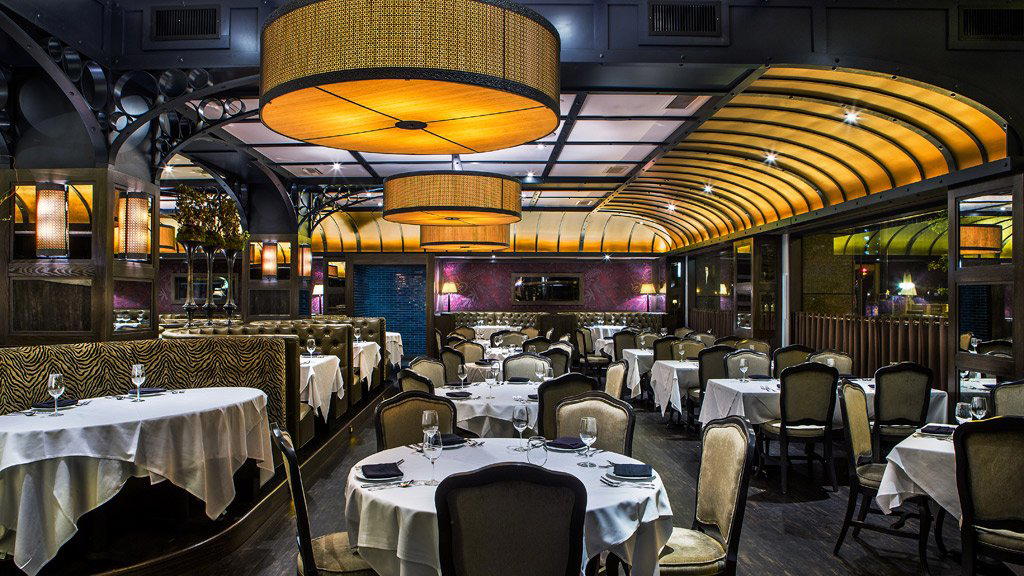
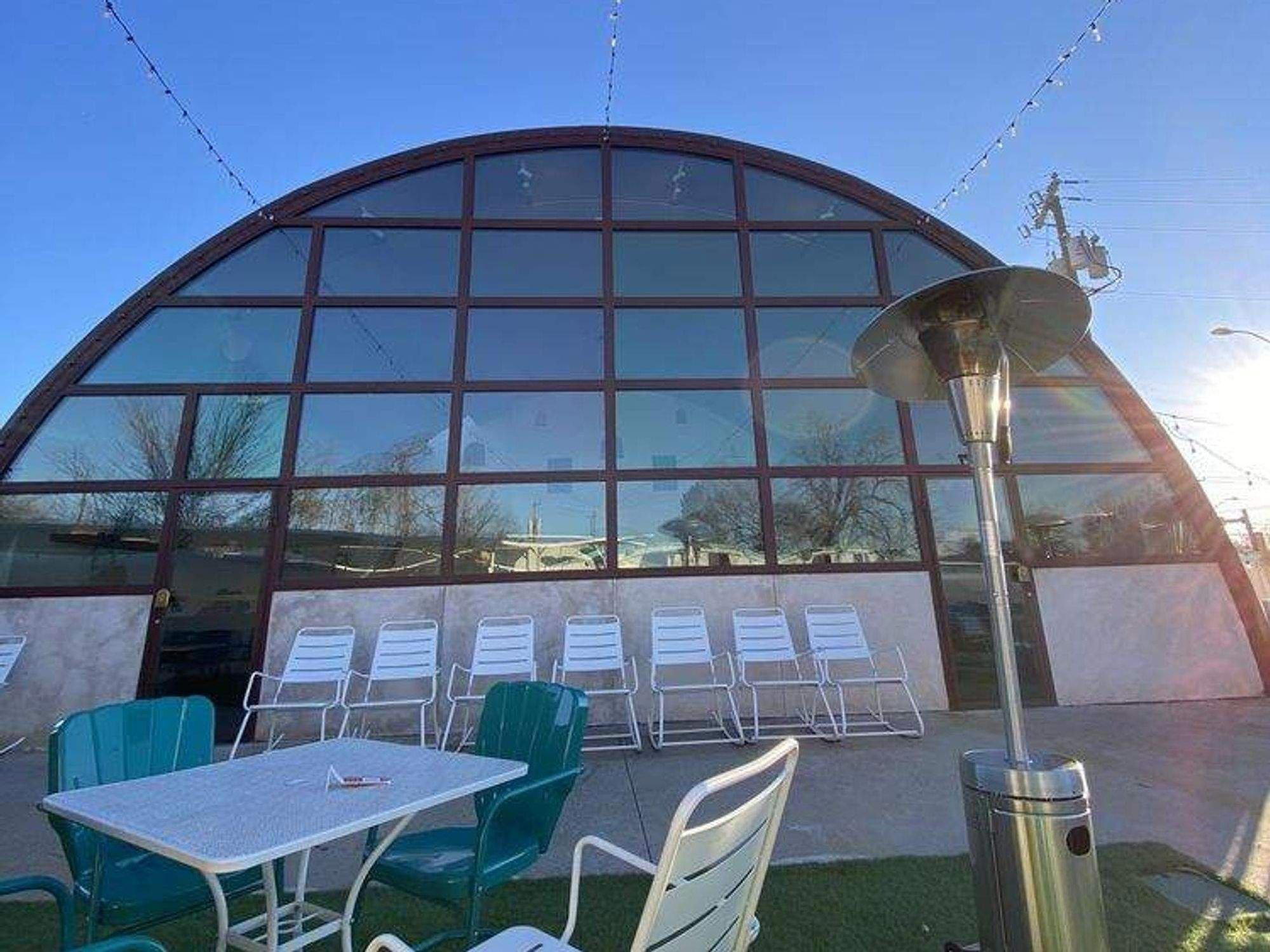
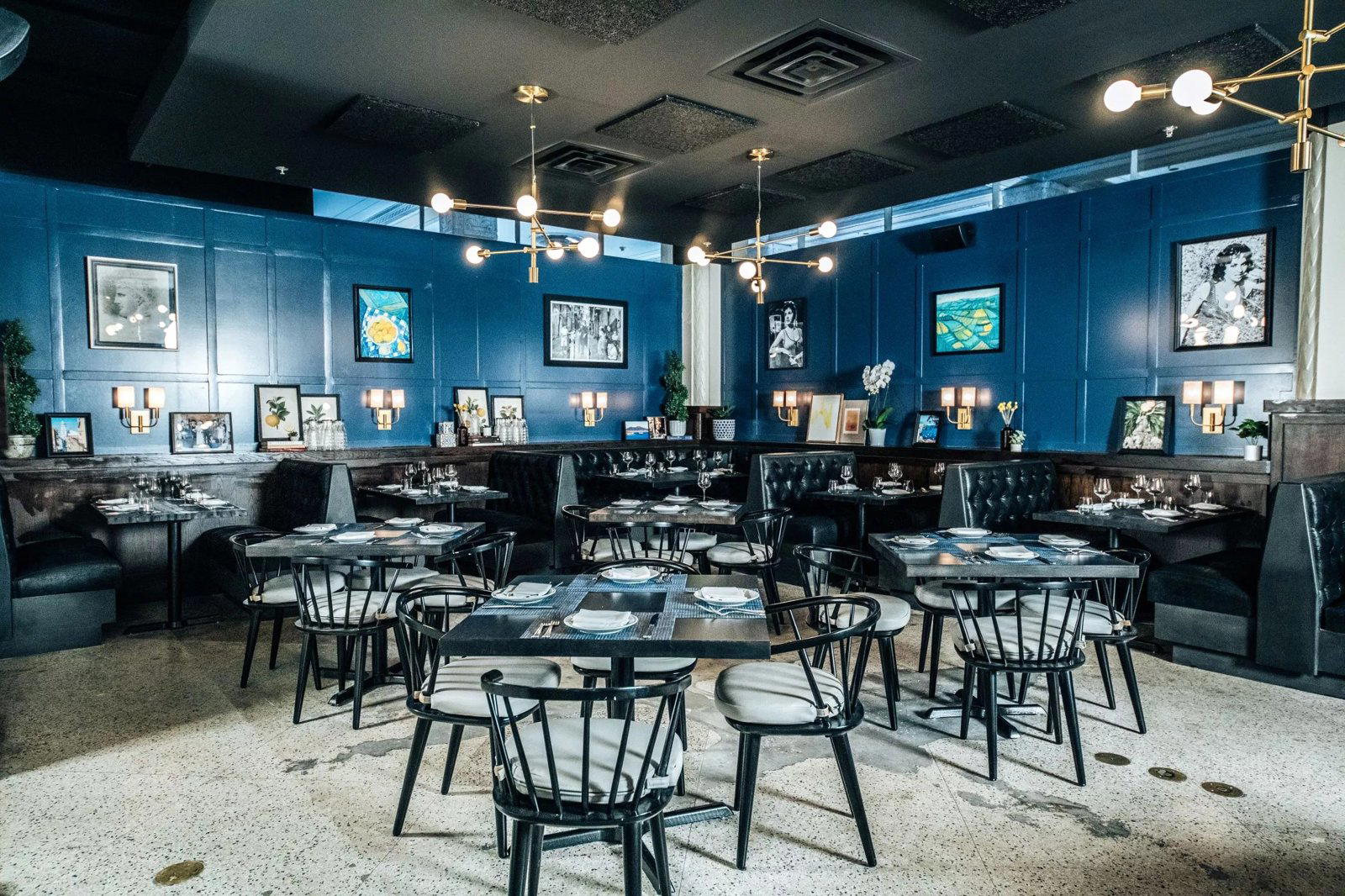
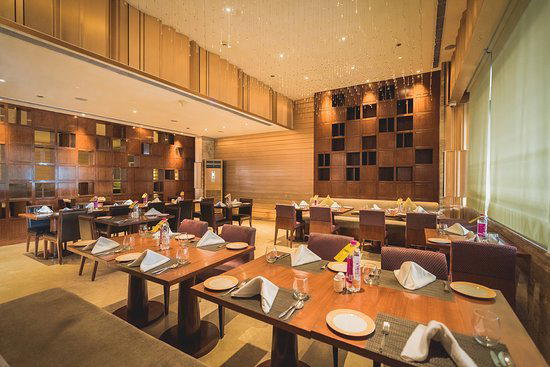
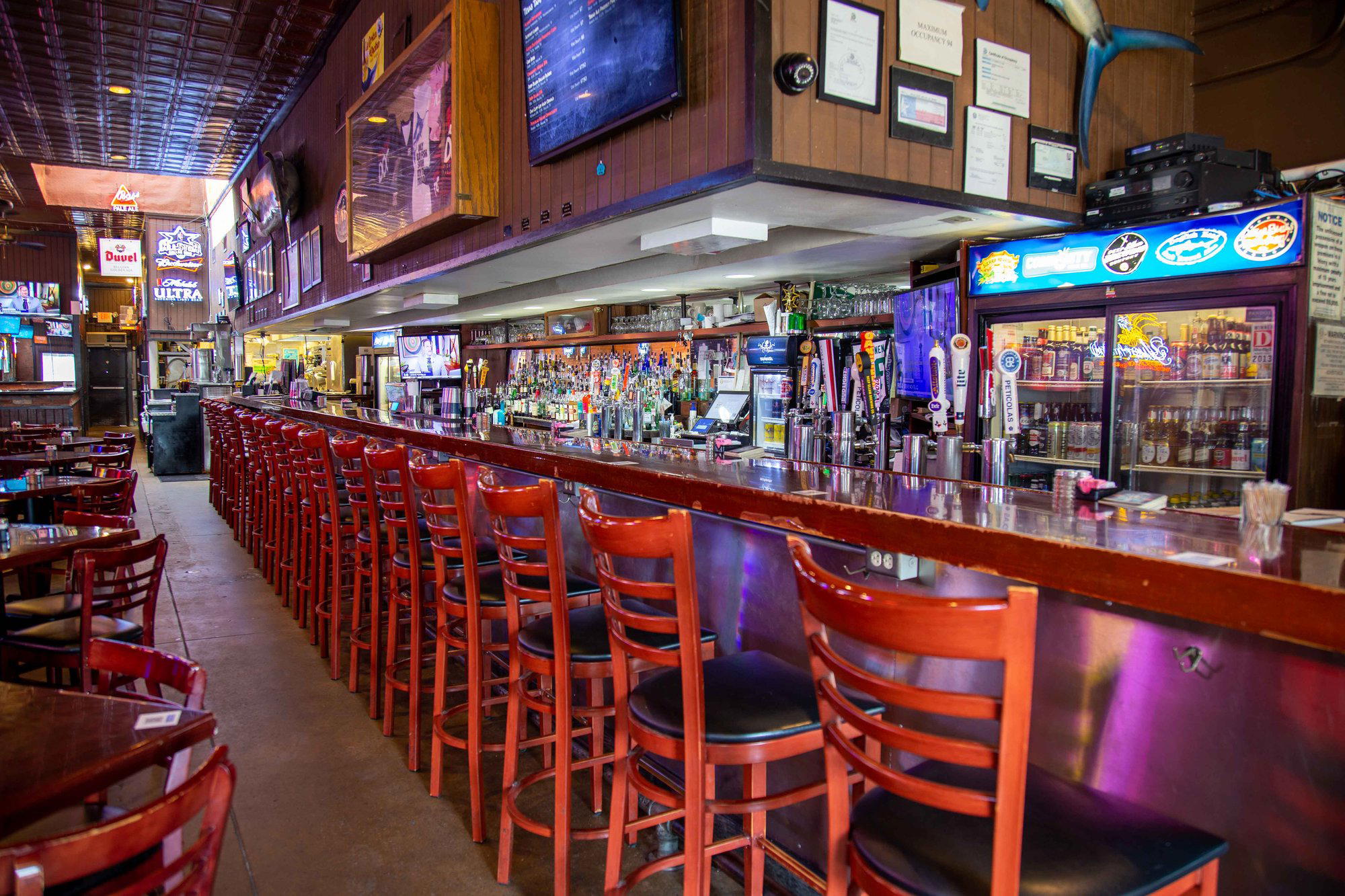
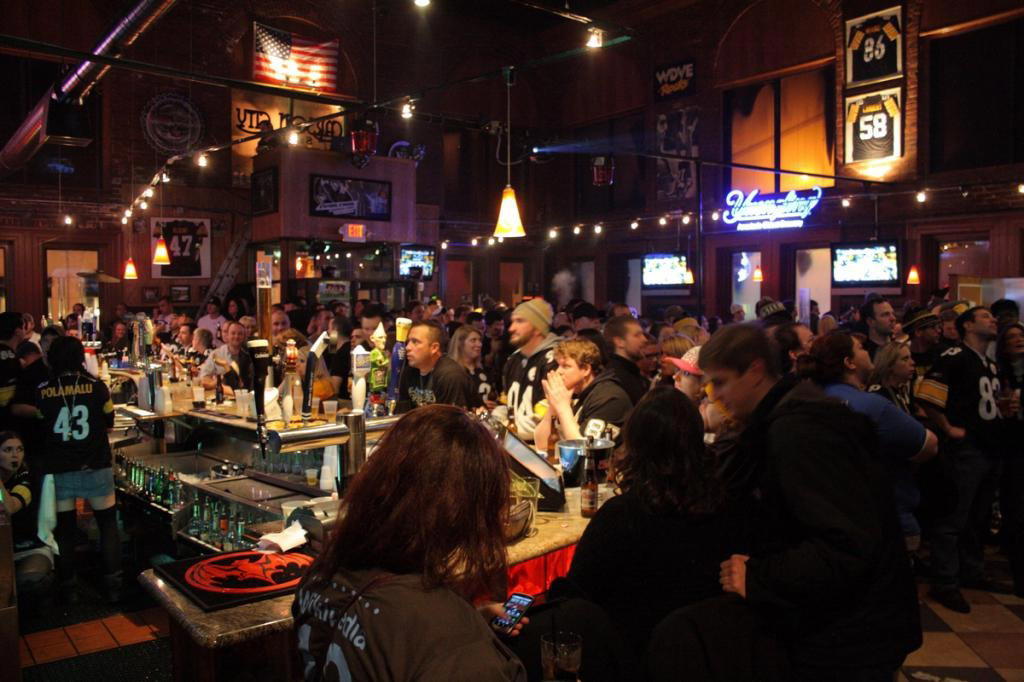
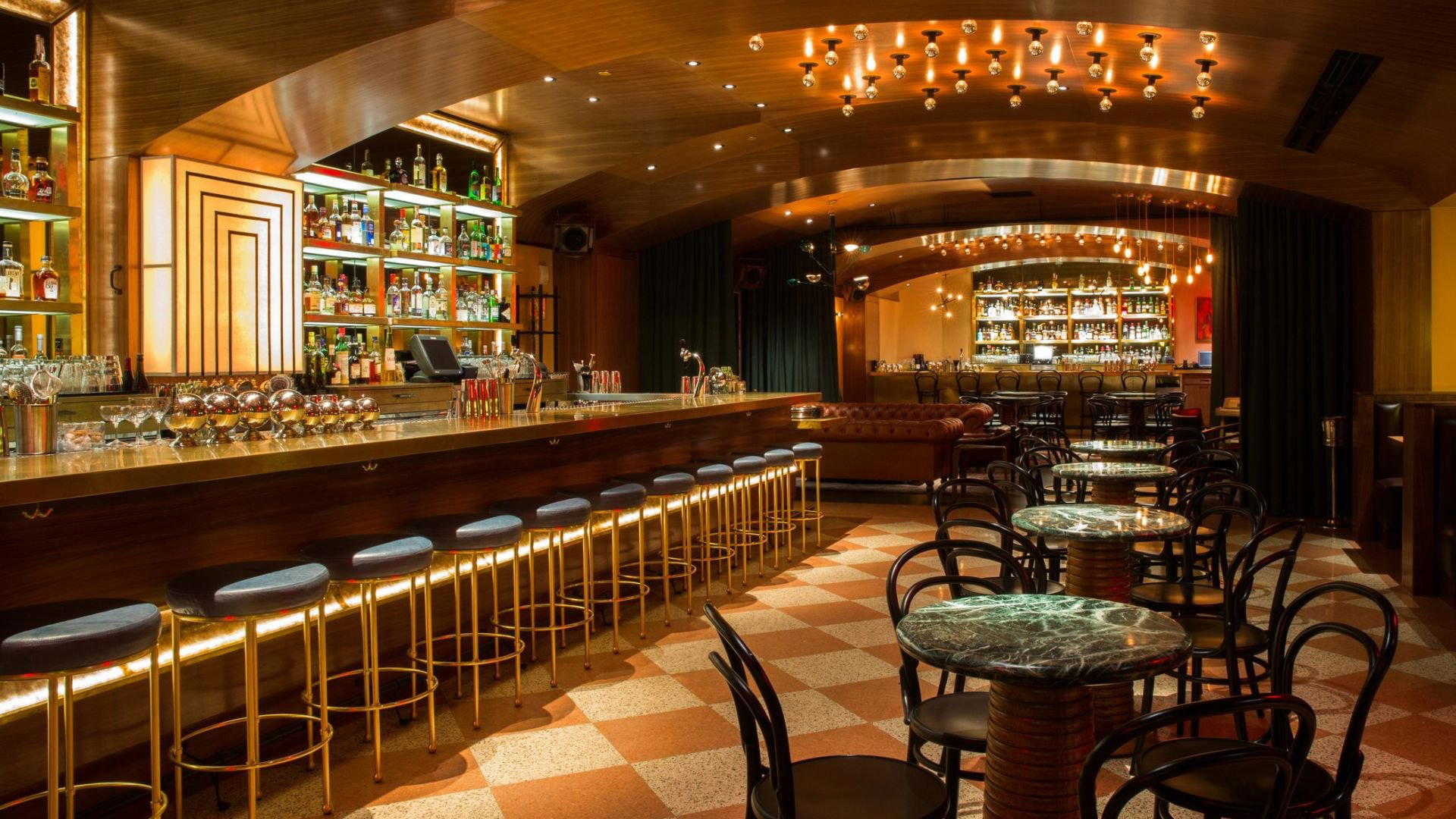
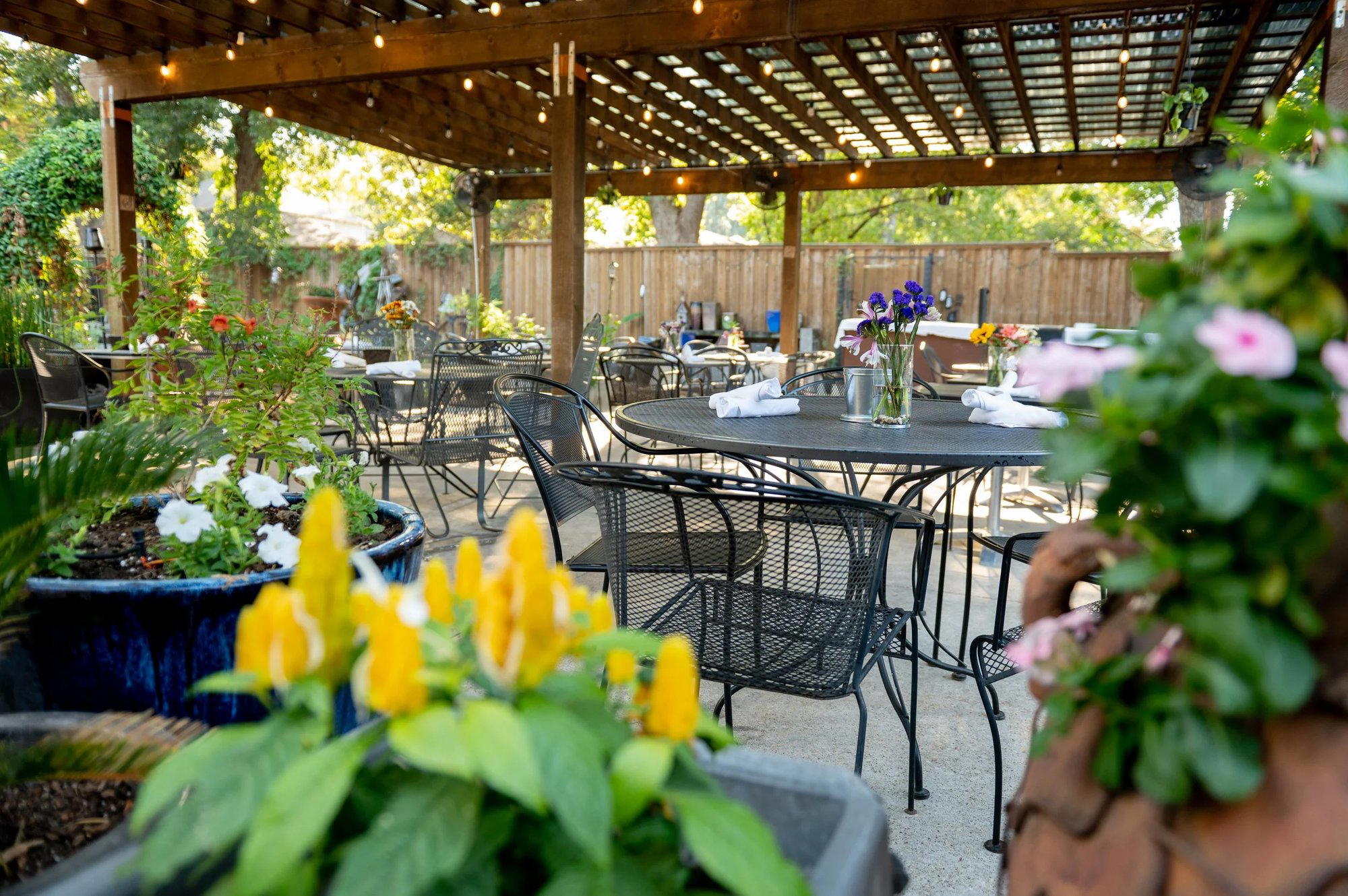
Laid-back with lively tunes and energetic atmosphere from live bands.
Know Before You Go
- Getting there
- 2532 Martin Luther King Jr Blvd, Dallas, TX 75215